Commercial EPDM Roofing in Costa Mesa, CA
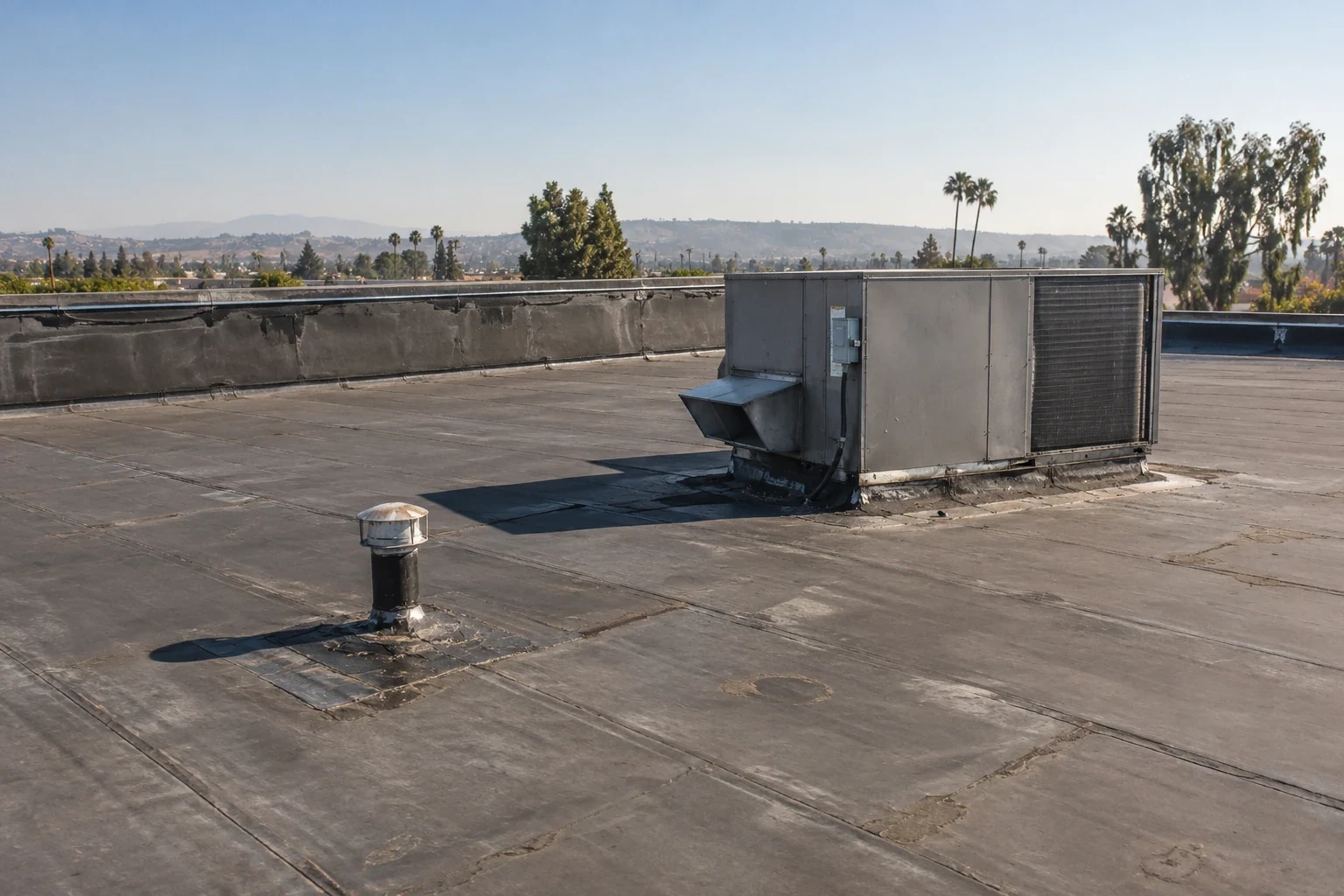
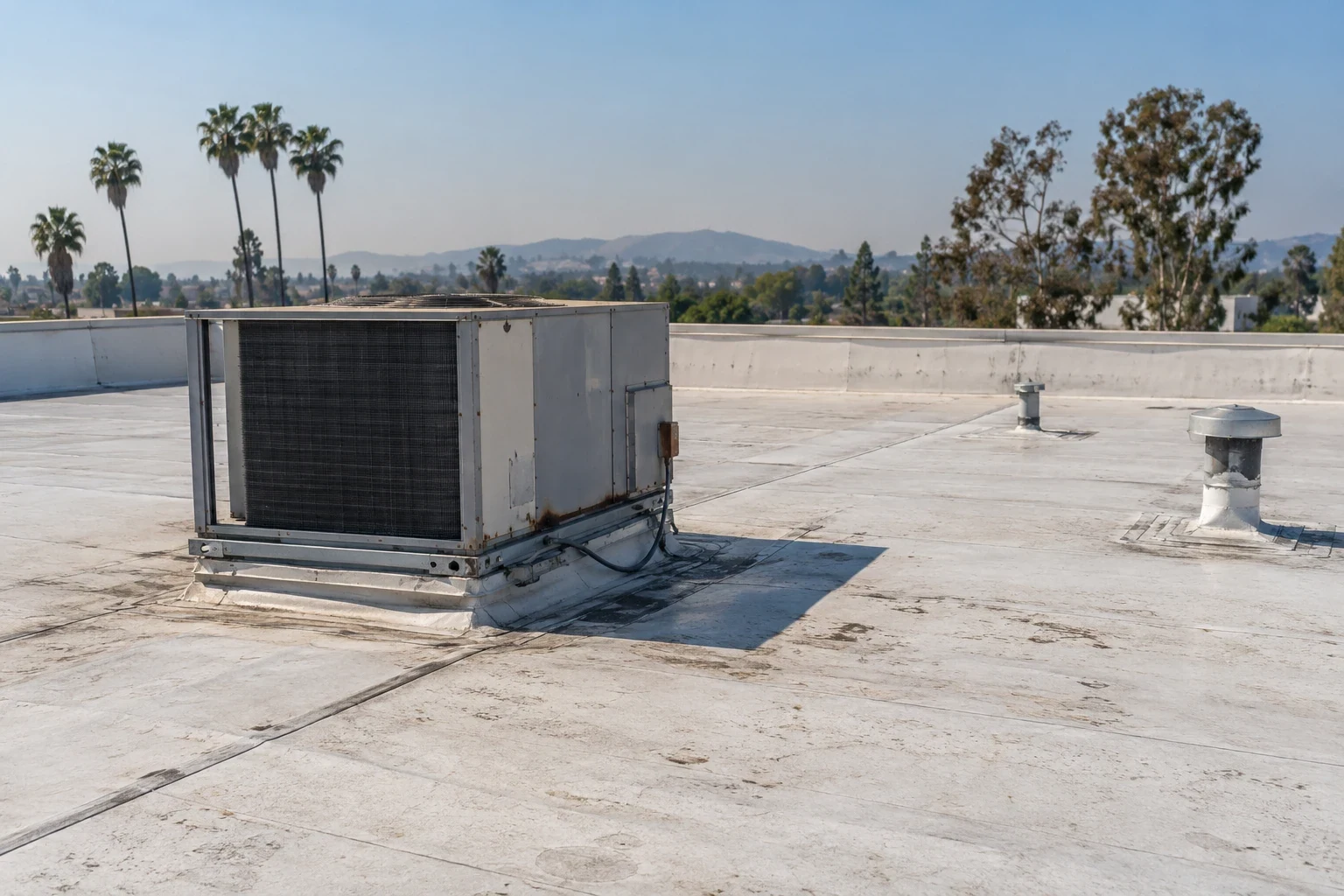
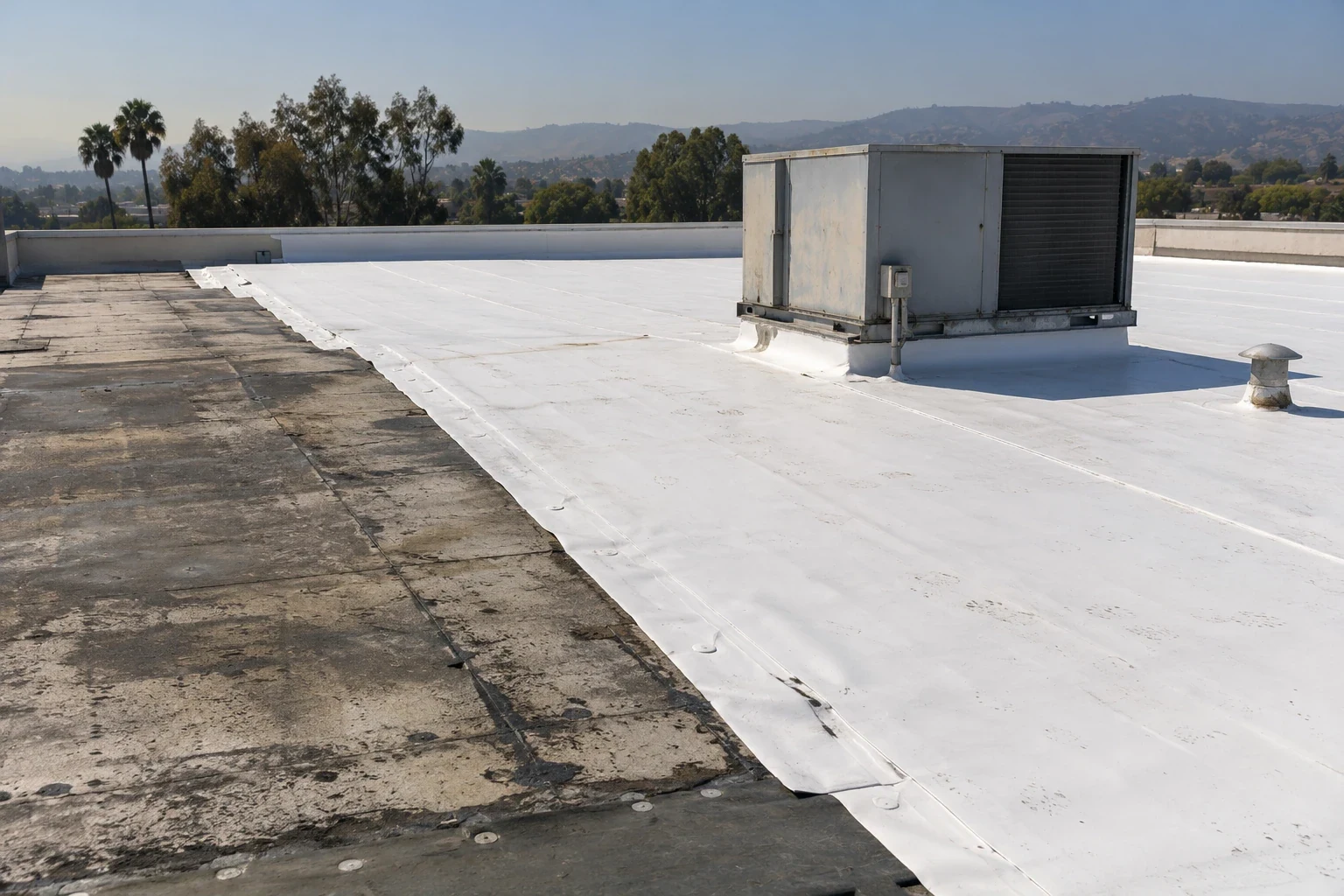
A black EPDM membrane can show a loose lap, puncture, or failed flashing that needs a repair compatible with the installed system. We inspect the seam, substrate, drain details, and rooftop traffic before planning EPDM roofing in Costa Mesa, CA. Costa Mesa's industrial districts include the Westside, Airport Industrial/Business Park, and Harbor Gateway, where property layouts vary. The district does not tell us what membrane is installed. We verify the roof and its records before choosing materials.
EPDM is a flexible rubber membrane used on low-slope commercial roofs. Seams and flashing may use adhesive, tape, or system-specific methods rather than heat welding. A repair must match the assembly and prepare the surface correctly. We document the area, identify prior patches, and mark what remains unknown beneath the membrane so the owner can decide whether to proceed with a repair or investigate further.
Seams and Penetrations
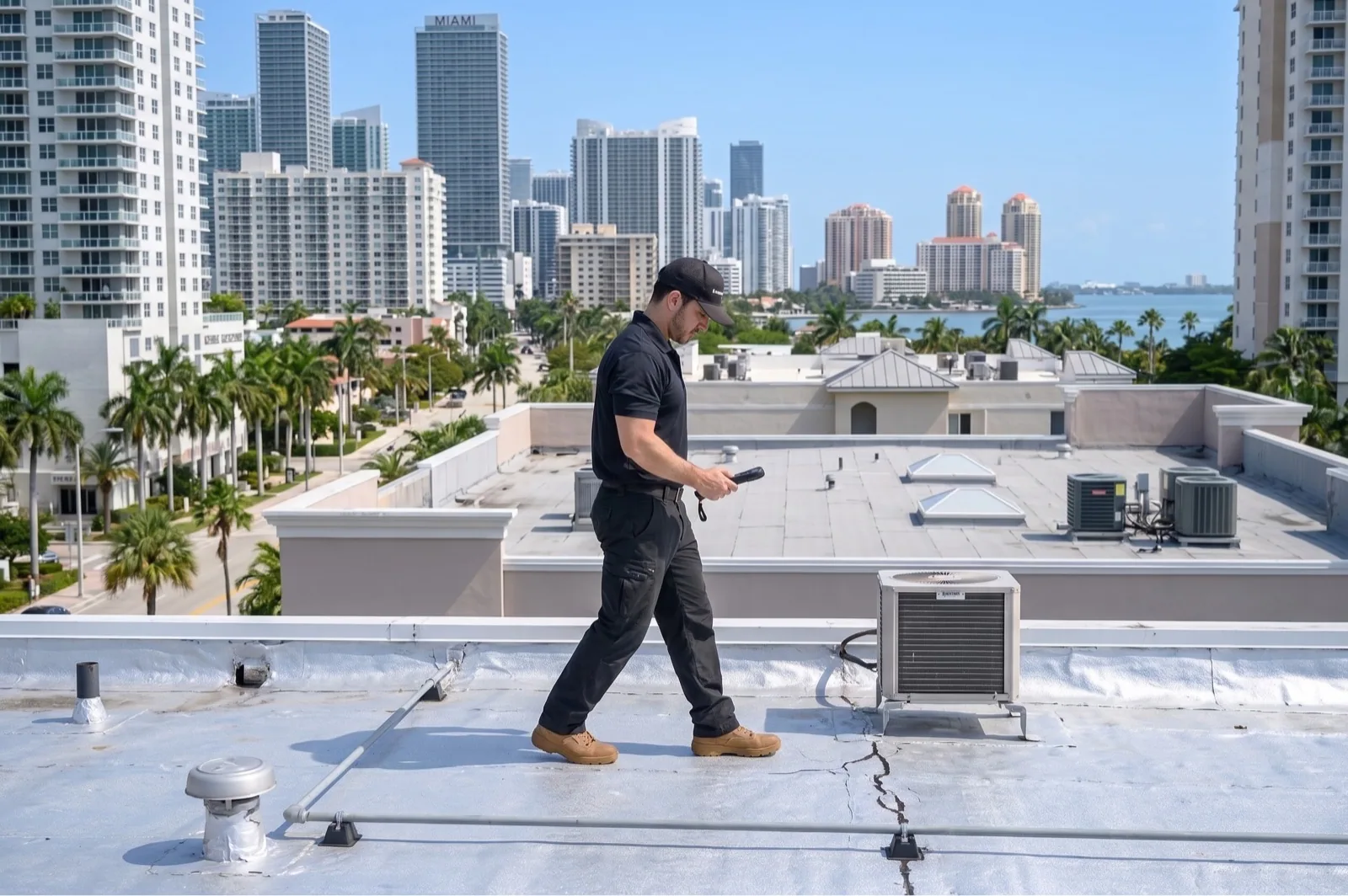
We inspect lap edges, corners, pipe boots, curbs, drain bowls, and terminations. A seam can lift because the bond failed or because movement stressed the adjoining detail. We check whether water has traveled beneath the membrane and photograph nearby transitions. A puncture under equipment traffic may call for a reinforced patch, while a separation at a wall requires a different flashing repair.
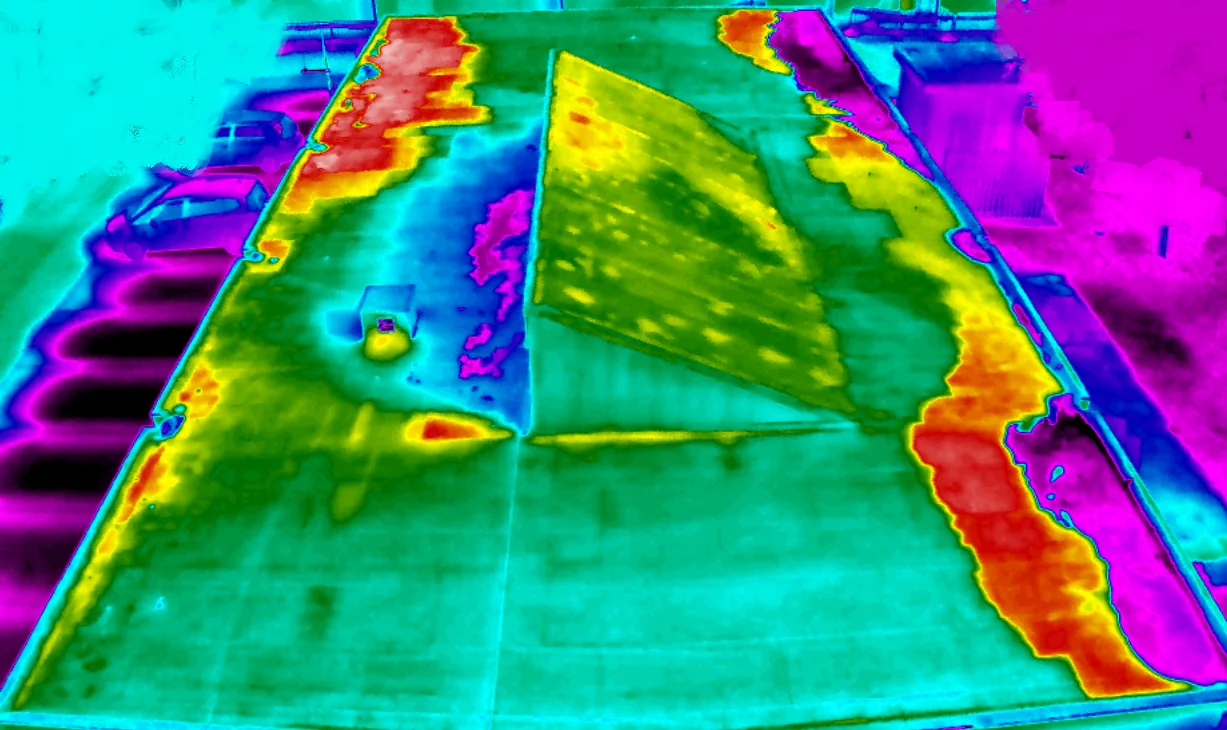
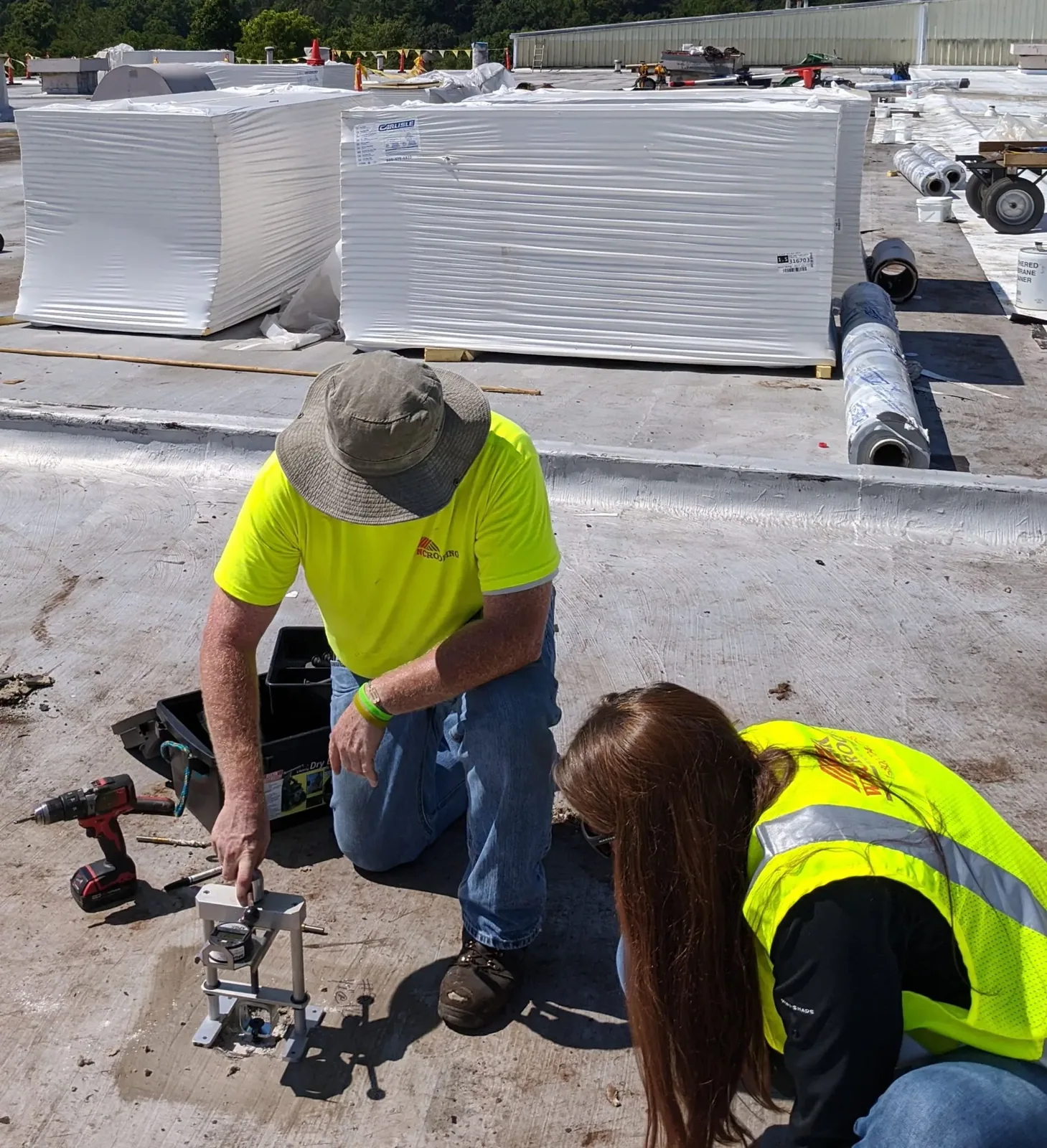
The service records help connect a roof observation with recent rooftop work. We inspect supports and walk paths before assigning a cause. A condition report maps the details, while a moisture survey may help locate areas for confirmation when conditions allow. We distinguish a survey indication from a confirmed wet layer that requires an opening.
Compatible EPDM Repairs
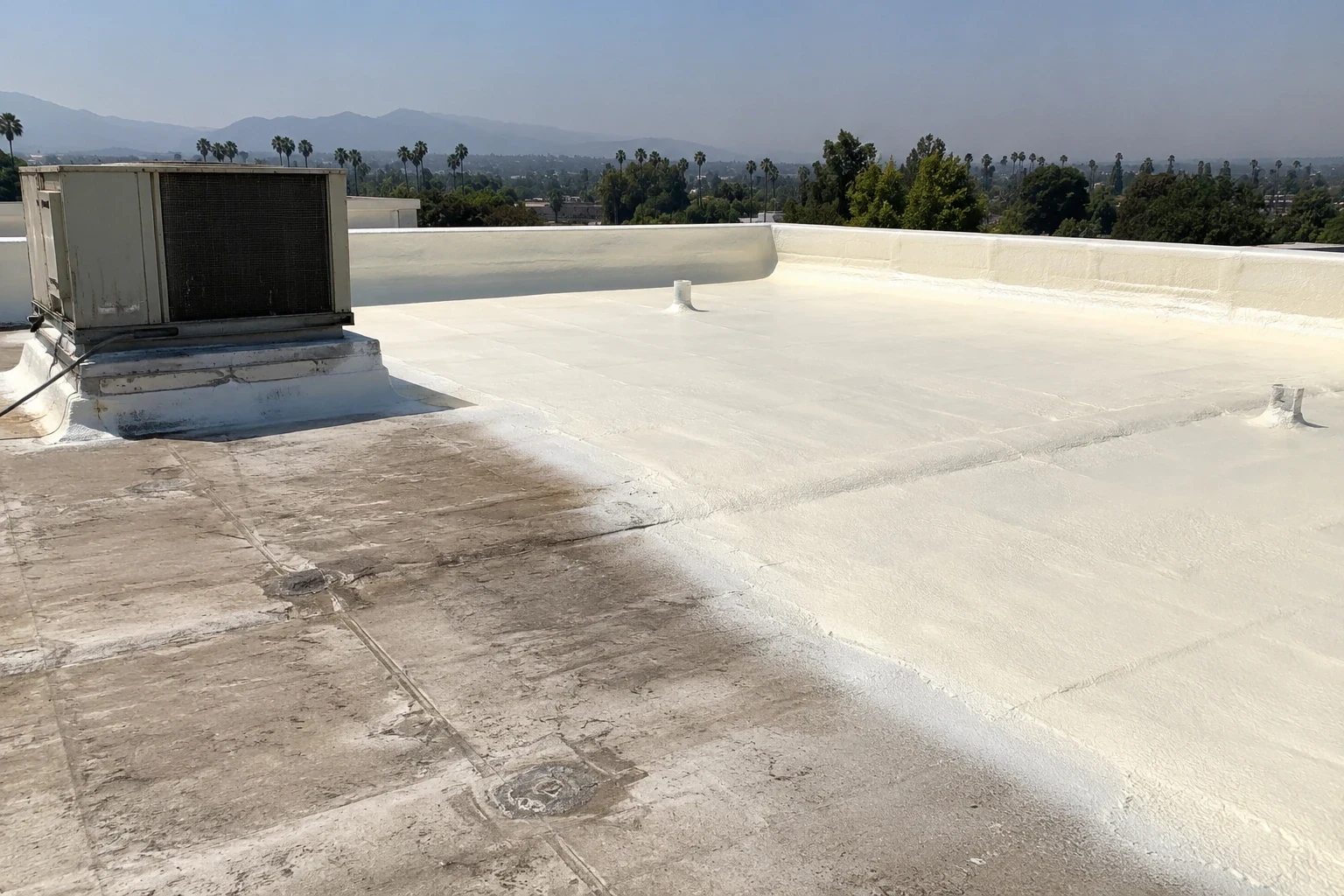
EPDM repairs rely on proper cleaning, primer, tape or adhesive, and compatible membrane pieces as the system requires. Surface preparation is critical. Dust, oxidation, moisture, or an old coating can interfere with a bond. We remove only the material needed to reach a sound surface, then complete the repair with edges arranged to limit water entry and allow inspection.
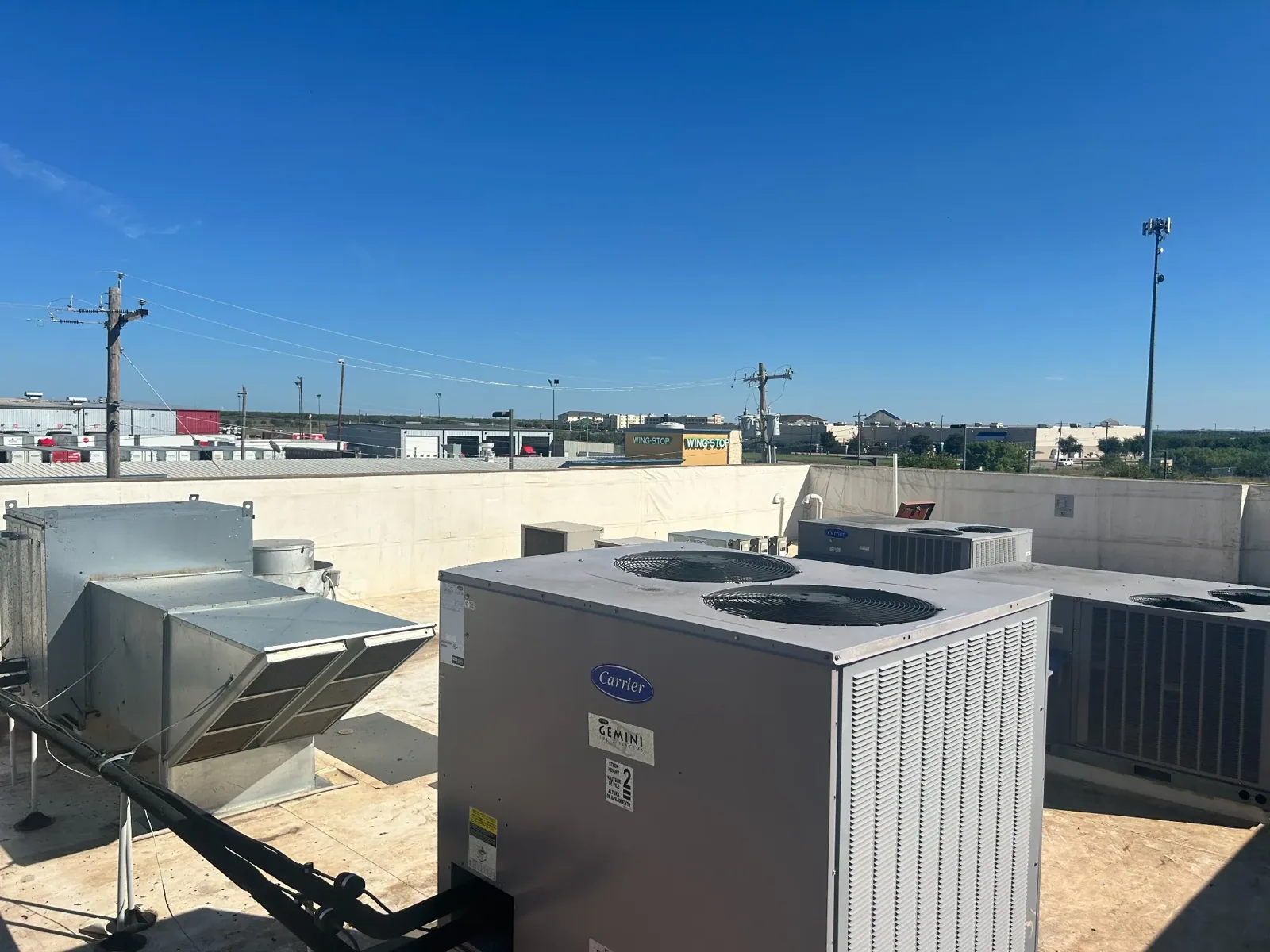
Flashing at a curb or pipe must accommodate shape and movement. A field patch cannot substitute for a boot or termination that has pulled loose. We note the exact detail and materials used in the closeout record. The curb and support inspection identifies movement and clearance issues before the roofing crew closes the transition. If equipment needs to move, its trade owner handles that scope.
Industrial and Commercial Roof Use
The Westside is described as a mix of small manufacturing and service industries with larger operations, including many smaller businesses in multi-tenant buildings. Those properties can have roof access and staging shared across suites. We identify the tenant contact and work zone before bringing materials onto the roof. An EPDM repair above a service area needs a different protection plan from one above a common office or loading route.
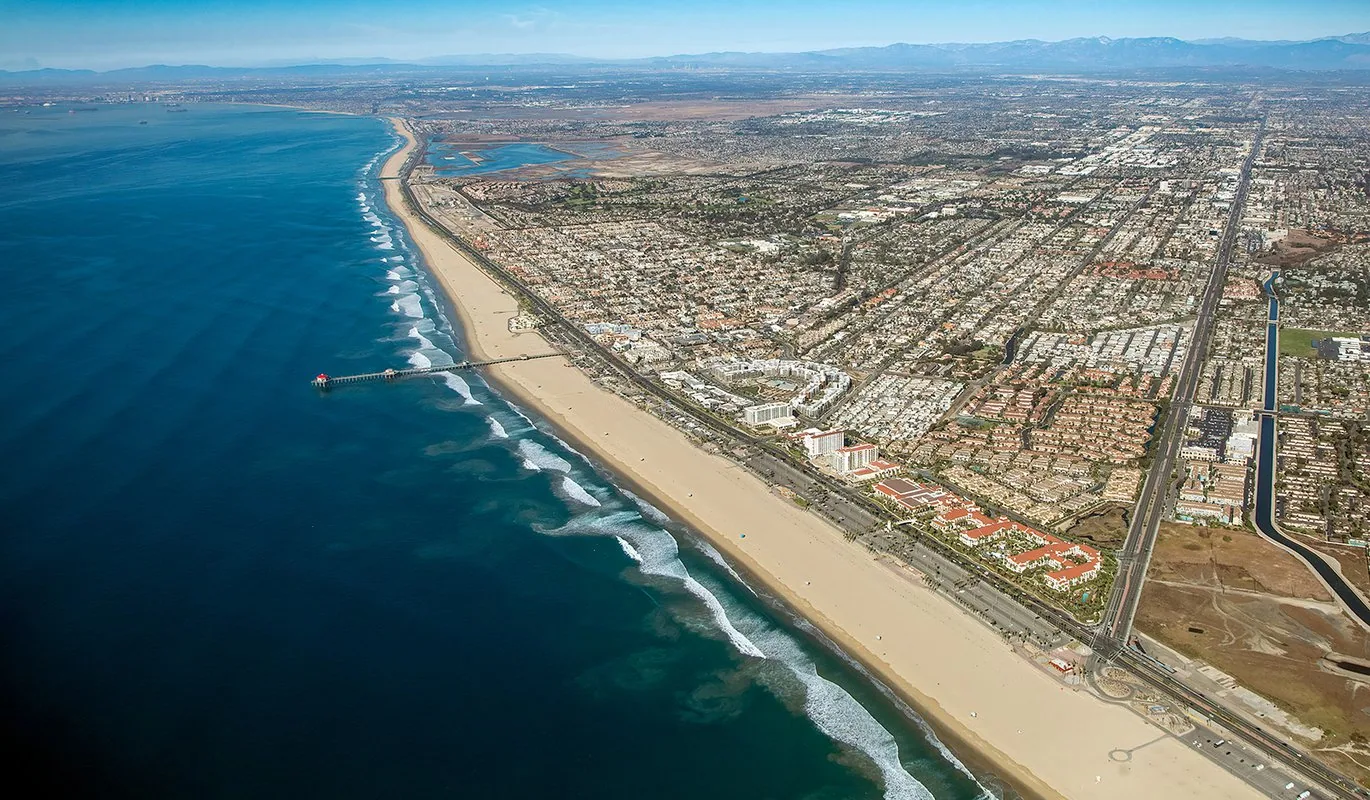
Harbor Gateway is a northern Costa Mesa industrial district near I-405 and the Santa Ana River. Westside buildings include small manufacturing and service operations as well as larger industrial uses, often within multi-tenant structures. The Westside district gives a broad reference for planning access, but the owner confirms each route and occupied area. We inspect the EPDM membrane and drainage on the property rather than assume every industrial roof shares one assembly.
Repair Versus Replacement
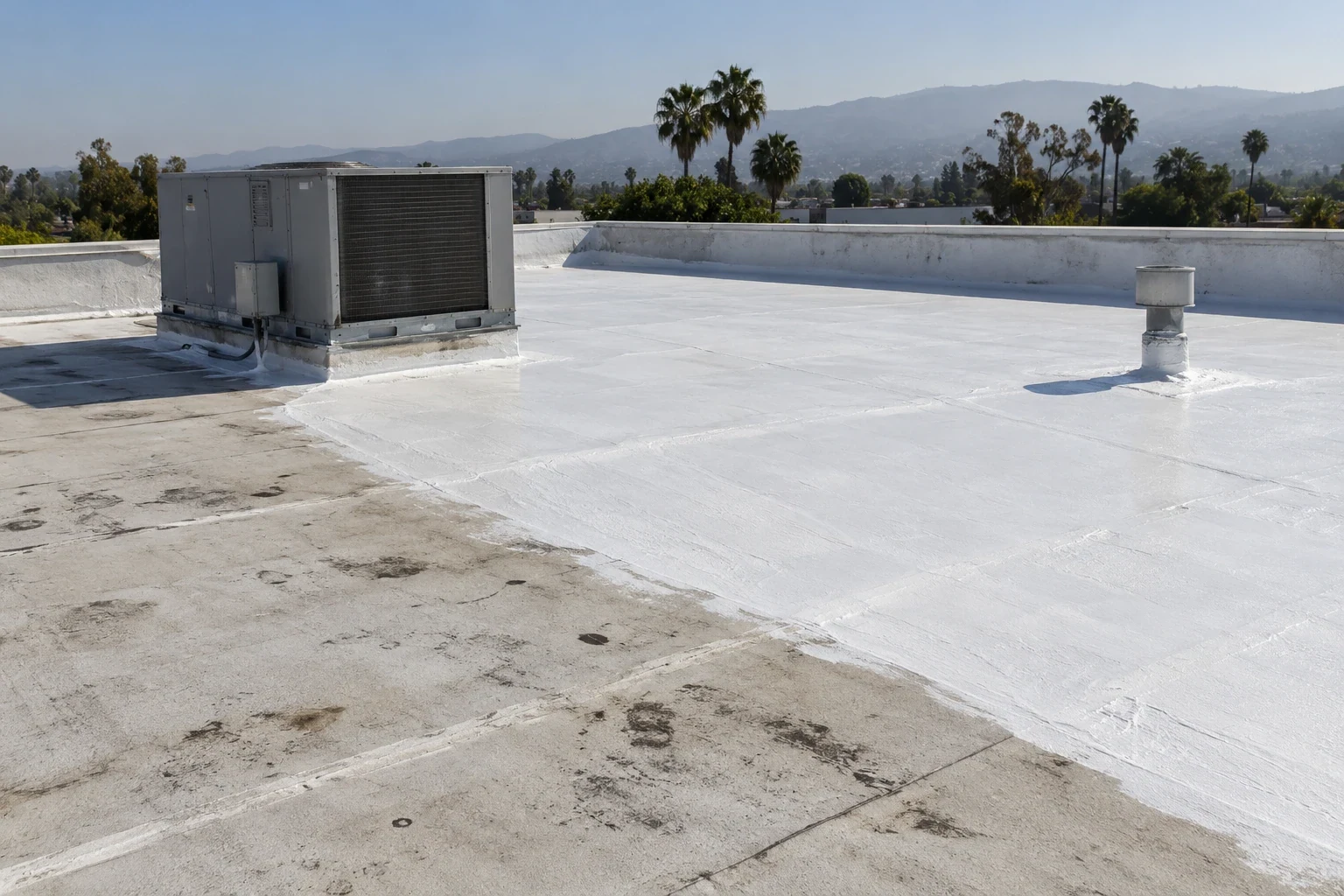
A localized repair may be appropriate when the field membrane remains flexible and the failed detail is contained. A network of open laps, hard patches, wet insulation, or deteriorated flashing can point to a broader assembly issue. We map the pattern and identify a test opening when concealed layers control the choice. A repair proposal states what condition it addresses and what should be rechecked later.
A recover or replacement evaluation includes deck condition, attachment, insulation, drainage, edge height, and transitions to adjacent construction. The recover assessment shows whether another layer can be installed within system and project requirements. If the assembly is no longer suitable, a replacement plan resets details and records. The owner can compare each path with the current roof map and known operating constraints.
Installation Details
For replacement, we confirm the deck and fastening conditions, insulation layout, membrane attachment, seam arrangement, and perimeter details. At walls and curbs, flashing must connect continuously with the field. At drains, the membrane must terminate within the drain assembly without restricting flow. We keep work zones protected if the building remains occupied and track any hold points that require owner or designer review.
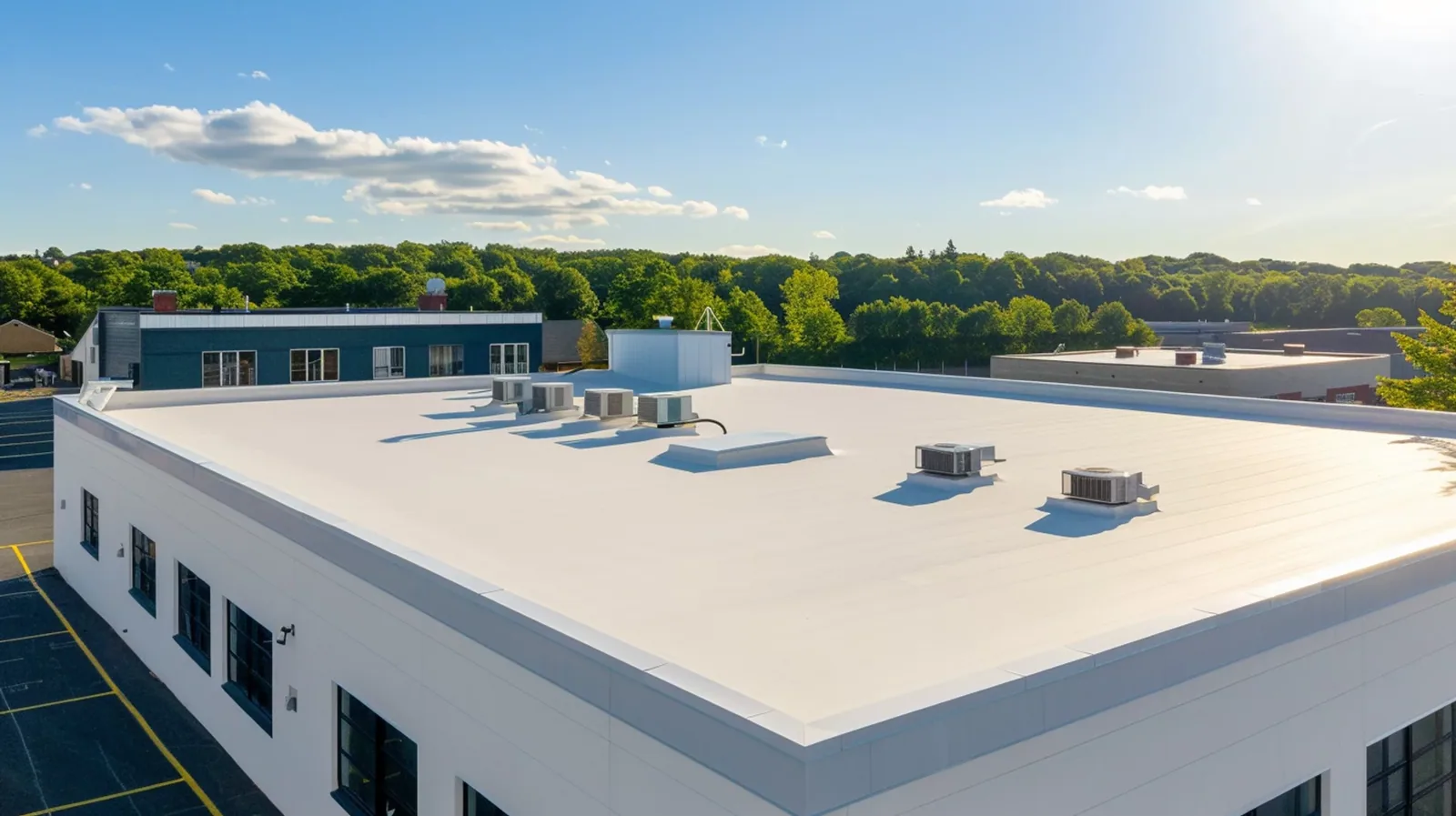
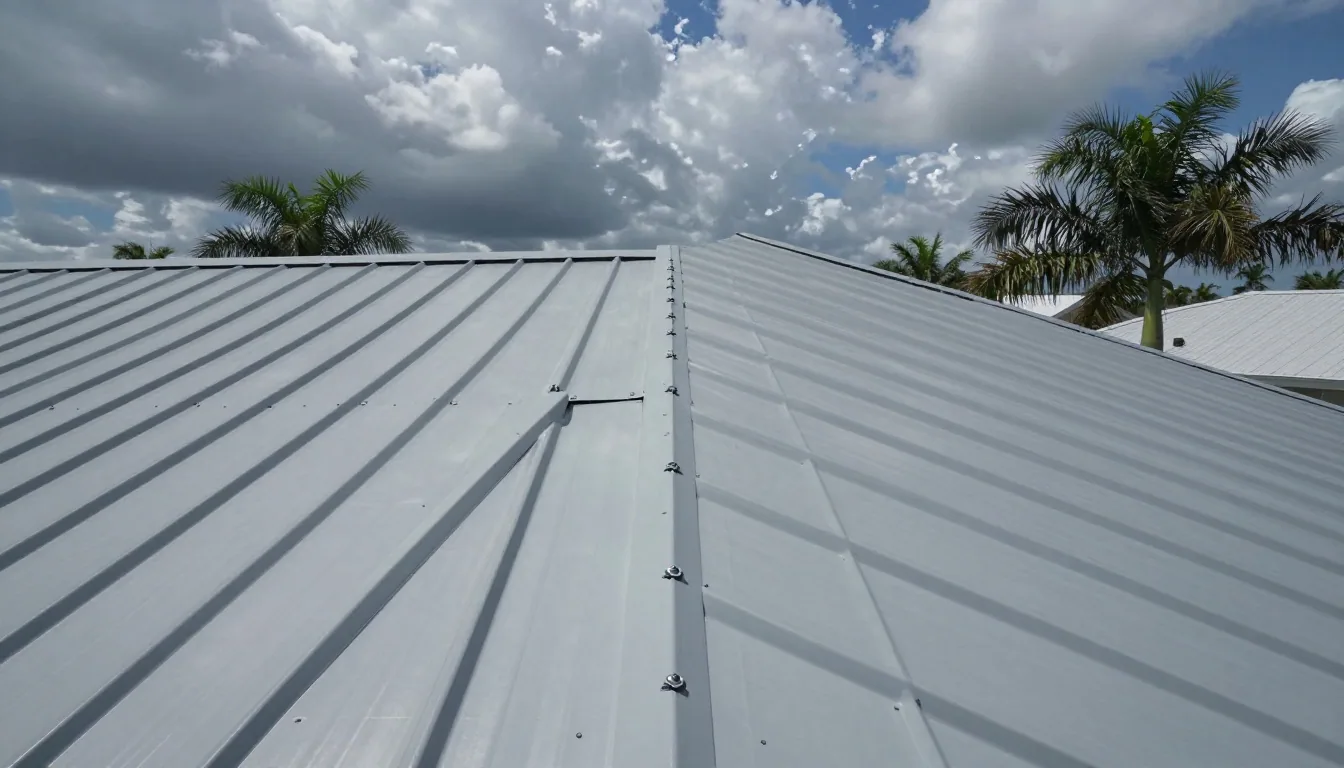
EPDM work can require adhesives and primers whose application conditions differ from heat-welded membrane systems. We check the system instructions and site conditions before installation. A TPO assembly uses different seam methods, while a PVC system brings distinct material requirements. The selection should follow the project scope and existing roof, not a general preference. Closeout photos show laps, flashings, drains, and repairs before equipment or walkway pads cover them.
After the Repair
A maintenance record should list EPDM repair locations, materials, dates, and photos. The building team can keep drains clear, avoid dragging equipment, and report new punctures or loose flashing. After HVAC work, we inspect the roof-side interface before the area is considered closed. Those practices help separate new damage from a prior repair and make the next roof walk more efficient.
The next inspection compares observed seams and flashings with the last closeout. We check low points, penetrations, edge metal, and service routes. The maintenance program can place these items on the property's roof record. If a stain appears, we trace possible paths across the assembly instead of assuming that the membrane directly above it has failed.
Document the EPDM Assembly
Send roof plans, product submittals, repair invoices, photos, and known leak locations before the visit. We will inspect representative seams and flashings, note the membrane and surface condition, and mark any area where testing is needed. The recommendation will explain repair, recover, or replacement options with the work boundary and trade coordination stated.
Commercial Roofers Costa Mesa responds at any hour for urgent water entry and schedules planned EPDM work with the owner. On a Westside multi-tenant structure or a commercial property near South Coast, access and building use shape the work window. We will keep those details in the project plan and keep the roof recommendation tied to the membrane in place. A measured record gives maintenance staff a next inspection point they can use.
Common Questions
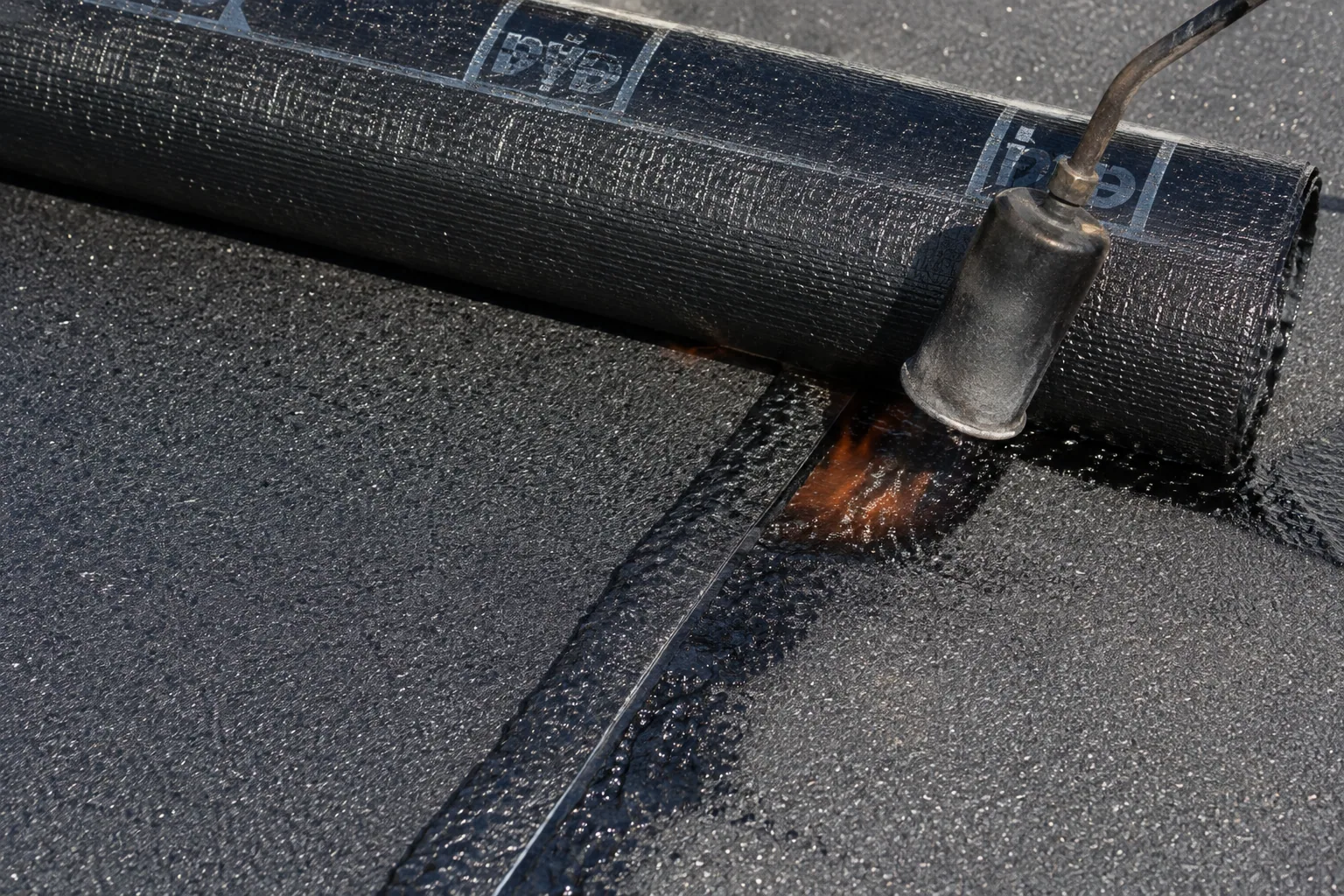
EPDM seams typically use system-specific adhesive, tape, or other methods rather than thermoplastic heat welding. We identify the membrane before selecting the repair process and prepare the surface according to that system.
Movement, weak bonding, poor surface preparation, or stress at a curb or pipe can contribute. We inspect the complete transition and nearby field instead of applying sealant only where a gap is visible.
Often, if the membrane is sound around the puncture and the repair surface is clean and dry. We inspect the surrounding area, prepare it, and document the patch. A puncture over wet or deteriorated insulation may need a broader opening.
We map suspected areas and consider survey methods or test openings. A survey can guide investigation, while a confirmed condition requires direct evidence. The owner receives the test boundary and proposed repair before concealed layers are opened.
Keep drains open, protect designated walk paths, and inspect the repair after rooftop equipment work. Record new punctures or loose flashings and compare them with the repair map at the next roof walk.
Related Roofing Work
Schedule a Costa Mesa Roof Walk
Share current roof records, known leak locations, and access requirements. We will confirm a workable visit and document the conditions that affect your next decision.