
Commercial Roof Recover in Costa Mesa, CA
A second roof layer adds weight and hides the old surface. We first find out whether the existing assembly can support a recover or needs to come off. Moisture, attachment, deck condition, drainage, and code all change that answer. A low bid based on covering everything can leave a wet area or loose sheet under the new work. We map the roof, test where conditions are concealed, then give the owner a boundary for what may stay. Costa Mesa's Harbor Gateway includes manufacturing firms and corporate offices, while Westside properties include many smaller multi-tenant operations.
The goal is a defendable choice between recover and tear-off. We compare preparation, insulation, fasteners, edge height, penetrations, and the work area needed to reach a sound surface. When removal is necessary, we show why. When a recover is feasible, the scope identifies what gets repaired and how the assembly attaches. The Harbor Gateway district and Westside district give context without diagnosing a specific roof.
Recover Eligibility
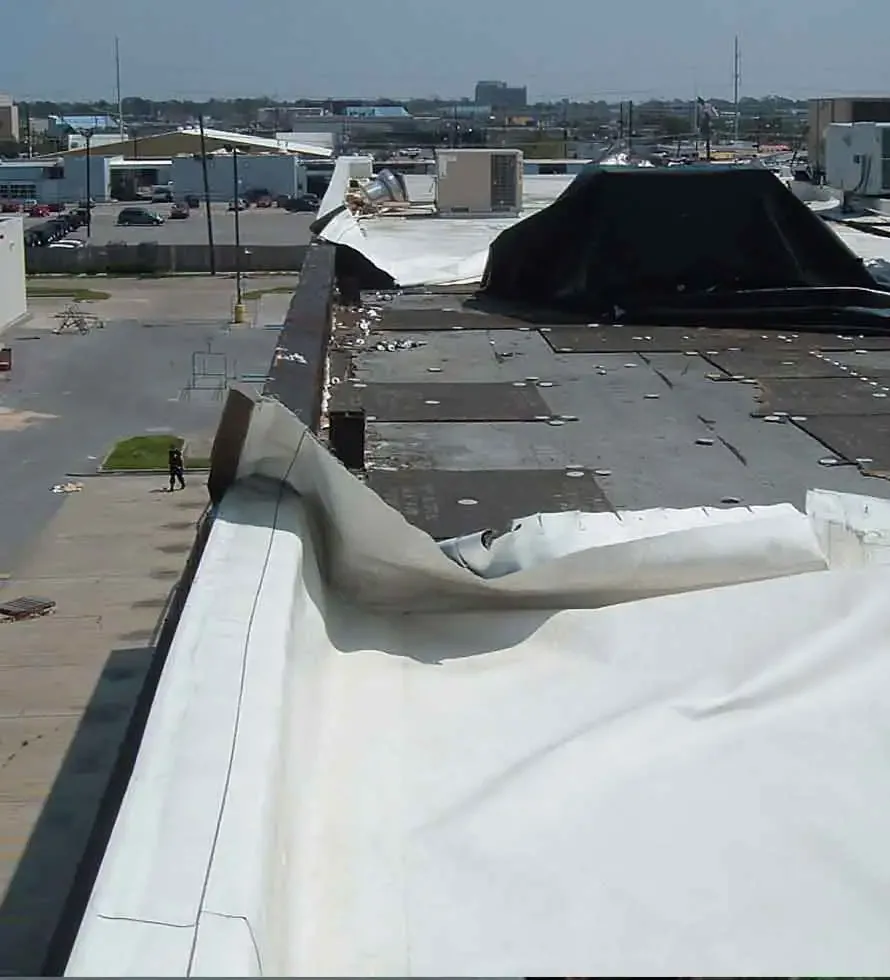
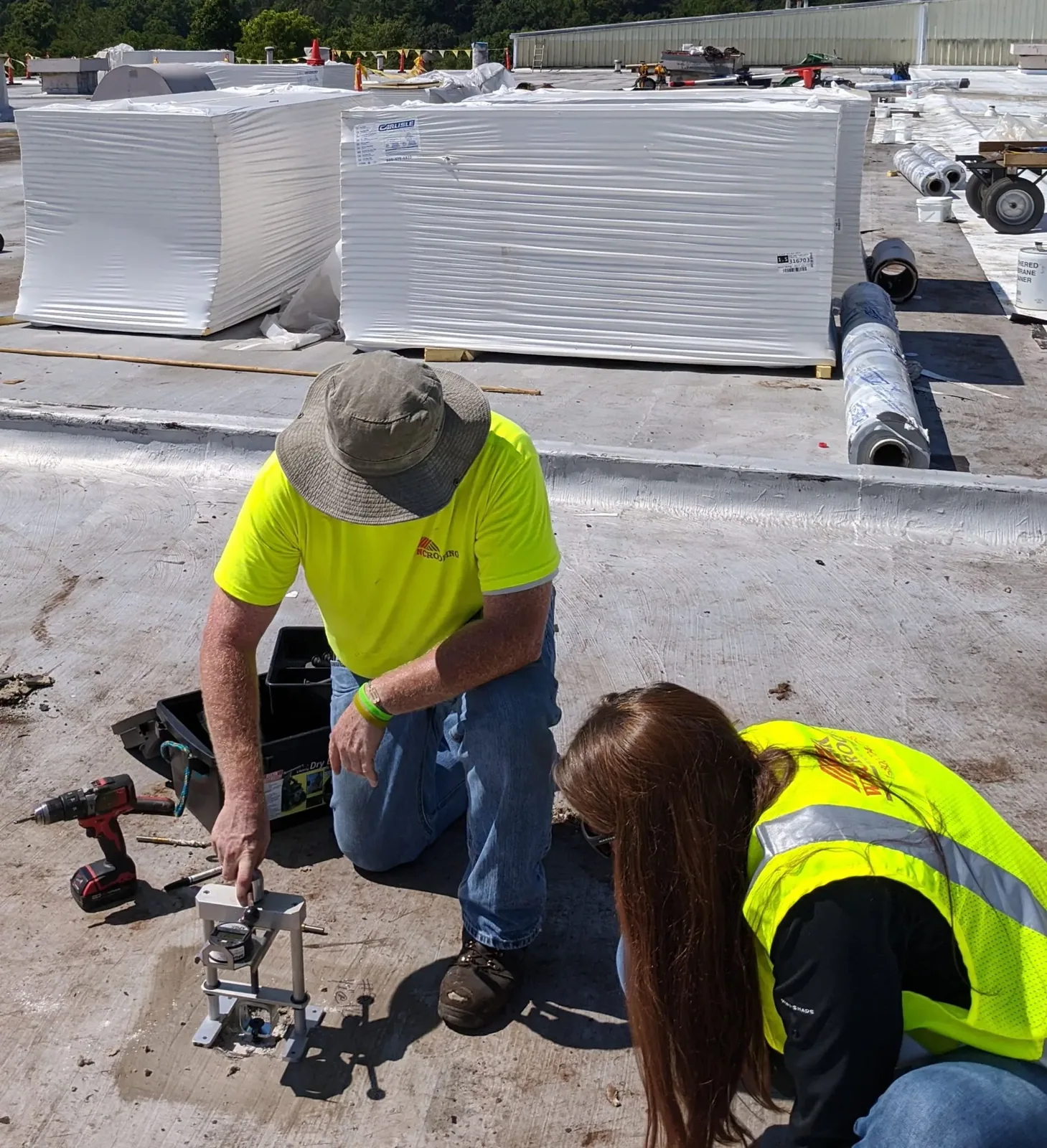
A core cut can show the layers, insulation condition, and deck interface at one location. We choose test points based on history, visible damage, and moisture patterns. A single opening does not represent every roof area, so we record the locations and use more than one where conditions vary. Soft insulation or a failing deck can make a recover unsuitable. The report identifies which areas need removal and which remain candidates for overlay.
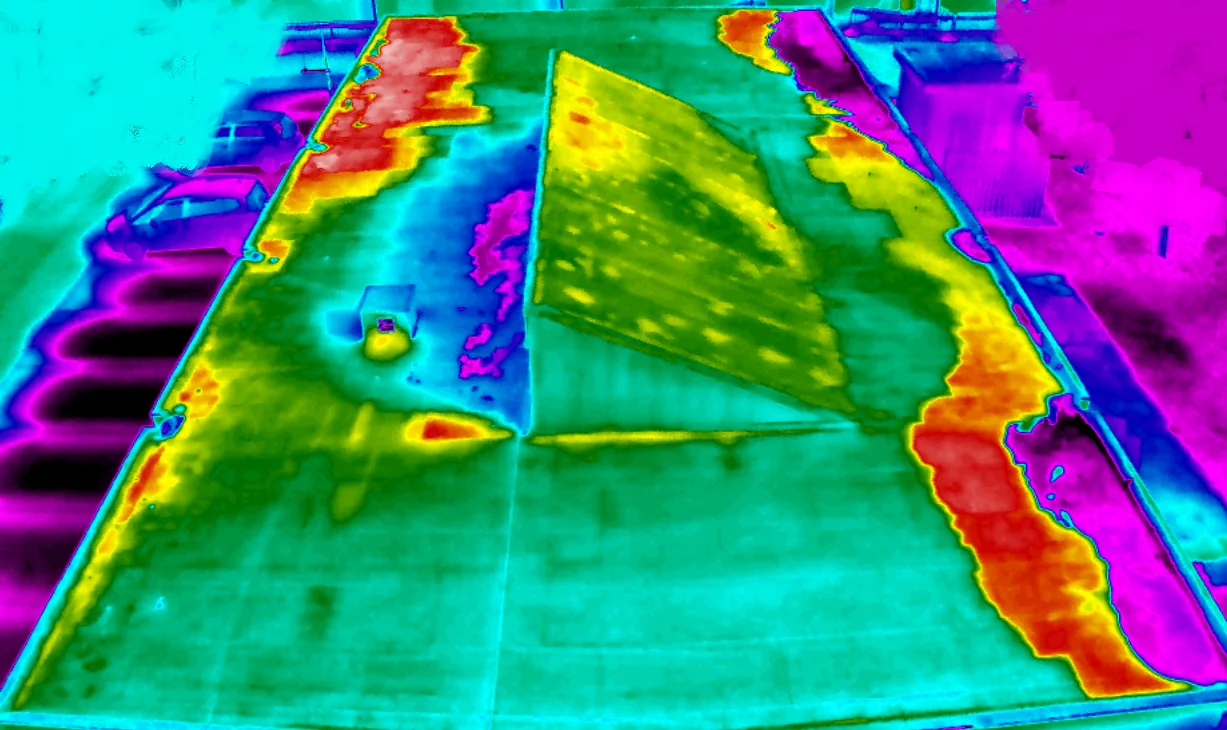
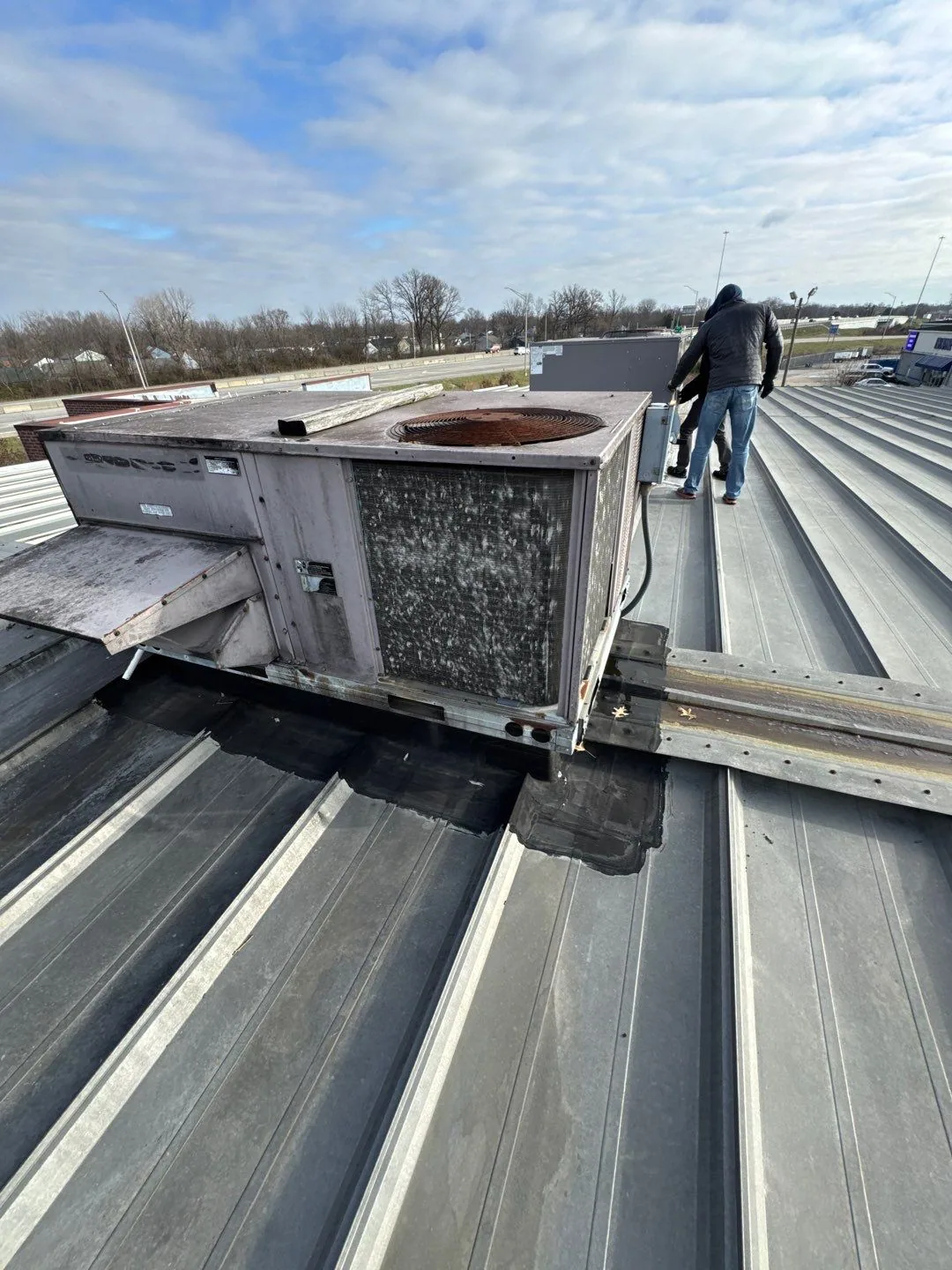
Existing membrane attachment also matters. A new system needs a supportable substrate and a fastening or bonding method that matches the assembly. We check for loose areas, bridged seams, trapped air, and transitions that may not accept added height. For suspected moisture, an infrared scan with targeted test cuts can guide openings. The results establish the work boundary before material assumptions are set.
Height, Edges, and Rooftop Details
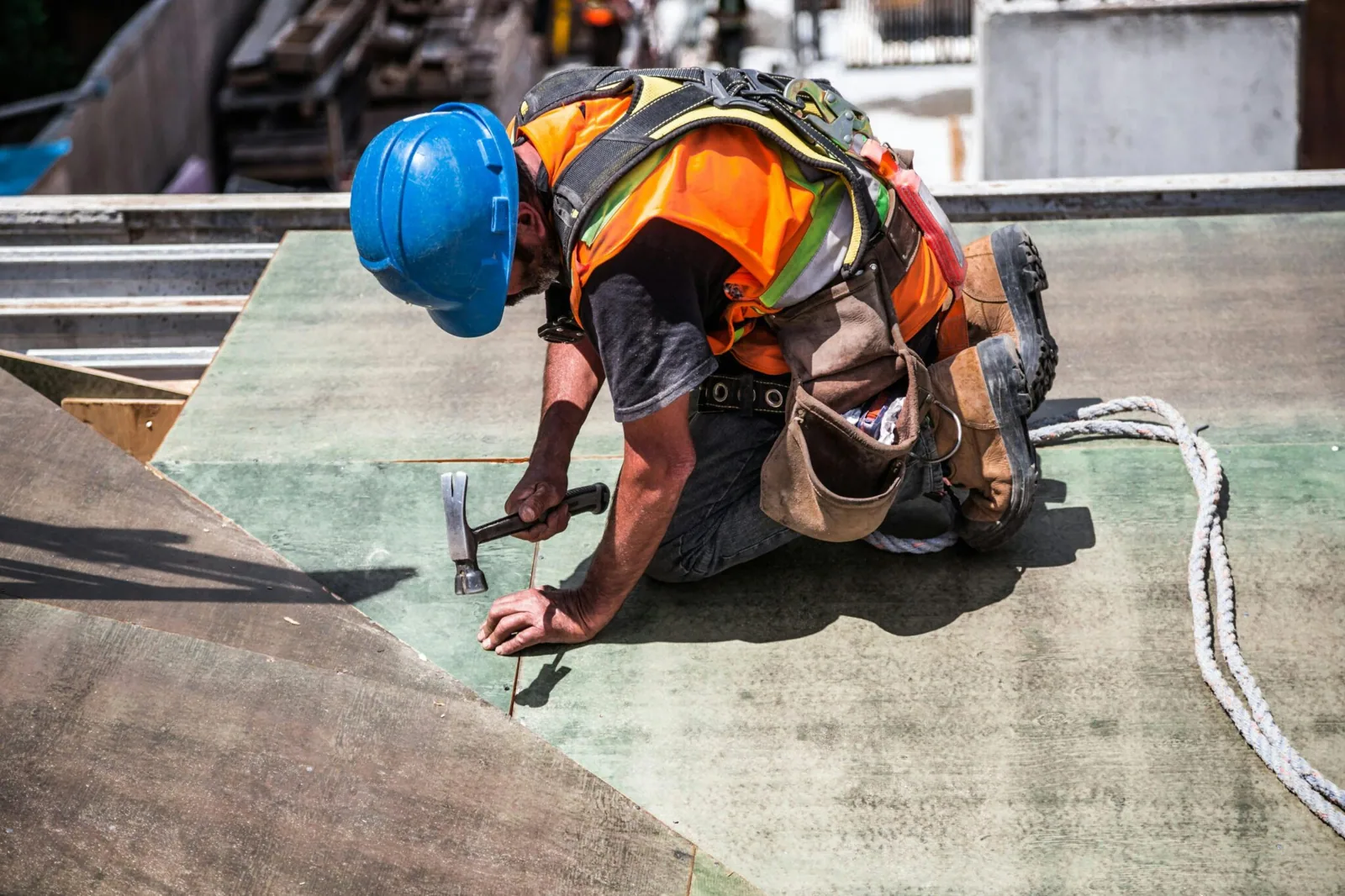
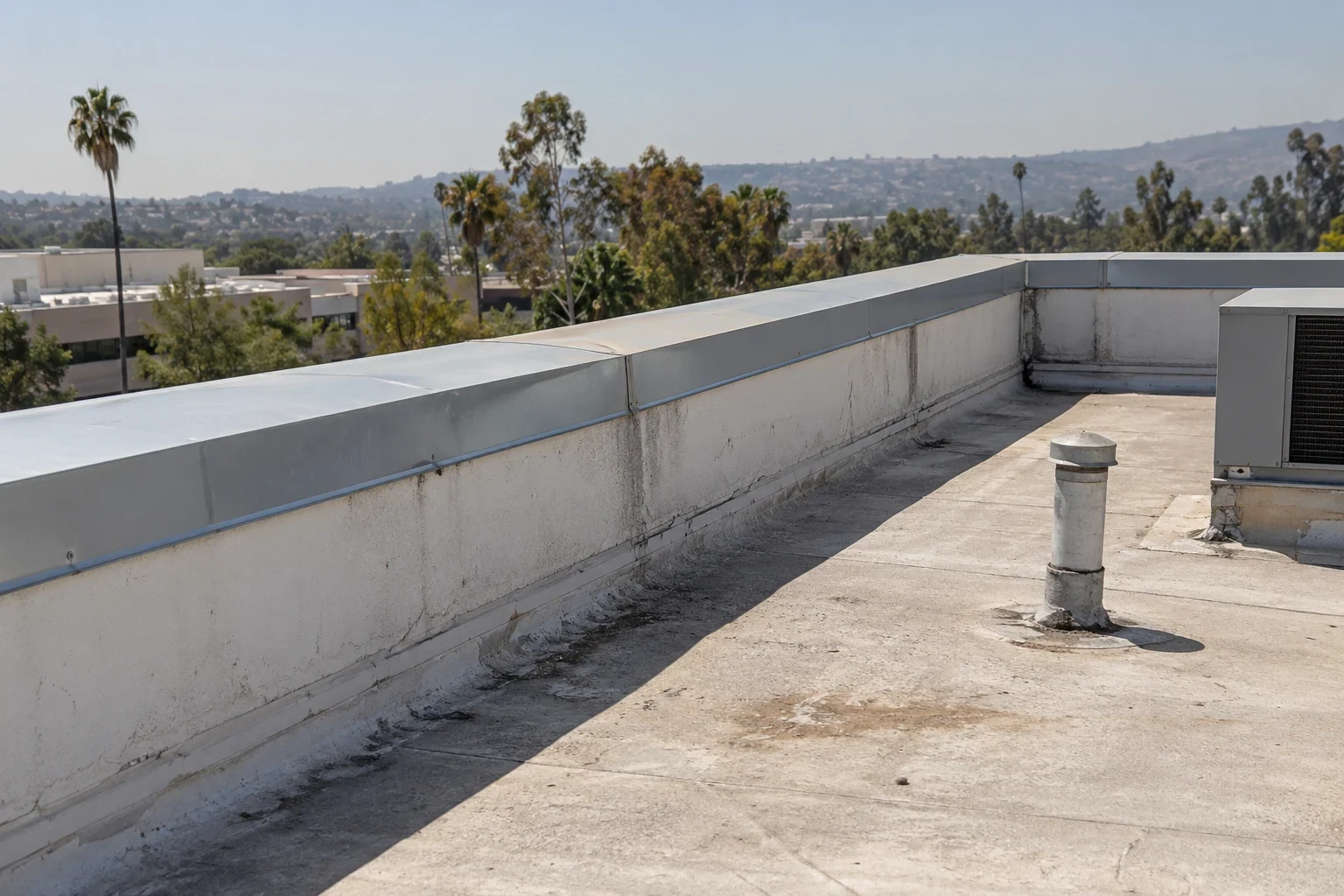
An additional layer raises the finished surface at walls, curbs, drains, and roof edges. We review parapet height, counterflashing, equipment curbs, door thresholds, and metal termination before recommending overlay. If an edge becomes too low or curb flashing cannot accommodate the new plane, the detail needs alteration. A perimeter metal review identifies changes. The scope shows where new metal, extension work, or tear-off is needed.
The Westside has smaller operations in multi-tenant structures, where shared walls and tenant access can complicate tie-ins. We mark how one work area meets the next and who controls access. We record each curb, vent, and penetration that needs new flashing after the roof height changes.
Drain Path and Water Depth
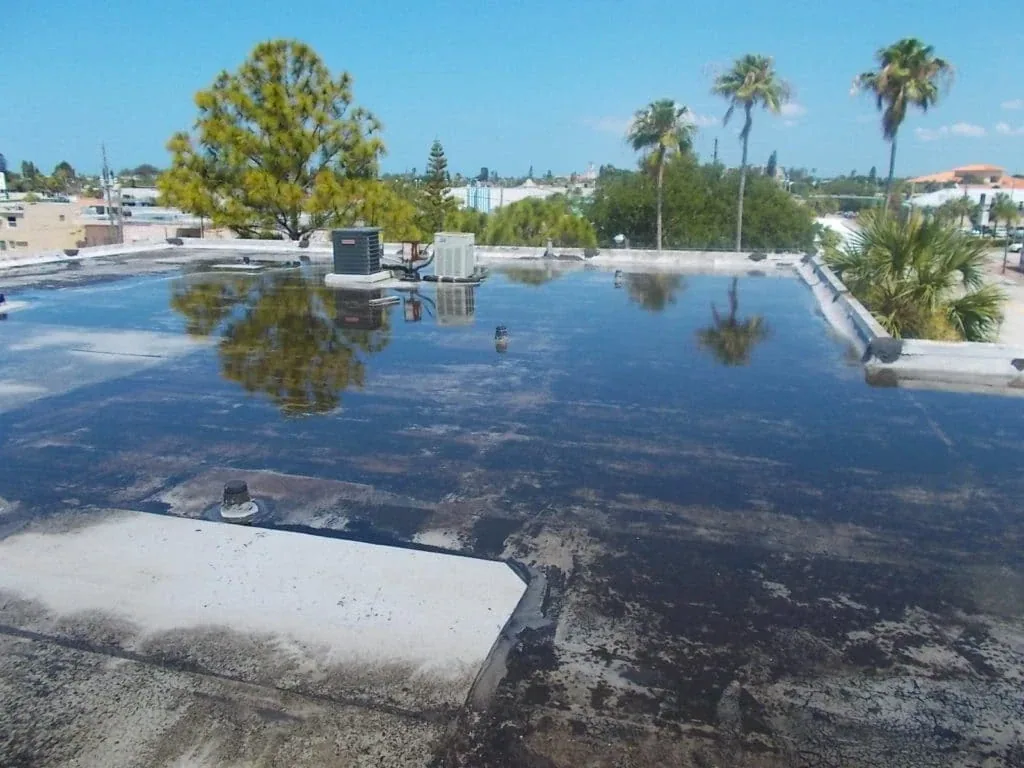
Added insulation can improve slope, but only when the layout directs water to working drains and overflow points. We mark ponding areas, drain bowls, scuppers, and changes in deck elevation. Then we compare existing slopes with the proposed surface. A recover should not trap water at a raised drain or leave an overflow below the new membrane. If the roof requires tapered insulation, sumps, or drain extensions, those items belong in the base scope or as a clearly priced alternate.
Costa Mesa's General Plan identifies East 17th Street as a commercial corridor with retail, service, and office uses. A property with customer entrances may need a different sequence for drain work and access than a production building. That does not establish any individual roof's condition. We coordinate the actual entry, temporary protection, and staging. Our drain and scupper work can be coordinated with the recover when the measured slope and discharge details call for correction.
Permit and Assembly Review
Recover eligibility can depend on existing layers and the governing code. Costa Mesa adopted the 2025 California Building Standards Code with local amendments effective January 1, 2026. Permit scope and submittal timing affect which requirements govern. We review provisions with the design team, including insulation and energy requirements, before an overlay is priced.
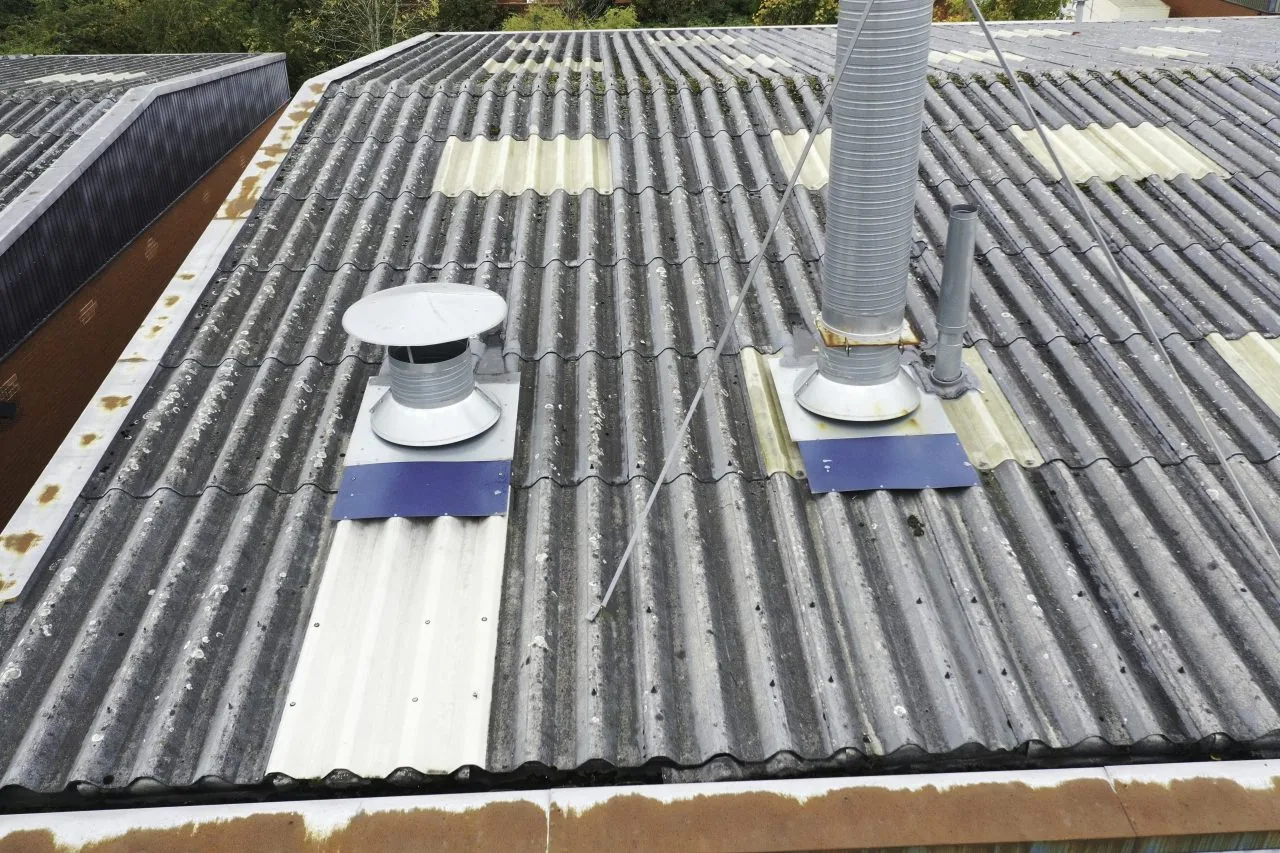
A recover assembly needs a compatible membrane and secure attachment. TPO, PVC, or another system may suit the substrate, use, drainage, exposure, and manufacturer instructions. The detail set shows seams, perimeters, curbs, and tie-ins. A coating and a new membrane recover have different preparation requirements, so the assembly type stays explicit.
A Work Plan for an Active Property
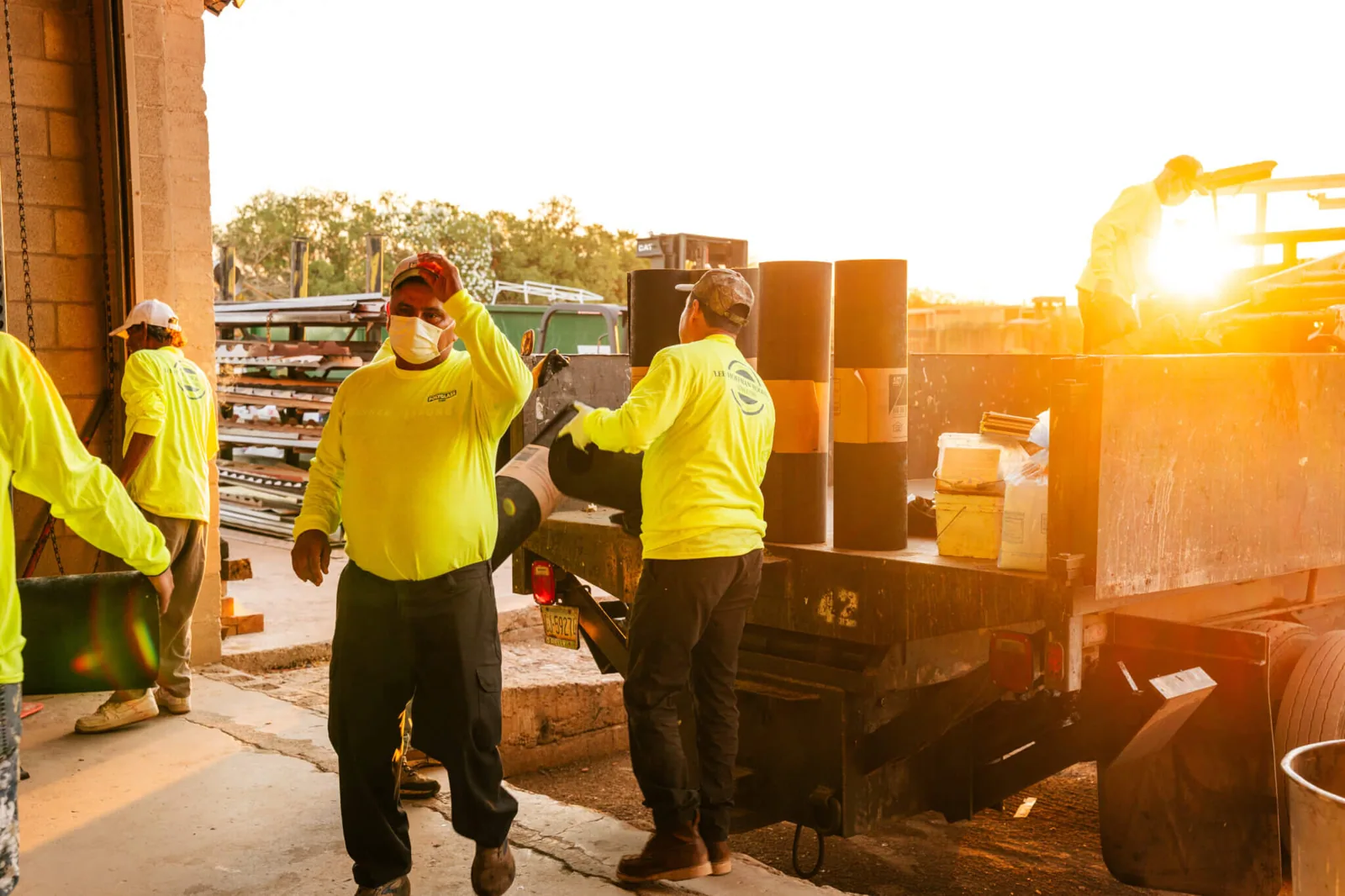
Overlay work still puts people, materials, and fasteners on an occupied roof. We confirm access, tenant notices, equipment restrictions, and where the crew can stage rolls and boards. If fastening may transmit vibration or noise, the schedule can avoid sensitive hours. We plan the work area so drains and emergency paths remain available. A daily close-in point matters during changing weather, especially where the scope opens a transition or removes a damaged section.
Harbor Gateway's industrial and office mix makes the owner contact important for coordinating deliveries and roof access, but no district label tells us the operating rules of a specific building. We verify them before mobilization. The occupied-roof sequence can keep access limits tied to a floor plan and work zone. At completion, a photo condition record captures the new layer, details, and any excluded area for the next inspection.
Scope Boundaries
The proposal should separate recover work from items still requiring removal. We list preparation, fastening, insulation, edge changes, curb details, drainage corrections, test cuts, and allowances for concealed conditions. Each allowance needs a defined trigger and approval path. If testing finds wet insulation, the repair boundary must expand to sound material, not stop at an arbitrary line. The owner then knows what would alter price or schedule before the crew reaches that point.
A recover can preserve a sound existing layer, but only after inspection supports that choice. If the substrate or drainage makes overlay a poor fit, a tear-off comparison can show the full removal path. A roof walk can document visible conditions and test locations. Share the roof plan, prior leak records, access restrictions, and permit history for a Costa Mesa review. We will map what can remain, what must change, and which answer depends on opening the assembly.
Common Questions
We inspect the surface and transitions, review repair history, and test concealed layers where they affect the choice. Widespread wet insulation, weak attachment, or a damaged deck can rule out overlay. The report names which areas were tested and what remains unknown, then defines the boundary for removal or recover.
It can. We measure the added height at edges, drains, equipment curbs, and wall transitions before setting the assembly. Details may require extension metal, curb work, or selective tear-off. Those changes appear in the scope so the finished height and drainage path are not left to a field assumption.
The slope plan can improve drainage when deck conditions and elevations allow it. We trace the route to each drain and overflow, check the existing low points, and identify any drain extension or sump work. The proposal states the correction and its limits. A raised surface should not send water toward a curb or closed edge.
We mark its location, check surrounding conditions, and expand testing until the affected boundary is supportable. Wet material is removed to sound insulation before the new assembly closes the area. The owner approves the added scope under the stated allowance. We record the opening and repair so the concealed condition is part of the roof history.
Project scope and submittal timing determine the applicable code provisions. Costa Mesa adopted the 2025 California Building Standards Code with local amendments effective January 1, 2026. We coordinate the roof assembly and permit questions with the project team before work begins, rather than assuming an added layer is automatically allowed.
Related Roofing Work
Check Recover Eligibility
Send the roof plan, repair history, leak map, and access limits. We will walk the roof, identify test locations, and compare the recover boundary with any areas that need tear-off.