
Cold Storage Roof Repair in Costa Mesa, CA
Condensation at a freezer-room ceiling and a roof leak are separate findings until the path is traced. We walk the membrane, inspect transitions around rooftop equipment, and compare visible conditions with the building's service and repair record. That first pass helps identify whether water is entering through a failed detail, moving within the assembly, or coming from an interior condition. Costa Mesa, CA has commercial corridors as well as industrial districts, so an occupied cold-storage building may need roof access and repair windows planned around deliveries and temperature-sensitive operations.
We record the location of each concern and mark the repair boundary before pricing work. The Westside service area includes a mix of small manufacturing and service operations, with many smaller businesses in multi-tenant structures. Shared access and demising walls can affect how protection and staging are set. A cold-storage roof still needs its own inspection; a district label does not establish its roof type or condition. We connect the Diligence Notes to the decision the owner has to make, then set the next inspection if more evidence is needed.
Temperature and Moisture Findings
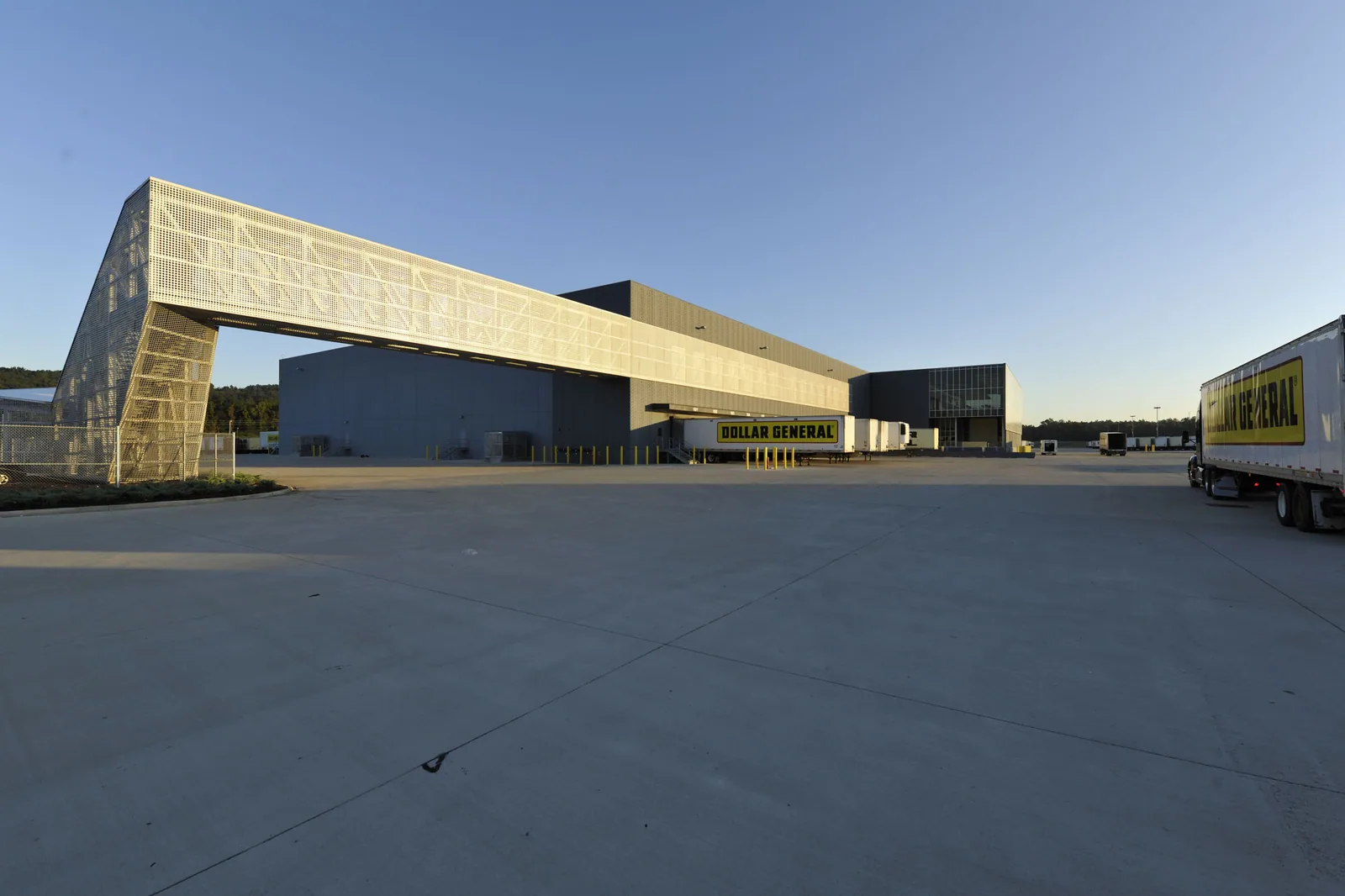
A cold interior does not prove that roof insulation is wet. We look for a roof-side entry point, surface damage, open seams, loose flashing, and drainage problems, then note whether the interior report lines up with those observations. A moisture survey can help map suspect areas, but each result needs to be read with the roof assembly and field conditions in view. We separate confirmed wet material from areas that need a test opening or another inspection method.
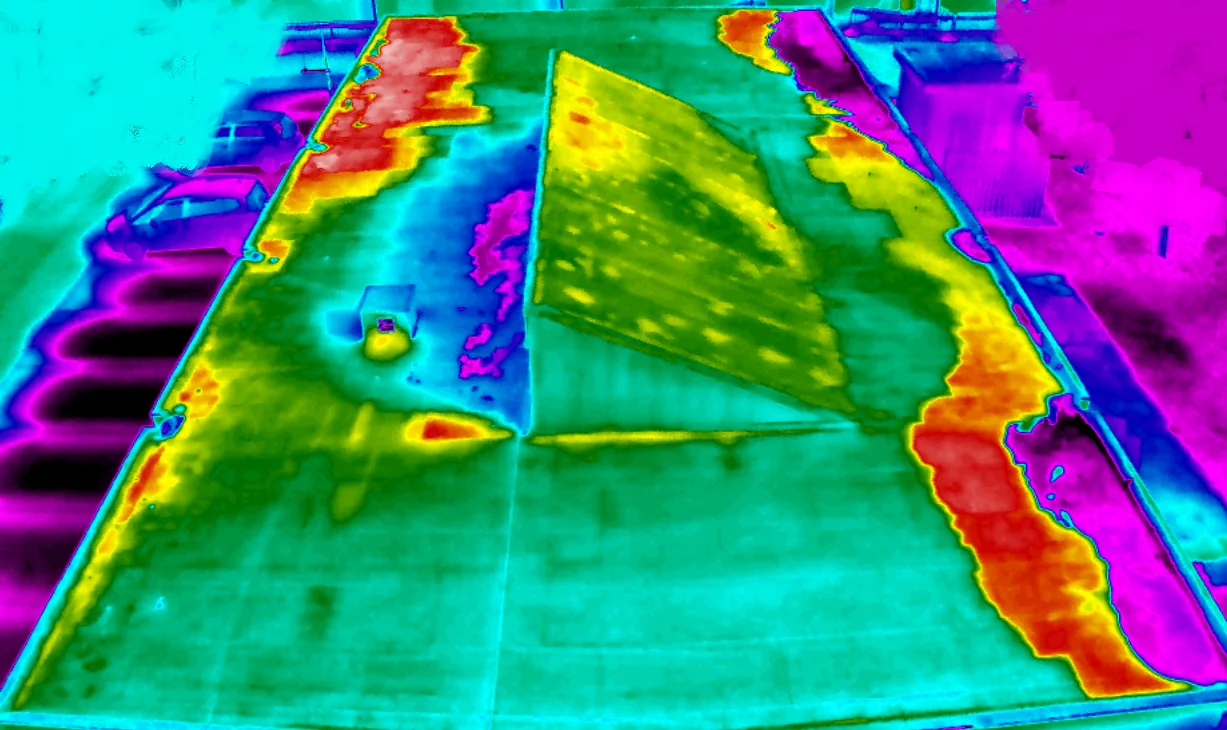
That distinction matters because replacing dry insulation wastes sound material, while leaving wet insulation below a new membrane can preserve the problem. Our written condition report identifies the area examined, photographs the visible defect, and states what the inspection could not verify. A focused infrared moisture survey can guide follow-up testing when the surface pattern suggests a broader concern. The report then gives the owner a repair boundary instead of a roof-wide assumption. When cold rooms share a loading roof with dry storage, comparing the affected bay with adjacent sections can help show whether the condition stops at a joint or continues past it.
Penetrations and Equipment Curbs
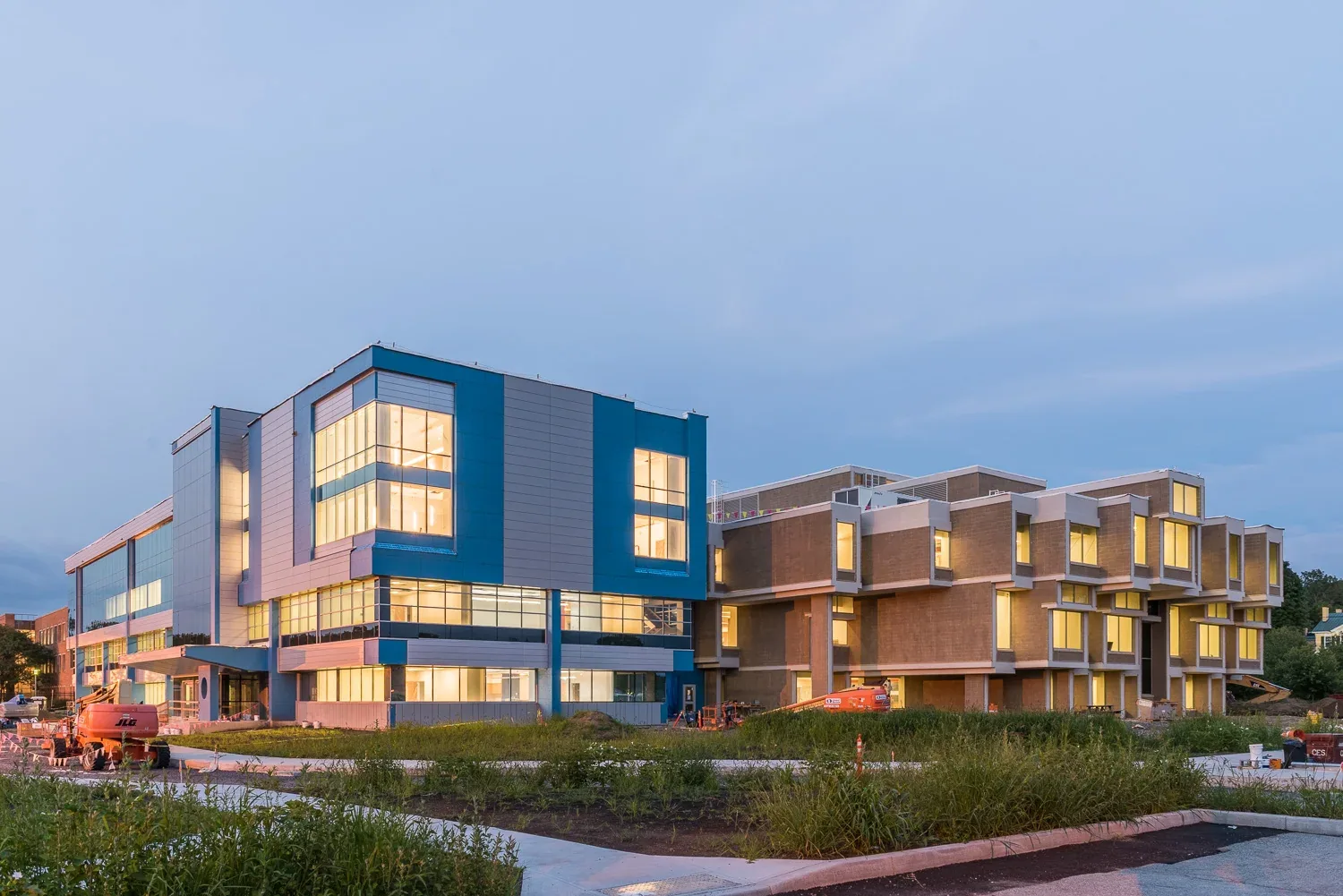
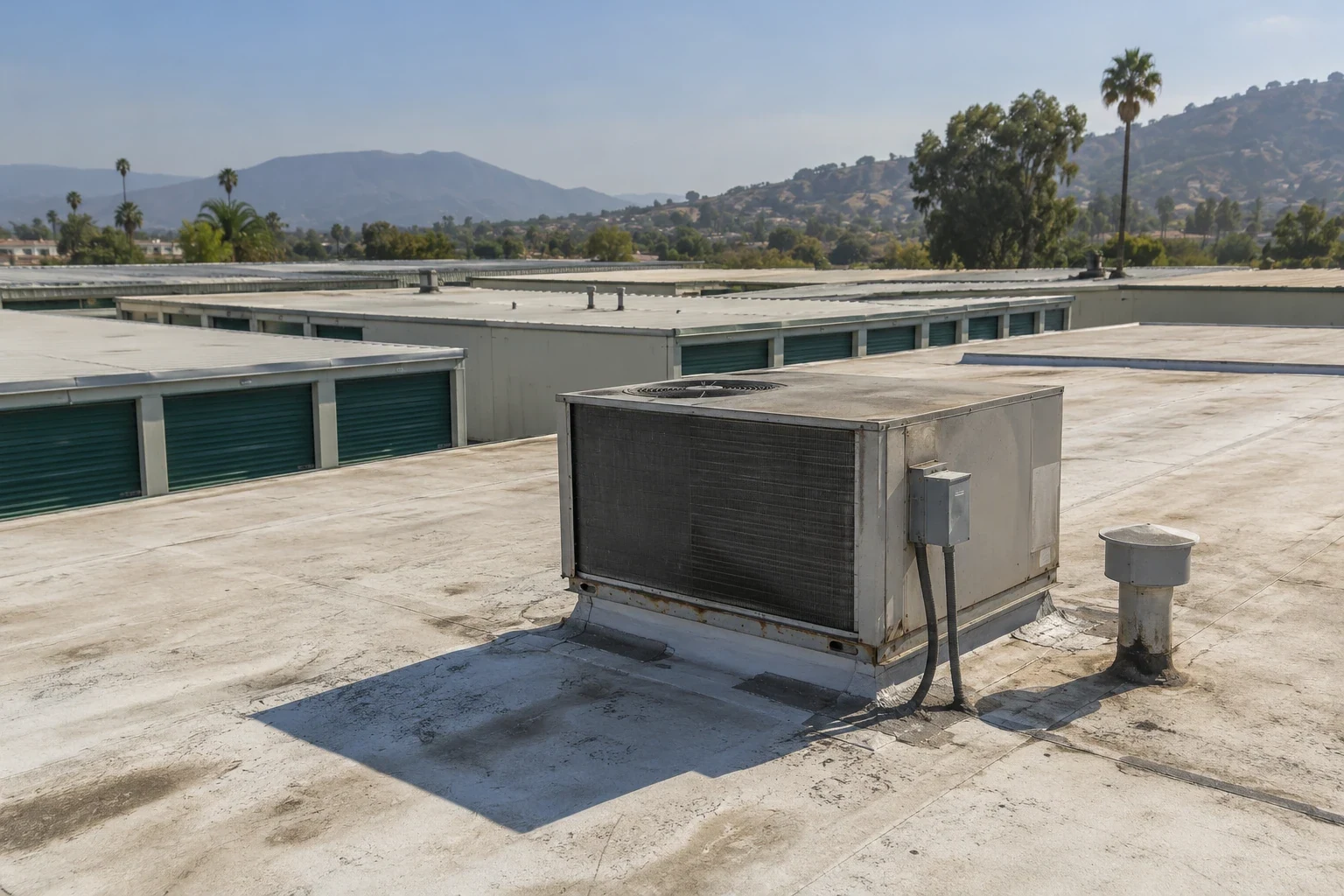
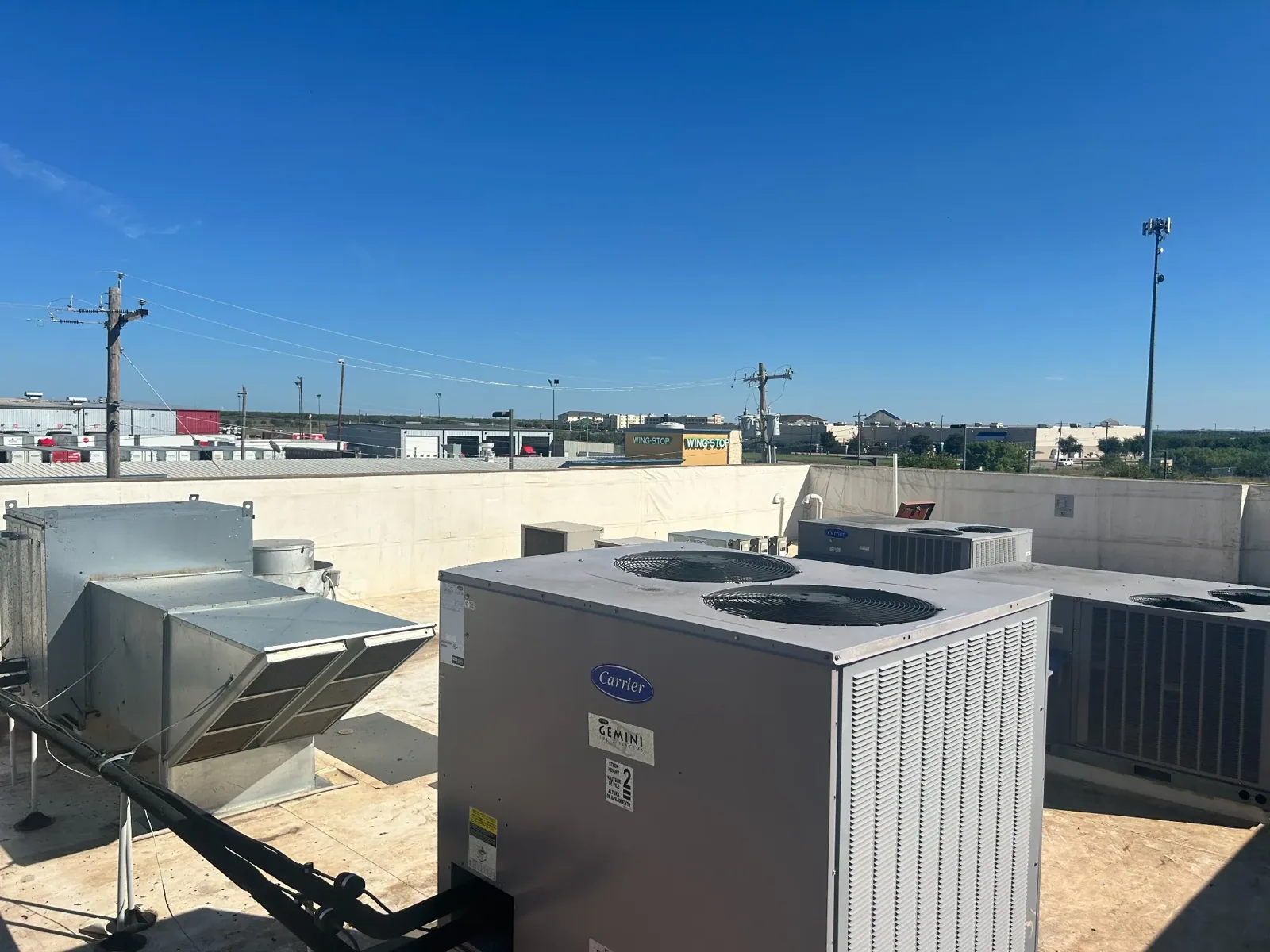
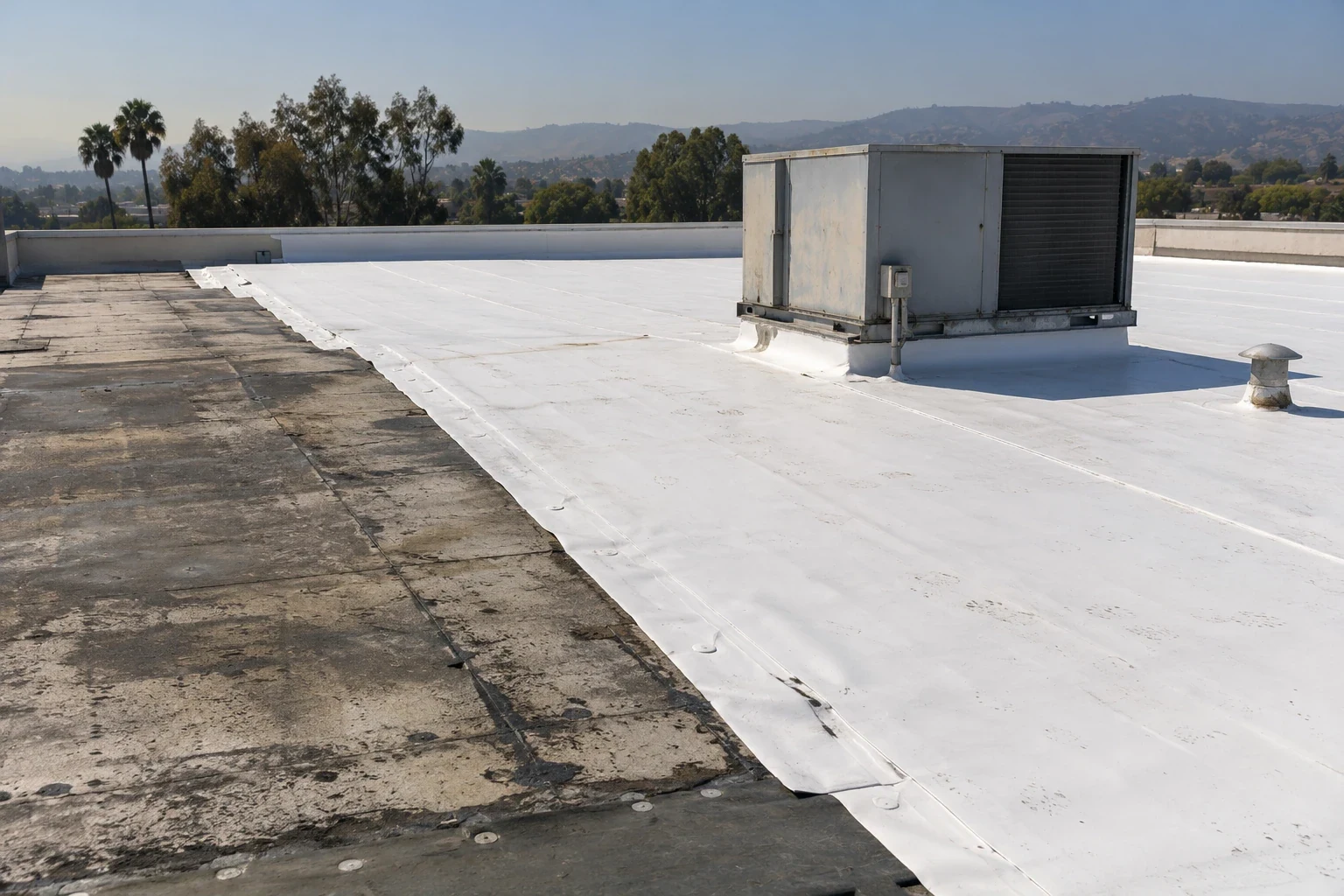
Refrigeration lines, electrical conduits, exhausts, and equipment supports interrupt the membrane. We check the flashing at each curb, look for movement or separation, and note whether sealant is carrying a load that should be handled by a formed detail. On cold-storage buildings, a leak reported near a service line can be several feet from the actual opening. Tracing the surface and the interior path keeps a repair from stopping at the first visible symptom.
Access also changes the order of work. Costa Mesa's Airport Industrial/Business Park sits within boundaries that include John Wayne Airport, SR-73, SR-55, and I-405. That boundary identifies a broad local industrial area, not a particular tenant or roof. If a facility operates there, we confirm its own delivery, security, and equipment-access rules with the owner. A planned curb and equipment-support repair can then be sequenced alongside membrane work, rather than left as a separate leak path.
Repair or Replacement Scope
A localized split, puncture, or flashing failure may be repairable when the surrounding membrane remains sound and the assembly can dry or be protected. We prepare the surface, make a compatible patch or flashing repair, and check the tie-in at its edges. If moisture extends below the visible break, the scope expands only to the verified boundary. The written proposal distinguishes the known repair from any concealed condition that would require authorization after opening the roof.
When damage is widespread, repeated repairs may not restore the assembly's performance. We compare a larger repair program, recover, and tear-off replacement against the roof record, substrate findings, drainage, and code requirements for the actual permit scope. A commercial roof repair is not a commitment to replace, and a roof recover assessment is not permission to cover wet material. The decision follows the documented condition, not the building's use alone. On a roof with separate cold-room and receiving bays, we also map joints, curbs, and drain paths by work zone so the repair does not extend through sound areas without a field reason.

Work Beside Active Operations
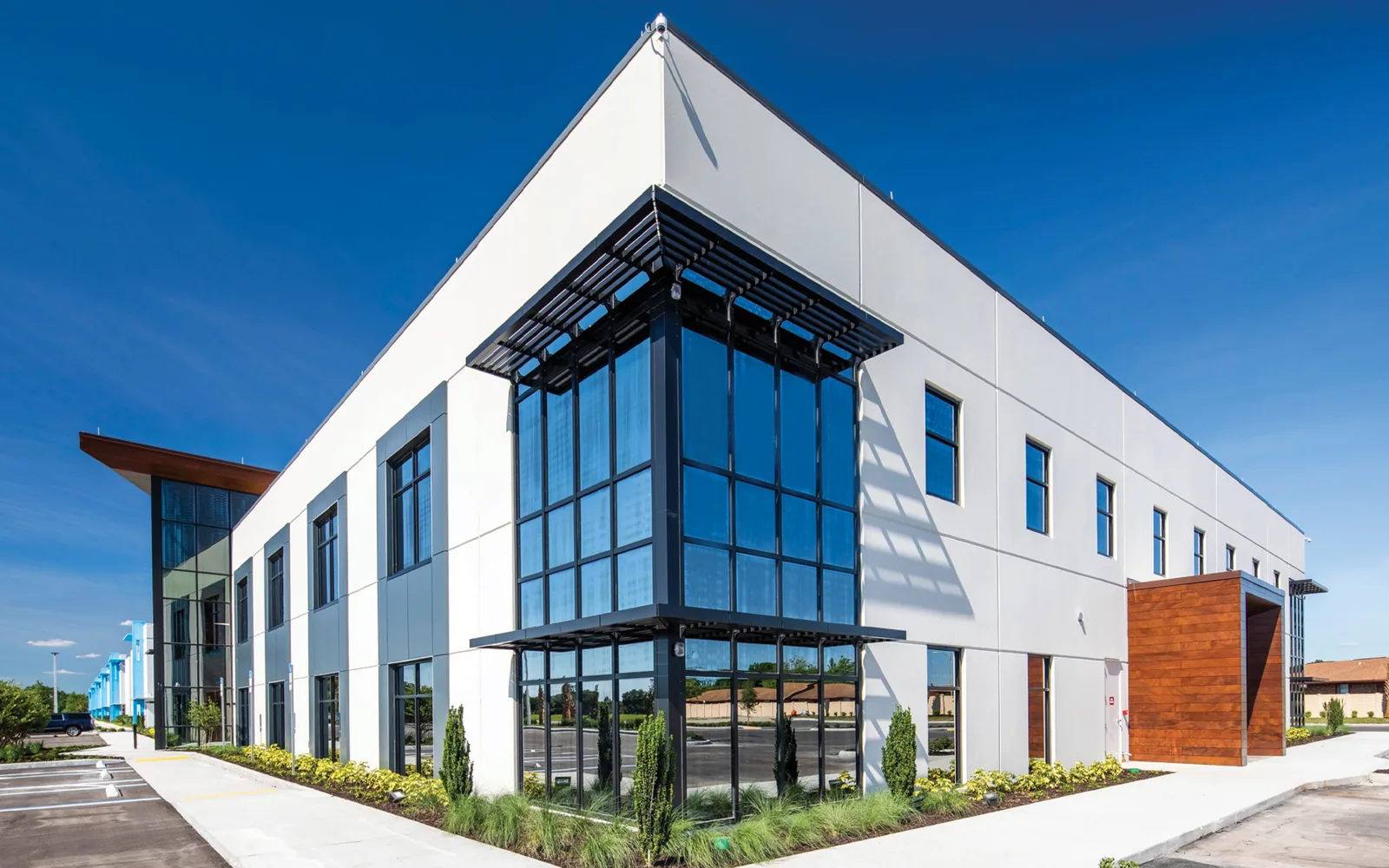
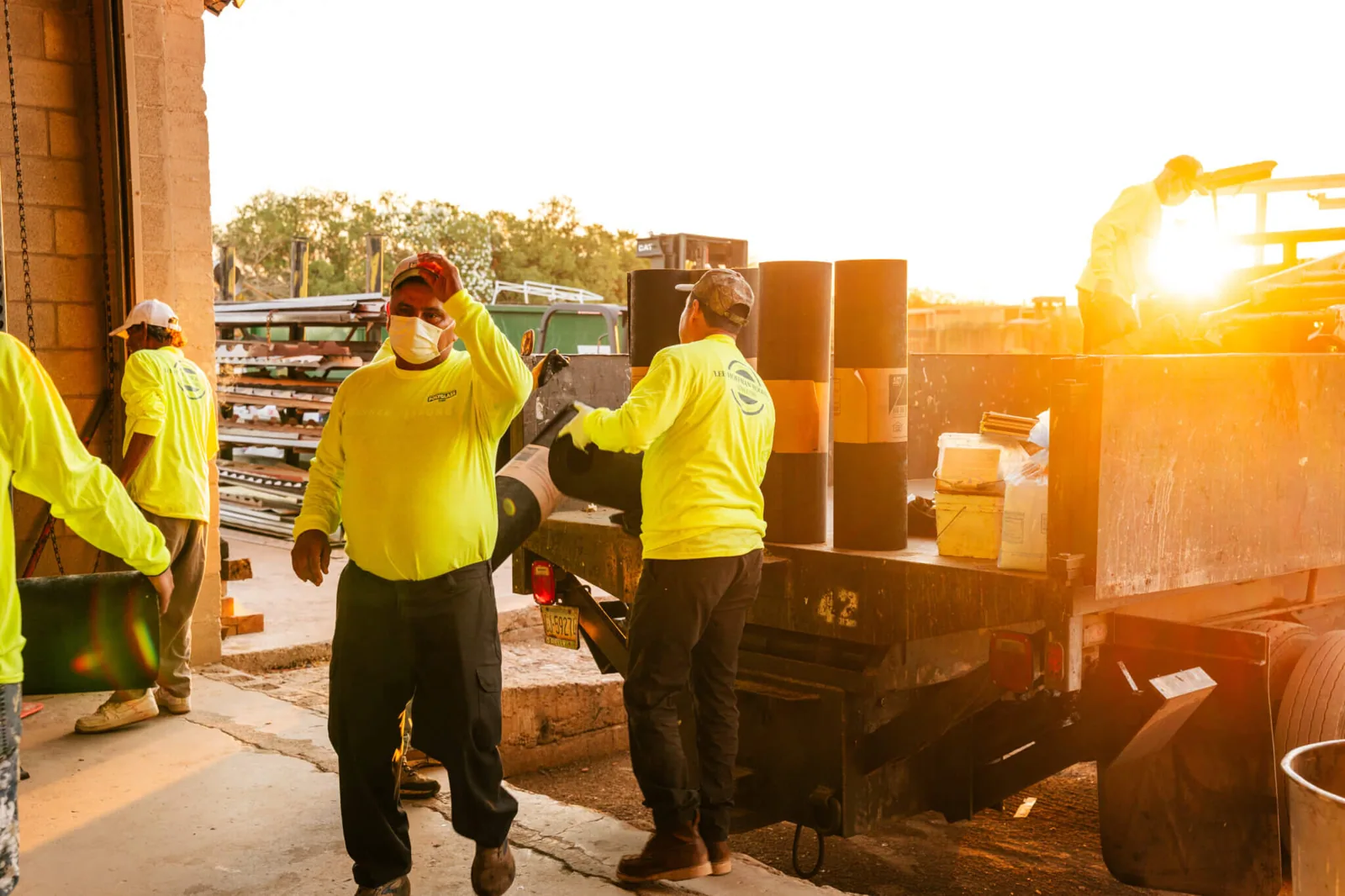
Cold rooms and shipping areas have narrow operating windows. Before mobilization, we confirm roof access, loading routes, staging space, interior protection needs, and the hours when noisy work is acceptable. A repair above a receiving area can be scheduled away from a delivery peak when the building's operation allows it. If a roof opening must remain exposed during the shift, temporary protection and a closeout check belong in the sequence.
Shared properties require a second conversation. The Westside's multi-tenant pattern can place multiple occupants below one roof area, but each site's circulation and lease responsibilities are specific to that property. We identify who controls roof access, how tenants receive notice, and where a water-protection plan is needed. For longer work, an occupied-building reroofing plan can divide the roof into workable sections while keeping active operations in view. Diligence Notes record what was completed before the next crew window. If the operation uses separate cold, frozen, and receiving zones, we mark each roof penetration against the correct interior area rather than treating every report as the same leak. That map helps coordinate follow-up without exposing inventory or interrupting a whole shift.
The Record After the Repair
Cold-storage roof records are useful when they connect a photograph to a location and action. We note repaired seams, replaced flashing, debris removed from a drain, and any area held for later testing. The owner can compare those notes with the next service report and spot a change before it turns into a larger interruption. A clear repair boundary also helps a facilities team distinguish a new condition from work already completed.
We can inspect the roof again after a repair or before a planned capital decision. The next roof walk should revisit the details that drove the scope, not repeat a checklist without context. A preventive roof maintenance visit can include drains, edges, curbs, and visible membrane changes. If the findings support restoration, we compare coating restoration only after confirming the surface is compatible and sound. Owners can schedule a roof walk or send current records so we can identify the locations and photographs needed for the next scope. For a separate dry-storage or warehouse wing, the same record can show which drains and joints were checked on the cold-storage portion and which remain outside that inspection. A warehouse roof assembly and a distribution-center roof plan benefit from the same location-based notes when service areas share a larger building.
Common Questions
No. We compare the interior report with roof seams, curbs, penetrations, and drainage, then distinguish a confirmed entry point from condensation or another unresolved condition. If the roof-side evidence is inconclusive, we mark the area for further testing before expanding the repair scope.
We set the access window with the facility and review loading routes before work begins. A small flashing repair may fit between operating periods, while work that opens a larger area needs protection and a planned closeout. The schedule depends on the defect and the building's actual delivery hours.
A limited wet area can sometimes be removed and replaced within a larger sound assembly. We map the wet boundary, check the deck, and review attachment and drainage. A broader replacement becomes a stronger option when damage crosses multiple sections or repeated repairs cannot restore a dependable assembly.
The report should locate each observed condition, include useful photographs, describe the repair boundary, and flag anything the inspection could not verify. We also record access or operating constraints that affected the work window, so the next inspection can compare like areas and follow unresolved items.
Related Roofing Work
Set the Roof Walk
Send the latest roof record or schedule an inspection. Photos of the reported interior location, nearby equipment, and delivery constraints help us prepare a focused roof walk.