
Infrared Roof Moisture Survey in Costa Mesa, CA
A temperature pattern after sunset can point to a roof area that needs a closer look. We scan the accessible surface, map anomalies, and select test cuts where the result will change the repair boundary. Infrared is a screening tool. It can reveal patterns consistent with retained moisture, but it does not identify the roof layers or confirm wet insulation by itself. The useful deliverable pairs the image map with openings that verify the condition and show where removal should stop.
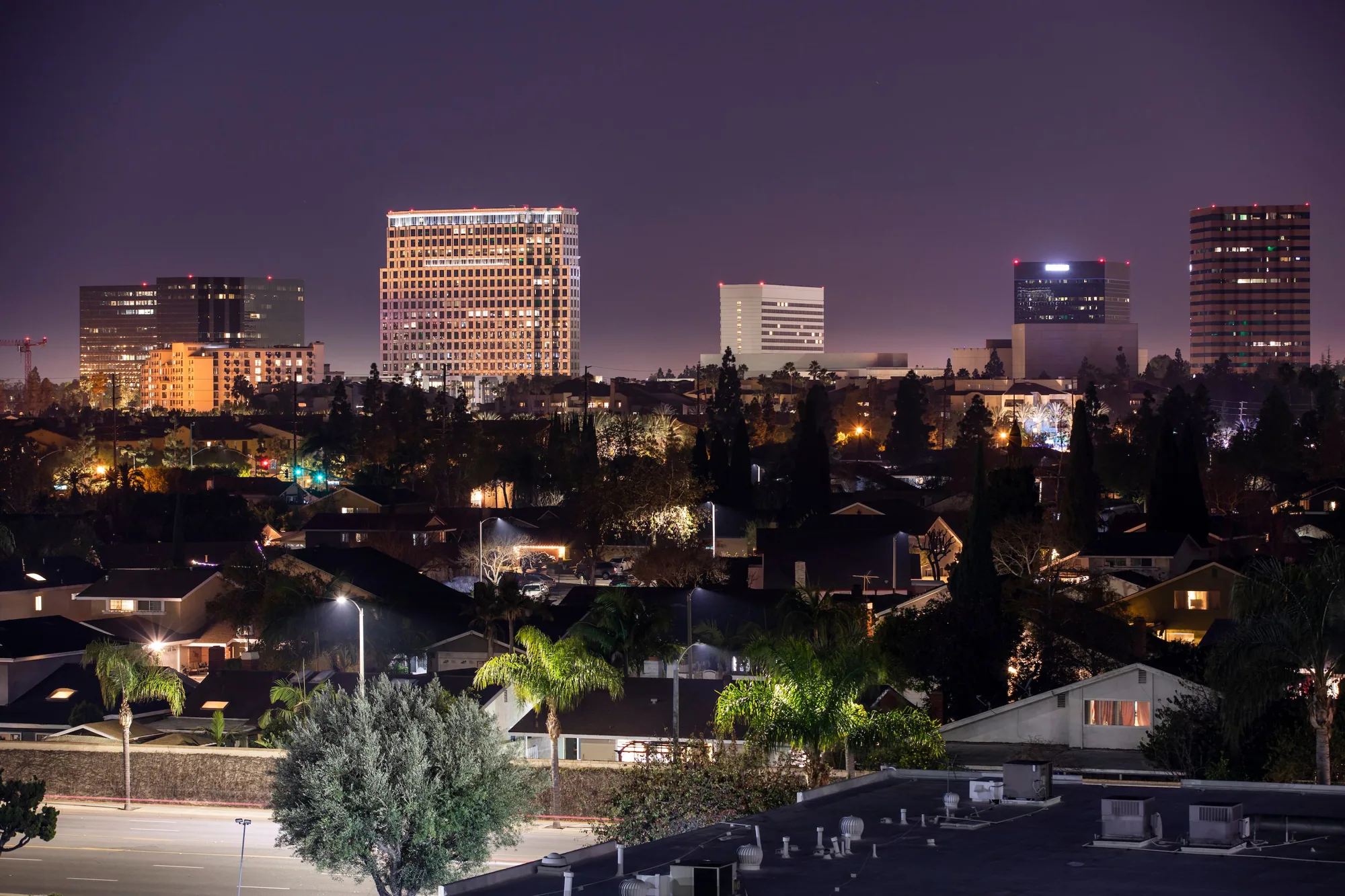
Costa Mesa's commercial building pattern includes large industrial districts and multi-tenant operations. A survey above a shared Westside structure may need separate roof-access approvals from several occupants. Harbor Gateway's manufacturing and office mix can have different operating windows. We confirm the actual access plan before scanning. The Westside district and Harbor Gateway area provide local context, while the roof assembly and measured conditions control the survey.
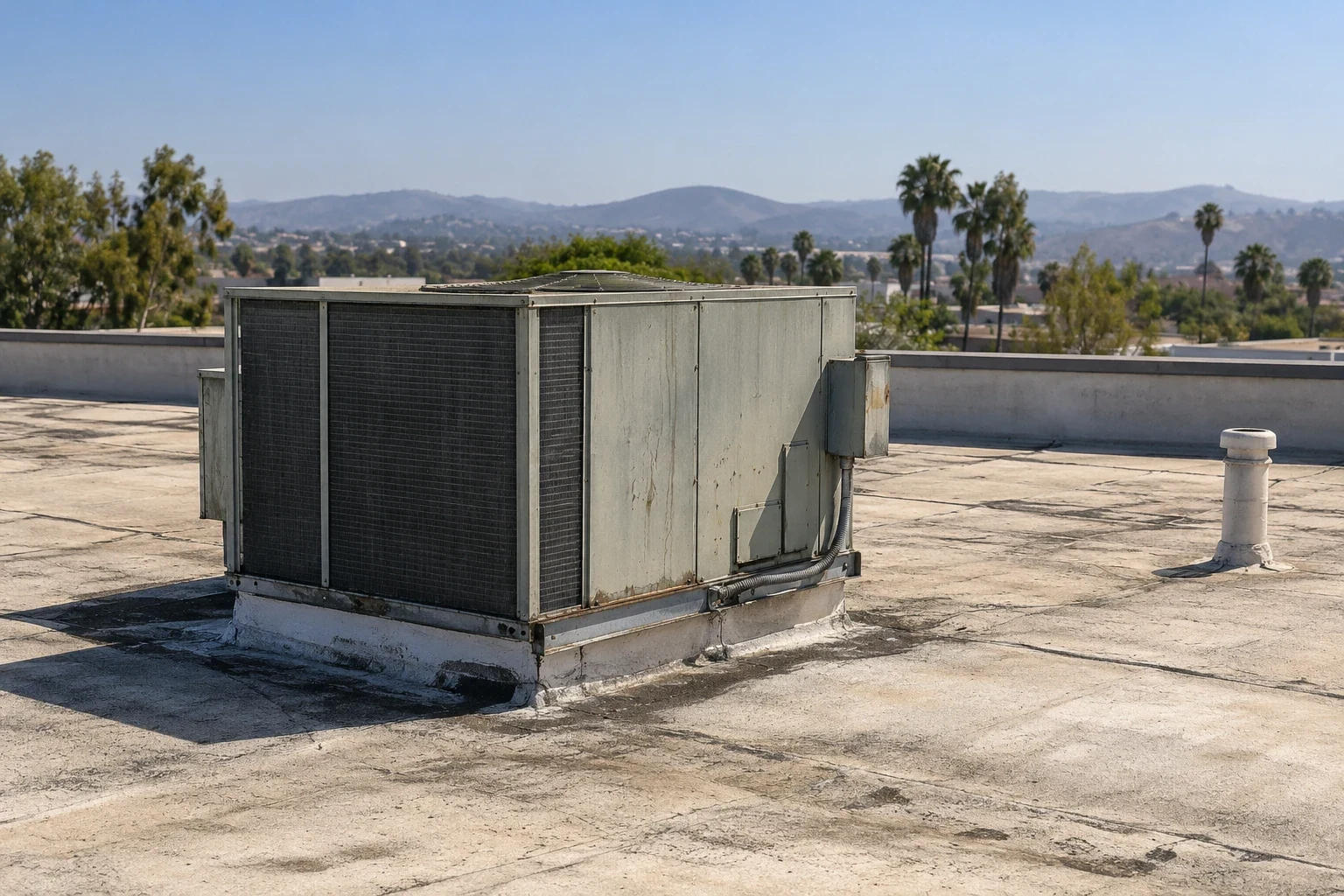
Conditions Before the Scan
Timing, weather, surface color, shade, and rooftop equipment affect a thermal image. We review recent conditions and choose a window when the roof can show useful contrast. Wet surfaces, changing cloud cover, or active heat sources may complicate interpretation. We note what could not be scanned and whether a return visit is needed. That record prevents a blank or obstructed image from being treated as a clean result.
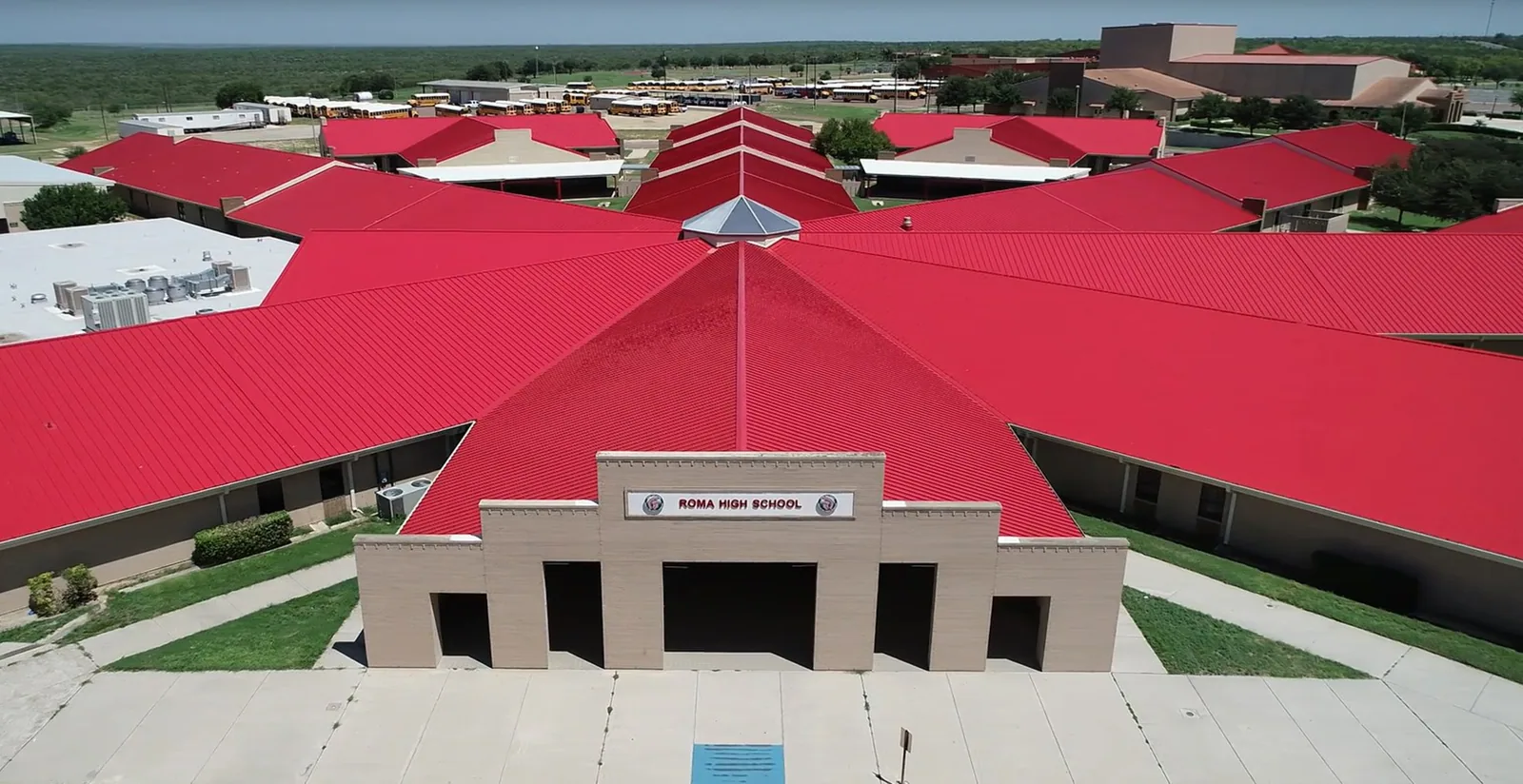
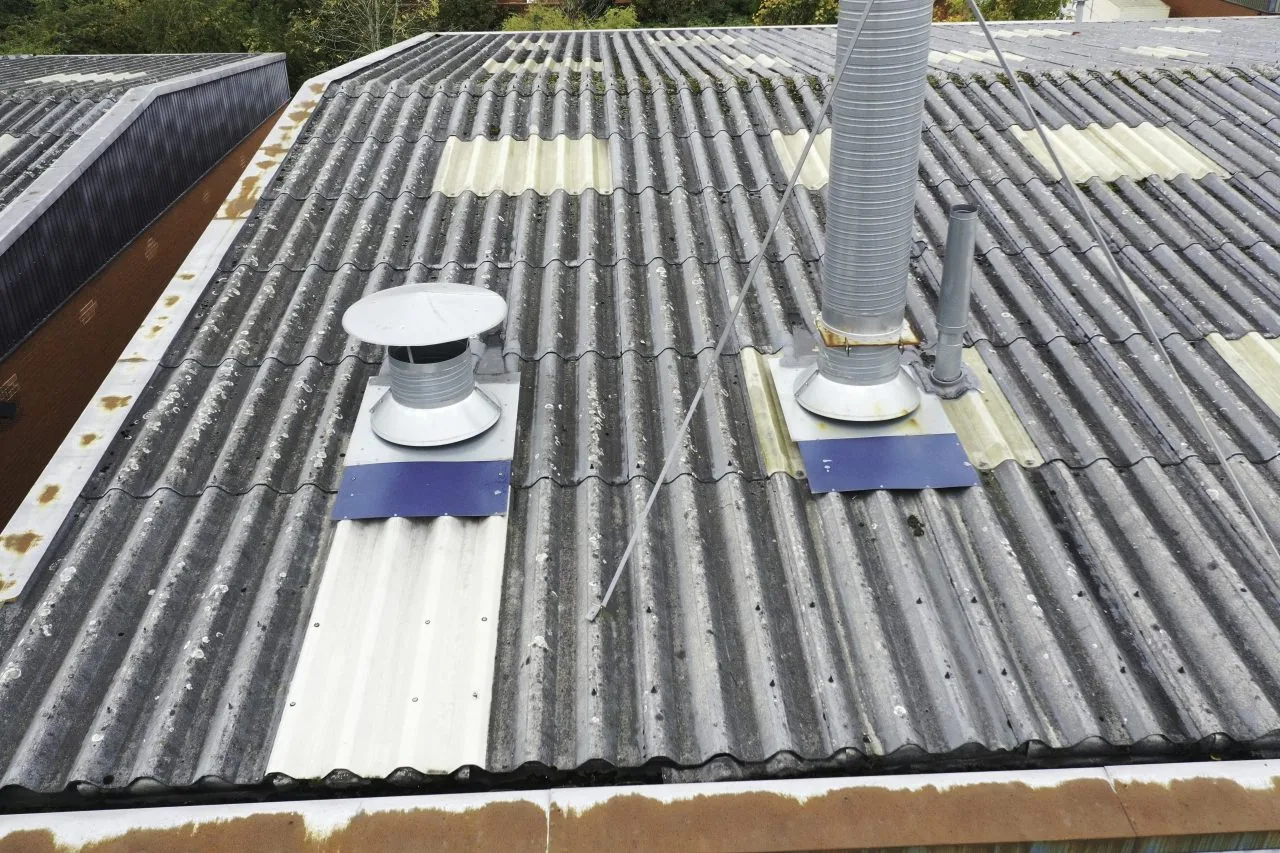
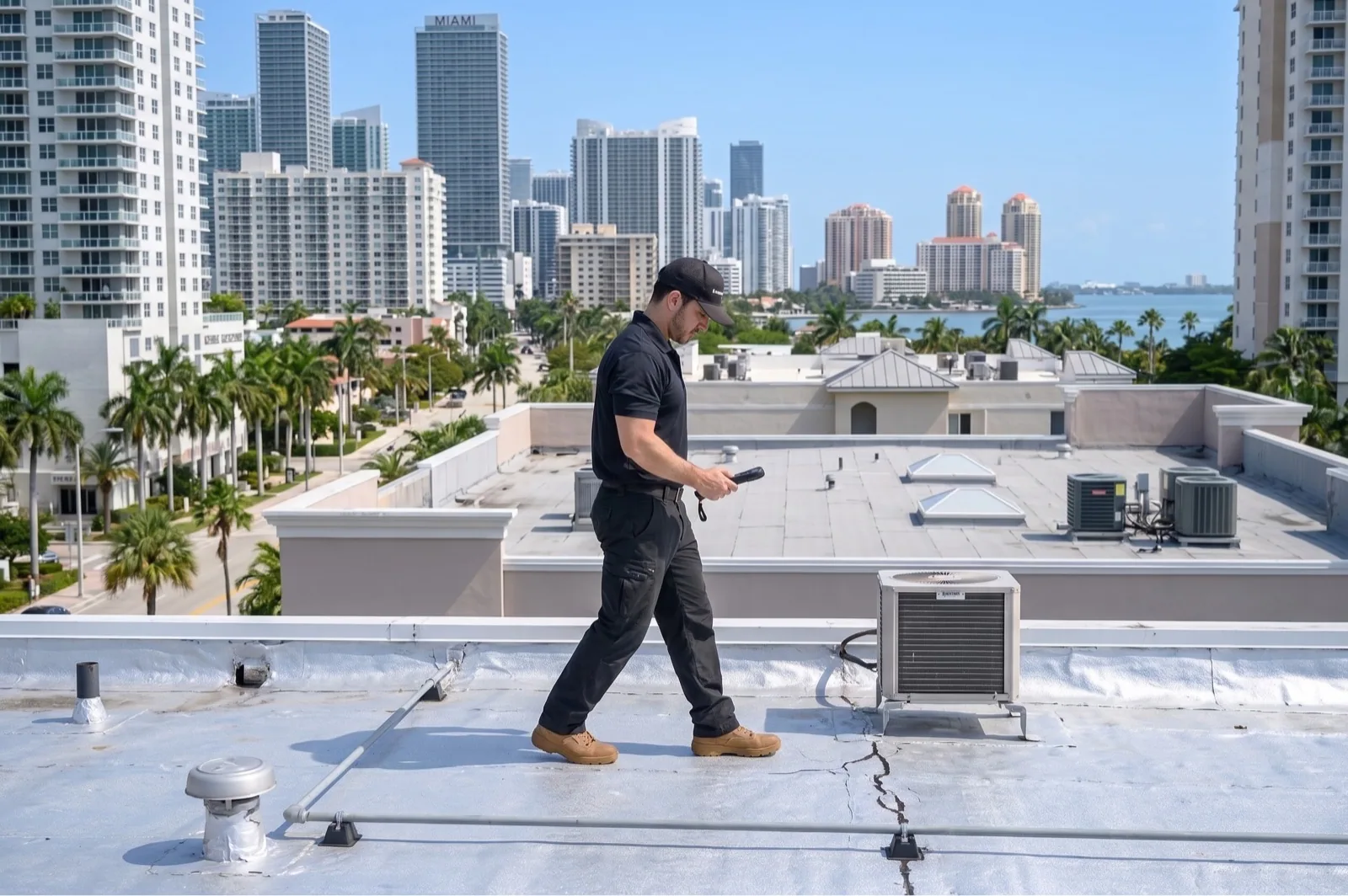
Before scanning, we mark the roof sections, drains, curbs, and known leak locations on a base plan. The operator follows a consistent route so each image can be placed. We also confirm whether the surface is safe to walk and whether adjacent areas are in scope. An aerial view can supplement broad visual coverage, but infrared capture and drone photography answer different questions. The survey map identifies where a field opening can resolve an anomaly.
From Anomaly to Test Cut
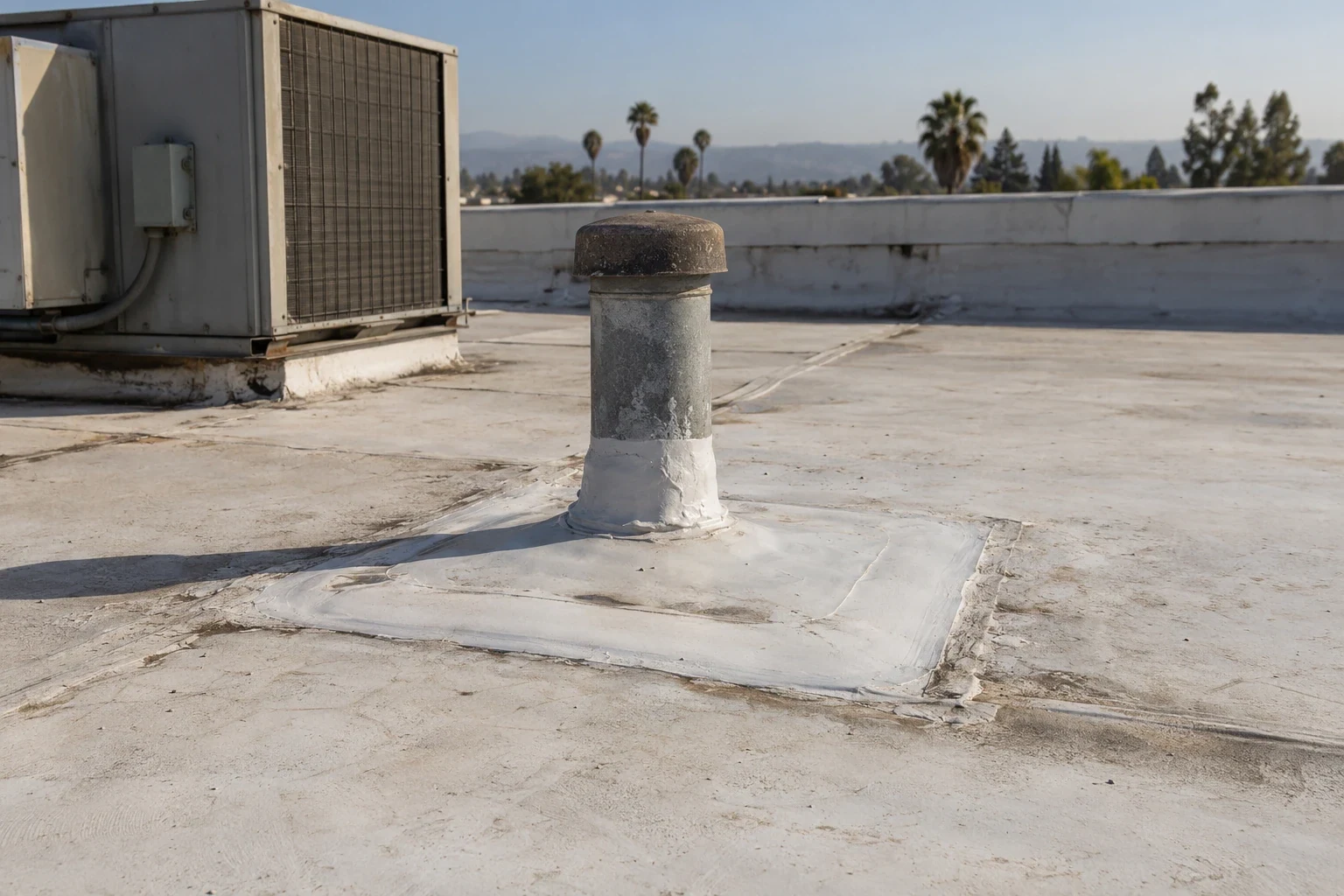
A dark or bright shape in an image is a candidate area, not a diagnosis. We compare the pattern with roof details, drainage, penetrations, patch history, and interior reports. Then we choose test locations across both suspect and control areas. A core cut reveals the layer stack, insulation condition, and deck at that point. Where the pattern changes, more than one opening can be needed to find a stable boundary. We photograph and label each opening before restoring it.
Wet insulation is removed to sound material when the scope requires repair. Dry material may remain only when the assembly, attachment, code, and manufacturer requirements support that decision. A roof inspection can record visible conditions around each test. If the opening finds a failed seam or flashing detail, a membrane repair scope or detail repair can be defined from the confirmed edge. The test result, not the thermal color, sets the removal limit.
Costa Mesa Roof Use and Access
East 17th Street is a 92-acre commercial corridor with retail, service, and office uses, so a test opening above customer areas may need a defined work window and interior protection. An owner may need several access approvals before a test cut above a tenant area. We confirm who controls roof entry and who can approve the interior protection. The scan map can help direct that discussion to a numbered roof zone without asking occupants to interpret a thermal image.
A test opening above an occupied suite should be mapped to the room below before the roof is cut. A test opening above a customer area may require a defined work window and protection below. We set the sequence with the owner. A survey at a Santa Ana property needs its own roof plan, access release, and test history. The owner coordinates notices, escort access, and records for a multi-tenant survey.
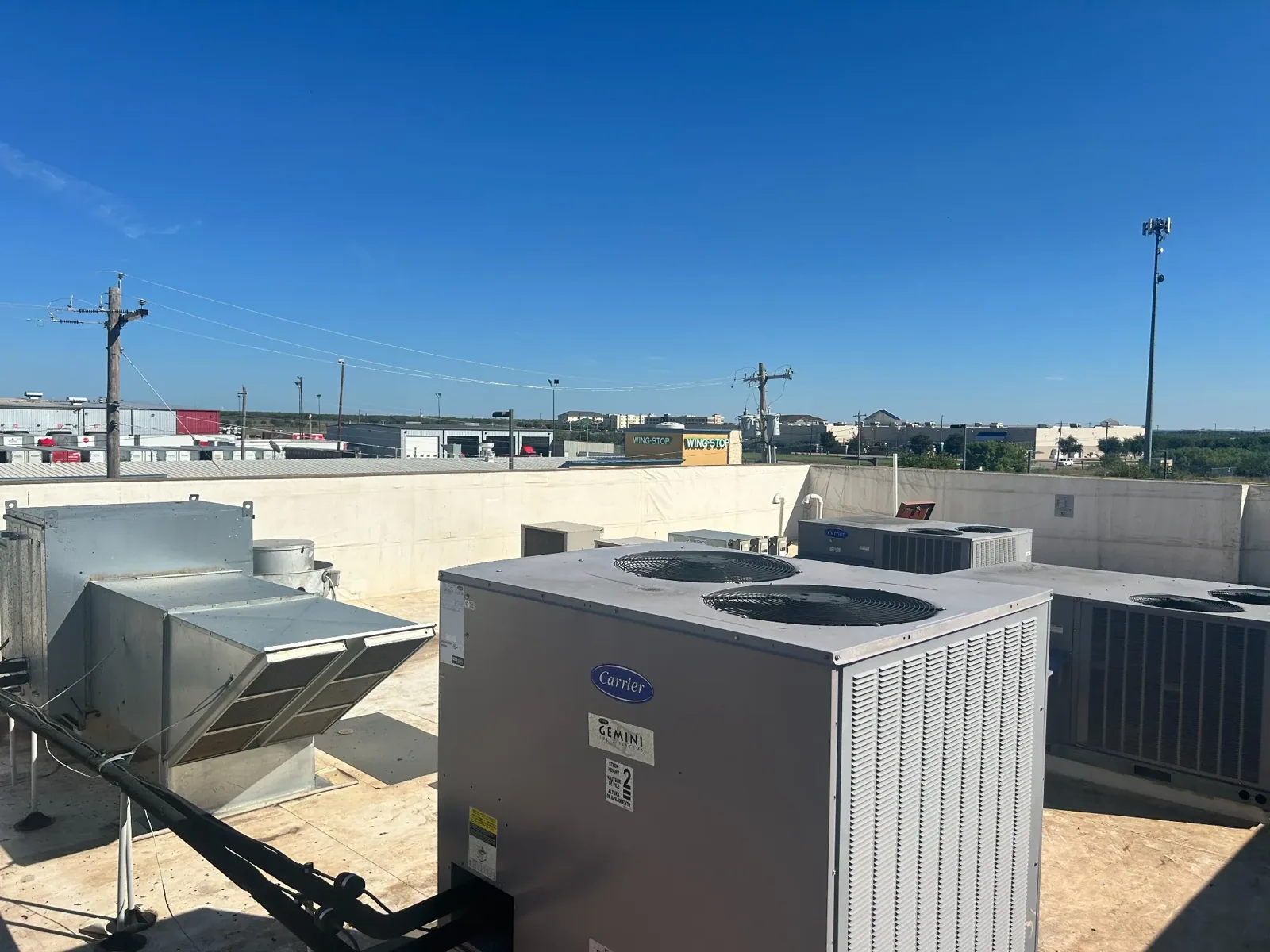
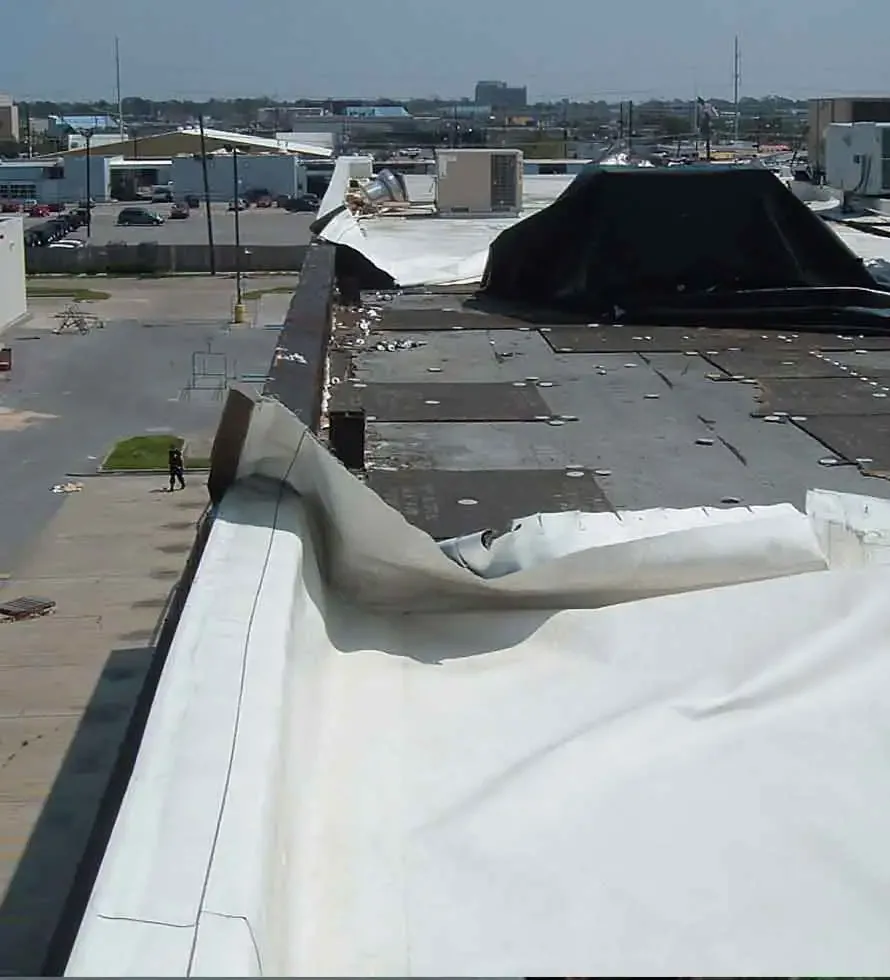
A Map That Shows Confidence and Limits
The report groups thermal images, roof zones, visible details, and test-cut results. Each anomaly is marked as confirmed, ruled out at the tested point, or still requiring investigation. We note scan conditions and the portions we could not access. If a cut finds dry layers at one point, that result does not clear a separate anomaly. The map keeps each decision tied to its own location and supports a repair quantity grounded in field evidence.
Owners can pair this record with leak calls, prior work orders, and capital planning. A condition report can preserve the image and test history for the next inspection. Capital planning can separate confirmed repair from future monitoring. This helps a team compare proposals without confusing suspected moisture with material proven wet, or extrapolating one opening across a different roof section.
Repair the Confirmed Boundary
After testing, we set removal to the confirmed wet or damaged edge, then replace insulation and restore the membrane. The proposal identifies the number and location of openings, temporary protection, materials, and tie-in details. If the owner authorizes additional test cuts, we record those as a separate step before increasing the repair area. That creates an approval point when an anomaly extends beyond the first mapped zone.
A larger pattern may support broader replacement planning, but the survey alone does not settle that decision. We review deck condition, attachment, drainage, and repairs alongside the test results. A localized repair review can address a defined wet section. Overlay eligibility can be compared when the existing layers are dry and sound. The recommendation follows what the openings show and what the roof assembly can support.
Plan the Survey Around Operations
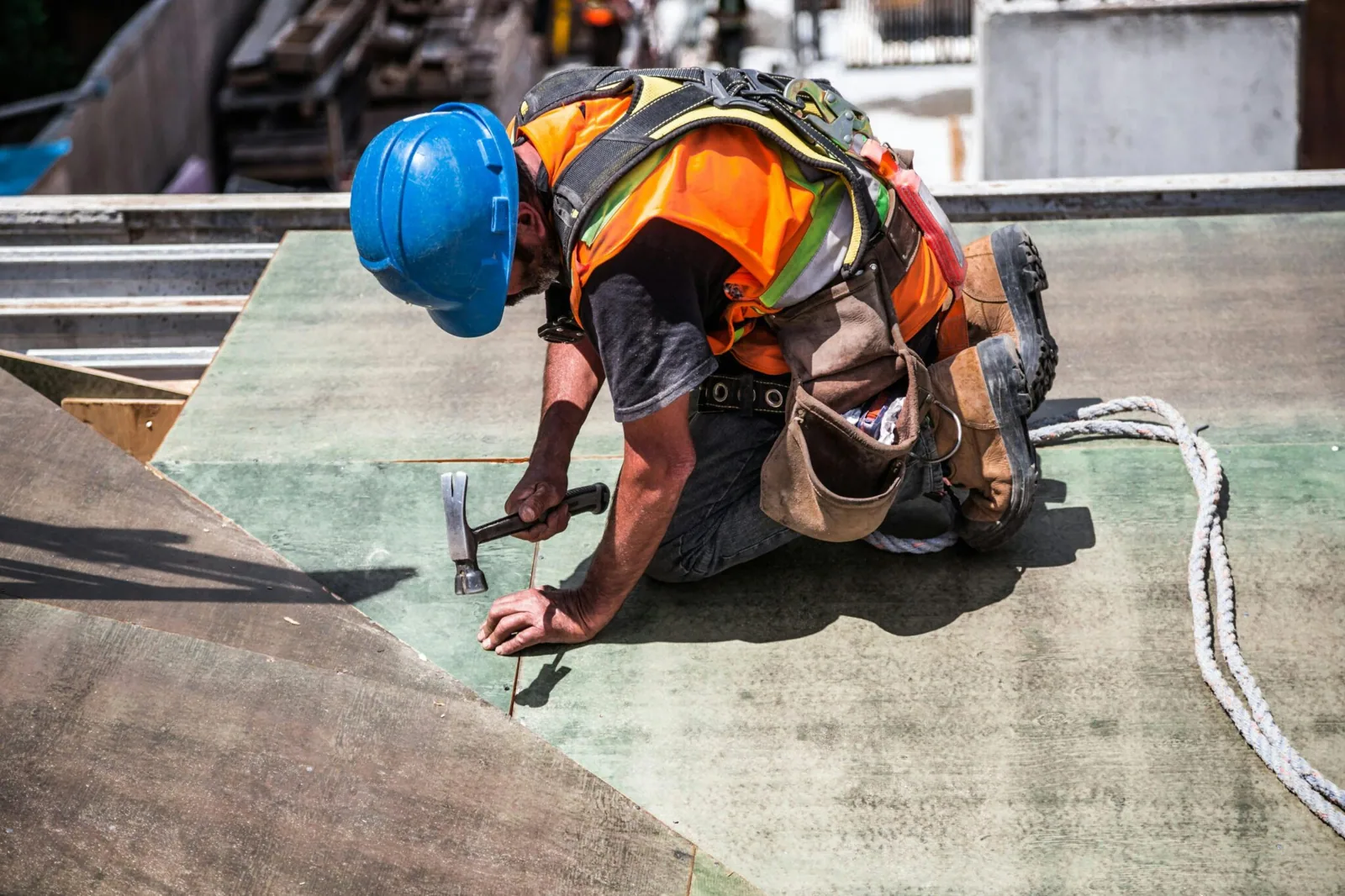
A survey visit needs roof access, a clear route to test areas, and approval for any interior opening below. We coordinate escorts, tenant notices, fall protection, and work windows before mobilization. If the scan requires a night window, roof lighting and safe access must be confirmed. Test cuts create temporary openings, so the close-in method and weather plan are agreed before the first layer is removed.
For a Costa Mesa review, send roof plans, leak history, prior repairs, and any interior photos with the affected suite identified. We can compare the thermal map with those records, then explain which tests would change the scope. The drain and scupper review can be added when ponding or outlet conditions align with an anomaly. The owner receives a marked map, test notes, and a repair boundary that can be checked in the field.
Common Questions
No. It identifies a thermal pattern that may be consistent with retained moisture. We use test cuts to confirm the layers and insulation condition at selected locations. The report labels a pattern as suspected until an opening or other field evidence supports the conclusion.
We compare the image pattern with roof details, drainage, leak reports, and repair history. Test points should answer a question about the repair boundary. We may sample both a suspected area and a nearby comparison point, then record the layers and condition at each opening.
Yes, when the owner can provide roof access and approve any test location. We coordinate suite access, notices, and interior protection before cutting. The thermal map can identify zones, but a test above a tenant-controlled area still needs the right approval and work window.
The scan helps choose test locations. Openings confirm the layer stack and show whether insulation is wet at those points. We use the results to find a supportable boundary and identify areas needing more testing. The proposal separates confirmed removal from any additional allowance.
Keep the roof map, thermal images, scan conditions, test-cut locations, photographs, and repair limits together. We note blocked or inaccessible zones and distinguish confirmed findings from patterns that need more work. That record lets the next inspector revisit the same roof areas.
Related Roofing Work

Confirm Suspected Roof Moisture
Share the roof plan, leak history, and access rules. We will map scan conditions, select test points that affect the repair boundary, and document confirmed findings separately from thermal patterns.