
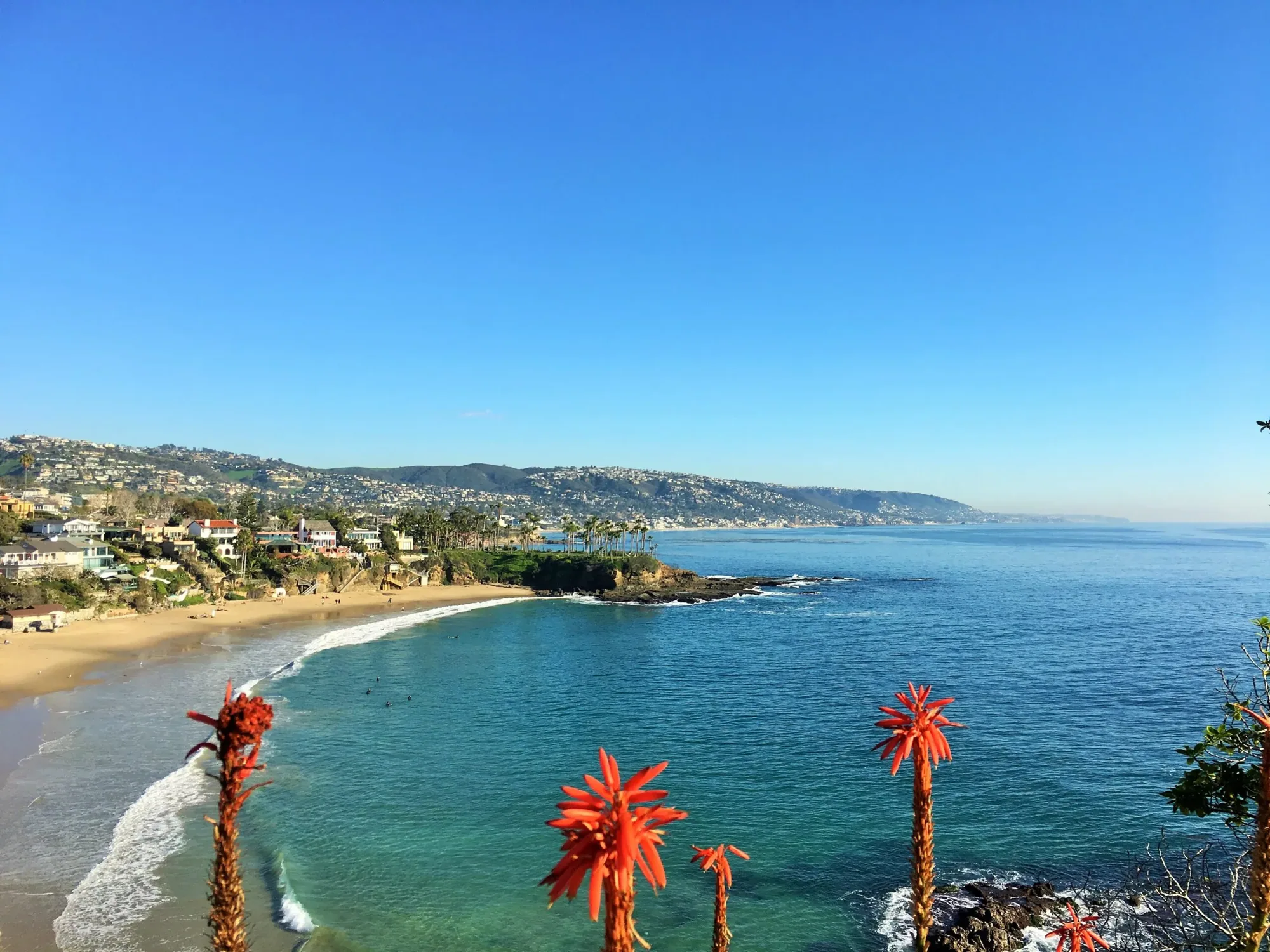
Commercial Roofing Services in Costa Mesa, CA
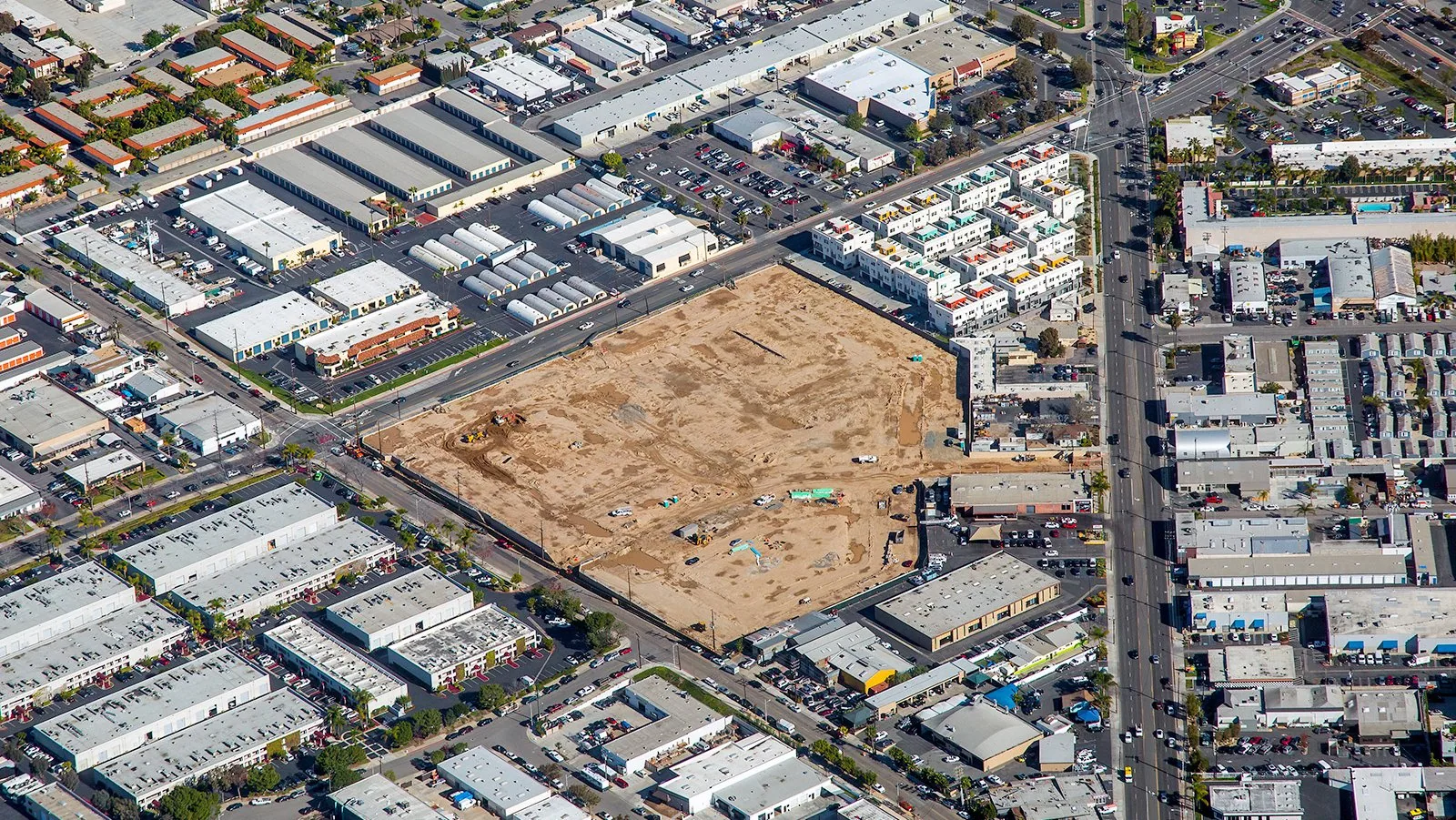
A roof decision has to fit the assembly and the building schedule. Costa Mesa’s planning document identifies commercial corridors such as South Coast, Bristol Street, Harbor Boulevard and East 17th Street, along with industrial districts including the Westside and Harbor Gateway. Those places contain different property and access conditions. We begin with the roof section, reported symptom and operating limit, then set an inspection plan around what the owner needs to decide.
Commercial Roofing Services
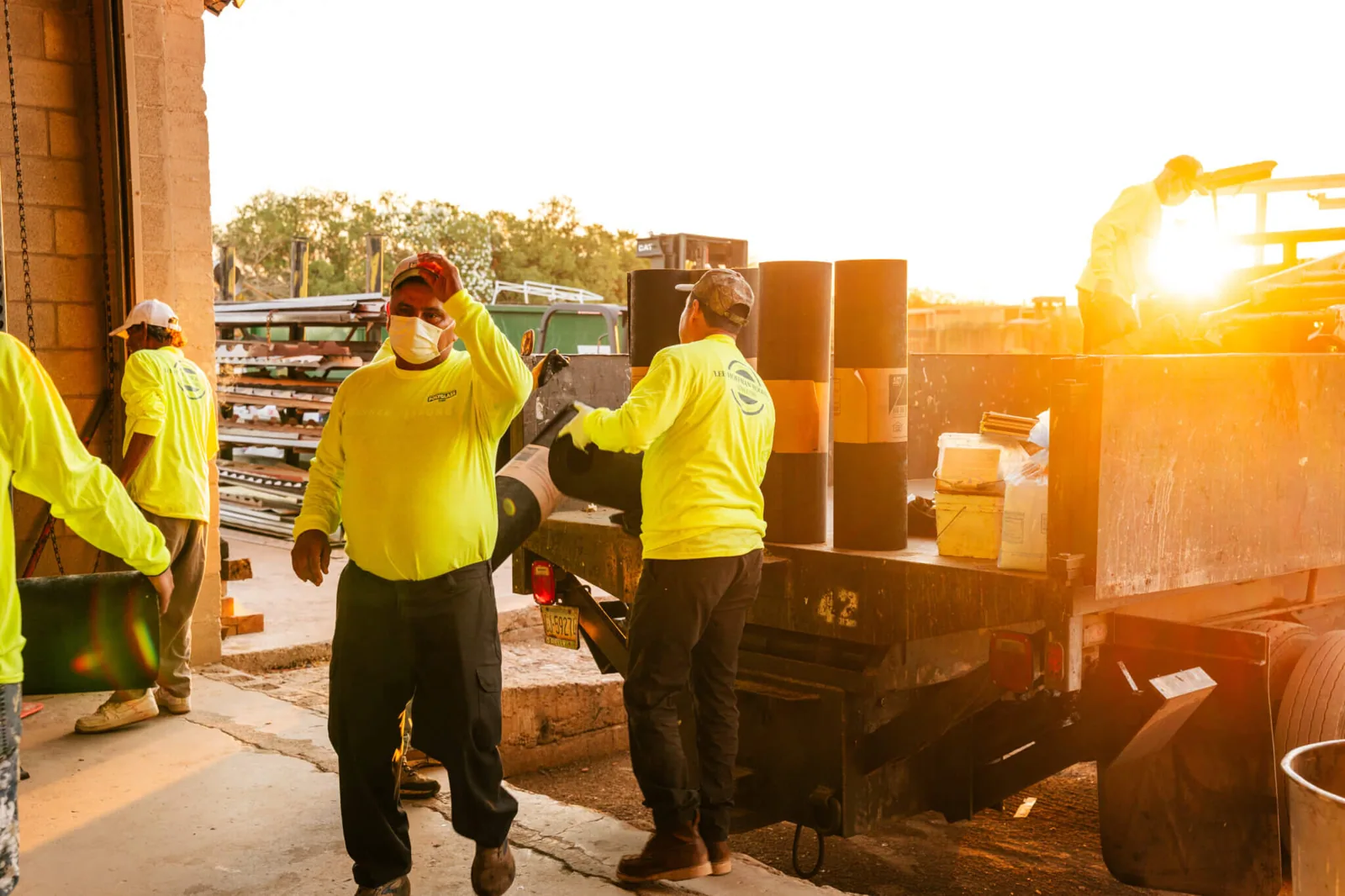
More About Commercial Roofing Services
Start with the observed condition
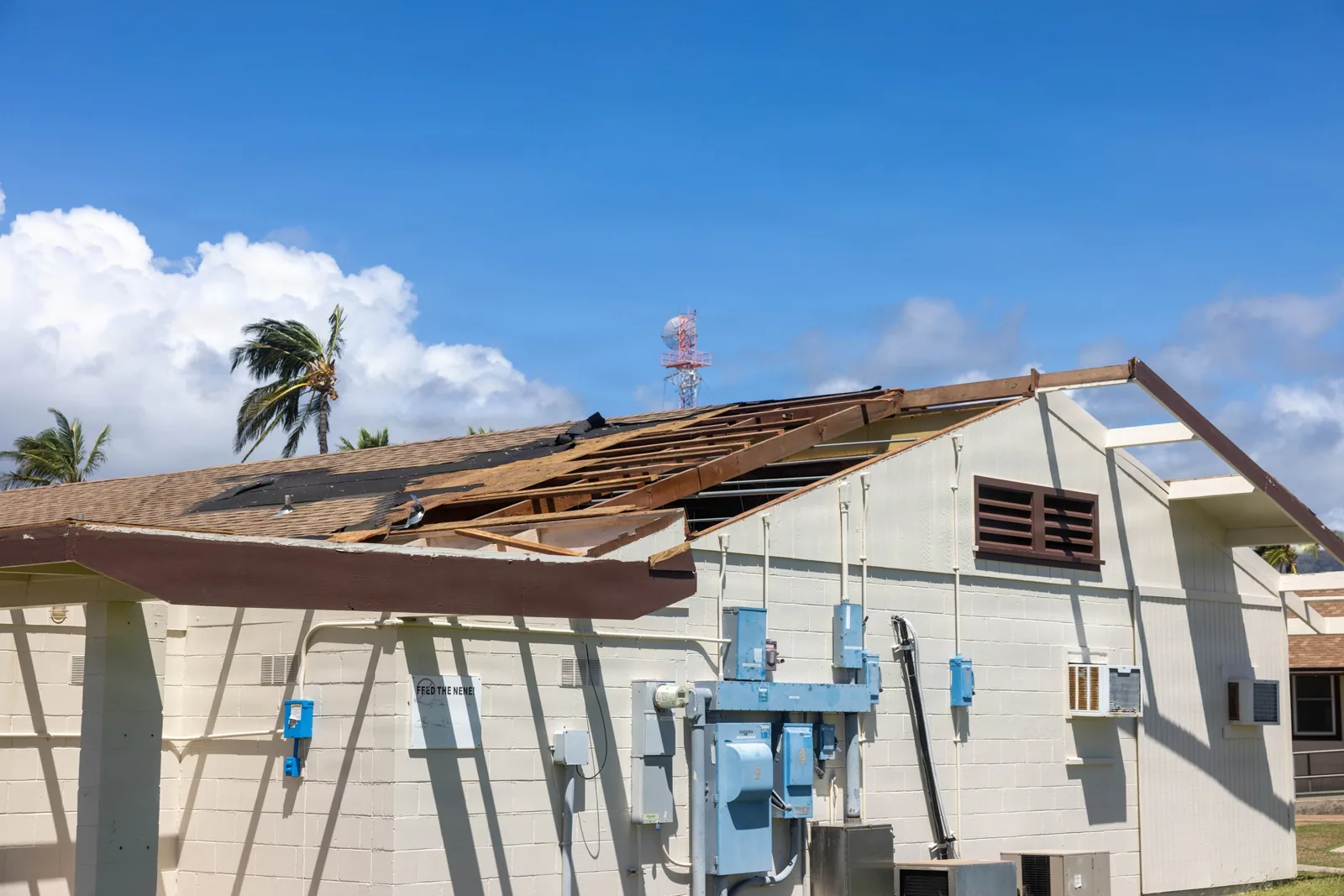
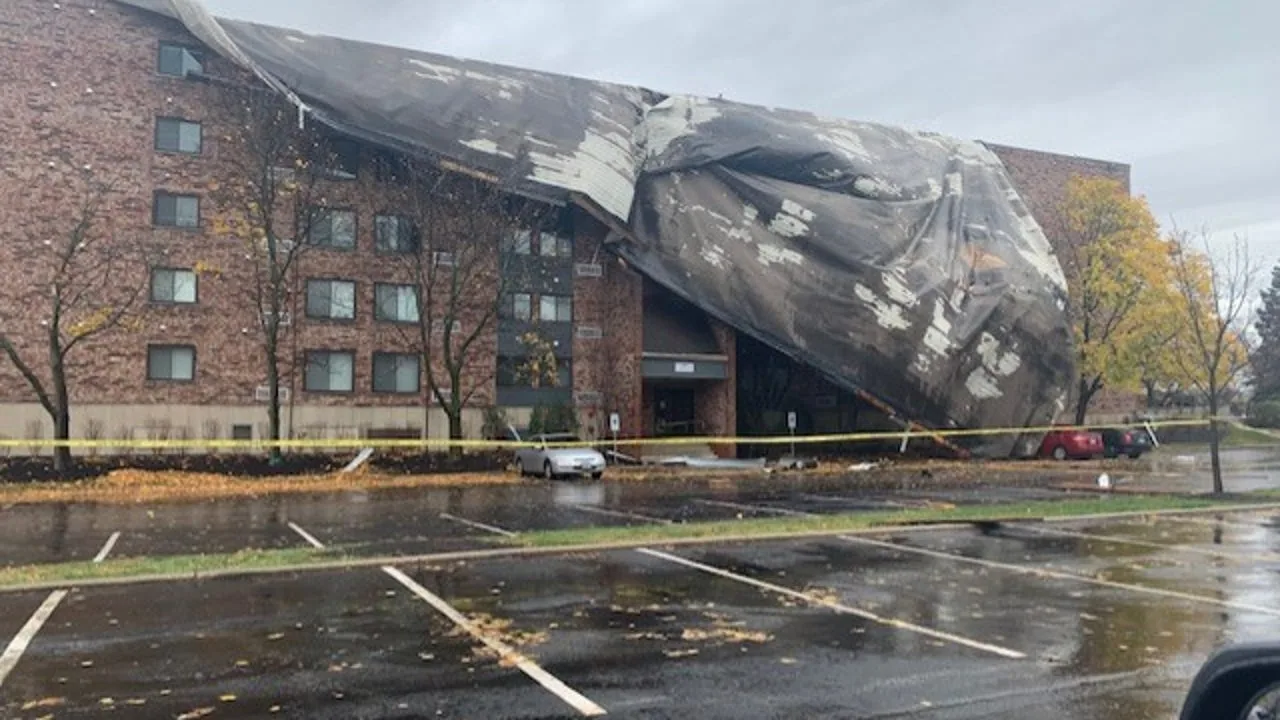
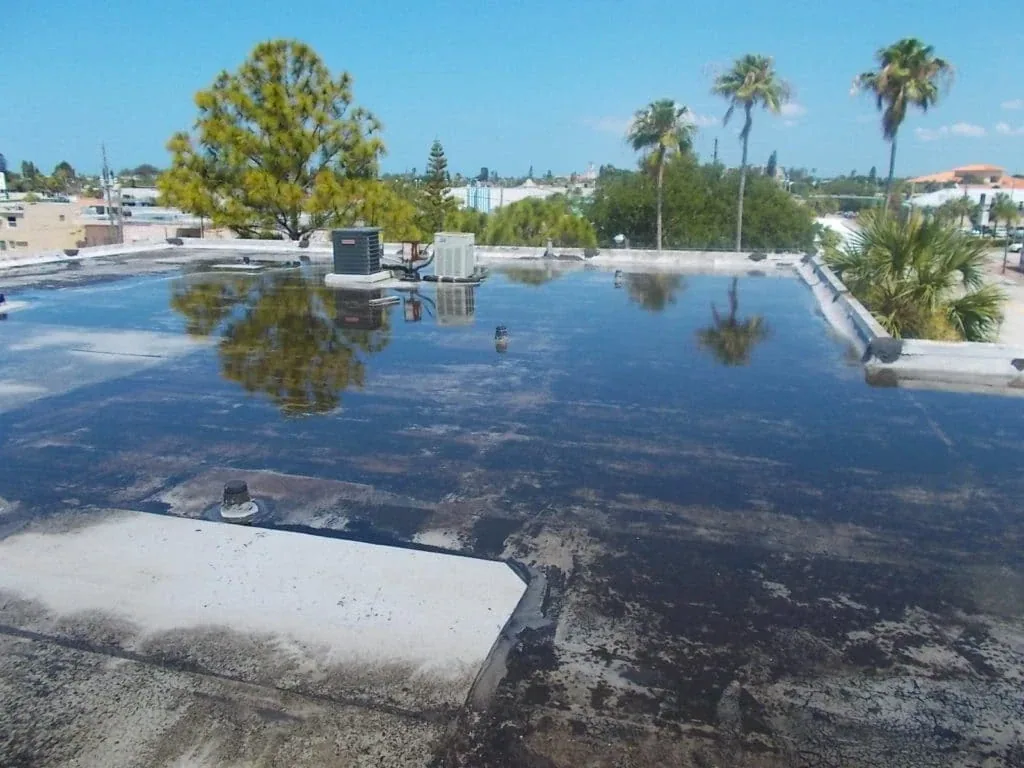
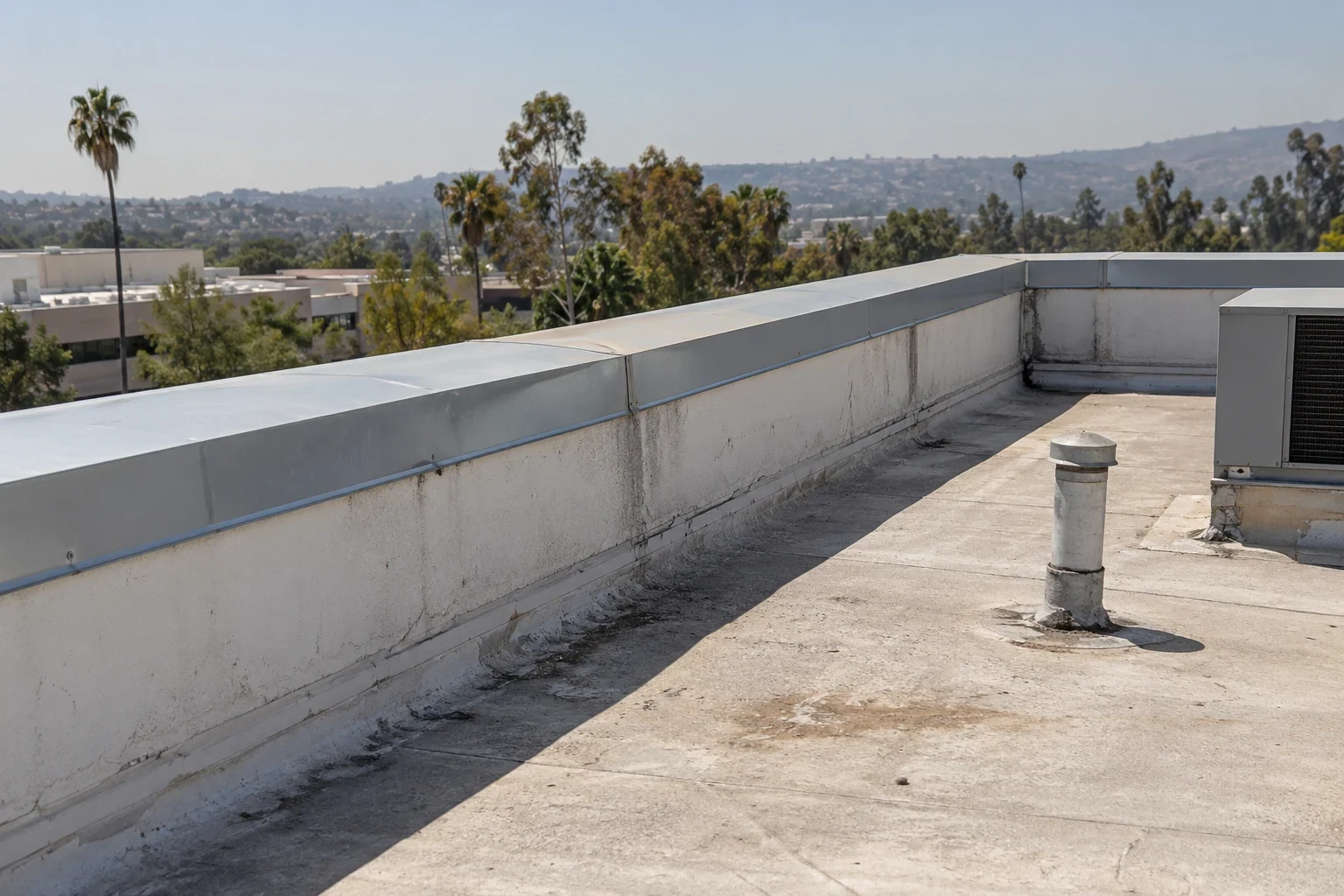
A ceiling mark does not identify a failed seam or curb by itself. A commercial roof inspection maps visible conditions, checks transitions and records limits. If water is active, emergency protection can reduce exposure while the permanent repair is defined. A bounded repair separates the verified defect from conditions that need further testing.
Compare repair and replacement
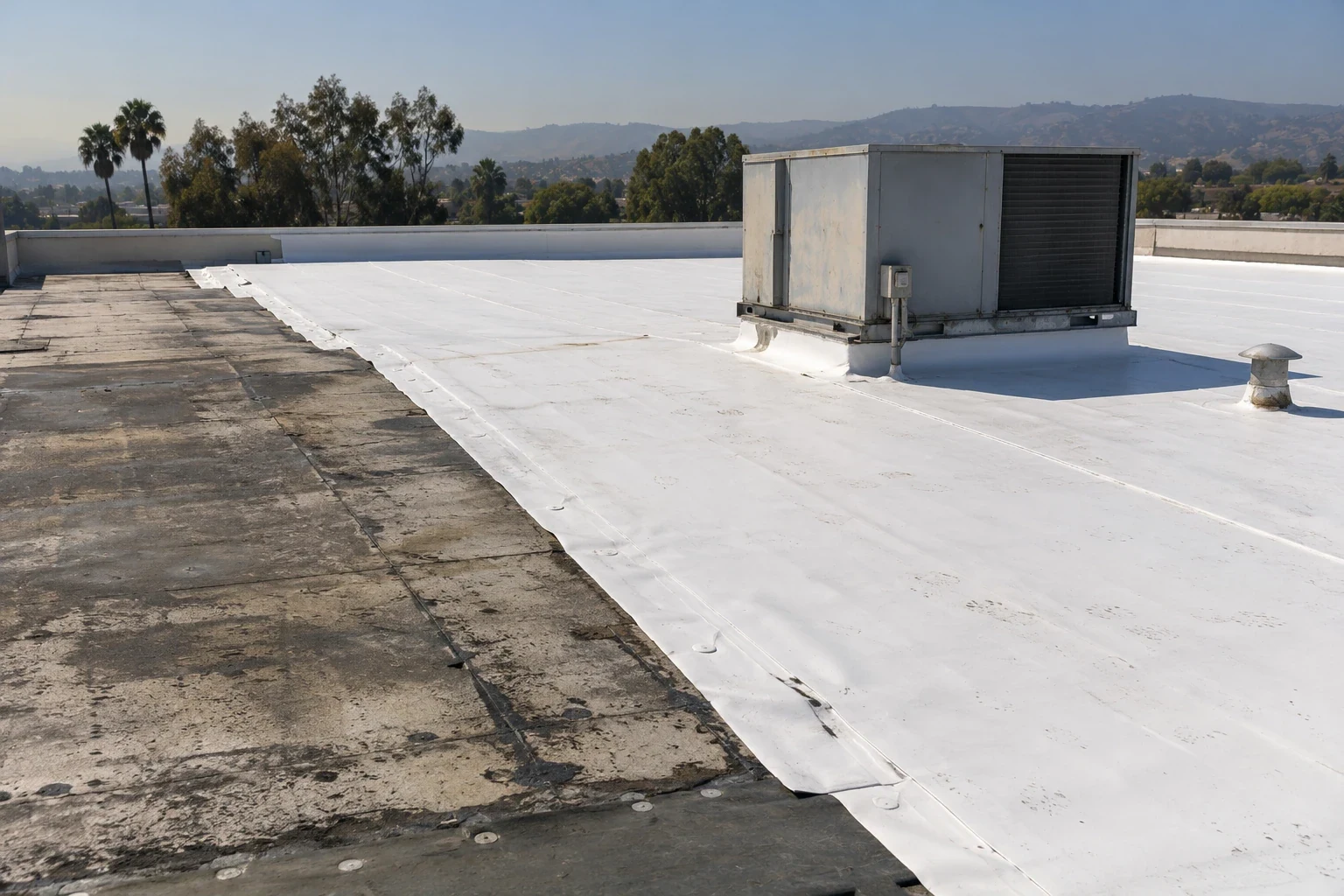
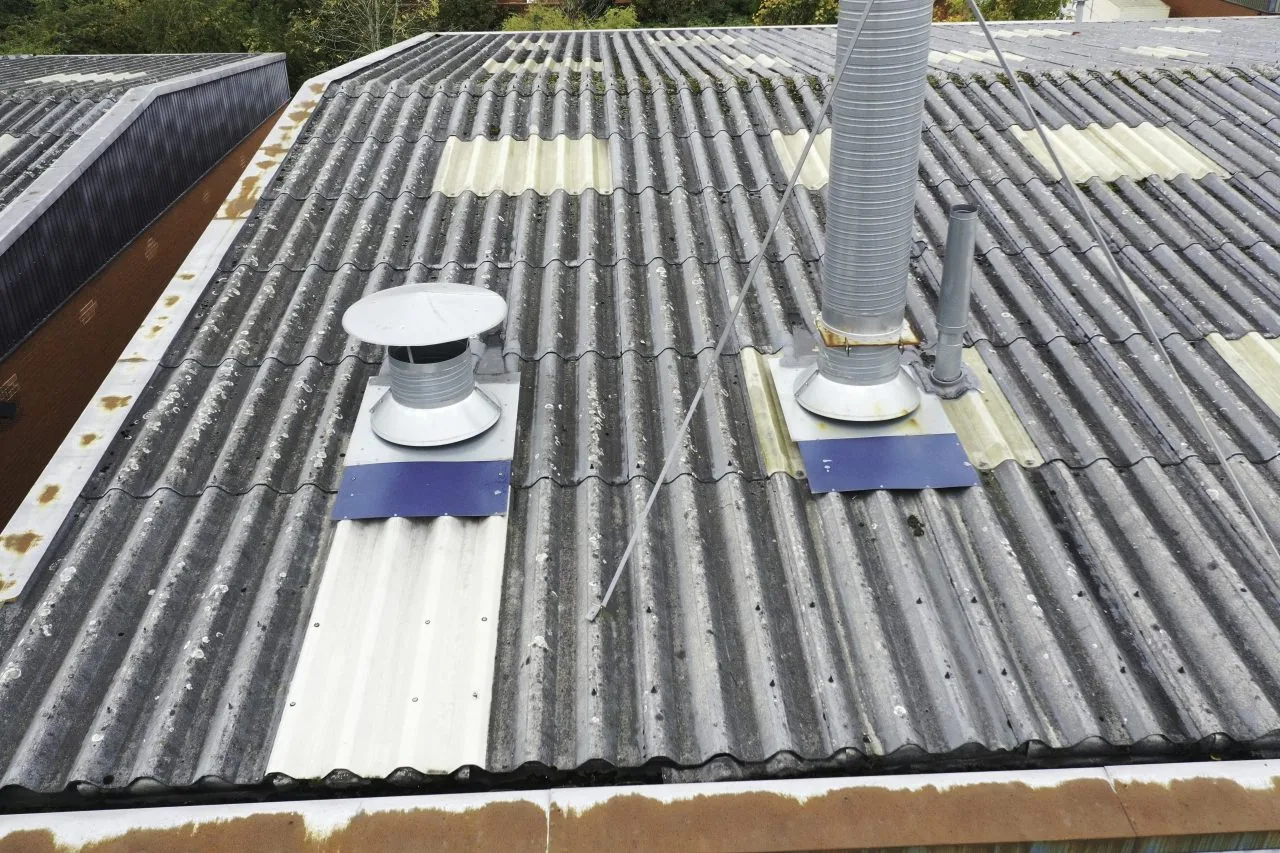
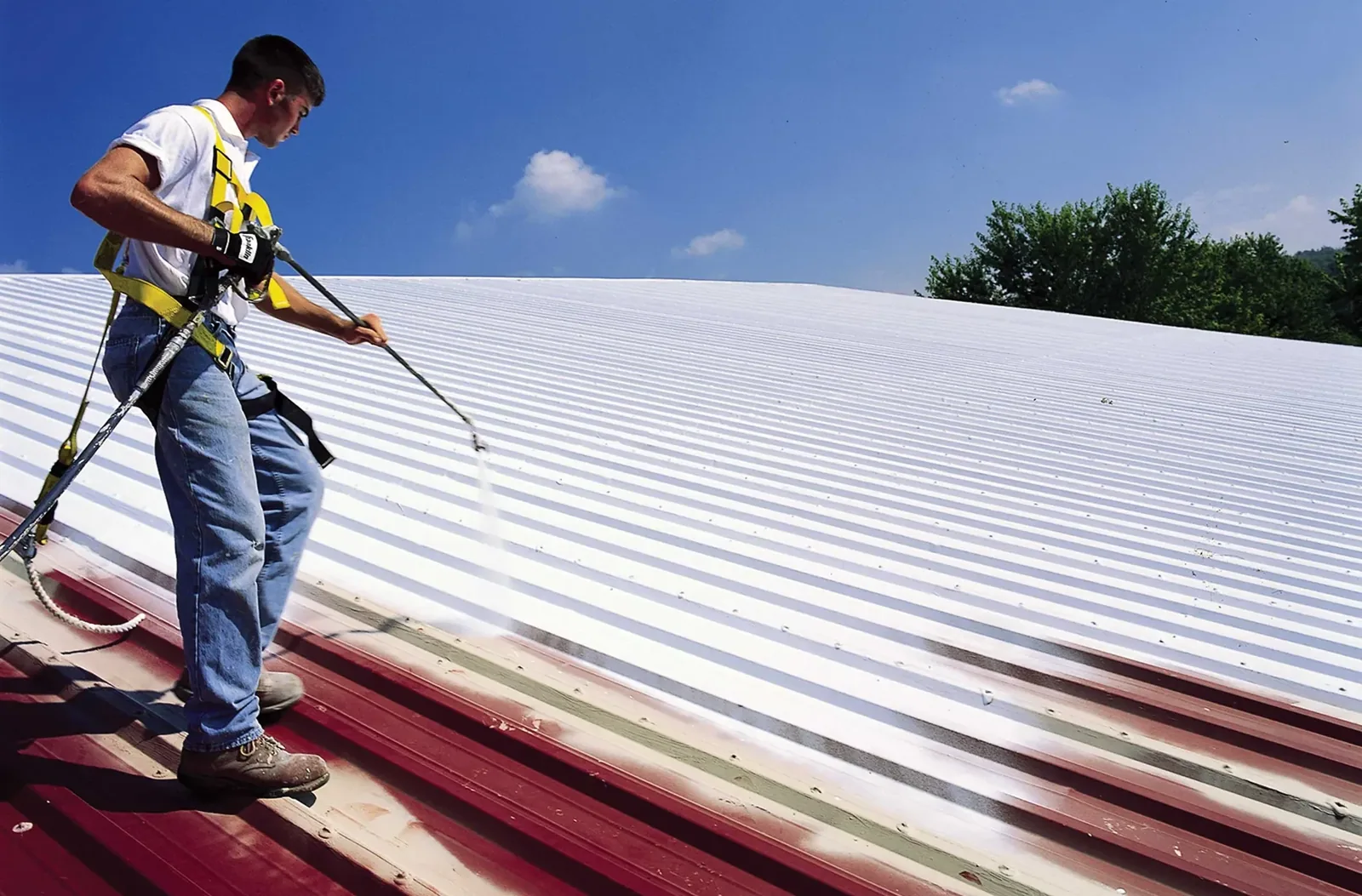
A localized repair may fit an accessible detail with a known tie-in. Repeated failures, moisture under the membrane or incompatible layers can point to a wider decision. Replacement exposes concealed conditions but requires phasing and dry-in. A recover is evaluated against the existing assembly, drainage, edge heights and details.
Use surveys to focus follow-up
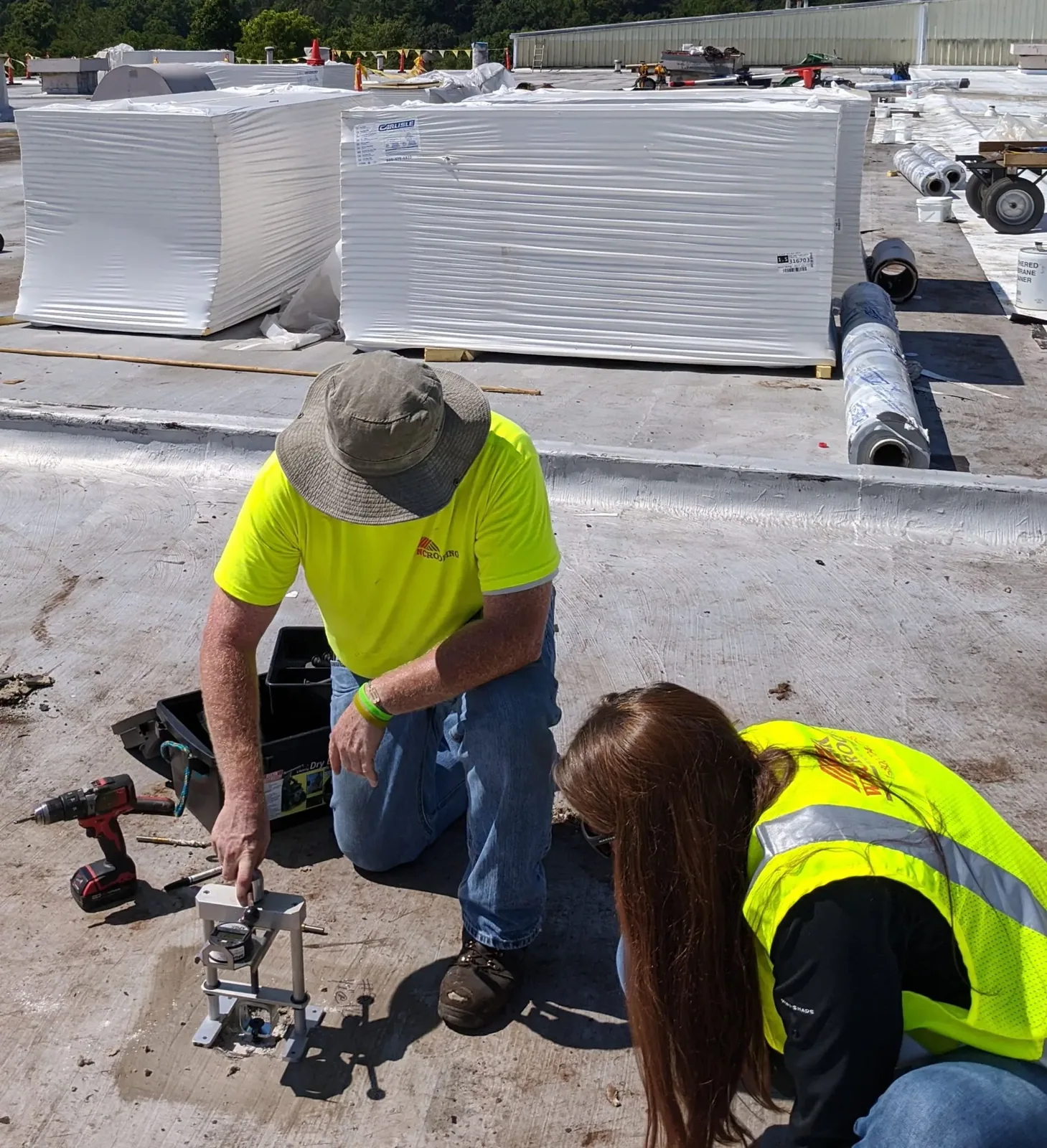
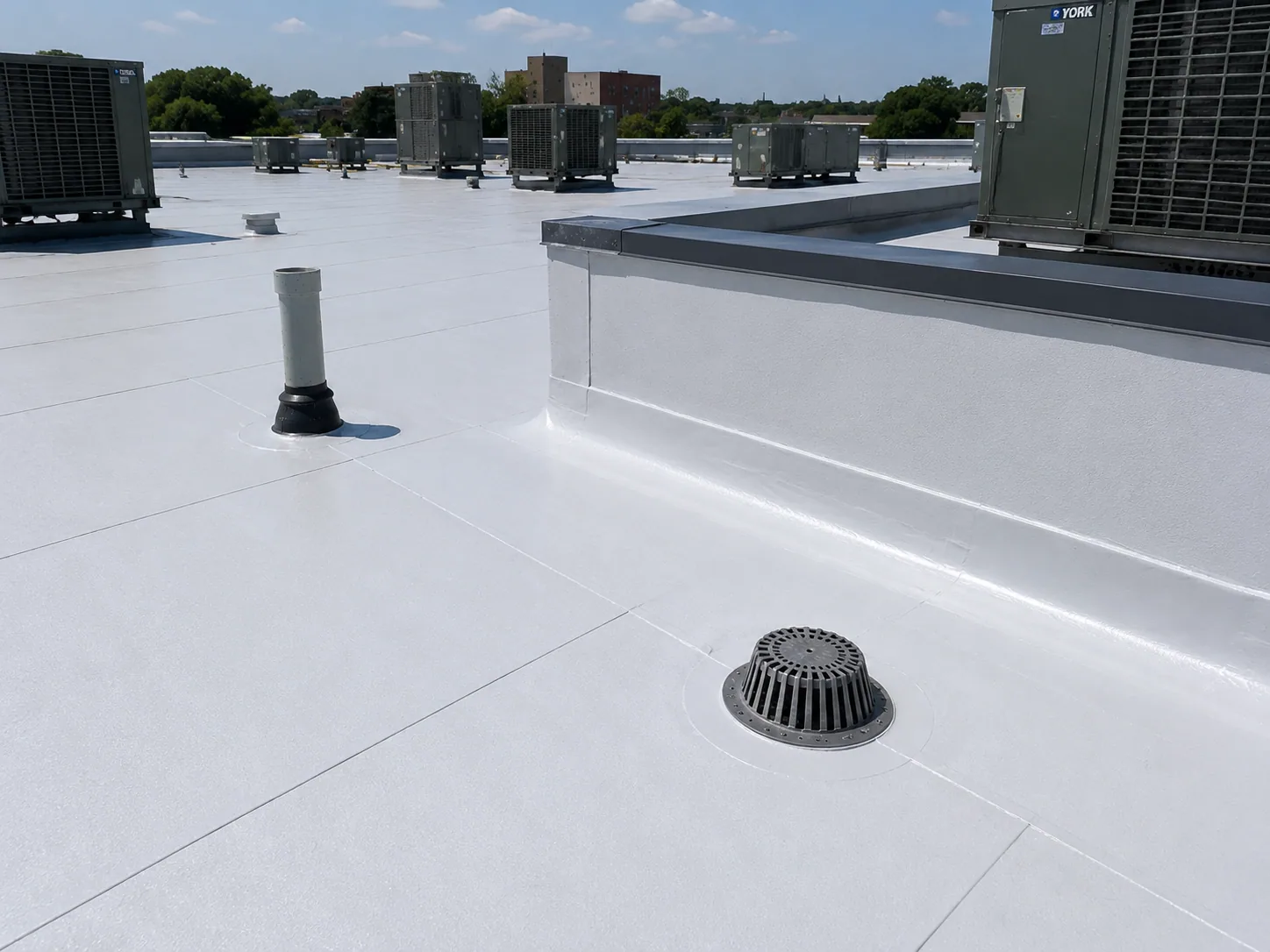
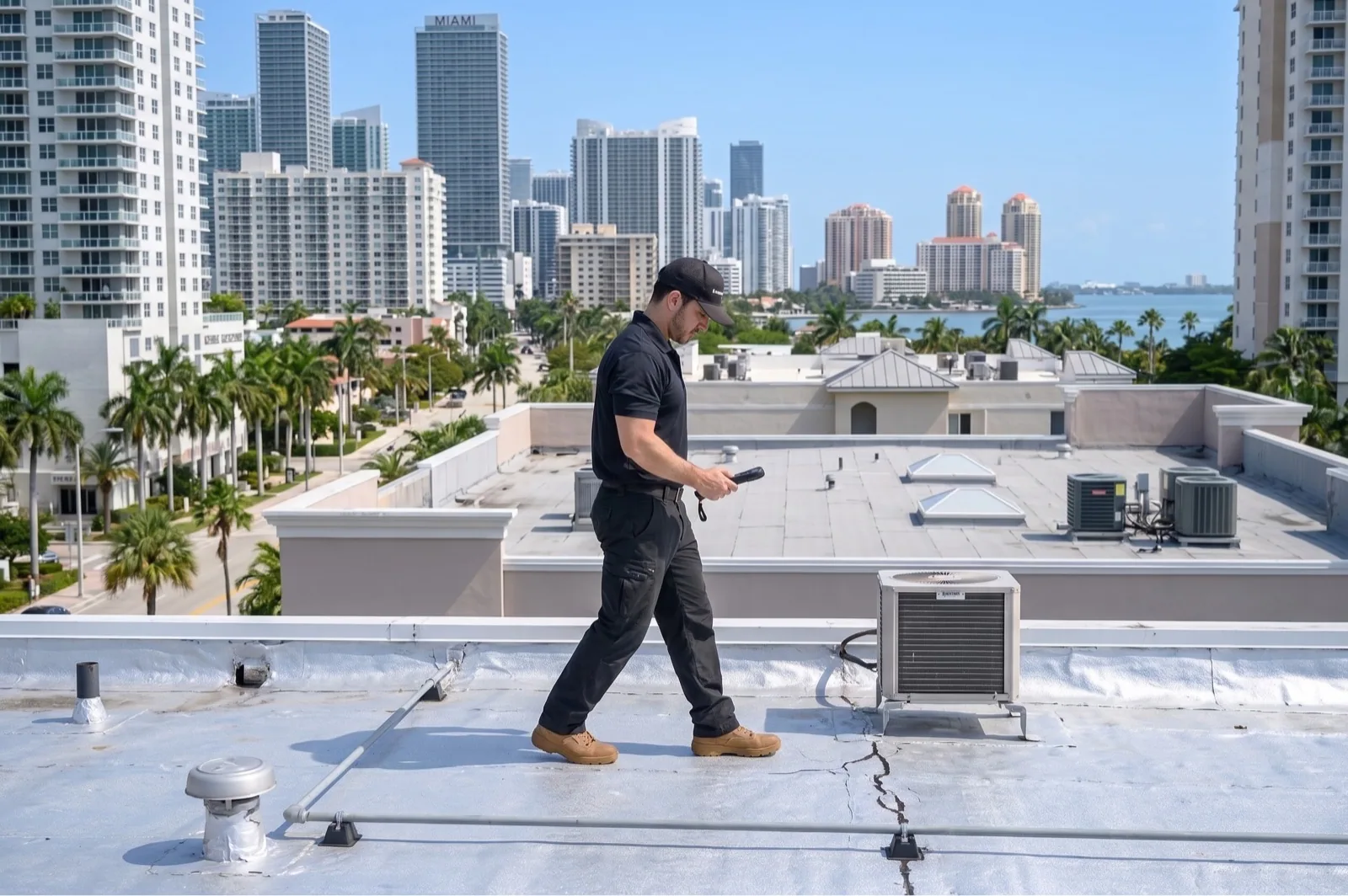
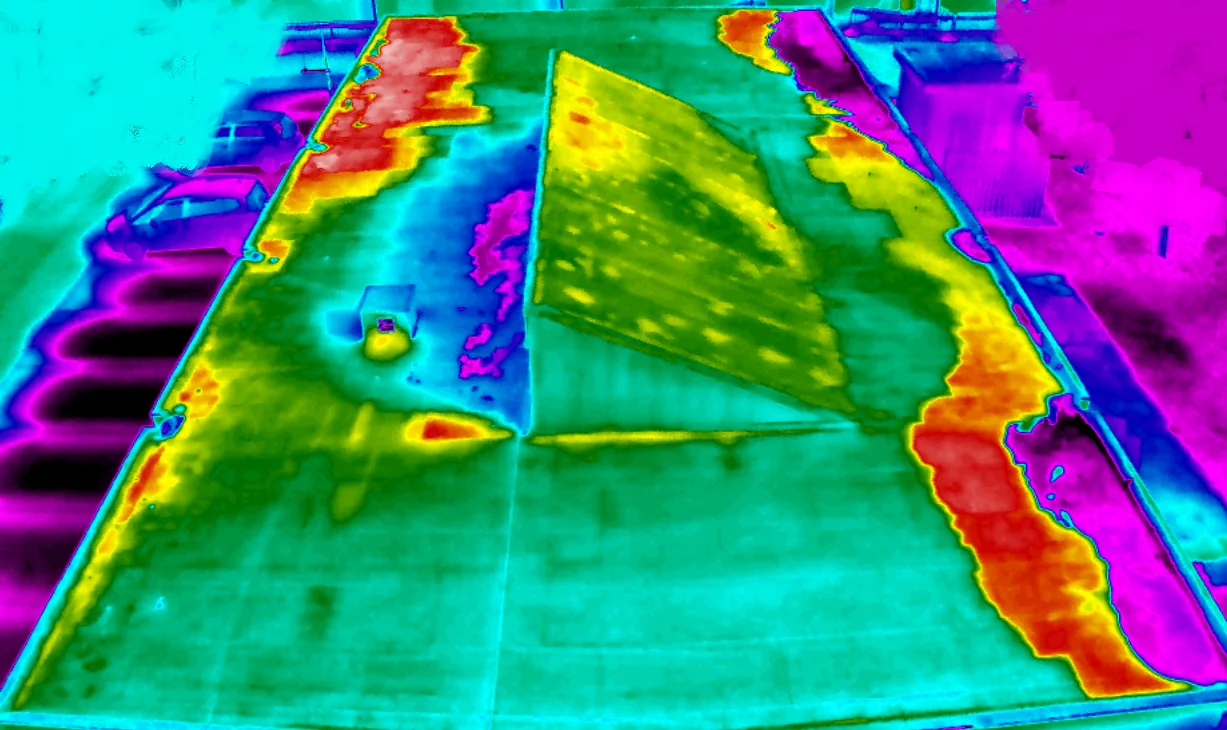
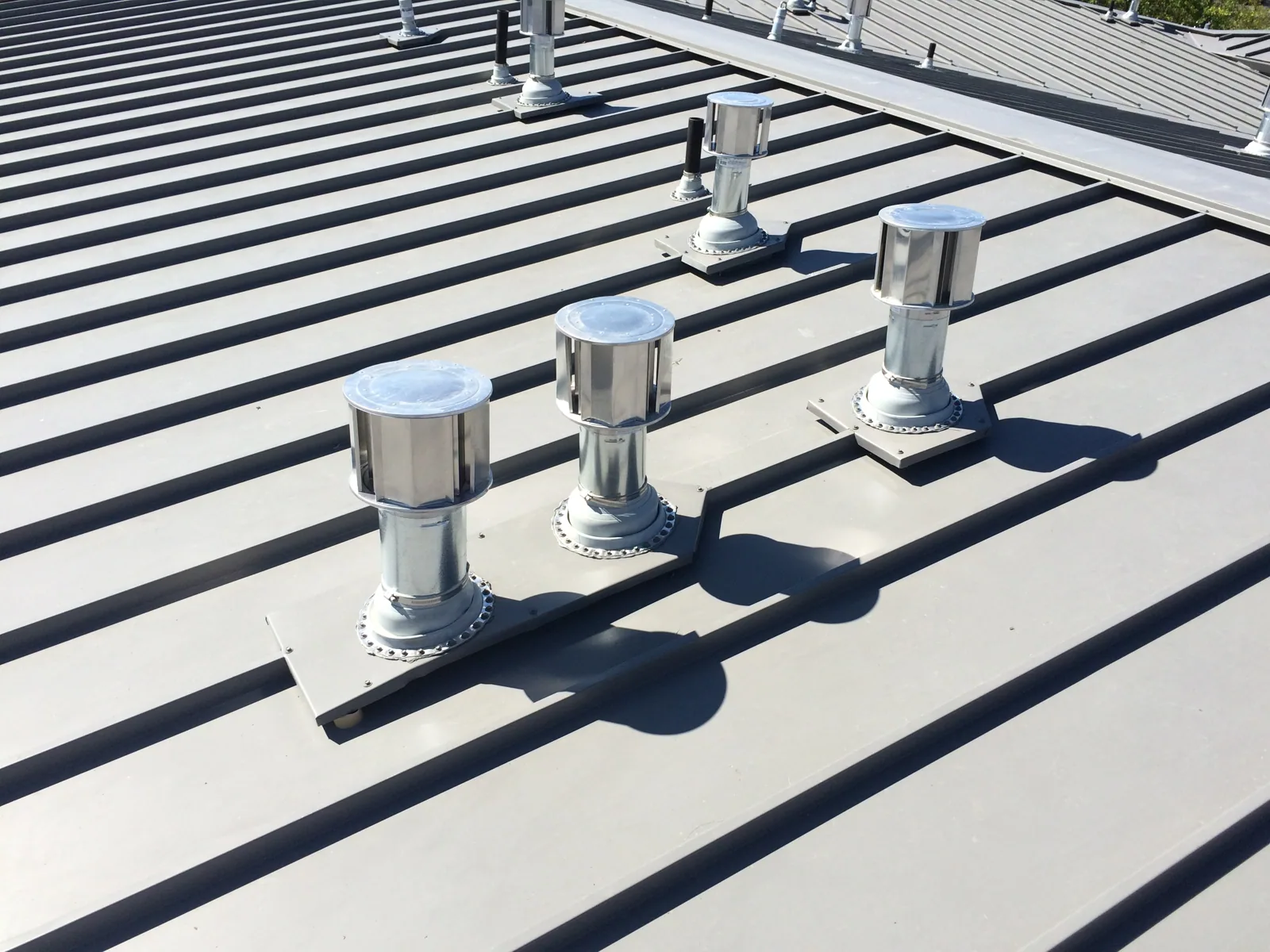
A hands-on roof walk checks seams, edges, penetrations, curbs and drains. Drone imagery can help document inaccessible views, while infrared screening may flag areas for confirmation. Those tools support a technician’s review; neither one alone establishes the repair quantity or proves concealed moisture.
Build a useful maintenance record
A maintenance visit can compare current roof conditions with prior work and note drains, surface changes, edge details or new penetrations. A preventive program should describe the areas checked, exclusions and follow-up. For Costa Mesa, a roof record can distinguish properties in the Westside from those on the East 17th Street corridor without assuming their assemblies match.
Keep operations in the scope
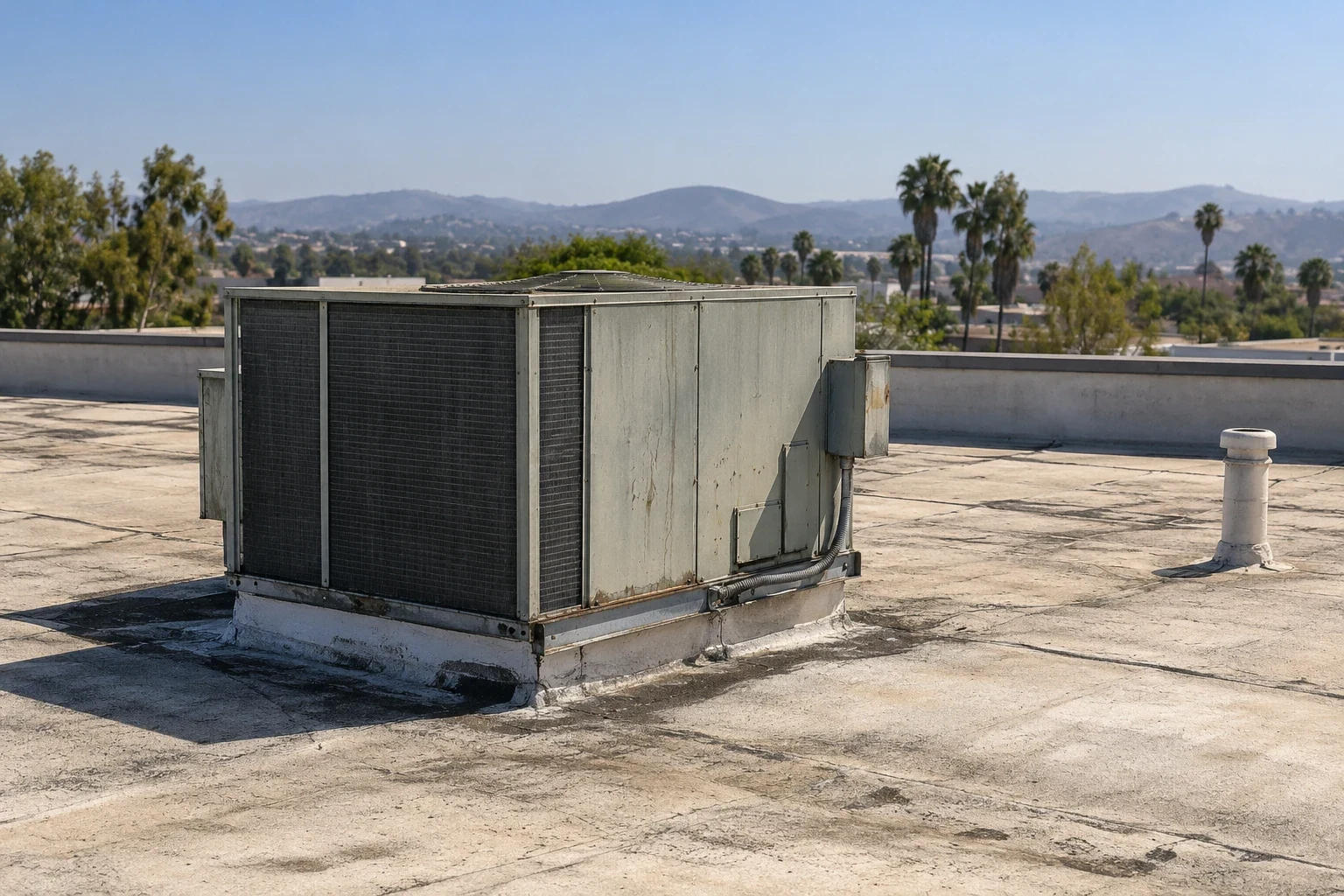
Before work, the property contact confirms roof access, tenant notice, equipment limits, staging and daily securement. Occupied-building sequencing can phase an approved repair or replacement around site conditions. For a larger portfolio, capital planning puts findings and decisions in a comparable record. Each service scope says what is known, what remains open and who approves a change.
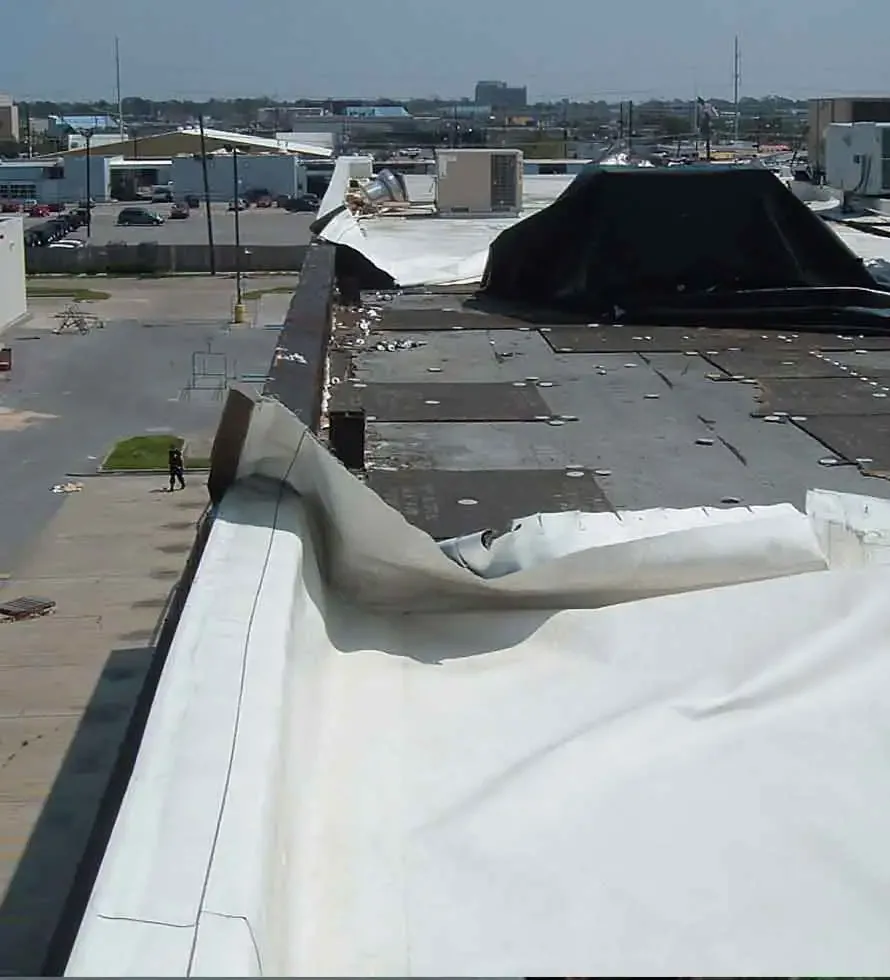
An owner may need a fast response today and a different planning conversation after the water is contained. We document those decisions separately, including the temporary measure, permanent repair limit and any test that would change the next scope.
Commercial Roofing Questions
What should I send before an inspection?
Share the address, roof records, affected area and access contact so the visit can be scoped to the right building.
Can an emergency visit include permanent repair?
It depends on visible conditions, access and materials. Temporary protection and permanent scope are described separately.
How do you compare repair with replacement?
We document the condition, assembly, moisture questions and tie-ins before presenting the available paths.
Can operations continue during work?
The manager sets access windows and protected zones. We plan sequencing against those constraints.
What does closeout include?
The record identifies work performed, photos, limits and any follow-up item.
Discuss a roof decision
Share the property address, current roof records and the issue or planning question. We can arrange a site-specific review with the authorized contact and define the next useful step.
Request a Roof Assessment
Tell us about the building, the roof and what you are seeing. Call us at 555-555-5555 or send a request and we will set up a time to walk the roof.