
Commercial Roof Insulation and Cover Board in Costa Mesa, CA
Compressed insulation at a roof transition can change the drainage path and the repair boundary. We inspect the surface, check for soft or displaced areas, and review available roof records before deciding whether an opening is needed. Regional normals near Santa Ana put typical daily highs around 79°F in July and 80°F in August. Those readings are regional context, not a temperature or performance measure for every Costa Mesa roof. The assembly and observed condition control the scope. Where the membrane conceals several layers, a small test opening can answer whether moisture stops at one board or continues into the roof system.
Cover board can protect insulation and provide a receiving surface, but its value depends on attachment, moisture, and compatibility with the roofing system above. We document each layer we can confirm and identify concealed conditions that still need testing.
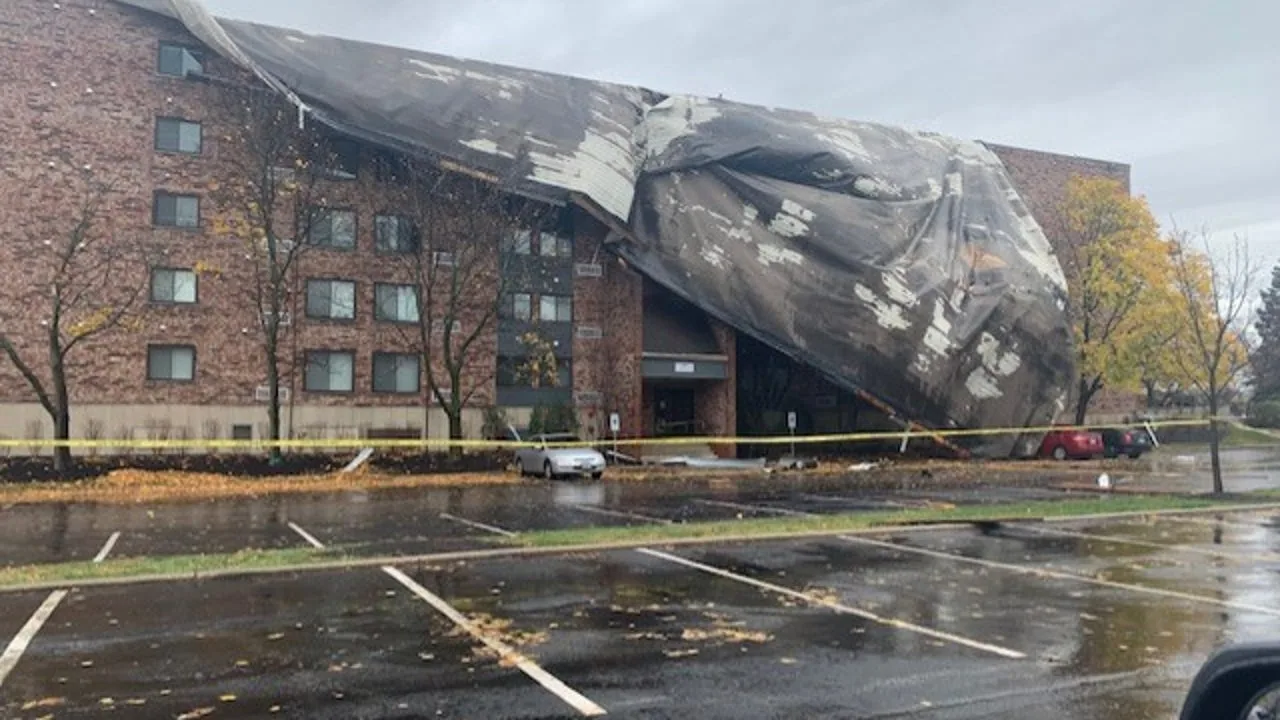
Layer by Layer
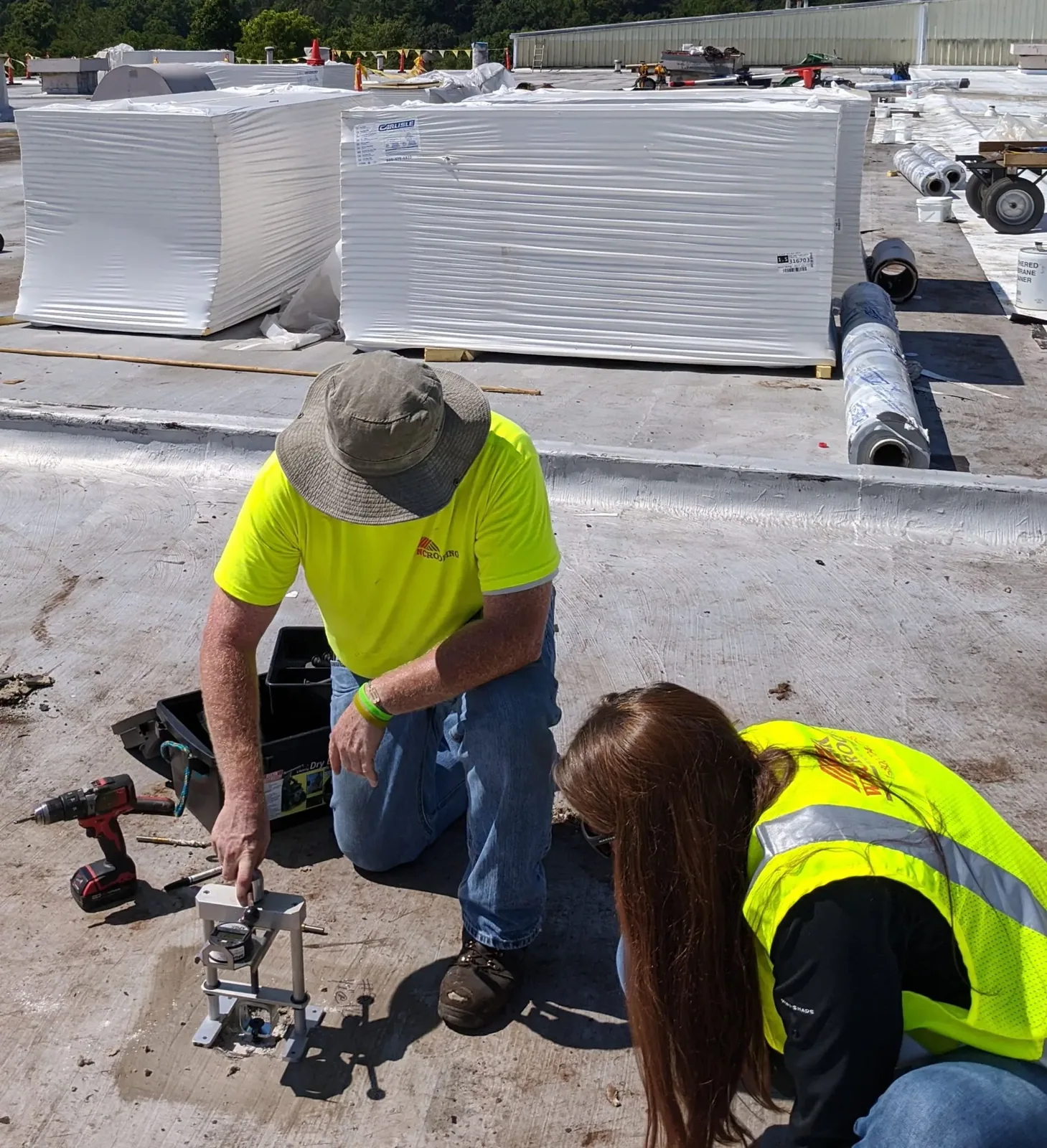
We note surface damage, soft spots, ridges, fastener movement, and any change in slope toward drains. A visual walk cannot show every layer beneath the membrane. When a decision depends on insulation or deck condition, a test opening can confirm the assembly and moisture boundary. We mark the proposed test location and explain what the result would change before cutting into the roof.
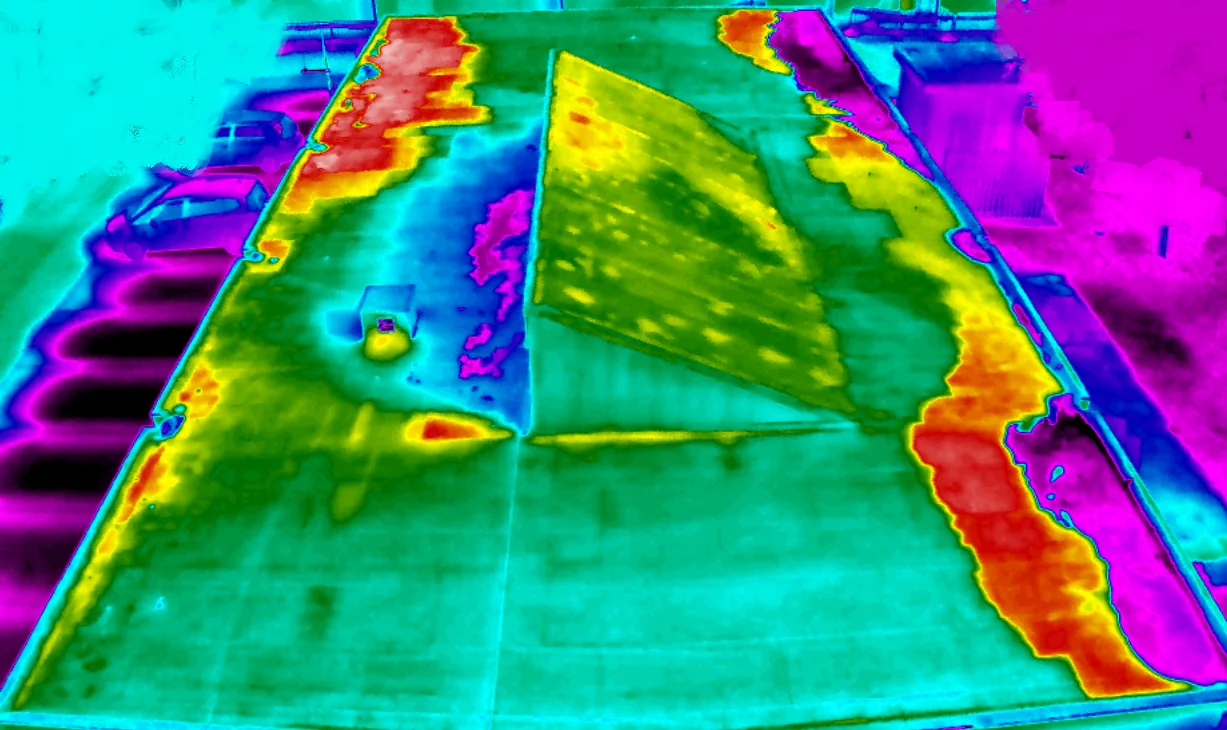
Cover board joints and attachment can affect how a membrane lies at transitions. We inspect edges, curbs, drains, and repairs where stress or movement may concentrate. A condition inspection records the field and detail observations together. If a temperature survey is useful to select openings, an infrared moisture survey can guide the investigation without treating an image as proof of wet material.
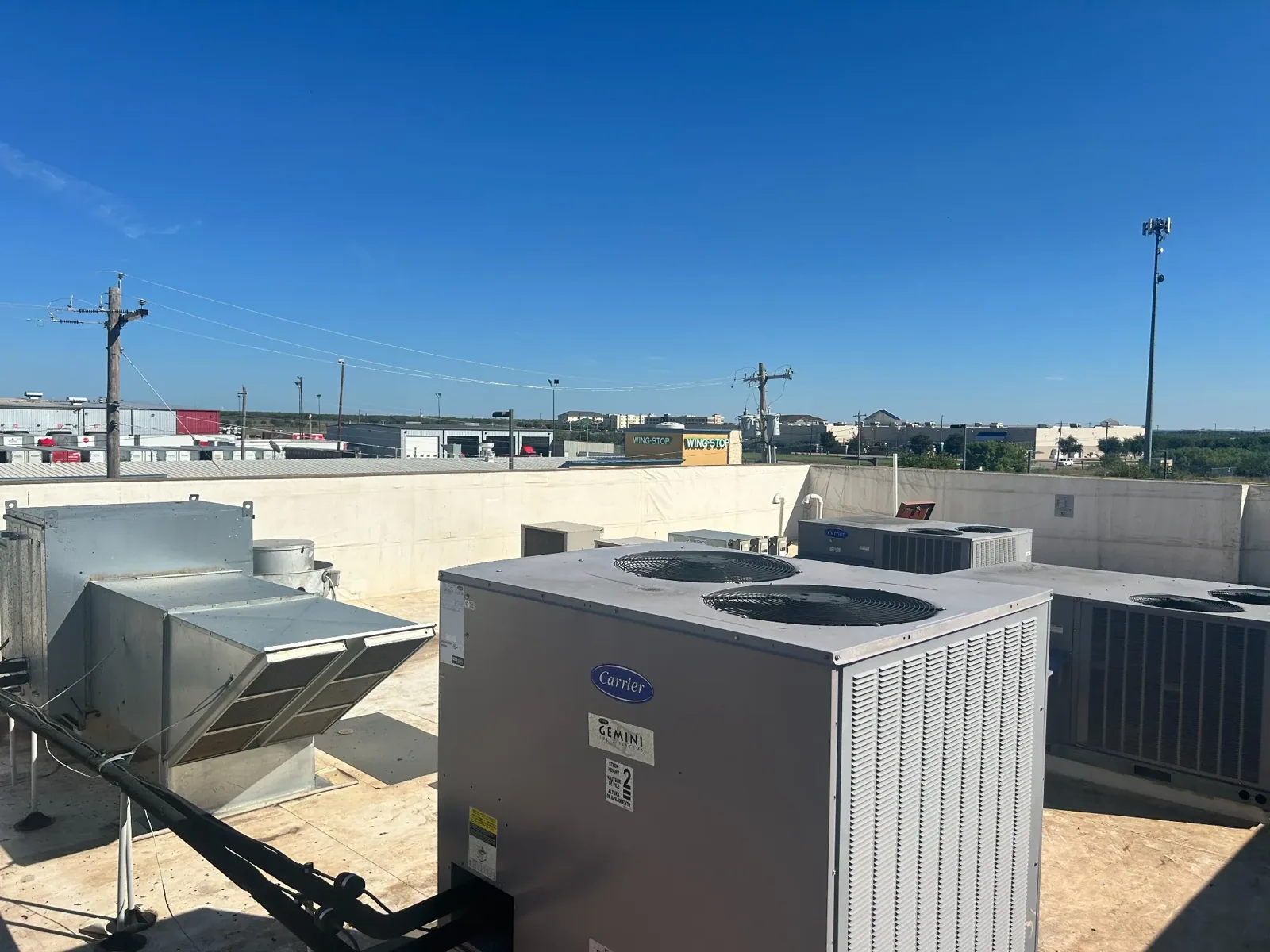
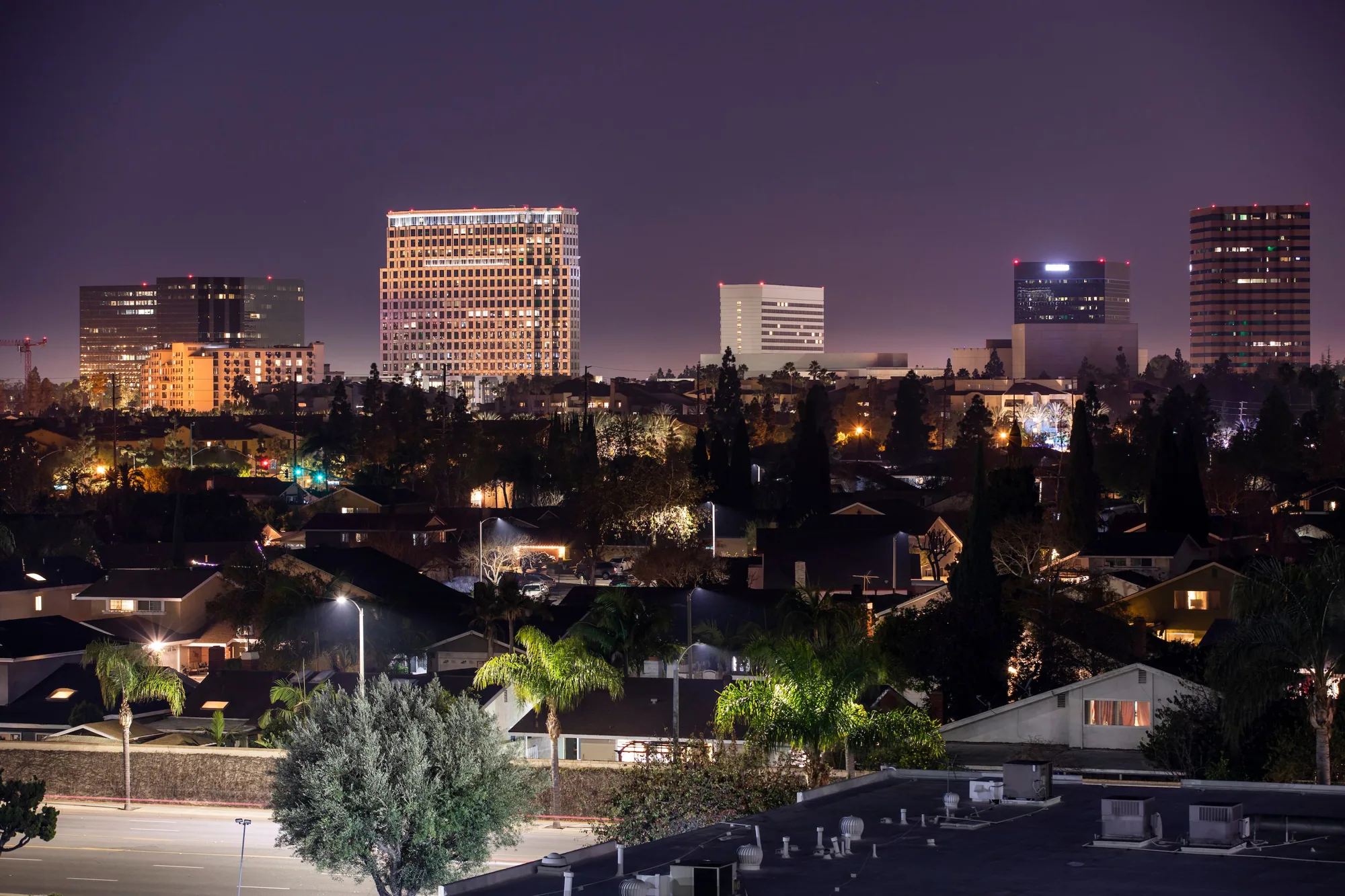
Costa Mesa Climate Context
The same regional baseline puts annual precipitation near 11 inches. These are area-wide normals, not site readings. We use the context to keep seasonal planning realistic, while roof condition remains property-specific. Moisture entry, thermal movement, or insulation compression needs direct inspection. We do not infer the roof’s R-value, thickness, or moisture level from climate numbers or building area.
City planning uses three districts to describe industrial activity: Westside, Airport Industrial/Business Park, and Harbor Gateway. In Westside, the plan notes smaller manufacturing and service operations as well as larger industrial uses, with many smaller operators in shared structures. For cover-board replacement, that matters at the access level; we identify suite boundaries, common paths, and roof sections that can be isolated before any board is removed. The owner can use a Westside roof walk or Harbor Gateway inspection to document conditions without assuming the assembly from the district.
Repair or Rebuild the Assembly
Localized wet insulation can sometimes be removed and replaced within a defined boundary. Widespread wetness, repeated failures, or unsuitable attachment may point to a broader assembly decision. We compare repair, recover, and tear-off only after the conditions that matter are confirmed. A recover can add layers and weight; code, drainage, attachment, and existing moisture all need review. The proposal identifies what is known and what opening or calculation remains.
A cover board choice also depends on the membrane, substrate, fasteners or adhesive, and system requirements. It is not a universal upgrade. We identify the receiving surface and how it will connect at drains, curbs, and edges. A replacement assessment or recover evaluation can compare the options. The scope should state how removed material will be replaced and how the finished drainage path will be checked.
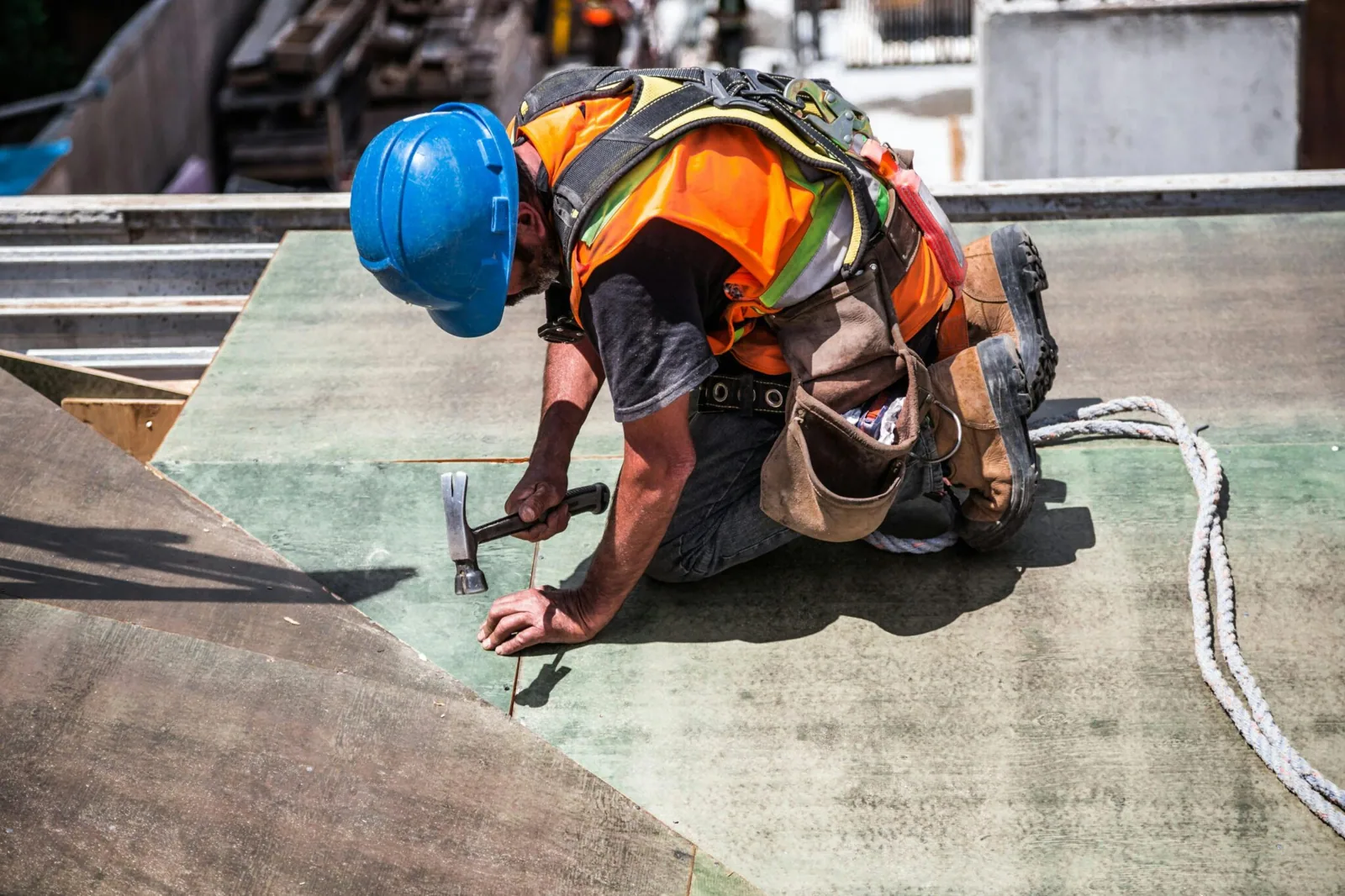
Transitions and Penetrations
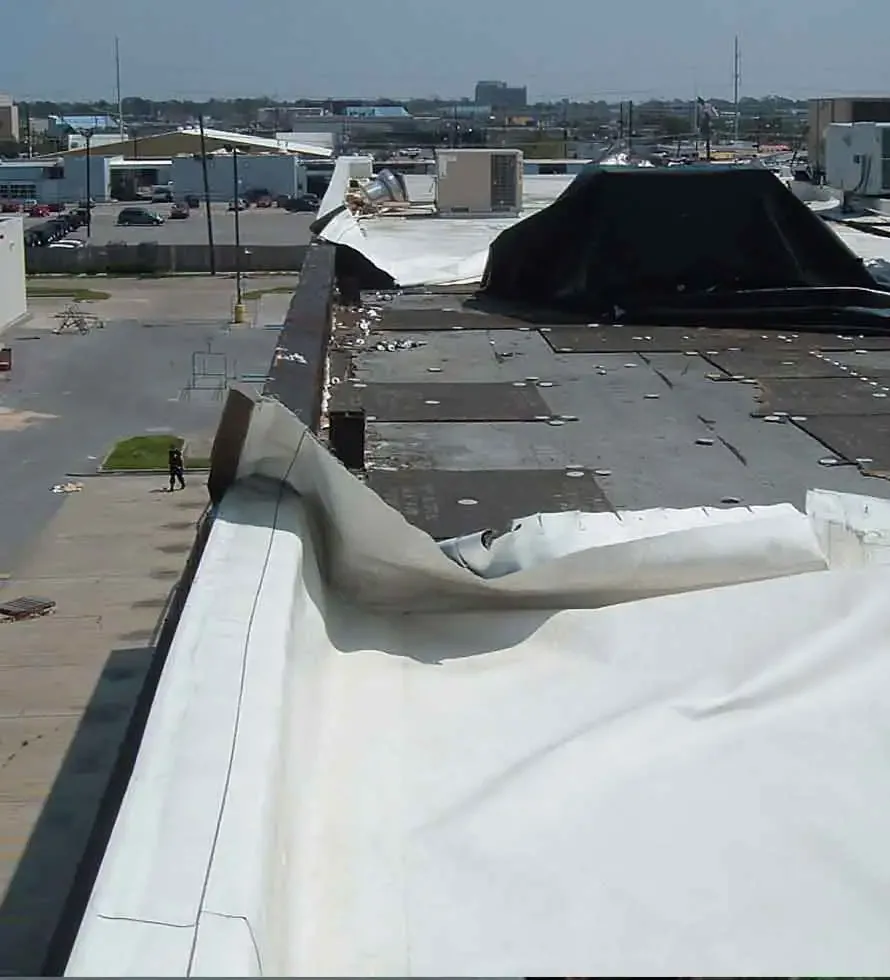
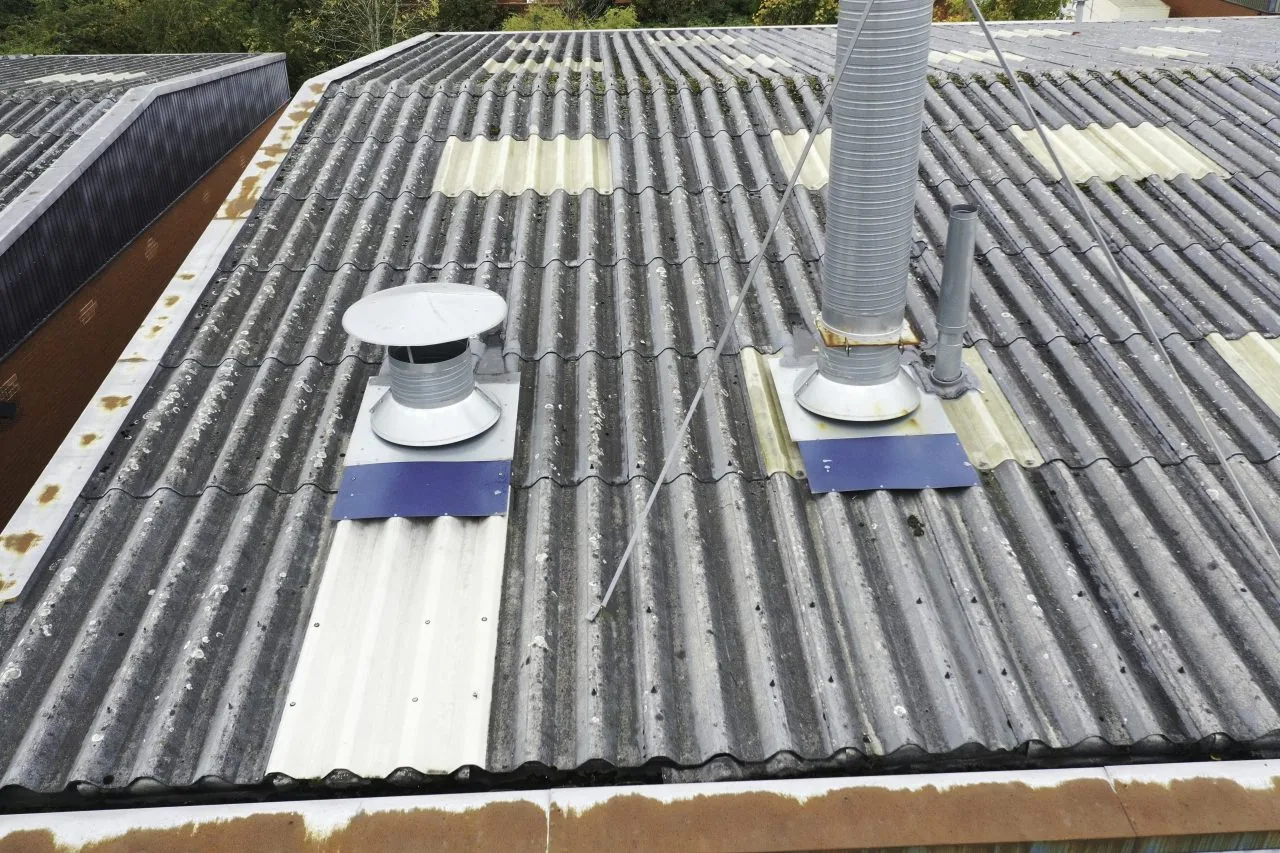
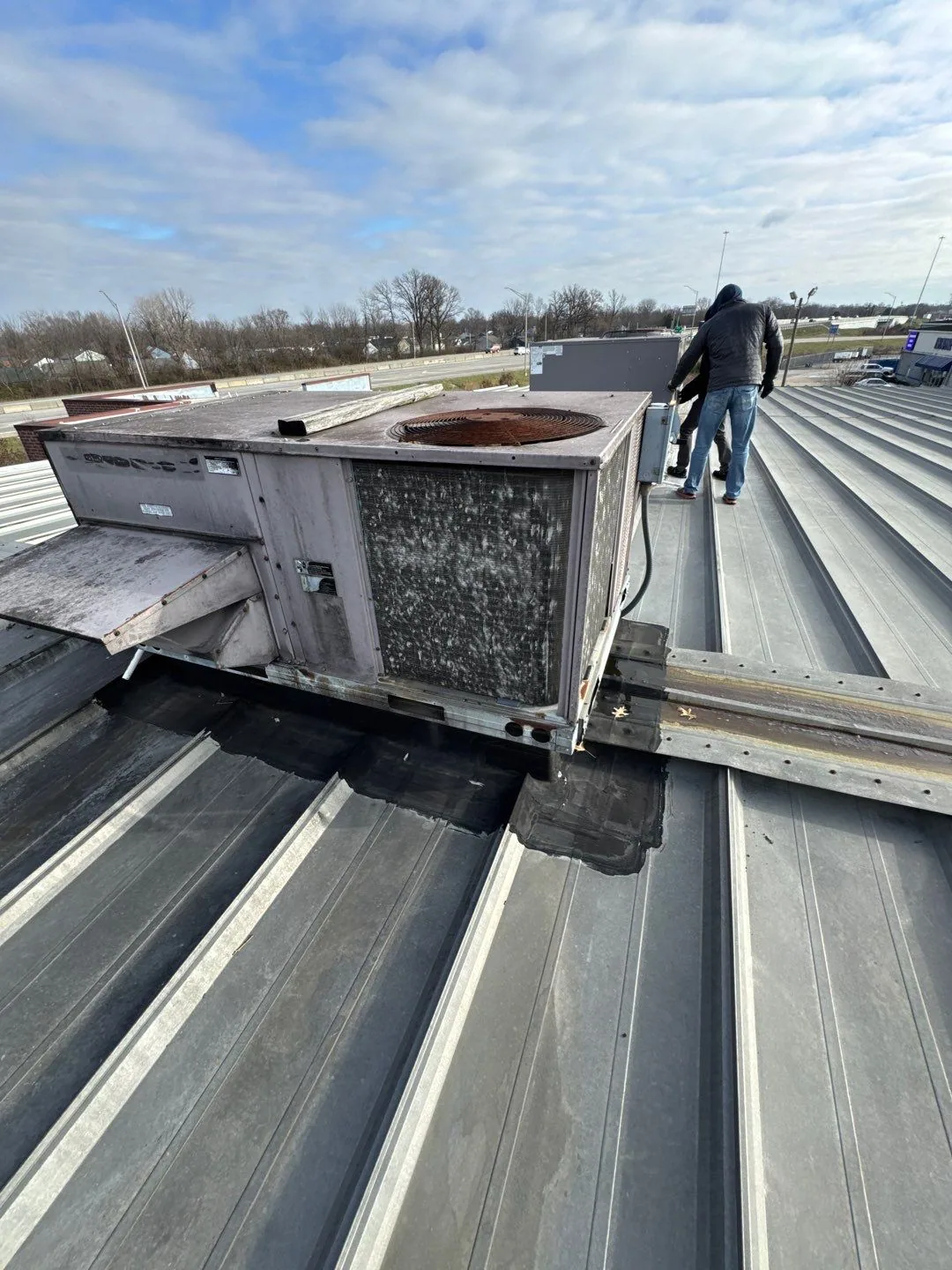
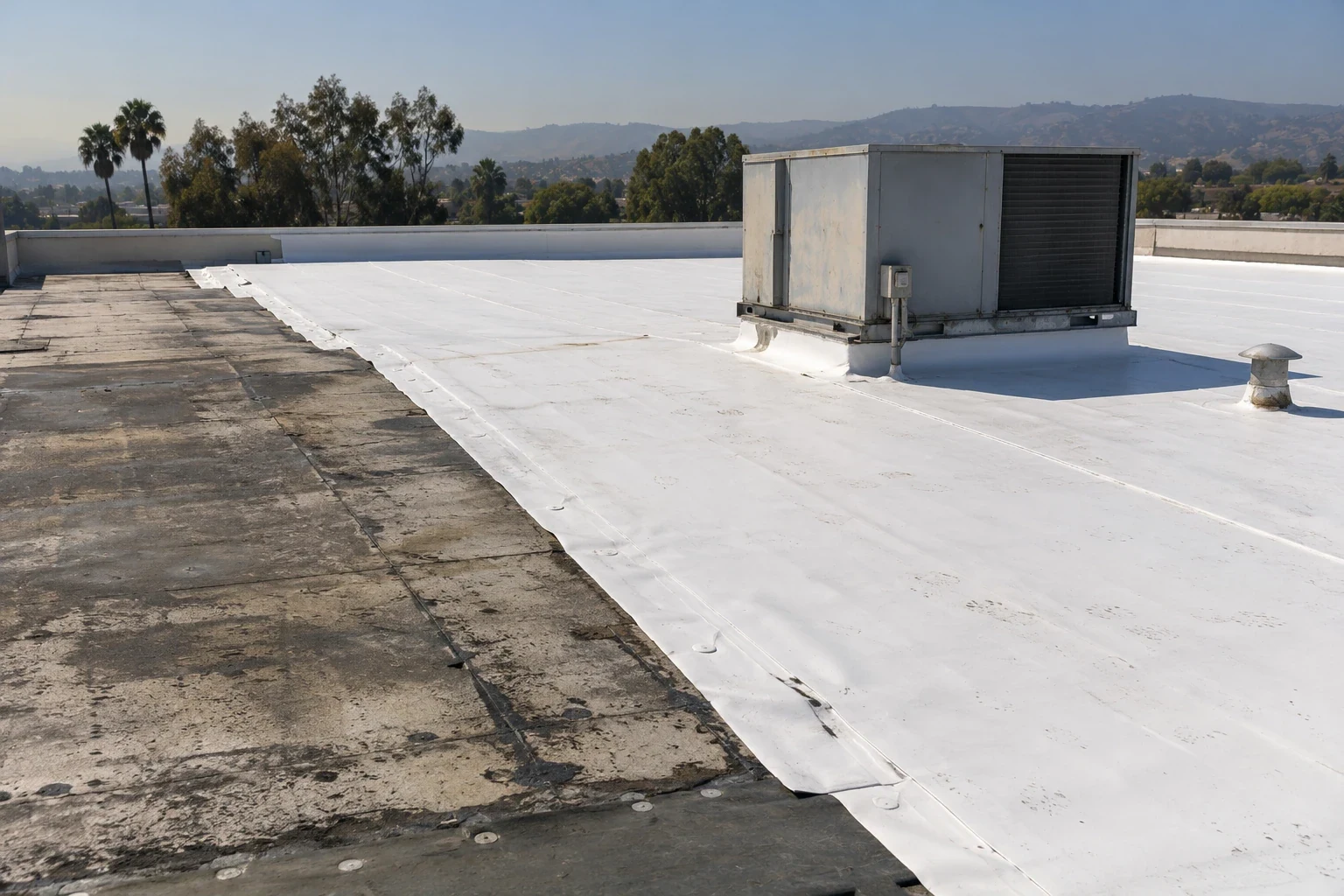
Insulation and cover board stop and restart at parapets, curbs, drains, and equipment supports. Those transitions need a continuous membrane connection and secure attachment. We inspect for gaps, exposed edges, crushed corners, and changes that could leave a hollow or weak area beneath the roof surface. If equipment work is planned, we coordinate the curb elevation and flashing with the mechanical trade before the new layers are installed.
At a drain, the assembly must maintain a path to the bowl without burying the flange or raising a threshold unexpectedly. At a curb, the detail needs enough height for flashing and service access. We coordinate drain and scupper work with curb and support repairs when both affect the same roof section. Photos show the layer sequence so the next maintenance visit can identify the finished tie-in.
Protect the Building During Work
Removing insulation opens the roof assembly, so the work area must be limited to what can be dried in before the shift ends. We plan material staging, tear-off, protection, and weather coverage by section. If the building remains occupied, we coordinate tenant notices, equipment shutdowns, and interior protection where the work may affect operations. The schedule should show what can proceed if a concealed condition expands the repair area.
We also keep drains, scuppers, and emergency routes clear during the project. Each shift closes with a protected boundary, a note on completed layers, and photos of any area that remains open. A phased reroof plan can connect tenant coordination with the roofing sequence. After completion, a maintenance visit can revisit transitions and drainage before those details disappear from the project record.
A Layered Scope
A useful insulation or cover-board proposal identifies the existing assembly, test locations, removal limits, attachment method, membrane tie-in, and drain or curb adjustments. It should distinguish confirmed wet material from areas that remain untested. The owner can then compare scopes on the same roof boundary instead of choosing between broad descriptions. We identify any design or code review needed before installation and keep those items separate from field observations.
Share roof plans, prior repair notes, moisture reports, leak locations, and access rules to arrange a Costa Mesa assessment. We will inspect the accessible roof, explain where a test opening would answer an important question, and map how a repair would connect to sound material. If the layer condition supports broader work, we can compare repair, recover, and replacement. The goal is a documented assembly decision, not an assumption based on a surface mark.
Common Questions
Sometimes. We test enough surrounding material to establish the wet boundary and confirm the deck. Localized replacement may work when adjoining layers remain dry and secure. If moisture or attachment issues extend farther, the scope may need a larger area. We document the test results before pricing the final limit.
It can provide a protective or receiving layer within a designed roof assembly. The selected board, attachment, membrane, and substrate need to work together. We do not treat a cover board as a universal fix for wet insulation, poor drainage, or a weak deck.
A visual walk and infrared scan can identify areas for closer evaluation, but concealed layers may need a test opening. We explain what each observation supports and where confirmation is needed. The owner can authorize the opening before a repair boundary or recover decision is finalized.
The added layers can change height. A redesigned assembly must preserve drainage and account for the drain bowl, flange, and nearby thresholds. We review those transitions before installation and coordinate any drain adjustment. The proposal should show how the finished roof will direct water to the outlet.
We divide the roof into manageable areas, coordinate tenant access and equipment restrictions, and protect exposed sections before the shift ends. The sequence identifies staging, temporary dry-in, and any work below. If concealed damage expands, we explain the schedule and scope change before proceeding.
Related Roofing Work
Schedule a Costa Mesa Roof Walk
Share the property address, roof records, known leak locations, and access requirements. We will confirm a workable visit and document the conditions that affect your next decision.