

Roof Systems in Costa Mesa, CA
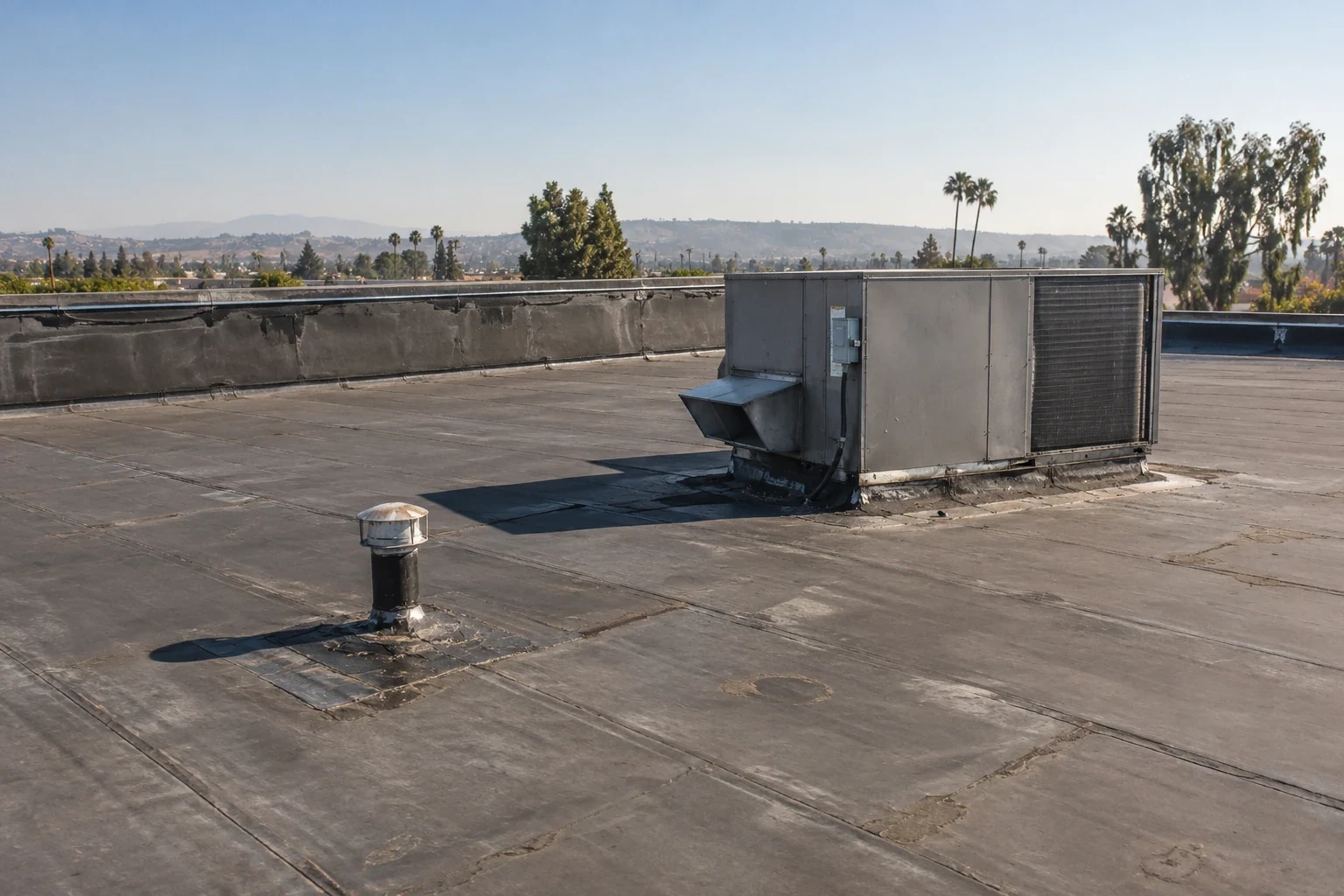
The material name on an invoice is only a starting point. A roof may have later patches, overlays or penetrations that change how a repair should tie in. Costa Mesa has commercial corridors and industrial districts with varied uses. A roof assembly still needs to be confirmed at the building before repair or recover options are compared. We confirm the existing layers, drainage and details before comparing TPO, PVC or other system options.
Roof Systems
More About Roof Systems
Single-ply membranes
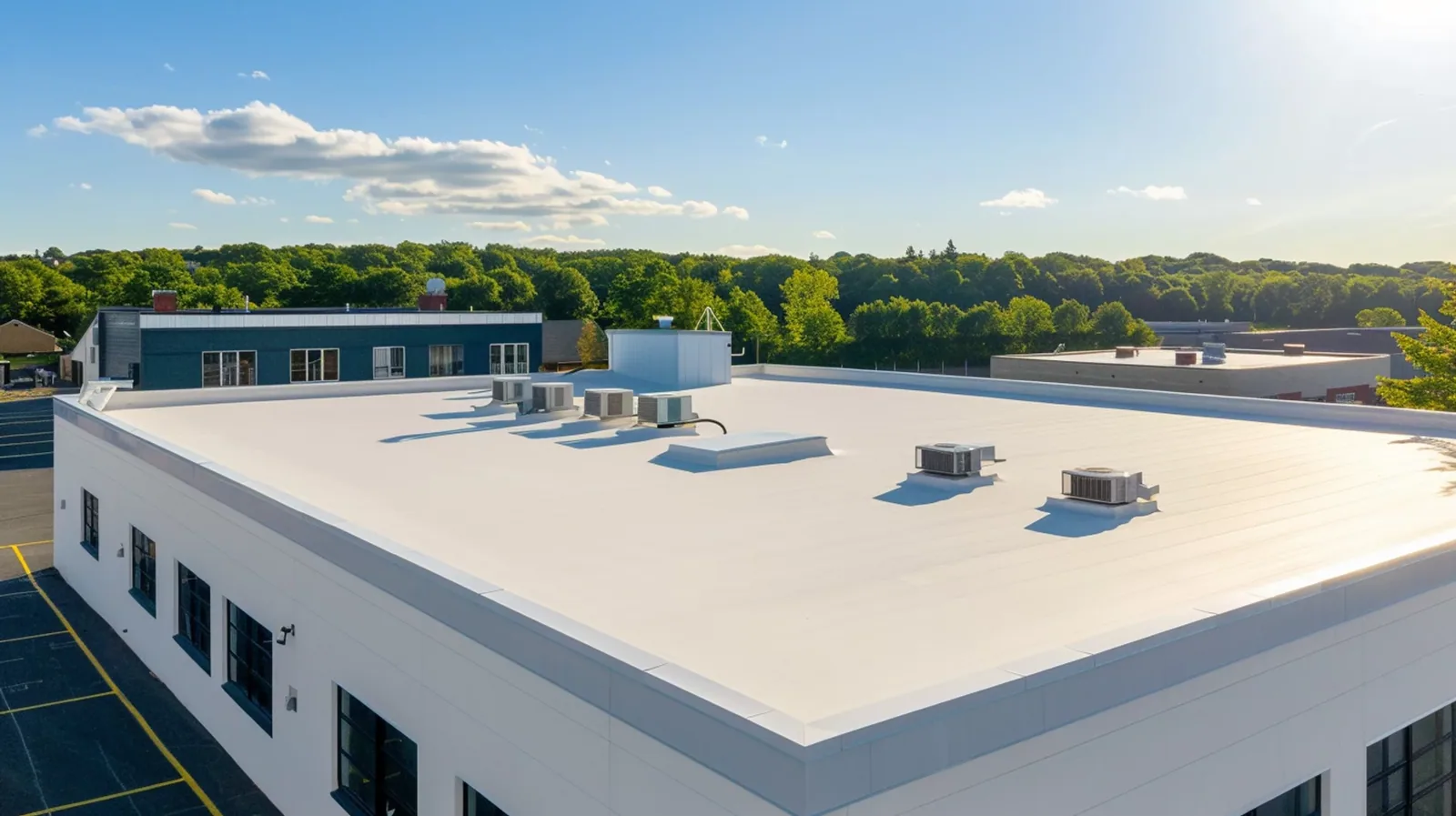
TPO, PVC and EPDM are different membranes with distinct seam and repair methods. TPO systems use heat-welded seams; PVC also relies on compatible welded details, while EPDM uses adhesives and seam components rather than hot-air welds. The installed product and accessories must be confirmed before a patch is specified.
Built-up and modified bitumen
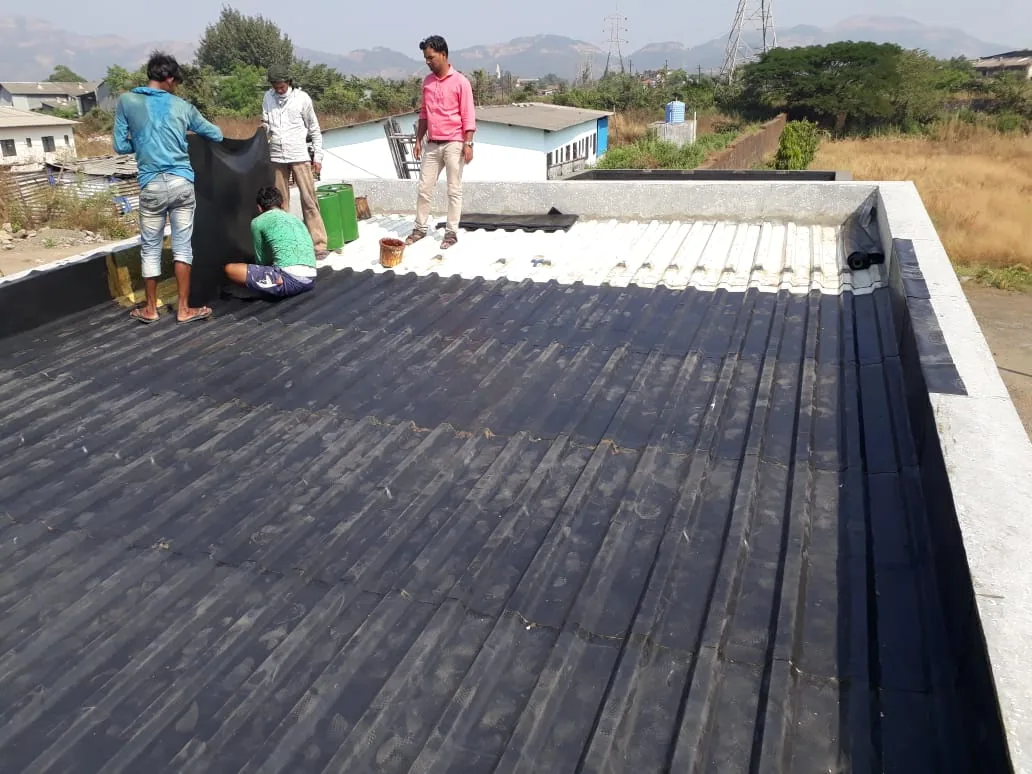
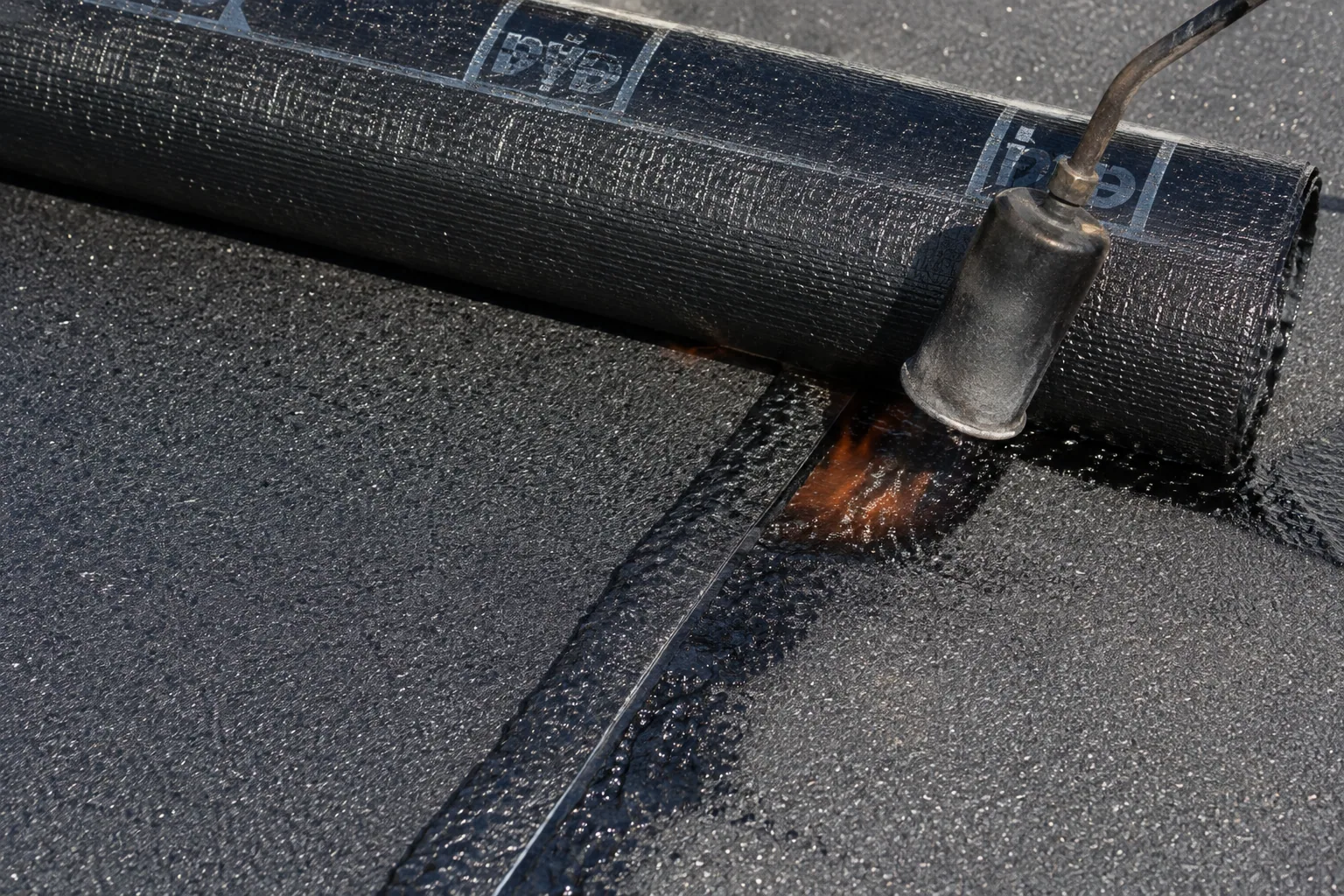
Multiple asphaltic plies can create a durable assembly, but their age, surface treatment, drainage and repair history matter. Modified bitumen and built-up roofing need compatible methods at seams and penetrations. A coating over either system is not a substitute for checking adhesion, moisture and substrate condition.
Metal and retrofit choices
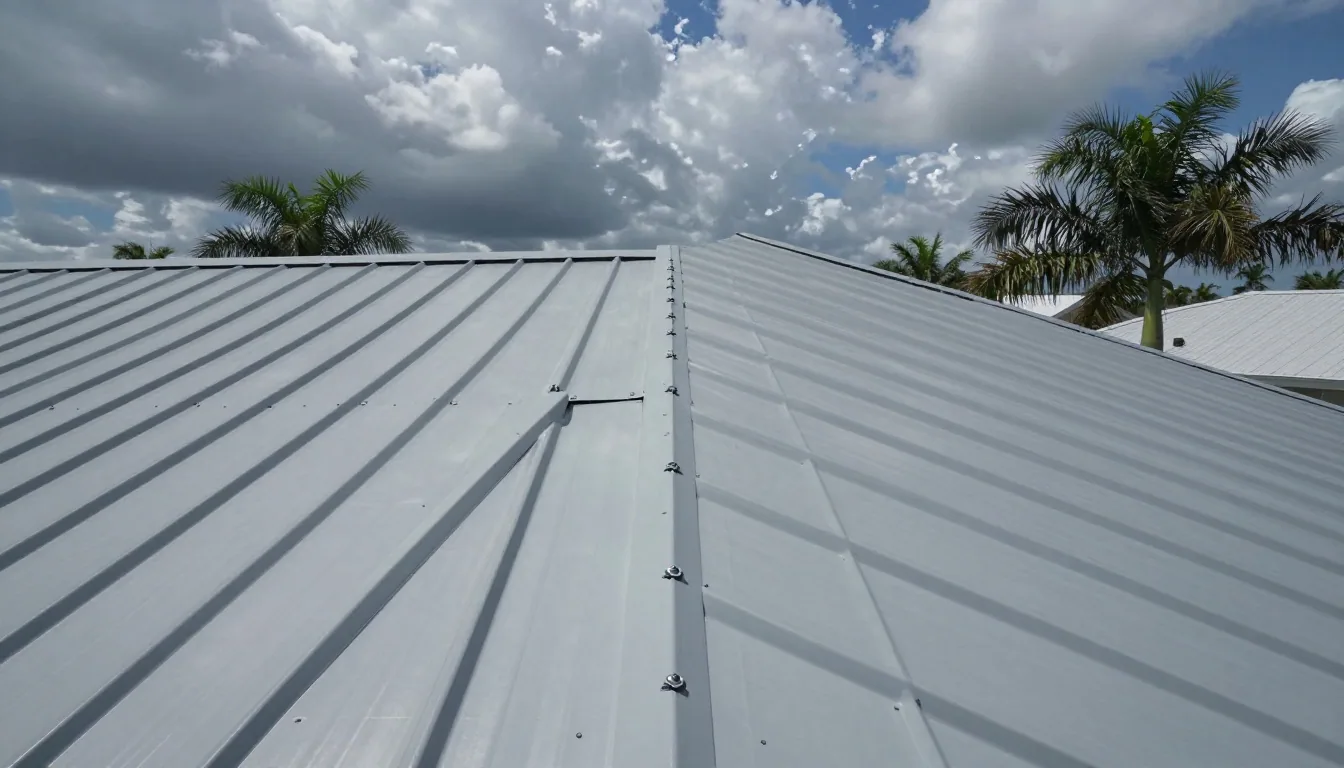
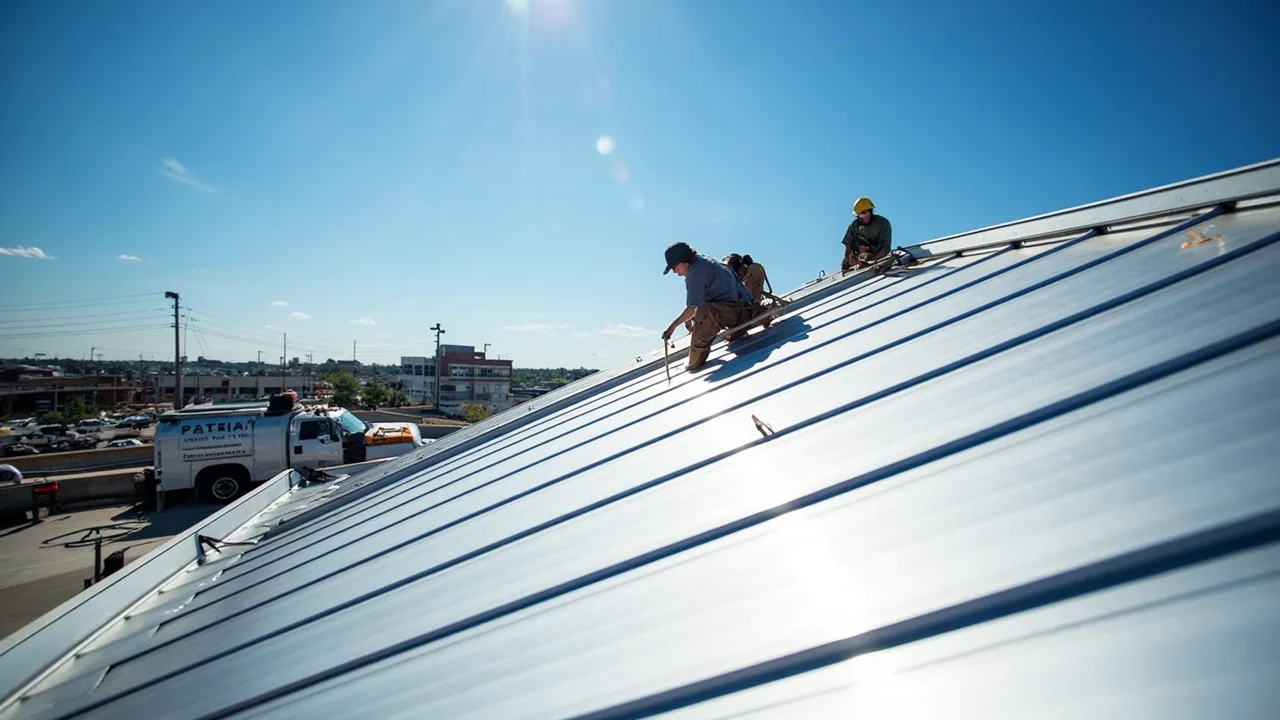
Standing-seam panels and metal retrofit assemblies move differently from adhered membranes. Standing-seam metal depends on panel seams, clips, penetrations and edge details. A retrofit system changes the assembly and must be evaluated for attachment, load path, drainage and existing panel condition.
Foam and liquid-applied restoration
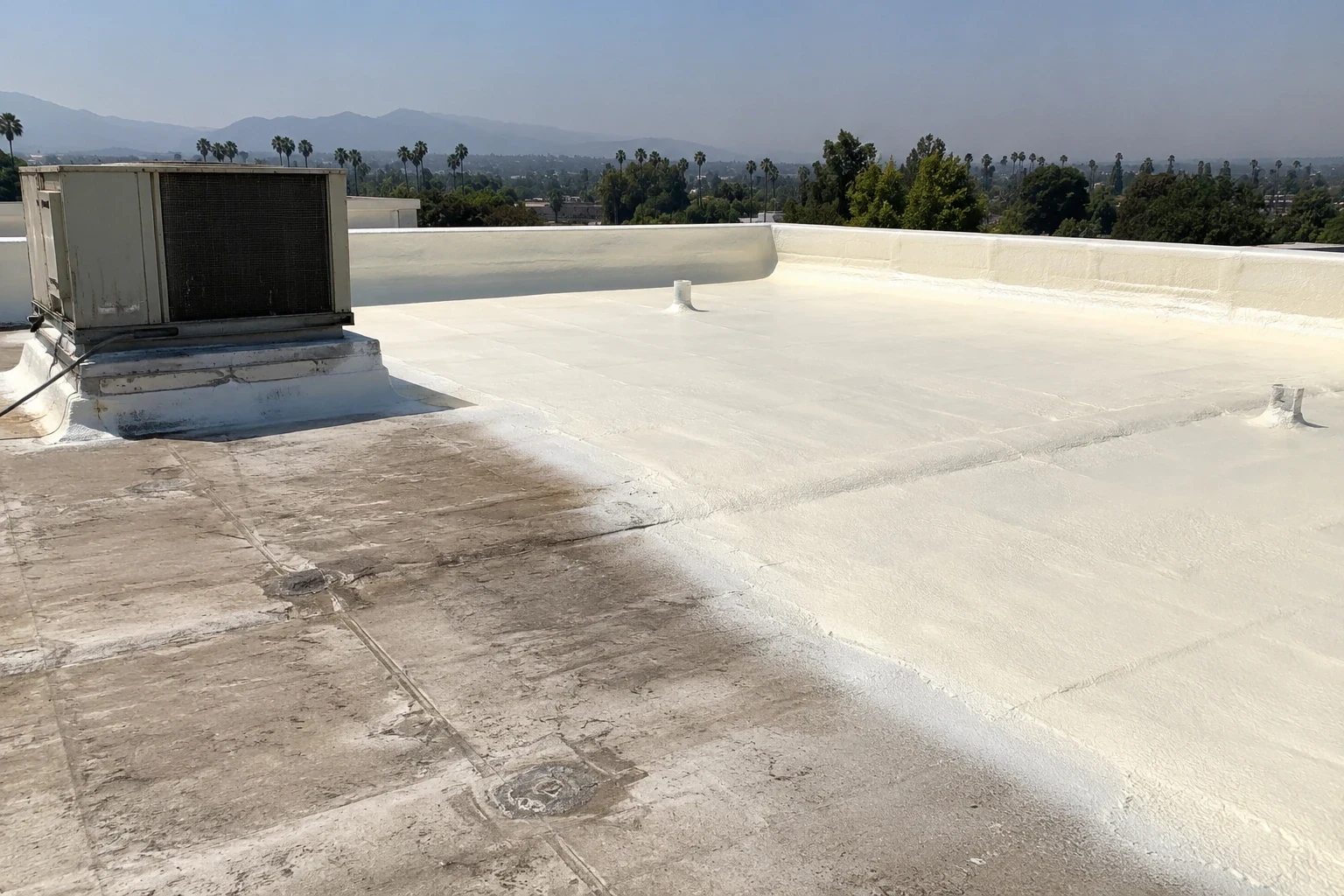
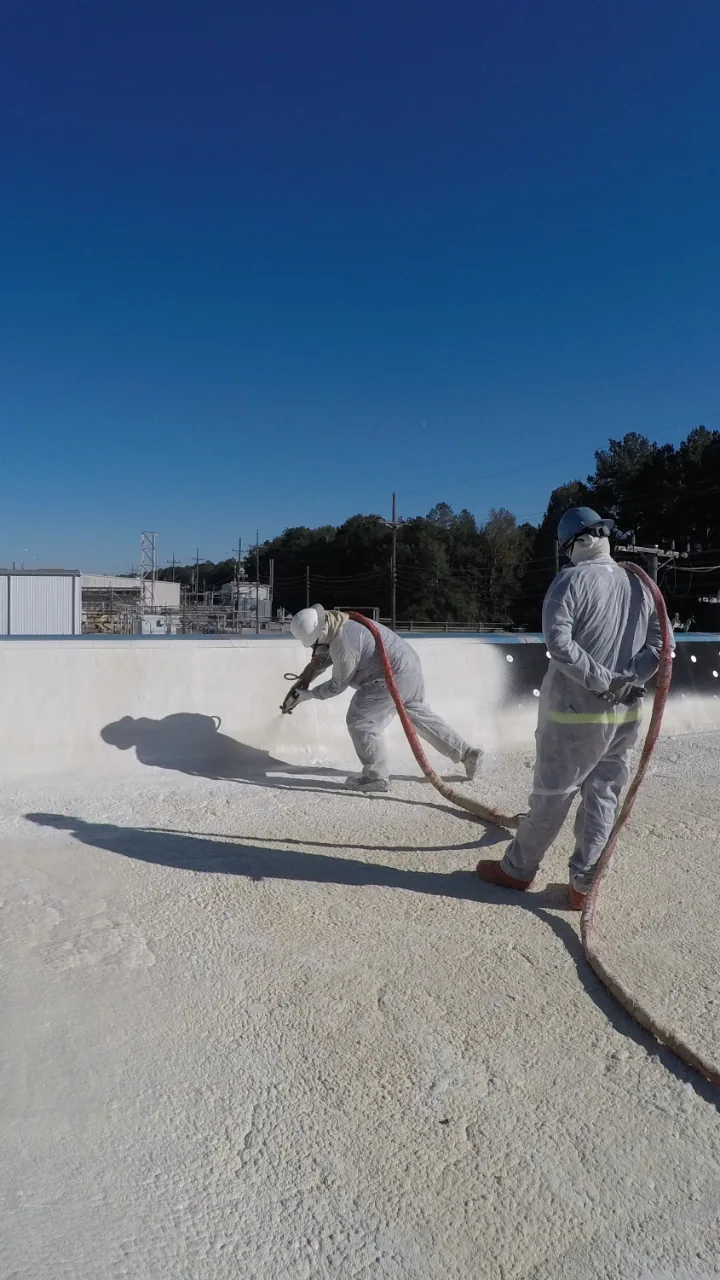
Spray polyurethane foam creates a continuous surface with a protective coating; penetrations and coating condition need inspection. SPF, silicone and acrylic systems have different preparation and renewal considerations. The right choice depends on substrate, drainage, exposure and project requirements.
Choose by evidence, not shorthand
A roof system decision should account for wet insulation, attachment, edge height, curb transitions, penetrations and future maintenance. We separate inspection findings from records that still need confirmation. An inspection creates a basis for comparing replacement with repair or recover, while documented inspection findings help the owner identify the question that must be resolved before a material is selected.
A repair should preserve the existing assembly where it remains serviceable, but avoid covering a condition that needs correction. We inspect attachment, substrate and edge details before making that call. A system’s components must match the roof under review; project requirements and field observations determine whether they fit.
Commercial Roofing Questions
Can an invoice identify the current membrane?
It can help, but later overlays or repairs may have changed the assembly. We check field details and records together.
Are TPO and PVC repairs interchangeable?
No. Product, seam method and accessories must match the roof being repaired.
When is a coating considered?
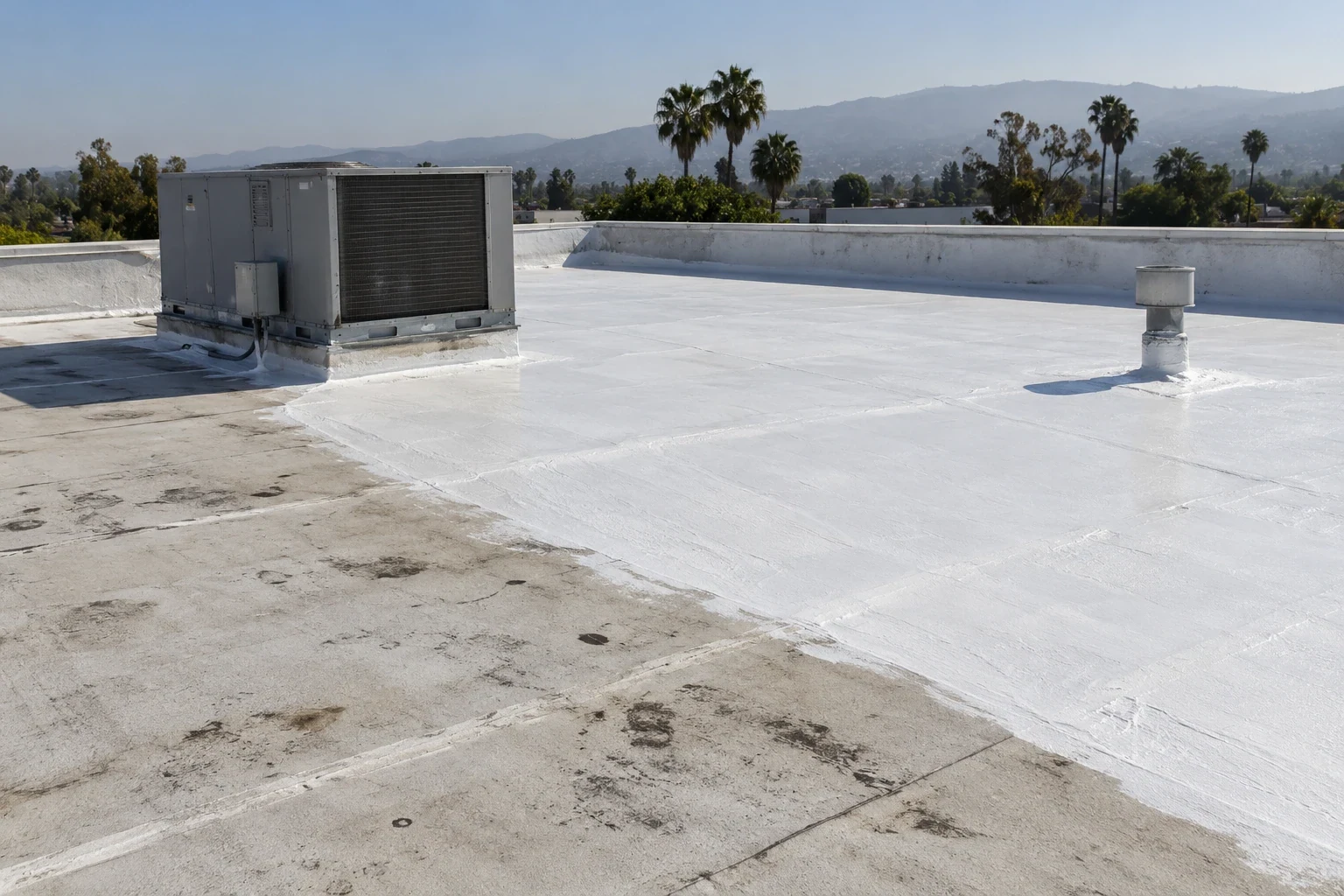
Only after preparation, adhesion, moisture and substrate questions are reviewed.
Does a new system fix ponding?
Material alone does not change slope. Drainage and structure need separate evaluation.
Can a recover go over any existing roof?
No. Existing layers, moisture, attachment, edges and details determine whether it is suitable.
Discuss a roof decision
Share the property address, current roof records and the issue or planning question. We can arrange a site-specific review with the authorized contact and define the next useful step.
Request a Roof Assessment
Tell us about the building, the roof and what you are seeing. Call us at 555-555-5555 or send a request and we will set up a time to walk the roof.