
Serving Costa Mesa and Orange County
About Commercial Roofers Costa Mesa
Commercial Roofers Costa Mesa inspects, repairs and replaces commercial roofs with scopes based on what we find on the roof, approved access and how the building is used.
Commercial Roofers Costa Mesa works on low-slope and metal roofs for commercial buildings. The work begins with an observation: an open lap, a split curb detail, blocked drainage, soft insulation or a roof record that no longer matches the field. We inspect the assembly and describe what is visible, what is not known and what should happen next. Costa Mesa’s General Plan identifies commercial corridors such as South Coast and East 17th Street, along with the Westside, Airport Industrial/Business Park and Harbor Gateway districts. Those places create different site questions, but none establishes the condition of an individual roof.
Field findings come before a scope
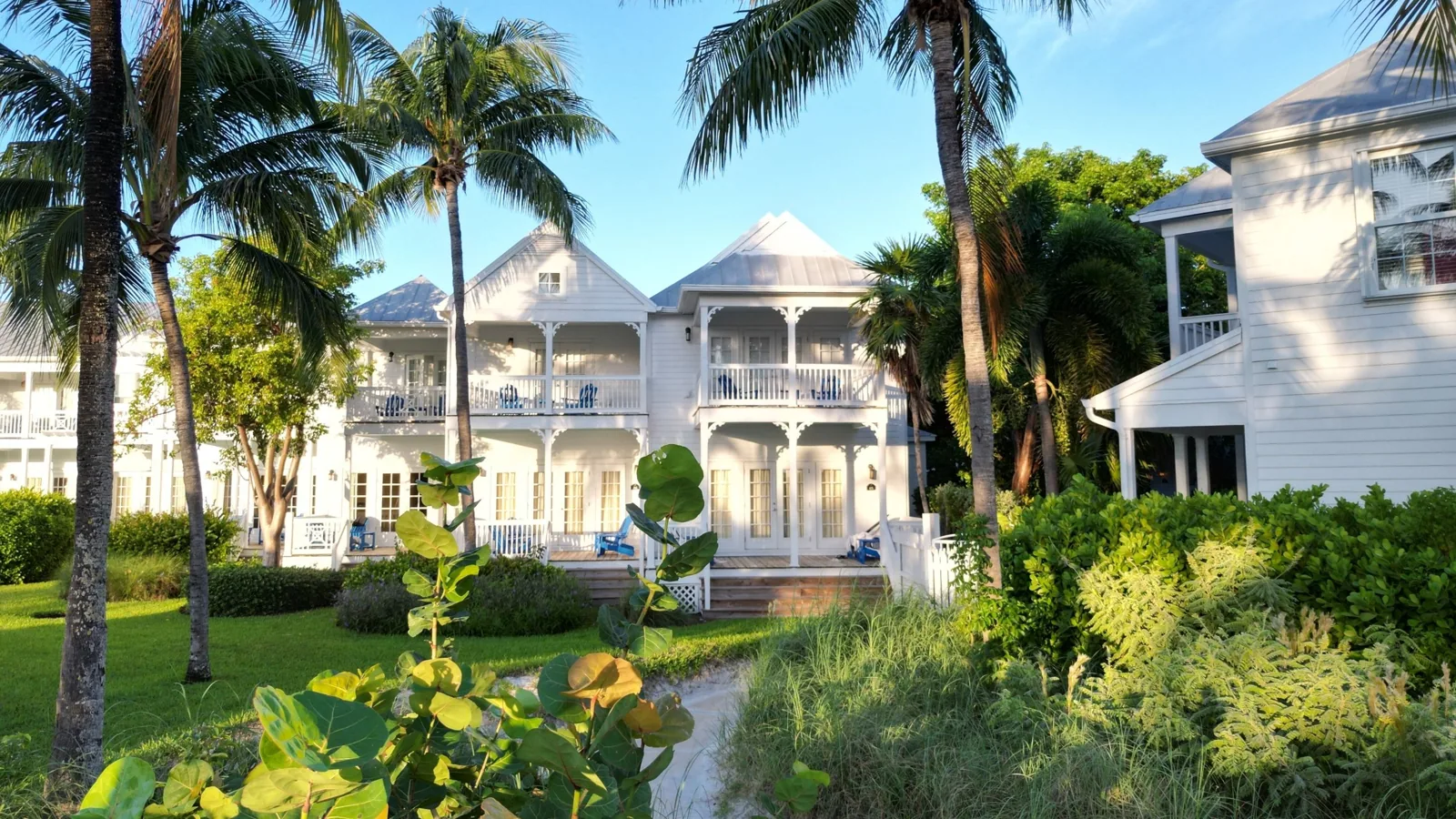
Our roof visits combine hands-on inspection with records supplied by the owner. We check accessible seams, edge details, transitions, penetrations, drains and prior repairs. Drone views or infrared screening can support the review when a surface is difficult to access or a moisture question needs follow-up; those methods do not replace interpretation and confirmation. We tie observations to photos and roof zones, then state inspection limits. A commercial roof inspection gives an owner a basis for deciding whether to repair, test, monitor or plan broader work. It does not presume that every visible mark has the same source.
When an owner reports a leak, we ask when it occurred, which room is affected and whether equipment or plumbing work took place nearby. The roof walk checks plausible paths and records details that support or weaken each explanation. If the roof surface is intact at the nearest point, the search can follow a seam, curb or drain path rather than assume the stain sits directly below the opening. We explain what was inspected and where the investigation stopped.
Repairs stay within an agreed boundary
A repair scope identifies the failed detail and the tie-in needed to close it. Water can travel below a membrane before becoming visible indoors, so we compare the report with roof conditions instead of patching directly over a ceiling stain. If the substrate is concealed or damp, we describe a test opening before removal is expanded. Commercial roof repair can include seams, curbs, flashing, edges, drains and penetrations when those conditions are verified. If a leak is active, temporary protection may be a separate first step, followed by a permanent repair after the assembly is understood.
Replacement follows assembly review
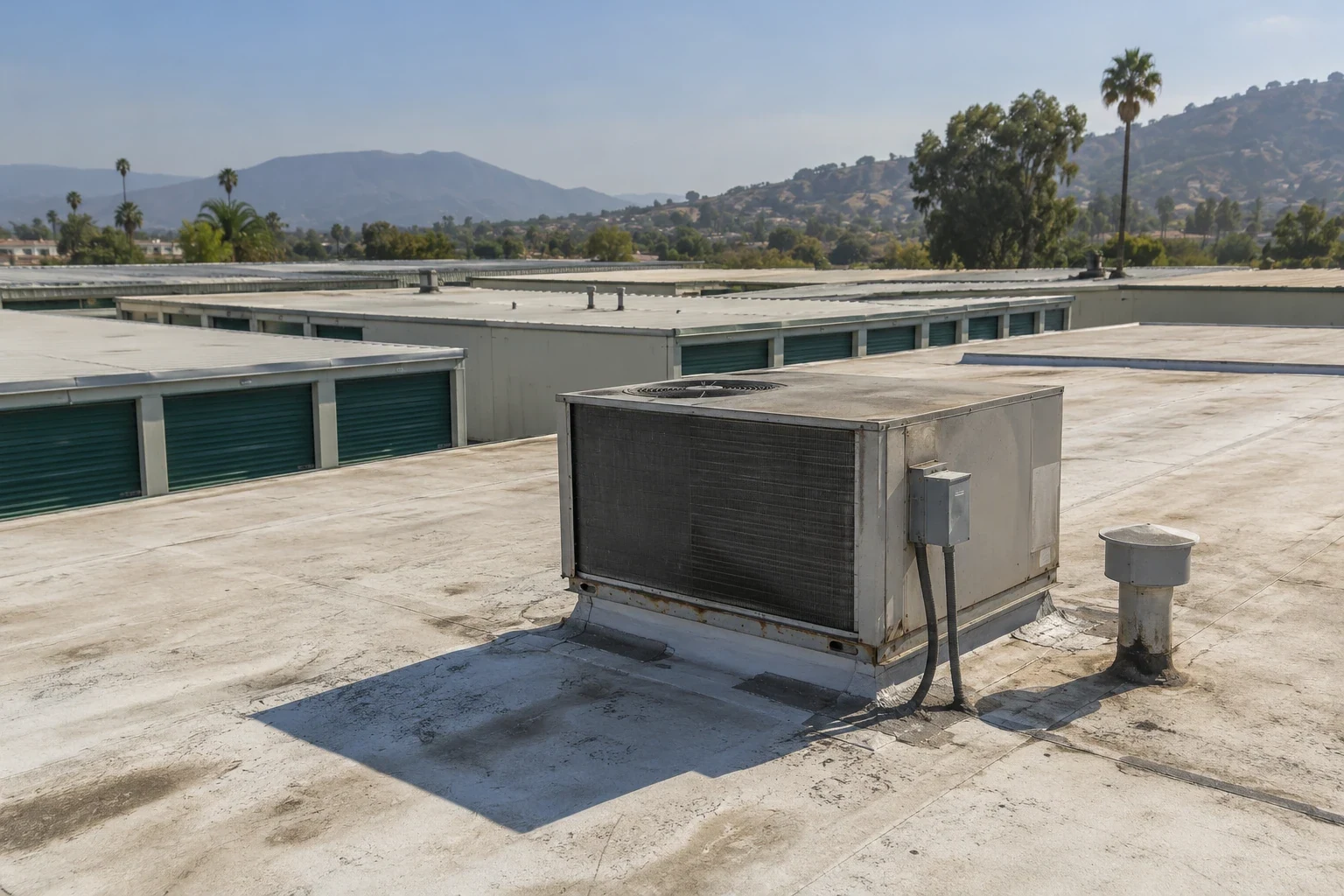
Replacement is considered when condition, moisture, repeated failures or incompatible layers make isolated repairs a poor fit. We review edge heights, insulation, attachment, drainage, penetrations, equipment and work sequencing. A replacement proposal describes removal limits, dry-in, staging, protection below, tie-ins and the record delivered at closeout. A recover may be evaluated when the existing roof and details are suitable. These options are not interchangeable; concealed conditions, project requirements and owner priorities affect the recommendation. The scope sets a decision point before additional layers or damaged substrate are addressed.
Materials are matched to the roof found
TPO, PVC, EPDM, KEE, modified bitumen, built-up roofing, standing-seam metal, retrofit metal, spray foam and liquid-applied coatings each have specific details and repair methods. We confirm the installed product where records or labels allow and describe uncertainty if they do not. Roof system choices are compared against seam type, substrate, drainage, edges and penetrations. Manufacturer product information can help confirm an assembly, but a product page does not prove that a particular roof is compatible or that an installer holds a specific status. The field and project documents guide the selection.
The work plan accounts for building use
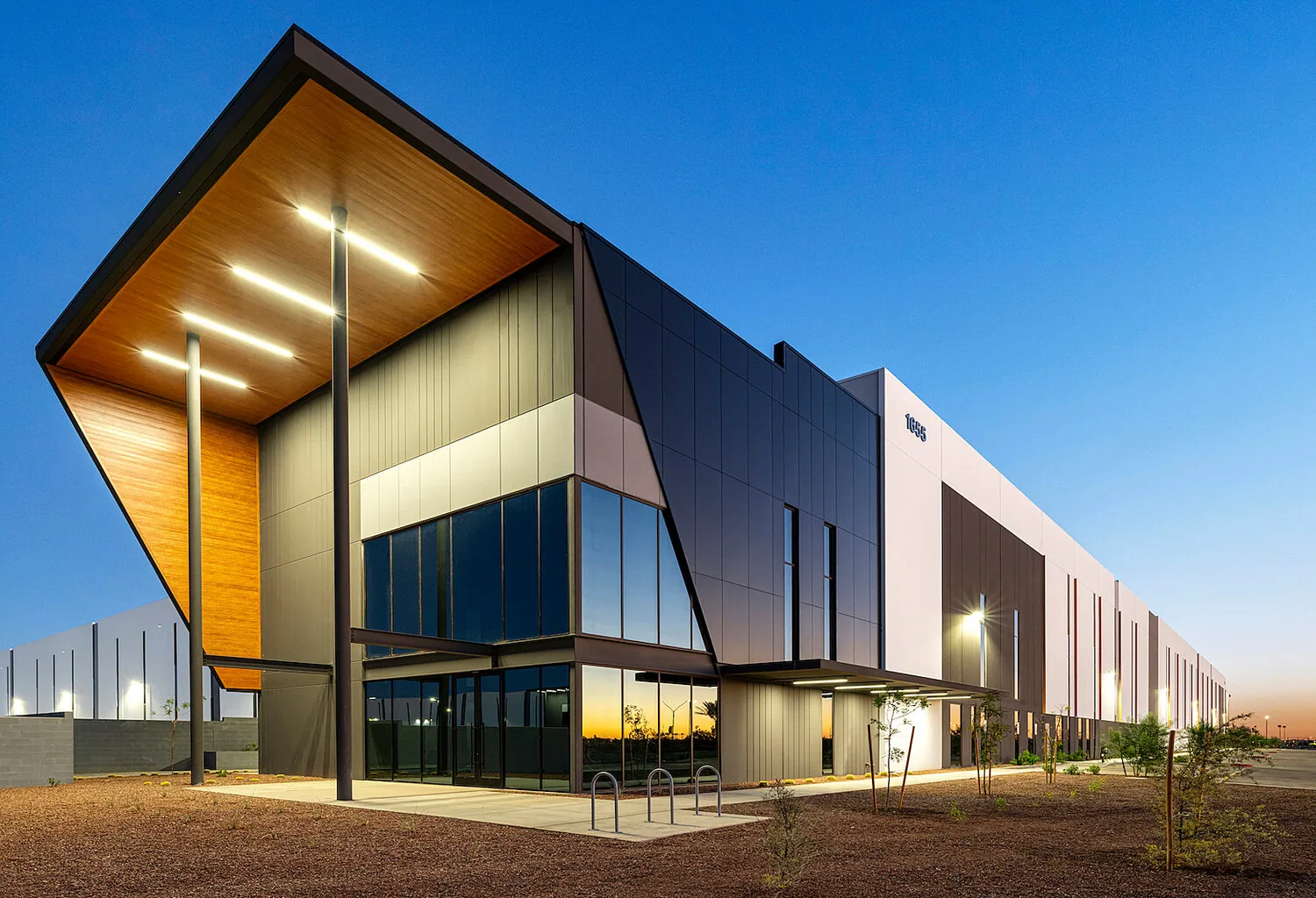
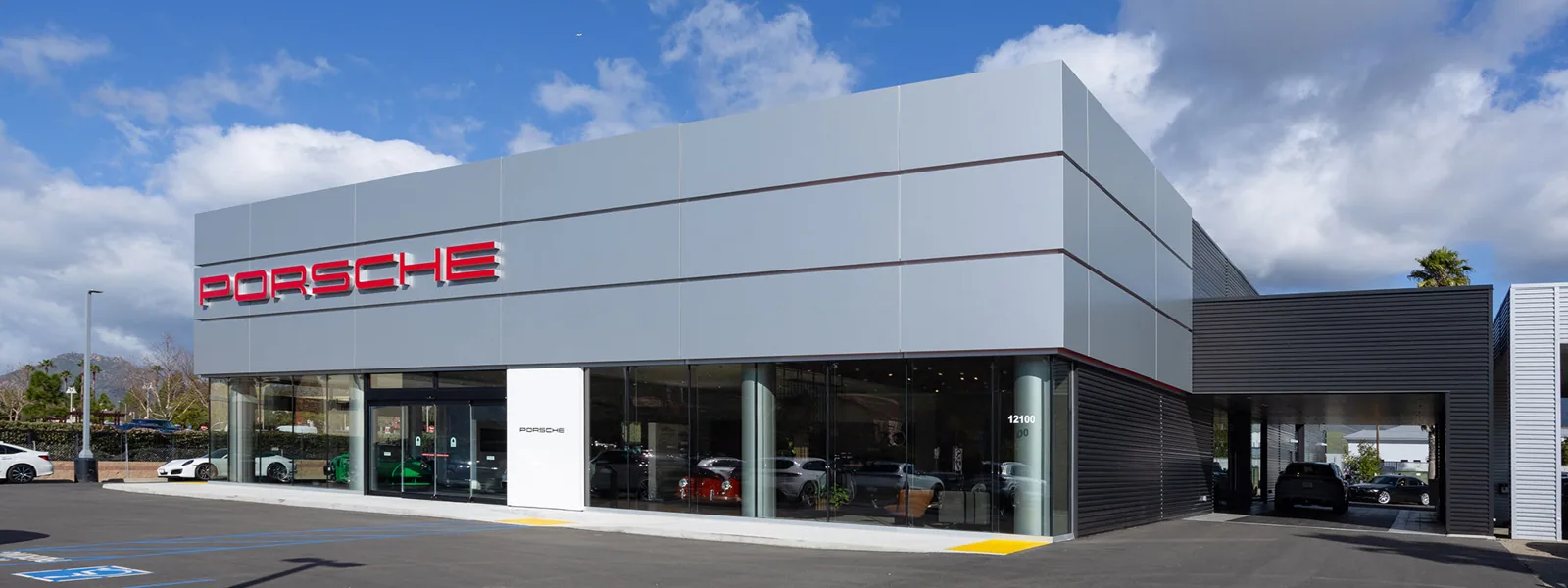
Many commercial roofs sit above active offices, shops, production spaces or shared tenant areas. The property contact explains access, work hours, equipment dependencies, notice requirements, staging and areas that must stay open. We coordinate the approved route and identify who can authorize a change in scope. Occupied-building work can be sequenced by roof zone, elevation or access window, with temporary protection and daily securement stated in the plan. If a roof hatch, equipment screen or restricted area cannot be reached, that limit remains in the inspection record. Site rules come from the owner, not an assumption about the surrounding district.
Work planning also covers material handling, protection below and the person who can respond if concealed conditions appear. On a replacement, the scope identifies how much roof is opened at once, where temporary dry-in ends and what will be secured before the crew leaves. On a localized repair, the tie-in and closeout method remain within the approved boundary. The manager receives a written note of any condition that requires a separate decision, with photographs to support that review.
Maintenance records make later decisions clearer
A maintenance visit can check drains, seams, edge conditions, penetrations and repairs that the owner wants compared. The record names each zone, the observed condition, photos and follow-up item. A preventive maintenance program should state what is included and what is excluded; it is not a promise that future leaks cannot occur. We can also organize service dates and condition notes for managers responsible for more than one building. Records should preserve the property address and roof layout so an observation from one site is not attributed to another.
Clear communication carries through closeout
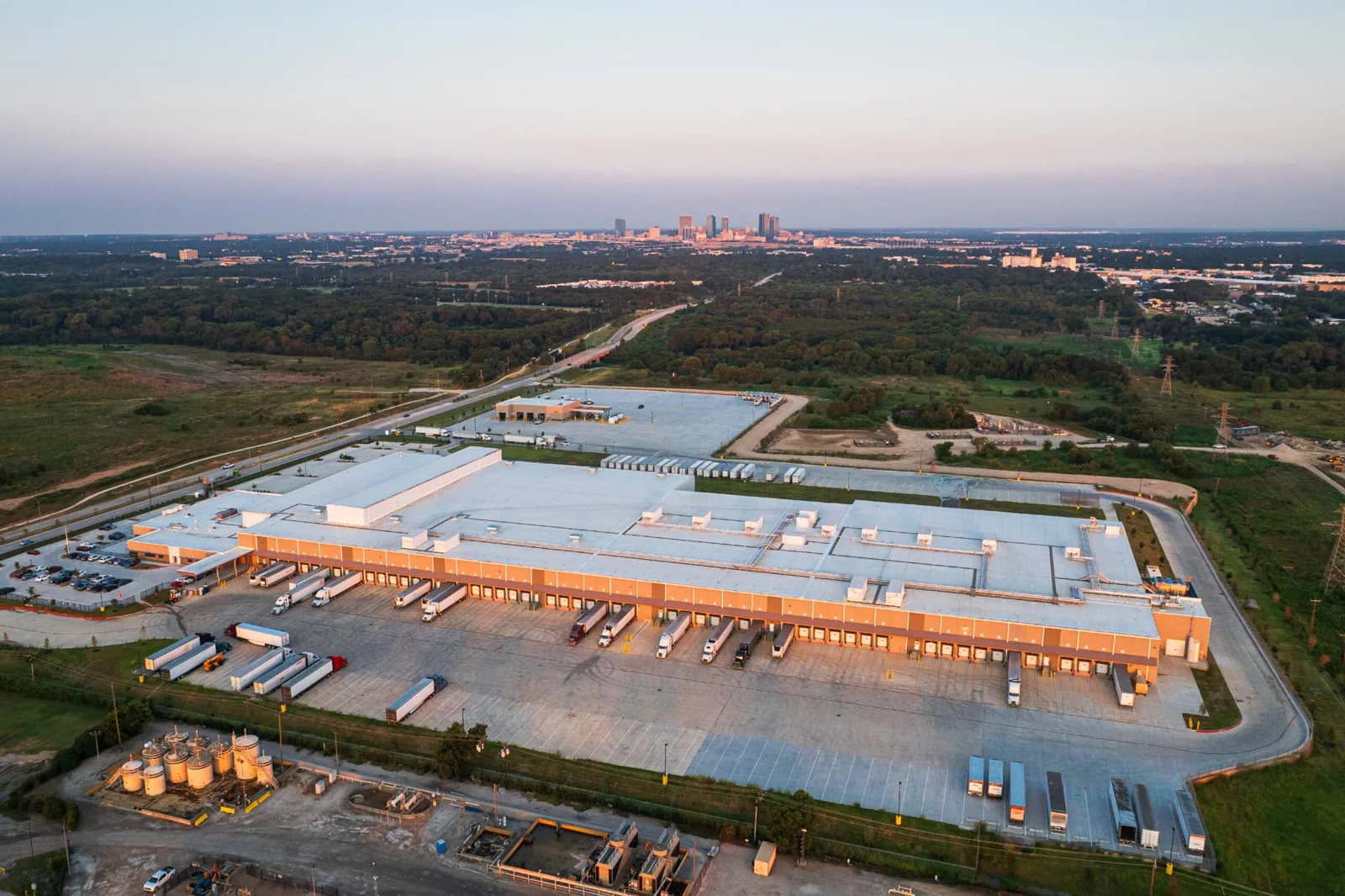
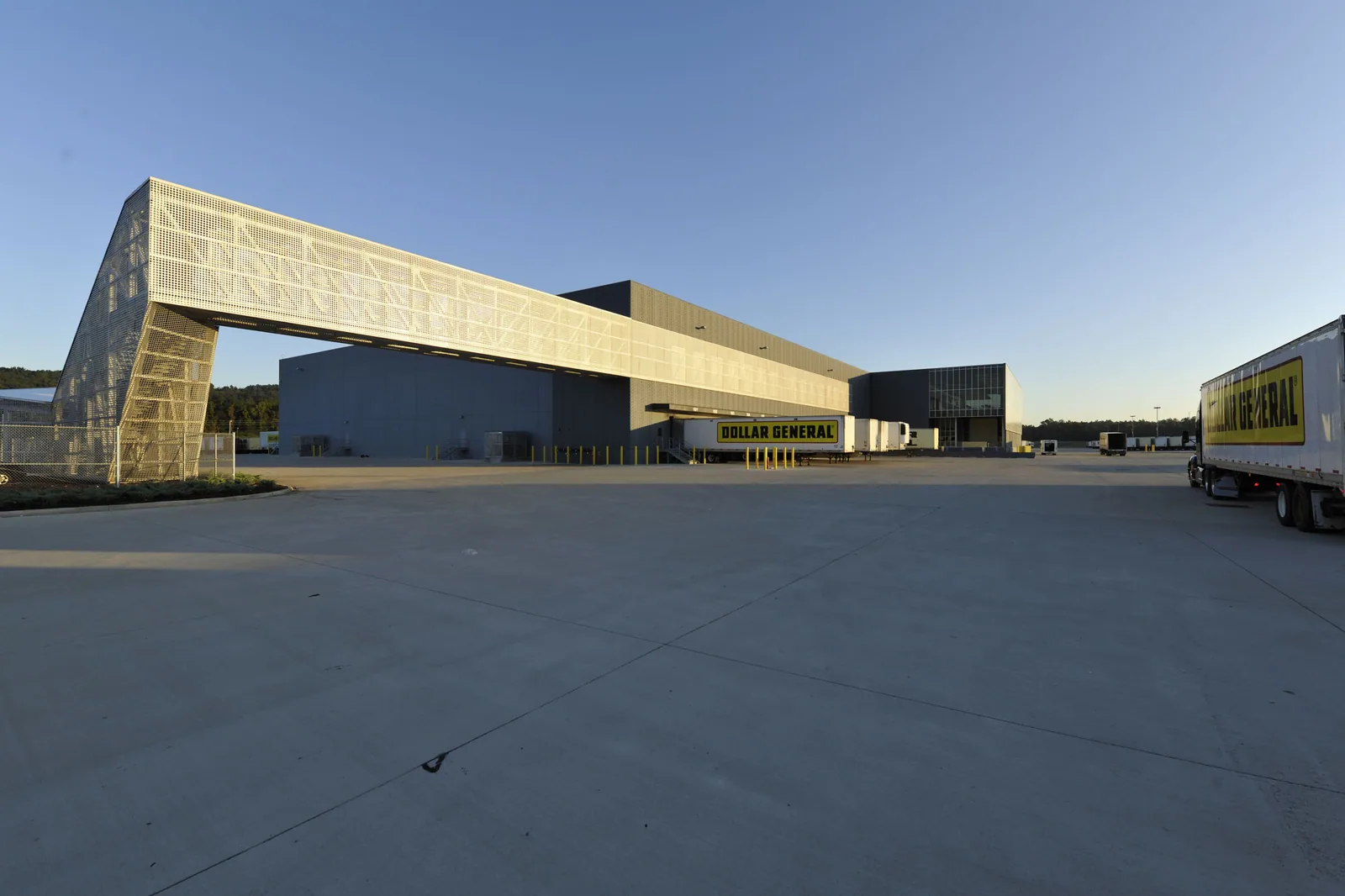
The owner should receive a scope that separates confirmed work from a test, an exclusion or a future recommendation. Photos, roof-zone references, material descriptions and notes about concealed conditions make the file useful to a successor. If work changes after opening, we document the new evidence and seek authorization before expanding the limit. For a broader view, condition reporting and capital planning can organize decisions across roof zones. We also offer drone documentation and coating restoration evaluations where conditions support those methods.
In the city’s planning record, East 17th Street is mapped as a 92-acre retail, service and office corridor serving nearby residents and businesses. Industrial uses are concentrated in three separate areas: Westside, Harbor Gateway and the airport-side business park. These boundaries orient local context; they do not establish a subject roof’s condition, current operator or accessibility. These planning descriptions help frame access and operating questions, but they do not reveal a roof’s material, tenant, age or condition. Each site is inspected separately. When a nearby city is involved, we verify the municipal address and contact instead of treating regional proximity as proof of service eligibility.
Questions from Costa Mesa Building Owners
Provide the property address, access contact, reported area, timing and any roof plans, invoices or repair notes you can share.
No. Findings may support repair, testing, monitoring or broader planning. The report explains the evidence and limits behind the recommendation.
The owner sets access and operating requirements. We plan phasing, protection and work windows around the approved conditions.
We document the exposed substrate and request direction before extending the work beyond the authorized boundary.
A label can help identify a product. We compare it with records and field details and do not infer coverage or installer status.
Request a Roof Assessment
Tell us about the building, the roof and what you are seeing. Call us at 555-555-5555 or send a request and we will set up a time to walk the roof.