
Commercial Roof Coating in Costa Mesa, CA
Blistering or peeling at a roof edge changes the coating decision. We first determine whether the failure is limited to the coating or reflects movement, moisture, or a weak receiving surface below it. Costa Mesa addresses extreme heat, drought, wildfire, and air pollution in its climate planning. Those broad concerns do not measure a roof’s surface temperature. It does make a careful review of the actual assembly and maintenance record more useful than selecting a coating by label alone.
We inspect drainage, seams, penetrations, and previous repairs before recommending restoration. A coating can be appropriate only when the existing surface is compatible, prepared, and sound enough to receive it. If those conditions are not present, we define the repair, testing, or replacement question that should be resolved first.
The Receiving Surface
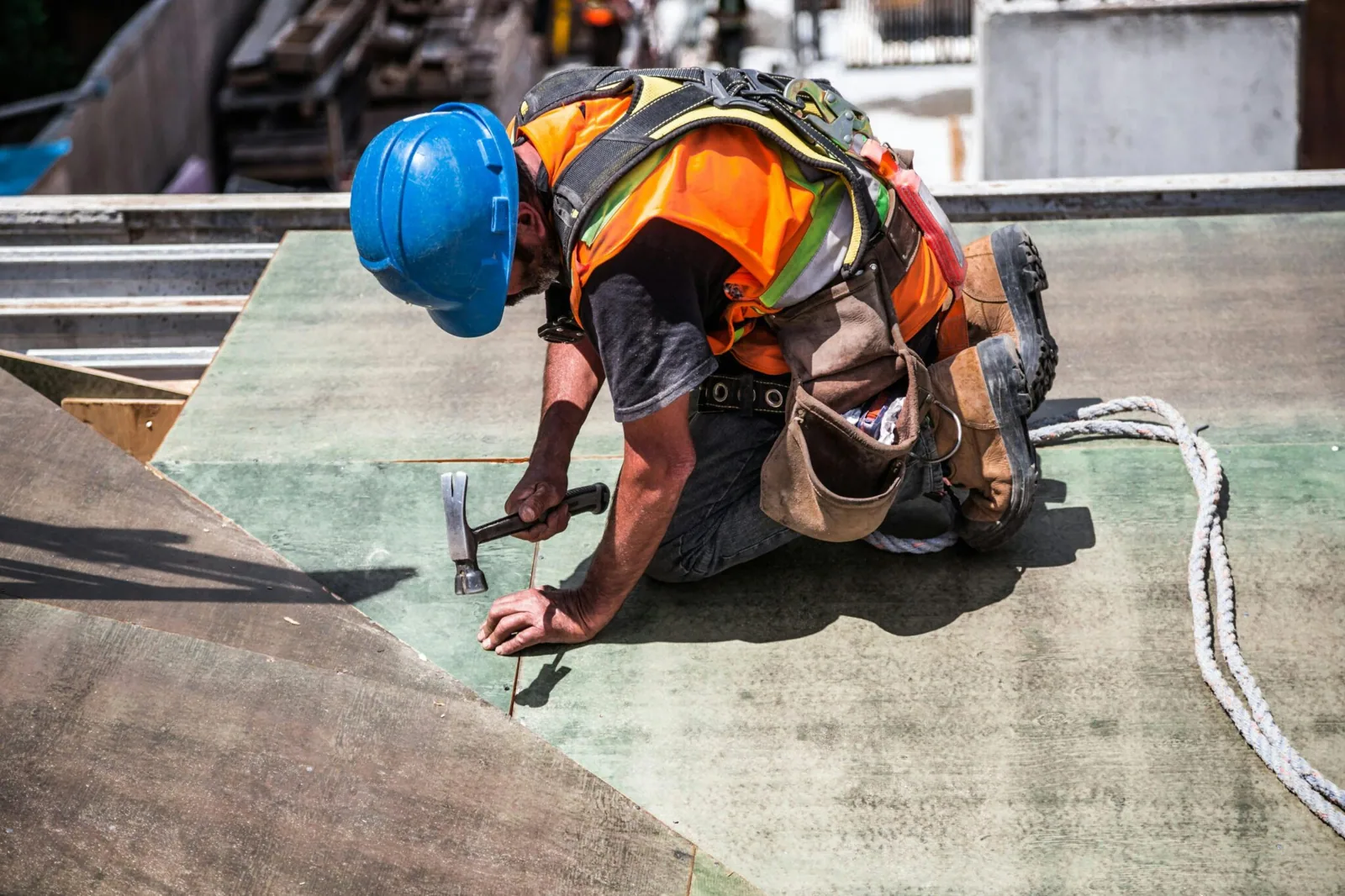
Adhesion starts with the layer that will receive the coating. We check for loose material, contamination, uncured patches, deteriorated membrane, and areas that remain damp or unstable. A field sample or adhesion test may be required by the system instructions. The owner should know what those checks showed before a quantity or schedule is set. Coating over an unresolved defect can preserve the wrong condition beneath a new surface.
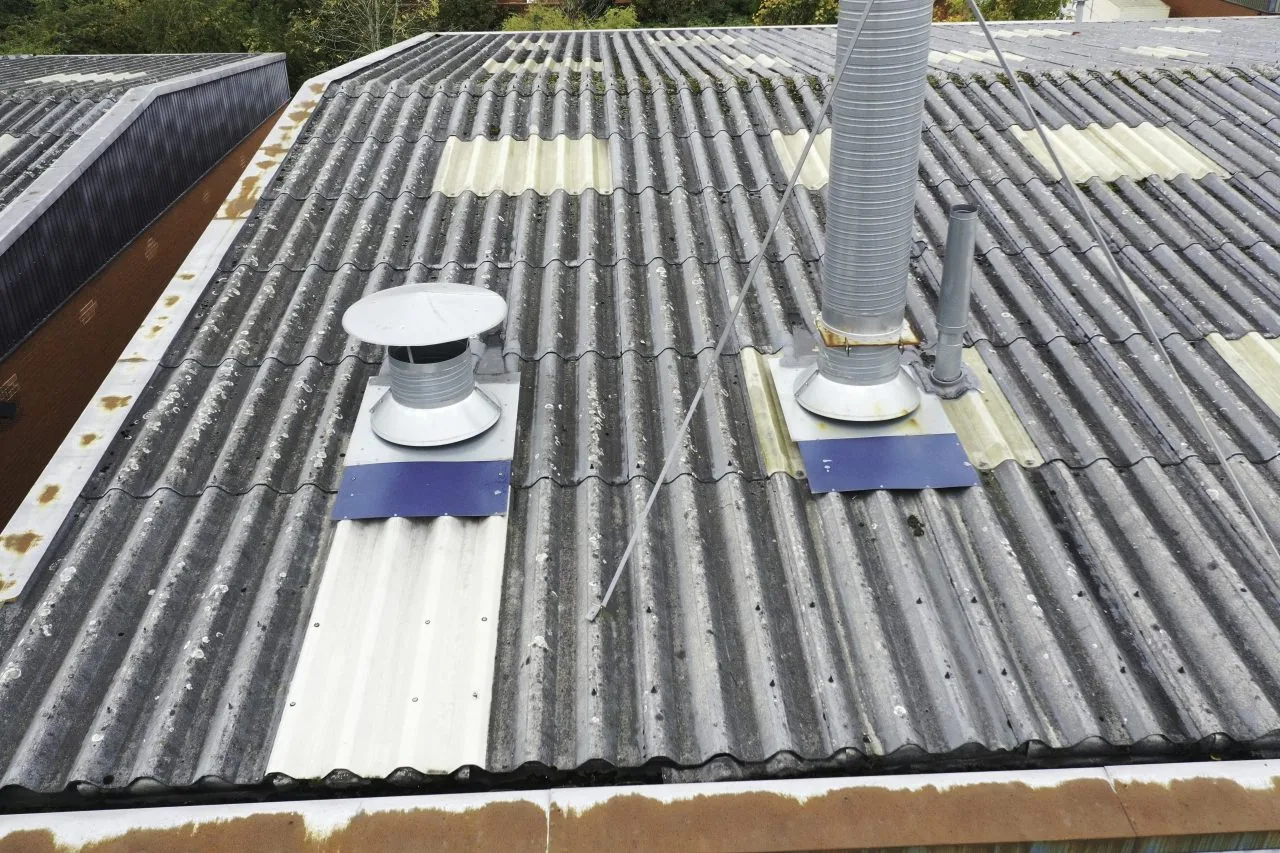
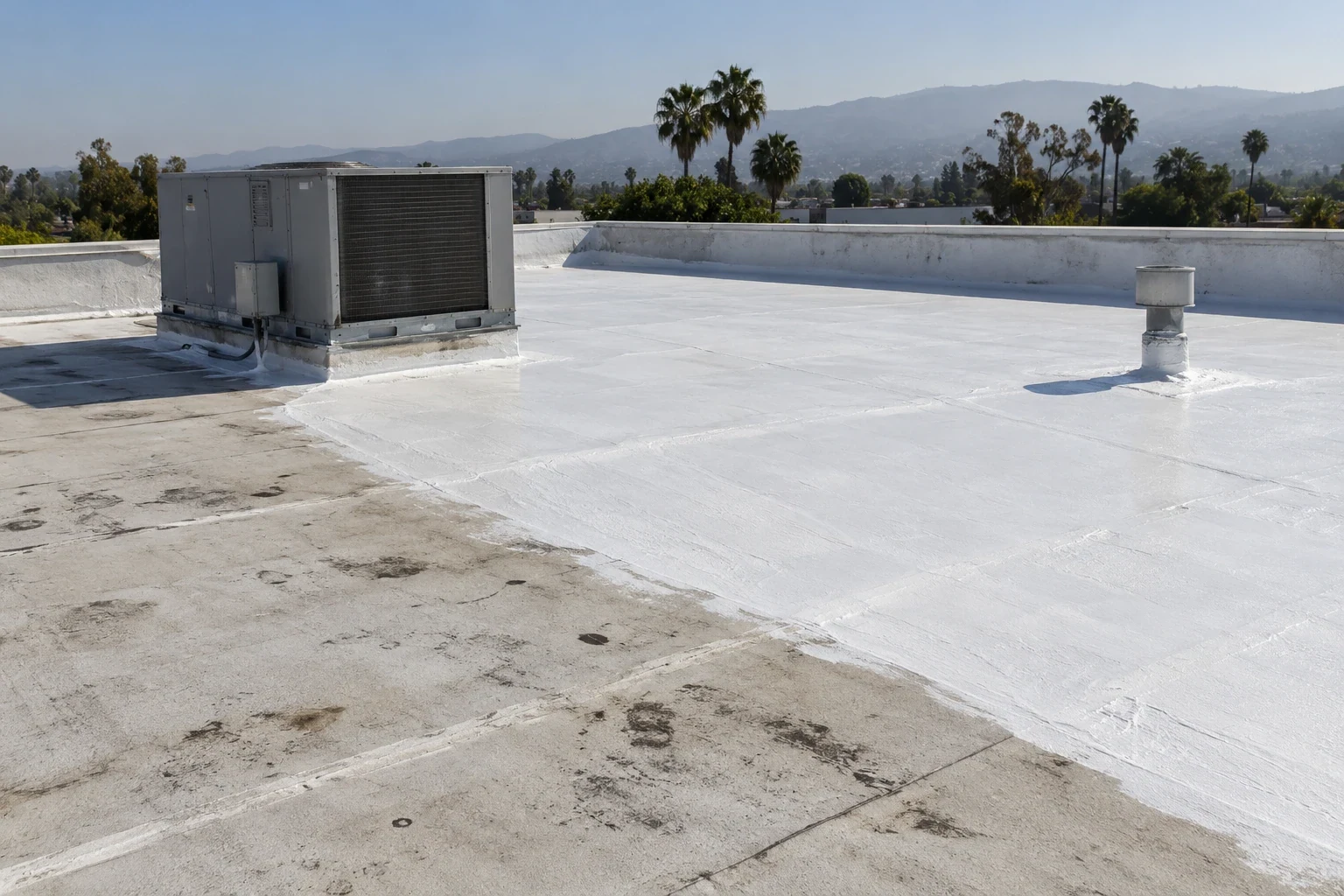
We map drains, edges, penetrations, and transitions separately. Coating thickness alone does not solve a failed flashing or a blocked drain. The detail needs a compatible treatment and a defined tie-in. For a roof where the membrane type matters, we can assess a silicone coating system or acrylic coating approach against the actual substrate rather than assume they are interchangeable.
Costa Mesa Roof Decisions
For coating work, the citywide land-use map is only a planning aid. The General Plan names three industrial districts: Harbor Gateway, the Westside, and the Airport Industrial/Business Park. It describes Westside as an area where smaller manufacturing and service operations sit alongside larger industrial activity, with many smaller firms in shared buildings. That mix makes phasing and protected walkways worth confirming; the coating decision still depends on the receiving surface, adhesion, and moisture found at the property.
The City's plan records Harbor Gateway as a 323-acre industrial and business-park area in the north, east of I-405 and the Santa Ana River. The mapped boundary is useful for routing a visit, but does not tell us whether a particular roof can accept coating. We verify membrane type, moisture, drainage, and adhesion from property records and field tests. A Harbor Gateway roof walk or a review in the Westside begins with those building-specific findings.
Repair Before Restoration
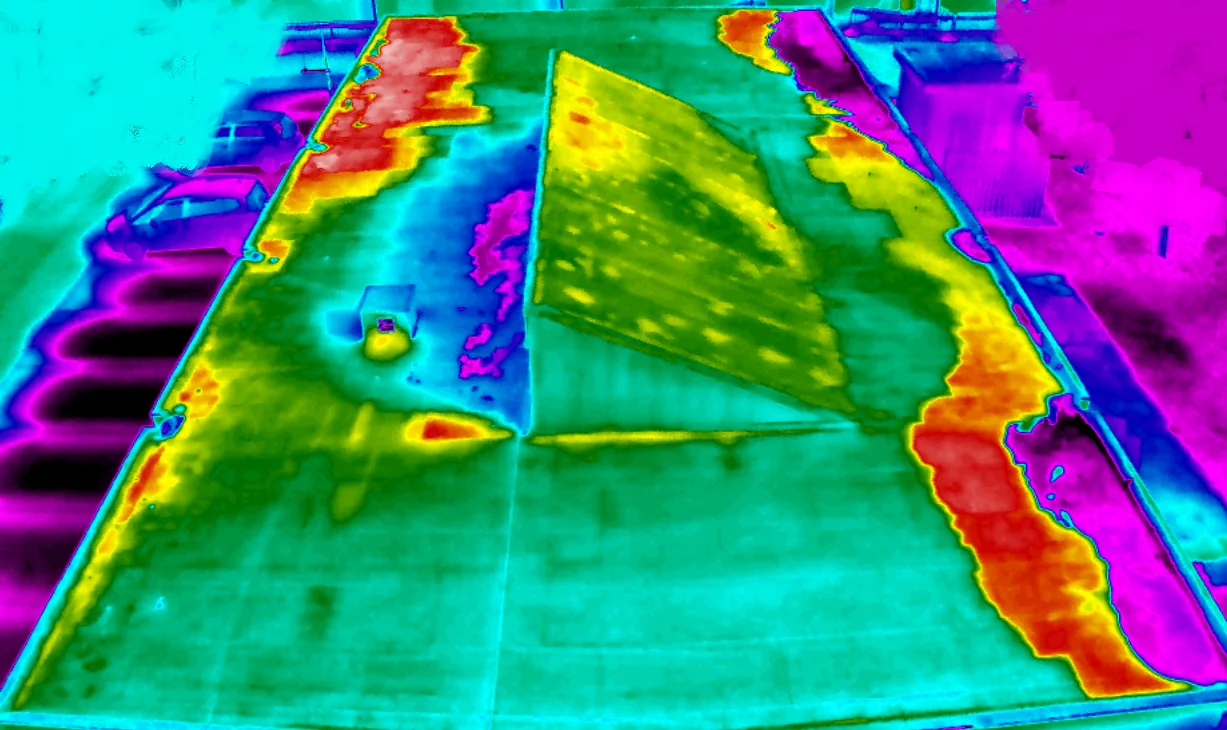
Open seams, loose flashing, punctures, and soft areas need a repair or test plan before coating. We mark the limits of each defect, inspect nearby transitions, and determine whether the assembly has a stable receiving surface. Where moisture is suspected, imaging can help select test locations. A selected opening may be needed to confirm what lies below. The coating scope should not obscure a condition that still needs an answer.
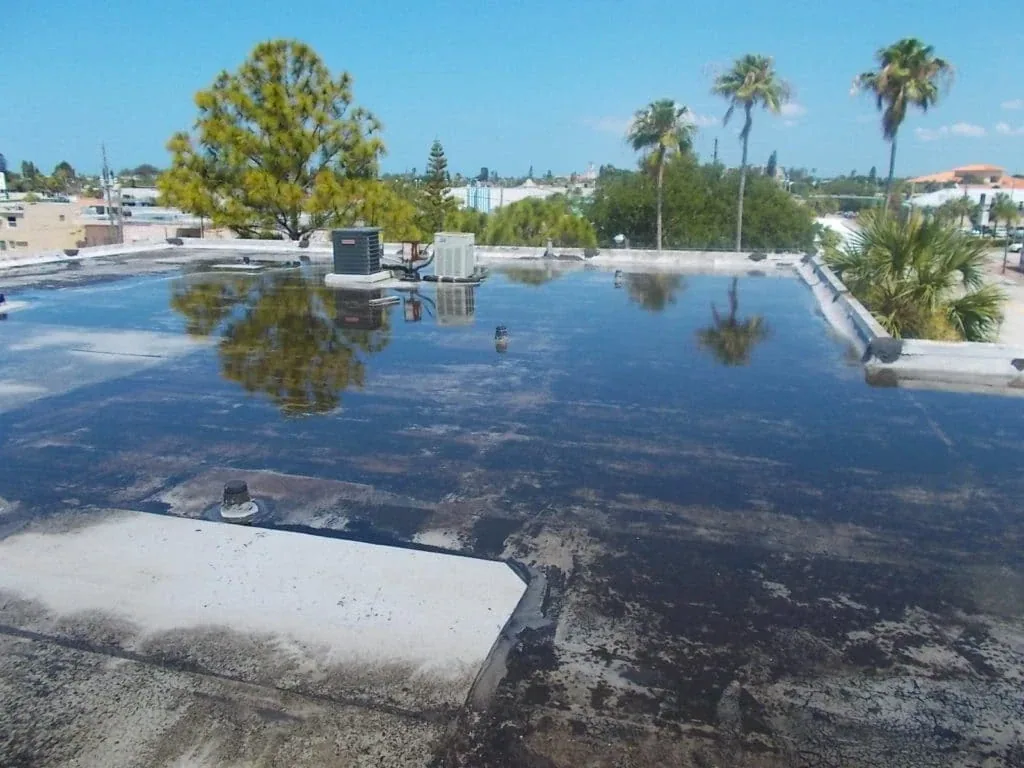
We compare localized repair, coating, recover, and tear-off only after the roof’s layers and drainage are reviewed. An existing membrane may require a specific primer or reinforcement, and coating around ponding does not correct the underlying drainage geometry. A focused roof inspection can record those questions. If the roof is a candidate for a broader restoration, an infrared moisture survey can help identify areas for confirmation.
Preparation and Application
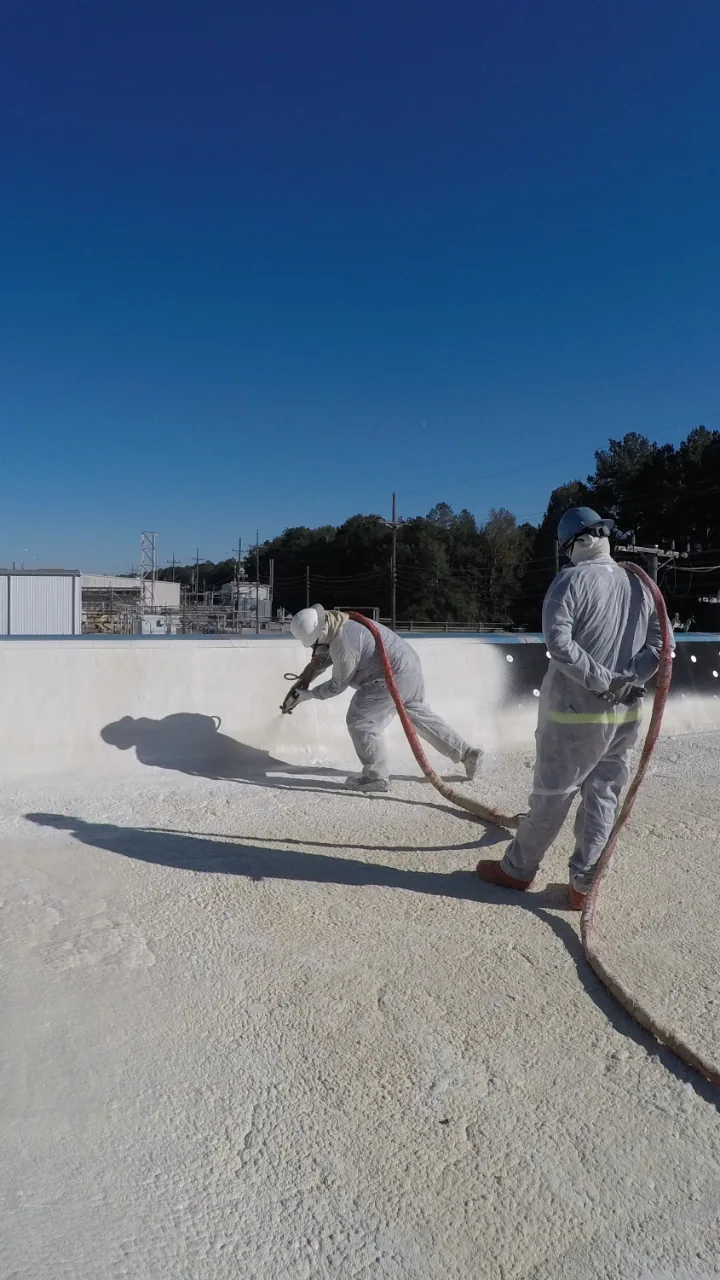
Surface preparation often controls the result. The scope should name cleaning, removal of loose coating, repair of seams, treatment of penetrations, primer needs, and any reinforcement. We follow the selected system’s written requirements for temperature, moisture, coverage, and cure. Those conditions affect sequencing. Rain, dew, overnight cooling, or an active tenant schedule can shift the work window, so the estimate should identify hold points rather than compressing every roof area into one day.
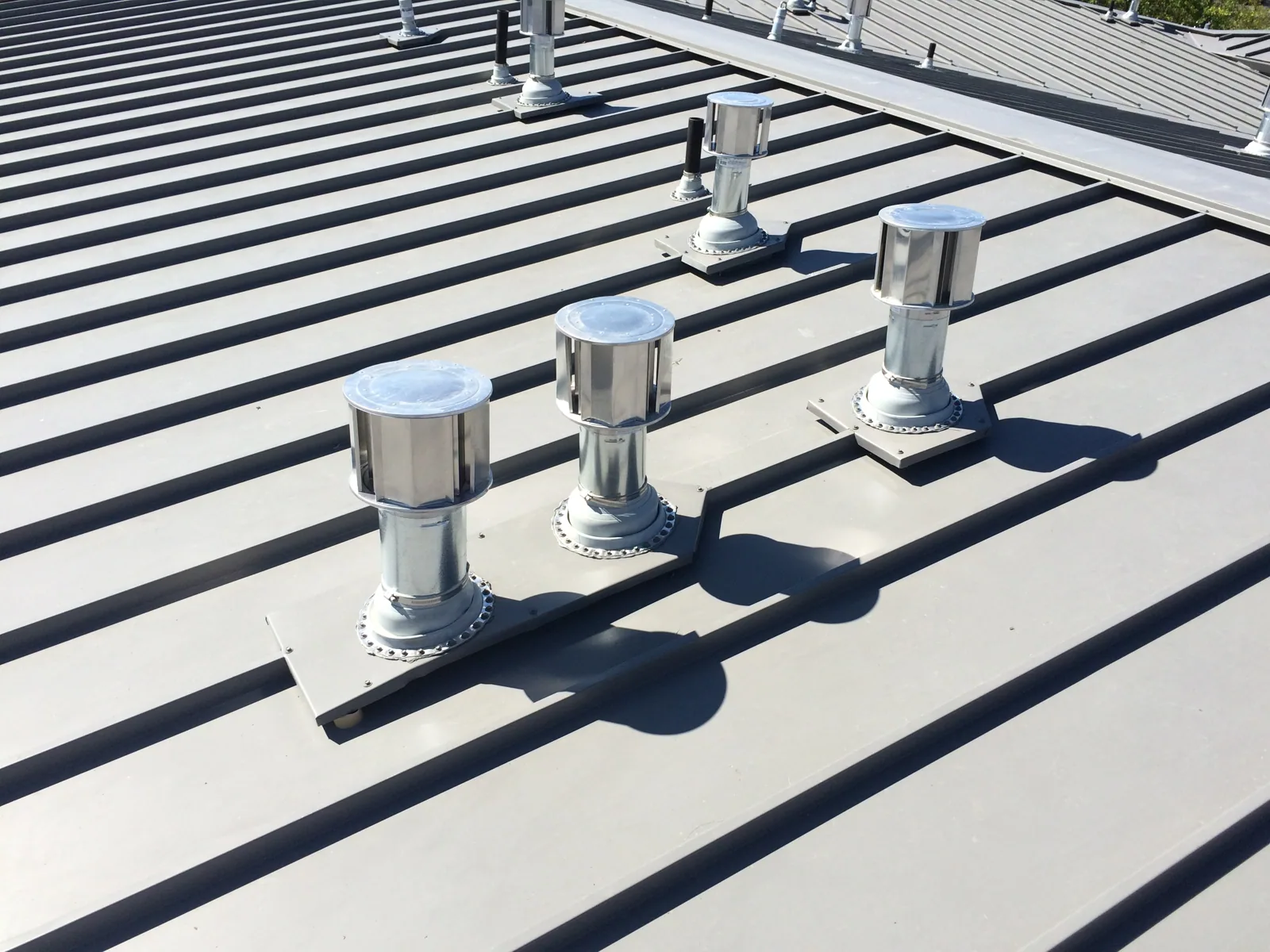
We divide the roof into work zones and keep drains open as the work progresses. Equipment curbs and wall transitions receive special attention because coating must tie into sound, compatible details. If another trade must open or move a curb, we coordinate that scope before coating surrounds it. A perimeter-metal review and penetration-flashing check help isolate details that need separate repair.
Tenant and Access Plan
Before mobilization, we confirm roof access, staging, safety controls, and any tenant notification requirements. Coating materials and preparation methods can affect adjacent surfaces or operating areas. We define where tools and materials will be staged, which drain paths stay clear, and what protection is needed below the work. The owner should identify sensitive equipment, intake locations, and restricted areas so those conditions can be built into the sequence.
A multi-tenant roof may need separate work windows by section. We record which area is complete and what remains open, then verify tie-ins before shifting the crew. The schedule should account for cure before foot traffic or equipment service returns. If access is restricted, we report that before scope approval. A maintenance program can revisit repaired details after restoration, while a condition report preserves the final observations.
A Defensible Coating Scope
A useful coating proposal states what surface will receive the system, what repairs are included, which tests remain, how details will be treated, and what conditions could change the sequence. It should show roof areas and drains so the owner can compare bids on the same boundaries. We identify exclusions such as concealed wet insulation or unstable decking when those conditions are not yet confirmed, then explain the test needed to resolve them.
To arrange a Costa Mesa assessment, share the existing roof type if known, repair records, leak locations, and access rules. We will walk the roof, document the receiving surface, and separate coating work from repairs that should come first. If the surface does not support restoration, we can outline a repair or replacement path. The decision stays tied to the assembly we observe and the preparation the selected system requires.
Common Questions
No. The substrate, adhesion, moisture, drainage, existing layers, and product requirements control the decision. We inspect and test where needed before pricing. A loose or incompatible surface may need removal or repair. Concealed moisture may require a test opening before the roof can be considered for restoration.
Only if the failure is identified and the detail can be prepared and repaired correctly. A coating should not be used to hide a failed flashing, blocked drain, or moving transition. We map the defect, set the repair boundary, and specify compatible detail work before the field coating is applied.
We sequence work by roof zone, keep drains and required access clear, and coordinate with the building contact. The selected system sets preparation and cure conditions. We confirm staging, protection, equipment access, and tenant notices before mobilization, then document the completed area and the next zone.
Surface moisture, temperature, preparation, required repairs, cure time, and access windows can all affect the sequence. Weather can pause application even when other roof work is possible. The proposal should identify those hold points and explain when a crew can move to another prepared section.
We stop treating the proposed surface as ready. The result may point to additional cleaning, removal, a different primer, or a different restoration path. We document the test area and adjust scope only after the receiving layer is understood. If the underlying membrane is deteriorated, repair or replacement may be more appropriate.
Related Roofing Work
Schedule a Costa Mesa Roof Walk
Share the property address, roof records, known leak locations, and access requirements. We will confirm a workable visit and document the conditions that affect your next decision.