
Commercial Roof Edge Metal, Coping and Gutters in Costa Mesa, CA
Loose coping at a corner can lift the membrane termination and expose more than the metal cap. We inspect the edge from the roof side and, where safely accessible, from below. Costa Mesa has seven commercial corridors and established commercial land uses across about 770 acres, or 9.6 percent of City land. Those broad land-use figures are not a roof inventory. They do mean a service scope may touch retail, office, or industrial edges with different access and drainage needs.
We photograph the metal, cleats, joints, sealant, and membrane tie-in together. A separated joint, backed-out fastener, or blocked gutter is recorded as a specific condition. The owner can see whether the repair is limited to one run or continues across a longer edge.
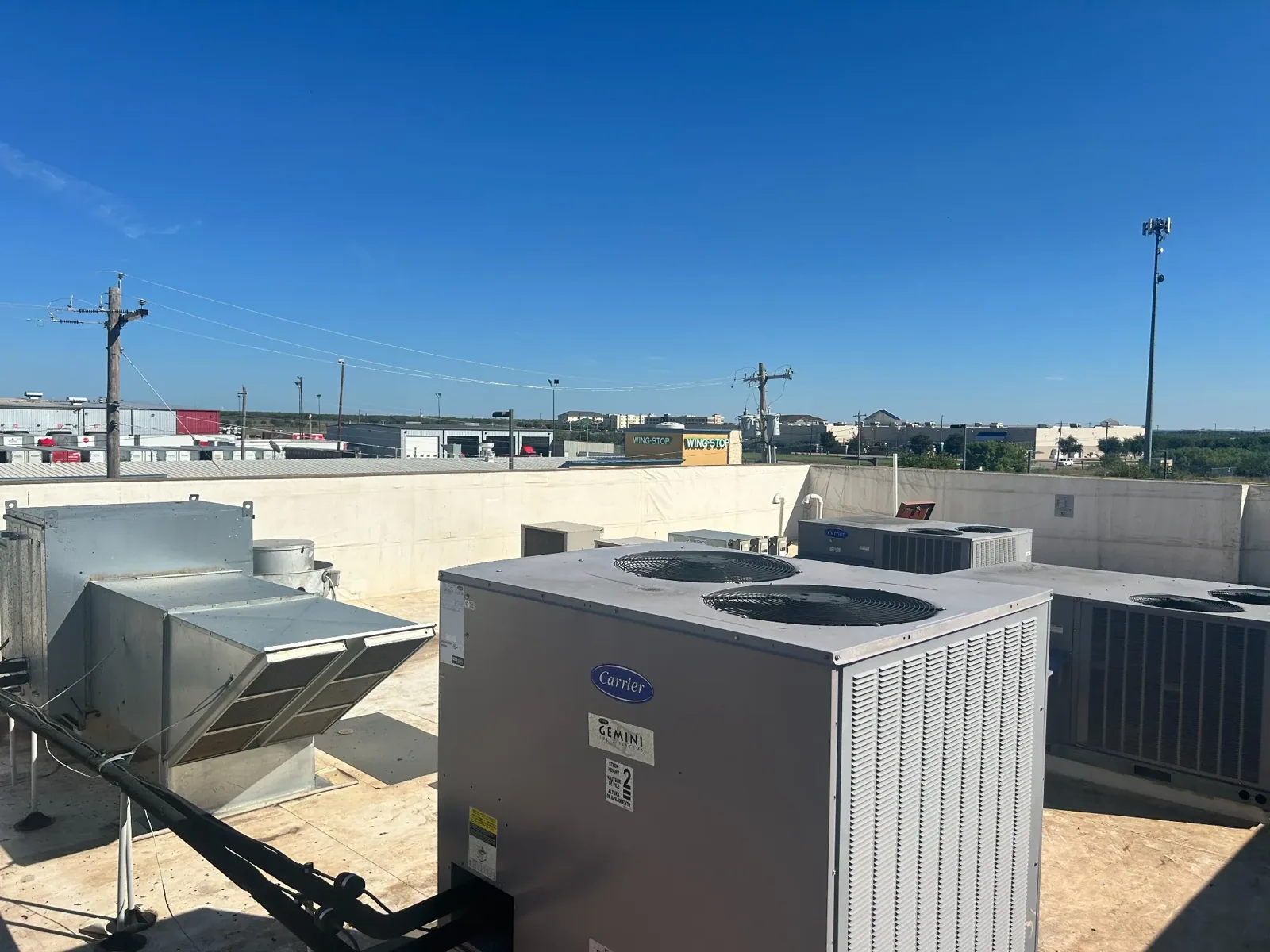
Perimeter Failure Points
At a parapet, we check the coping joint, cleat engagement, end dams, corners, and the termination below the cap. At the roof edge, we look for open laps, fastener movement, and membrane that has pulled back from its securement. A rust stain or water mark can point to a path, but the metal and substrate still need inspection. We identify where the detail changed and whether the wall, roof, or gutter controls the repair.
Downspouts and gutters need a clear route from the roof edge. We note debris, loose hangers, open seams, and discharge points that return water toward the building. The drainage review can include scuppers and bowls when they feed the same path. A roof inspection maps related seams and penetrations before a longer run is included.
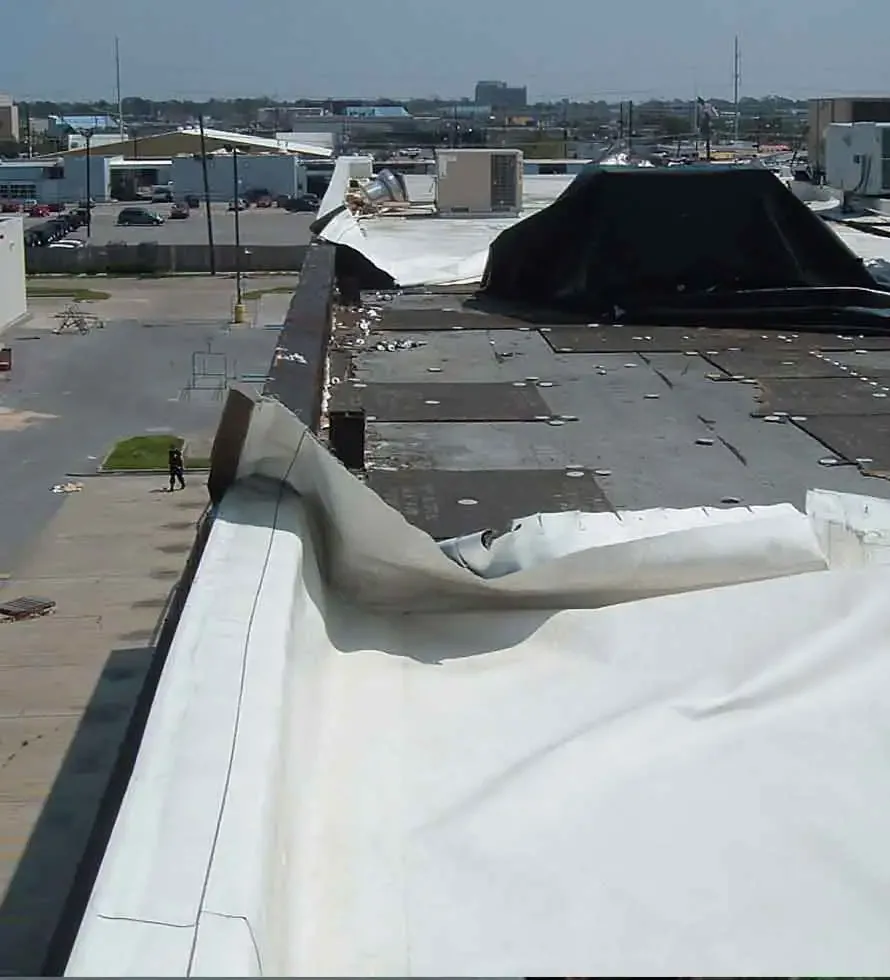
Costa Mesa Property Edges
Harbor Boulevard includes auto dealerships and neighborhood commercial centers and accounts for almost one-third of Costa Mesa’s commercial land. A long customer-facing frontage can make gutter access and entrance protection important to the sequence. We do not infer a particular roof or storefront from the corridor mix. We inspect the specific edge, mark the work zone, and coordinate staging so a ladder or lift does not block the operating area.
Harbor Gateway is a 323-acre industrial and business park district in northern Costa Mesa. On an industrial property, equipment routes and truck movement can affect perimeter access. A Harbor Gateway roof walk or a visit in the Westside district still needs the owner’s access rules and a close look at each metal transition before scope is set.
Metal, Membrane and Wall Tie-In
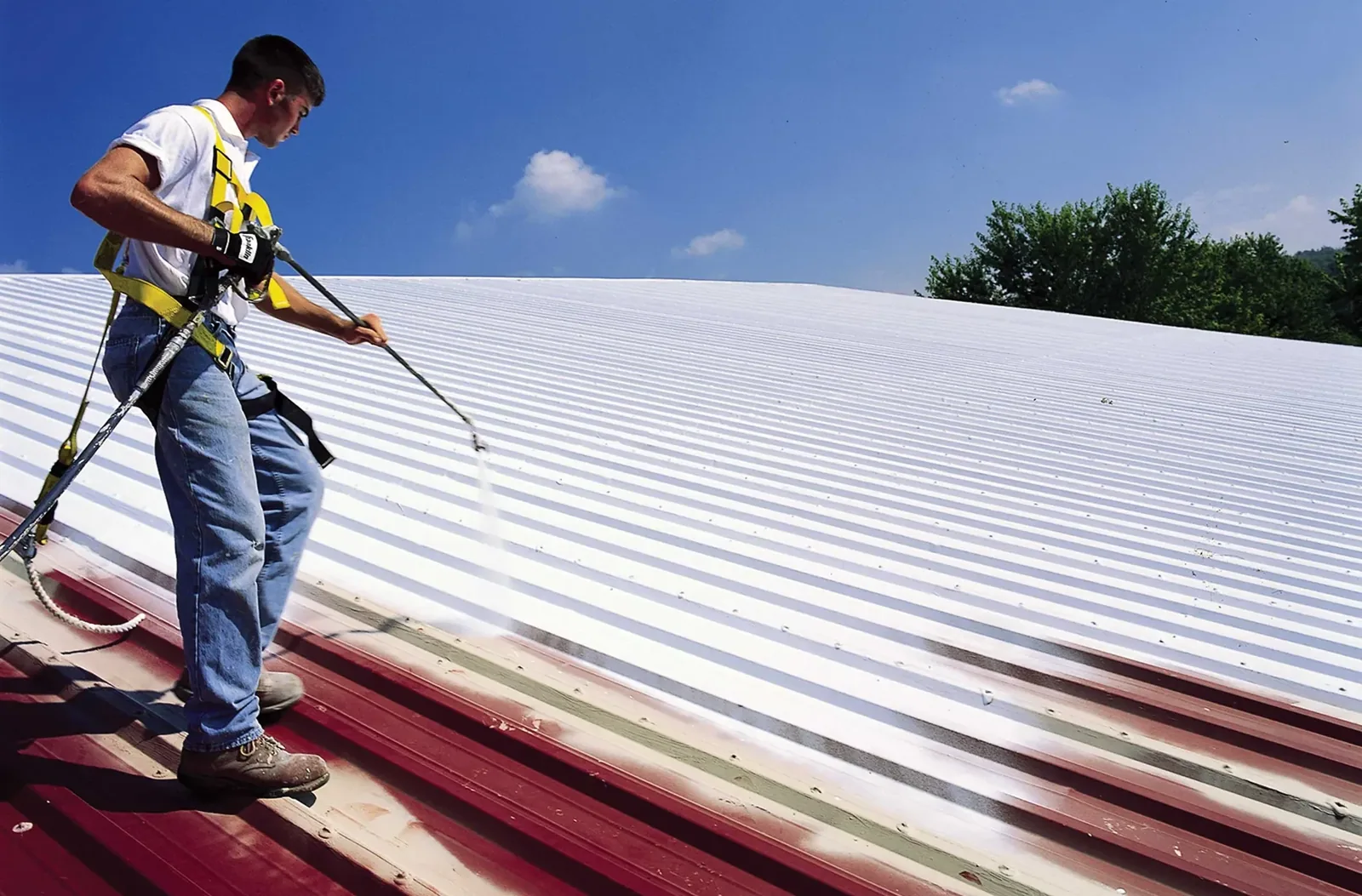
Edge metal performs as part of the roof assembly. A cap that appears secure from the ground may have a loose cleat or open joint at the roof side. We check attachment, overlap, end treatment, membrane termination, and the adjacent wall surface. Wind movement, thermal movement, corrosion, or an earlier patch can change which component needs replacement. We specify the detail that failed instead of pricing a vague perimeter reseal.
Where the wall meets a roof membrane, flashing must remain continuous and attached at the transition. Sealant alone may not restore a mechanically secured edge. We review the existing assembly and product requirements before selecting replacement metal or a compatible flashing repair. For a membrane tie-in, the TPO detail or standing-seam connection should be evaluated against the material actually present, not just the appearance of the cap.
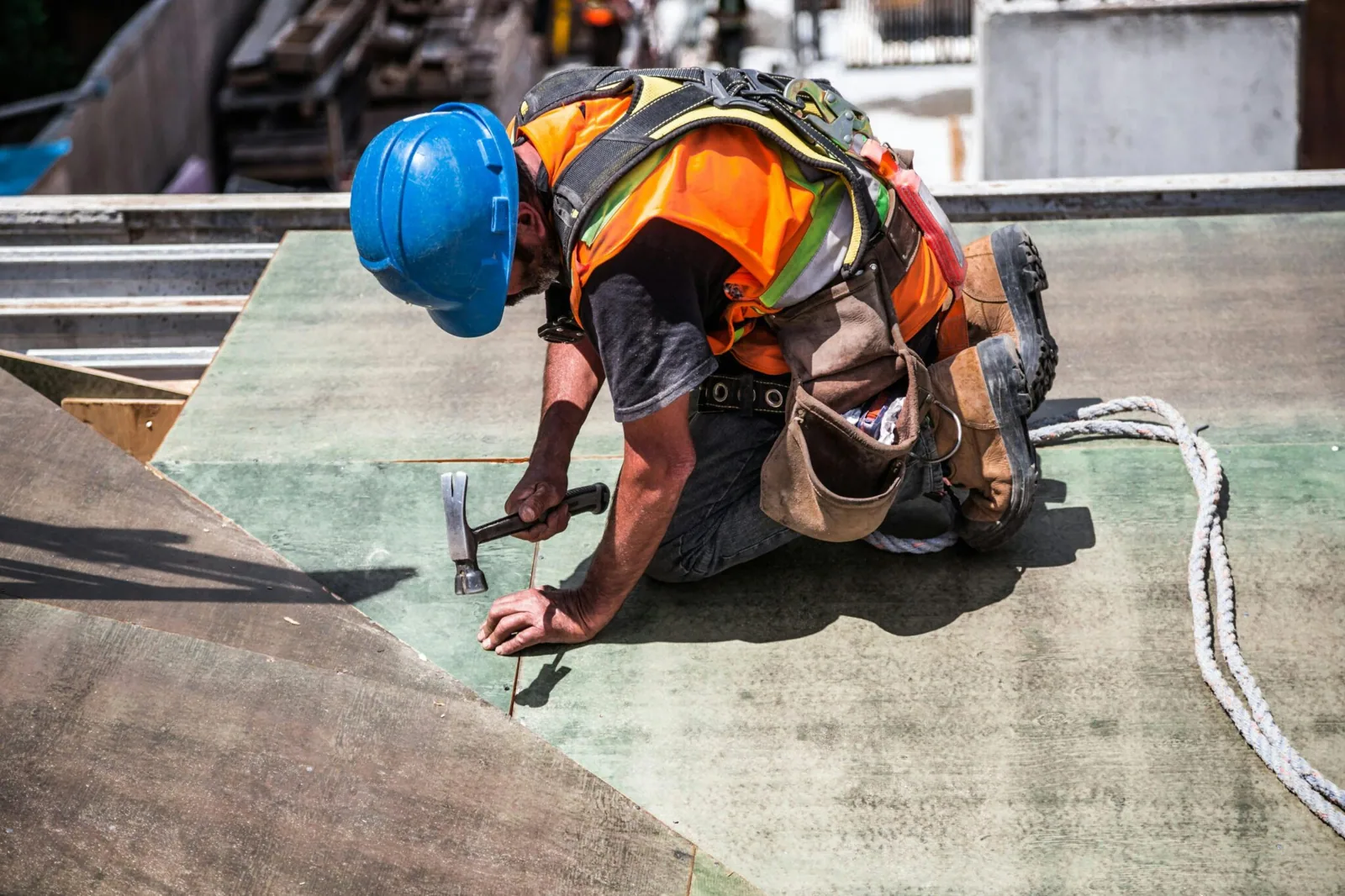
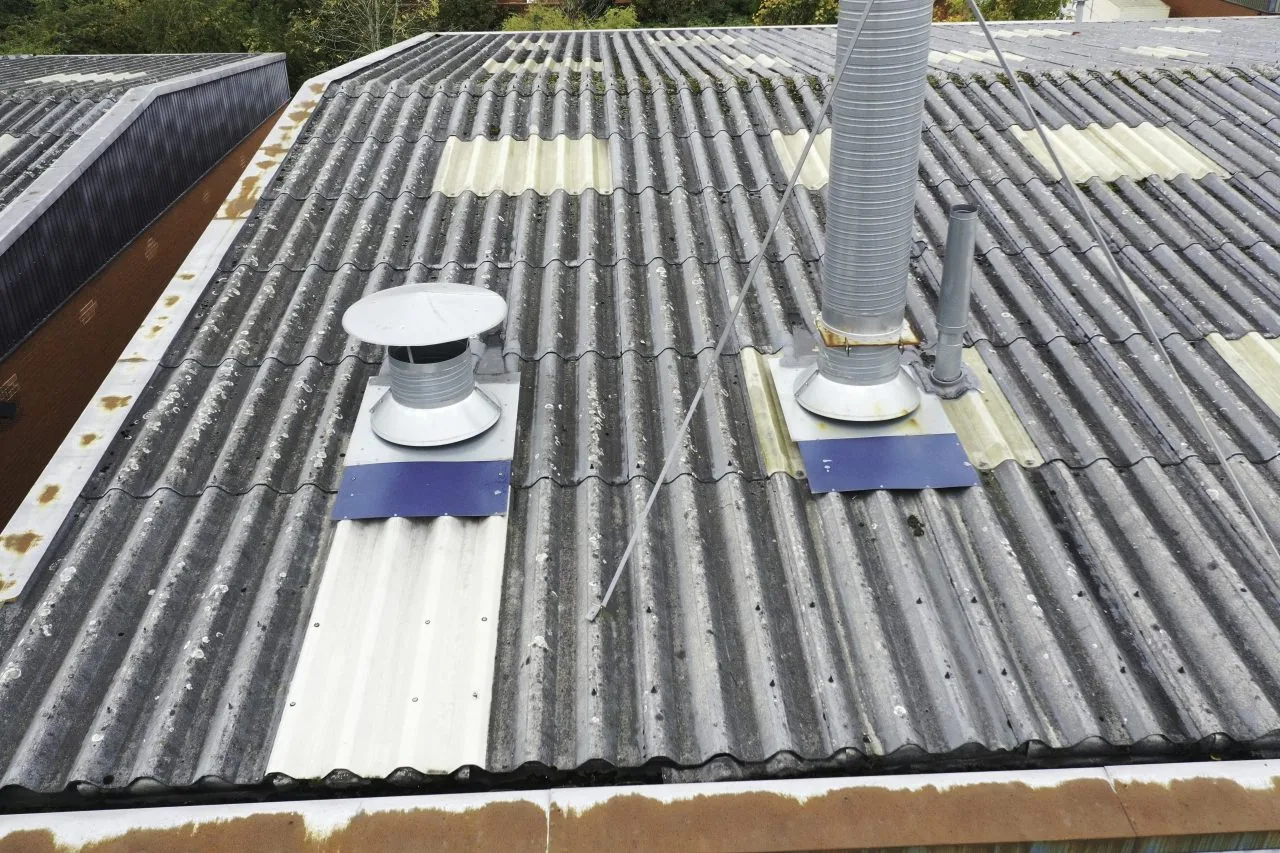
Repair Versus a Longer Run
A local repair can work when the failure is isolated and adjoining attachment remains sound. We expose enough of the edge to verify the cleat, substrate, and membrane termination. If joints are moving along a continuous run or water has affected the wall below, the scope may need to extend to the next secure transition. The estimate marks that boundary so the owner can compare a spot repair with replacement of a full section.
We also check the drainage consequence of the proposed metal work. New coping should not direct water behind the flashing, and a gutter repair should not leave a blocked outlet. If the edge detail is part of a broader leak, we can pair it with a leak repair or a documented storm-damage scope. Each portion remains tied to its observed condition and material.
Working Along an Active Frontage
Edge work may require lifts, roof access, sidewalk controls, and protection below the parapet. We confirm who can authorize access and which areas must remain open for customers, deliveries, or emergency egress. A gutter may need to remain in service during the repair, so we keep temporary water paths clear. The schedule records the order of work and any weather condition that would leave an edge exposed if the shift stops.
At a multi-tenant building, the property manager can identify suite boundaries, notice periods, and shared access. We plan a work zone for each section and photograph the tie-in at the end of the visit. When a mechanical or sign contractor also needs the perimeter, we sequence the trades to avoid a second opening. The occupied-building plan helps coordinate a larger edge replacement without treating every tenant area as identical.
Edge Detail Record
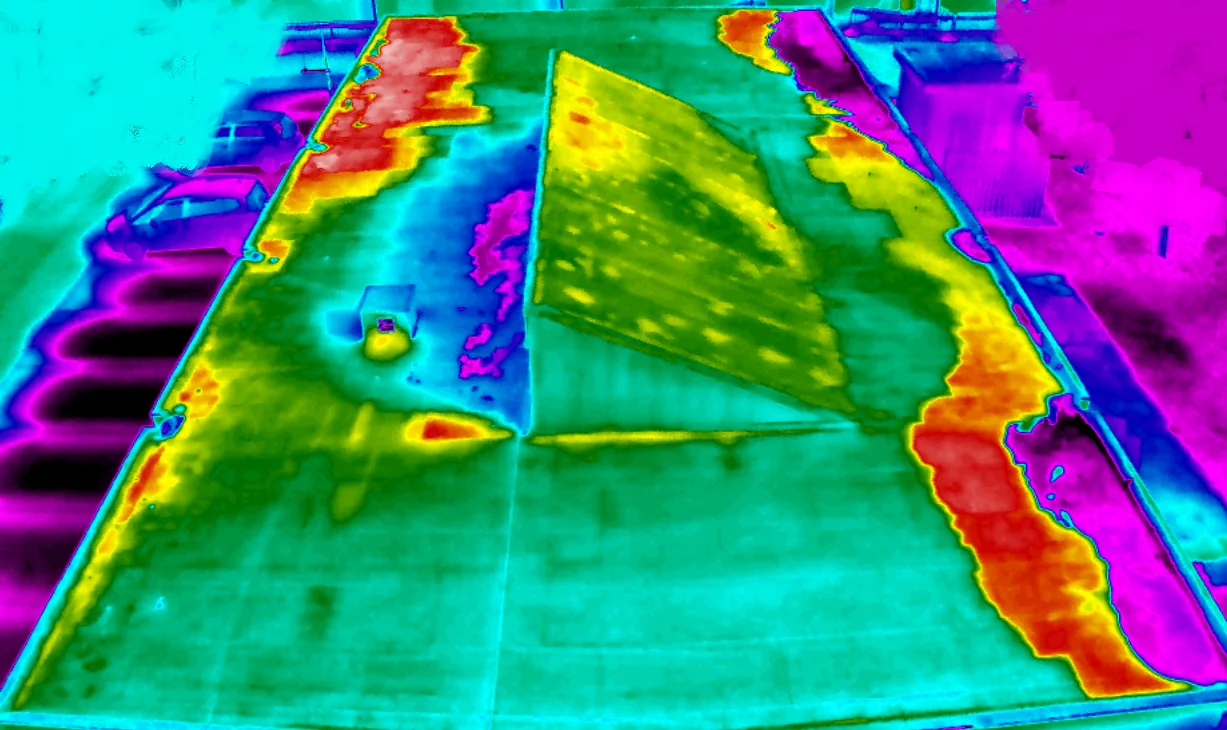
Closeout photos should show the repaired run, corners, joints, and where new metal meets existing work. We note any adjacent section not included and identify the next observation if the owner chooses a phased repair. A clear record matters when water appears again, because it lets the next inspection distinguish a new opening from a previously corrected joint. We also note gutter flow or any downstream test assigned to another trade.
Send the roof plan, leak locations, access requirements, and any earlier metal repair notes to arrange a Costa Mesa perimeter review. We will inspect the edge from a safe access point, photograph the tie-in, and price the defined scope. If the condition continues beyond one roof section, we will show where the repair should stop and what field condition would support a longer replacement. That gives the owner a useful choice before materials are ordered.
Common Questions
Movement, failed cleats, joint separation, corrosion, or an earlier repair can affect attachment. We inspect the cap and its roof-side connection, then identify the component that moved. A reseal is not enough if the metal is no longer secured or the membrane termination has opened.
Sometimes, when the gutter defect is isolated and its roof-edge connection remains sound. We check hangers, joints, outlets, and adjacent flashing before setting scope. If the membrane or metal termination has separated, those details need repair together so water is not routed behind the edge.
We examine adjacent cleats, seams, substrate, and signs of water entry. An isolated failure with sound attachment may support a spot repair. Repeated movement or deterioration across connected sections can support a longer run. The estimate marks the endpoints and states what remains outside the work.
We plan staging and protection with the property contact. A lift or ladder may require a controlled area and a time window. We identify customer entrances, deliveries, and required access before scheduling, then sequence sections to keep other parts of the property available where safe.
Photos of the corner, joints, attachment, membrane tie-in, and repaired run. We note the work boundary, materials, and any adjoining condition left for monitoring or later scope. If gutter flow depends on a downstream connection, that test is recorded separately.
Related Roofing Work

Schedule a Costa Mesa Roof Walk
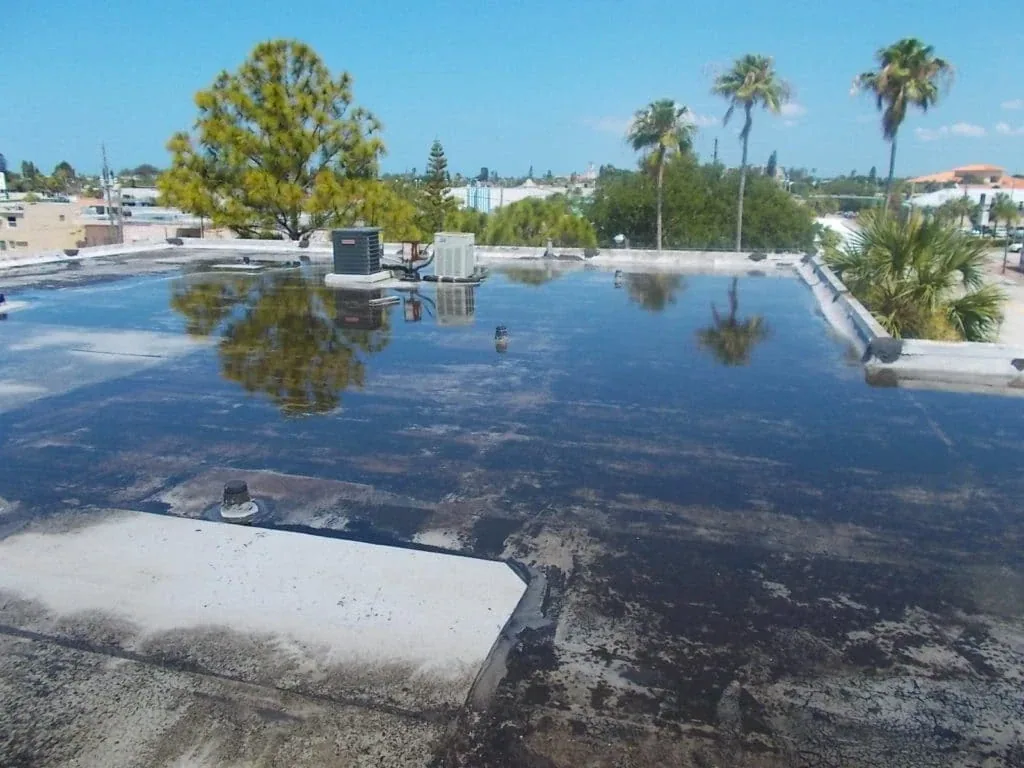
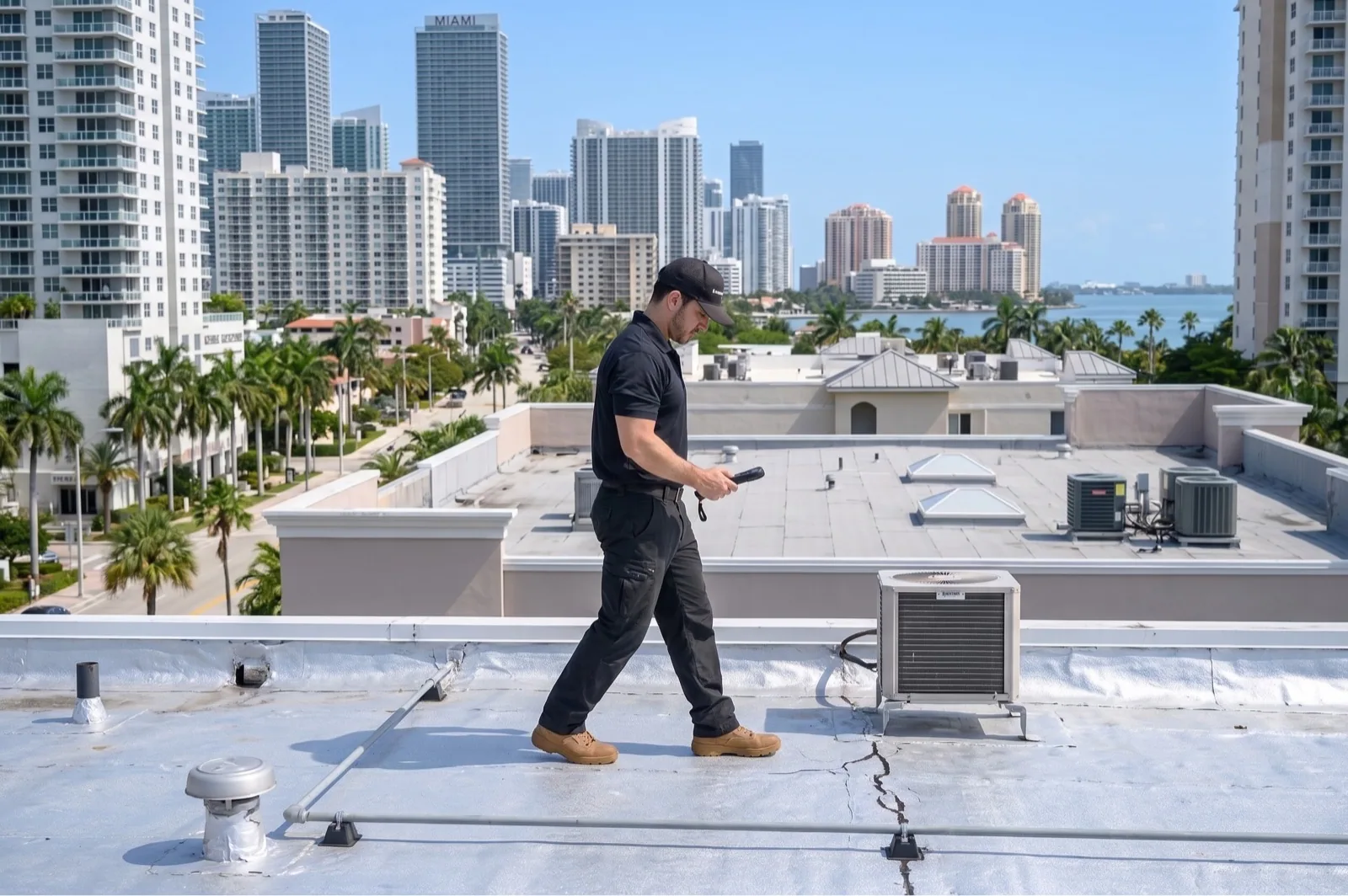
Share the property address, roof records, known leak locations, and access requirements. We will confirm a workable visit and document the conditions that affect your next decision.