Standing Seam Metal Roofing in Costa Mesa, CA
A standing seam panel has to move without pulling its clips or opening the seam. We inspect the panel run, eave, ridge, and penetrations before deciding how to repair a metal roof in Costa Mesa, CA. The Airport Industrial/Business Park includes larger parcels and wide building setbacks, while Westside properties can have tighter shared access. Those differences change staging, not the condition of the roof itself.
Standing seam metal uses raised, interlocking panel edges with concealed or covered attachment. A clip system can let panels expand and contract along the slope. The assembly still depends on secure clips, compatible trim, sound underlayment, and details that manage water. We record the actual panel profile and fastening method before pricing repairs or a replacement system.
Panel Runs and Seam Closure
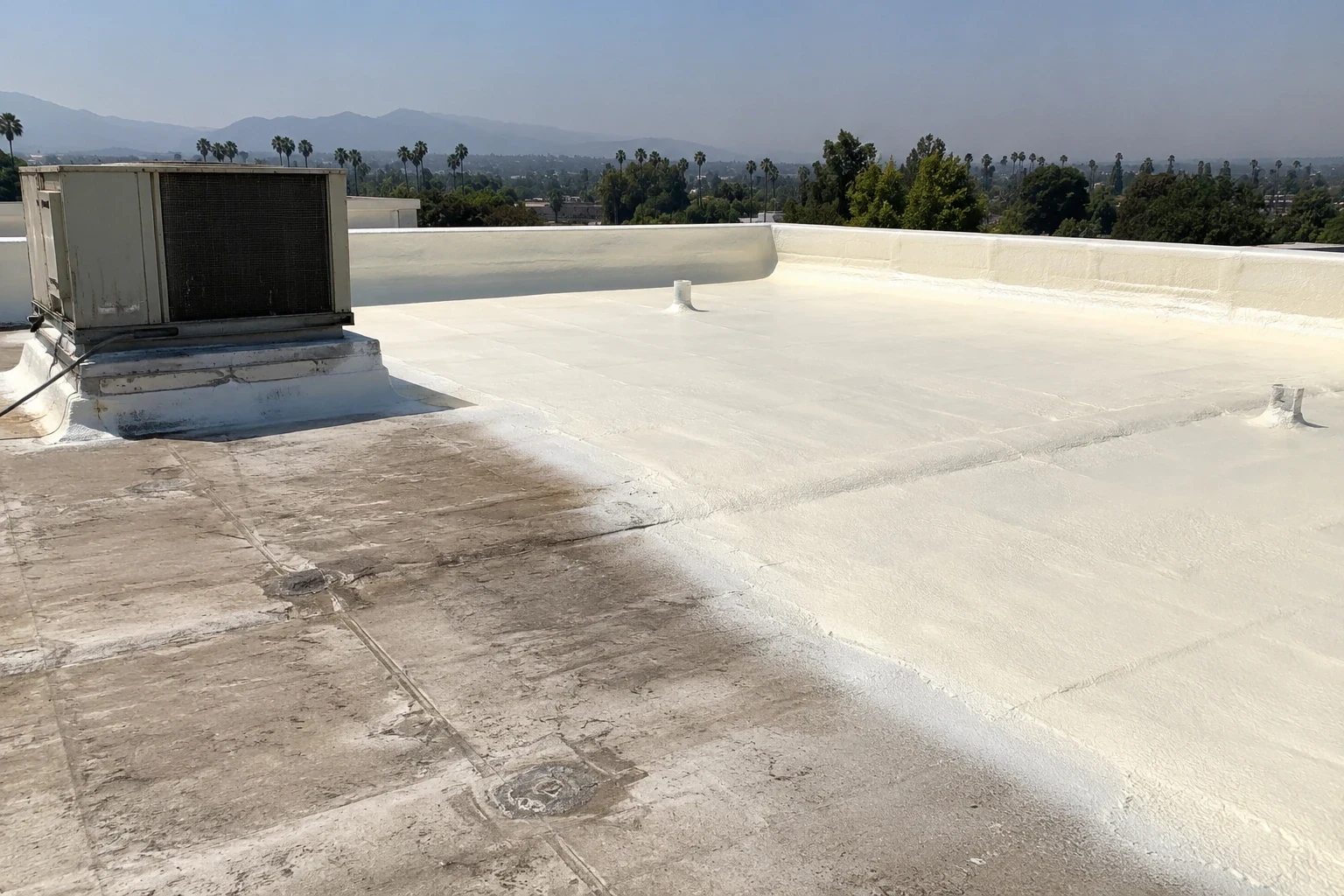
We walk the roof path and look for seam separation, buckling, oil-canning, coating wear, loose trim, and movement marks at clips. A ripple may be a visual effect of the panel or a sign of binding. We compare it with fastener locations and panel ends instead of assuming the metal has failed. Photographs should show the seam and enough surrounding panel to identify where the observation sits.
Water often enters where a panel meets a curb, wall, valley, or roof edge. We inspect closures, sealant condition, and metal laps at those transitions. In the Harbor Gateway District, manufacturing and office uses coexist in the broader industrial area. That context does not identify an individual roof, but it makes equipment curbs and service penetrations useful inspection points to map before rooftop work begins.
Movement at Clips and Fasteners
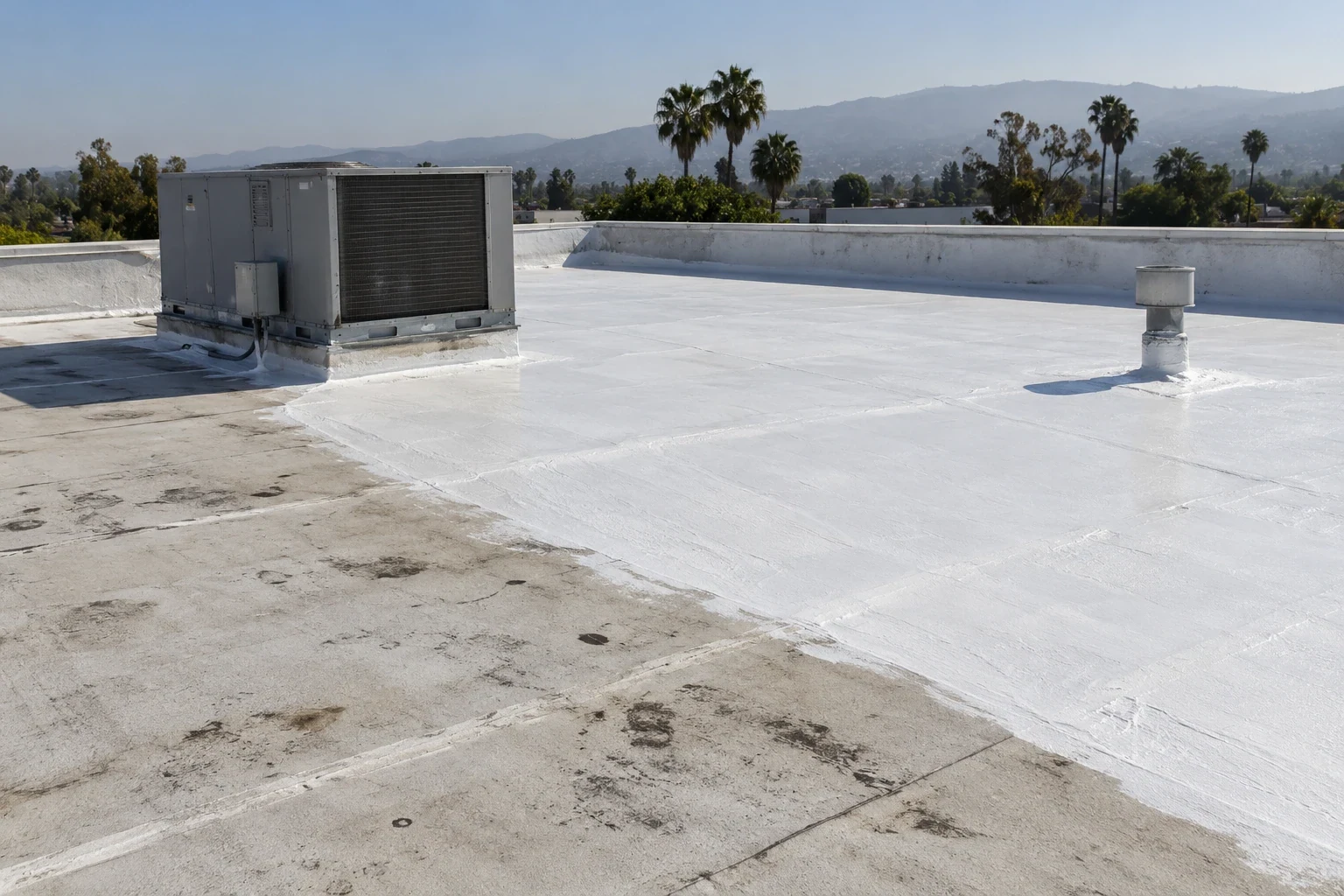
Concealed clips hold the panel while allowing movement along the run. If a clip binds, fasteners loosen, or a seam opens, water can reach the underlayment and deck. We inspect accessible attachments and the panel's freedom to move. A repair should correct the cause, not only seal the visible opening. Replacement clips and details must match the panel profile and metal compatibility.
Standing seam can be compared with an exposed-fastener roof, but the systems do not share the same repair detail. A metal roof retrofit review can help determine whether existing panels and supports remain suitable for another assembly. If a roof needs a different membrane, compare the deck and transitions with a TPO roof assembly or PVC membrane approach. The decision follows documented roof conditions and drainage, not appearance alone.
Curbs, Edges, and Compatible Metals
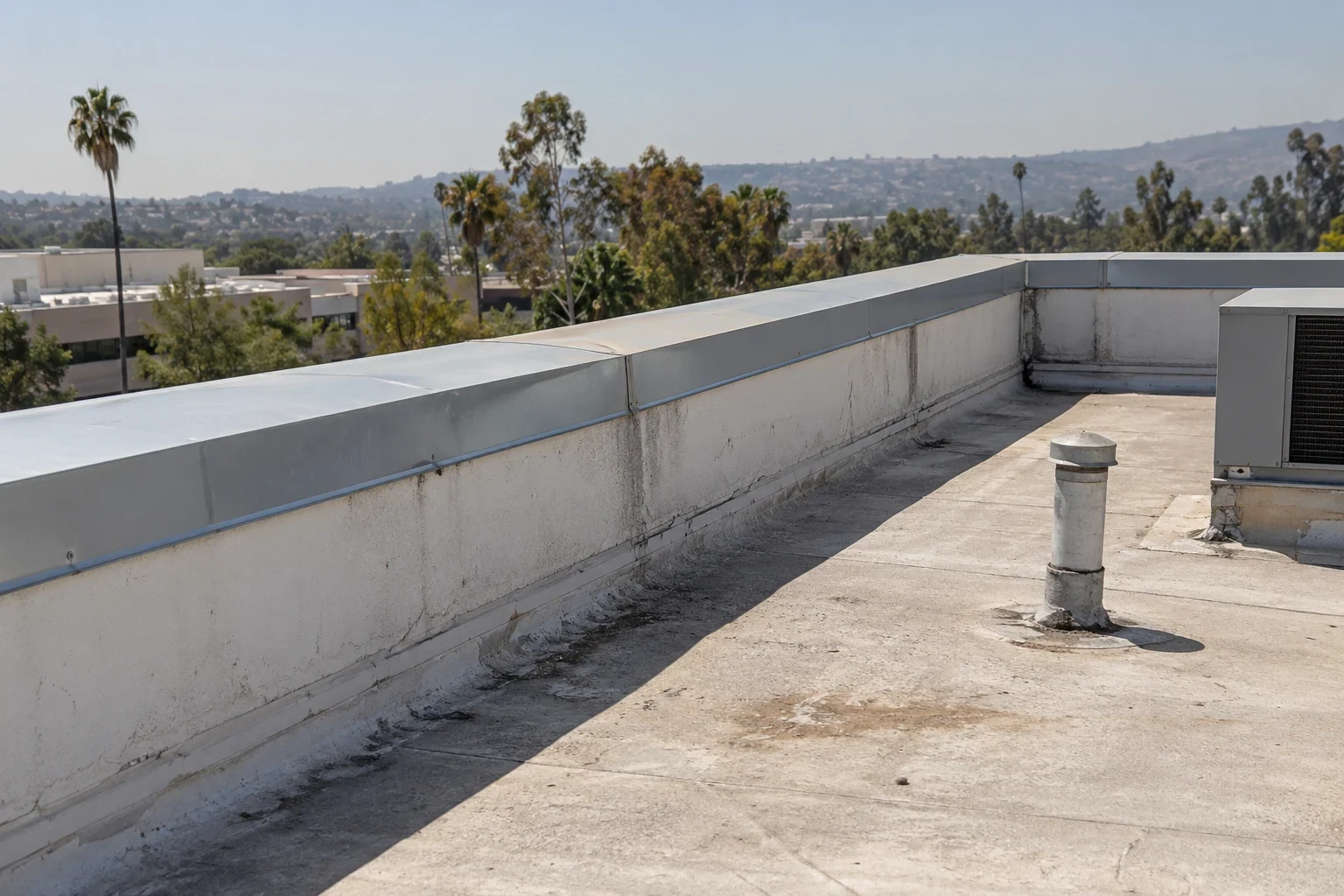
Metal details need compatible materials and a path for movement. We inspect panel-to-trim connections, ridge caps, eaves, valleys, and wall transitions for lifted laps or failed sealant. A rigid patch across a moving seam can crack when the panel shifts. We select a detail suited to the profile and surrounding metals, then photograph the closed joint for the roof record.
Mechanical equipment may interrupt the panel run. Curbs, pipe supports, conduit, and access platforms need flashings that do not trap water or restrain a moving panel. If a trade is replacing equipment, define which contractor removes and restores each detail. Our curb and equipment-support scope can establish that boundary. Where corrosion appears, we inspect for the cause and extent before applying a coating or replacing a section.
Wind, Water, and Local Use
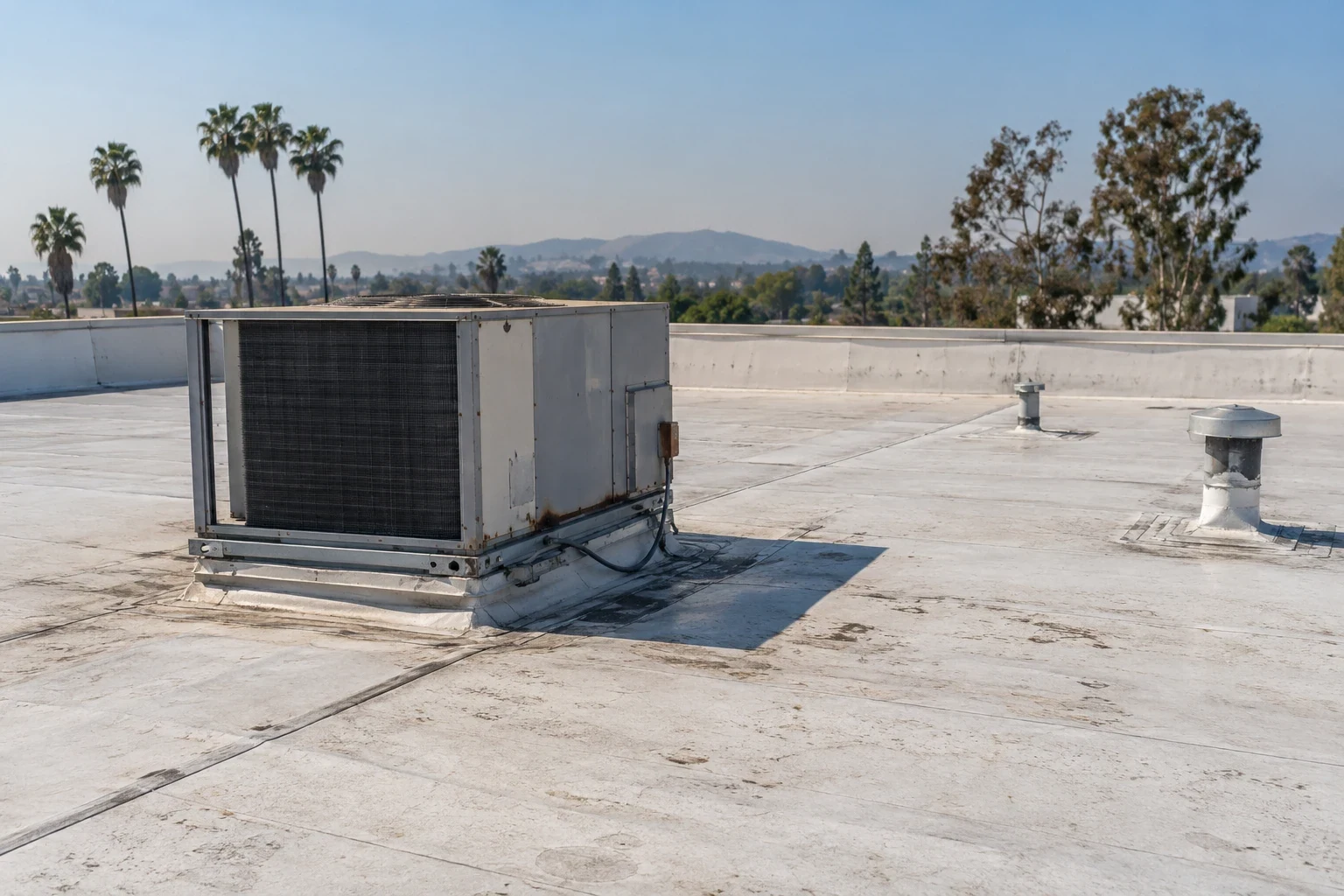
Metal roof performance depends on panel attachment, seam engagement, perimeter conditions, and the structure beneath it. We check edge details and exposed fasteners before treating a leak as a field-panel issue. A roof's rating or appearance does not replace review of its installed configuration. The roof plan should identify the panel run, slope, drainage path, and any area where movement is restricted.
East 17th Street has retail, service, and office uses along a Costa Mesa commercial corridor. Nearby commercial operations may require customer routes or deliveries to remain clear during staging. Regional climate normals provide summer temperature context, while the actual metal surface and product requirements guide installation and coating work. We set installation and coating work around product requirements and field conditions rather than using a station value as a job measurement.
Permits and Replacement Choices
Replacement planning includes panel gauge and profile, clip spacing, substrate, insulation, underlayment, trim, and drainage. Structural review may be needed when the proposed assembly changes loads or attachment. We document the roof conditions and coordinate design questions before material is ordered. An owner who is comparing a full replacement can review a commercial roof replacement scope with the panel details, edges, and penetrations listed separately.
A replacement scope names the panel profile, clip type, trim, underlayment, and transitions before material ordering. At eaves and ridges, the detail has to close the panel without restraining movement. We review the proposed assembly with the owner's design team and keep the panel map tied to the work. A roof inspection and marked condition report can separate an open seam from a concealed clip question before price and schedule are fixed.
Keep the Panel Map Current
Follow-up checks focus on seam closure, fasteners, clips where accessible, edge metal, sealant, and penetrations. We clear debris from valleys and drains and note any panel or trim movement. Rooftop work can puncture a panel or leave a flashing loose, so later access should include the area around new equipment. A photograph with a panel-run reference makes the next check easier to repeat.
In the Westside District, a multi-tenant building may need a defined access window and coordination around the suites below. A Westside District roof walk can include the panel run and tenant access plan. The owner can send prior repair records or a close image of a seam, curb, or ridge. We will walk the roof, mark the affected panel run, and separate a local repair from work that needs design review. The final record should identify the metal profile, the repair method, and any area that needs another inspection. We note which seam received work and whether the adjacent panel remains free to move. If a later trade cuts or secures the panel, that location returns to the follow-up list. A maintenance entry should state what was observed, what was corrected, and what condition will trigger another visit.
Common Questions
Panel movement, clip spacing, installation limits, and restraint at edges or penetrations can contribute. The appearance alone does not establish the cause. We compare the panel run, attachment, and trim details, then mark where the metal may be binding before choosing a repair.
Sometimes a localized detail can be repaired at the surface, but sealant alone may not restore a moving seam. We inspect the closure, adjacent clips, and water path. The scope should identify a compatible repair that accommodates panel movement and leaves the drain path open.
We coordinate the curb location and opening with the equipment contractor and confirm the panel profile, support, and flashing approach. The metal cut needs a secure frame and compatible transitions. The closeout record should show the curb corners and restored panel edges.
The main panel attachment is commonly concealed beneath seams, while trim or accessories may use visible fasteners. We inspect the actual roof rather than relying on the system name. Loose trim fasteners and failed panel clips call for different repair details.
Panel profile, previous repair locations, access limits, equipment changes, and photographs of the seam or edge all help. We use those details to plan a roof walk, confirm the metal compatibility, and price a defined repair boundary rather than an undefined sealant allowance.
Related Roofing Work
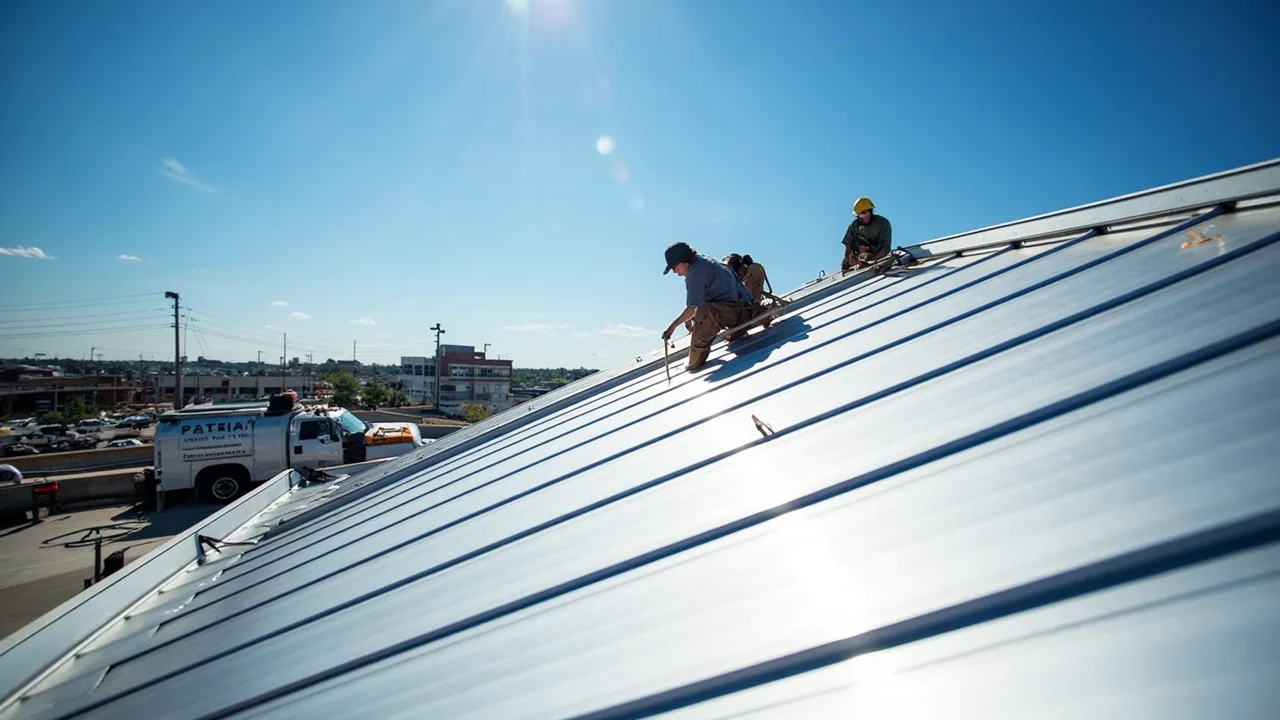
Inspect the Metal Panel Run
Send a roof plan or schedule a roof walk with photos of the seam, edge, or curb. We will mark movement, drainage, and repair details for the next scope.