
Commercial Roof Inspections in Costa Mesa, CA
A drain path can narrow a roof problem quickly. We walk the accessible area, follow water toward low points, check seams and flashing, then record conditions that affect scope. The report separates visible findings from questions that need testing. Owners use that distinction to plan repairs, compare replacement timing, or understand why water appears in a particular suite. Costa Mesa's commercial corridors and industrial districts have different operating needs, so inspection notes must identify the actual roof section instead of applying one label to the whole building.
We confirm access rules before the walk. A Westside multi-tenant property may need advance notices, a tenant escort, or a window near active equipment. If work is underway, we can focus on the tie-ins, transitions, and drains that affect the repair. You receive photographs and Diligence Notes tied to a practical next step.
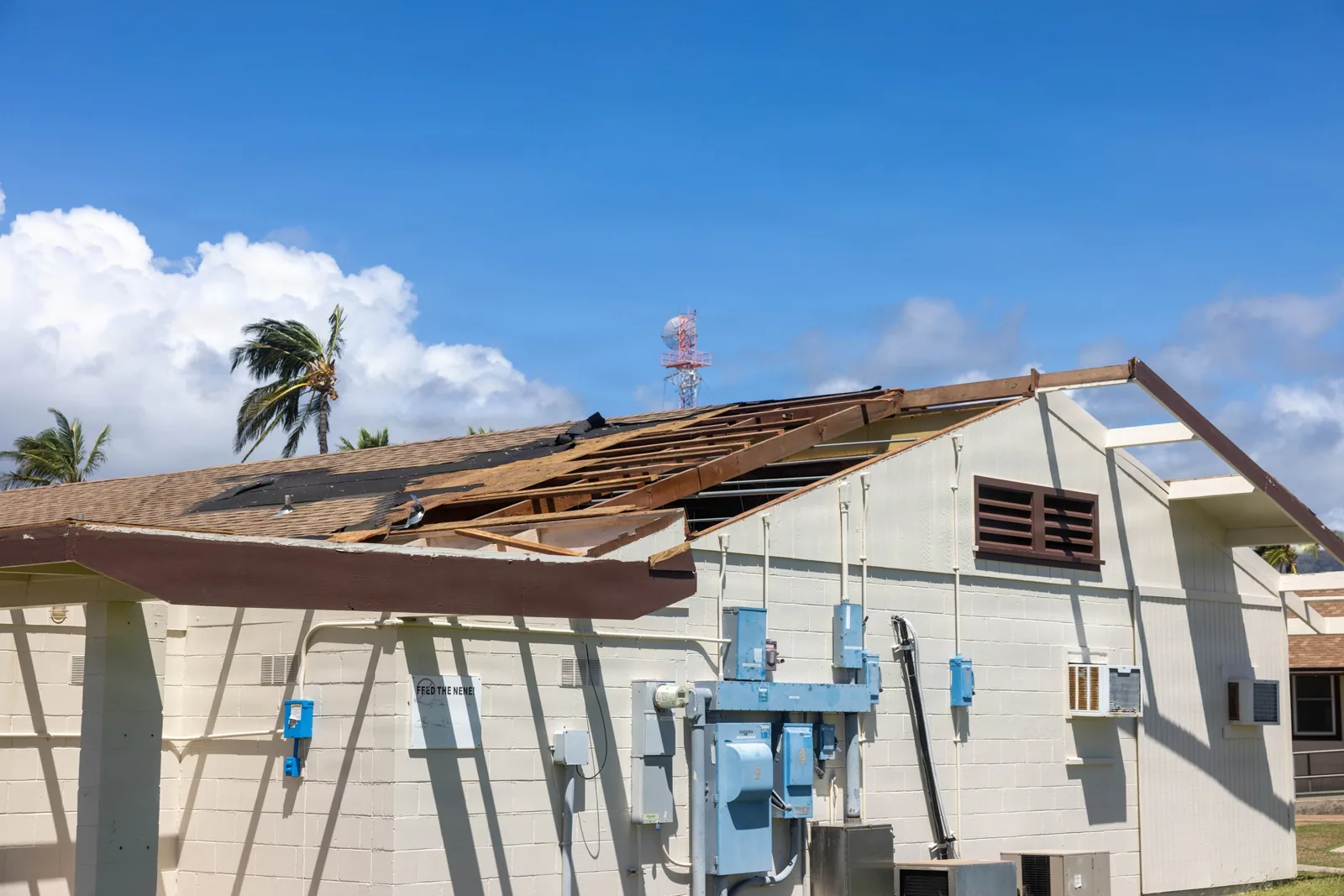
Conditions That Change the Scope
At drains, we note debris, standing water, open laps, and signs that a discharge is spilling where it should not. A slow drain can keep water against a seam or curb. We identify the location and distinguish a maintenance item from a detail needing repair or testing. That map helps prevent a limited observation from becoming an unbounded replacement recommendation.
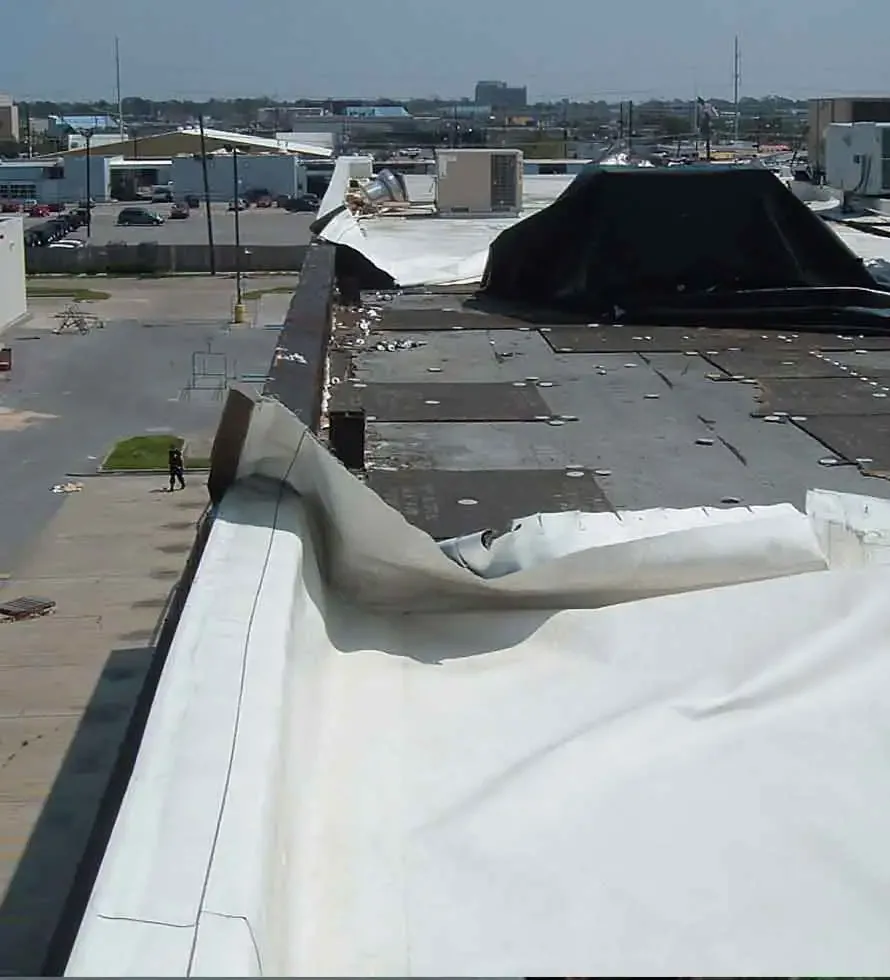
Curbs, conduit supports, skylights, parapets, and edge metal create changes in plane or movement. The failure may involve flashing, sealant, fasteners, or membrane. We photograph each transition and connect it to the affected roof area. For TPO, heat-welded seam details should show a continuous connection; the observed roof sets the repair scope.
We also compare the visible detail with nearby work. A patch that bridges an old seam can hide the edge that now carries water. A curb may have been reset without new flashing at the base. We photograph those relationships and identify where the repair stops. If a decision depends on concealed insulation, fastener pattern, or substrate strength, we explain which test would answer it. That keeps a visual inspection useful without treating an inaccessible layer as confirmed.
Costa Mesa Building Patterns
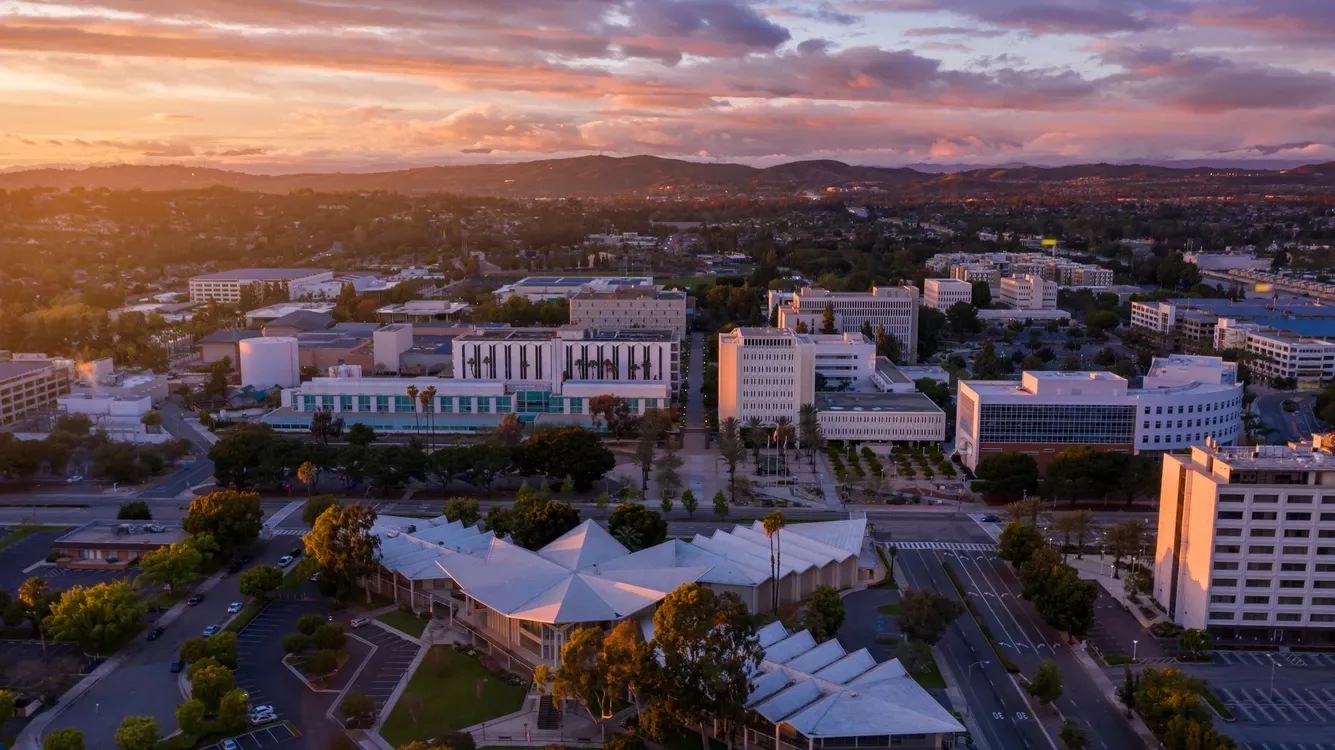
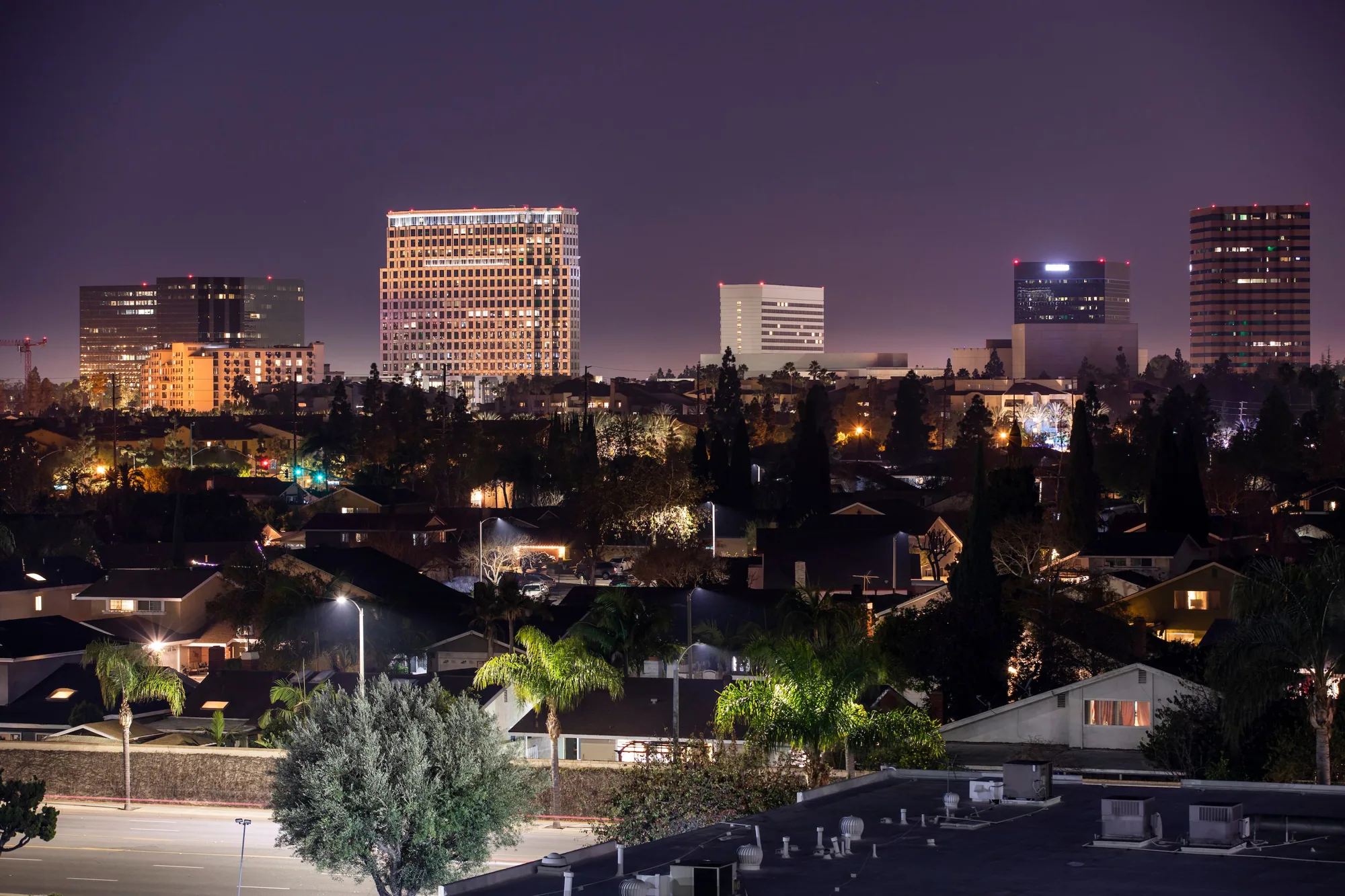
Place names help set the visit, but the roof map comes from field conditions. At Westside, where the General Plan describes multi-tenant structures alongside manufacturing and service uses, we record which hatch or route reaches each controlled roof area and where a repair crosses suite boundaries. Harbor Gateway and Airport Industrial/Business Park remain district-scale context. We ask the property contact to identify access and operating limits, then mark each inspection observation against the section actually reached.
The City also identifies East 17th Street as a retail, service, and office corridor. Customer-facing space may call for a work window that protects entrances and deliveries. We tie these operating limits to the location of each roof concern. The Westside district and Harbor Gateway area offer local context without implying knowledge of a particular property.
Inspection Before a Roof Decision
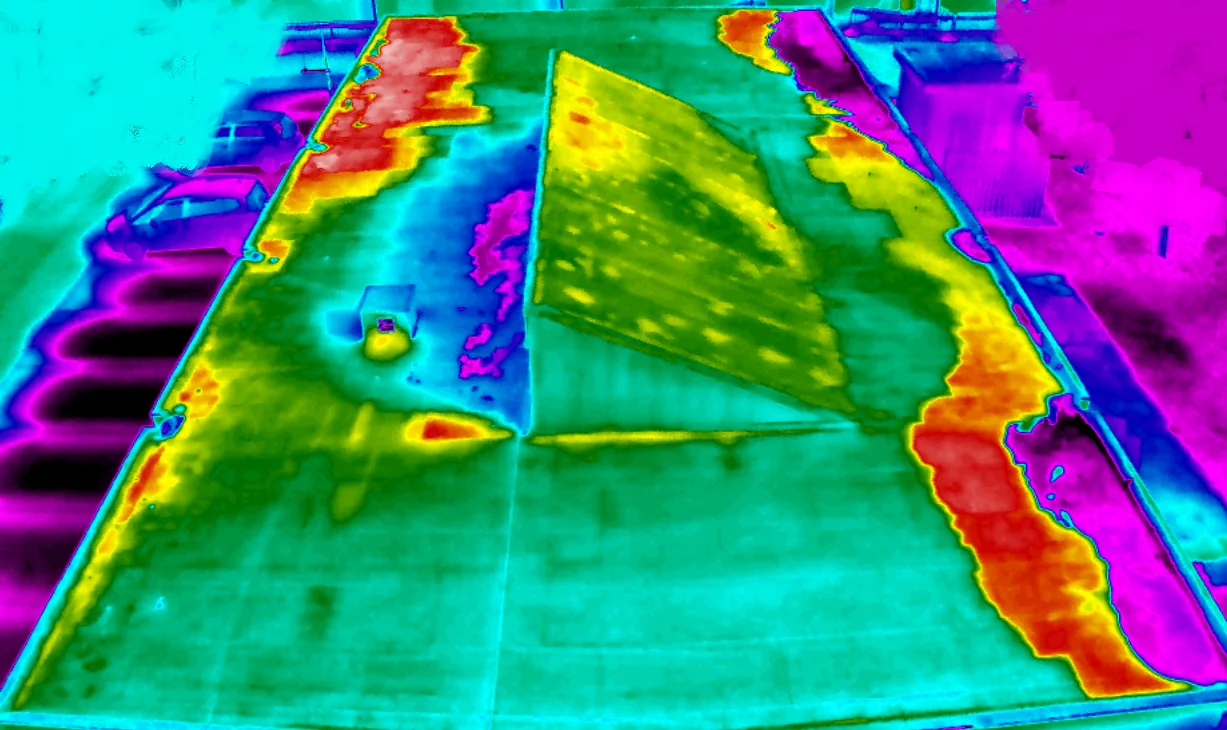
A condition report separates immediate exposure from scheduled work. We photograph open areas, damaged metal, suspected moisture, and points where water may travel below the surface. Each observation is assigned to a roof section. A wet area may need a test cut before the repair boundary is known. An infrared moisture survey with selected test cuts can map patterns, but an image alone does not prove the assembly or what lies below it.
We assess whether the roof may suit localized repair, recover, or tear-off. Moisture, substrate, drainage, attachment, and code affect that decision. Existing EPDM membrane condition and repair history matter. We document what the inspection supports and what remains unknown before broader work is proposed.
A Record the Team Can Use
A useful report groups photographs by roof area, marks each concern, and explains its likely consequence if left exposed. Notes may cover open seams, punctures, failed flashing, blocked drains, or suspected trapped moisture. A photograph cannot confirm a concealed defect. When scope depends on an unseen condition, we name the test or opening needed to answer the question.
Owners can compare findings with work orders, warranty records, tenant reports, and roof plans. Repeated repair at one transition may justify a closer look there. A mapped condition report gives the next decision-maker a common reference. For recurring drain and seam checks, planned maintenance visits can revisit the repair. That record makes the next inspection more useful.
Access on an Occupied Property
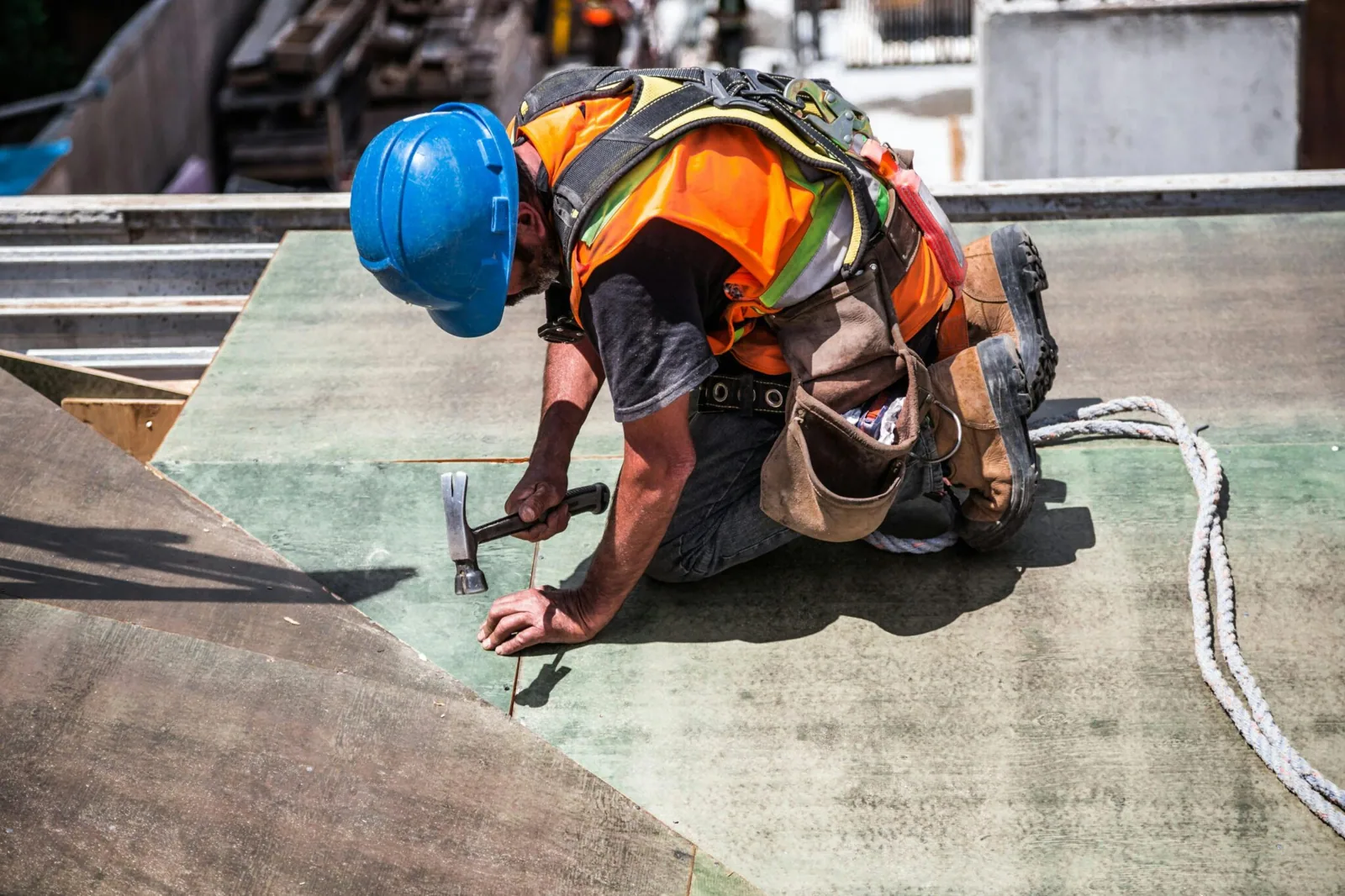
Before entry, we confirm roof access, escorts, fall protection, and operating restrictions. Some properties require notice before crossing a tenant-controlled area. The owner can identify who approves entry and what hours avoid deliveries or customer traffic. We do not assume that one suite provides a route to another roof section. The report notes any area we could not reach.
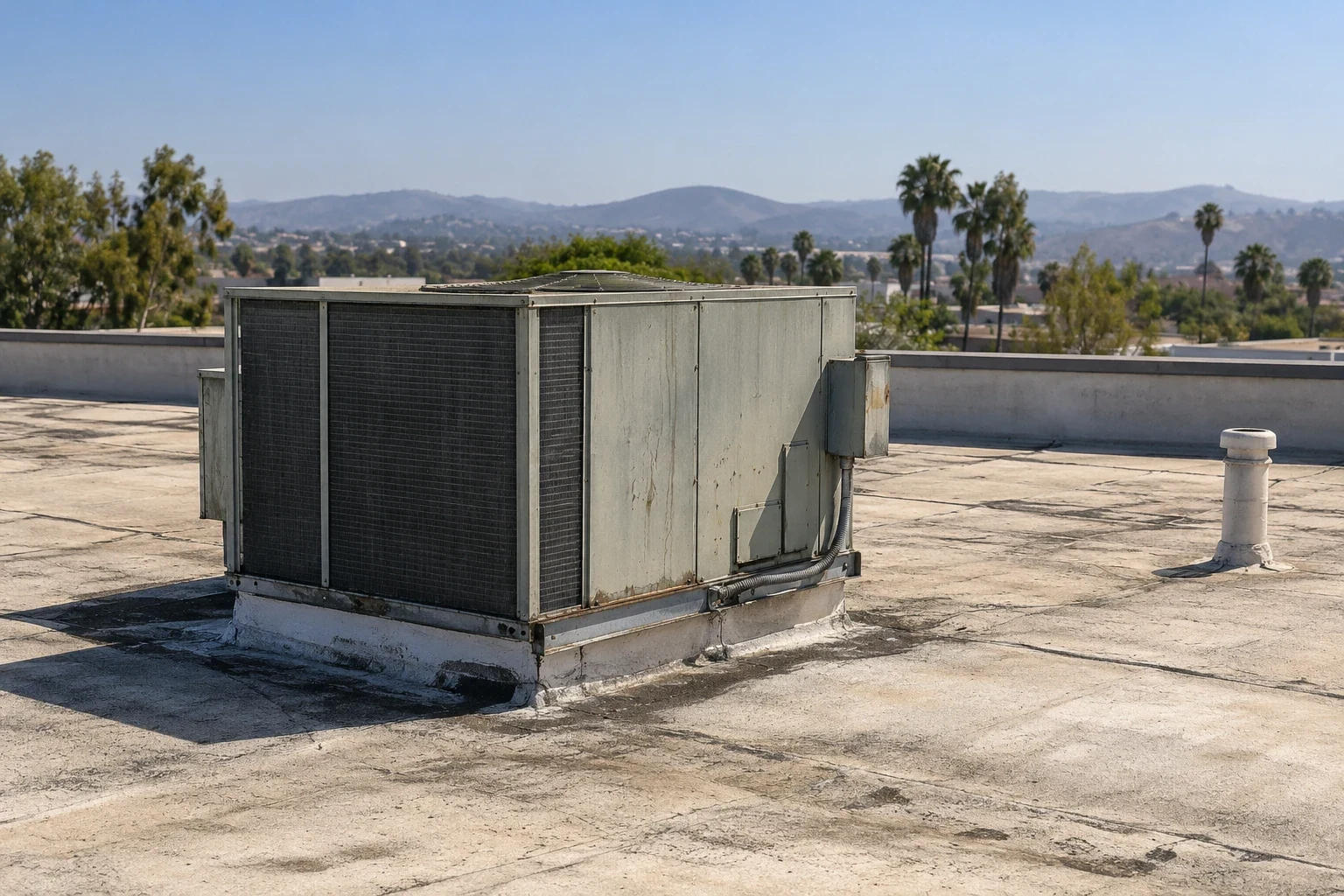
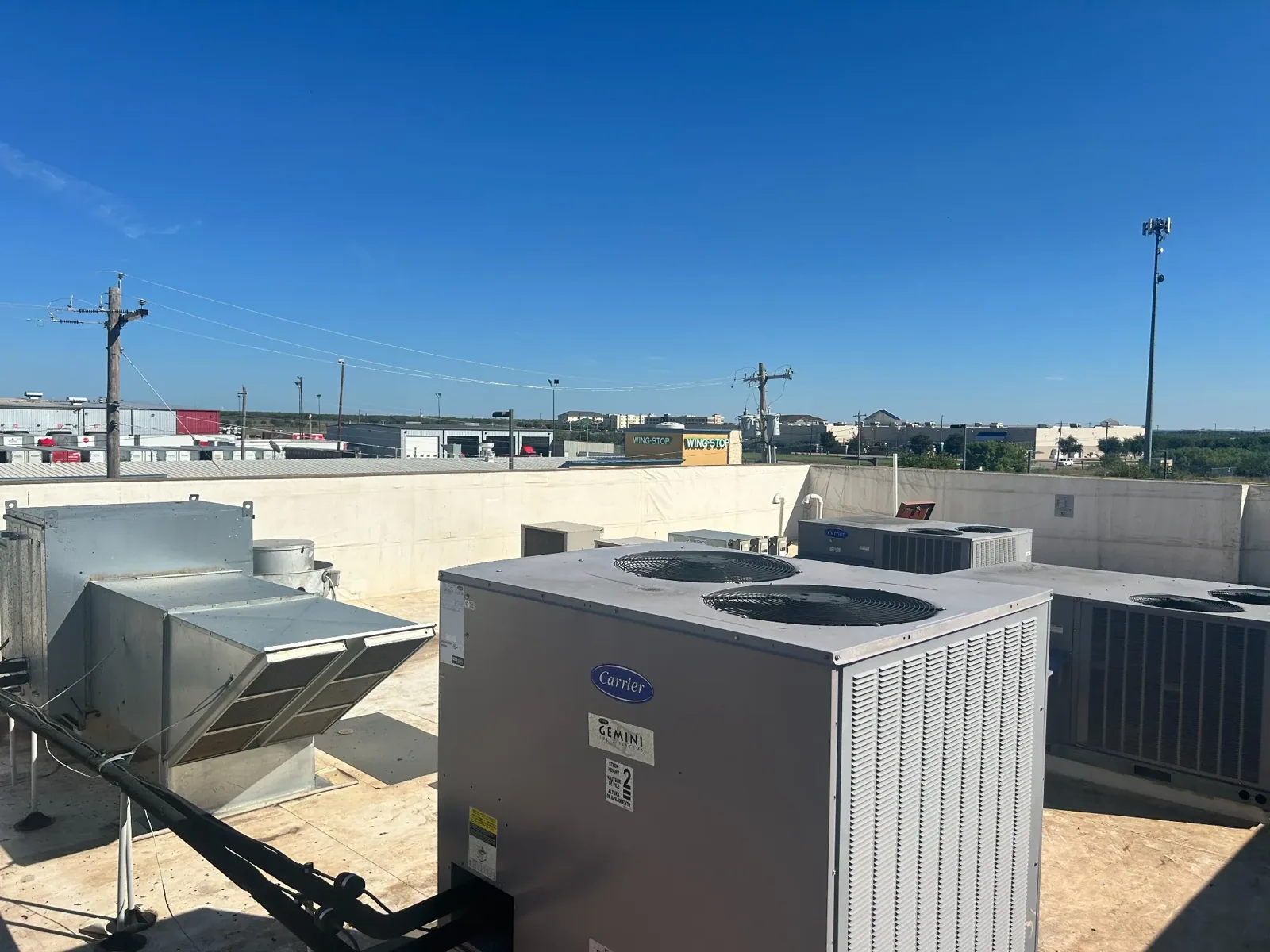
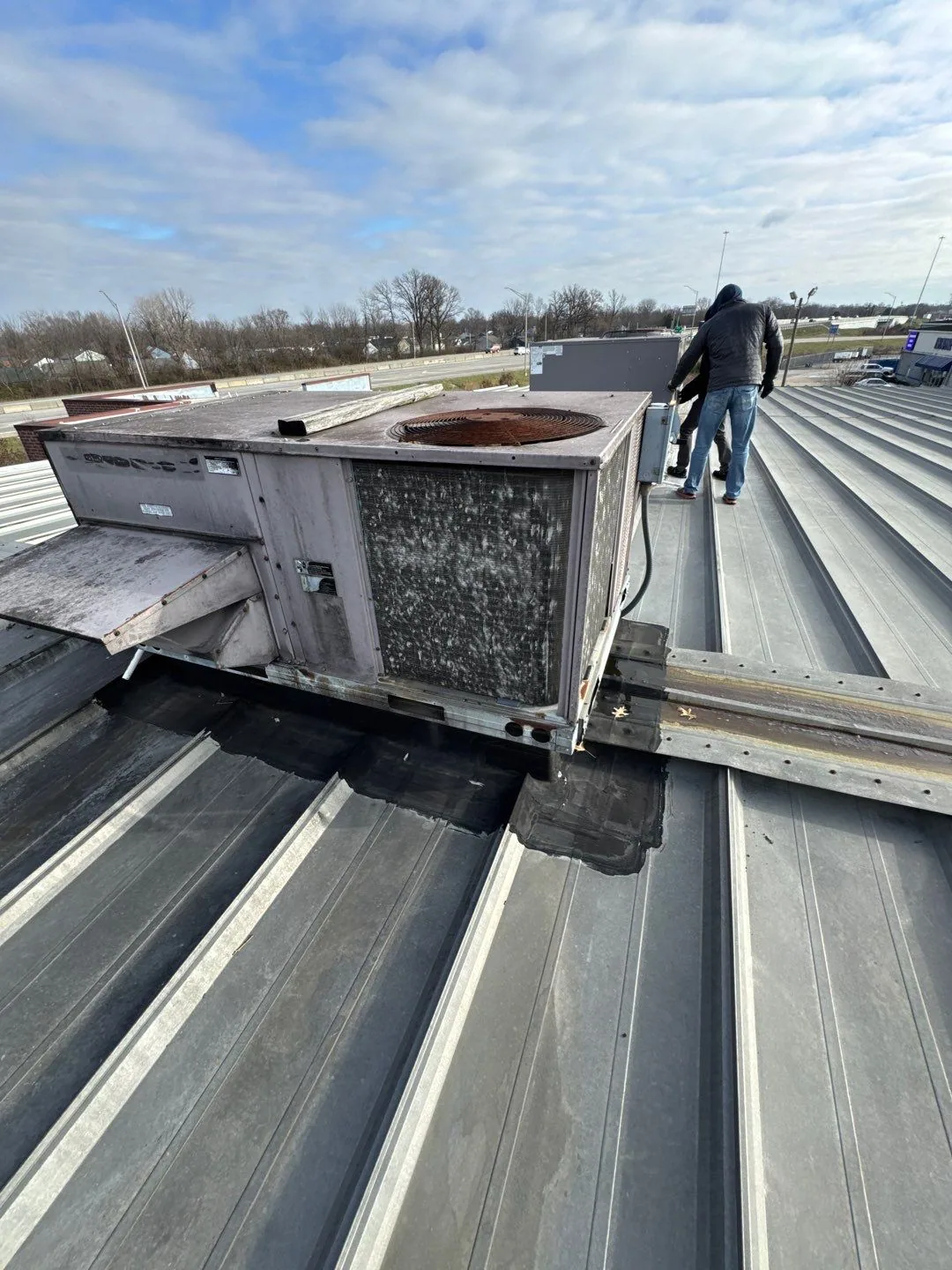
At rooftop equipment, we look at the curb flashing and note visible disturbance. We do not diagnose the mechanical unit from its roof connection. If curb work is needed, the scope should identify who controls shutdown and restart. A curb and support review can fit the mechanical schedule. This helps connect a finding to work the building can support.
What Happens After the Walk
After the walk, we group findings into repair, monitoring, or further investigation. An open lap may need a defined repair. A suspected wet area may call for moisture testing or a test cut. Broader deterioration may support replacement planning when the report shows why. Coating or recover can be considered only after reviewing adhesion, drainage, existing layers, code, and product instructions.
The owner can authorize one repair, request a survey, gather roof records, or budget broader work. Our repair scope can address a documented defect. A replacement review can assess a larger project. To arrange a Costa Mesa walk, send the property address, leak locations, available plans, and access limits. We will confirm a workable visit and document conditions relevant to your decision.
Common Questions
Condition and repair history decide. We inspect seams, flashing, drainage, and accessible transitions, then mark areas needing tests. Localized damage may support repair. Broad deterioration or an unsound substrate may support replacement planning. The report separates visible facts from items needing an opening, so you can compare repair, recover, or tear-off on the same record. We also note access limits, earlier patches, and conditions that need confirmation. This helps the owner set a repair boundary before comparing larger options.
Plans, work orders, leak notes, warranty records, and access rules help us find the right areas. We confirm escorts, tenant notices, equipment restrictions, and fall protection before arrival. If records are missing, the walk can still document visible conditions. We will identify gaps that affect the scope and the next step to resolve them.
No. Imaging can show temperature patterns consistent with moisture, but it does not establish the roof assembly or prove every defect. Weather, surface materials, and timing affect results. We pair a scan with a roof walk and selected test cuts when confirmation matters. That gives the owner a more useful moisture map and repair boundary.
Usually, when access and the safety plan allow it. We coordinate roof entry, controlled areas, deliveries, and any equipment shutdown. A protected zone or separate access window may be needed. We record any inaccessible section rather than implying that we inspected it.
It identifies visited roof areas, photographs visible conditions, and connects each finding to a recommended next step. Notes can cover seams, flashing, drainage, punctures, or testing needs. Access limits and unconfirmed items are recorded. Your team can direct repairs, compare scopes, and revisit the same locations during future maintenance.
Related Roofing Work
Schedule a Costa Mesa Roof Inspection
Share the property address, known leak locations, roof records, and access requirements. We will confirm a roof walk and provide findings that support your next repair or capital decision.