
Commercial Roof Repair in Costa Mesa, CA
An open lap beside a curb is a different repair from a puncture in the field. We trace the defect, inspect the surrounding membrane, and mark where sound material begins. The scope names the repair method and the limit of work. A patch should not bridge loose material or conceal water moving from another detail. At a Westside property, separate tenant areas can share one roof section, so access and interior protection belong in the repair boundary. We record the roof location and the condition that prompted the work.
Costa Mesa's commercial pattern includes industrial districts as well as retail and service corridors. A repair near East 17th Street may need a work window that keeps customer access clear. The General Plan describes Harbor Gateway's primary users as manufacturing firms and corporate offices. That mix can make delivery timing or equipment access relevant. We confirm each property's actual operating limits before setting the sequence. A roof walk in Santa Ana or the Harbor Gateway district begins with the address, approved access, and installed assembly.
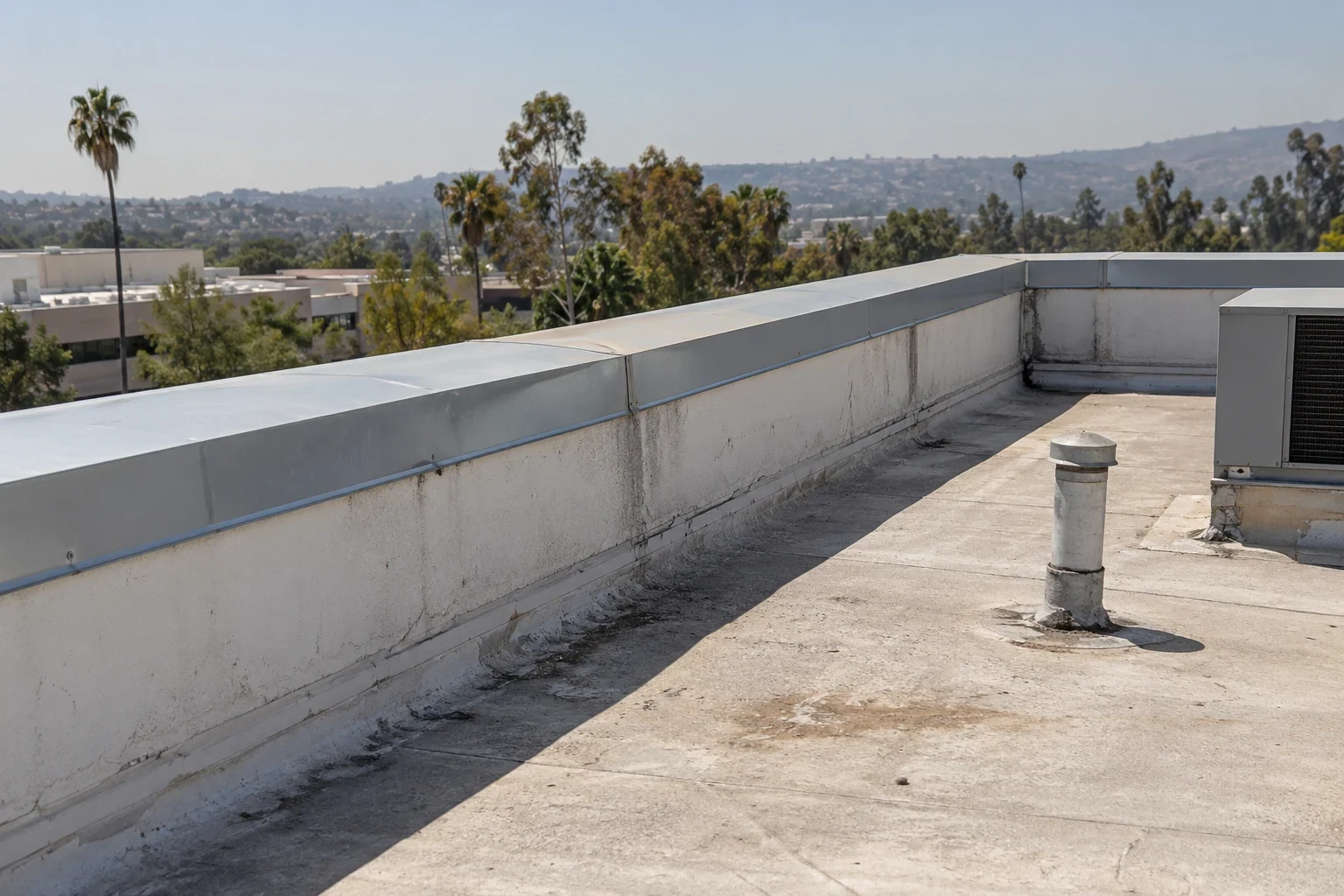
Trace the Defect Before Patching
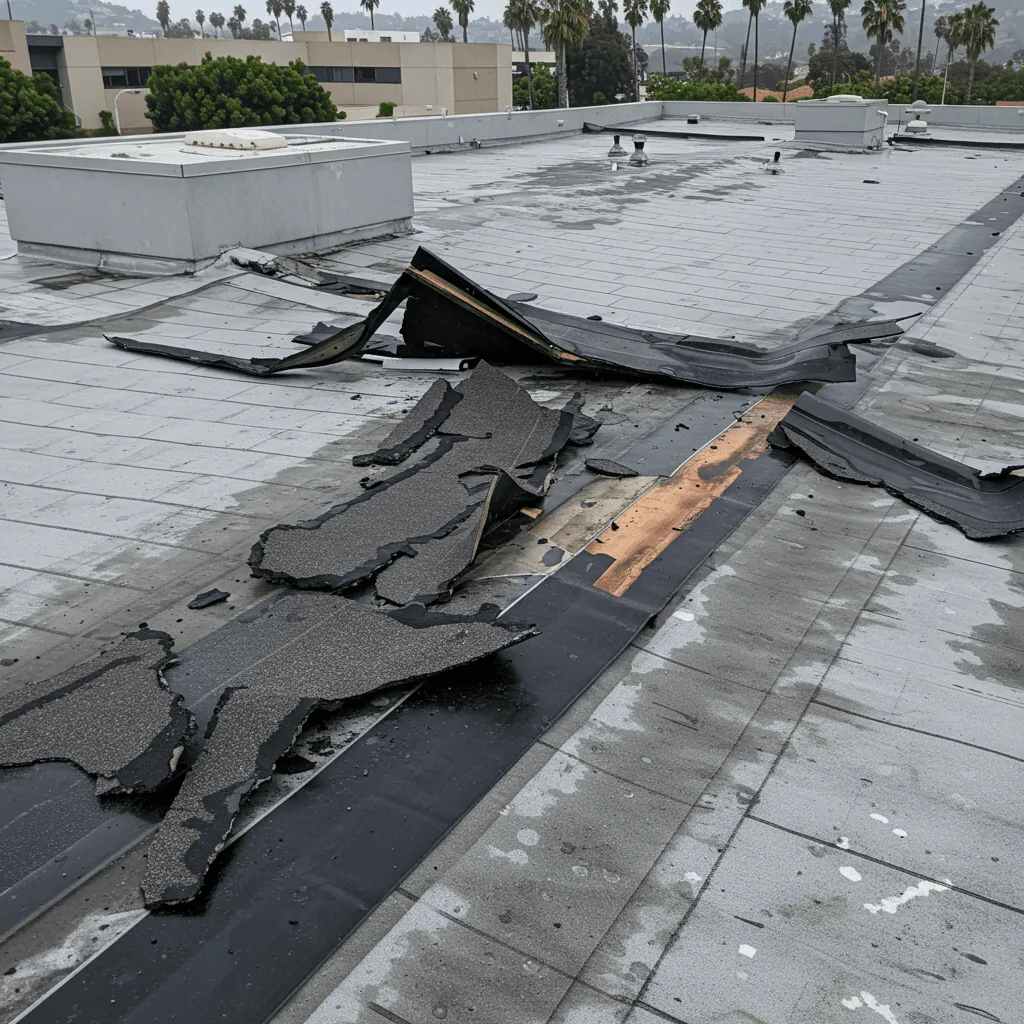
Water can travel below the surface before it appears indoors. We inspect the likely path, including seams, penetrations, curbs, drains, walls, and prior patches. A ceiling stain helps locate a report, but not necessarily the roof opening. We check for loose membrane, split flashing, lifted edge metal, and debris that blocks drainage. The Diligence Notes separates the observed defect from the area that needs testing. That keeps the patch from growing without a reason or stopping before the water path is contained.
For TPO and PVC, we clean and prepare the surface, then check whether a weld can be restored and tested. EPDM repairs may use a compatible splice and detail work. Metal seams, fasteners, and penetrations require a different method. The EPDM repair approach follows the installed system. When the defect follows a seam, a seam failure review can define testing and replacement of unsound material. We photograph the repair perimeter before preparation and again after the tie-in is complete.
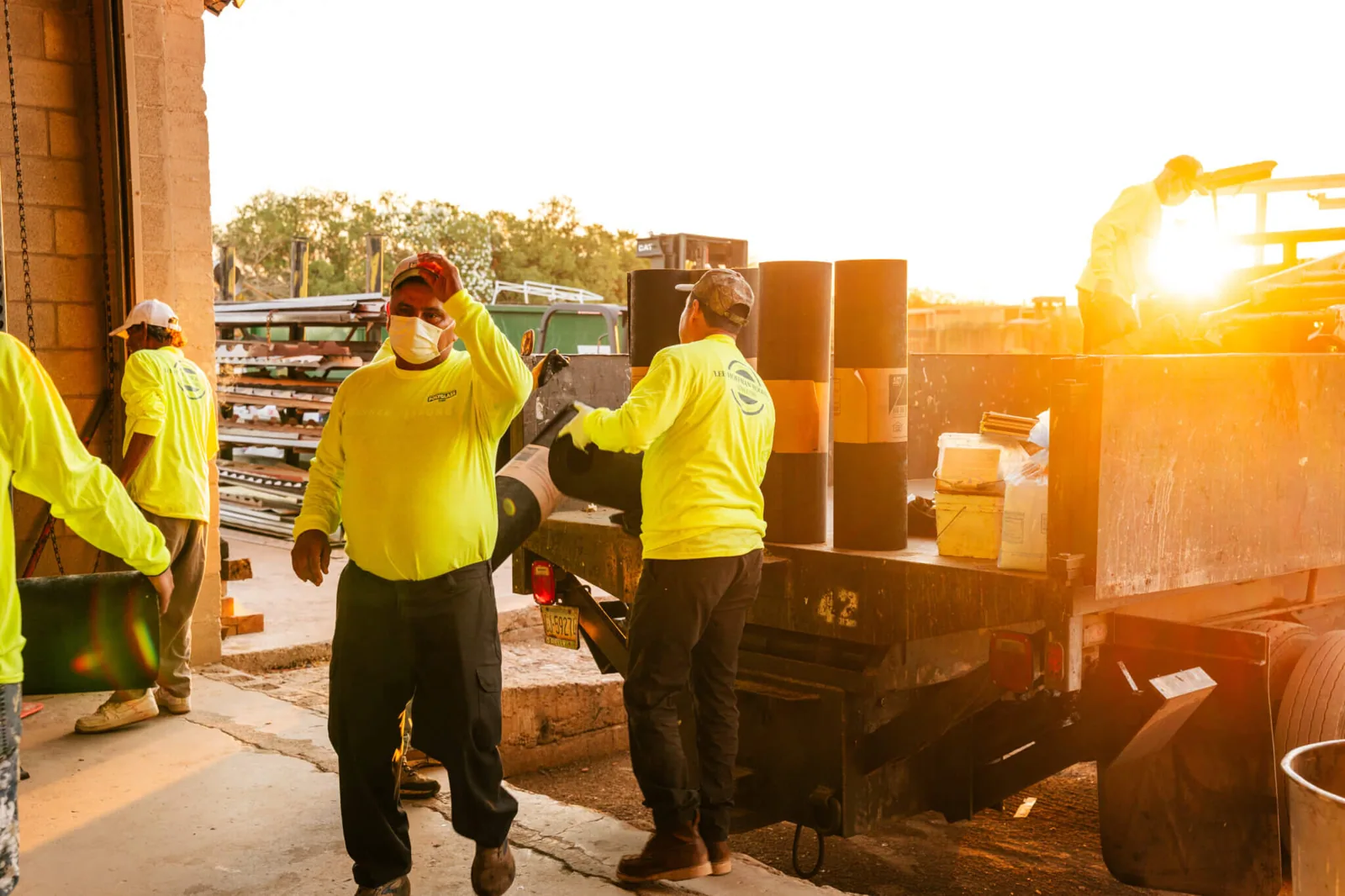
Work Windows Across Costa Mesa
The City's General Plan identifies the Westside, Airport Industrial/Business Park, and Harbor Gateway as its major industrial districts. The Westside includes a mix of smaller manufacturing and service businesses, larger operations, and many multi-tenant structures. That setting can require more than one access approval for a repair in a shared building. We confirm who can open the roof hatch, which tenant area sits below, and whether the repair needs a separate notice or protection plan.
East 17th Street is a commercial corridor with retail, service, and office uses. The property contact can identify delivery periods and customer entrances that should remain clear. We schedule noisy fastening or tear-off to match the approved window. If the repair includes rooftop equipment, a curb flashing scope should identify mechanical coordination separately from roofing labor. This avoids assuming the roofer controls equipment shutdown or access to a tenant's space.
Materials and Tie-In Details
A reliable repair connects to the existing system at a stable edge. We remove loose or failed material to the repair boundary, prepare the surface, and tie the patch into sound membrane or metal. At a curb, the detail may involve the base flashing, corners, counterflashing, and nearby fasteners. At a drain, we check whether the bowl or clamping ring contributes to the leak. The work order describes the components changed, not just the square footage of patch material.
Coating, sealant, and membrane patch are not interchangeable. Sealant can address a defined joint when the detail supports it. A coating may restore a suitable surface after adhesion testing and preparation. A membrane repair needs compatible material and a tested tie-in. For recurring exposure, restoration coating options can be reviewed apart from a local patch. A PVC assembly check helps confirm which seam and flashing method applies to that roof.
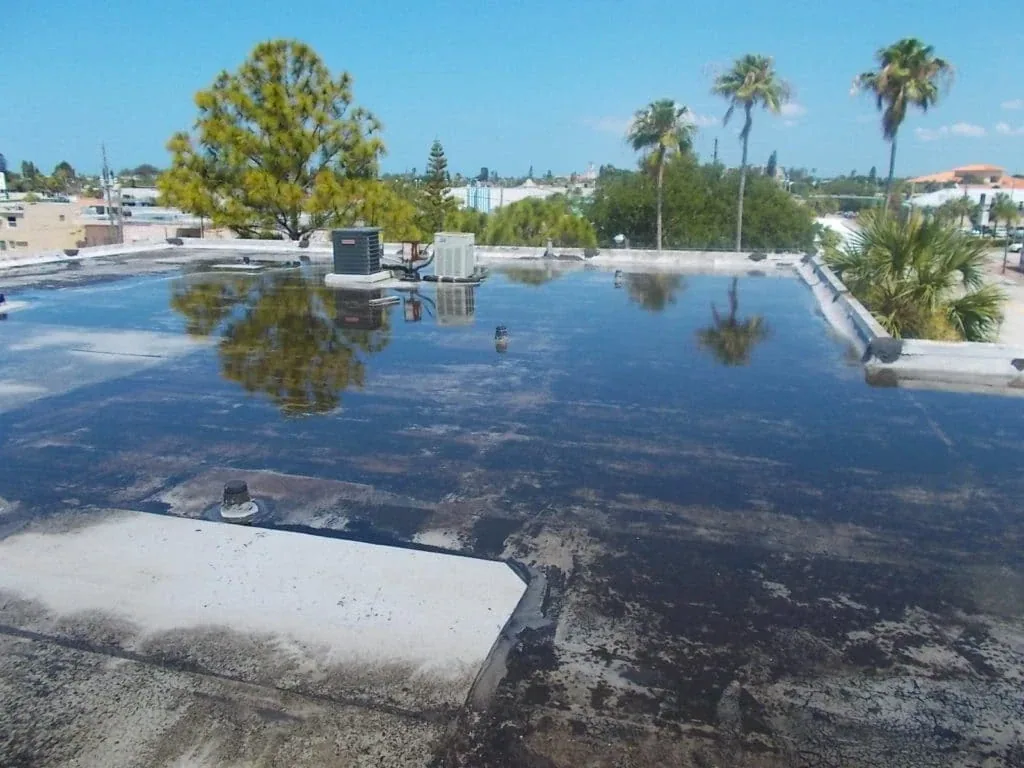
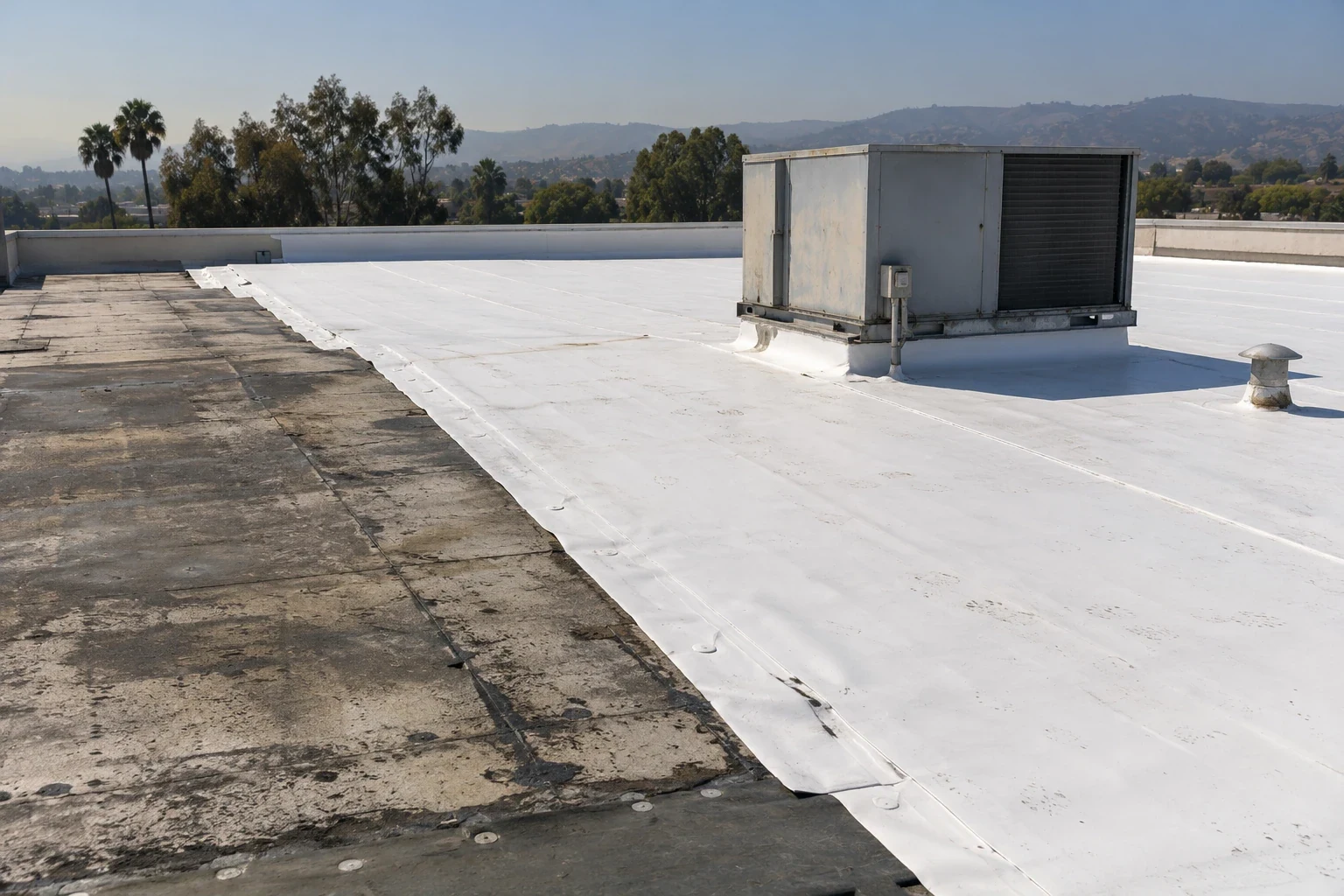
Repair, Monitor, or Replace
One repair does not answer whether the broader roof is serviceable. We note nearby seam condition, surface deterioration, drainage, and earlier repairs. If defects repeat along the same transition, the owner may need testing or a broader scope. A stable, isolated puncture can remain a limited repair. We explain what to monitor and when the next visit should check the same detail. That gives a property manager a useful record without turning every leak call into a replacement recommendation.
Moisture at several test points can change the boundary, especially where insulation is soft or the deck needs review. An infrared moisture survey can identify areas for targeted openings; the scan does not replace field confirmation. If deterioration is broad, a replacement assessment compares the full assembly and drainage plan. We show the condition behind each recommendation so the owner can decide on repair now and capital planning later.
Protection and Close-In
Before cutting a roof, we set temporary protection and a close-in point for the work shift. Materials, weather, and the size of the opening determine how much can be exposed. The crew protects the interior and keeps drains and egress clear. If a repair requires drying or replacing insulation, we do not close it until the substrate is suitable for the new detail. The work plan identifies who receives an update if the observed condition expands beyond the approved boundary.
On occupied buildings, a repair can cross tenant spaces or sit above sensitive equipment. We coordinate roof access and the area below, then record sections that could not be reached. Property staff can revisit a repaired seam or drain after the next weather cycle and compare the location with the original work record before routing the next inspection.

Common Questions
We trace the visible defect, inspect nearby details, and test concealed conditions when they affect the patch. The written scope marks where loose or wet material ends and sound substrate begins. If moisture or deck damage continues beyond the planned opening, we document the condition and get approval before expanding work.
It can when the recurring path is found and the repair reaches sound material. We compare previous patch locations with seams, curbs, drains, and wall transitions. Repeated failure may point to movement, trapped moisture, or a detail that needs rebuilding. The report separates the immediate repair from any follow-up testing.
When an opening confirms wet or damaged insulation, we remove it to a supportable boundary and replace the affected assembly under the approved scope. The amount cannot be set from an interior stain alone. We photograph the opening, record the layers, and ask the owner to approve any area outside the original allowance.
Usually, when access, protection, and the daily close-in plan fit the building. We coordinate roof entry, tenant notices, deliveries, and any mechanical restrictions. A section above sensitive operations may need a separate window. We confirm those limits before removal instead of setting a schedule around an assumed open roof.
Keep the location map, before-and-after photographs, materials used, and the repair boundary together. We note any concealed condition, untested area, and follow-up check that affects the next visit. That record helps staff distinguish a completed repair from a nearby detail that still needs monitoring or investigation.
Related Roofing Work


Map the Repair Area
Send the property address, leak location, prior repair notes, and access rules. We will walk the roof, identify the defect boundary, and describe any testing needed before the repair is closed.