Property Types We Roof in Costa Mesa, CA
The roof of a warehouse and the roof over a restaurant can differ in equipment, access and operating constraints even when both are low-slope. Costa Mesa’s planning documents identify commercial corridors and industrial districts, including East 17th Street and the Westside. Those descriptions help frame questions; they do not establish a subject building’s current use. Our property-type work begins with the owner’s operations and the actual roof conditions.
Property Types We Roof
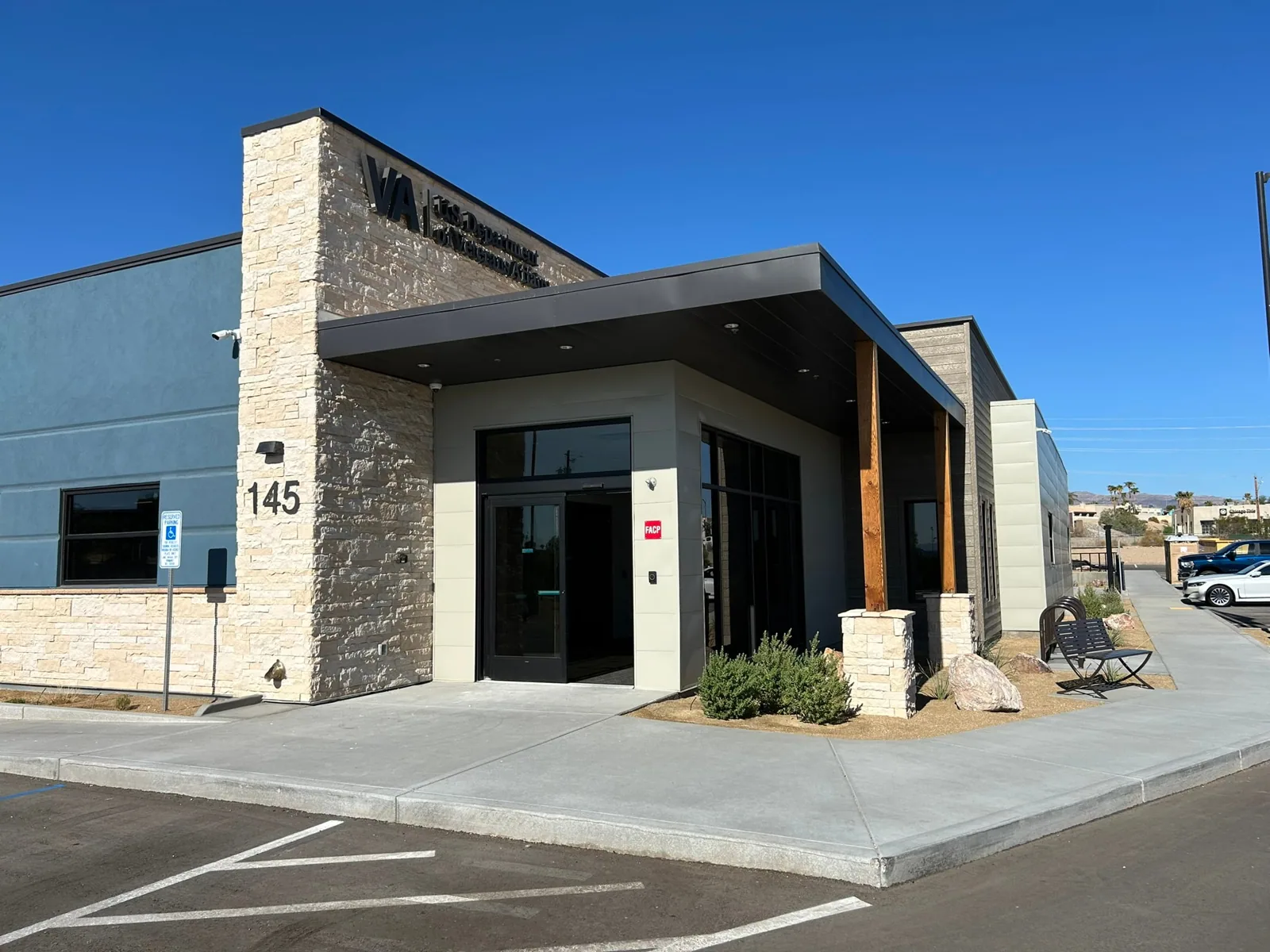
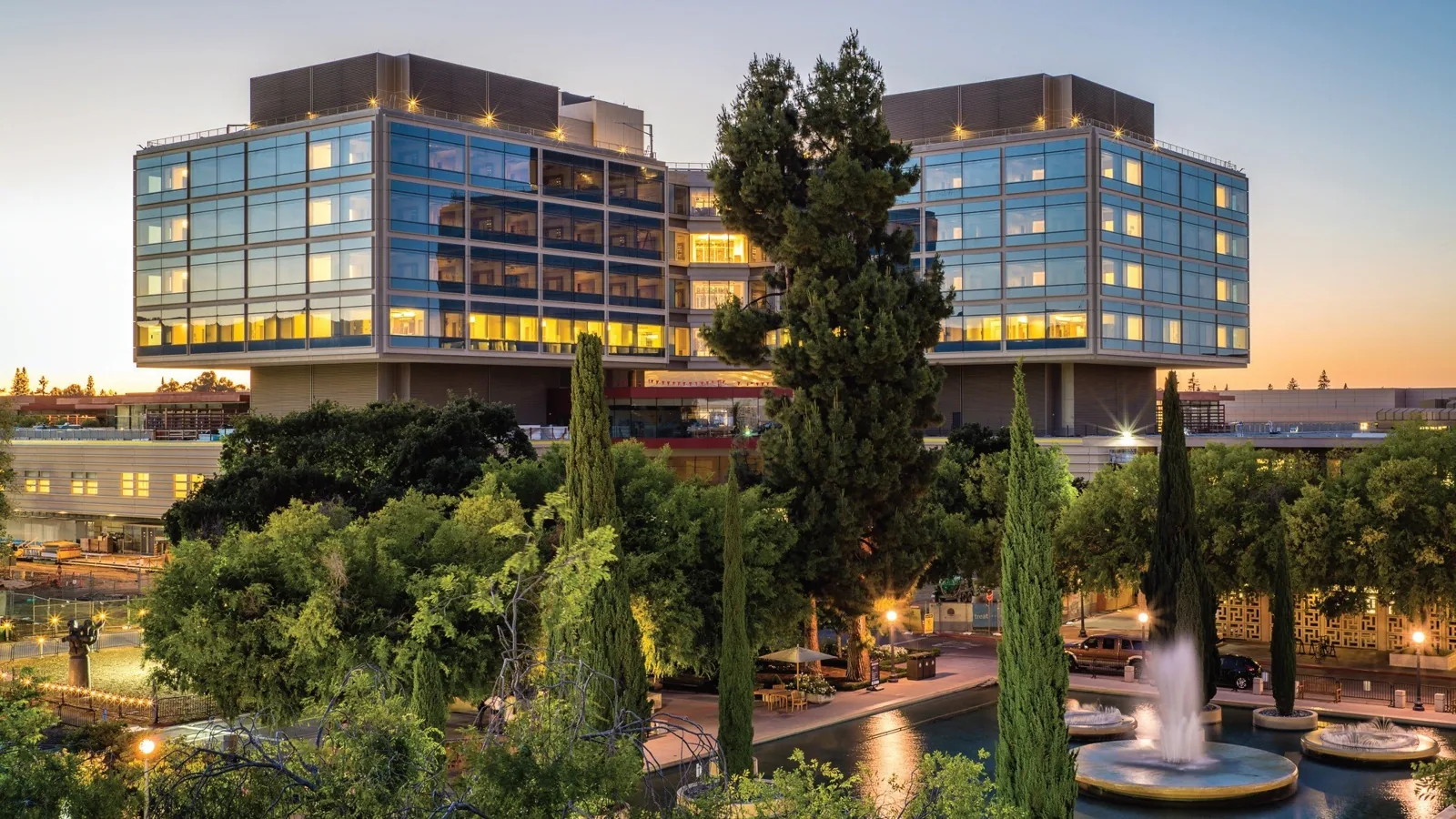
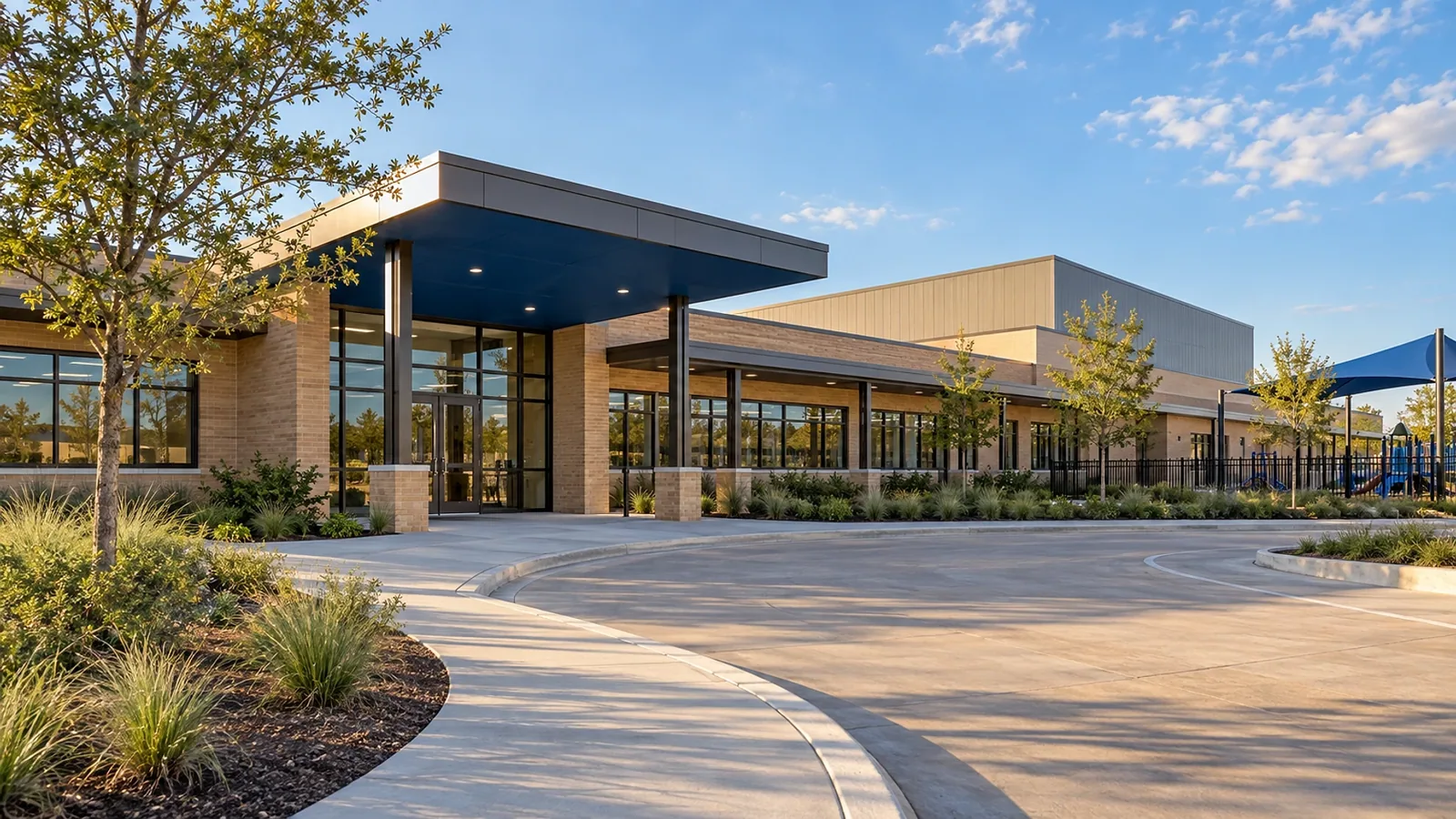
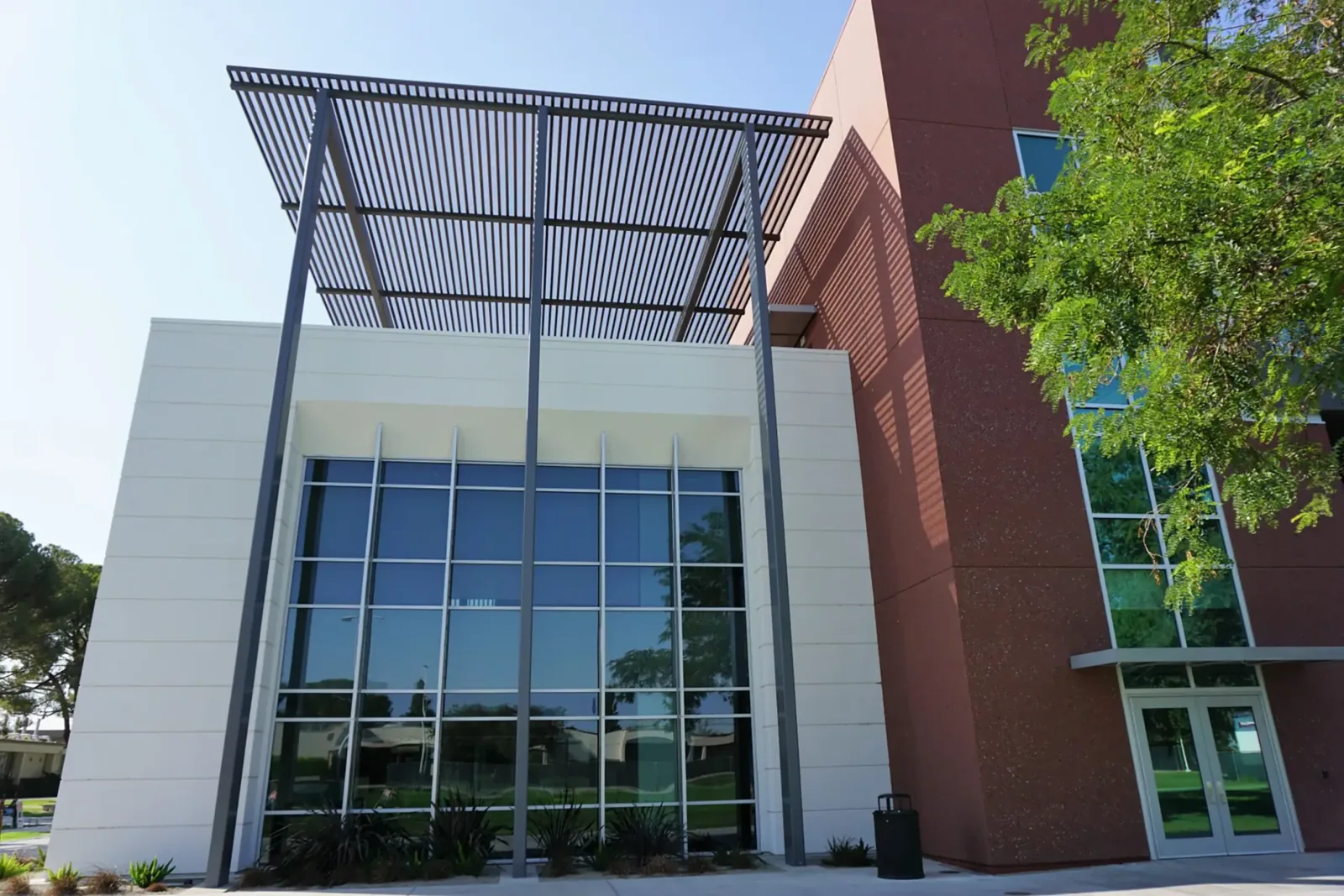
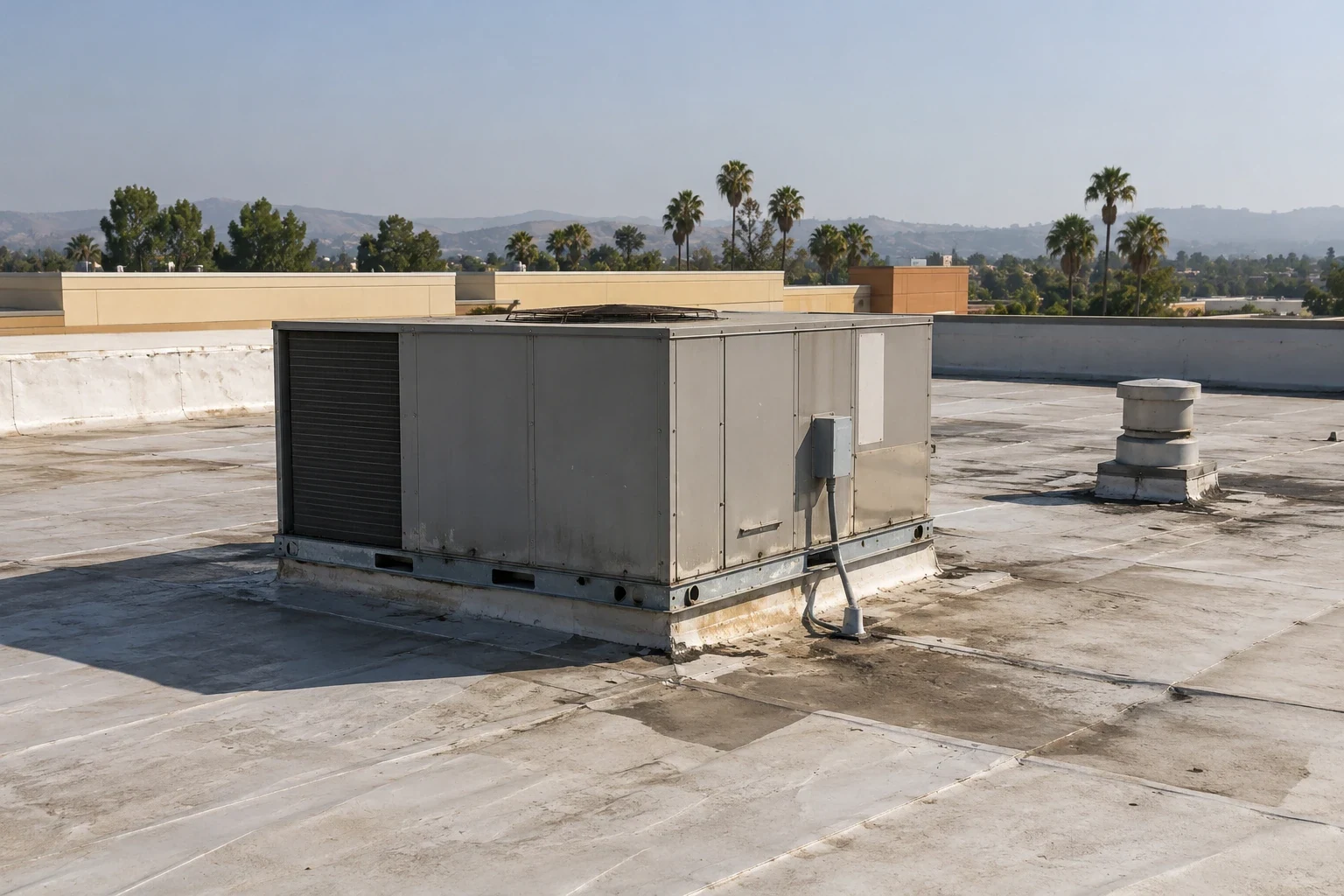
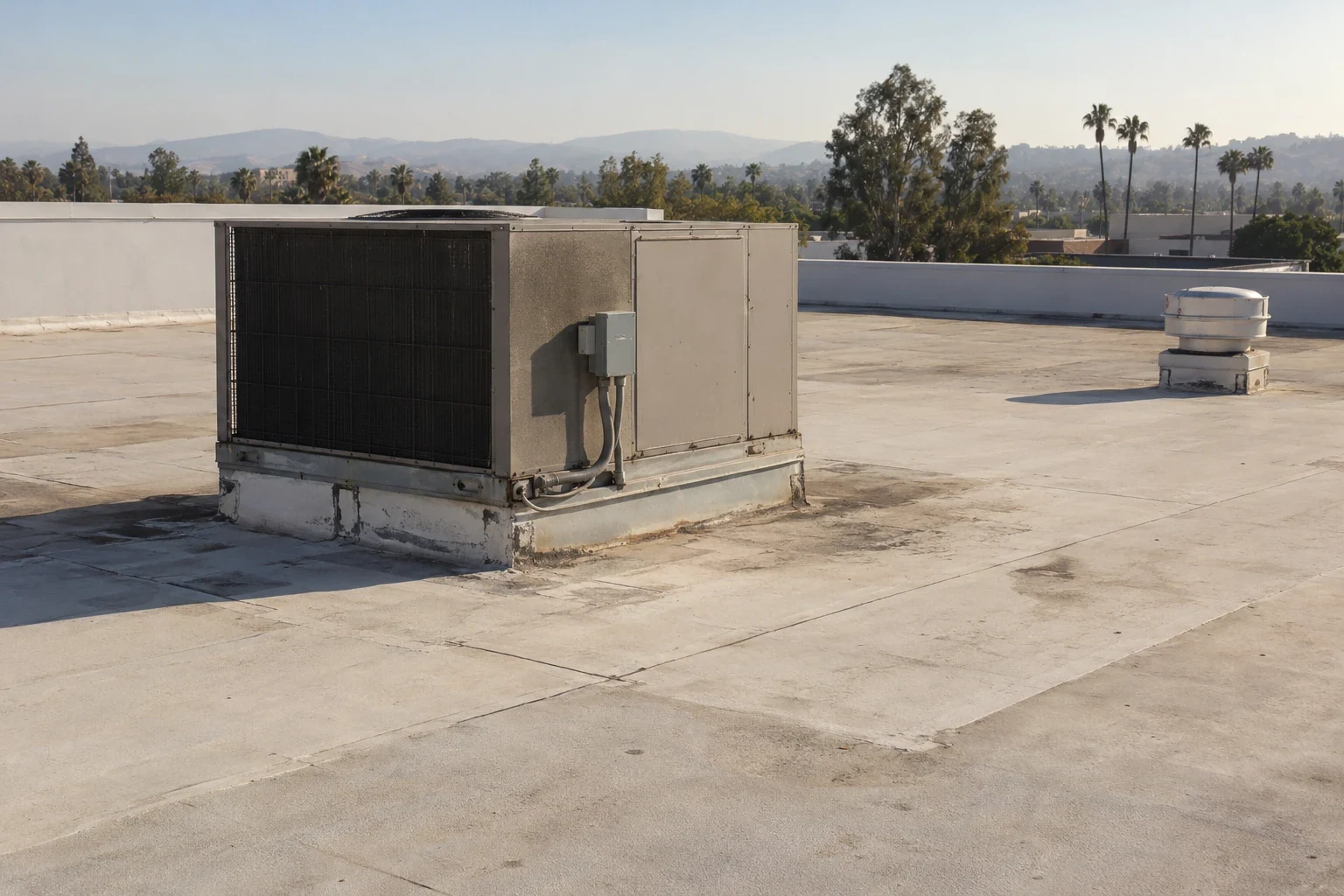
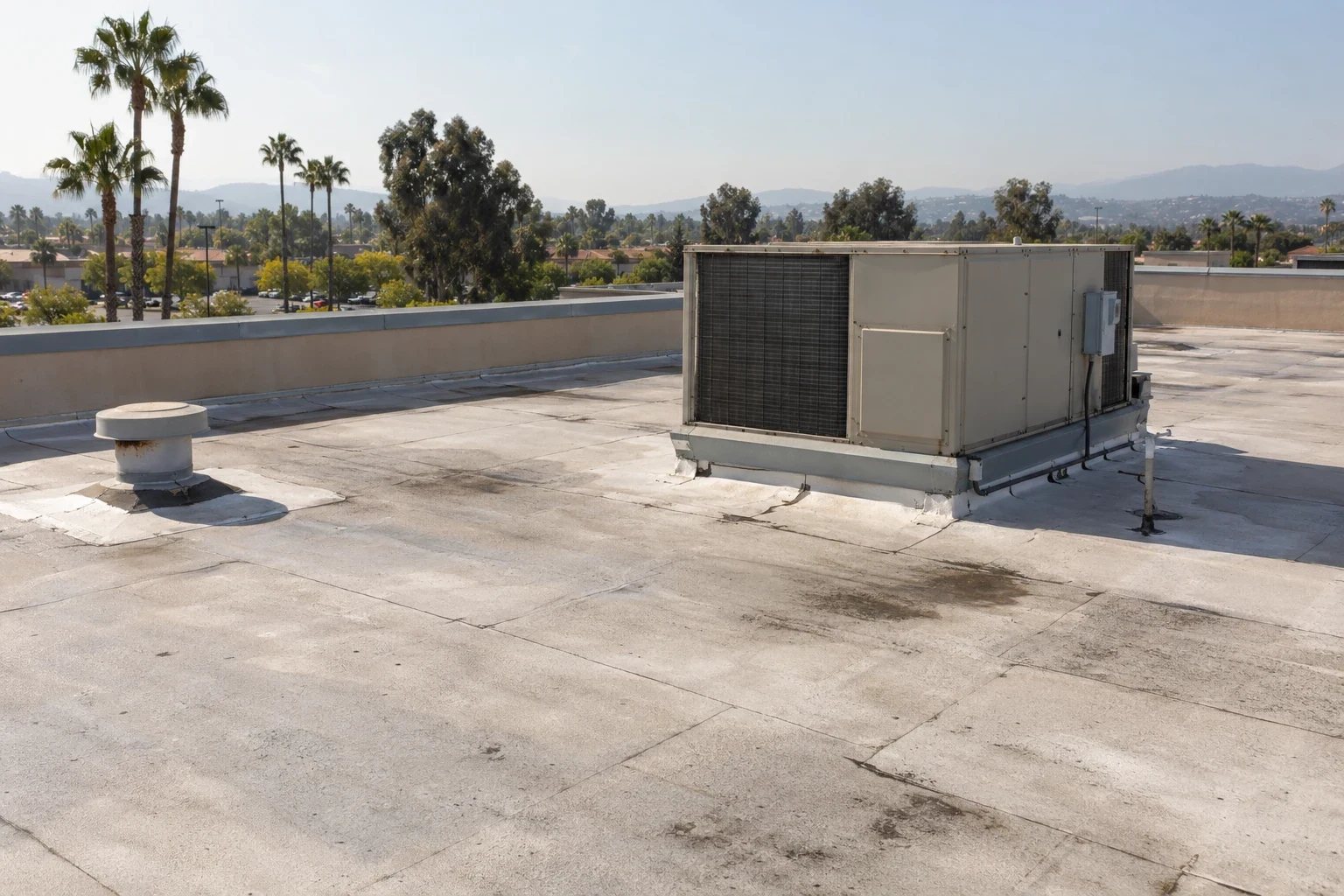
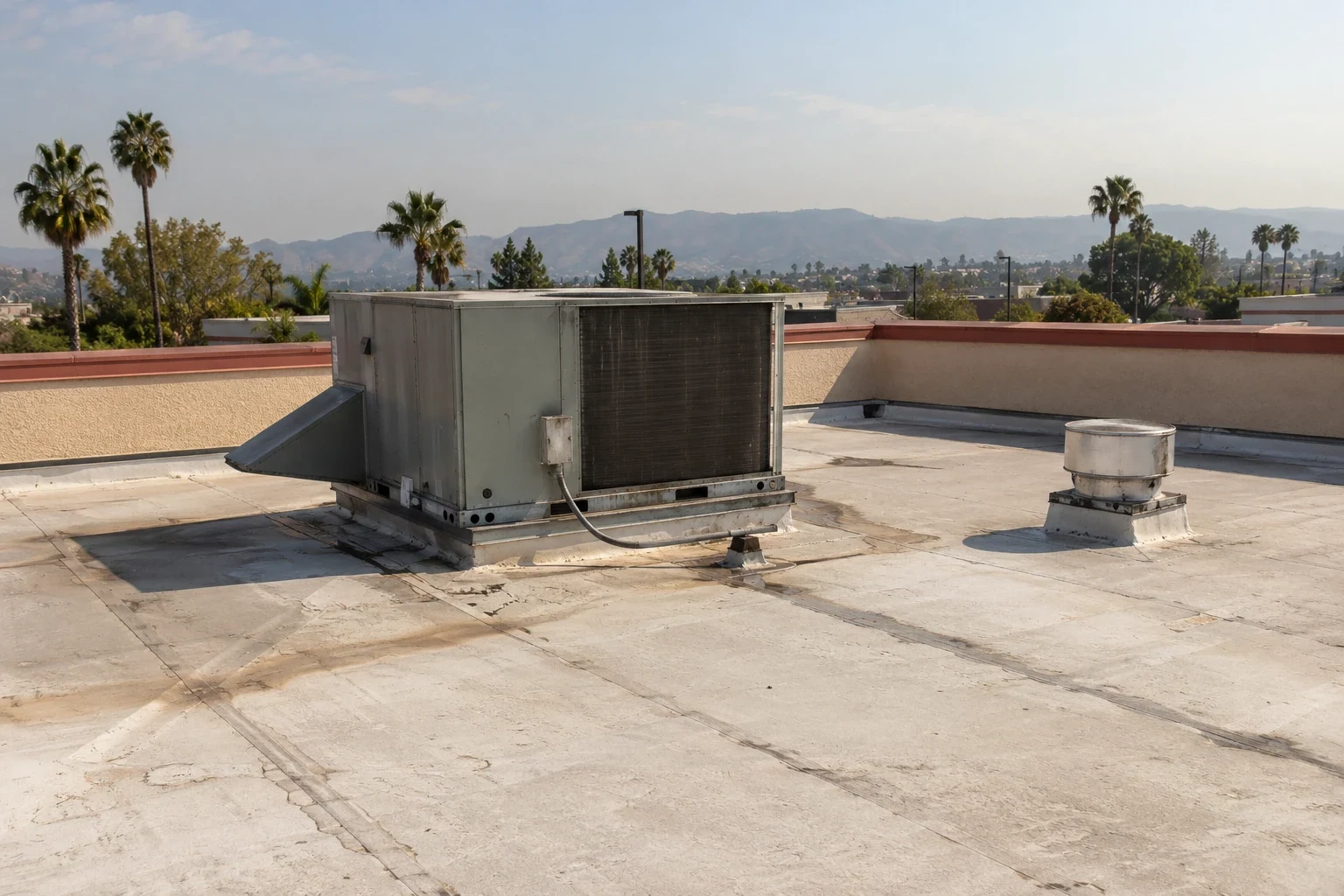
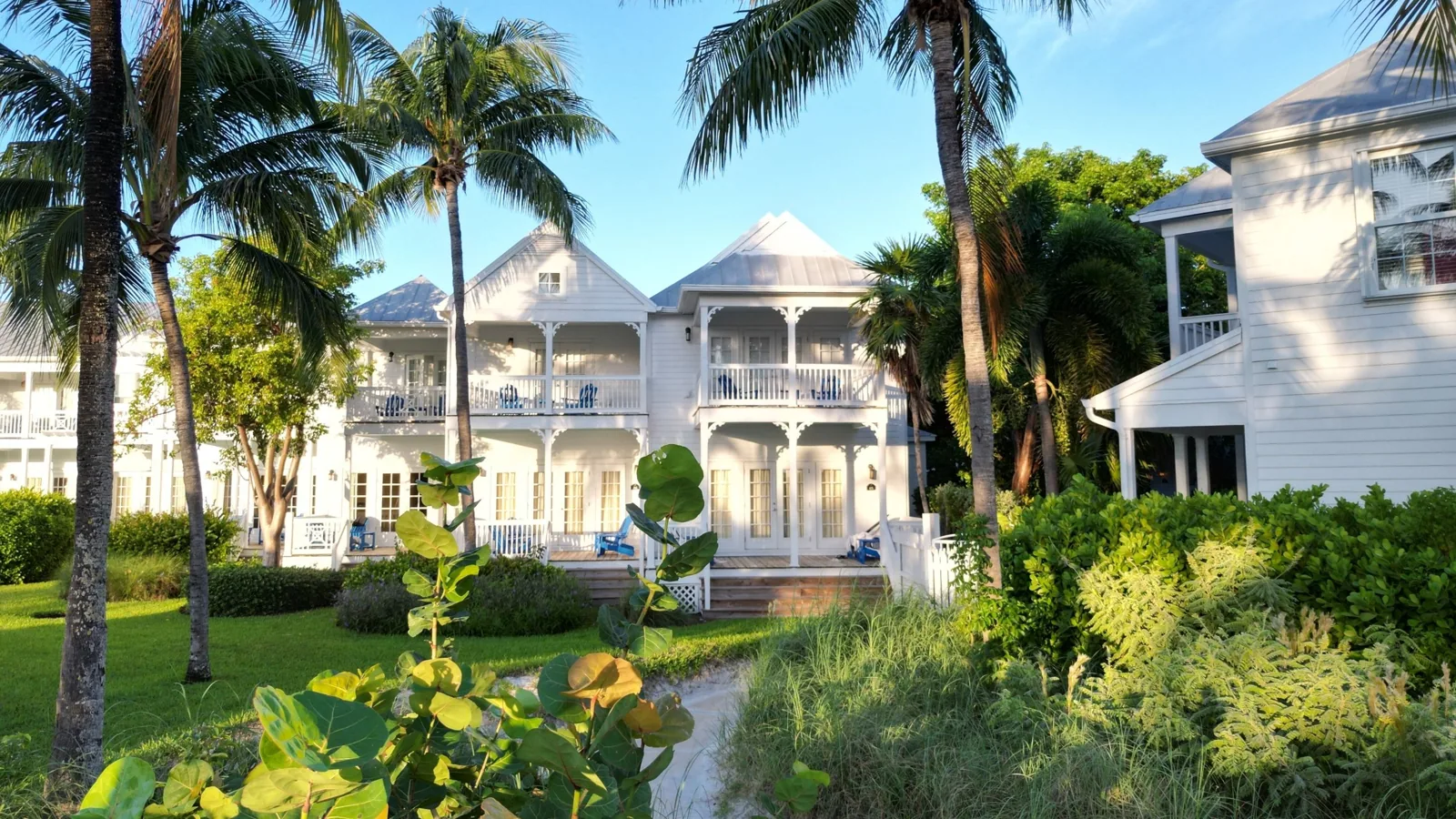
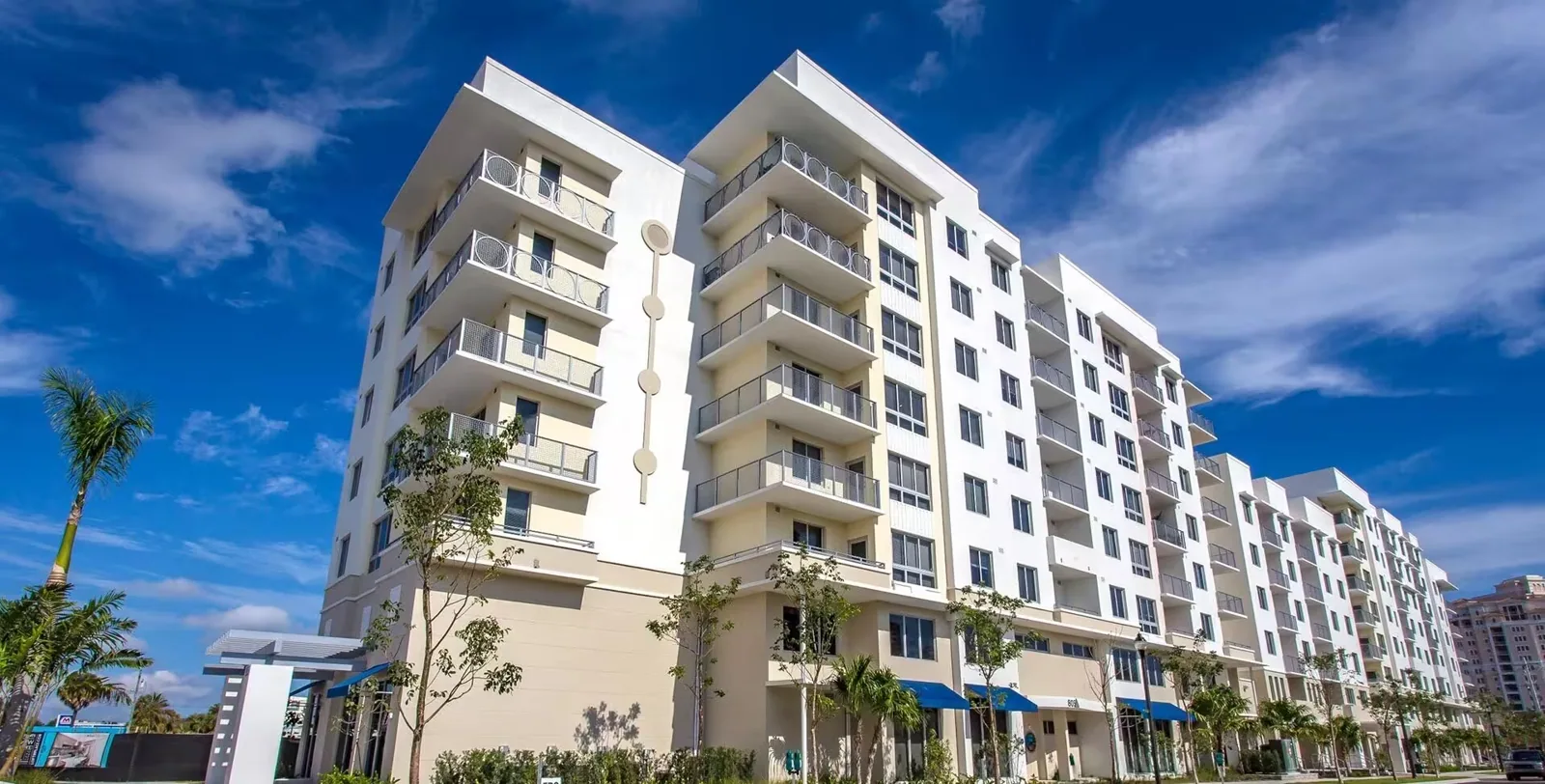
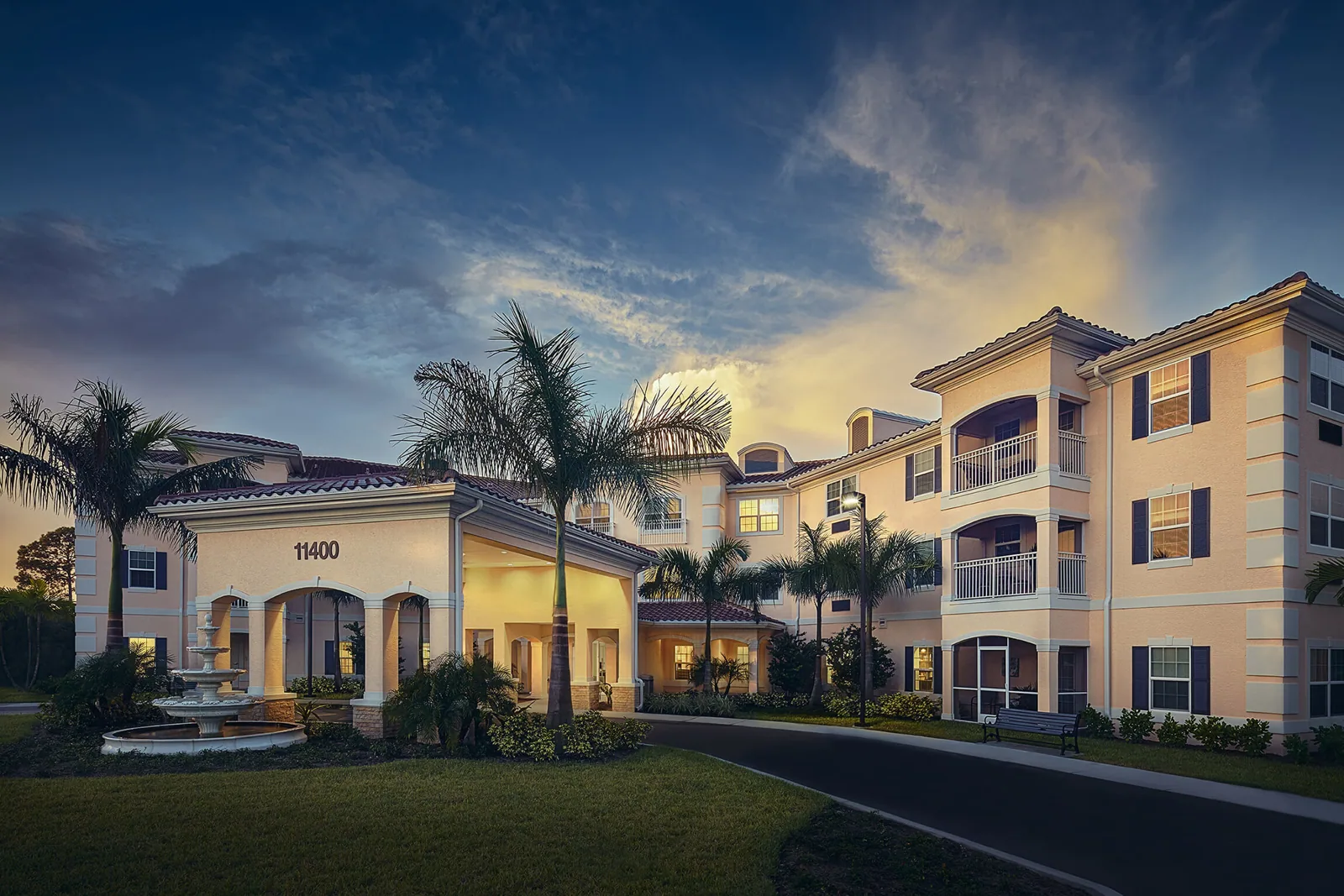
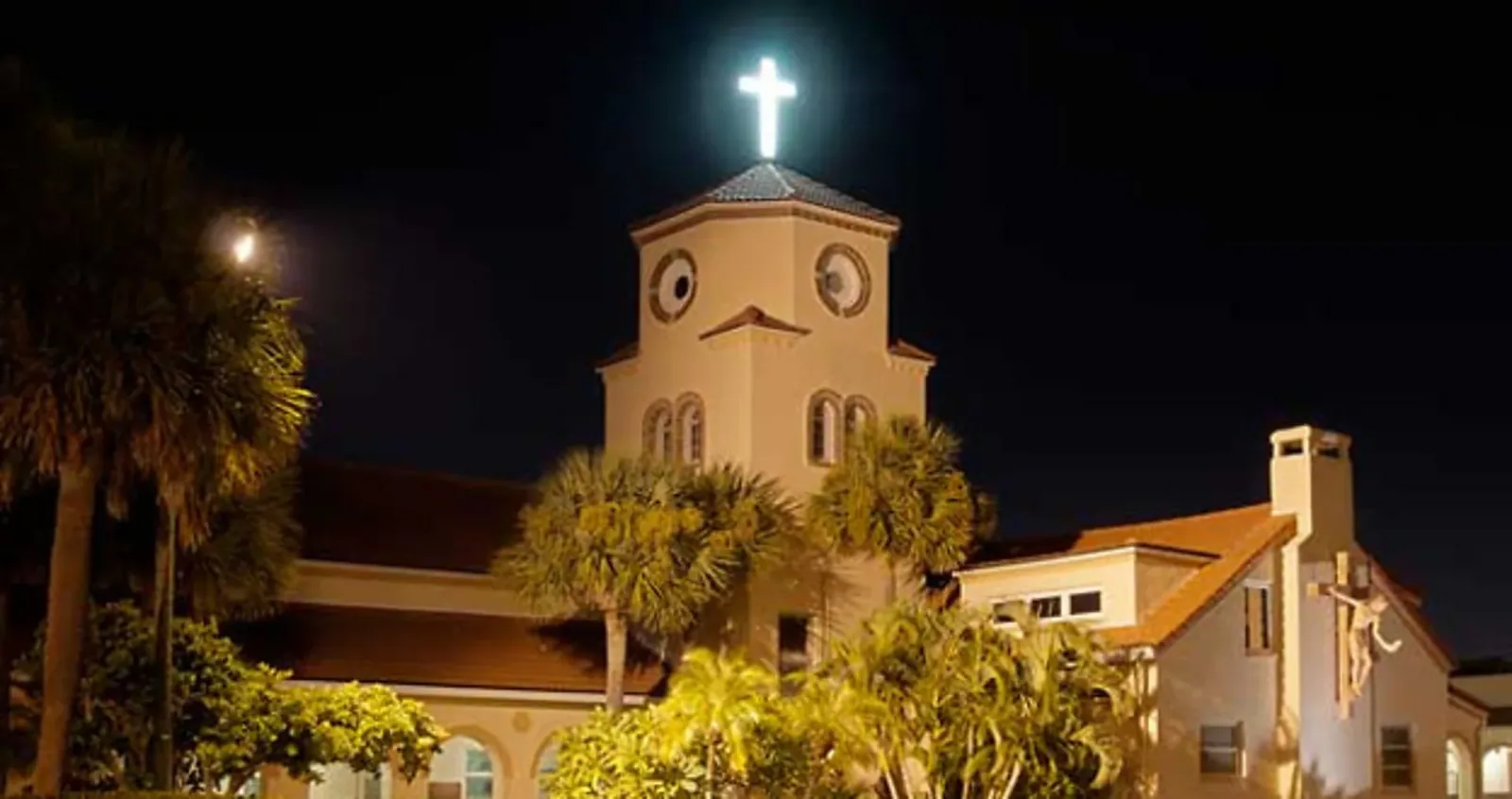
More About Property Types We Roof
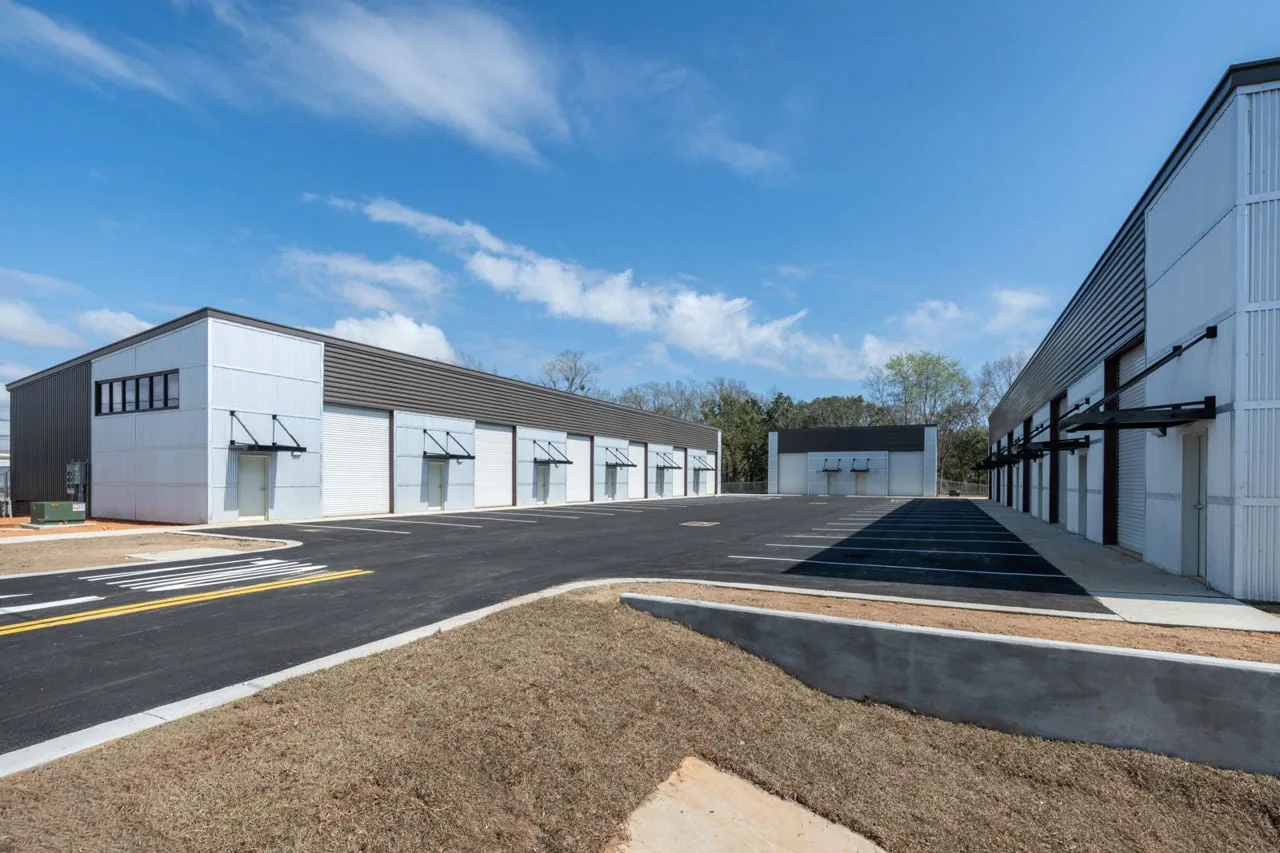
Industrial and distribution buildings
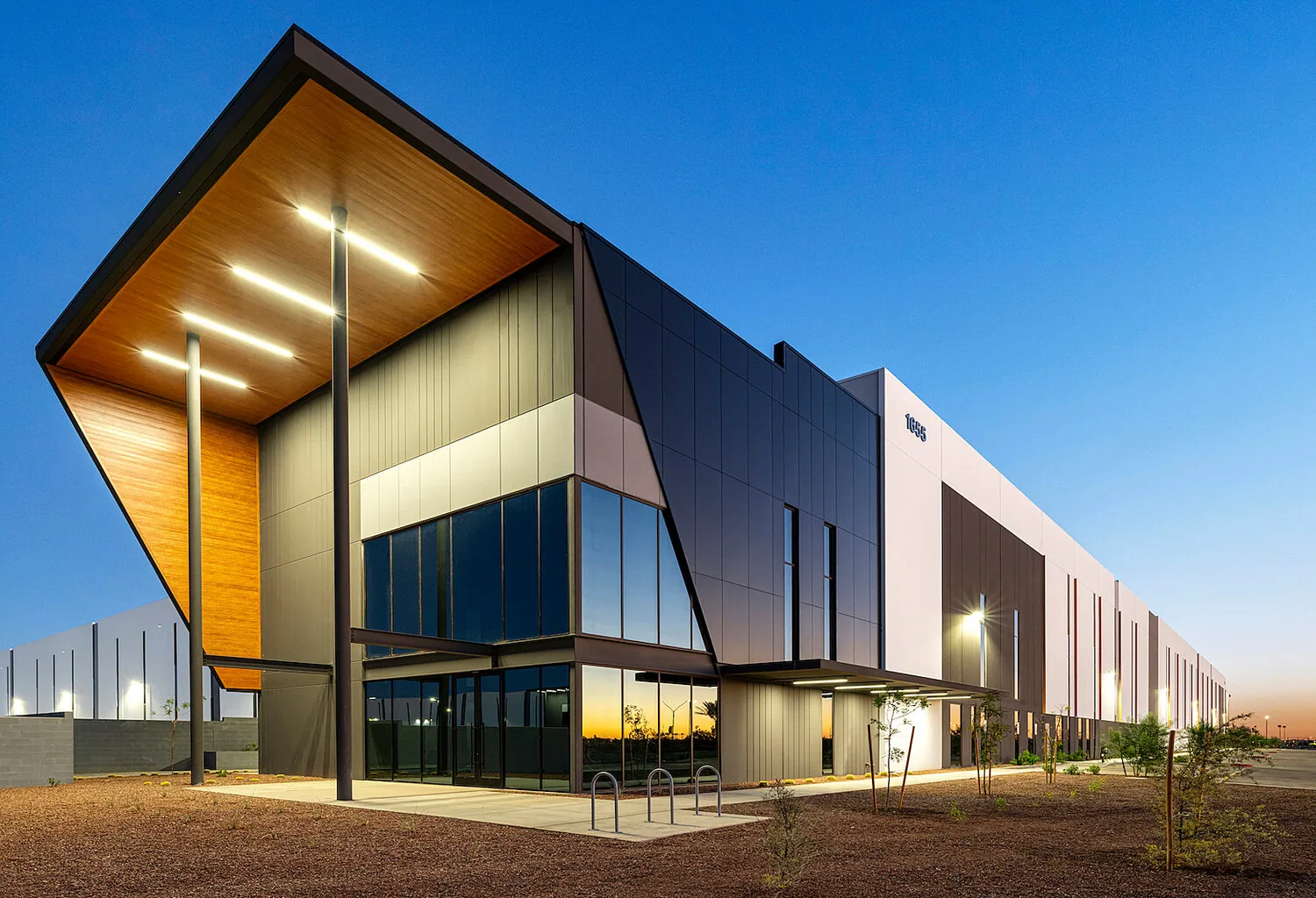
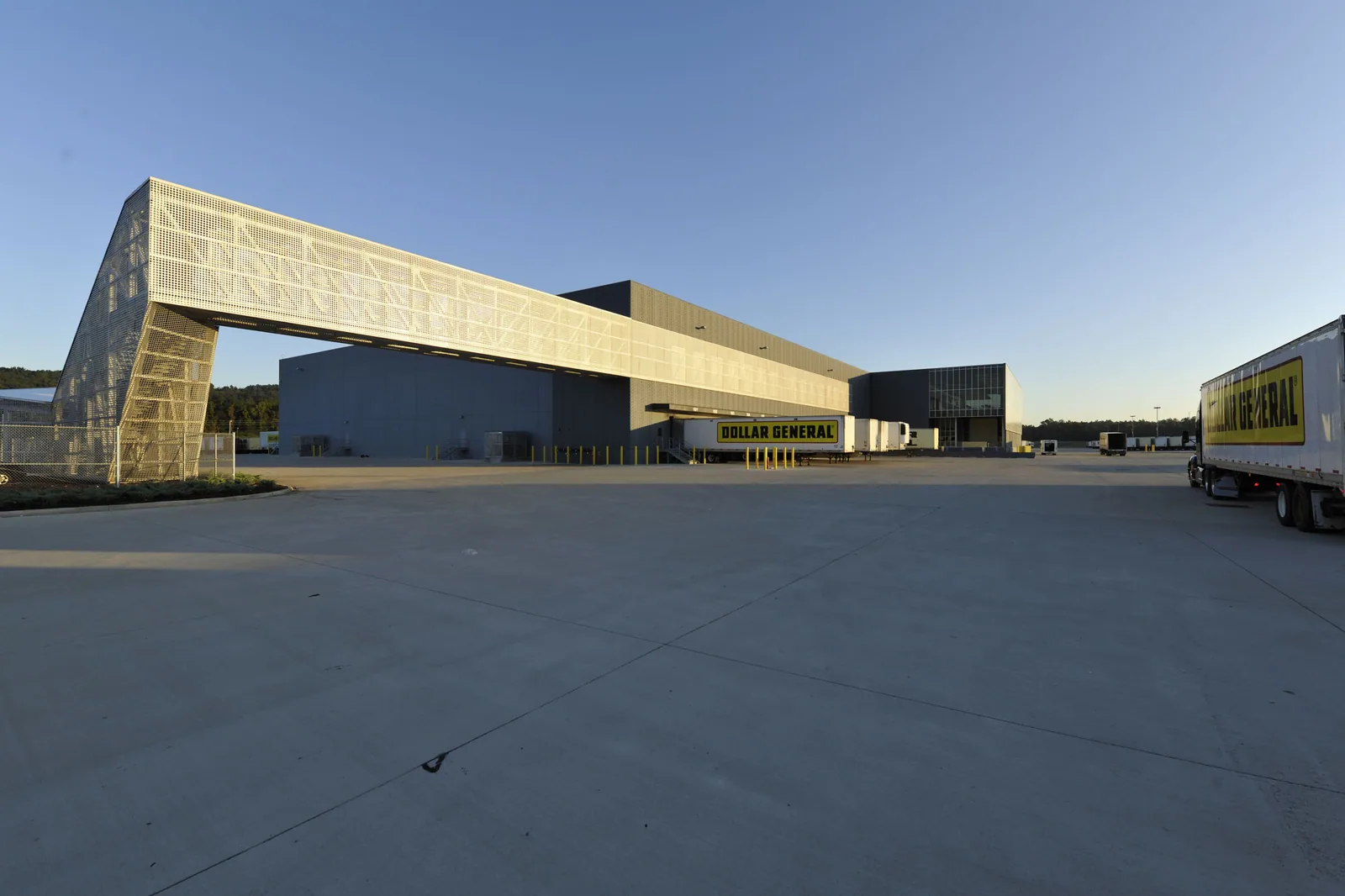
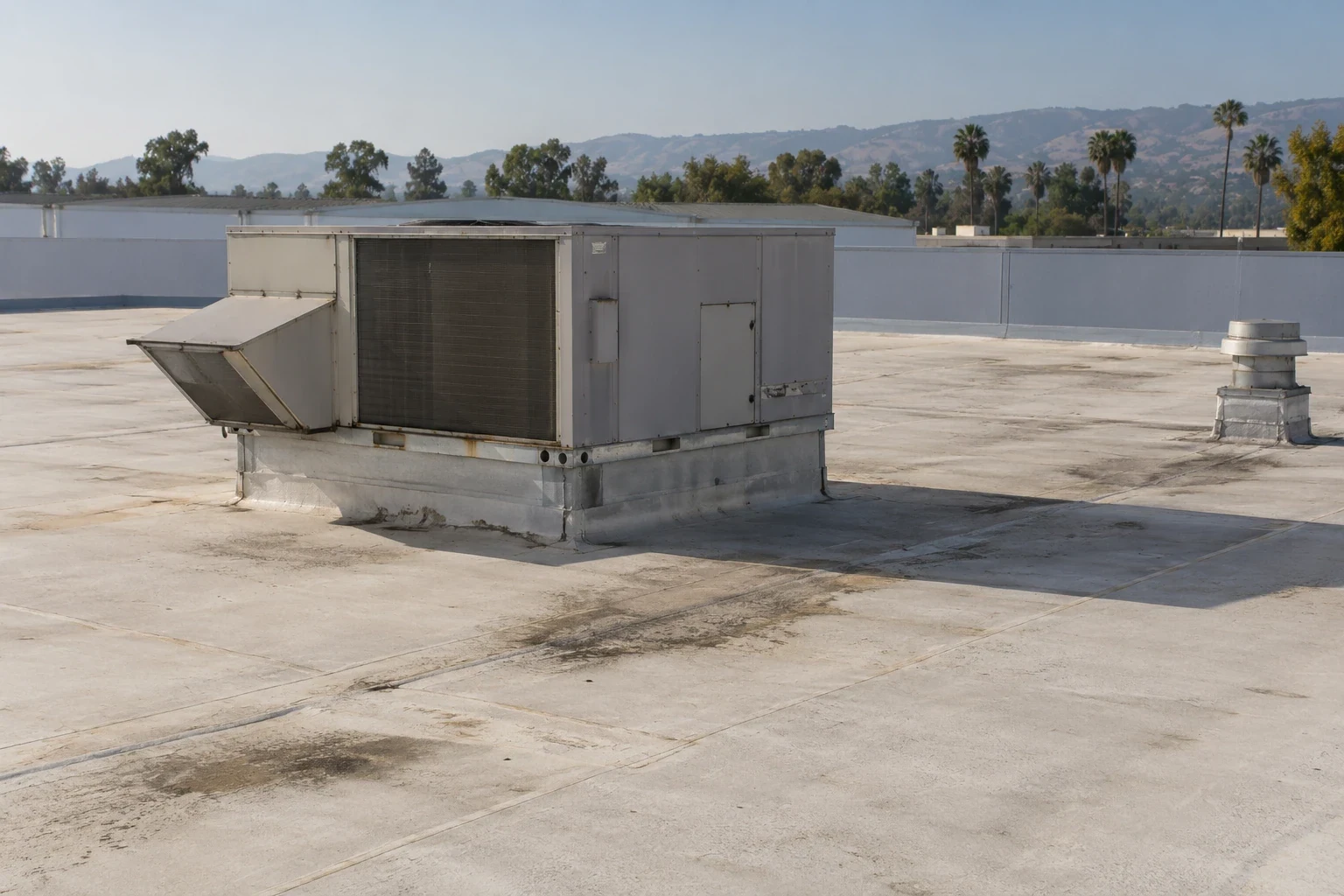
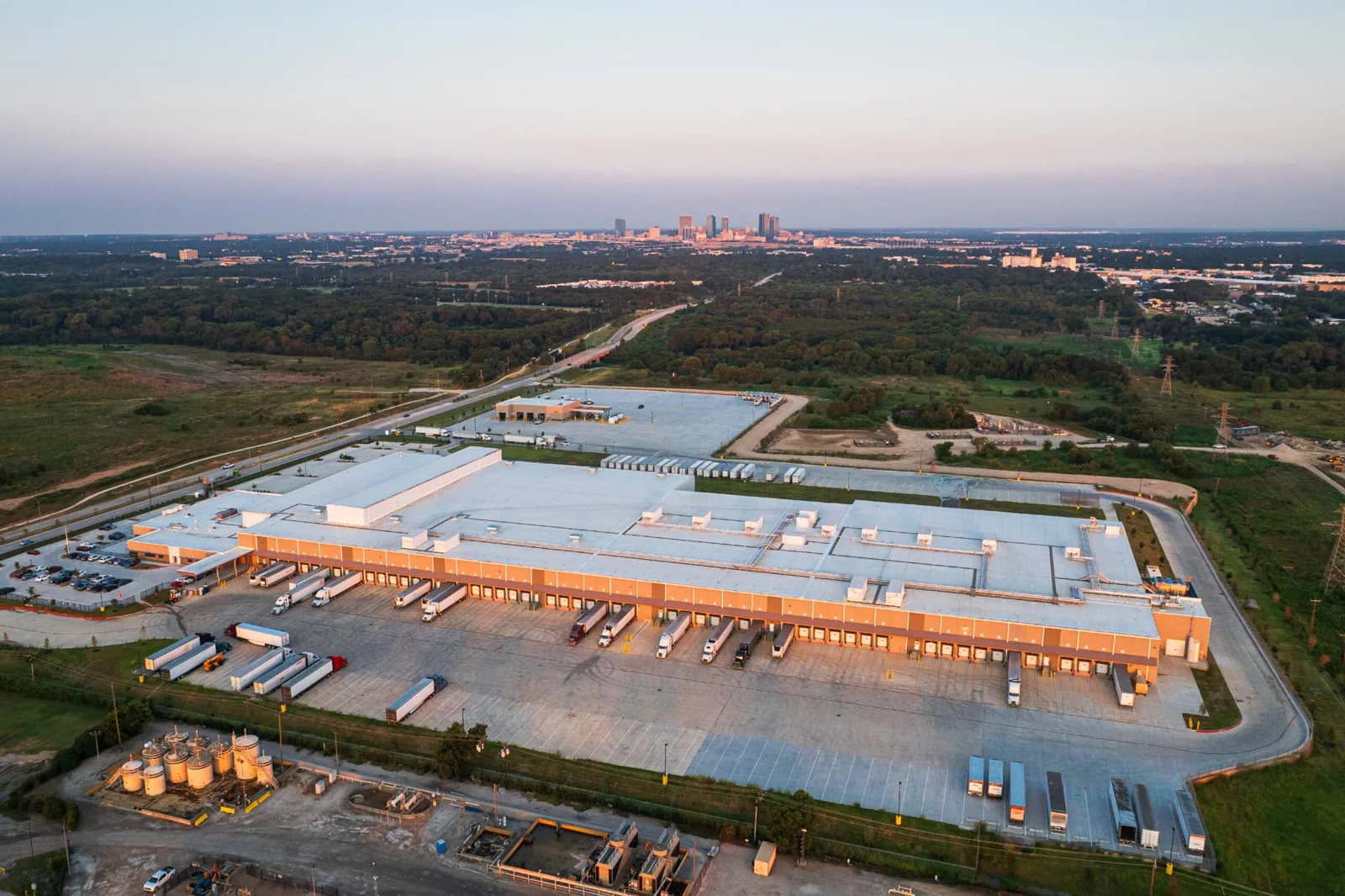
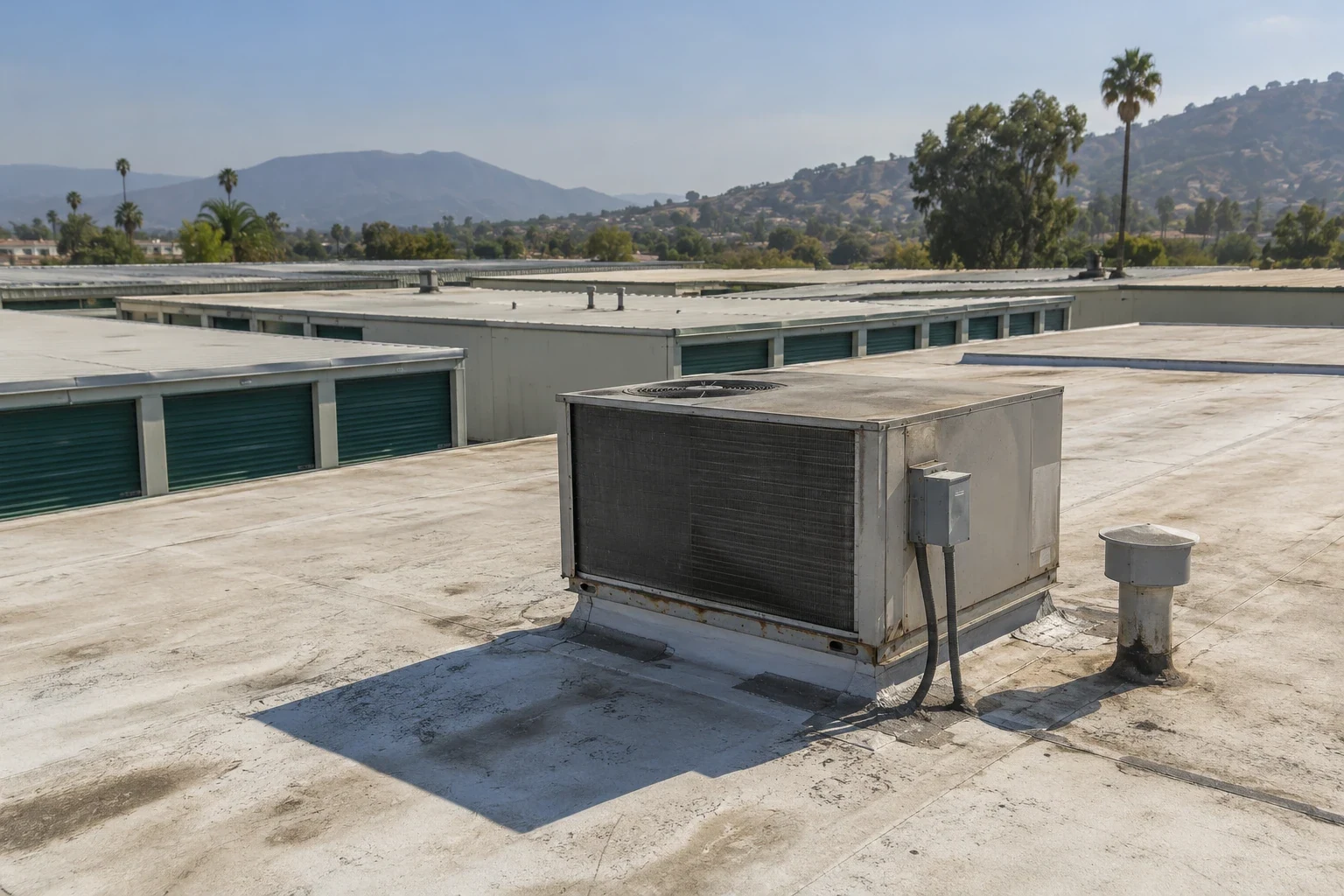
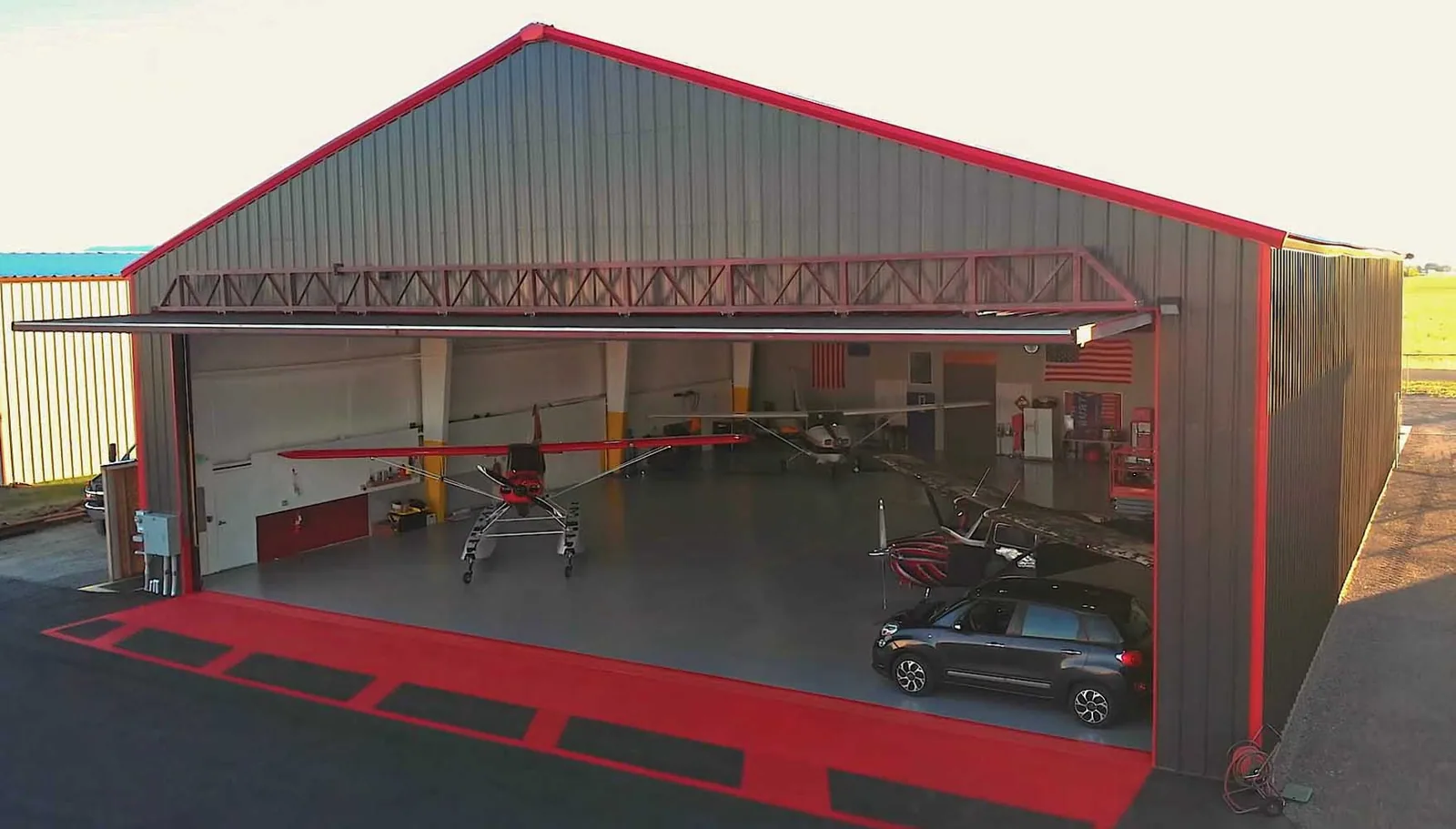
A warehouse roof may carry extensive rooftop equipment, while a distribution center adds loading and circulation constraints. Manufacturing properties may need equipment coordination and shift-aware access. We confirm the specific operation and roof assembly rather than generalize from a zoning label.
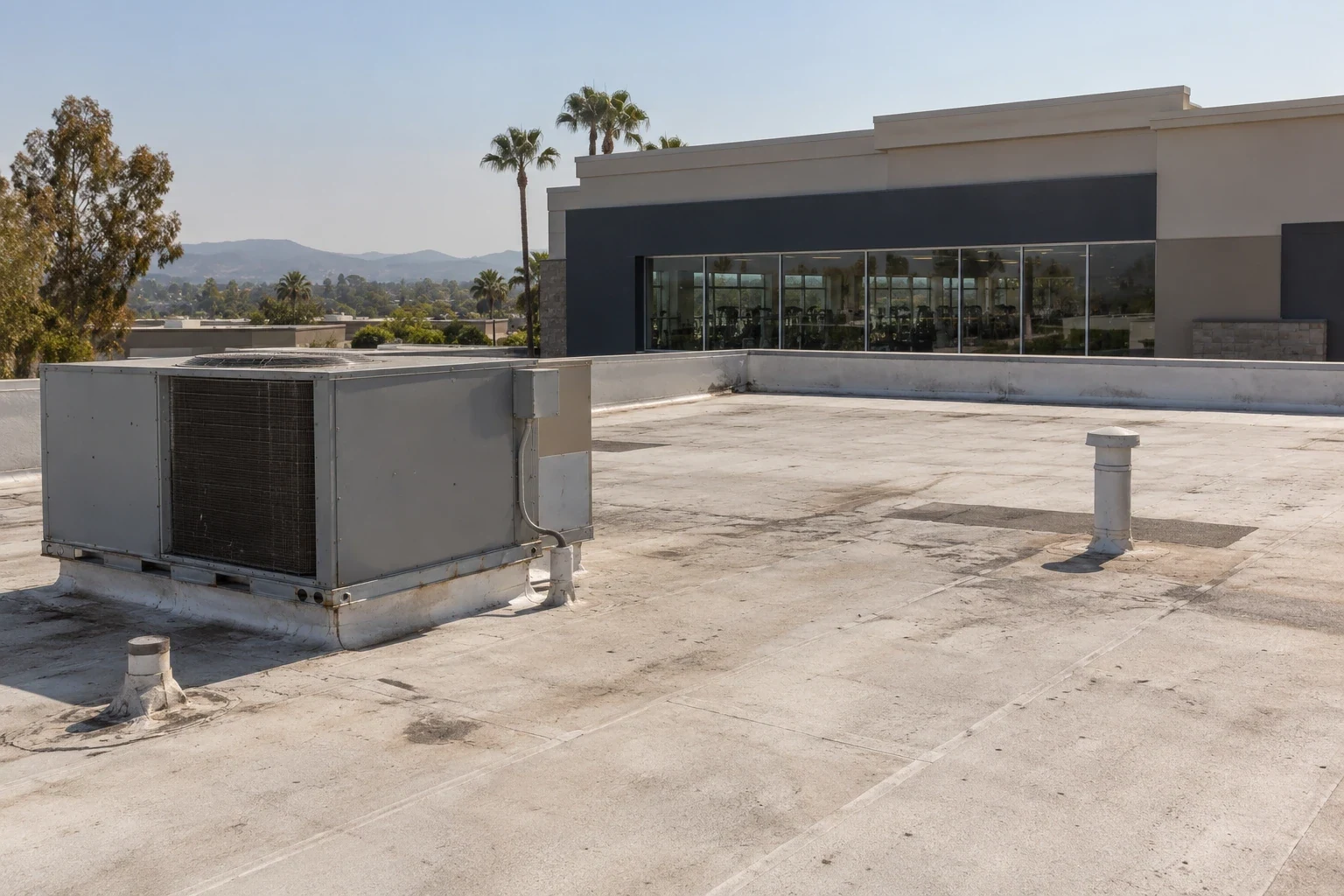
Office and healthcare settings
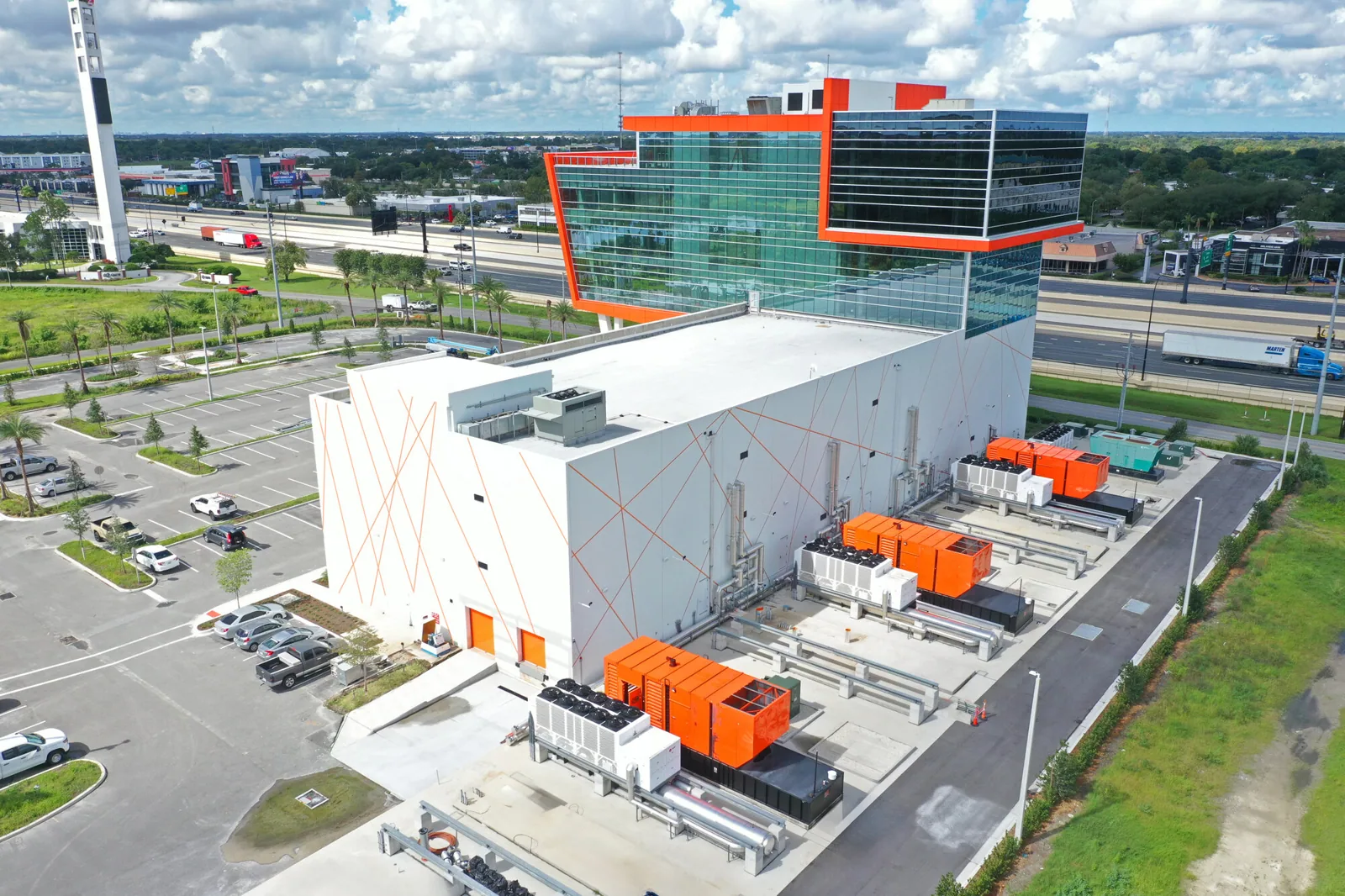
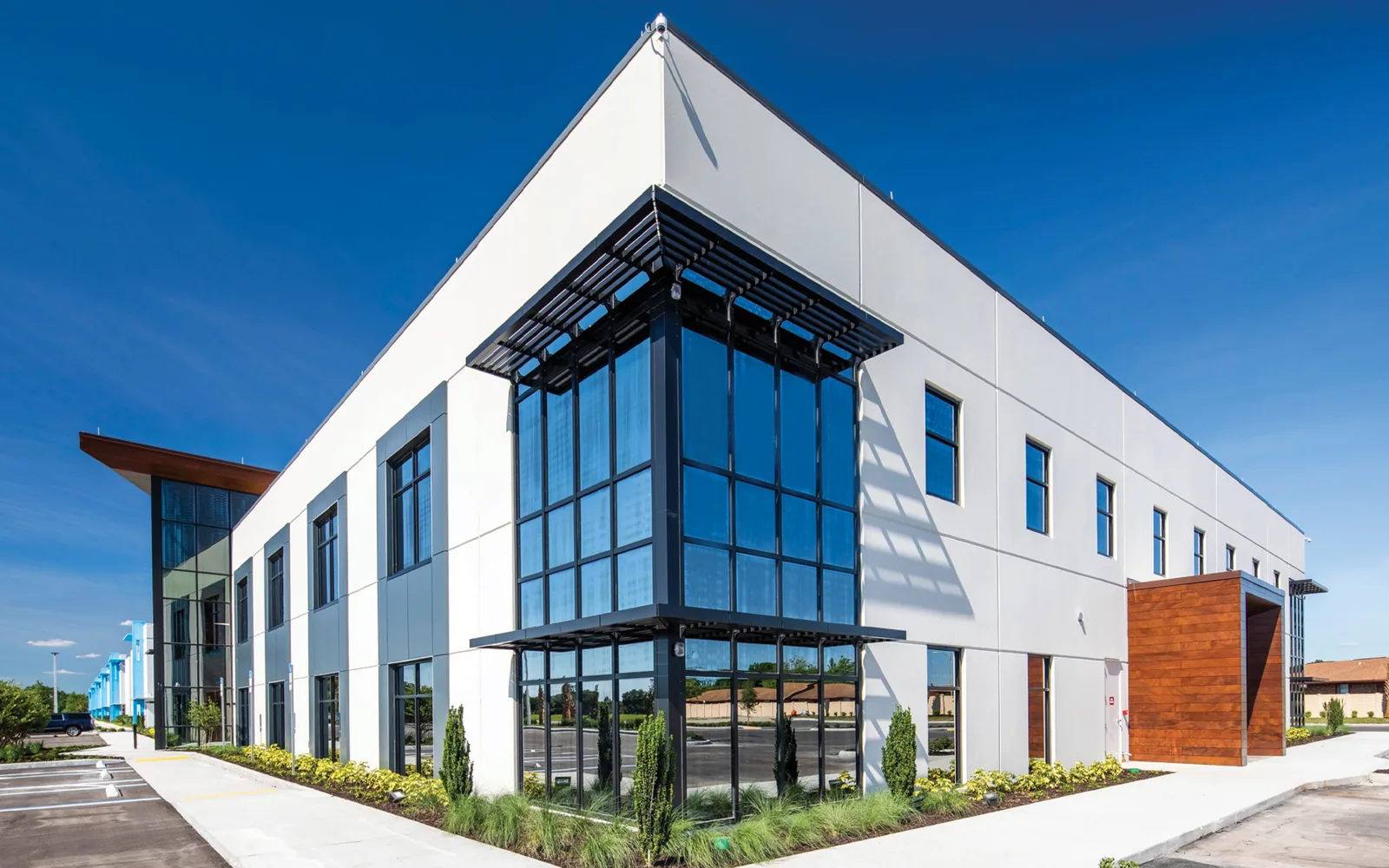
Office buildings and medical spaces can require controlled entry, notice and protection below active work. A commercial office scope accounts for the actual tenant schedule. Medical office roofing should identify sensitive areas, equipment and any access restrictions supplied by the owner.
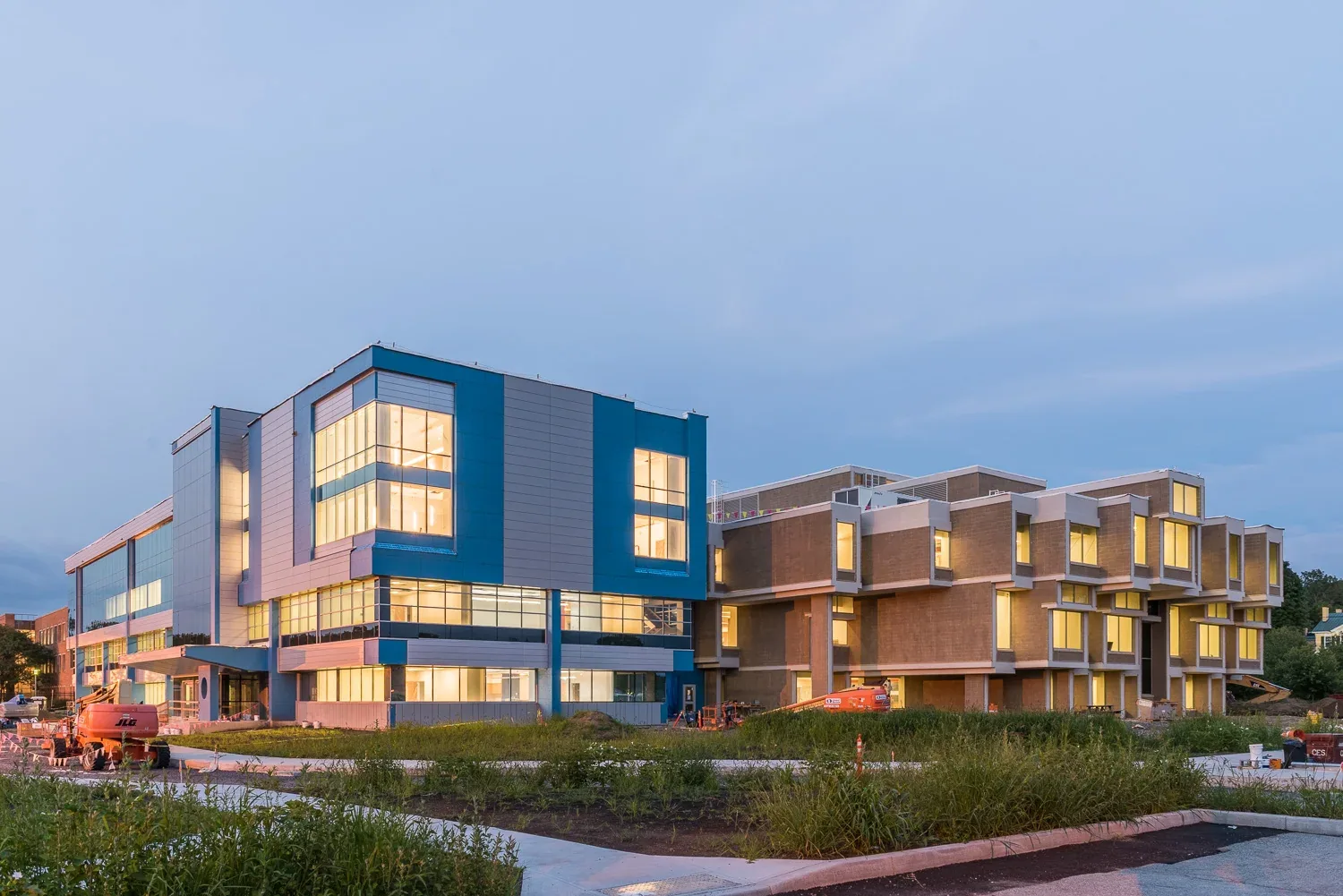
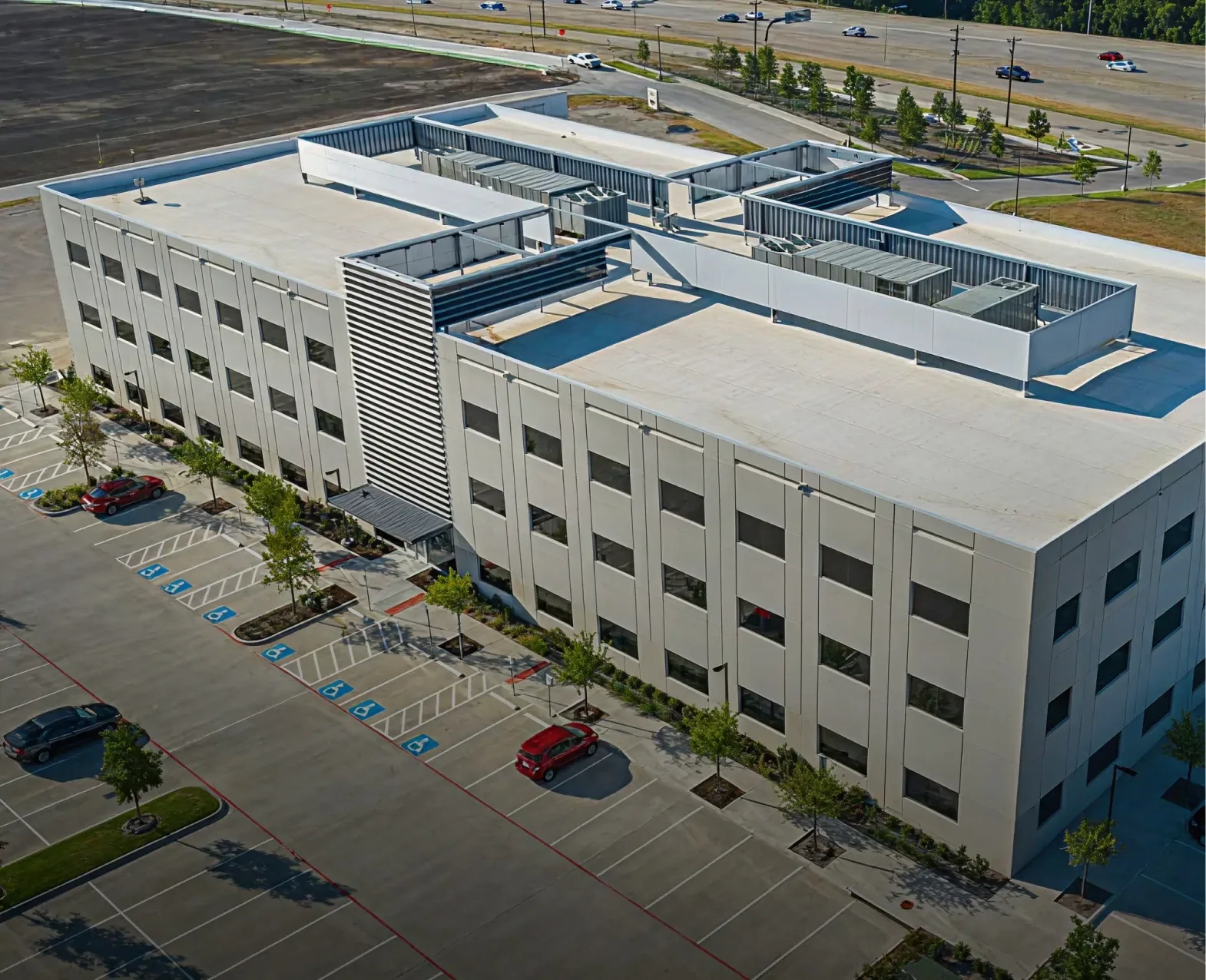
Education and civic buildings
Schools, colleges and public buildings can have narrow work windows, security procedures and occupant routes to preserve. A school roof plan differs from a government facility because each owner supplies separate access and operating requirements. We record those controls and the roof zone released.
Retail, food and hospitality
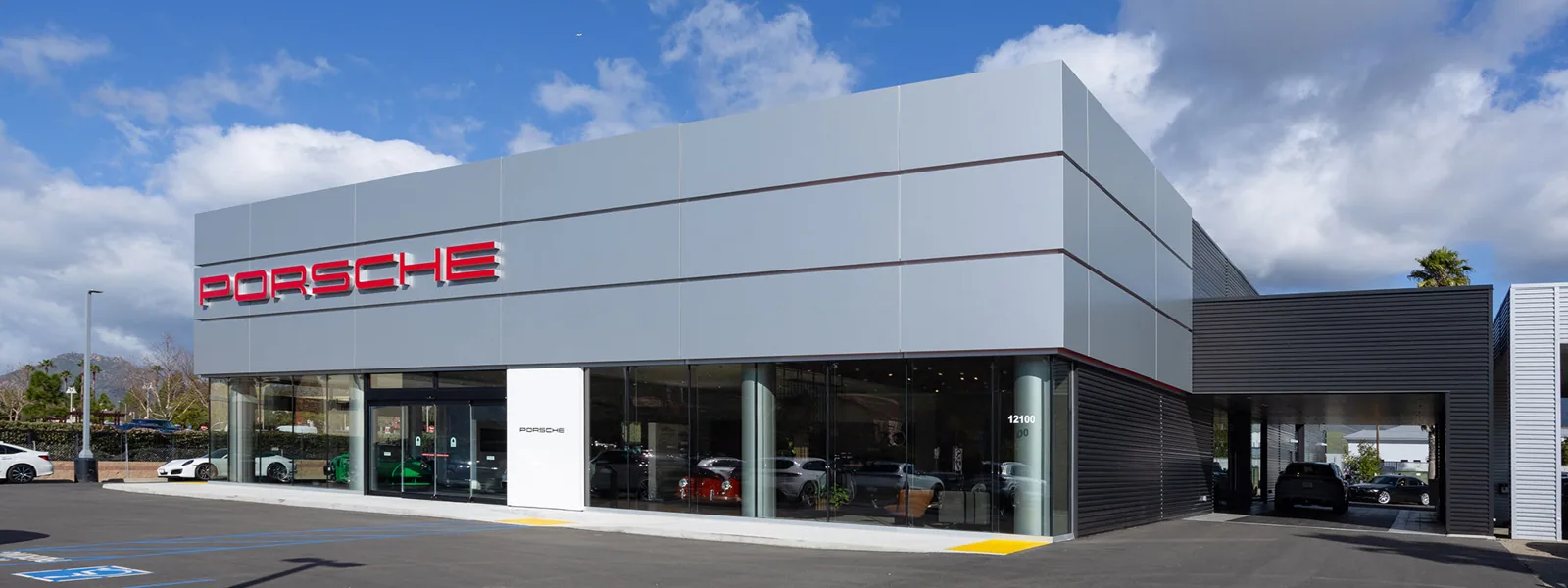
Retail and restaurant roofs can include exhaust, refrigeration and frequent service traffic. Shopping centers, grocery buildings and hotels each need a plan based on the actual property contact, deliveries and equipment dependencies.
Keep the work tied to the property
The proposal describes access, protection, work limits, tie-ins and the record delivered at closeout. A phased occupied-building scope can coordinate tenant use while drainage work is separately defined. Costa Mesa corridors and districts inform local context, not an assumption that all roofs share the same assembly.
The same property can also change its needs over time. A tenant improvement may add a curb, a new owner may inherit incomplete roof records, or a scheduled shutdown may become unavailable. We ask the manager what changed and compare that information with the roof itself. The documented scope identifies work that can proceed now and questions that still require coordination.
Property labels should help organize questions, not drive the recommendation. We ask the manager what equipment must stay online, how the building is accessed and which interior functions cannot be interrupted. The approved work sequence follows those actual conditions.
Commercial Roofing Questions
Does a building type establish roof scope?
No. The owner’s operating needs inform planning; inspection verifies the actual roof and conditions.
Can tenants remain inside?
Often work can be phased, but access, noise, protection and operating restrictions must be agreed.
How are equipment shutdowns planned?
The manager identifies the responsible mechanical contact and authorized window before roof work.
Do you work on multiple buildings?
Yes, records can be coordinated while each property receives separate findings and scope.
What if access is restricted?
We report the areas not inspected and what approval or access would make the review complete.
Discuss a roof decision
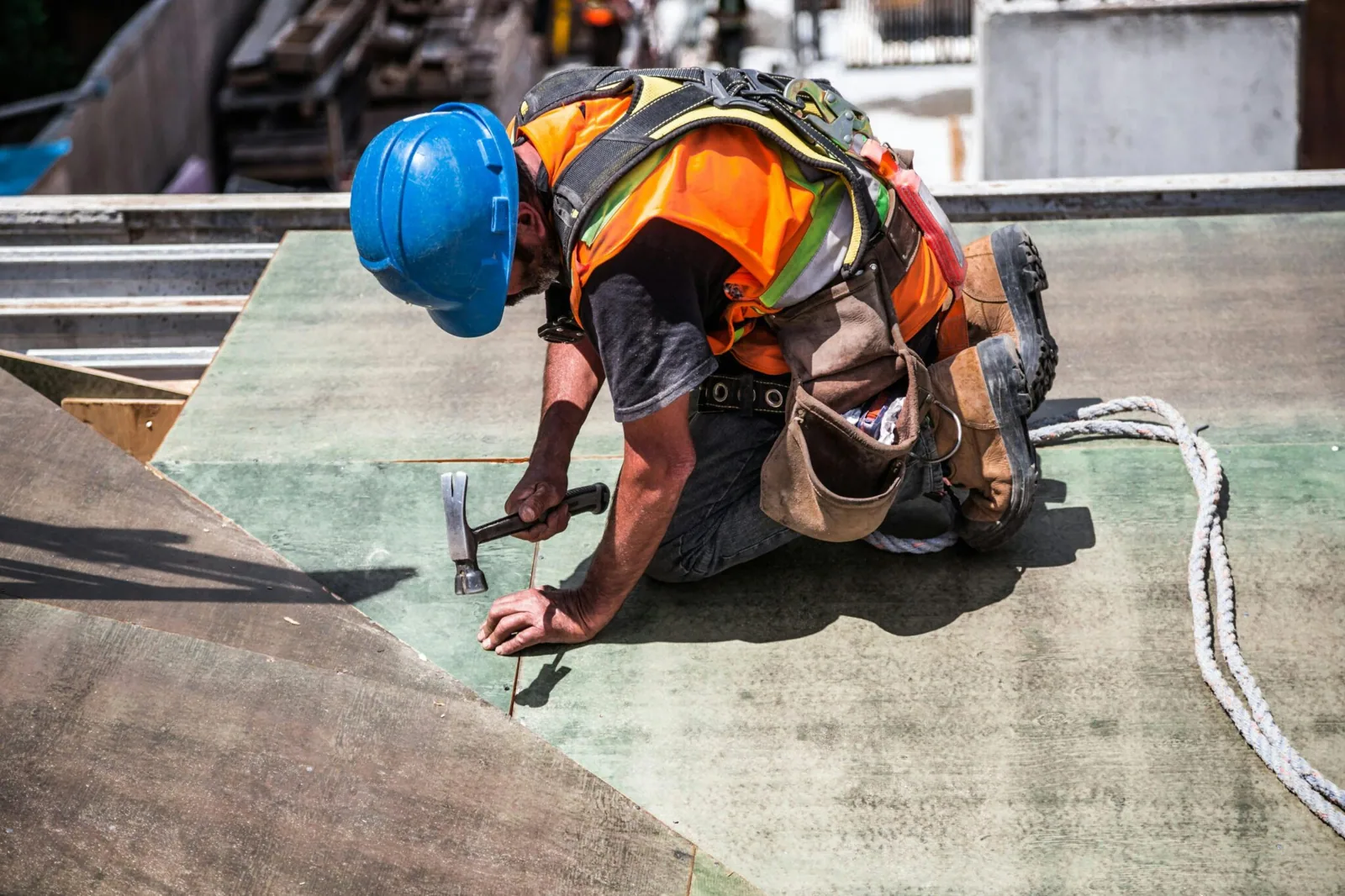
Share the property address, current roof records and the issue or planning question. We can arrange a site-specific review with the authorized contact and define the next useful step.
Request a Roof Assessment
Tell us about the building, the roof and what you are seeing. Call us at 555-555-5555 or send a request and we will set up a time to walk the roof.