
Church Roof Repair in Costa Mesa, CA
A drip reported before a weekend gathering needs a roof check, not an assumption about the nearest seam. We identify the affected room or wing, inspect above it, and trace drains, wall transitions, penetrations, and previous repairs. The roof note states what is visible and where more testing would change the scope. We coordinate access through the property contact and keep the repair boundary clear before any opening is made.
In Costa Mesa's General Plan, East 17th Street is identified as a commercial corridor serving retail, service, and office uses; this context does not describe a particular congregation or roof. That planning detail is citywide context; it does not describe a church building or its schedule. We confirm roof access, service times, community events, deliveries, and who can approve a work zone. A property in Santa Ana or Seal Beach may share a facilities organization, but each roof has its own access and condition record. The sequence should fit the actual building and calendar.
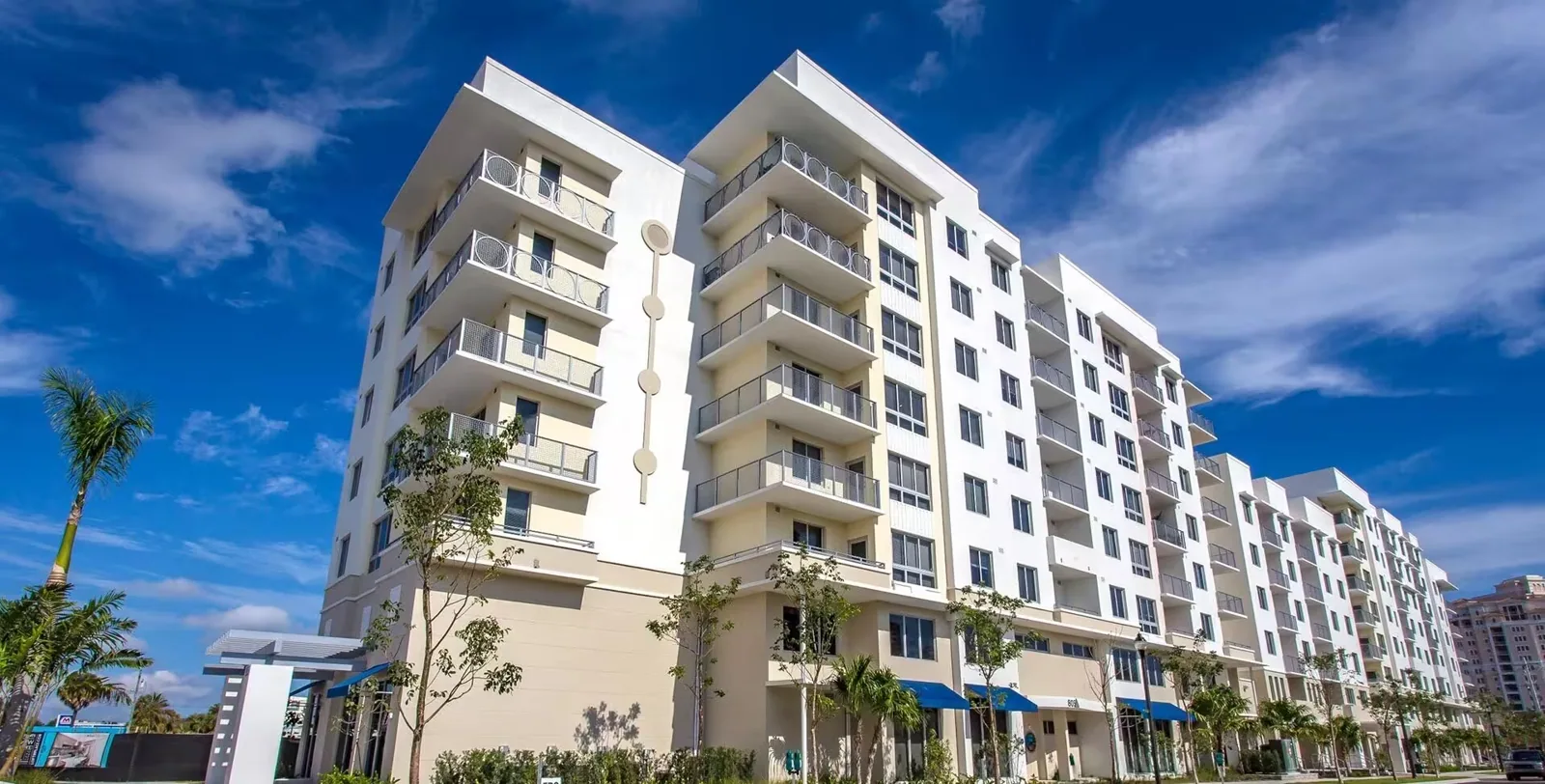
Document the Roof Above the Report
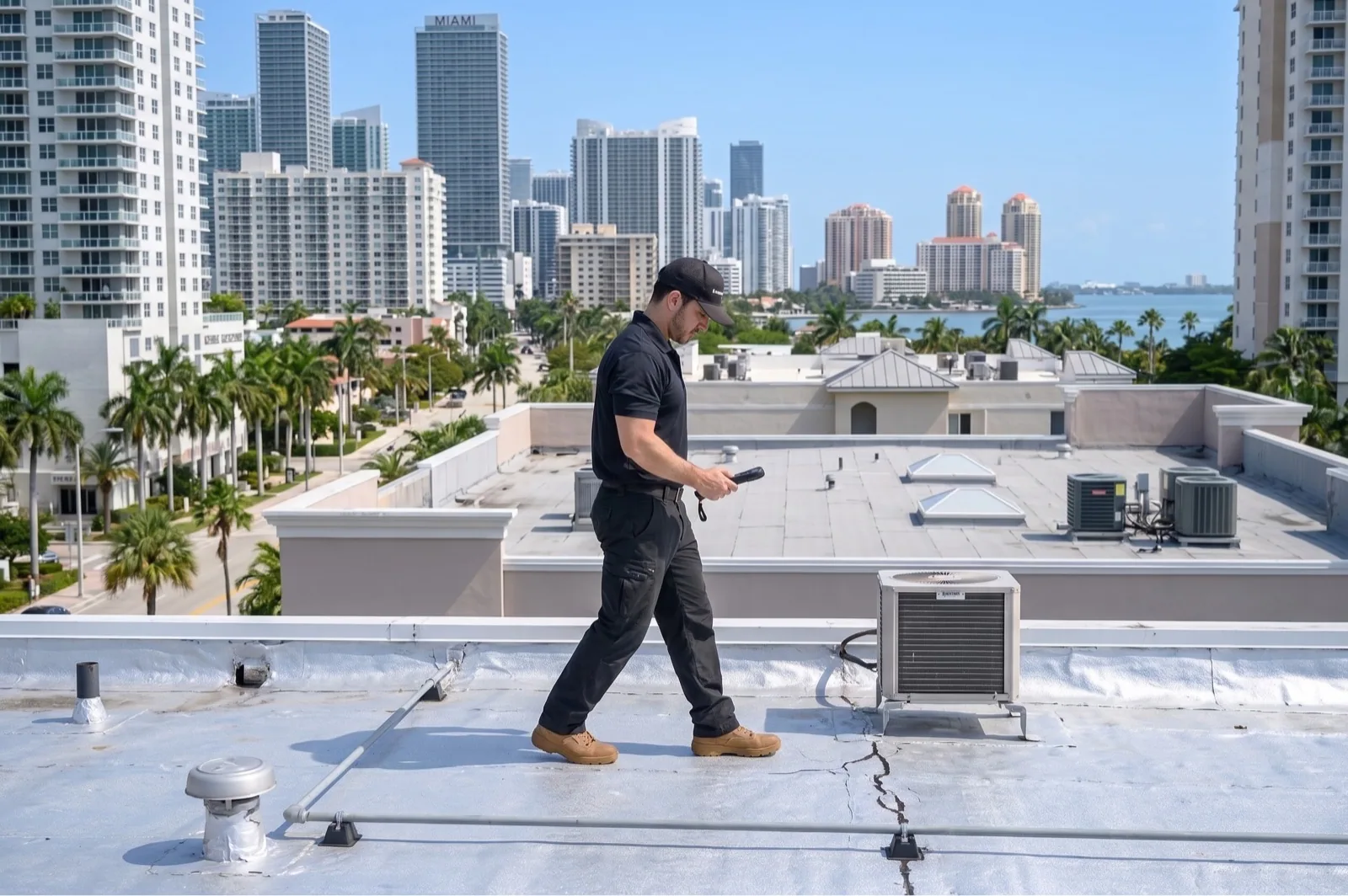
We map the reported interior location to a roof zone, then inspect seams, parapets, skylights, drains, equipment curbs, and earlier patches around it. Older additions can create transitions where movement or drainage differs. We photograph accessible conditions and note sections we could not reach. Water may travel along a deck or insulation before appearing inside, so the closest roof detail is not automatically the entry point.
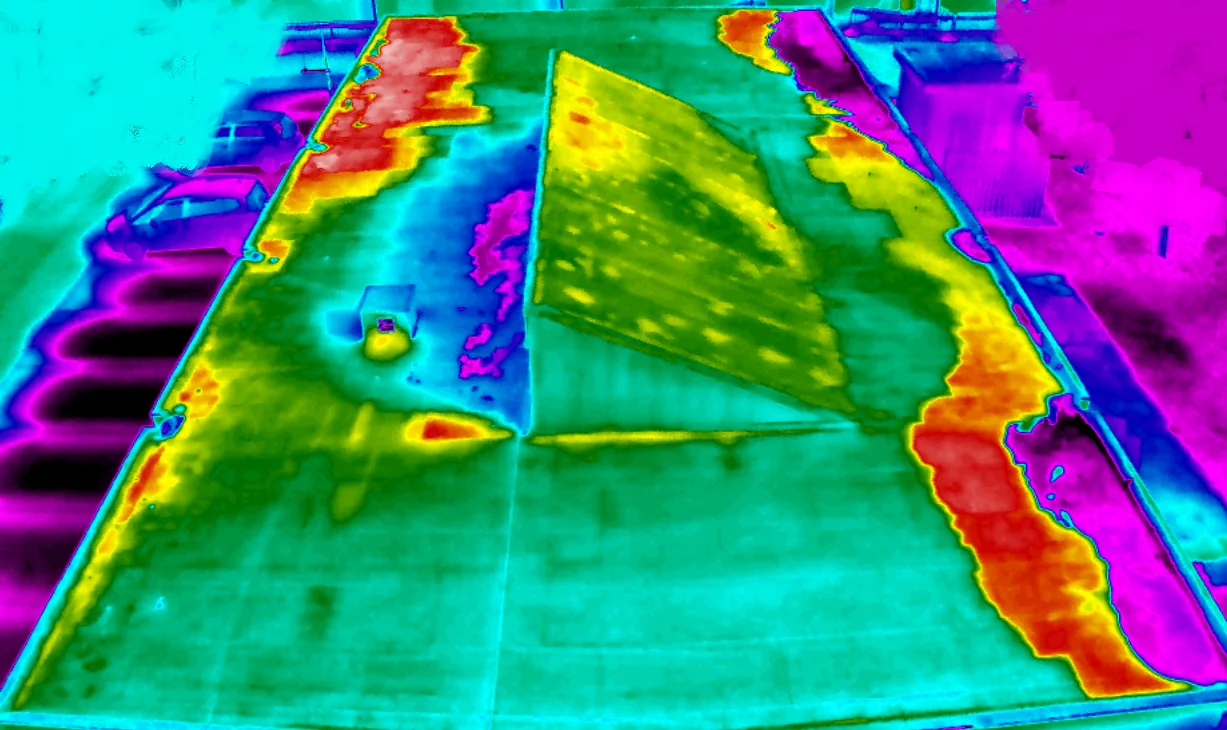
A commercial roof inspection provides a condition record and access limits. If the extent of suspected moisture remains unclear, an infrared moisture survey can guide confirmation points. A thermal pattern does not prove wet material by itself. We compare findings with the roof assembly and recommend a test opening only when it affects repair or replacement planning. The owner receives a clear distinction between the observation and the next step.
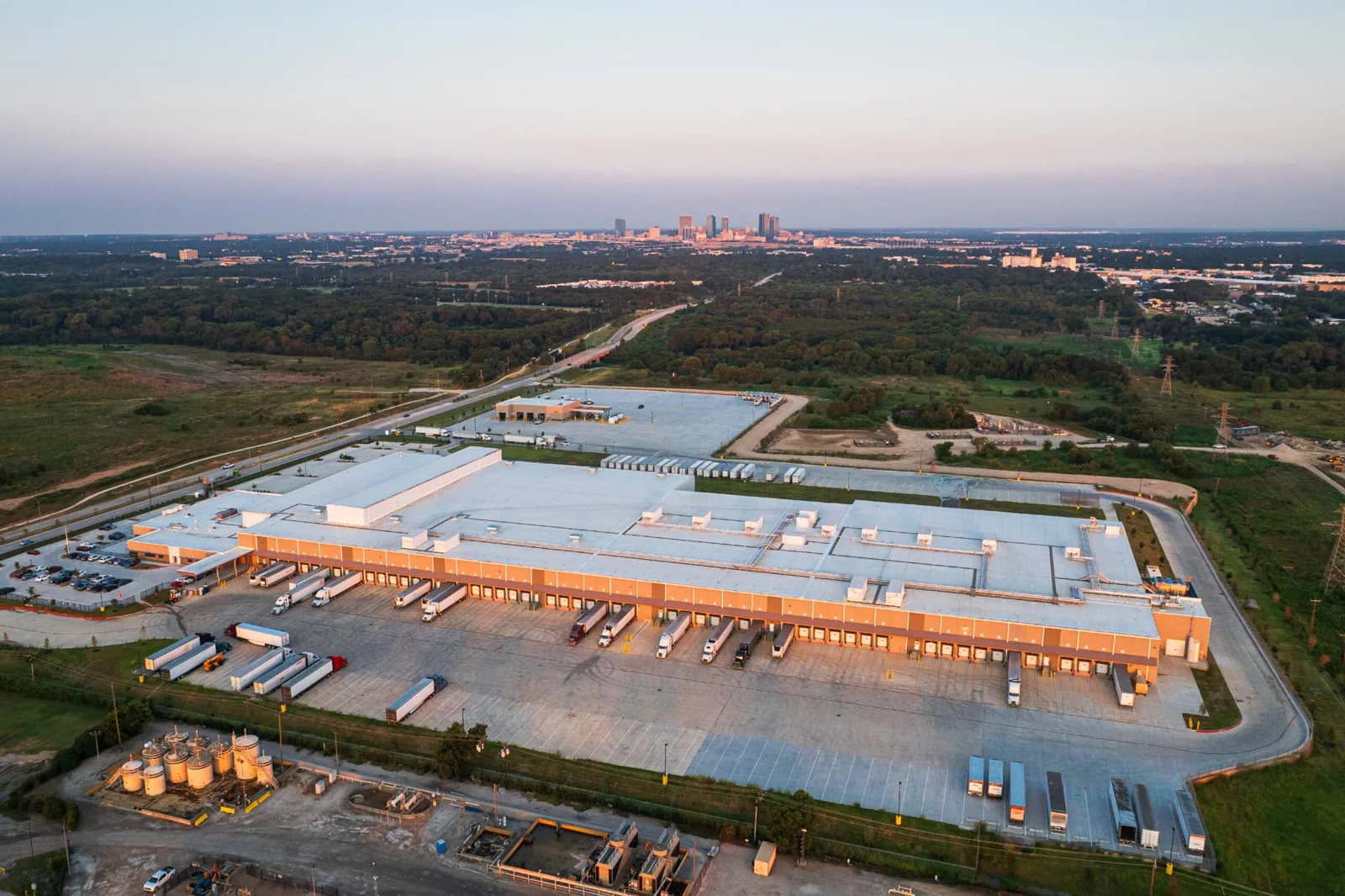
Sanctuary, Fellowship, and Service Wings
A building may combine a sanctuary, classrooms, offices, kitchens, and community rooms under connected roof areas. We label each section and check where a flat membrane meets a sloped roof, wall, canopy, or equipment curb. Drainage paths and flashing receive separate notes. If the reported room sits below an addition, the tie-in between old and new roof areas deserves a direct look. The inspection records roof conditions, not information about attendees or activities.
East 17th Street and South Coast are commercial corridors named in city planning materials, while a worship schedule comes from the site's current calendar. A senior-living roof plan or government building review may raise similar access questions, but this property sets its own notices and events. We confirm whether roof work overlaps a gathering, meal service, or community use and identify which entry or room needs protection.
Repair the Confirmed Detail
An open lap, puncture, or separated flashing edge can support local repair when sound membrane remains around it. We prepare the surface, install a compatible detail, and check the repair edge. The scope identifies the roof zone and any protection beneath it. Should removal uncover saturated insulation or a compromised deck, the crew weather-protects the opening and requests a written scope decision before disturbing adjacent roof areas. The owner reviews new evidence before added work is approved.
Repeated leaks, widespread moisture, or deteriorated attachment can support a larger review. A leak-repair scope addresses a verified entry. A replacement assessment considers roof history, substrate, drainage, and system condition. Recover should not cover an unconfirmed wet area. We identify the basis for each option and note what would require testing. That helps a board or facilities committee compare an immediate repair with a phased capital plan on the evidence available.
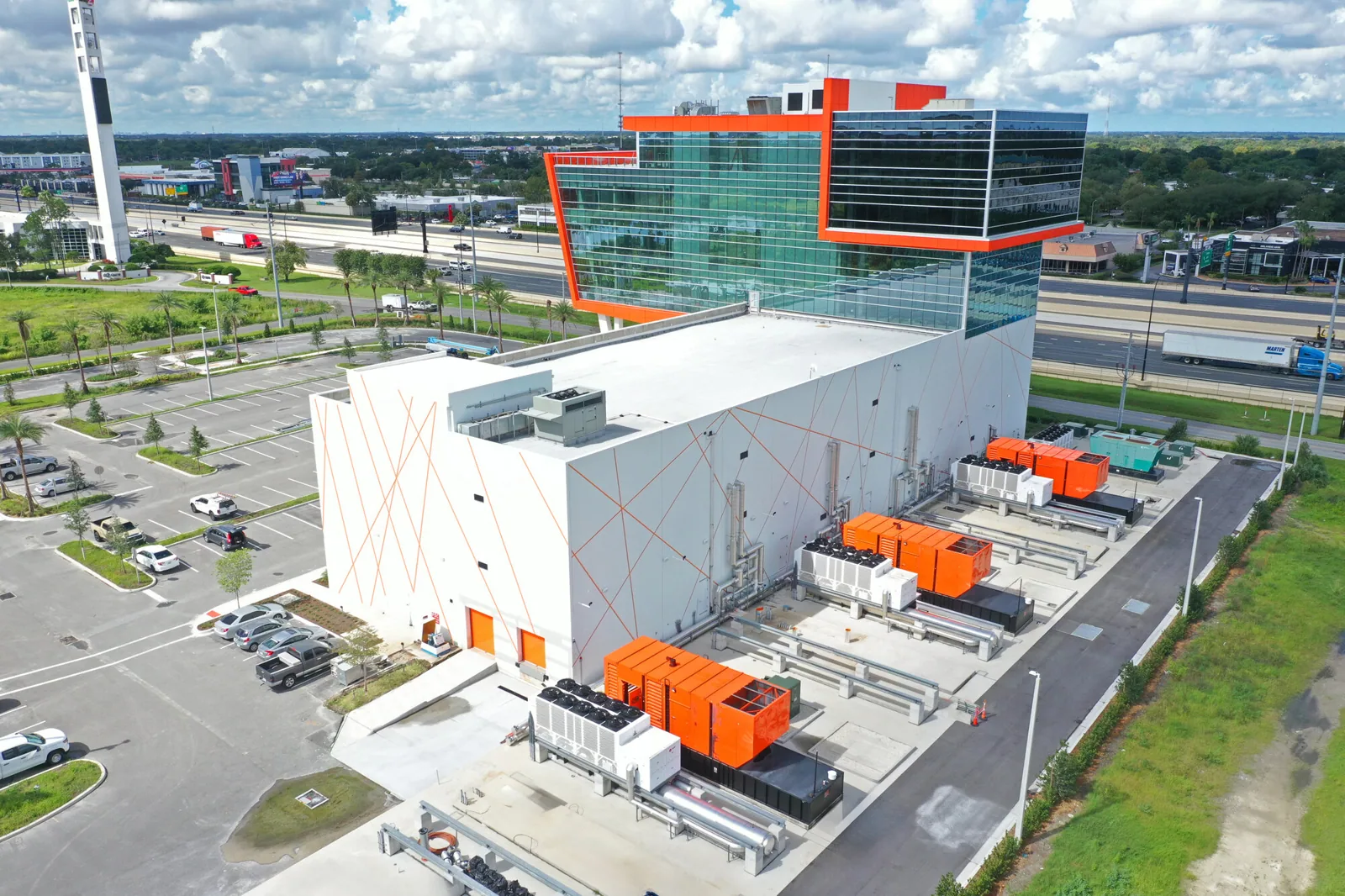
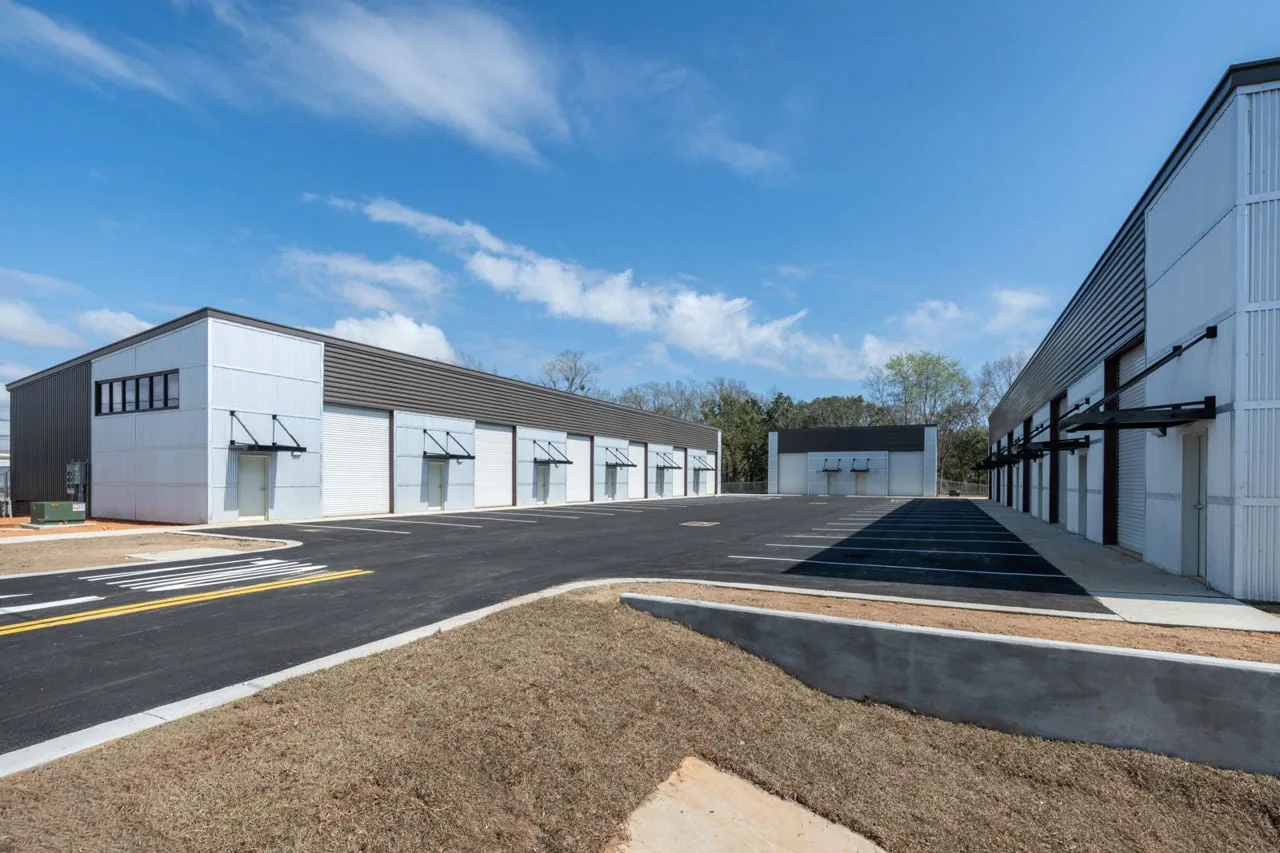
Work Around Gatherings and Community Use
Before mobilization, we confirm roof entry, lift placement, deliveries, noise limits, occupied rooms, and the schedule for services or events. The property contact identifies routes that should stay open and any room needing advance notice. A roof repair above a shared space may fit during an unoccupied window. For a larger job, we divide the roof into sections that can be protected and secured at the end of each shift.
The plan should reflect the current calendar rather than a generic weekday assumption. An occupied-building work sequence can define access, protection, and daily handoffs. For a separate property in Seal Beach, local access and scheduling require fresh confirmation. We note any temporary roof condition and identify who received the closeout. That gives the organization a practical handoff before the next service, meeting, or community use period.
Assembly Choices and Permit Questions
Sanctuary, classroom, kitchen, and office wings can meet at different roof details. We trace a reported stain to the section above it, then inspect where the membrane meets a wall, sloped roof, canopy, or equipment curb. The scope identifies the confirmed entry and lists any concealed deck work separately, so a repair does not become an undefined project.
East 17th Street is a 92-acre commercial corridor described in Costa Mesa's General Plan. That plan-era context does not identify an individual roof. The City's 2025 code package became effective January 1, 2026, including specified local appendices. A maintenance visit can document the outlet serving a wing when the permit scope includes drainage work.
Keep Repair Notes with the Building
A roof log can help a new facilities volunteer or staff member locate the last repair. We label photos by roof section and note the detail, material, action, and follow-up. Inaccessible areas remain identified as such. The record connects an interior report to the roof inspection without carrying unnecessary personal details. A future crew can revisit the same drain, edge, or seam and see whether the condition changed.
Scheduled walks can revisit repaired transitions, drains, and penetrations before a rainy period or major event. If the organization also has buildings in Santa Ana or Seal Beach, keep records tied to each property and address. Send the roof plan, leak location, past repair notes, and the event calendar. A church facilities handoff should identify which sanctuary, education, or fellowship roof section was viewed and what access or interior protection remains for the next visit.
Common Questions
Often, when the work area, noise, access, and weather protection fit the available window. We confirm the property's current schedule and any room restrictions before mobilization. A larger repair may need several phases. Each phase identifies the roof area, temporary protection, and closeout needed before the next gathering.
No. The report location starts the inspection, but the roof condition and repair history determine scope. We map seams, drains, transitions, and prior work around the affected zone. If findings are localized, repair may be reasonable. Broader deterioration or confirmed moisture may support additional testing or replacement planning.
A roof plan, reported leak location, previous repair notes, access instructions, and the current events calendar help us prepare. The site contact can identify restricted rooms or notice requirements. We confirm which sections are approved for inspection and document anything not accessible.
The sequence depends on the roof opening, interior protection, noise, and safe access. We identify affected areas and coordinate with the property contact. Some work can proceed above occupied rooms with controls; other tasks fit better in an unoccupied period. The daily closeout states what has been secured.
Compare the documented roof sections, confirmed defects, testing needs, material assumptions, and interruption plan. A localized failure may fit repair, while broad moisture or substrate concerns can justify a system review. Each proposal should state its boundary so the board can compare like scopes and identify remaining unknowns.
Related Roofing Work
Schedule a Church Roof Walk
Share a roof plan, reported leak locations, access instructions, prior repairs, and the event calendar. We can coordinate a walk and document a defined repair scope.