
Commercial Roof Maintenance in Costa Mesa, CA
A maintenance walk begins where water leaves the roof. We clear the view at each drain, note the path leading to it, and record seams, edges, curbs, and prior patches along the way. The City recognizes Westside, Harbor Gateway, and Airport Industrial/Business Park as its three major industrial districts. That map helps us orient the route; the visit still needs a zone map, access limits, and observations from the building itself.
We build the visit around roof access, tenant activity, and equipment restrictions. A repeatable Diligence Notes makes a later leak easier to compare with the condition that came before it. The owner can then decide whether an item needs a repair now, a test opening, or another check on a defined date.
Drain and Seam Walk
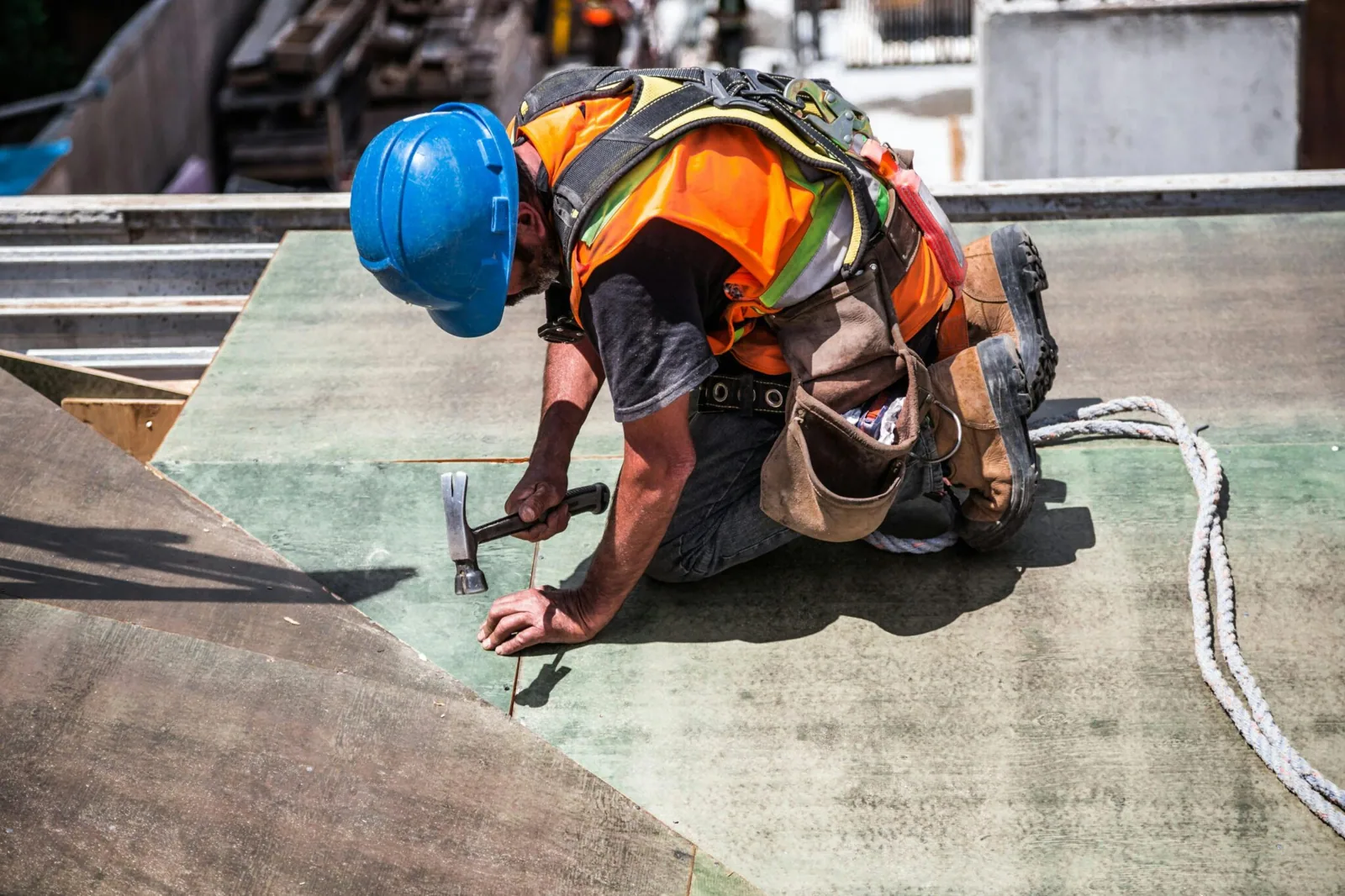
At each drain, we note debris, water marks, strainers, visible ponding, and the condition of the surrounding membrane. A drain check is useful only when the path to it is included. We trace low areas, look for displaced material, and photograph the transition at the bowl or scupper. If water is not moving freely, the note identifies the obstruction or the next test rather than treating every slow area as a roof failure.
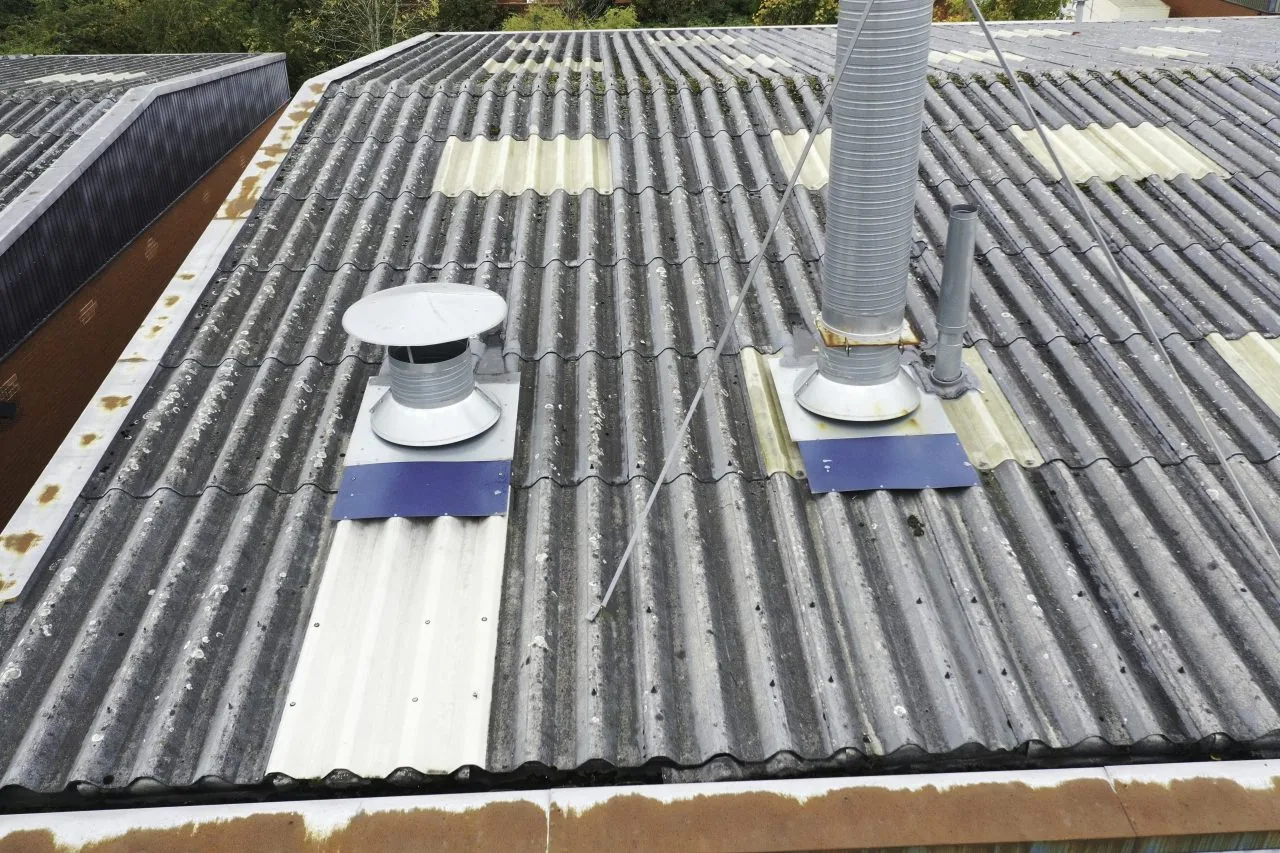
Seams, penetrations, and perimeter edges receive a separate look. We note open laps, punctures, loose flashing, or sealant that has pulled from a termination. The report distinguishes a visible defect from a suspected condition under the membrane. For a roof with recurring seam concerns, TPO seam review or a focused condition inspection can set a more precise repair boundary.
Routes Through the Building
In Westside, the City's plan distinguishes smaller operators from larger employers and notes that many of the smaller operations share multi-tenant structures. We translate that context into a roof-zone schedule, recording which hatch or ladder serves each section and where shared access changes the route. The next visit can then compare like areas and note any tenant restriction that limited the prior walk.
The City's land-use plan describes East 17th Street as a 92-acre corridor serving local households and businesses with retail, service, and office uses. We use that scale only to prompt scheduling questions about customer arrivals and deliveries, not to assume a particular roof condition. We set the walk window with the property contact, record any inaccessible area, and keep the Westside district and nearby Santa Ana properties as distinct route notes because each building's own access conditions control the scope.
The Record Between Visits
Each visit should leave a record another manager can use. We group photos by roof section, identify the observation, and state whether the next step is cleaning, repair, testing, or monitoring. A new blister does not establish trapped moisture by itself. A soft area, repeated patch, or stain below a curb may require a closer look before the repair scope is priced. The note should preserve that distinction.
When the building has several roof areas, the record also tracks access restrictions and the surface or assembly observed. We can compare the new condition with previous photos and close out completed items. If a broader review is needed, a mapped condition report can organize findings for capital planning. For one active leak, a defined repair visit may be the practical next step.

Testing and Confirmation
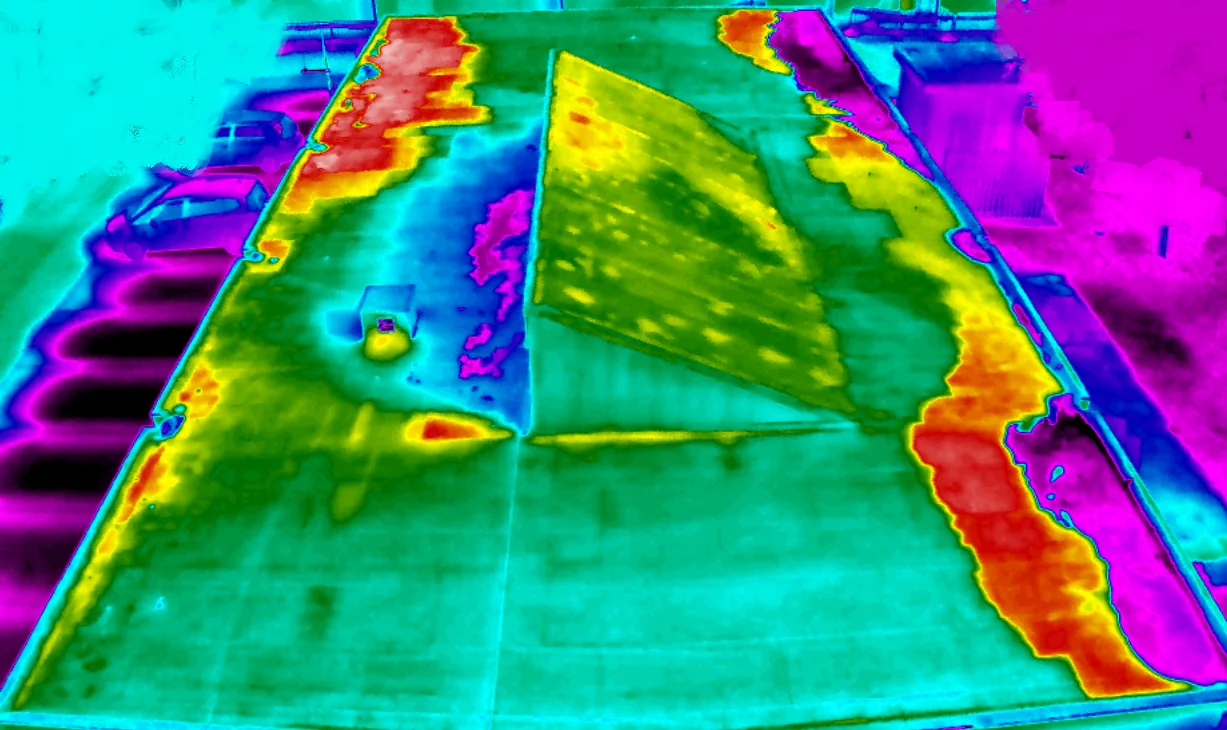
Maintenance is not a substitute for opening the roof when an unseen layer controls the decision. A warm scan pattern, a soft area, or a recurring stain can point to a question, but it does not prove the insulation or deck condition. We mark the location, explain why it matters, and identify the test that could resolve it. A test cut can help establish the wet boundary before recover or replacement is considered.
The chosen material also affects what can be repaired. A coating needs a compatible, sound receiving surface and a preparation plan. Recover work depends on moisture, attachment, drainage, and applicable requirements. We keep those choices separate from routine cleaning. A moisture survey or a scoped coating assessment can answer a specific question without turning maintenance notes into a replacement recommendation.
Access and Work Windows
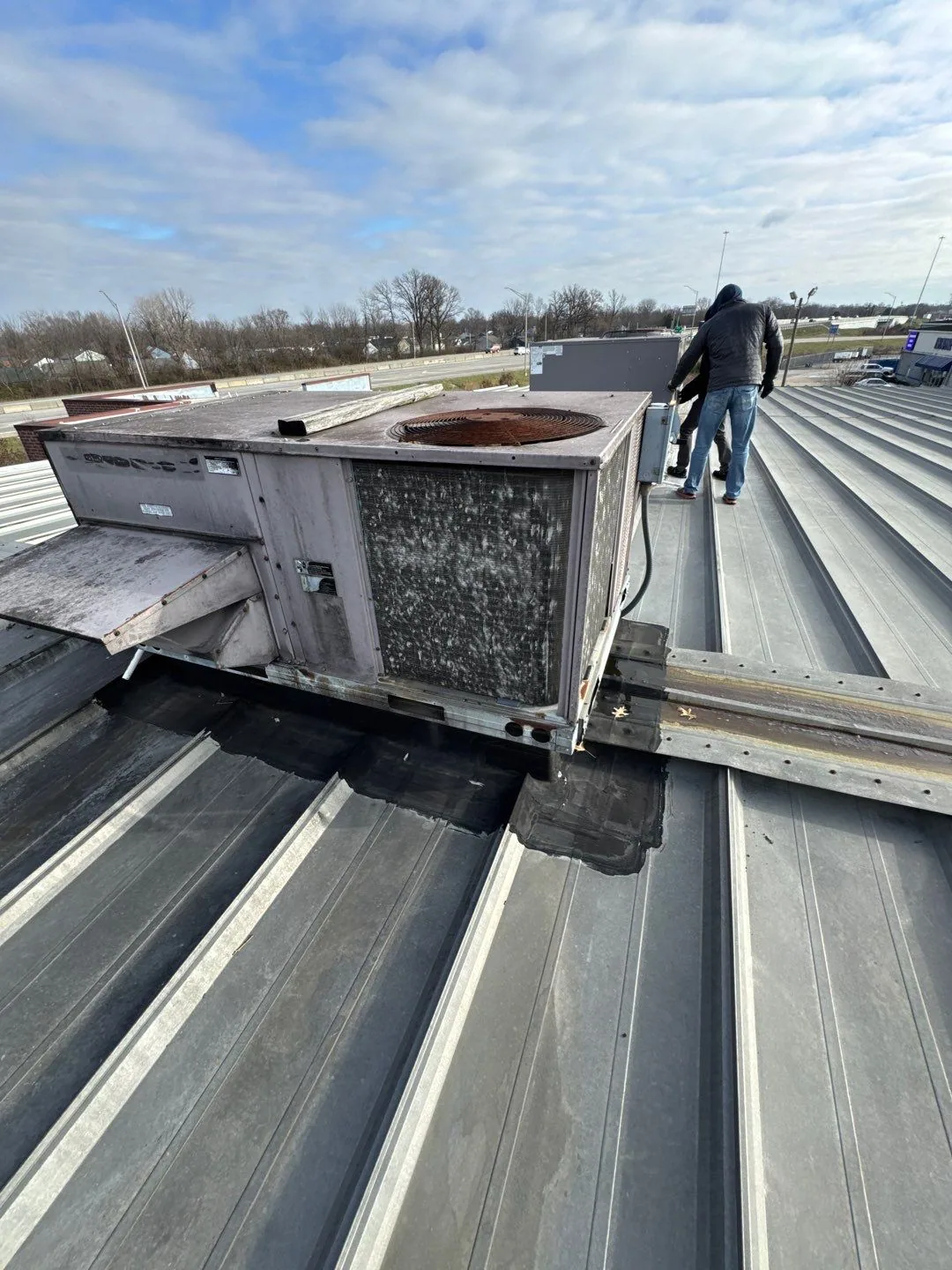
A roof walk on an occupied property is planned from the access point outward. We confirm who can open the hatch, whether escorts are needed, and which areas must remain clear. Rooftop units and service routes can change where a ladder or hose can be staged. The Diligence Notes records any restriction that changed the inspection. That makes the next visit easier to schedule and helps the owner avoid authorizing work in a zone that was never reviewed.
Small repairs may require a different window than a visual walk. If the work crosses a tenant area, the repair boundary and temporary protection should be defined before materials arrive. We can align roof access with the property schedule and coordinate a return visit for items awaiting approval. A roof asset record helps connect those decisions across several sections of one property without assuming every section has the same condition.
A Useful Maintenance Scope
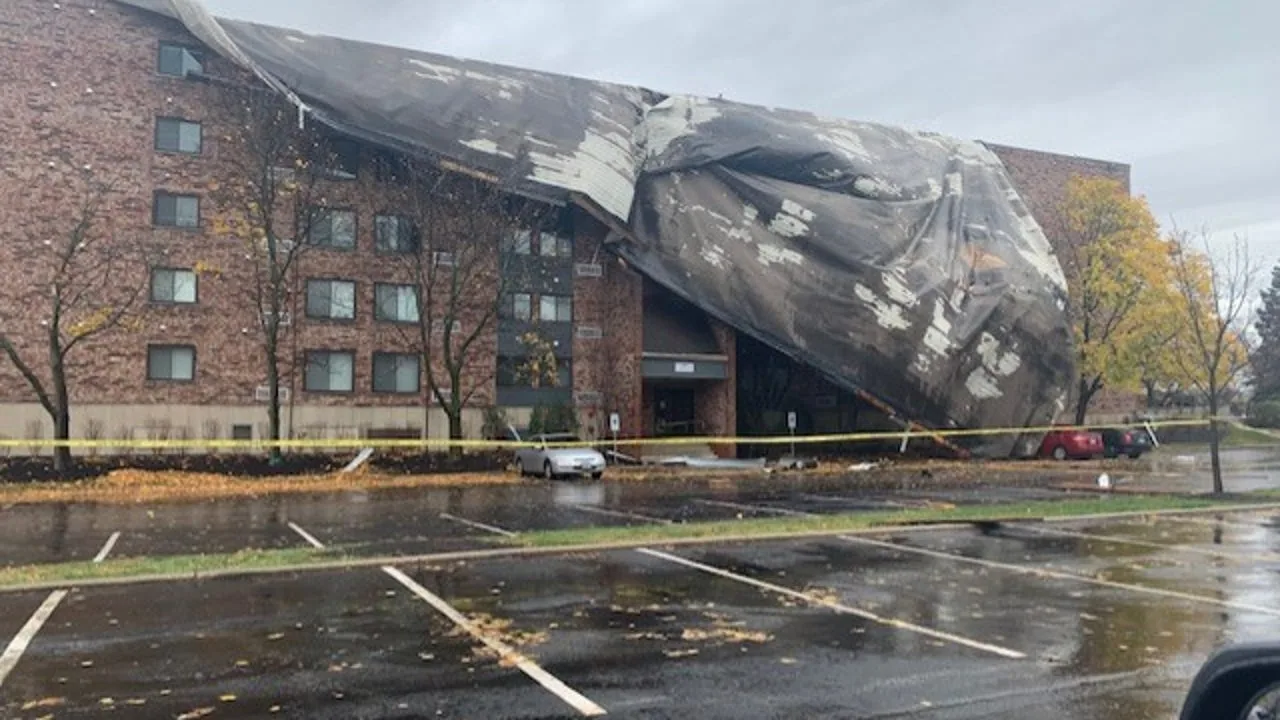
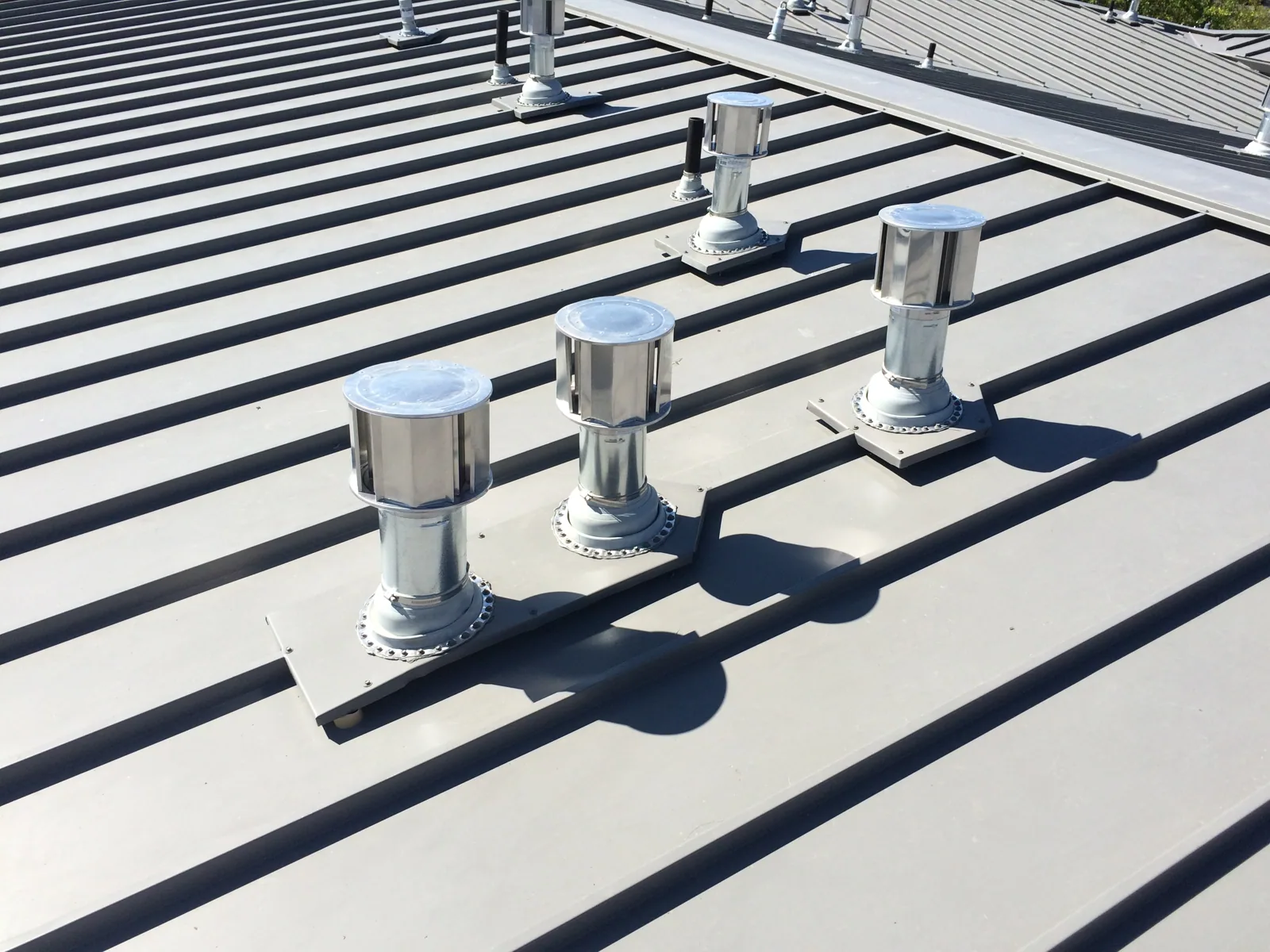
A practical program names the roof areas, the observations to repeat, the records to retain, and the conditions that trigger a return visit. We can start with existing roof plans, leak logs, and past repair notes, then confirm what remains accessible. The resulting scope may call for drain clearing, flashing repair, a test opening, or a later comparison photo. It does not need to force every finding into the same service category.
Send the property address, current roof records, and access rules to arrange a Costa Mesa roof walk. We will note the locations that matter, explain the repair boundary, and separate immediate exposure from work that can be planned. If a condition has changed since the last visit, include the date and roof area where it appeared. That gives the next inspection a clear starting point and keeps the owner’s decision tied to observed conditions.
Common Questions
A roof-area map, dated photographs, a concise note for each observed condition, and a next step. We separate cleaning, repair, monitoring, and testing so the owner can assign the work. Access limits and areas we could not reach belong in the record too. A later visit can then compare the same locations instead of relying on memory.
A walk can describe current visible conditions and identify questions that need testing. It cannot turn a few surface observations into a service-life promise. We review seams, flashing, drainage, prior repairs, and available records, then explain what supports repair or broader planning. A test opening may be needed when concealed layers affect that decision.
We identify roof zones, access routes, and the repair boundary before work is scheduled. The owner can confirm notice requirements and restricted hours. We keep photos tied to the affected area and record any shared path or equipment zone that changes the sequence. That creates a clearer handoff between property management and occupants.
Roof plans, repair invoices, leak notes, warranty documents, and recent photographs help locate repeated conditions. Send any access instructions and identify active equipment. If records are incomplete, we can still walk accessible areas and build a current baseline, with unknown assemblies or concealed conditions listed for follow-up.
An open seam, failed flashing, puncture, or obstructed drain may need prompt correction when it exposes the assembly or routes water inside. We describe the location and the scope needed to address it. Suspected moisture or an uncertain substrate may call for testing first, so the repair does not stop short of the actual defect.
Related Roofing Work

Schedule a Costa Mesa Roof Walk
Share the property address, roof records, known leak locations, and access requirements. We will confirm a workable visit and document the conditions that affect your next decision.