
Commercial Roof Asset Management in Costa Mesa, CA
A roof record becomes useful when a manager can connect a photograph to a building, roof zone, system, and next action. In Costa Mesa, CA, we organize observations into a working asset file that tracks condition, repairs, access limits, and recommended follow-up. The file does not assume adjacent buildings share a membrane or maintenance history. Each roof starts with what the inspection confirms, then carries that record forward for the owner and facilities team.
A current record helps separate immediate leak response from planned maintenance or capital work. We note the location of seams, drains, penetrations, and transitions when they affect future inspection. The owner can see what was repaired, what remains open, and what needs testing before a larger budget is set. That is the basis for comparing roof work across a portfolio without turning one building's condition into a rule for another.
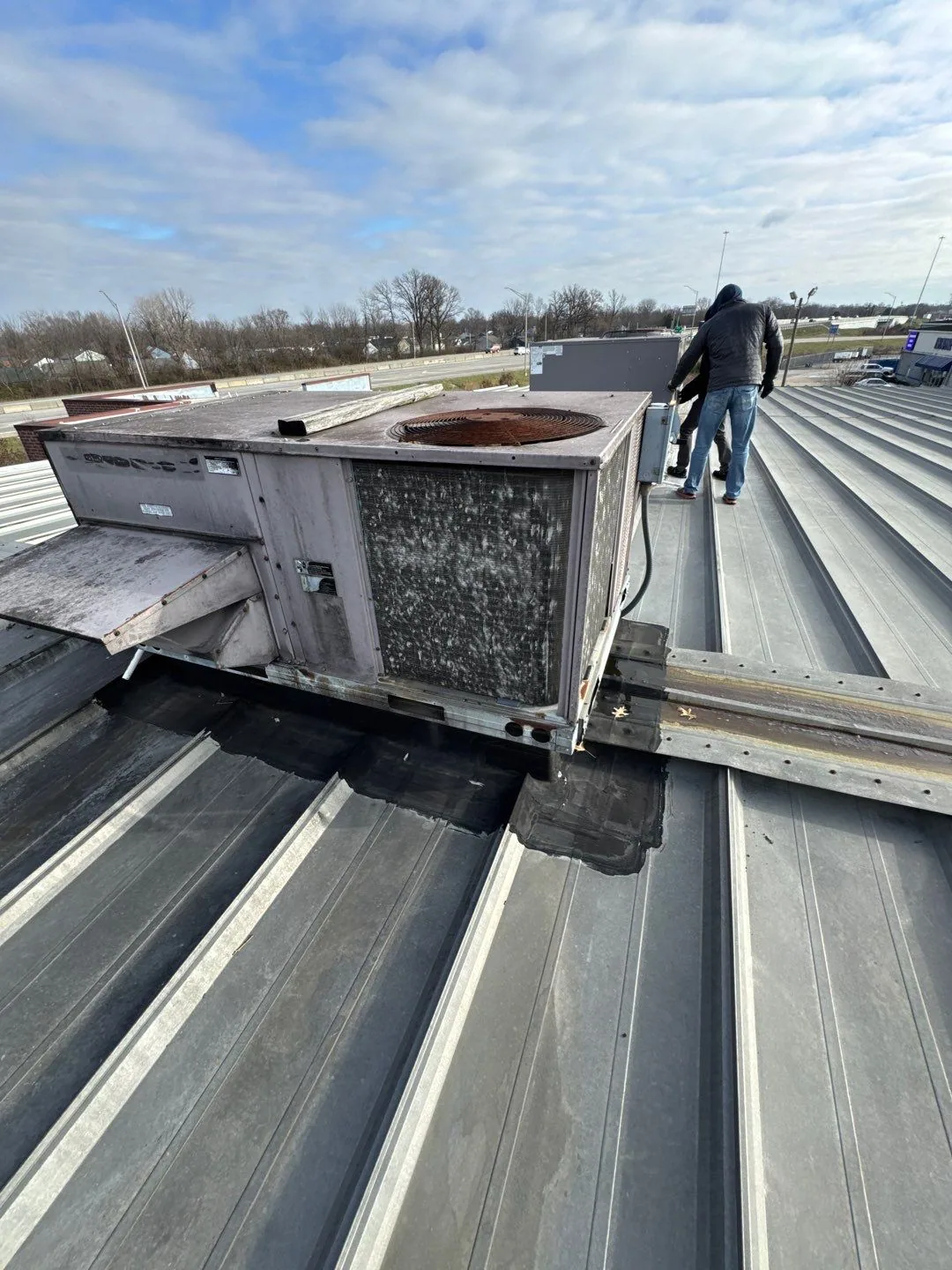
Roof-Zone Records
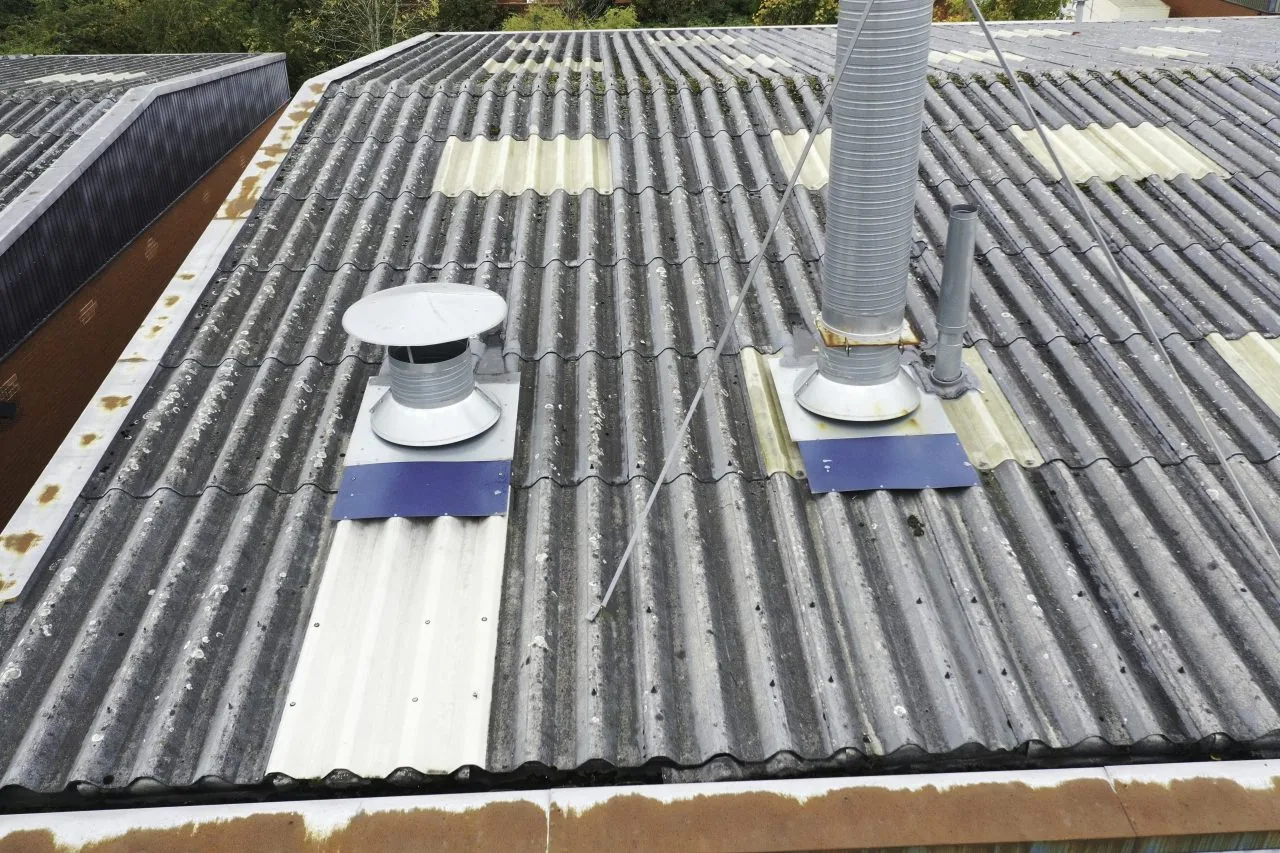
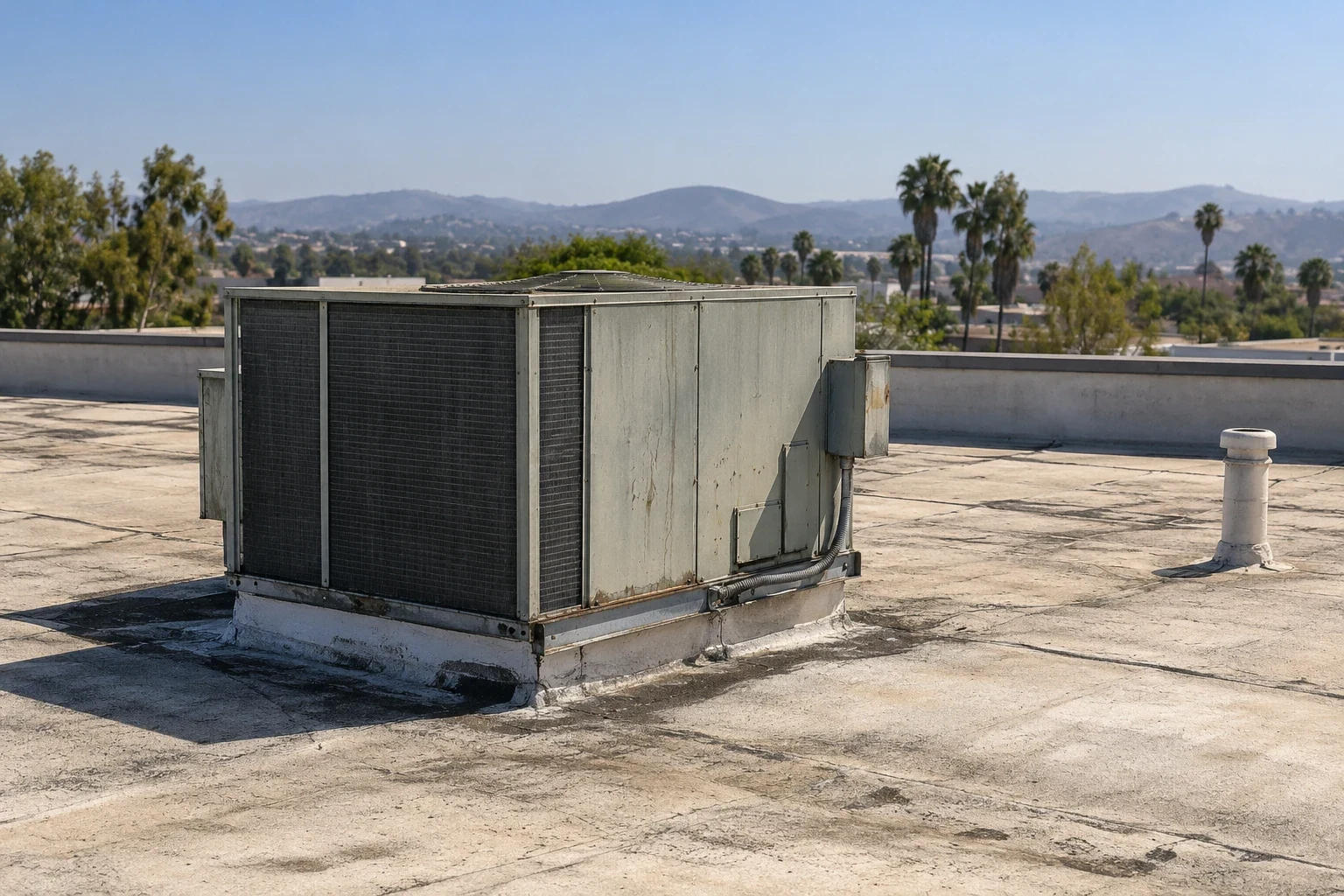
We assign observations to roof zones that can be found again in the field. The record can include system identification where confirmed, roof access, drainage paths, repair history, photographs, and conditions that were not reachable. If plans or prior reports disagree with what is visible, we note the mismatch and ask for the record that can resolve it. A Diligence Notes should let the next person return to the same location without starting from the interior leak description.
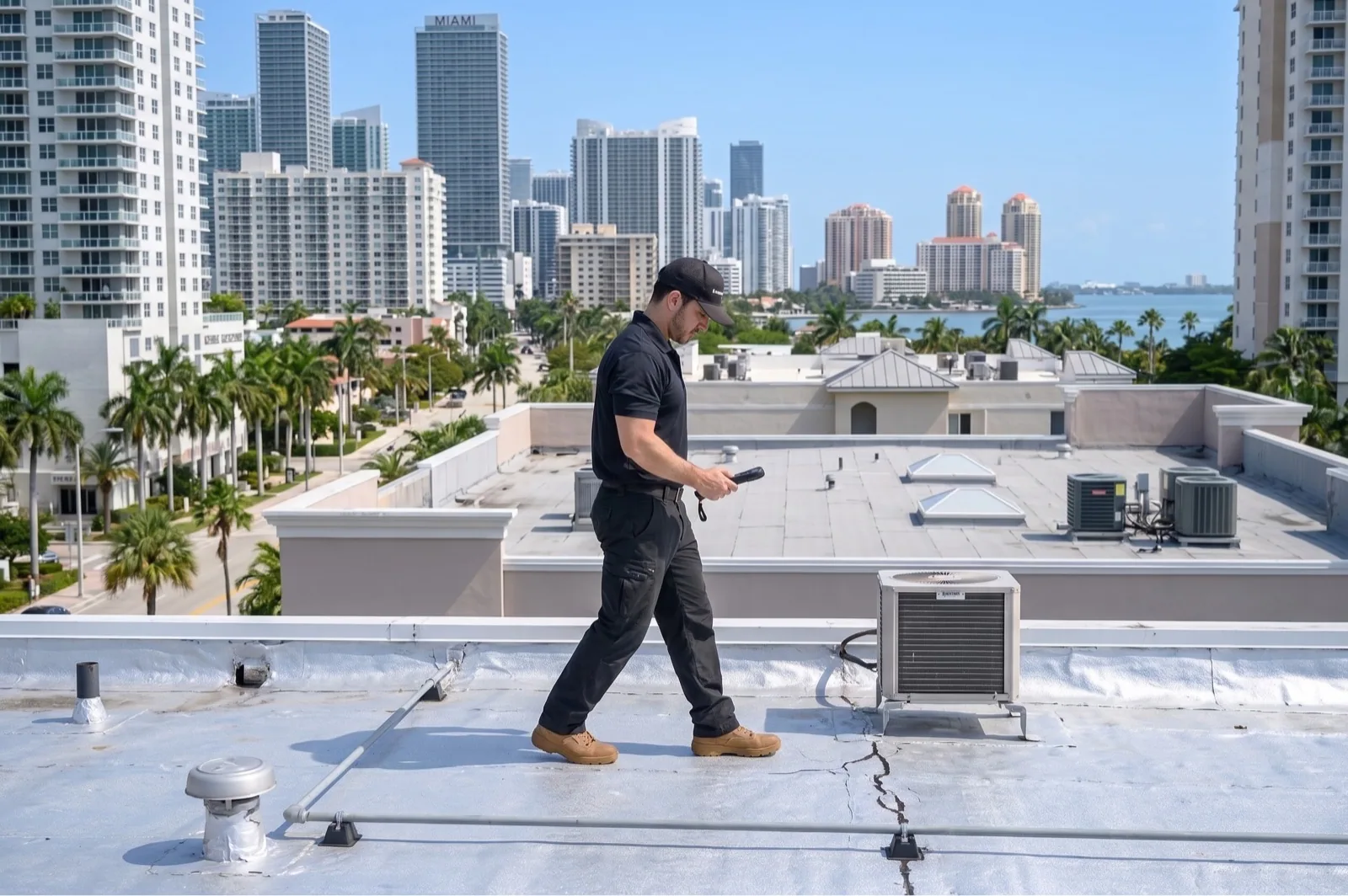
A commercial roof inspection supplies the condition baseline. When a question involves several buildings, the drone roof walk can capture broad surface context while accessible details still need close inspection. We distinguish an image from a verified repair finding. The asset file keeps measured observations and owner-provided records separate, so a roof diagram does not overstate what the inspection could confirm.
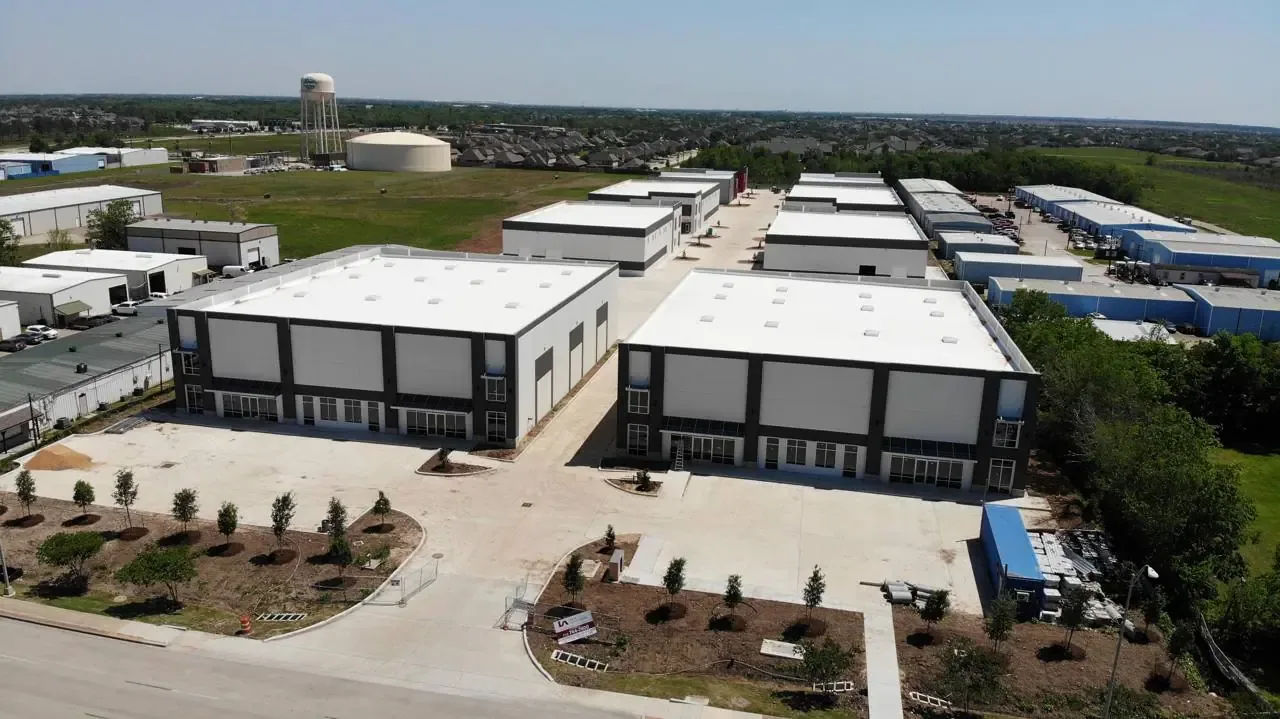
Repair History and Follow-Up
A repair entry should state the reported problem, observed cause where confirmed, materials used, completed boundary, and any remaining issue. We attach closeout photographs to the same roof-zone reference used in the inspection. On the next visit, the crew can compare the seam, flashing, or drain with its earlier condition. If the repair history is incomplete, the file marks that gap instead of implying a clean record.
Costa Mesa's Westside includes many smaller operations in multi-tenant structures alongside larger manufacturing and service uses. An asset file for a shared property should keep suite access, roof-zone labels, and authorization contacts distinct from one another. We record which contact confirmed the route and when a return visit can occur. The record follows that building, not the neighboring roof; a preventive maintenance visit adds observations to the correct file without merging tenants or assemblies into a single condition history.
Condition and Consequence Priorities
Asset planning sorts findings by the work they require, not by a single score copied across a portfolio. An open seam that allows active water entry has a different response from a stable coating edge scheduled for monitoring. We identify the condition, its extent, operating effect, and the information still needed. The owner can then compare immediate repair, additional testing, and planned capital scope with the same vocabulary across roof zones.
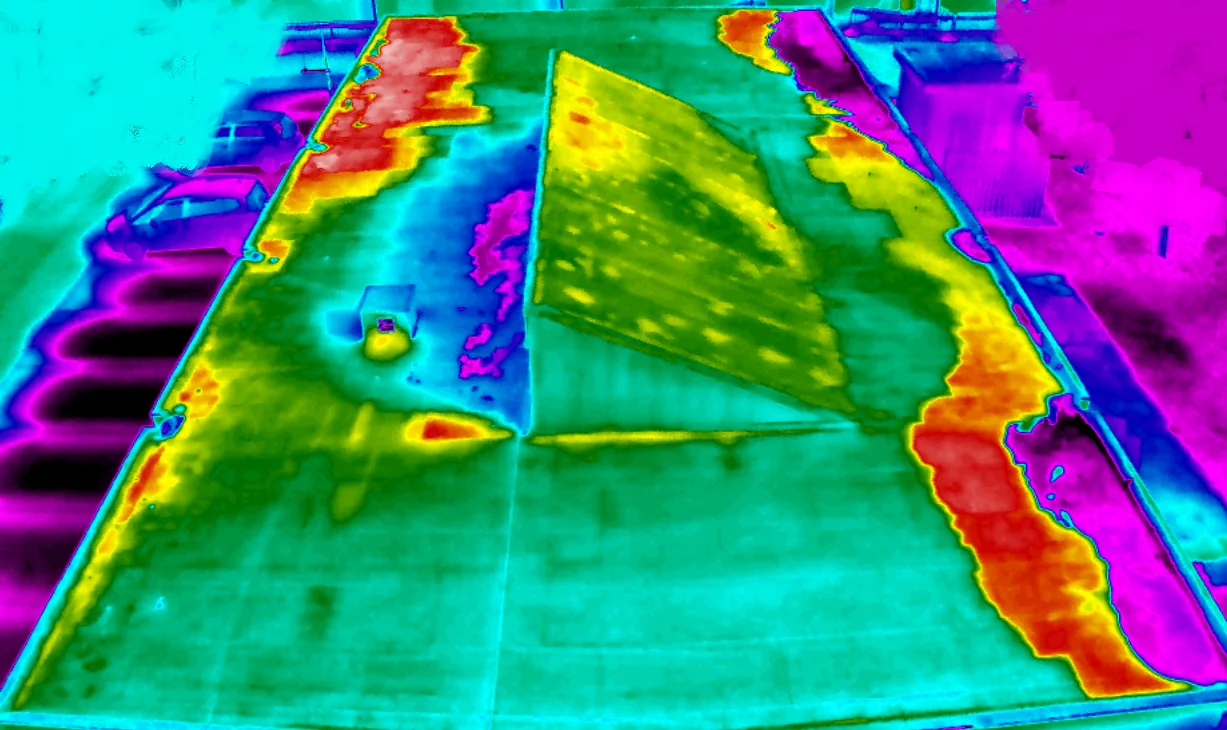
East 17th Street's 92-acre commercial corridor serves local retail, service, and office activity. For a portfolio list, that corridor can be a practical dispatch label, while each roof retains its own inspection date, findings, and next action. We set the priority from the documented drain path, open seam, repair boundary, and consequence of waiting at the property itself. A district name can organize a visit; it cannot rank a building without its field record. A capital plan can compare approved items, and an infrared moisture survey can identify areas for confirmatory testing.
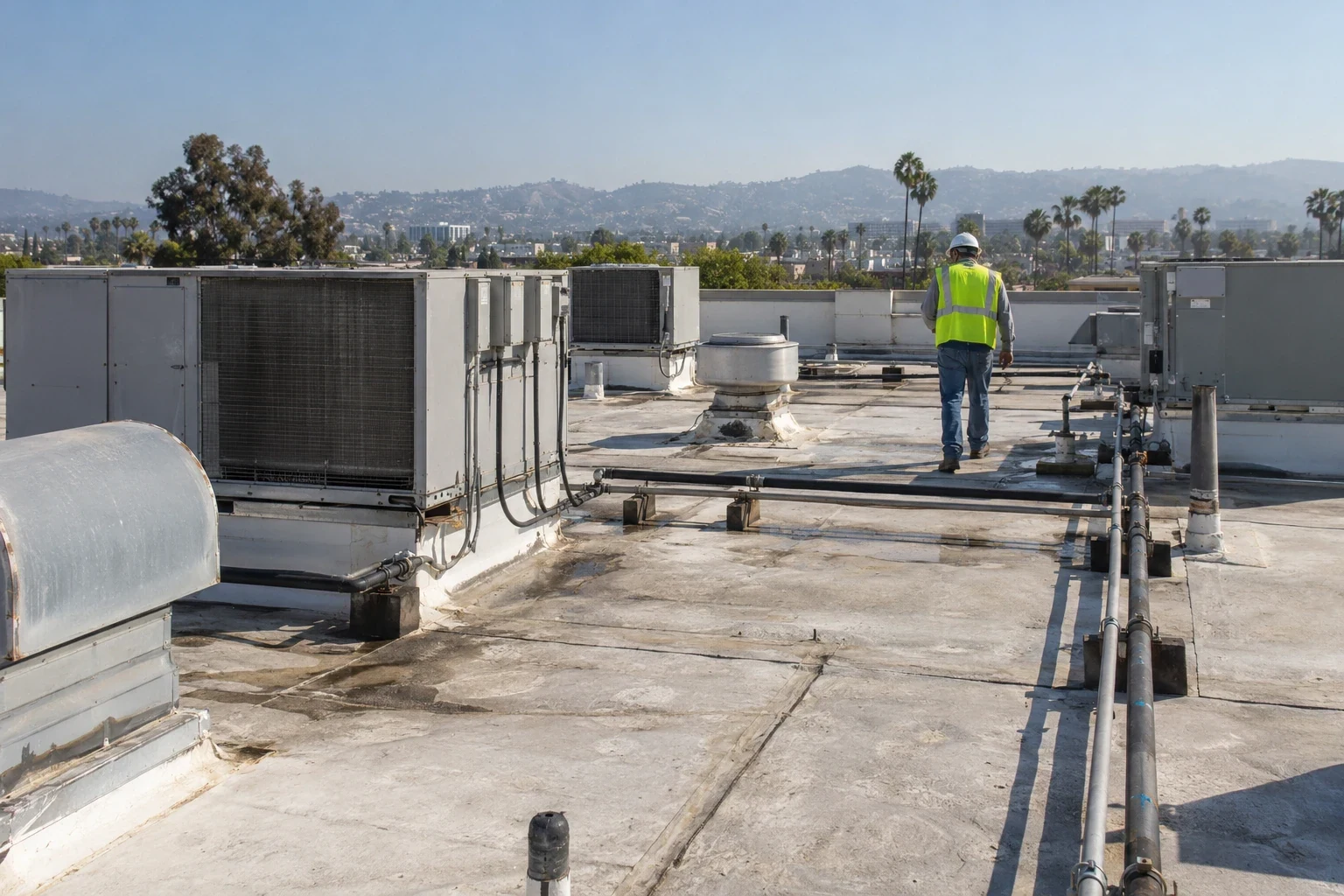
Local Context and Roof Findings
Costa Mesa's climate planning addresses heat, drought, wildfire, and air pollution as community concerns. Those planning topics are not a roof-temperature reading or proof of a defect. We keep them in the broader property context, then base the asset schedule on inspection observations, completed repairs, and the owner's operating requirements. If a site needs further testing, the file gives the location and reason for that test so a later decision can be compared with the original condition instead of a general climate label.
When a city planning priority changes, a manager can update the context note without rewriting a prior roof inspection. The condition record stays dated to the roof walk, with repair boundaries and inaccessible zones tied to their own building. In a Westside or Harbor Gateway portfolio, that separation keeps planning context from being mistaken for a measured roof finding.
Records Across Occupied Properties
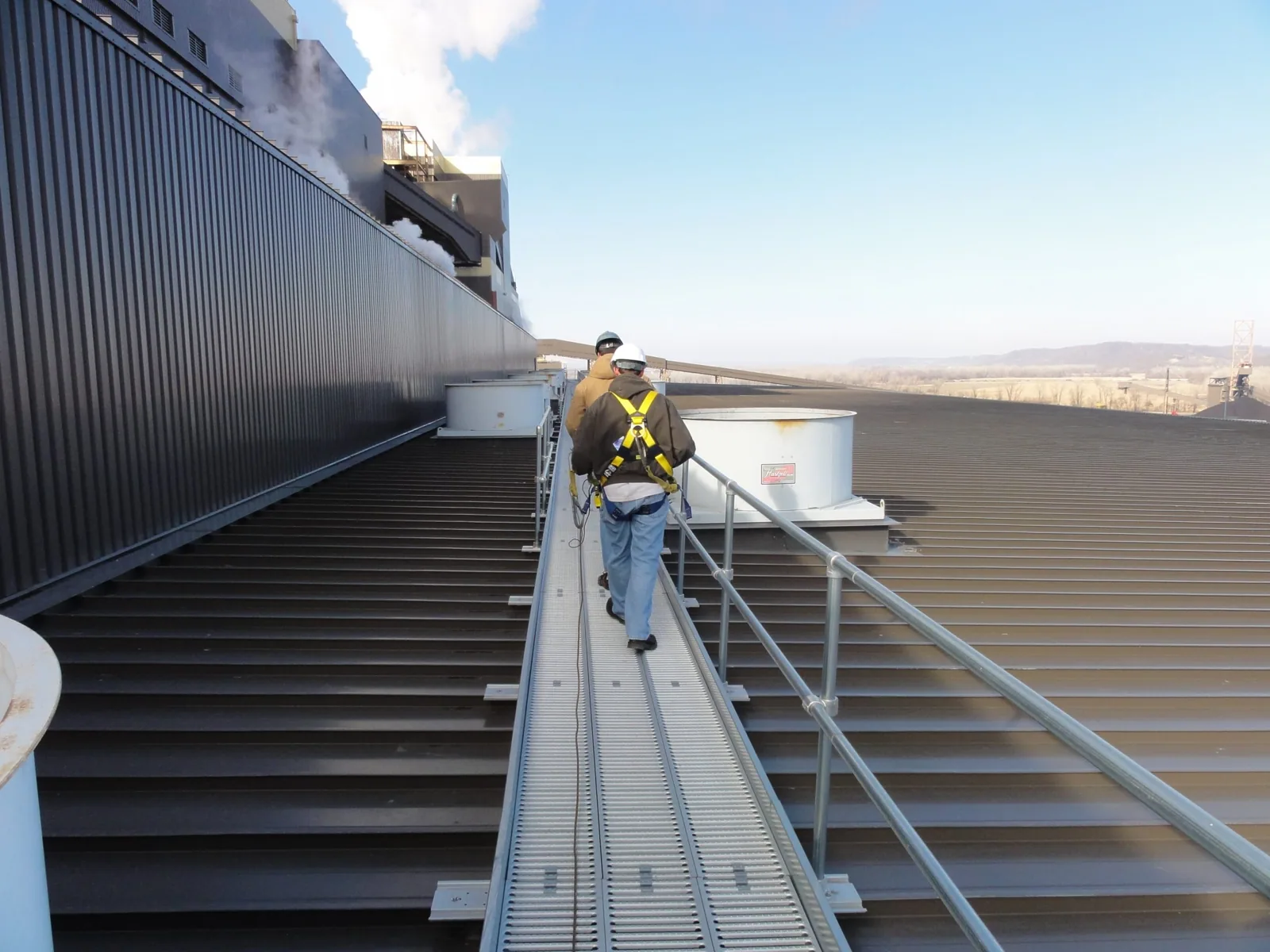
For a multi-tenant building, the asset file can identify the roof zones tied to shared equipment, loading operations, or tenant access. We record contacts and approved work windows when the owner supplies them, then note restrictions that affected the inspection. Those details can prevent a maintenance visit from arriving without roof access or a scheduled equipment shutdown. They also help the facilities team keep roofing work separate from tenant reports that have not been inspected.
At portfolio level, the manager can compare each building's system, open repairs, last inspection, and outstanding tests. The comparison is only as complete as the records available, so we flag gaps rather than filling them with assumptions. A multi-site roof program can coordinate visit timing while preserving a separate condition file for each roof. This structure is useful when repairs, capital budgets, and annual maintenance decisions move through different approval paths.
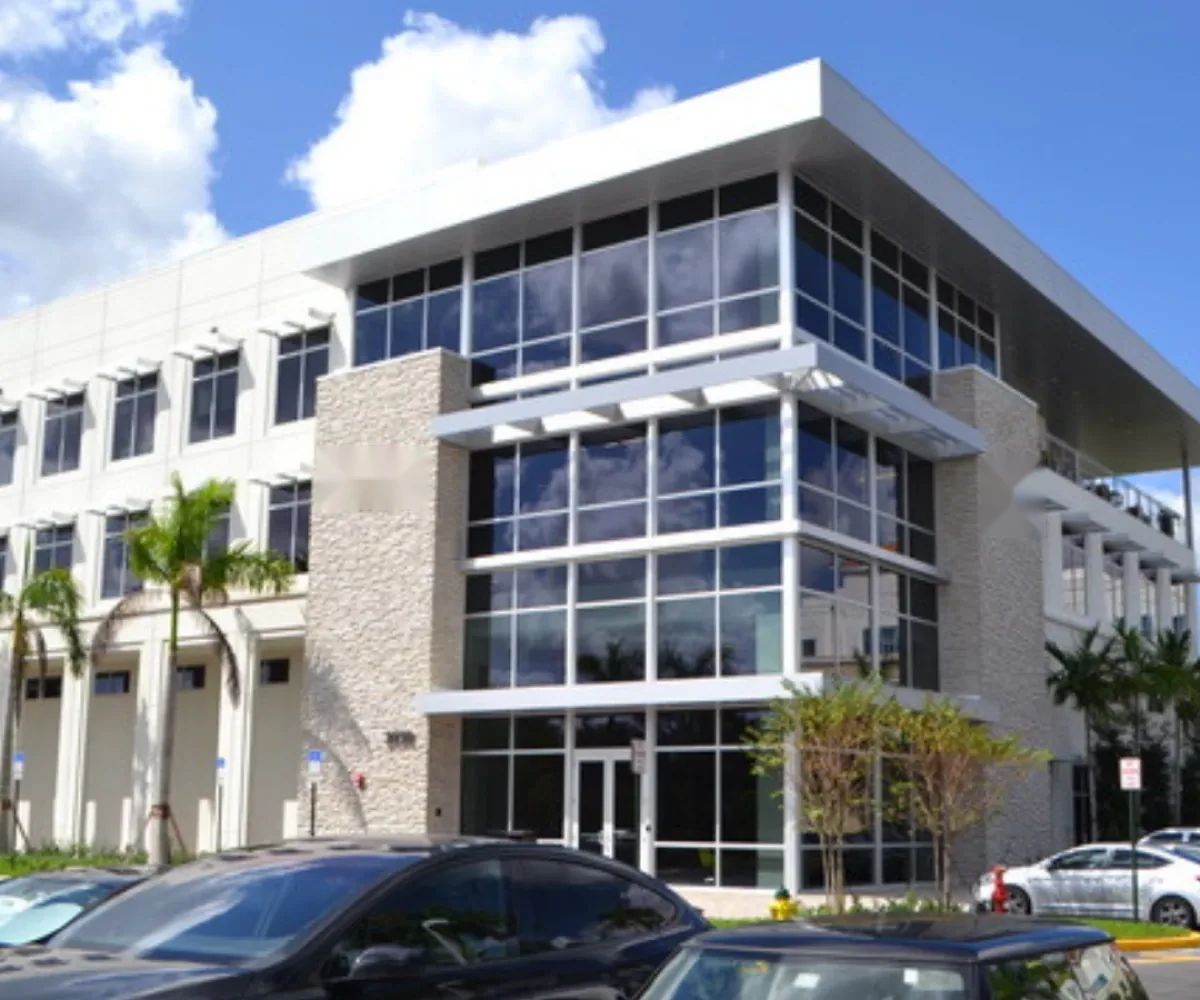
Next Actions and Open Items
Each roof record ends with a next step, an owner decision, or a monitoring point. The next step might be a repair estimate, a test opening, a drainage correction, a specialist review, or another inspection after access is available. We state who needs to provide a plan, approve a test, or coordinate the work. That keeps the file active and avoids carrying an unresolved condition forward as if it were closed.
A condition report can present findings and photographs for a single decision. A claim documentation review can organize roof observations when an owner is preparing a file. For a broad service visit in the Harbor Gateway district, we still identify the exact property and approved roof access before field work. The asset record stays tied to the building, not the district label.
Common Questions
Include the building and roof-zone references, system where confirmed, inspection photographs, repair history, access limits, open issues, and next action. We connect each entry to a date and observed condition. Missing records are identified so they can be supplied or verified later.
Only the roofs and zones actually inspected can receive findings. We document inaccessible areas and separate owner records from direct observations. A portfolio view can then show which buildings need inspection or follow-up instead of assuming one roof represents the group.
It connects condition, repair scope, testing needs, and operating constraints to an approval decision. We show which work is immediate and which can be planned, with the evidence and limits behind each item. Cost estimates can be added after the scope is confirmed.
We record the known dates and documents, then label gaps that affect system identification or repair decisions. The next inspection can establish a verified baseline. We do not infer service life or prior work from a missing file.
Yes. Each building retains its own roof zones, contacts, condition, and repair records. A coordinated schedule can group visits, while access windows and tenant operations remain specific to each property.
Related Roofing Work
Organize the Roof Record
Send available roof plans, inspection notes, repair history, and access contacts. We can build a condition file that ties observed roof zones to clear next actions.