
Multi-Site Commercial Roof Programs in Costa Mesa, CA
A portfolio schedule works only when each roof keeps its own condition record. In Costa Mesa, CA, we coordinate visits across multiple commercial properties, then document findings, access limits, and repairs by building. The program can group inspection windows and reporting dates without treating a warehouse, office, or multi-tenant property as the same asset. A shared calendar organizes the work; each roof walk sets its own scope.
We begin with the property list, available plans, prior reports, and contacts who can authorize access. The owner identifies operating hours, key requirements, and areas that require a trade escort. We then organize the inspections around those constraints and note where files are incomplete. We can also group document requests, set report delivery dates, and assign a contact for unresolved access. Those shared tasks make the schedule easier to administer, while roof-specific decisions remain with the manager responsible for each property. A portfolio view can show open decisions, while the condition report for each site remains tied to its own roof zones and evidence.
Set a Visit Order That Fits Operations
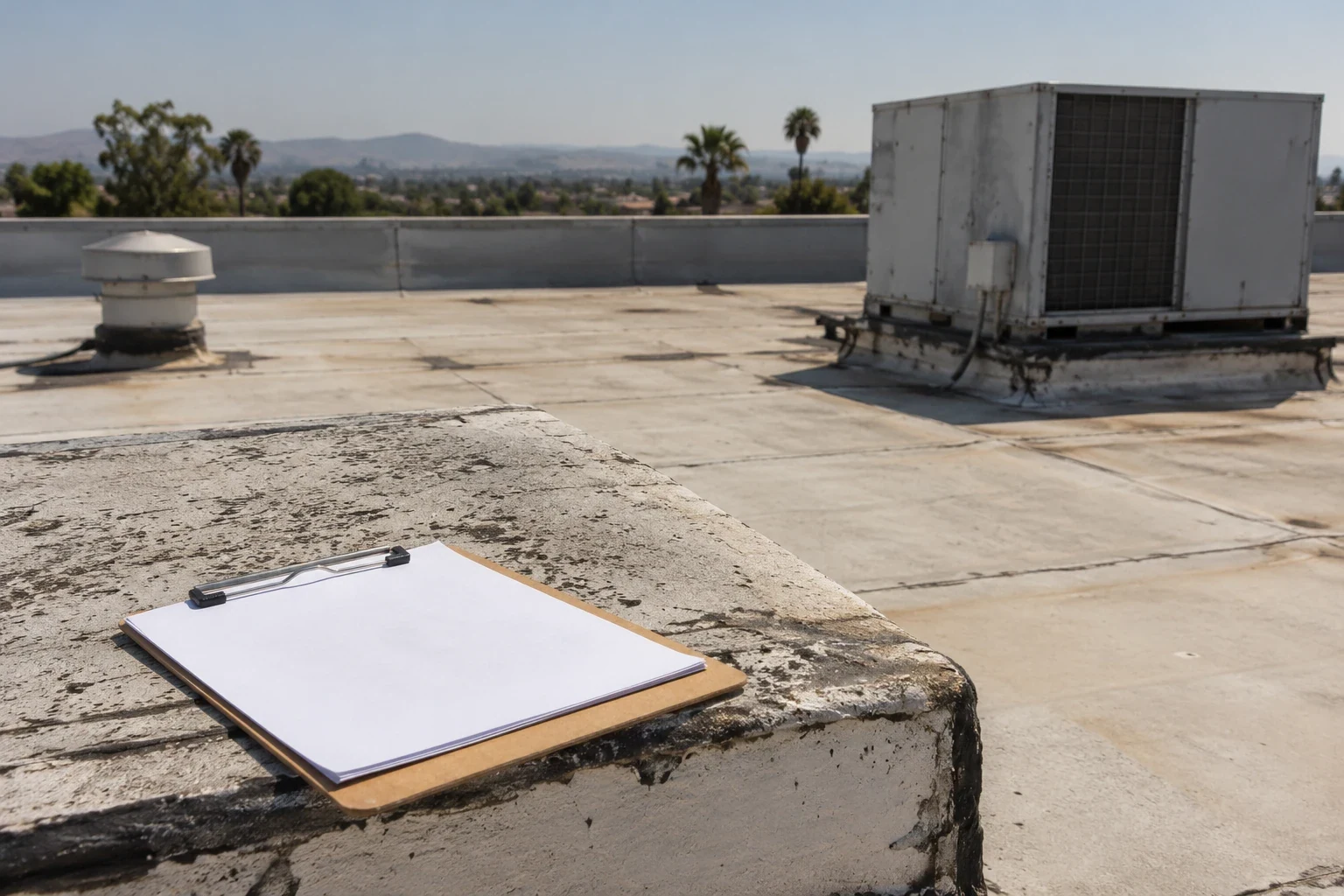
We group site visits by access window, current concern, and available records. A property with active water entry may need an earlier inspection than one awaiting routine maintenance. The visit order is an operating decision, not an assumption that all roofs have similar urgency. We record which contact confirms access and identify any locations that could not be entered during the scheduled window.
Costa Mesa's General Plan identifies three major industrial districts and seven commercial corridors. Those broad locations can help organize local visit routes, but a district name does not indicate the roof system or condition at each address. A commercial roof inspection starts from the specific property and access plan. For a larger portfolio, the asset record keeps each building's findings separate while a shared schedule tracks next actions.
Use One Reporting Structure, Not One Finding
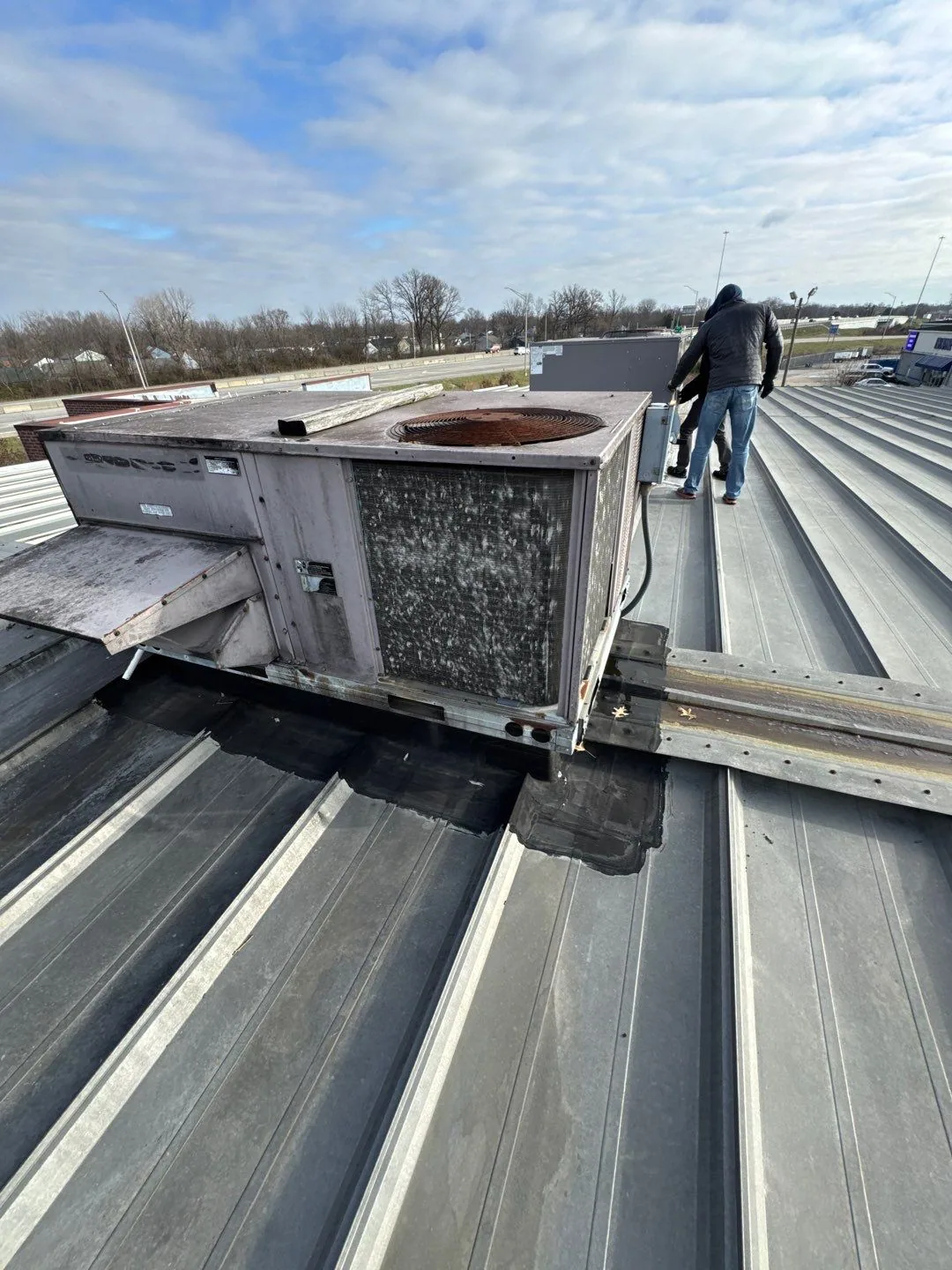
Consistent fields make reports easier to compare: system where confirmed, roof-zone reference, observed condition, photographs, repair boundary, and follow-up. We use the same record structure across sites but write each finding from that roof's inspection. An inaccessible hatch or locked area is listed separately. The file can show that two sites have open repairs without implying the cause, material, or needed work is identical.
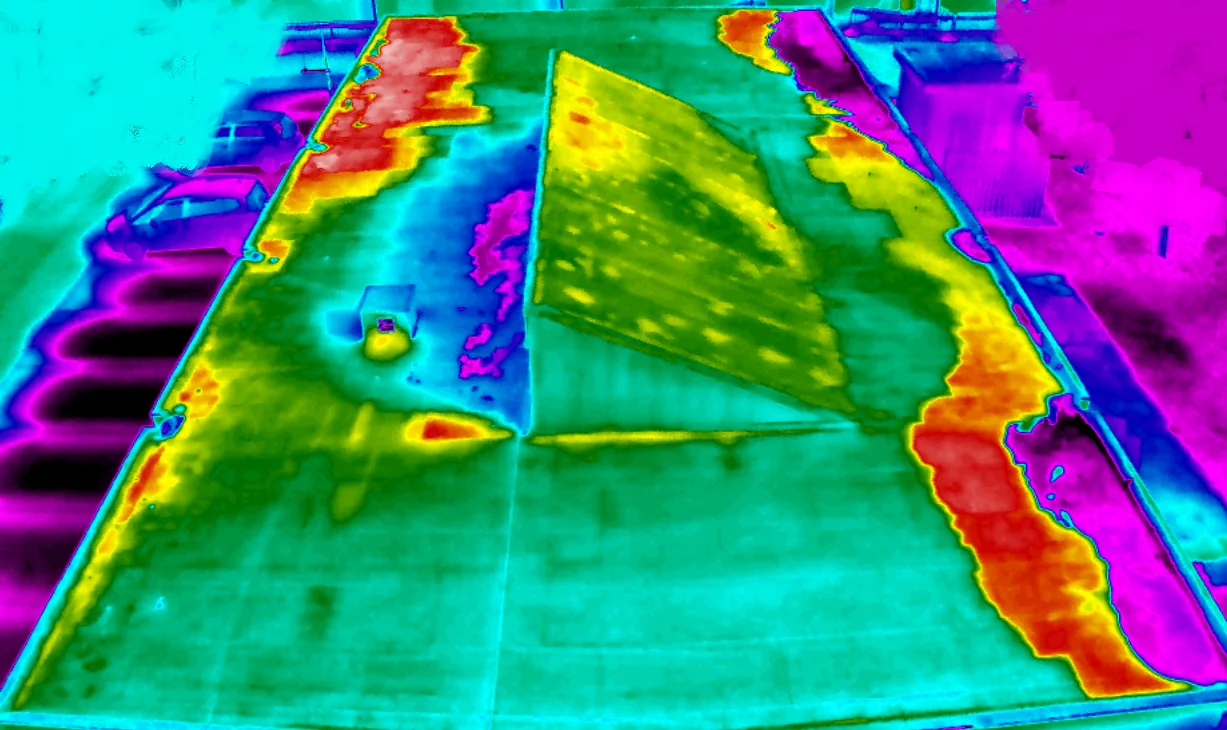
A condition report gives each property a dated baseline. For broad surface context, a \1 may help map accessible roof areas, with close checks retained for seams and penetrations. A moisture survey can suggest test locations when concealed water is a concern. We record which method supports each site entry so a portfolio export does not blur observations and survey results.
Keep Priorities Tied to Their Evidence
Portfolio priorities should follow actual roof conditions and operating consequences. We place active leaks, repair estimates, testing needs, and longer capital options in separate fields. The owner can review which action is confirmed, which depends on an opening or material identification, and which needs a design or permit discussion. This gives finance and facilities teams a common status without reducing roof decisions to a single score.
The City's climate-planning page identifies extreme heat, drought, wildfires, and air pollution as relevant planning topics. NOAA station normals near Costa Mesa show regional weather conditions, not the same exposure at each property. We keep climate context in the market file and evaluate each roof from its assembly, field condition, and maintenance record. A capital planning review can then order work by evidence and approval timing rather than copying one site's recommendation to the portfolio.
Coordinate Tenant and Trade Contacts
A multi-site program may include properties with different tenant contacts, mechanical vendors, loading rules, and roof keys. We keep those requirements with the correct address and confirm them before each visit. If a unit shutdown or escort is needed, the schedule identifies who will arrange it and what happens if access is unavailable. That detail prevents a missed window from being recorded as a completed inspection.
The General Plan describes Westside industrial uses that include smaller operations in multi-tenant structures. A shared roof can therefore have several owner or tenant contacts even within one property. We confirm who controls roof access and who receives the report. For buildings in the Airport Industrial/Business Park district, the same property-specific check applies; broad district geography does not establish an operating schedule or access route.
Manage Repair Packages by Property
When repairs are approved at several properties, we prepare a separate scope for each roof and list shared procurement or scheduling assumptions apart from the field findings. The package identifies the repair location, materials where confirmed, tie-in, access window, and any area left out. If one roof needs a test while another can proceed, the program can keep both decisions visible without holding a defined repair unnecessarily.
A seam repair at one site may not match a flashing repair at another. We use photographs and roof-zone labels to prevent one scope from being attached to the wrong building. If work will remain in occupied areas, a \1 can coordinate staging and tenant communication property by property.
Close Each Cycle with the Next Action
After the visit or repair cycle, we update each building's file with dates, photographs, completed tasks, and unresolved items. The owner can review a portfolio summary for due dates and open approvals, then open the site report for the supporting condition. If a repair has not occurred, it remains open. If a visit was postponed, the record explains the reason and next access step. We can report the overall count of inspected roofs alongside a list of sites still awaiting access, but each condition remains separate. A delayed site is shown as pending with its reason and requested return date. That distinction gives the portfolio contact a current workload view without implying any unvisited roof has passed inspection.
A maintenance program can establish return visits and revisit marked roof zones. A \1 may be scheduled separately for a property with storm-related records. For visits in Harbor Gateway, we confirm the property's identity, roof plan, and contact before dispatch. The program's useful output is a current set of building-level records, not a generic portfolio statement.
Common Questions
Yes. We can use consistent fields for roof zones, findings, photographs, access limits, and next actions. The copy and recommendations still come from each property's inspection. A shared format does not make the systems or conditions identical.
We review active leaks, reported roof changes, access availability, and owner priorities. We identify any work that depends on testing or another trade. The owner confirms the sequence, and each visit retains its own scope.
If the owner authorizes that arrangement, the contact can help route access and records. We still verify property-specific keys, tenant restrictions, escorts, and operating windows before each visit. The report records the actual access conditions.
Each building keeps an open-action list with approval, access, or testing dependencies. A portfolio summary can show due items, but a site report retains the roof-zone photographs and scope. Completed work is closed only after its record is updated.
Yes, when each repair boundary is confirmed and scheduling is coordinated with the property contact. We can sequence by access window or approved priority. A repair requiring testing remains separate from work that is ready to proceed.
Related Roofing Work
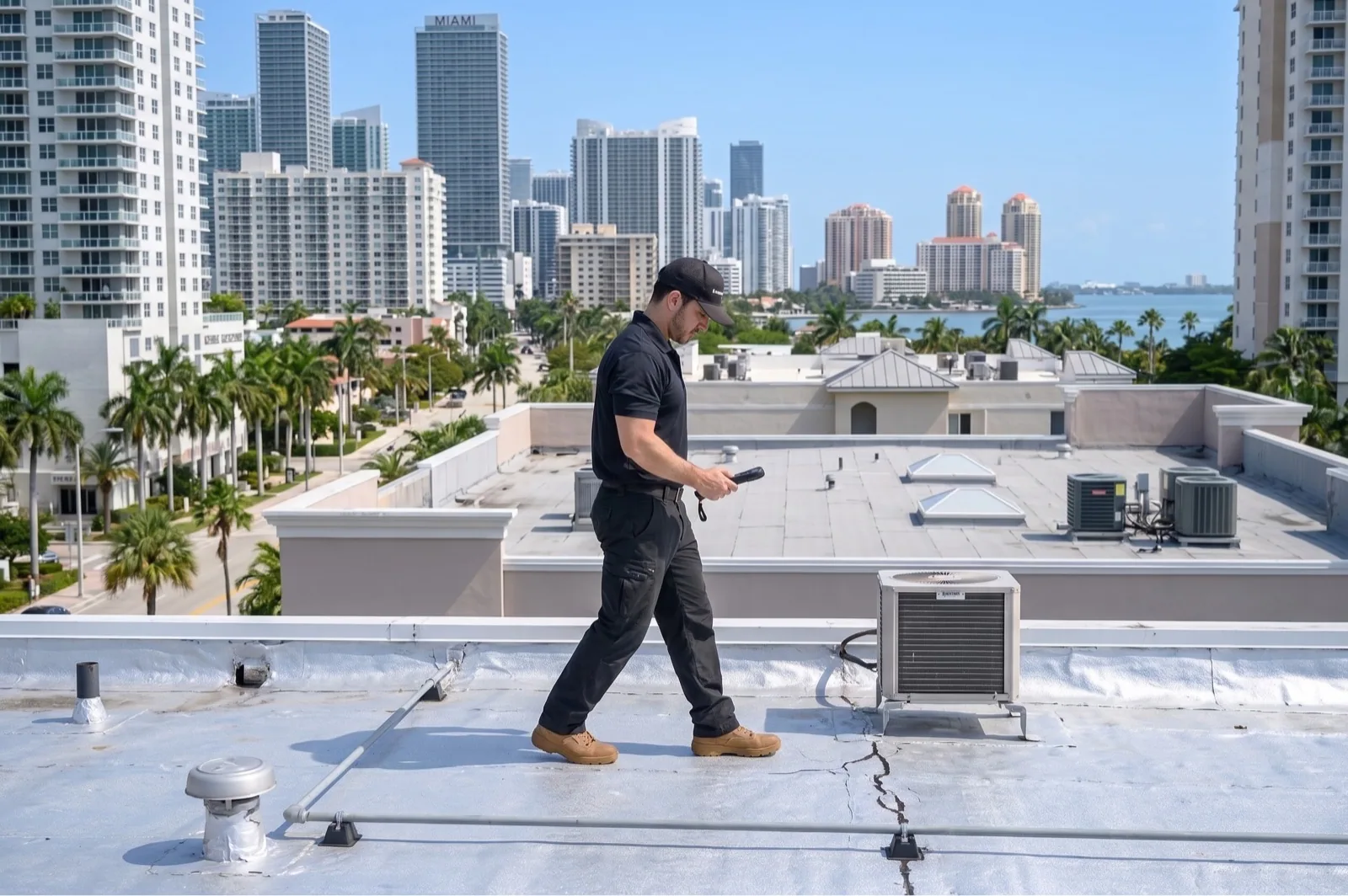
Coordinate a Multi-Site Roof Cycle
Provide the property list, available plans, existing reports, and access contacts. We can organize visit windows and keep each building’s inspection and repair record distinct.