
Commercial PVC Roofing in Costa Mesa, CA
A PVC membrane needs a compatible repair material at every seam and penetration. We identify the installed system, inspect the welds and flashing, and map the work area before recommending PVC roofing in Costa Mesa, CA. Long-term readings at the nearby station place annual precipitation at 11.18 inches. July's mean daily maximum is 78.9°F and August's is 80.4°F. These regional normals provide context, not measurements of a PVC surface. Those regional figures provide context, not a roof-specific diagnosis.
PVC is a thermoplastic single-ply membrane joined with heat-welded seams. The system can be repaired or replaced, but the choice depends on seam condition, insulation, deck, drainage, and prior modifications. We photograph the field, edges, and rooftop details, then explain what is confirmed and what needs testing. A roof record lets the owner compare a localized weld repair with a broader assembly scope.
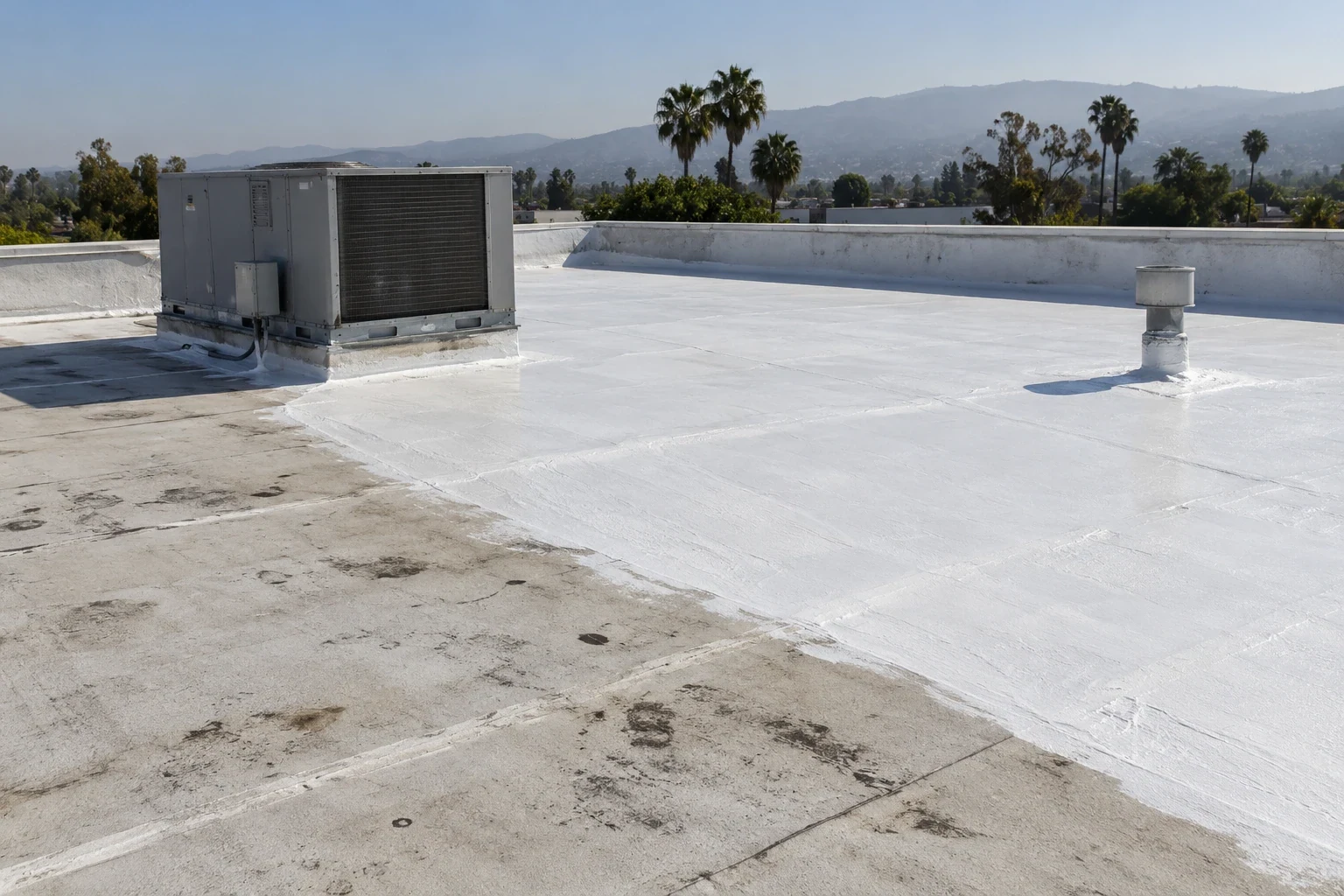
Material and Weld Identification
We inspect membrane markings when available, review prior submittals, and compare field and flashing materials. A roof that looks like PVC should not be assumed to match a specific product or formulation. We record the identification basis and confirm compatibility before heating or patching. Seams, corners, and termination bars receive close attention because a small separation can allow water beneath the membrane.
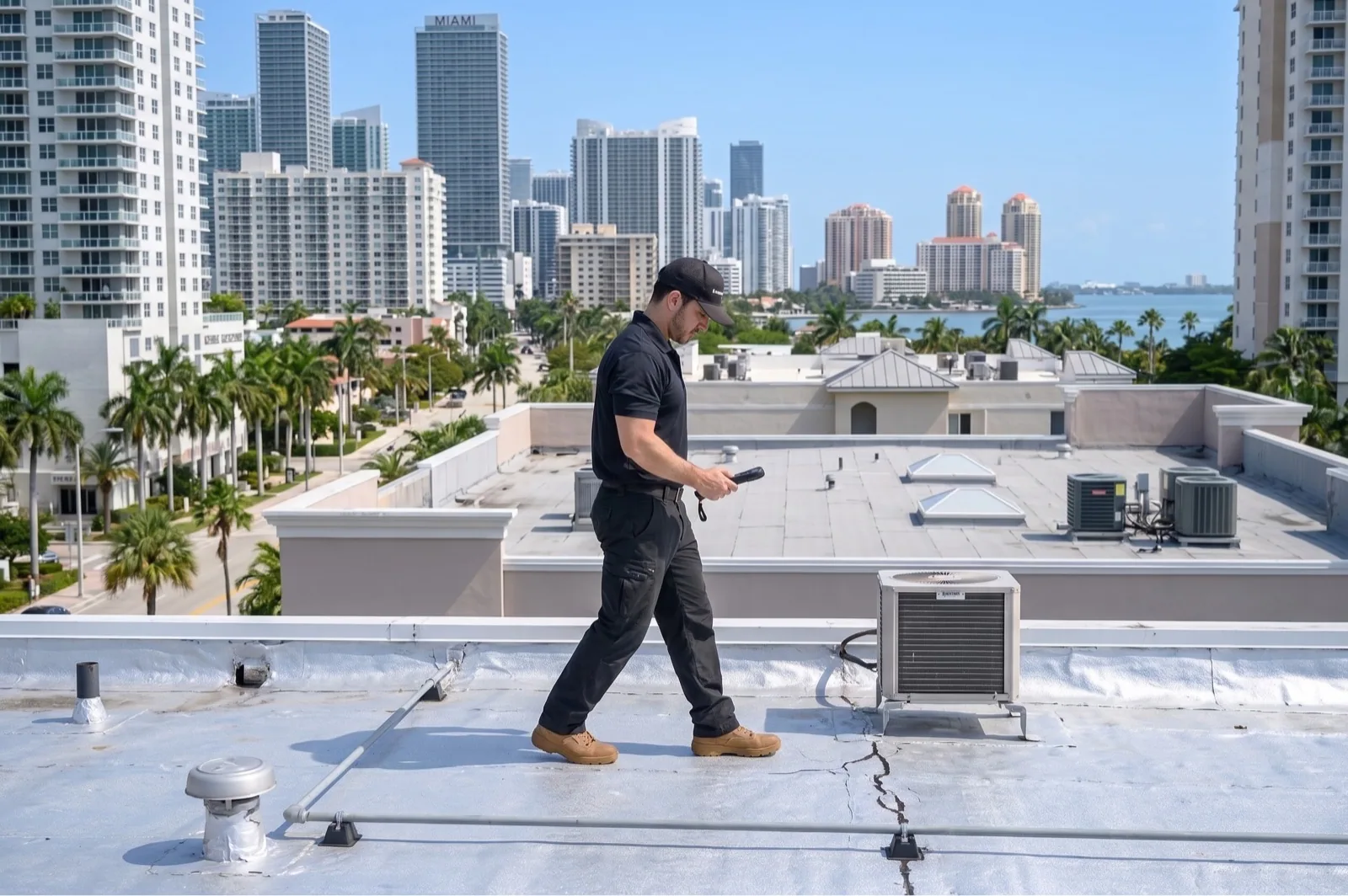
At rooftop units, we check how flashing turns around the curb and whether movement has stressed the corners. At drains, we inspect the clamping area and clear path. The roof condition report ties each finding to a location. A cover-board assessment is useful when foot traffic, puncture risk, or substrate condition may have affected the membrane beneath an equipment route.
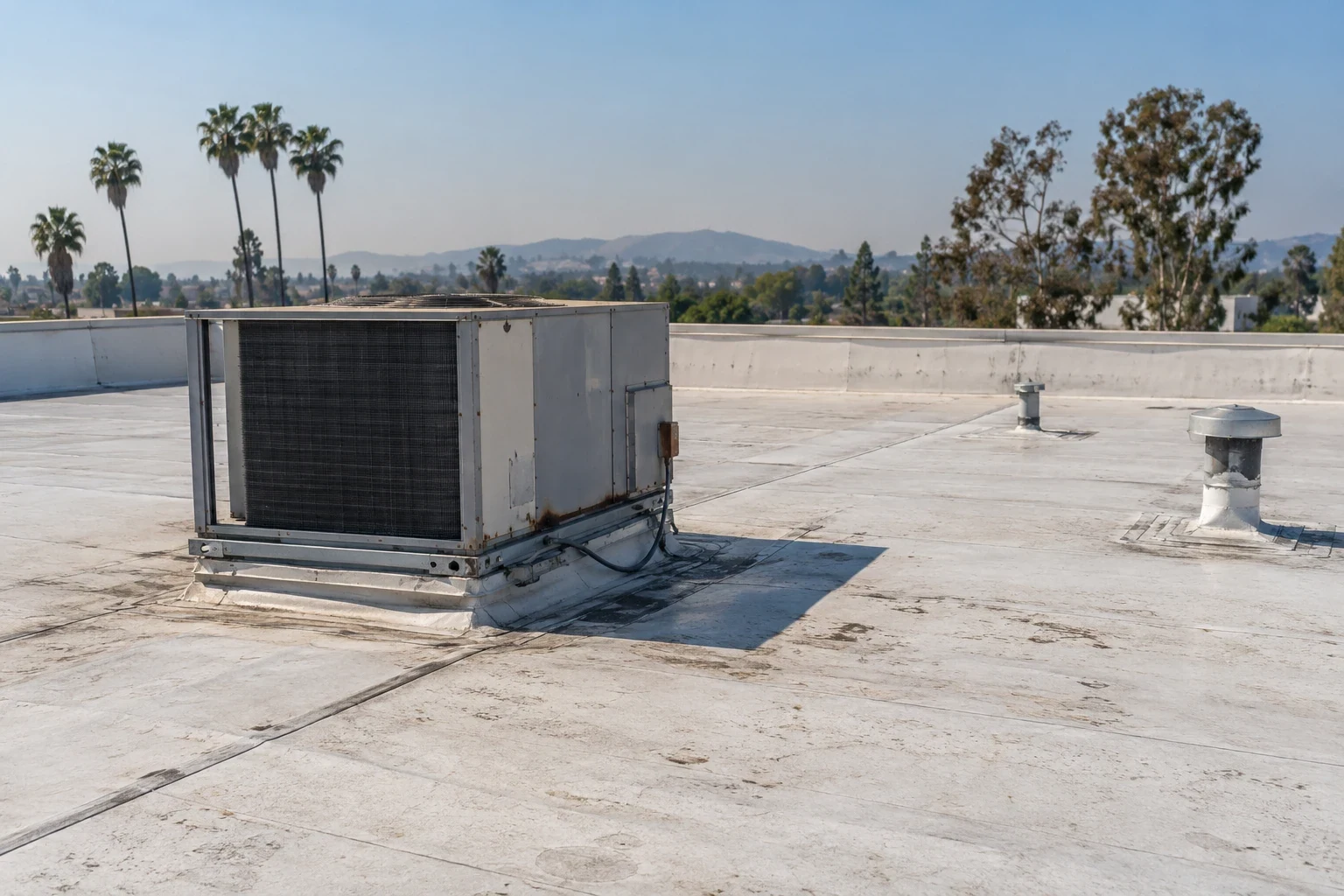
Welds and Transitions
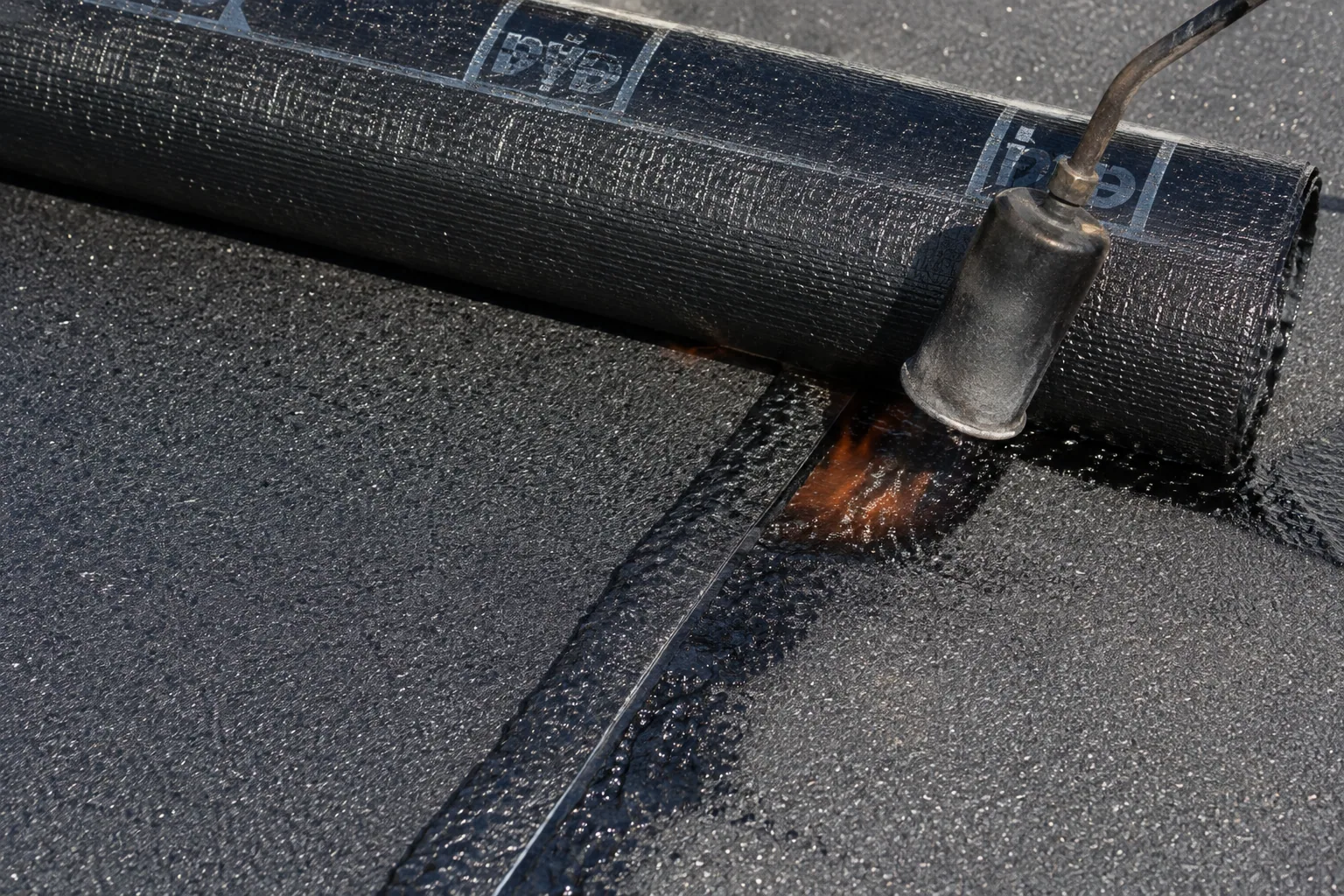
Hot-air welding requires clean surfaces and consistent heat, pressure, and speed. Dust, old coatings, incompatible repair material, or moisture can undermine the bond. We prepare the surface as the system allows, use compatible membrane, and inspect the completed weld. At a field patch, the repair should extend onto sound membrane and keep edges arranged so water does not work against the lap.
PVC flashing turns at parapets, curbs, pipes, and drain bowls. Each shape needs a detail that stays attached while the roof moves through ordinary temperature changes and service traffic. A TPO roof also uses welded thermoplastic seams, but material compatibility still matters. An EPDM roof uses a different repair method. Confirm the membrane family before selecting repair materials. We identify the installed membrane before combining products, repairs, or accessories across system boundaries.
Roof Conditions Across Costa Mesa
Costa Mesa planning materials identify heat, drought, wildfire, and air pollution among local climate impacts. These planning considerations do not determine membrane condition. We inspect the field, look for surface embrittlement or separation, and record exposure at the actual roof. The nearby airport station's normals give regional context; we do not substitute them for a roof walk or infer a specific temperature from a citywide figure.
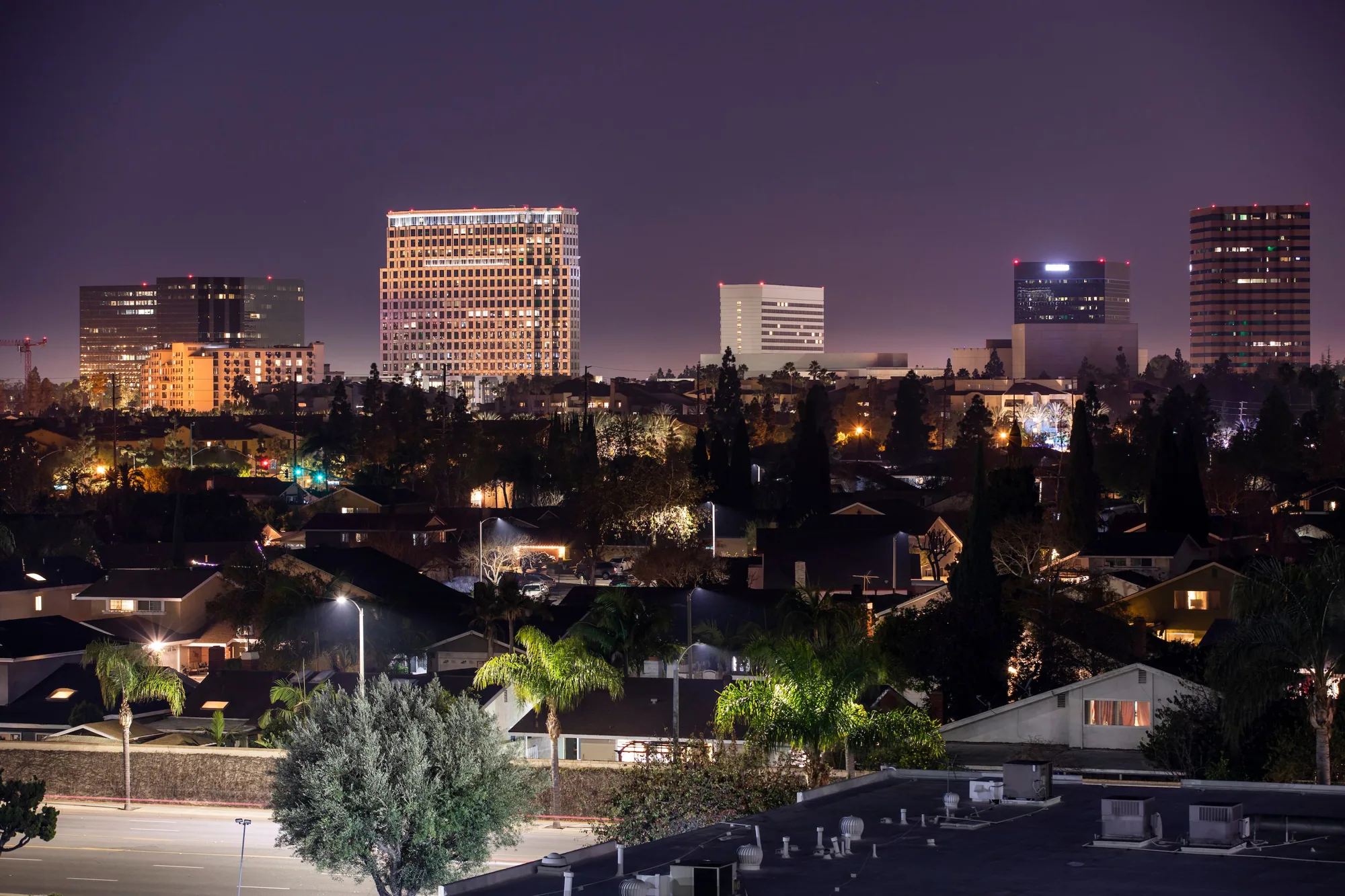
Harbor Gateway occupies a broad industrial and business park district northeast of I-405 and the Santa Ana River. The Harbor Gateway area and Westside district represent different Costa Mesa settings, yet neither identifies a property's roof system. We confirm the actual membrane, access route, and owner contact before scheduling PVC work. The field report keeps each weld and flashing observation tied to the roof where we found it.
Localized Repair Decisions
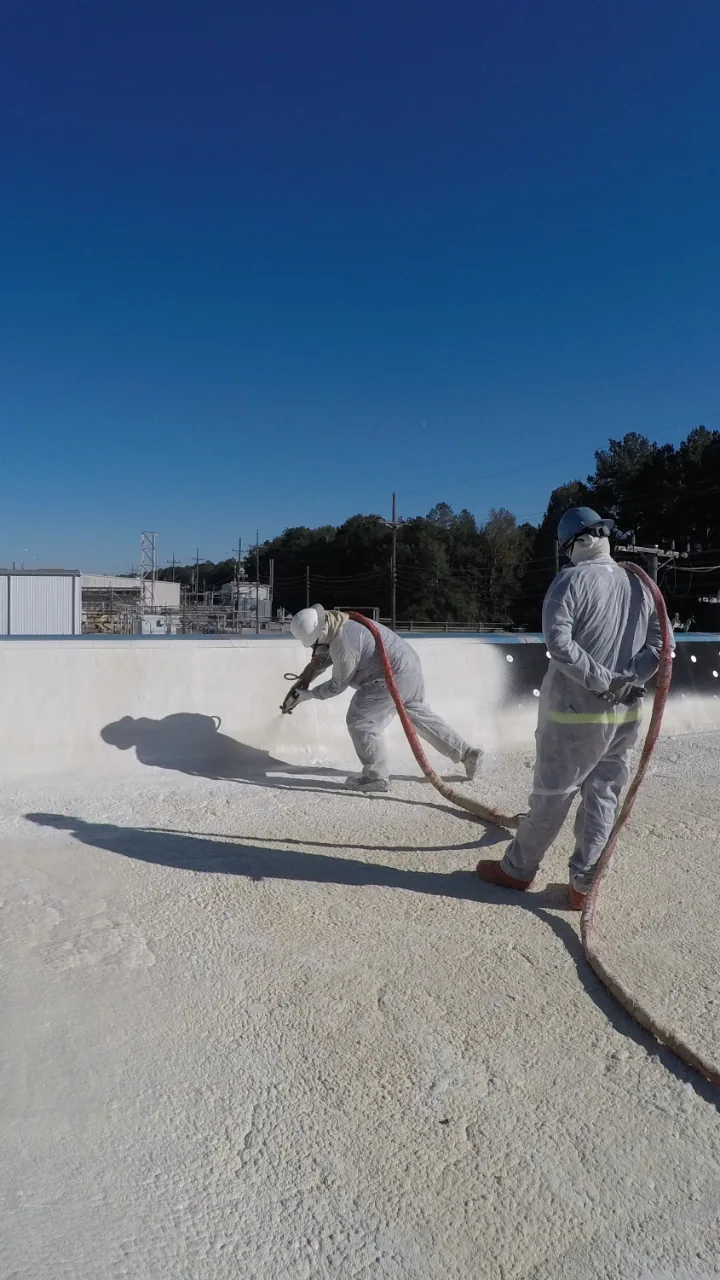
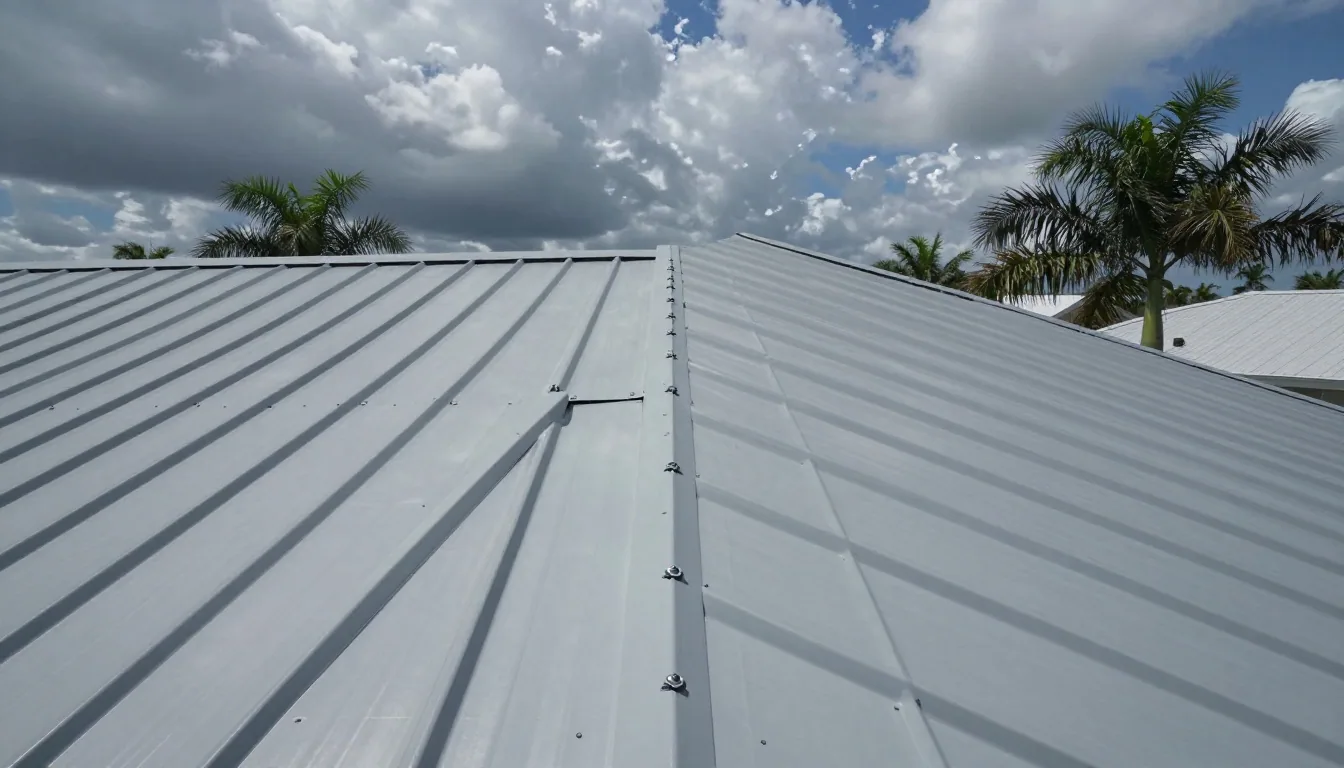
A repair can fit when the failed weld or flashing is isolated and surrounding membrane remains suitable. We mark the repair boundary, check nearby laps, and test the completed detail. If several seams fail or a patch history covers a broad area, the owner may need a larger review. We map the pattern, not just the most visible defect, and identify where a test opening can answer a question about wet insulation.
When existing material cannot be identified confidently, we pause product selection until records or testing clarify compatibility. The proposal lists the repair material and location. A repair scope should explain the condition it addresses and whether the owner should expect follow-up monitoring. For an active leak, emergency protection can be installed while the permanent PVC detail is prepared.
PVC Replacement Scope
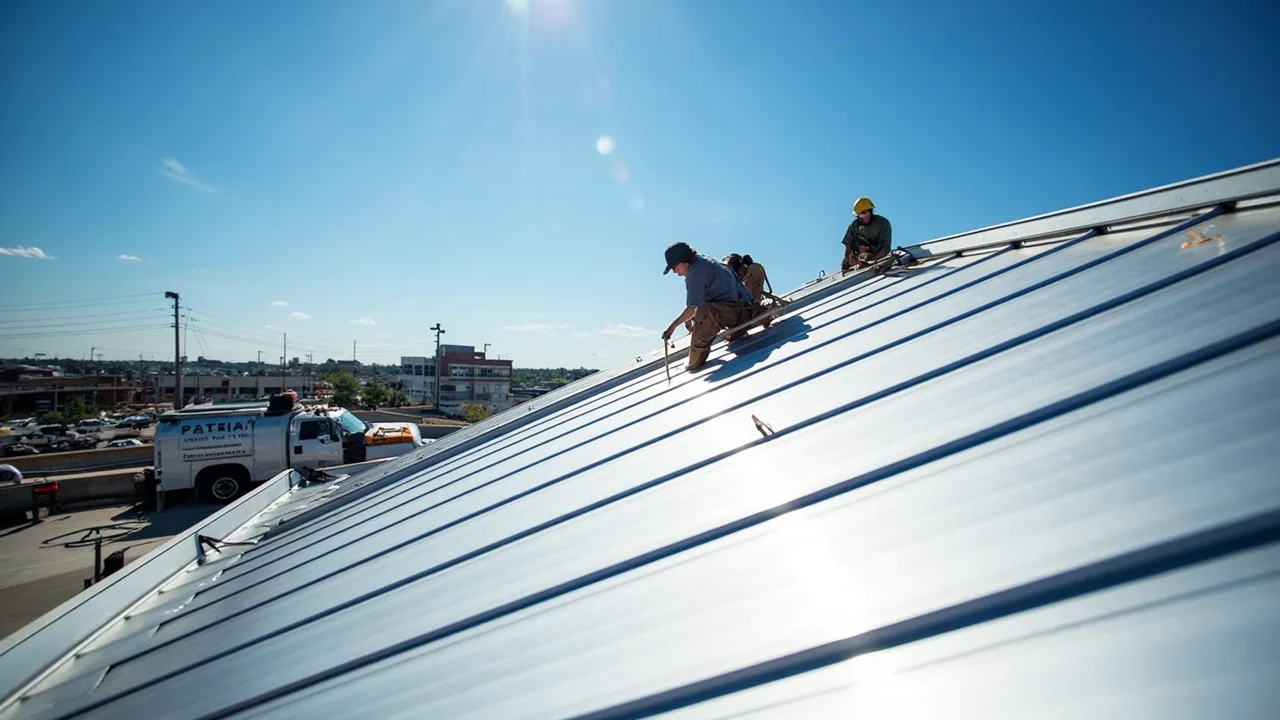
A replacement begins with deck review, attachment design, insulation, drainage, perimeter metal, and transitions to walls or equipment. We compare the specified assembly with roof conditions and code or permit requirements for the actual project. The scope notes any removal, recover limits, test areas, and equipment coordination. It also states how water remains controlled while the old membrane is removed and the new assembly is installed.
PVC details must connect continuously at drains, parapets, curbs, and expansion joints. The owner should review any compatibility note at interfaces with other materials. A replacement plan should include sequencing, access, closeout photos, and maintenance instructions. If a reflective finish is part of the decision, compare the complete assembly rather than surface appearance alone.
Care After Installation
Maintenance staff can keep drains clear, record new punctures, and report changed seams or flashing. Roof traffic should follow designated routes and avoid dragging equipment across the membrane. After mechanical service, the owner should inspect the curb detail and confirm that the trade left the flashing intact. We provide a closeout map so staff can recognize repairs and avoid placing materials over a seam or drain.
A scheduled roof maintenance visit records drain condition, field seams, edge metal, and penetrations. It can also compare new observations with installation photos. If water appears inside, we trace the path through likely roof details instead of assuming that the nearest PVC seam is the entry point. The result is a practical next step tied to the assembly and the building's operations.
Review the PVC Roof in Place
Share repair records, submittals, warranty documents, and photos of visible damage before arranging a walk. We will verify membrane identity as far as records allow, inspect representative welds and transitions, and map any test areas. The written recommendation will distinguish repair, recover, and replacement paths, with each condition and coordination item identified.
We provide around-the-clock response for urgent roof leaks and plan PVC service work around the property's access rules. A Costa Mesa roof may sit in an industrial district or on a retail corridor, but system selection follows the assembly actually installed. Schedule a roof walk and bring the building contact who can approve access. We will return a condition record that supports a clear repair boundary and next inspection.
Common Questions
We review product records and membrane markings, then compare the installed surface and details. Appearance alone may not establish a product formulation. We identify any uncertainty before selecting a repair material.
We do not assume the materials are compatible. We identify each membrane and use a repair detail approved for the installed system. At a mixed assembly, we document the interface and confirm the correct transition.
Surface contamination, inconsistent welding, movement, aging, or stress at a detail can contribute. We inspect the seam and surrounding membrane, then test an appropriate area. The repair scope addresses the observed cause and nearby conditions.
Not necessarily. The existing system, project goals, surface condition, and manufacturer requirements determine whether any additional finish belongs in the scope. We review the whole assembly and do not treat a coating as a substitute for failed flashing or wet insulation.
We map curbs and service routes, confirm what can remain in place, and identify any equipment lift or shutdown. The owner coordinates the mechanical trade while we protect and restore the roof-side interface.
Related Roofing Work
Schedule a Costa Mesa Roof Walk
Share current roof records, known leak locations, and access requirements. We will confirm a workable visit and document the conditions that affect your next decision.