
Commercial Roofing for Manufacturers in Costa Mesa, CA
On a manufacturing roof, a repair scope must make sense to both the facilities lead and the production planner. We identify the affected line or equipment zone, confirm whether exhaust or service work is scheduled, and mark the roof area that can be reached during the approved window. The field record separates visible seam or flashing conditions from any concealed assembly question that needs testing. That boundary lets operations decide whether a short access hold is enough or whether equipment coordination needs a longer shutdown.
Costa Mesa's General Plan describes the Westside as a mix of small manufacturing and service industries alongside larger industrial operations. It places the Airport Industrial Area within a broader business and industrial complex extending into Irvine and Tustin. Those are land-use descriptions, not a directory of current plants. We confirm the actual use with the site contact, then attach dated photographs and roof-zone labels so a later maintenance crew can compare the same details.
Start with the Roof Zone
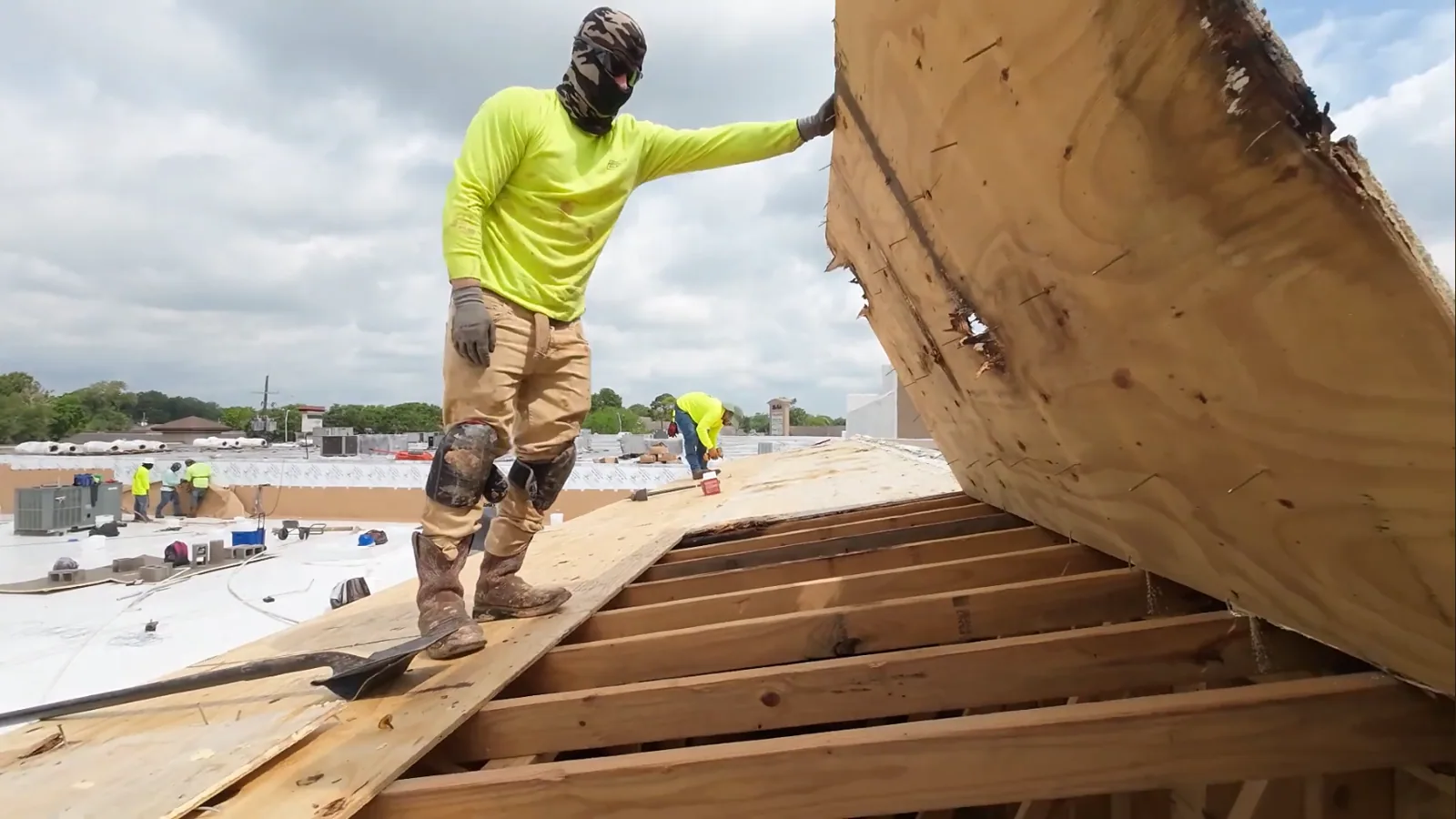
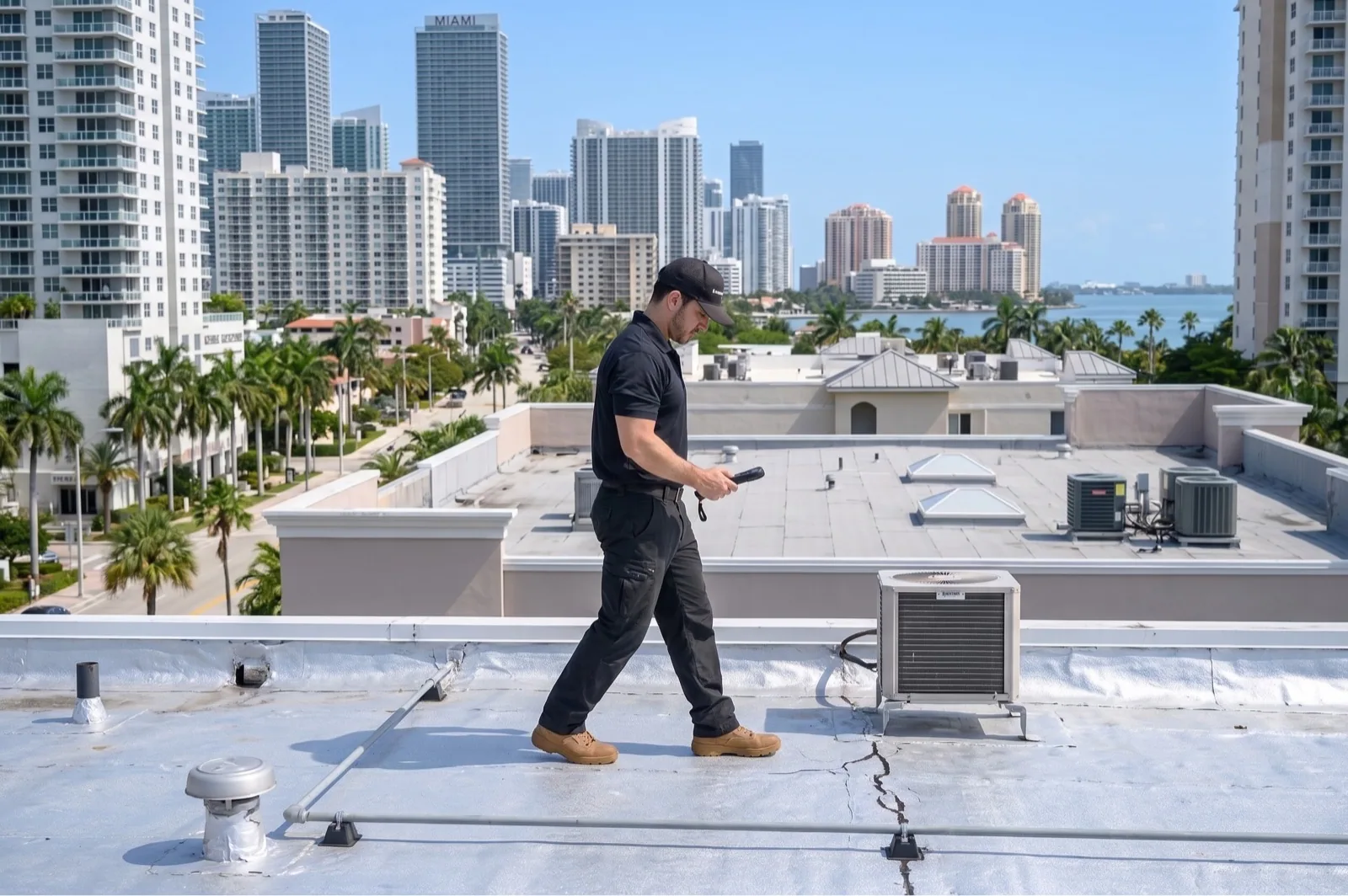
We mark the affected roof zone before deciding how far to investigate. The walk checks membrane seams, roof edges, drains, skylights, curbs, and any prior repair line near the reported area. If water has traveled under the surface, the interior location may not match the roof entry point. We photograph the observed path and note where equipment, piping, or restricted access limits the view. A test opening or moisture survey is a separate step when the assembly cannot be confirmed from above.
A commercial roof inspection can provide the plant team with a written condition report and photos. The record distinguishes a visible open seam from a suspected wet area that needs testing. If a repair is approved, we identify the area to be opened, how the tie-in will be checked, and where work stops. The maintenance lead can use that boundary to coordinate production, housekeeping, and interior protection without treating one roof symptom as proof of a broader assembly failure.
Production and Material Movement
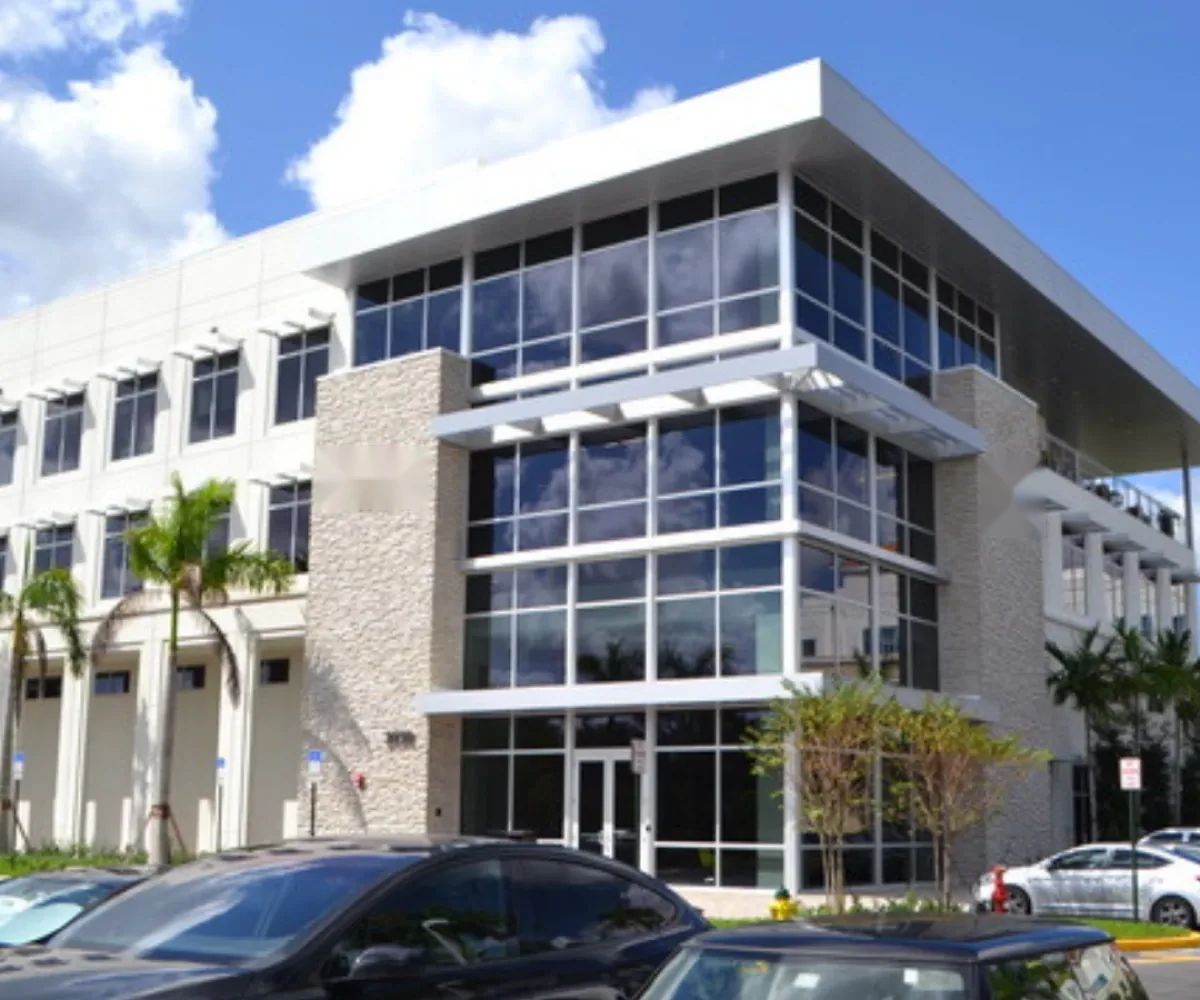
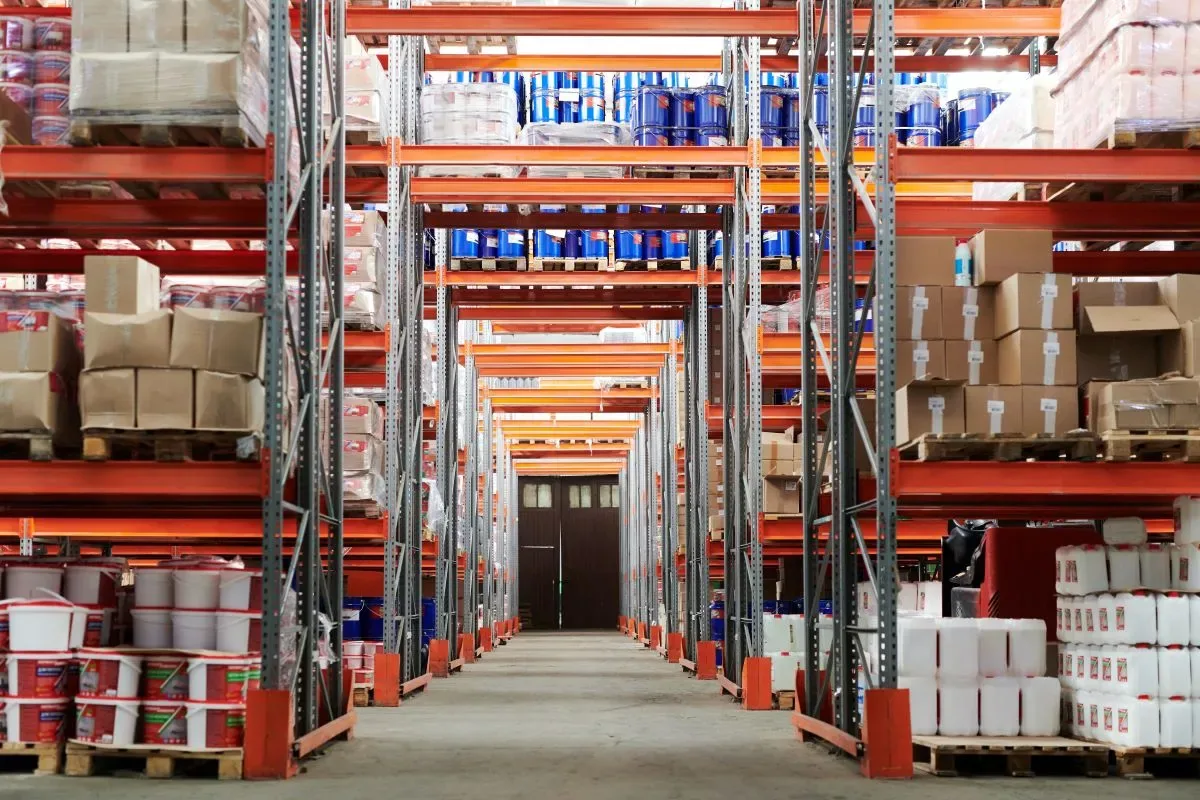
A roofing crew needs a safe path to the roof and a place for tools and materials. At an active manufacturing property, we confirm delivery timing, loading conflicts, equipment access, and any area that must stay clear. A small flashing repair may need a defined access window and temporary protection. A larger project calls for a zone-by-zone sequence, dry-in plan, and daily closeout so the plant knows which area is available again.
The General Plan identifies Westside industrial uses that include small operations in multi-tenant structures. A shared loading area or roof hatch can involve contacts beyond the plant manager, so we confirm who controls access before mobilization. We can phase work to keep the repair boundary clear and coordinate any roof opening with operations. A logistics roof plan also considers receiving and dispatch activity; those constraints need to be verified at the individual site rather than assumed from its district or building use.
A Repair That Stops at Evidence
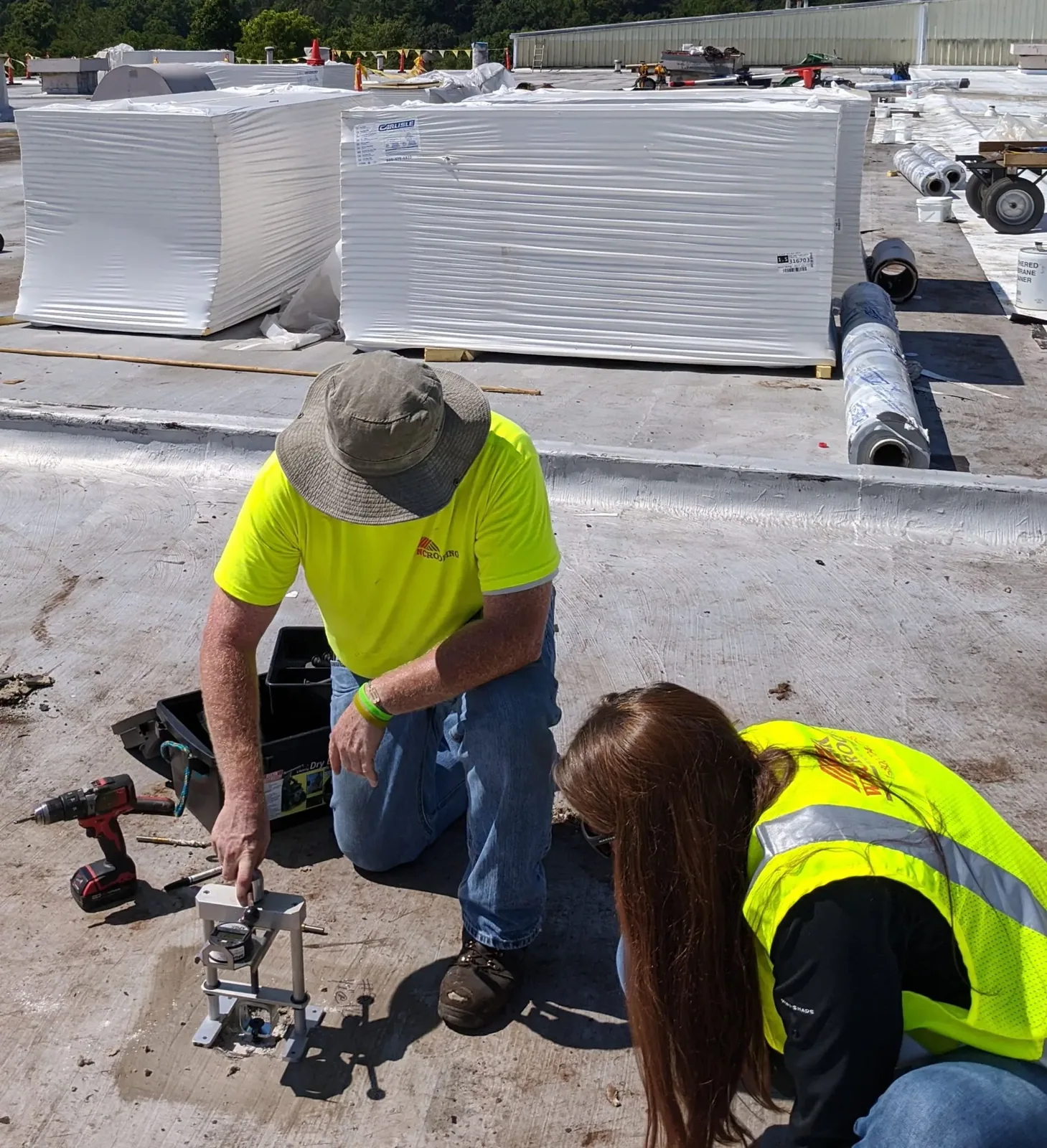
A patch can work when the surrounding membrane is compatible, stable, and dry enough for a reliable tie-in. If the insulation is wet, the seam has separated across a wider area, or the deck needs review, a patch alone may not address the cause. We inspect the detail and nearby transitions, then mark what is confirmed. When access is needed to verify concealed layers, we state that step before adding tear-off or replacement work to the scope.
For a manufacturing building with repeated failures, we compare localized repair with a wider evaluation. The manufacturing plant roof review can account for equipment curbs, service paths, and operating conditions. If the scope requires new roofing, a replacement proposal identifies tear-off, substrate repairs, insulation, and membrane tie-ins. An existing assembly may support a recover only after its layers and attachment are checked. The proposal keeps defined repair work separate from any area held for testing.
Equipment, Curbs, and Roof Movement
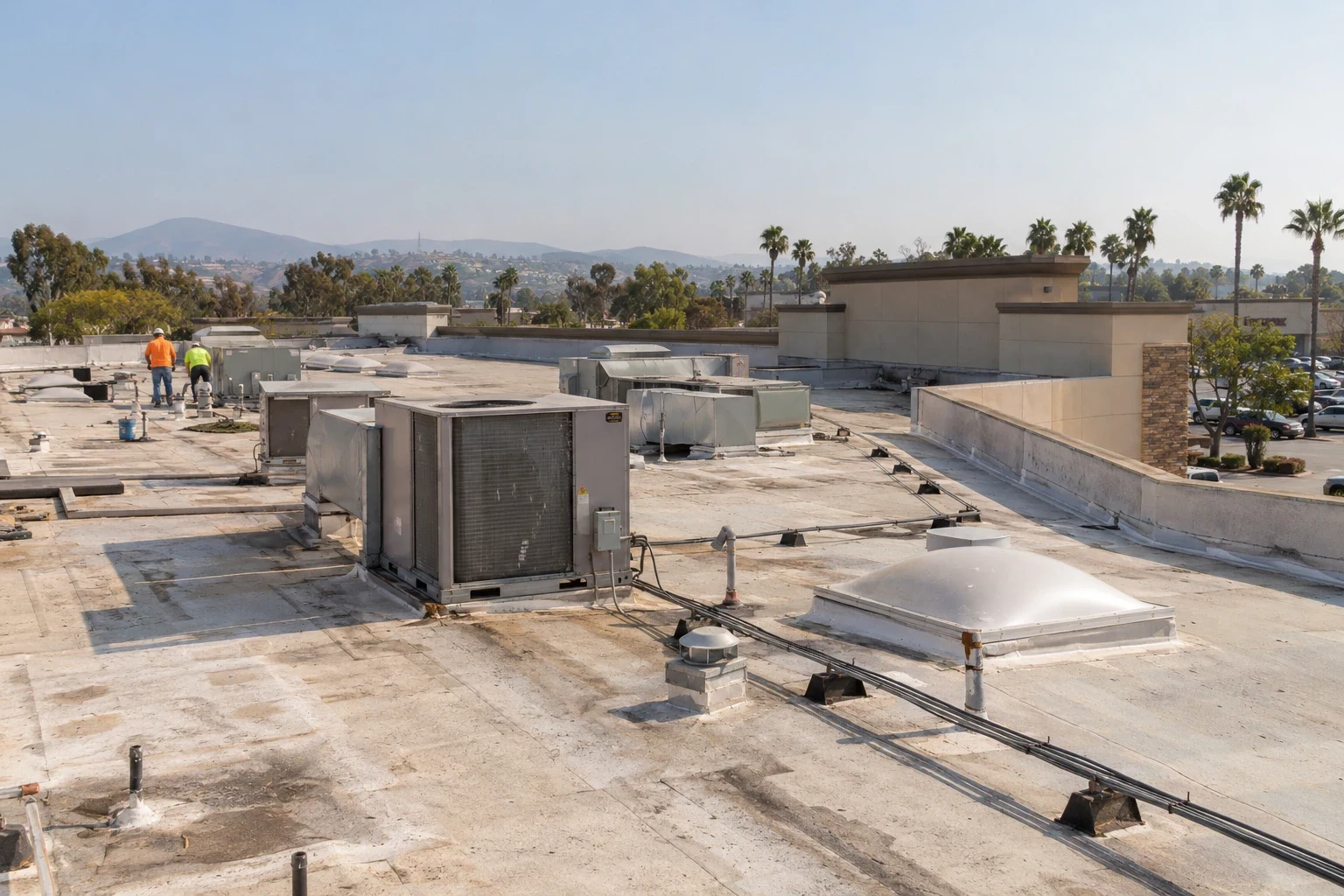
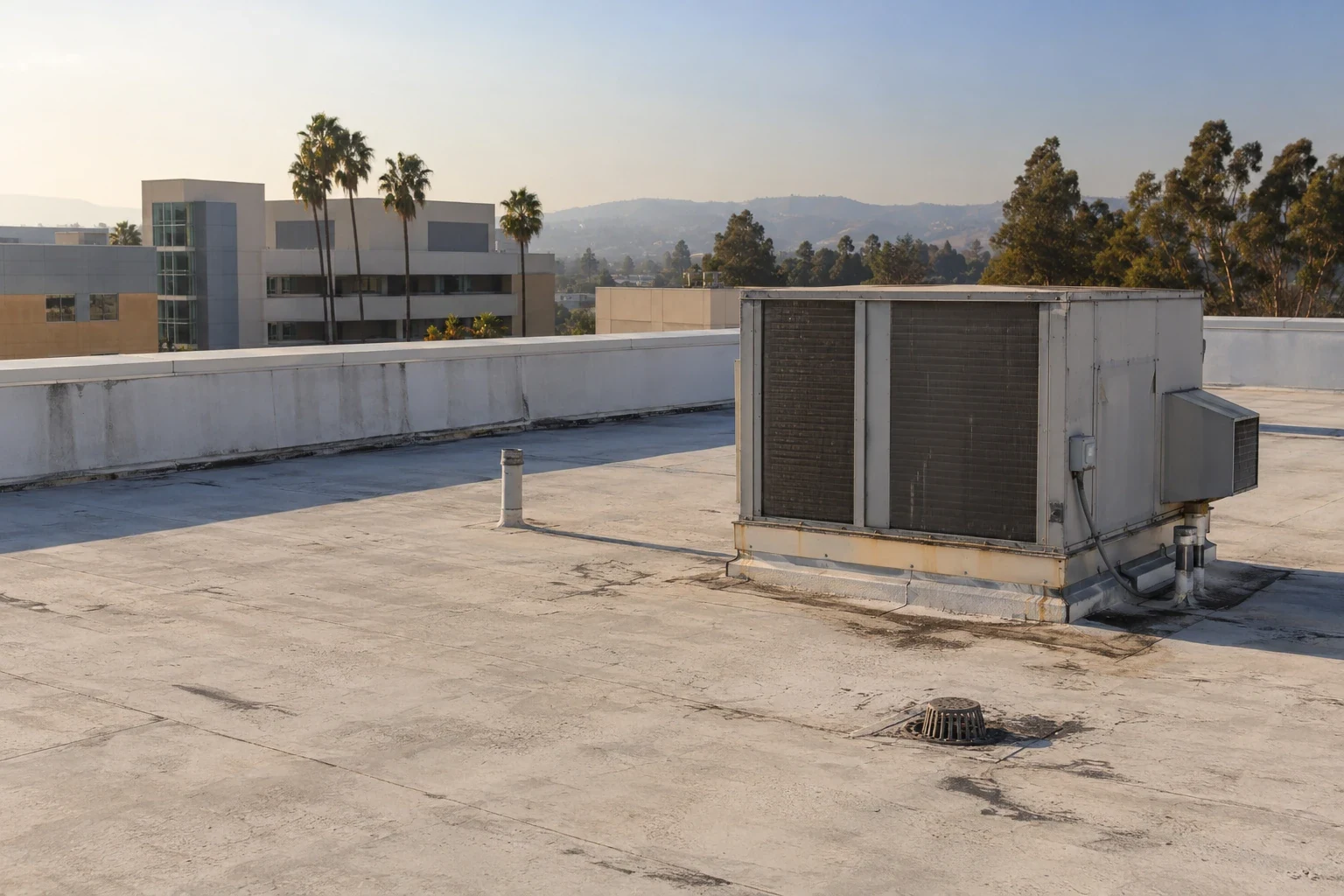
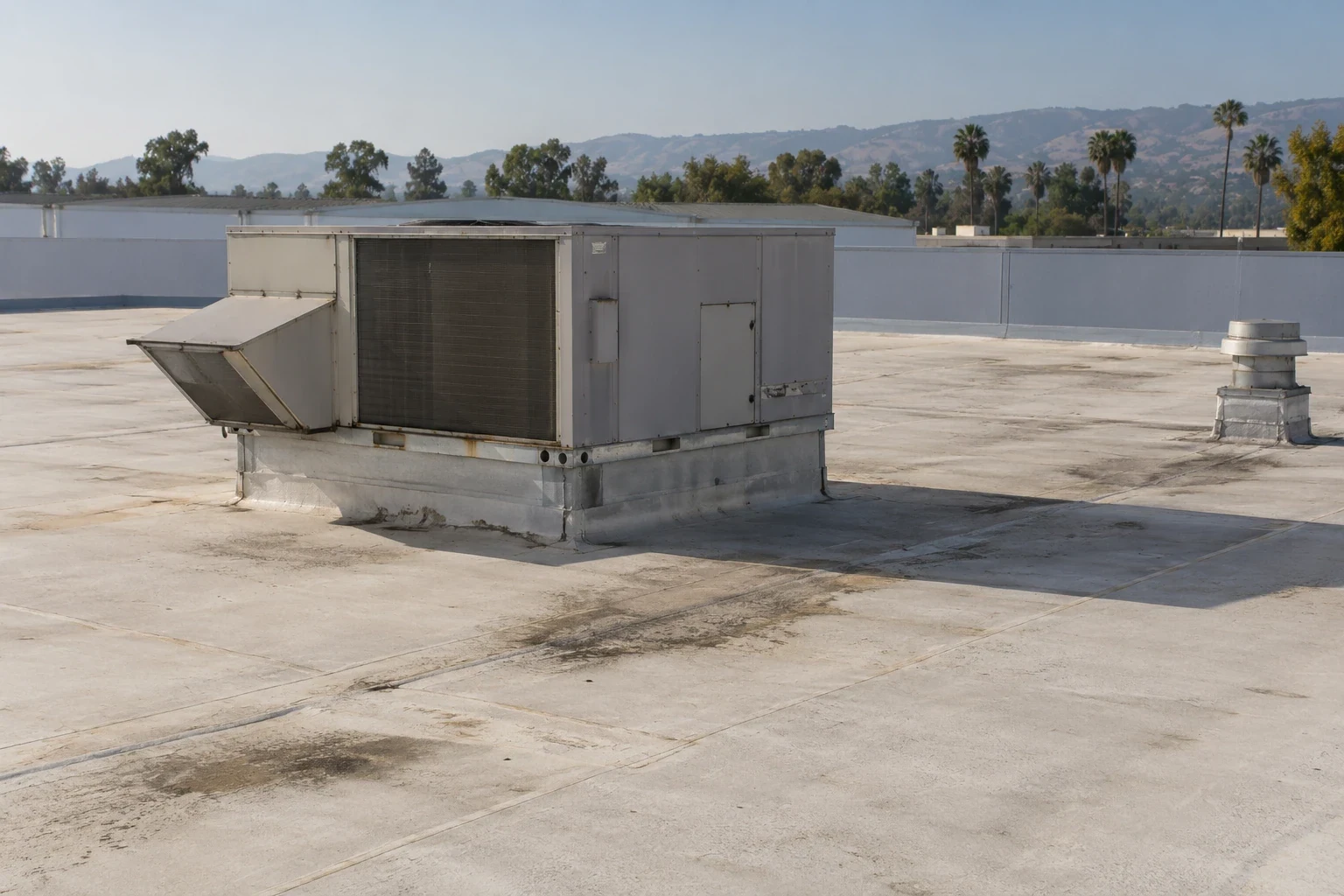
Manufacturing roofs can carry exhaust, HVAC, piping, skylights, and supports that need service access. We check flashing at curbs, movement around penetrations, and whether a prior repair separated from the field membrane. If another trade is servicing equipment, the roof scope should identify what roofing work is needed before that unit is moved or reset. We can coordinate the tie-in and document the condition after the mechanical work is complete.
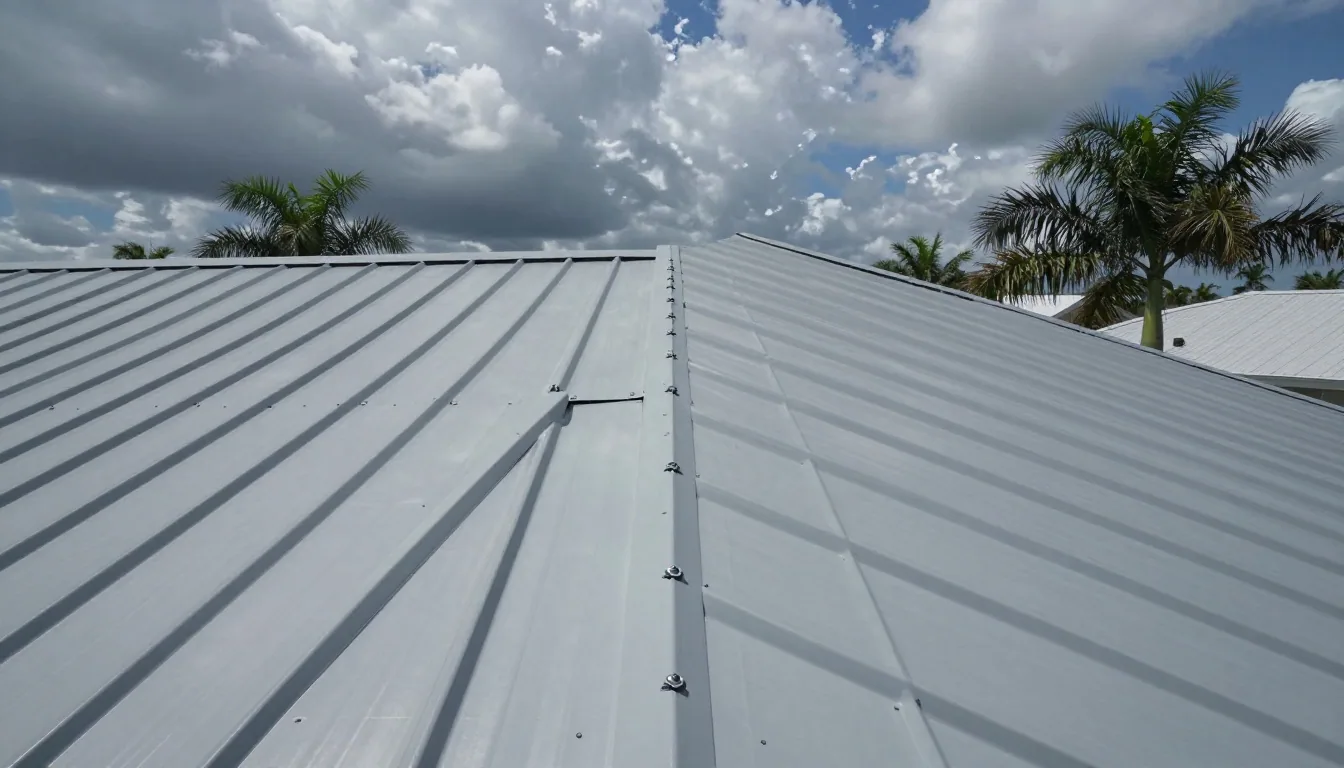
The City identifies Harbor Gateway and the Airport Industrial/Business Park among Costa Mesa's major industrial districts. District context does not establish any particular roof's equipment or assembly. We inspect each site and record the penetrations, drainage, and access conditions observed. When a metal roof or retrofit system is under consideration, the standing-seam roof option depends on the building's structure, details, and project requirements. We explain those conditions before a system is specified and include any trade coordination that changes timing or warranty documentation.
Keep the Plant Roof Record Current
A useful record shows the same drain, seam, or curb on the next visit. We label roof zones, attach photographs, describe defects, and separate completed repairs from items waiting on testing or approval. The site contact can keep the report with maintenance work orders and equipment service records. If production changes the access window, the record notes which area was not inspected and what needs a return visit. For a documented loss, an insurance restoration work file can keep roof observations with claim records.
Regional NOAA normals show summer daily highs around 79 to 80 degrees at the nearby Santa Ana John Wayne Airport station, but those readings do not measure plant roof temperatures. Costa Mesa's climate planning identifies heat and wildfire among local impacts. We use that context to check exposed seams, flashing, and drainage, then base the recommendation on observed conditions. A maintenance visit can revisit marked details, while a Westside roof walk ties the service request to the actual building.
Common Questions
We confirm the plant's access window, material path, loading activity, and areas that must stay clear. The repair scope names the roof zone and any temporary protection needed. For larger work, we sequence areas so the site knows what is open and what is secure at the close of each phase.
It can, but the interior location does not prove which detail failed. We inspect the curb flashing, nearby seams, drains, and penetrations, then record the condition and water path. If another trade needs to move equipment, we coordinate the roofing tie-in and document the completed detail.
A defined roof-zone map, photographs, access notes, and a description of visible defects help operations compare the options. If concealed layers affect the repair, we identify the test opening or moisture survey needed. The proposal separates confirmed work from conditions that remain unverified.
Wet insulation, unstable attachment, an unsuitable substrate, or project requirements can make recover inappropriate. We review the existing layers, drainage, and edge details before recommending another roof layer. If removal is needed, the scope identifies tear-off and substrate work separately from the new system.
We can plan the roof detail around a scheduled equipment visit when the site contact and mechanical contractor provide access timing. The roofing scope can address curb flashing, supports, and tie-ins. We record any area that still needs a roofing check after the equipment work is complete.
Related Roofing Work
Plan Roofing Around Production
Share the affected roof zone, production access window, and any equipment service schedule. We can inspect the area, document the repair boundary, and sequence the work with the plant contact.