
Commercial Roofing for Property Management Companies in Costa Mesa, CA
A water report from one suite can become a portfolio problem when several tenants share a roof. In Costa Mesa, CA, property managers may oversee offices, retail space, and industrial buildings under different access rules. We walk the reported area, trace the drain path, and check nearby seams, curbs, and repair lines. The roof record ties each observation to a zone, so a manager can distinguish one defect from a condition needing broader review.
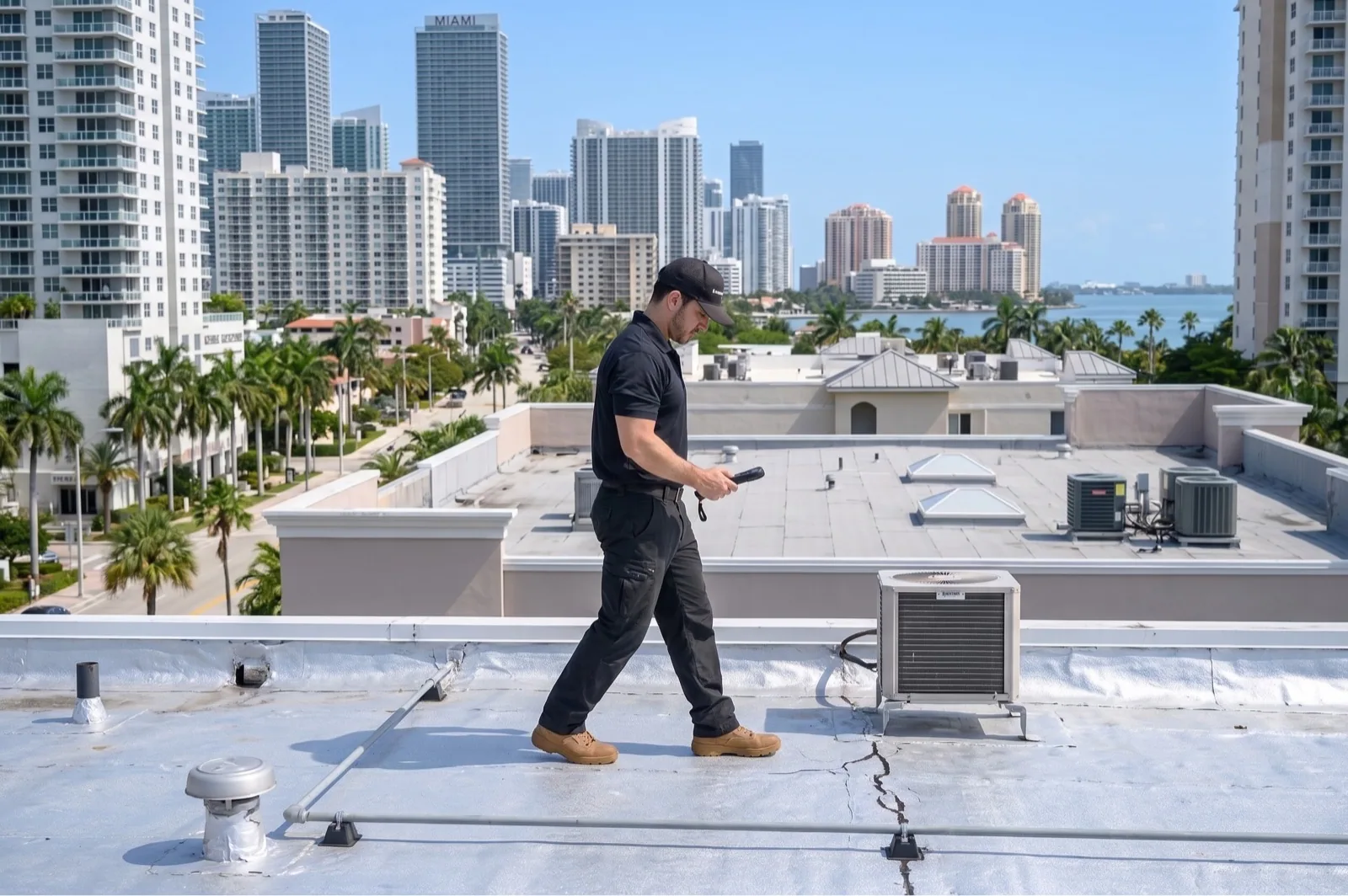
The Westside includes smaller operations in multi-tenant structures, while the General Plan names East 17th Street and Harbor Boulevard among Costa Mesa's commercial corridors. Tenant coordination is part of roof work there. A roof walk records visible conditions, access limits, and any testing needed before pricing. We can work around the tenant schedule and provide a written report with photographs, giving the asset team a defined next step.
One Record for Each Roof Zone
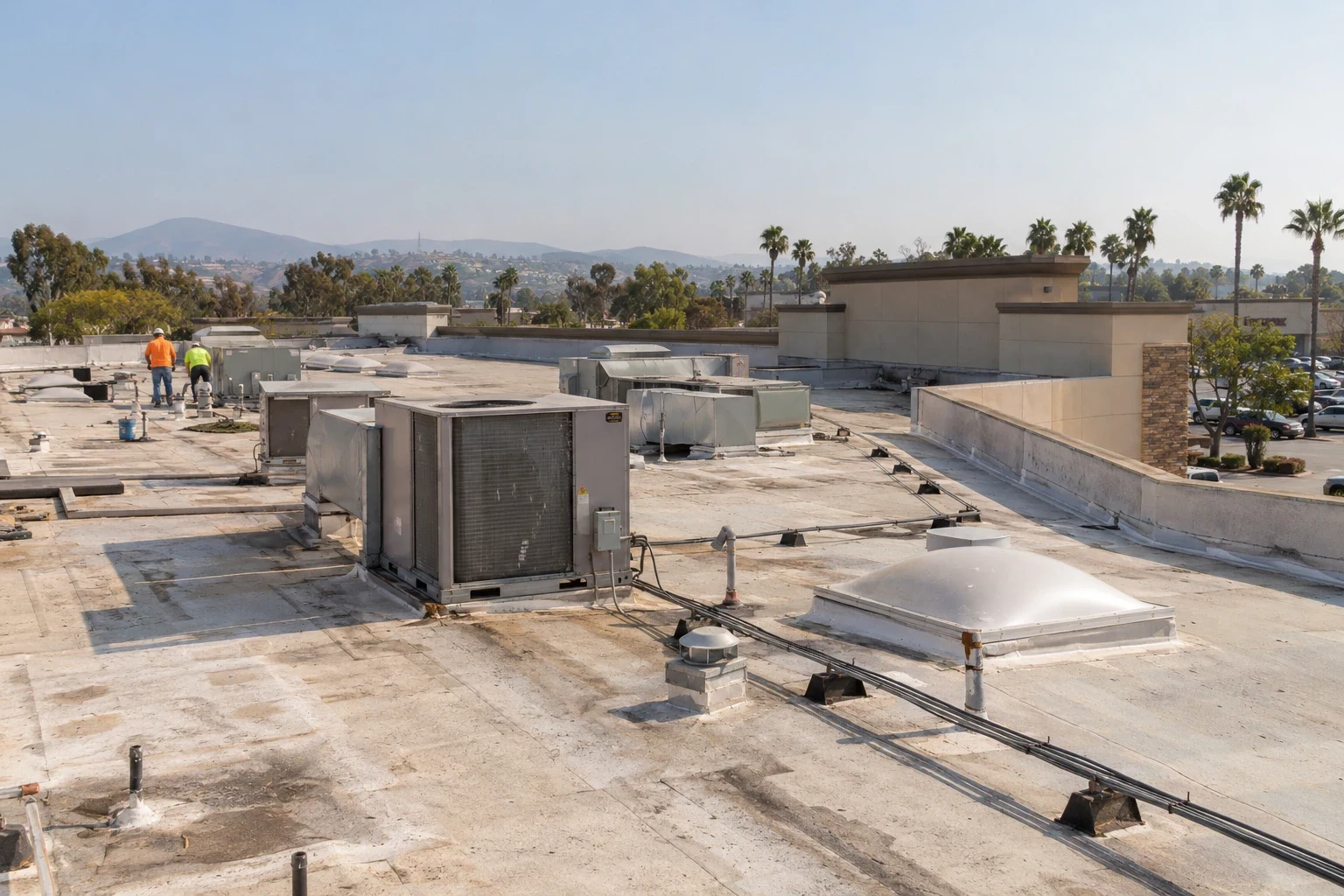
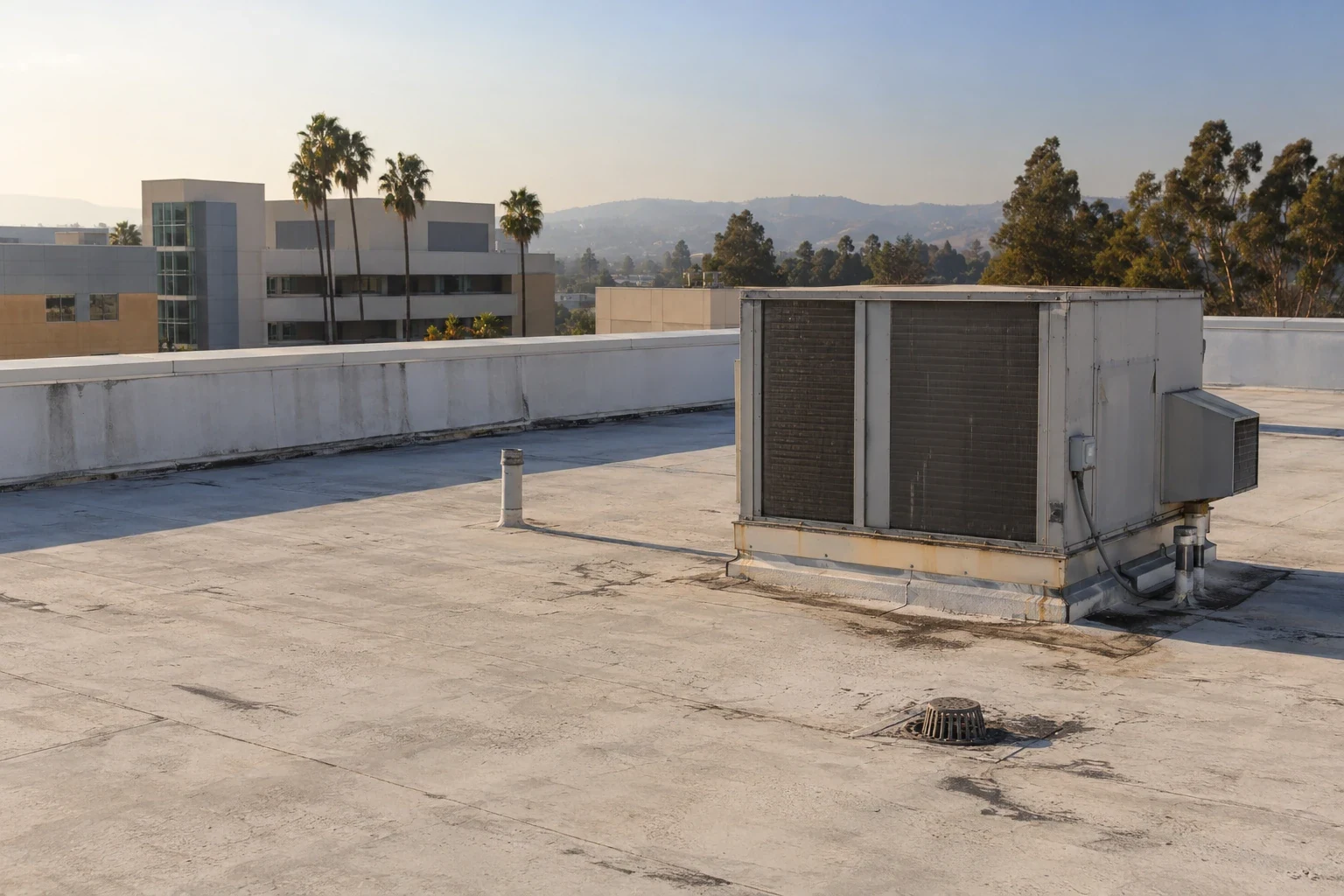
A portfolio record is useful when the next person can find the same drain, curb, open seam, or repair boundary. We mark each roof zone, photograph the condition, and separate completed work from items awaiting approval or testing. When a tenant reports a ceiling stain, we compare the room with the roof above and trace the likely water path. Water can move beneath a membrane before appearing indoors, so the stain location alone does not set the repair line.
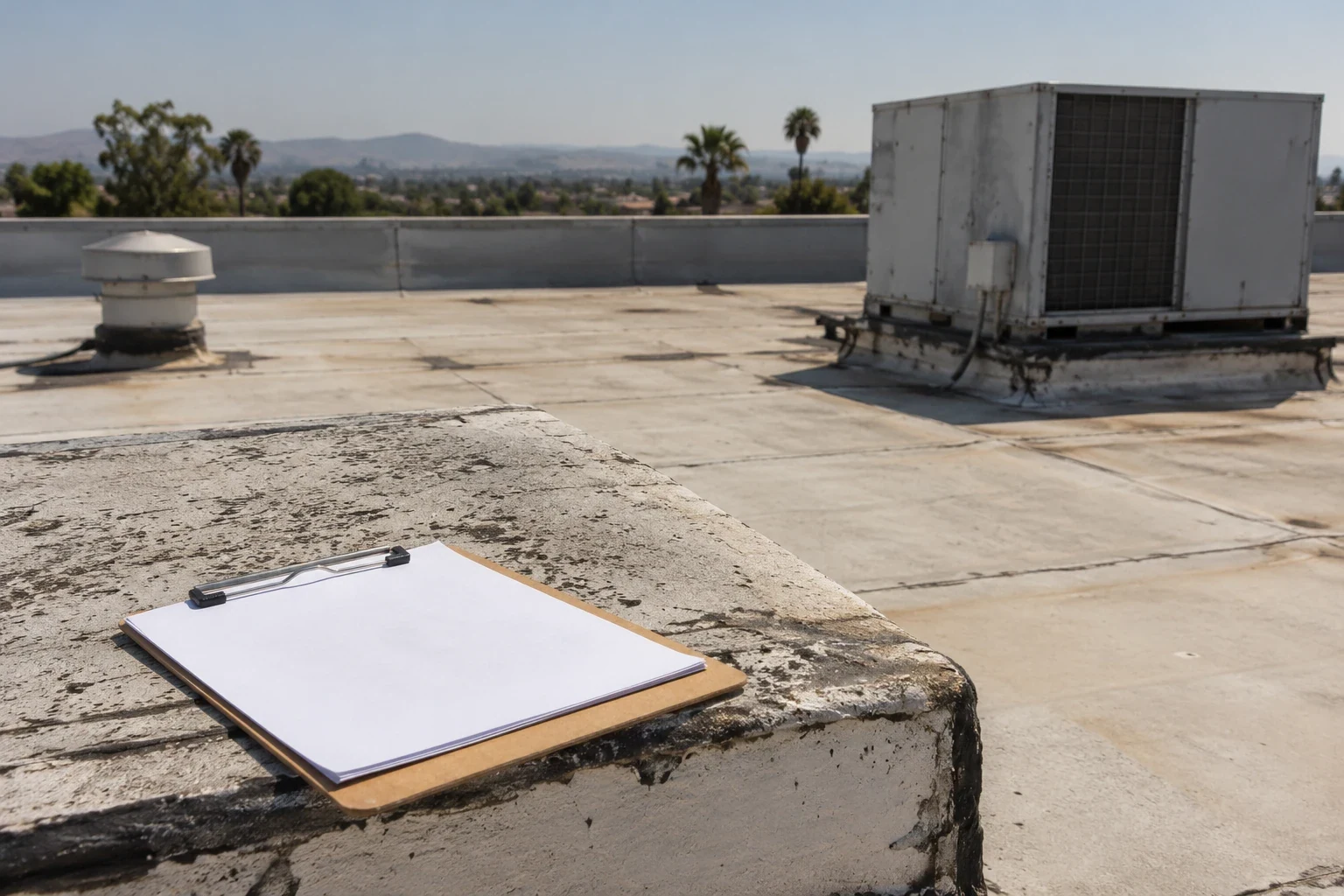
A commercial roof inspection can establish the first condition baseline. For moisture below the surface, an infrared survey can help select areas for follow-up testing. The manager receives the observation, its limits, and the next action in plain terms. That record can support a work order, budget review, or tenant update without assuming every portfolio building shares one assembly or condition.
Repair Line and Approval Scope
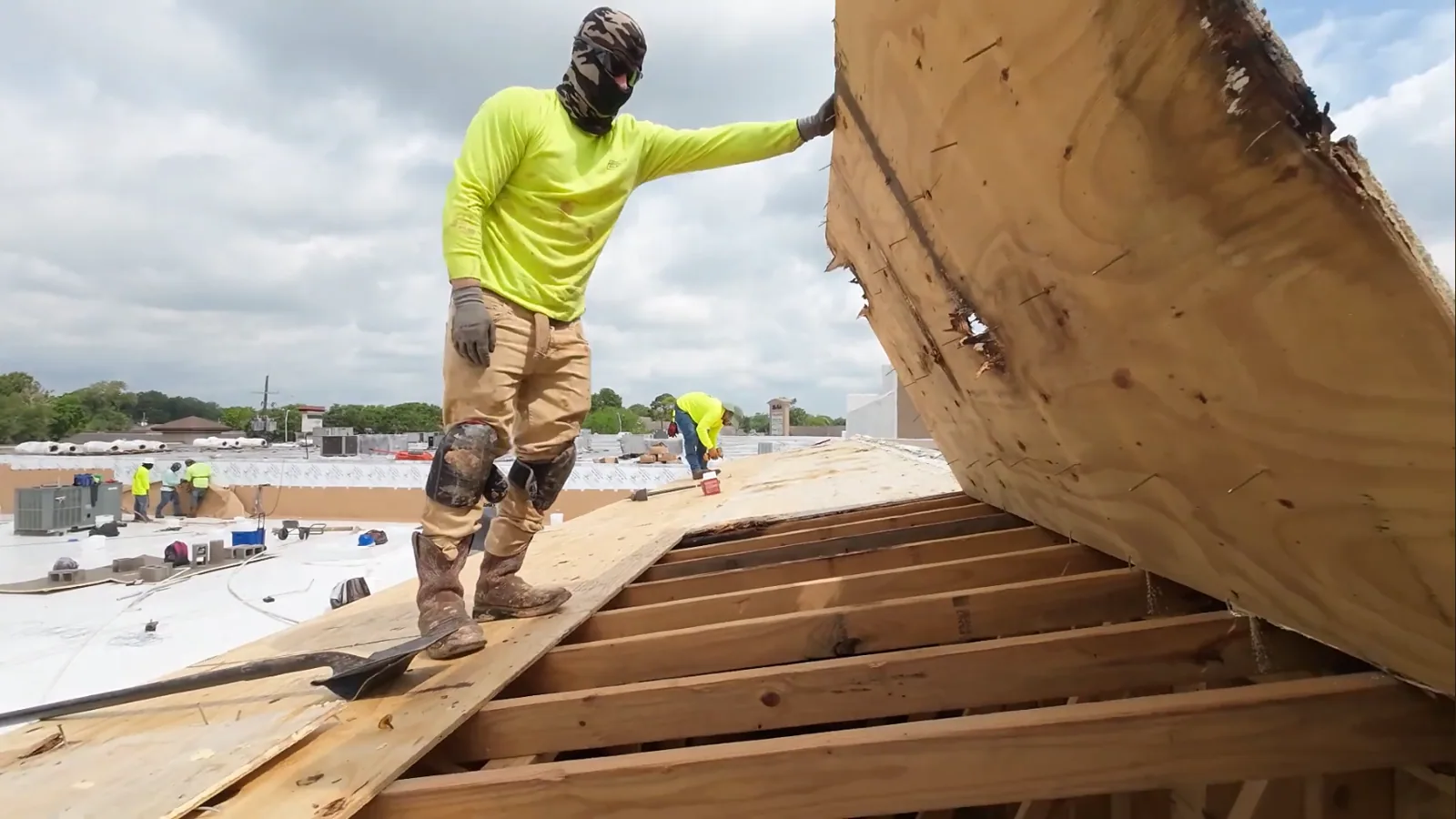
A membrane opening and wet insulation need different scopes. We inspect the surface, seams, flashing, penetrations, and drainage around the reported condition, then identify what can be verified without opening the assembly. If a test cut or interior access is needed, the report calls out that decision before work expands. A patch fits when the surrounding membrane is sound and the repair can tie into compatible material; recurring failures may call for a larger evaluation.
Managers can compare a localized repair with a recover or replacement scope. Recover depends on existing layers, attachment, substrate condition, drainage, and project requirements. We separate confirmed work from allowances and show the repair boundary in photographs. The owner can approve a defined area and keep other zones on the inspection list. That structure limits surprise scope when field conditions change.
Tenant Access and Shared Areas
A roof hatch, loading area, or shared corridor can affect the work window. Before mobilization, we confirm access control, tenant notice, staging, and interior protection. A detail repair may fit one access window. A phased replacement needs a zone sequence, temporary dry-in plan, and a schedule showing when each area will be secure at shift's end.
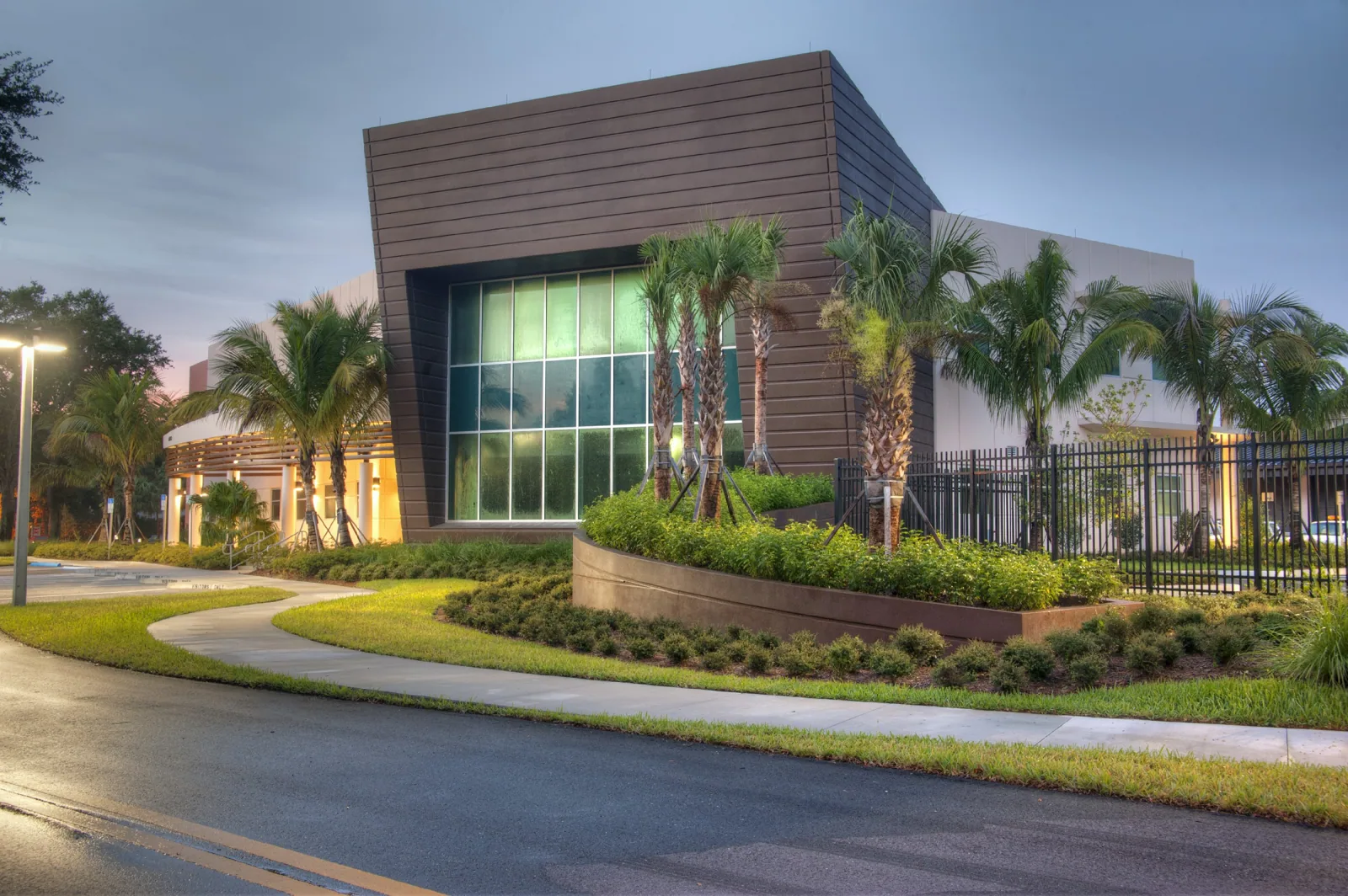
The Westside District's mix of small operations and larger industrial uses makes building-by-building coordination important. A property with shared access may have separate tenant contacts, service hours, or lease responsibilities. We confirm those constraints before scheduling. An occupied-building roof plan can divide work by zone and document each phase. For a portfolio, a multi-site program keeps inspections, approvals, and closeout records organized while preserving each roof's own findings.
Mixed Uses Across the Portfolio
A portfolio roof log works only when separate properties stay separate. For each asset, record the assembly observed, access contact, drain layout, active leaks, open repair questions, and last completed work. Costa Mesa's General Plan describes smaller operations in multi-tenant structures within Westside and identifies corridors such as Harbor Boulevard and East 17th Street. Those references can explain shared access, but only a site review establishes a building's system. The manager can sort work by active water entry, deferred testing, and planned capital work.
Keep every work order tied to a labeled roof zone and owner approval. Compare a warehouse roof approach when that asset type fits; a portfolio owner review can help prioritize across buildings, while health system roof planning addresses a distinct set of access constraints. Keep the condition record with the property actually inspected.
Budgeting from Findings
A capital plan works better when each item has a location, observed condition, action, and timing basis. We separate immediate repairs from maintenance and replacement candidates. Notes can identify a drain to service, flashing to repair, or membrane area held for testing. We do not infer roof area from building floor area. If cost or timing depends on concealed layers, access, or tenant phasing, the record identifies that dependency before approval.
Regional NOAA station normals provide context, but do not measure an individual roof. Costa Mesa's climate-planning page identifies heat and wildfire among local impacts. We use those facts to frame inspection and material review, then base the recommendation on observed conditions. A preventive maintenance visit can revisit drains, edges, and penetrations. A capital planning review can group needs by urgency and decision date, keeping the updated roof record ready for the next budget cycle.

A Regional Portfolio View
Property teams may manage roofs in Costa Mesa and nearby cities, but each city's planning context should stay attached to its own building. Newport Beach describes its Airport Area as a business hub with offices and hotels, while Santa Ana's land-use plan places industrial designations in several parts of that city. Those nearby examples can help frame portfolio diversity; they do not establish the tenants, roof assemblies, or condition at a particular address. We inspect and report each property separately.
For a multi-city program, the record should retain the building name supplied by the manager, roof zones, contact and access instructions, photographs, and open decisions. The Westside service area gives local managers a place reference for Costa Mesa work; it is not a facility-specific claim. If a report comes from a neighboring city, we use its applicable location record and the site conditions observed on the walk. That approach keeps approval, maintenance, and follow-up tied to the right roof.
Common Questions
Start with the same fields for every roof zone: photographs, observed defects, drainage notes, repair history, access limits, and the next action. We keep immediate work separate from monitoring and replacement candidates. The comparison then reflects documented findings rather than an assumption that every building has the same membrane or remaining service life.
We can define the visible repair and identify where concealed conditions may change the scope. If moisture testing or a test opening is needed, we state that step and obtain direction before expanding the work. The manager can approve the known boundary and keep the unresolved portion tied to a separate decision.
It should connect the suite report to the roof zone, nearby seams and penetrations, photographs, work completed, and any area that still needs testing. We also note who provided access and what could not be inspected. That lets the next visit return to the same location and compare the condition with the prior record.
The manager identifies tenant hours, roof access, loading restrictions, and notice requirements. We use those details to set the access window, stage materials, and sequence roof zones. For larger work, the plan notes how the crew will leave each section dry and secure before moving to the next area.
Repeated failures at different details, broad wet insulation, unstable attachment, or drainage problems can warrant a wider evaluation. We document each finding and compare localized repair, recover, and replacement against the existing assembly and project requirements. The report identifies what is confirmed and what still depends on testing or design review.
Related Roofing Work
Set a Portfolio Roof Review
Send the current roof records, reported leak locations, and tenant access windows. We can walk selected roof zones, photograph the findings, and identify which items need repair, testing, or capital planning.