
Commercial Roofing for Insurance Restoration in Costa Mesa, CA
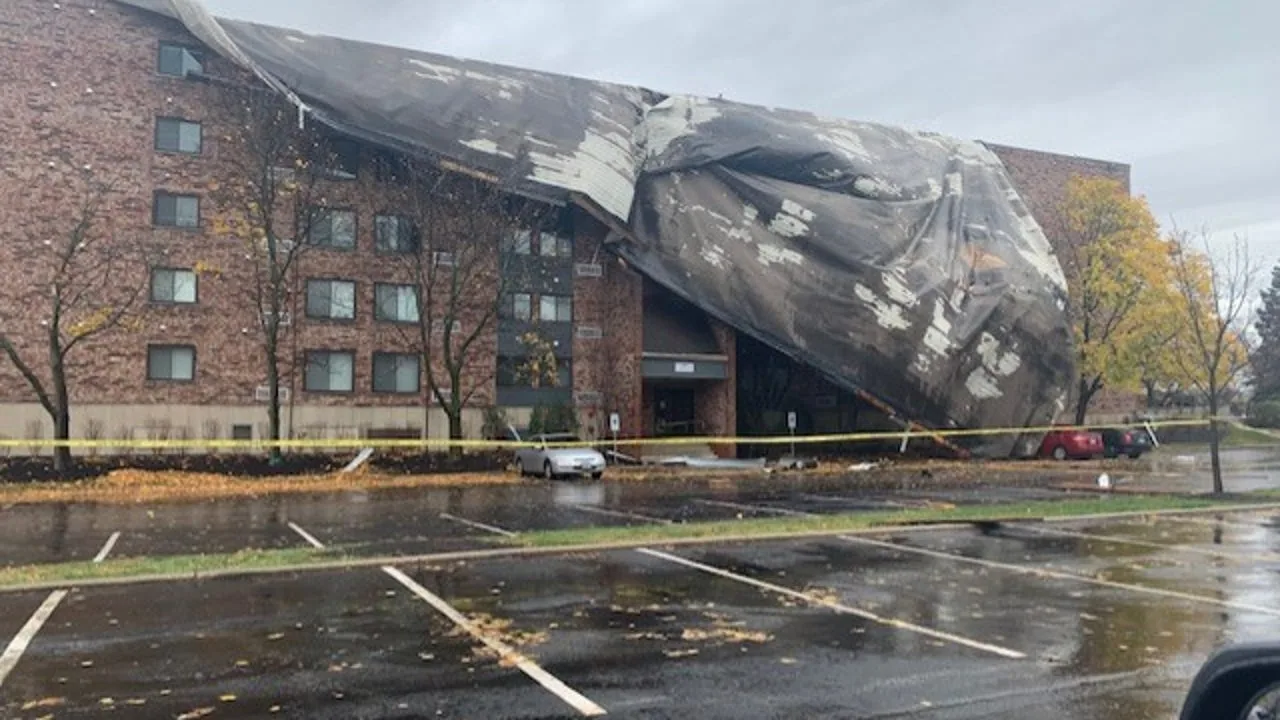
Claim photographs show a moment; the roof walk shows what is still present. For insurance restoration work in Costa Mesa, CA, we document the affected roof zone, inspect nearby seams, drains, flashings, and curbs, then separate observed damage from conditions that still need testing. The report gives the owner, adjuster, and restoration team a repair boundary they can review without treating an interior stain as proof of the full roof condition.
Costa Mesa's General Plan identifies localized flooding and potential sea-level-rise effects as planning hazards in the City's coastal and Santa Ana River setting. The City also lists extreme heat, drought, wildfire, and air quality among climate-planning impacts. These are planning facts, not evidence that a particular property experienced a loss. We inspect the actual building and record what can be seen, what work stabilizes the area, and what additional review is needed before a permanent repair or replacement scope is set.

Document What the Roof Shows
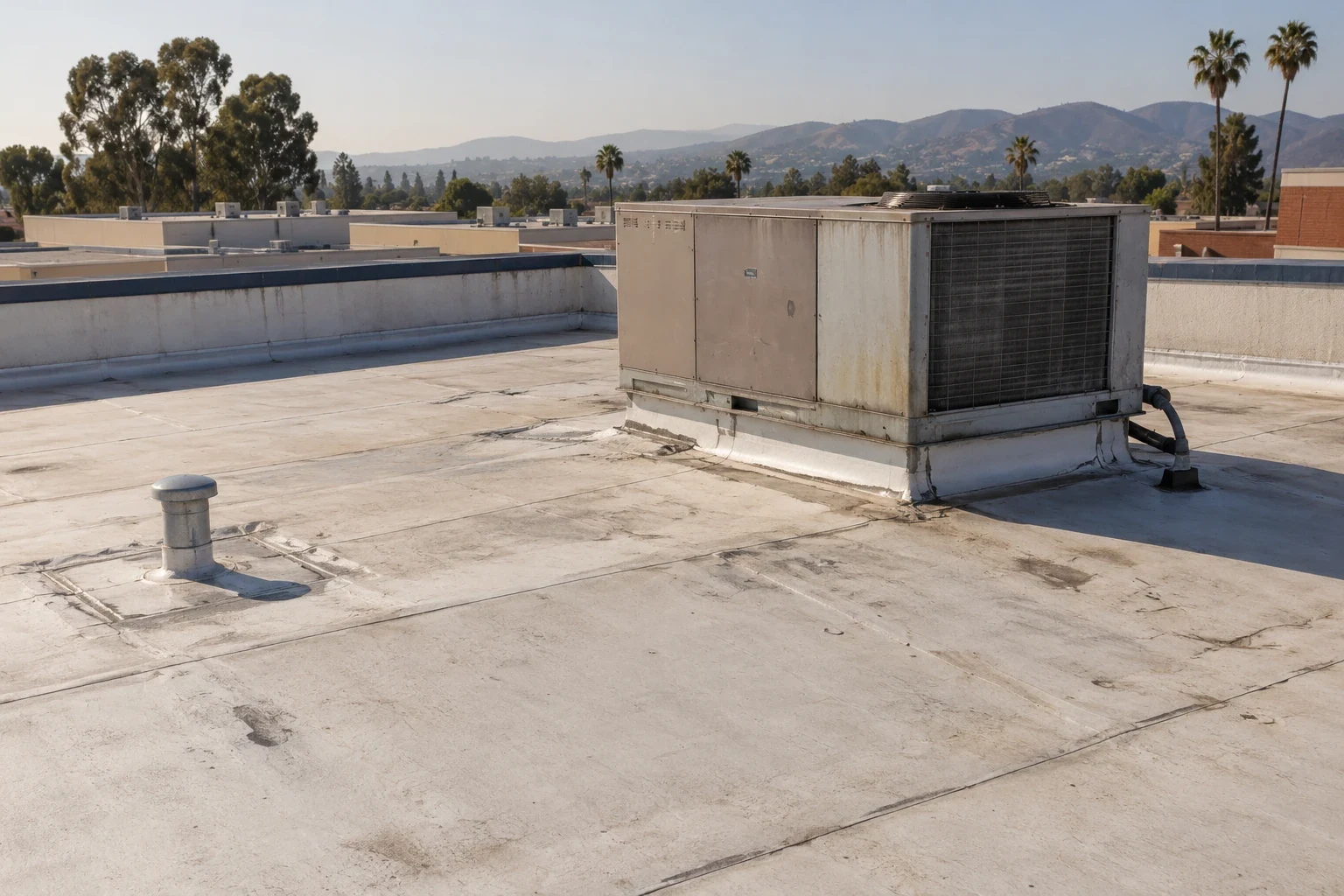
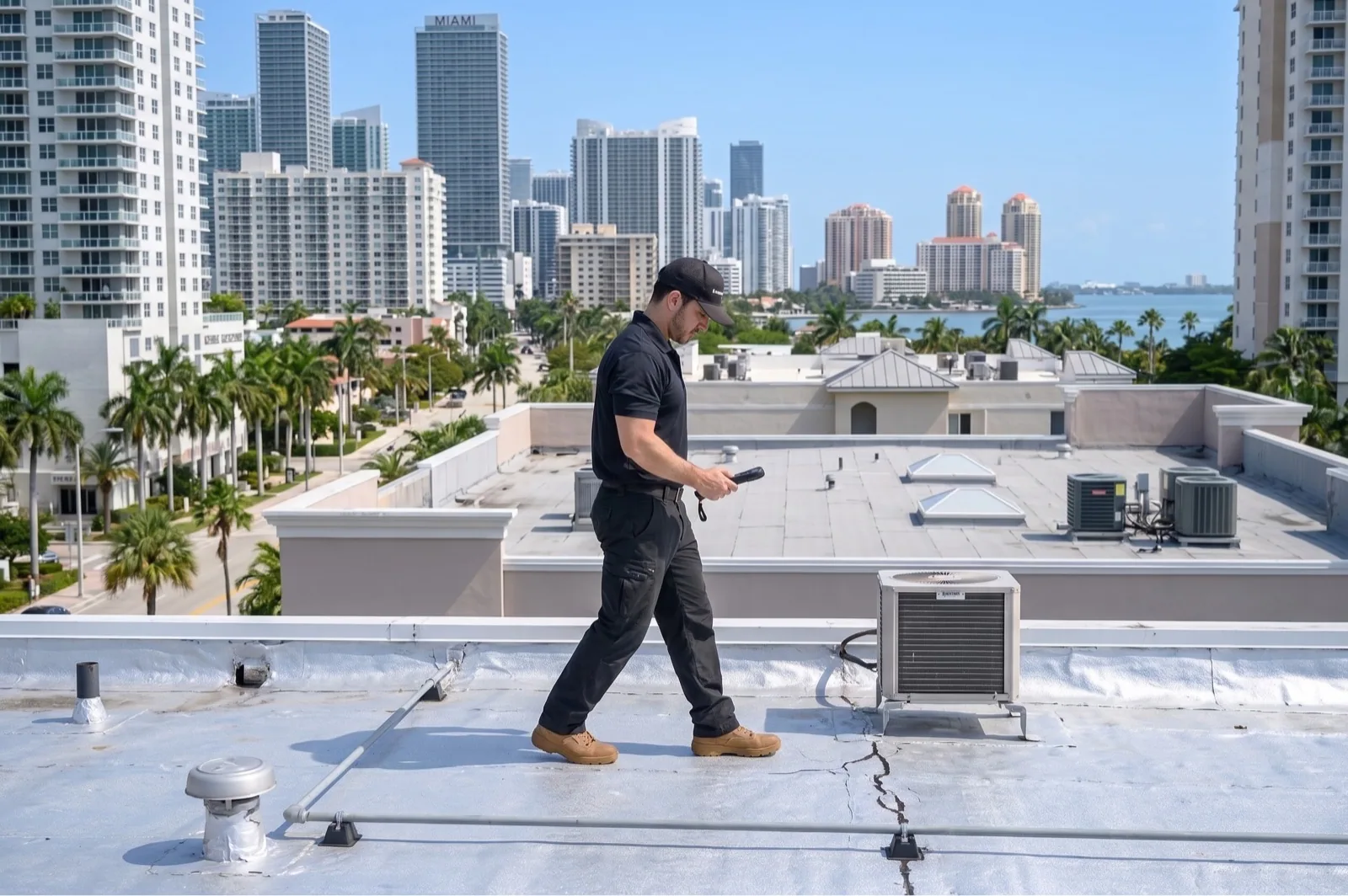
We start at the reported area and trace the path toward drains, edge metal, seams, penetrations, and prior repair lines. Water can travel below a membrane before reaching the ceiling, so the interior location does not establish the entry point. Each photograph is tied to a roof zone and the observed detail. If debris, access limits, or a concealed assembly affects the inspection, the report records that limitation and what would confirm the condition.
A roof claim documentation service can provide a written record with photographs, condition notes, and a repair scope. We identify work completed for temporary protection separately from permanent work. When moisture below the membrane is suspected, testing may be needed to establish the affected area. A commercial roof inspection can also record unrelated maintenance needs, but those items remain separate from the reported loss unless the owner directs otherwise.

Stabilization and Permanent Repair
An active opening may need temporary protection before a full repair can be defined. We note the material used, location treated, and condition left for follow-up. Permanent work depends on the membrane, attachment, substrate, and surrounding details. A compatible patch can address an isolated failure where nearby material remains sound. Wet insulation, damaged deck, or repeated seam failure may require a broader scope or a test opening before the repair boundary is approved.
The proposal separates stabilization, confirmed repairs, and any area held for testing. If a roof needs replacement, the scope identifies tear-off, substrate work, insulation, membrane, flashing, and closeout by zone. For an occupied property, an occupied-building work plan can sequence access and protection. The report should make clear which items relate to the reported damage and which are maintenance or pre-existing conditions, so the owner can review the work without combining separate observations.
Keep the Cause Question Separate
A roof inspection can document visible conditions and likely water paths, but cause may require review of event timing, maintenance records, and concealed layers. We record the observed damage and do not infer a full loss from one interior symptom. If the assembly needs an opening, the report describes the test area and why it would help define repair scope. That keeps the field record useful for the adjuster while leaving coverage decisions to the policy and claim process.
The General Plan describes the Westside as a mix of industrial, service, and manufacturing uses, including many smaller multi-tenant structures. Harbor Gateway is another of Costa Mesa's major industrial districts. Those descriptions provide local context; neither establishes a roof's age, condition, or loss history. At a multi-tenant property, we note roof access and the affected zone while keeping tenant reports separate. A property manager roof record can keep approvals and follow-up with the location file.
Records for Multiple Claim Locations
When several properties need review, each location should have its own roof map, photographs, reported date, temporary work, permanent repair scope, and open questions. We keep those records separate even when ownership or restoration coordination is shared. That lets a claims team compare site status without carrying one building's observed condition into another. A follow-up visit can return to a marked seam or drain and show what changed.
For public or institutional properties, access rules and approval steps can affect stabilization and repair timing. A public agency roof record can keep facility access and procurement coordination visible alongside the Diligence Notes. We identify the person who can approve roof access, any restricted work hours, and the area needing temporary protection. The work sequence is then based on the actual roof and building use, not a generic restoration schedule. After permanent work, closeout photographs should show the repair tie-in, replaced material where visible, and any nearby detail that remained outside the approved boundary. Each image is labeled by date and roof zone, with a caption describing the observation rather than a conclusion. Those images help the owner compare the completed scope with the original field record and identify what still needs a separate decision.
Local Planning Context, Site Evidence
For claim work, map-level context and roof evidence belong in separate fields. The General Plan places Costa Mesa industry in Westside, Harbor Gateway, and Airport Industrial/Business Park; it separately names Harbor Boulevard and East 17th Street as commercial corridors. Those labels help route a visit; they do not locate a loss. The field file should record the reported event date, roof zone, temporary protection, and person authorizing it. We then compare the damaged area with adjacent seams, drains, curbs, and prior repairs, marking any region that needs moisture testing before pricing a permanent scope.
The City's adopted building standards changed effective January 1, 2026, with local amendments and specified appendices; permit scope and timing determine applicability. Keep that review separate from the adjuster's damage determination. A warehouse roof near the Harbor Gateway district still requires a building-specific assembly record and a clear boundary between observed damage and untested areas.
Common Questions
Include roof-zone photographs, observed conditions, temporary measures, repair boundaries, and any area held for testing. We also note access limits and follow-up needs. The adjuster and owner can review those observations alongside their claim documents without treating an interior symptom as a complete roof assessment.
We document temporary protection and its location, then inspect the assembly for a permanent scope when conditions allow. The proposal identifies confirmed repairs and any testing needed before the boundary is final. That keeps stabilization from being confused with completed restoration.
A field report records visible roof conditions and recommended work. Coverage depends on the policy and claim review, which are outside the roof inspection. We can provide photographs and a defined repair scope for the owner or adjuster to evaluate with the claim documents.
We photograph the current condition, note prior patches or visible deterioration, and distinguish those observations from recent damage when timing is not established. The report identifies what records or testing would clarify the question. We do not assign a date to a roof defect without evidence.
We can inspect multiple locations and keep a separate roof record for each one. Each report identifies its own access contact, observed conditions, temporary work, and next step. A combined status summary can help coordination while the underlying findings stay with the correct building.
Related Roofing Work
Document the Roof Condition
Share the reported location, event timing, access contact, and any prior roof records. We can inspect the affected zone, photograph current conditions, and define stabilization or repair steps.