
Commercial Roof Capital Planning in Costa Mesa, CA
A capital plan needs more than an age column. In Costa Mesa, CA, we connect each roof recommendation to a documented condition, a defined work boundary, and the decision that remains with the owner. A small open seam may need prompt repair, while a field showing broad deterioration may require testing and a separate replacement discussion. The plan carries both findings without converting a visual estimate into a promise about service life.
Facilities teams use the plan to line up access, approvals, budgets, and tenant communication before work begins. We identify the records available, the inspection gaps, and the next action for each roof zone. If an allowance depends on testing or design, we label it as an assumption. The plan can name the document or access decision needed to resolve it, then show which later tasks depend on that answer. This gives the owner a practical sequence to review instead of a single portfolio number detached from the actual roofs.
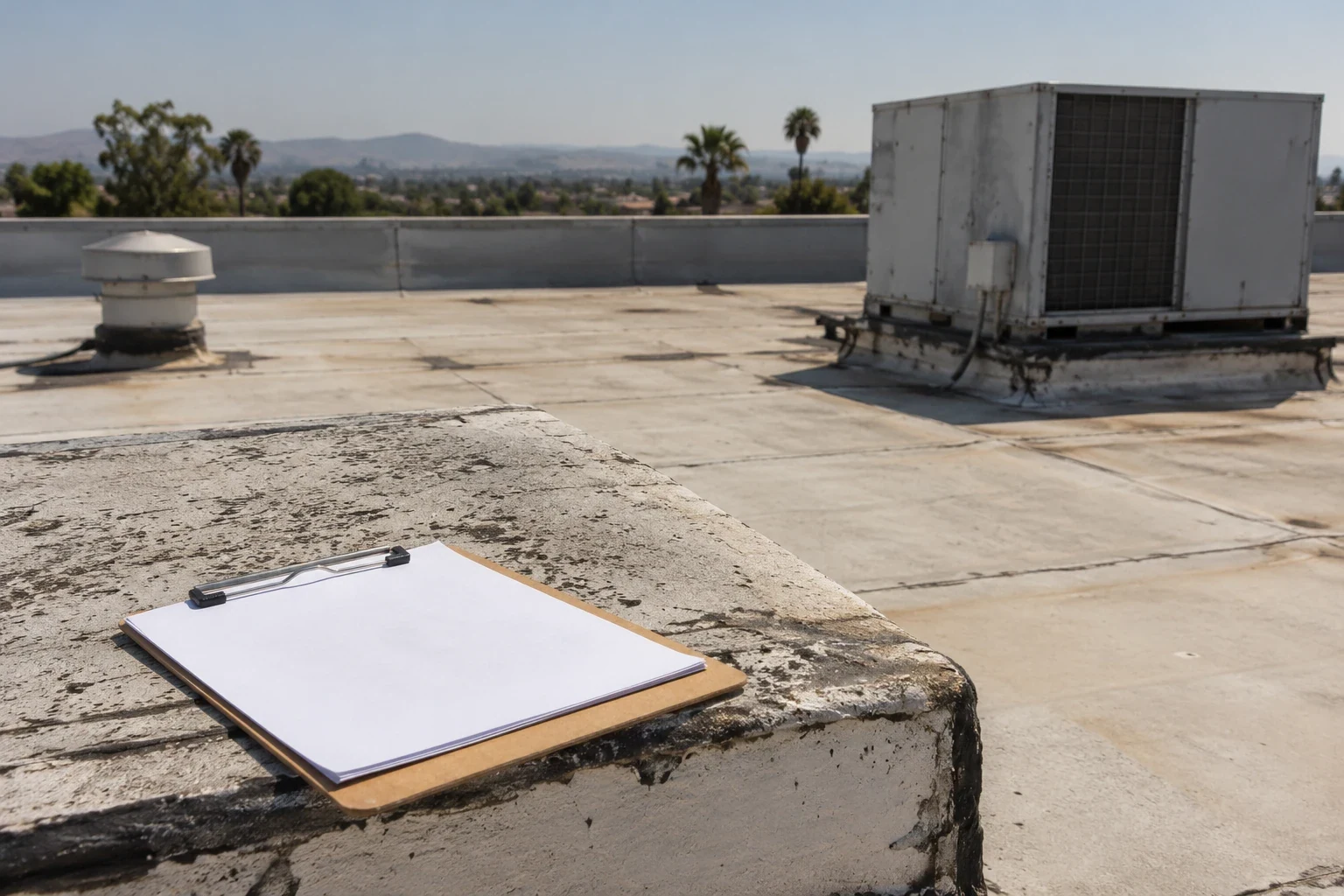
Rank Work by Evidence and Exposure
We sort recommendations by condition, consequence, and timing. Active water entry, a compromised tie-in, or blocked drainage can call for an earlier response than surface wear without an open path. The plan describes what was observed, how much area is included, and what information could change the recommendation. Where the inspection could not reach a zone, that limitation remains visible rather than being counted as a confirmed repair.
A condition report supplies the basis for each proposed action. For a multi-building portfolio, an asset management file keeps repair notes and photos linked to the correct roof. A repair estimate can address immediate failures, while replacement planning moves forward only when the condition and project scope support it.
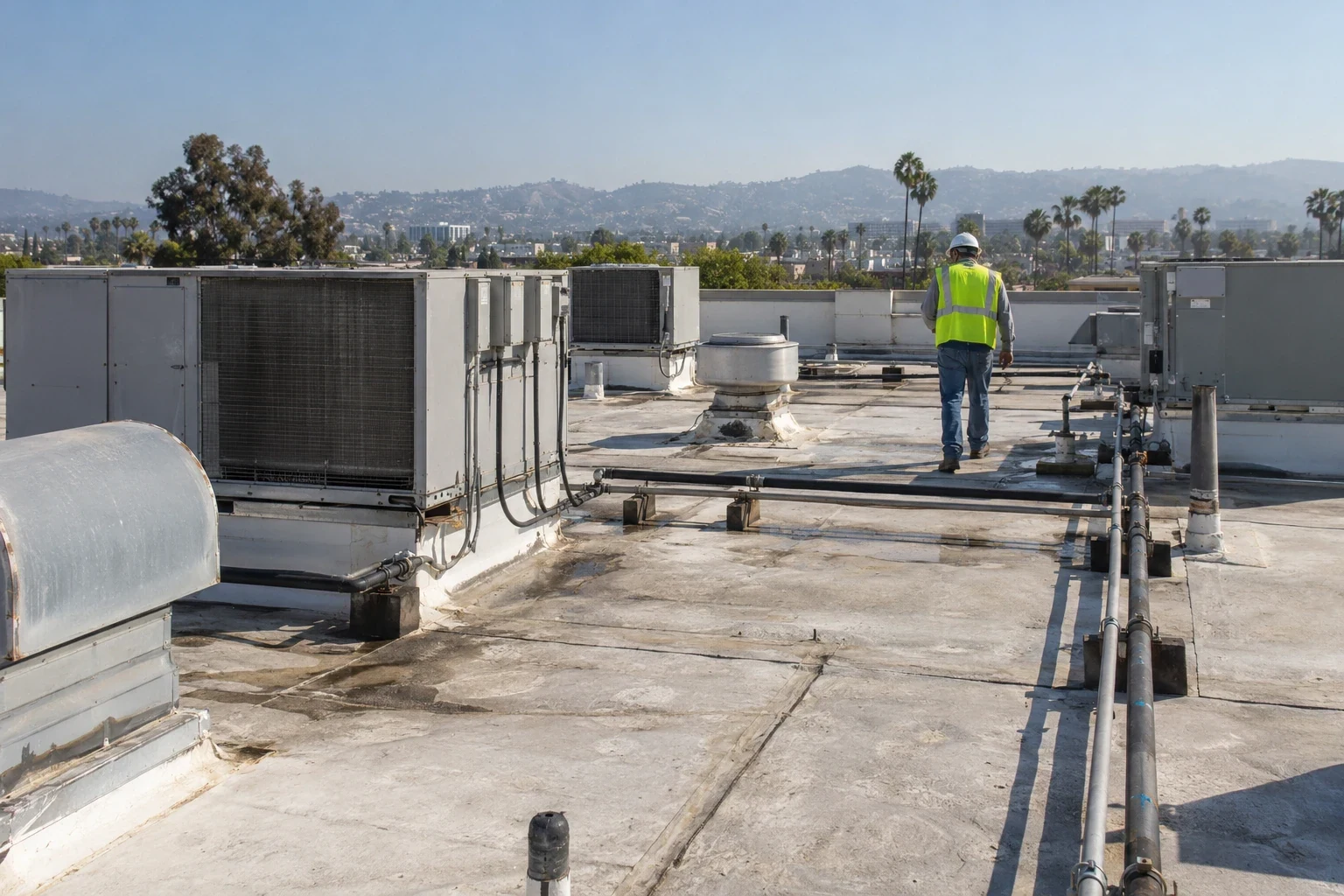
Set the Planning Baseline
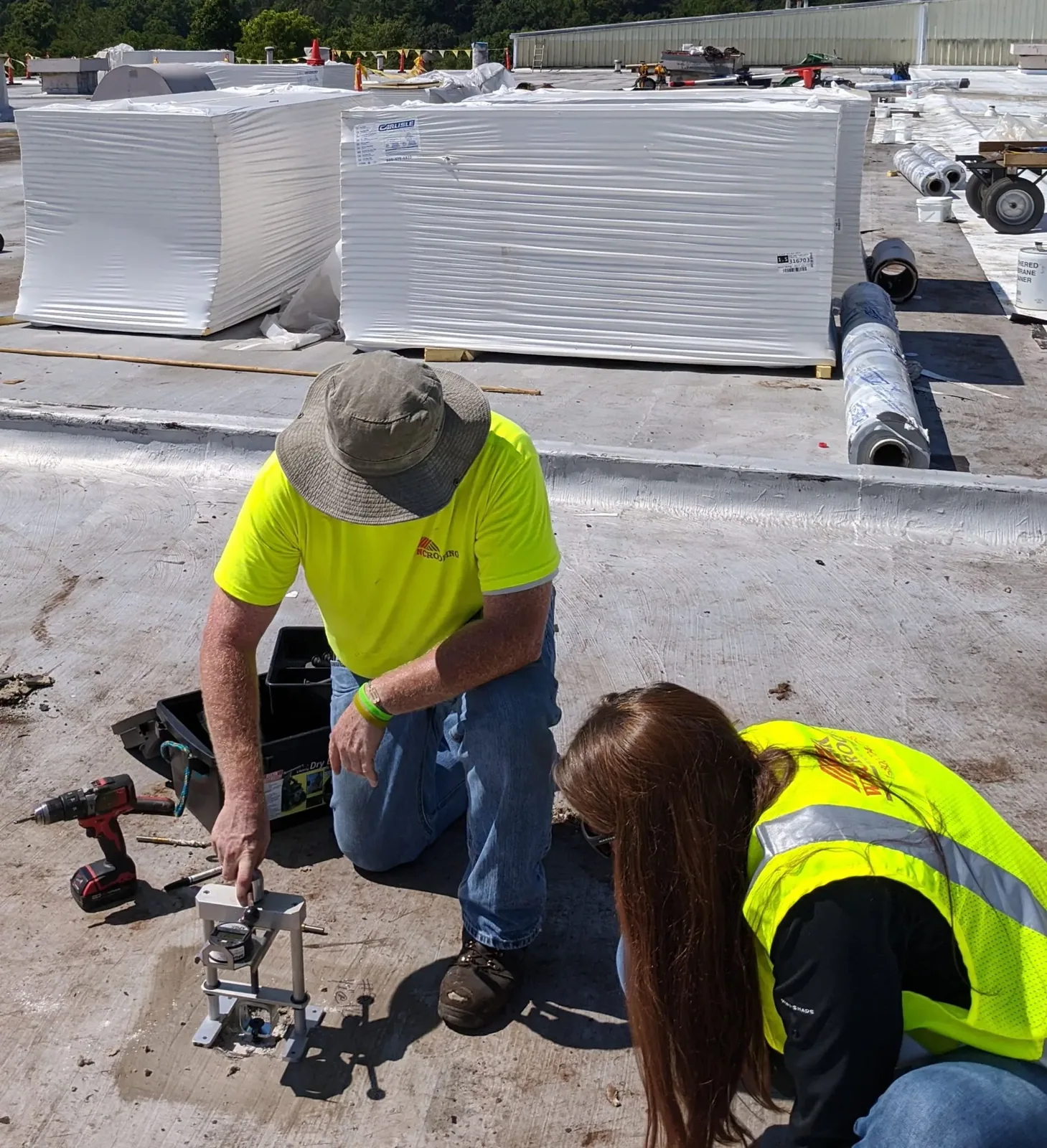
Before scheduling capital work, we confirm the roof system where possible, review available plans, and inspect seams, penetrations, drains, edges, and prior patches. We note interior reports by the room or area supplied, then compare them with roof-side findings. If moisture is concealed, the plan can include a test opening or survey as a decision point. It does not treat infrared imagery or a ceiling stain as proof of a specific wet boundary.
East 17th Street's 92-acre corridor includes retail, service, and office uses serving nearby residents and businesses. That mix is a reminder to keep budget records attached to the actual property and roof zone. We separate a localized open seam from a broader insulation concern, then state whether the next step is a repair price, test opening, or replacement study. A corridor entry can help schedule work, but the capital allowance follows measured scope and the owner's approval path. A recover assessment and phased occupied-building plan may clarify options before authorization.
Stage Design, Testing and Approvals
A repair can proceed on a defined boundary while a larger project waits for moisture testing, structural review, or permit coordination. We lay out these dependencies in order: confirm the assembly, authorize the test, review the result, then select a repair, recover, or replacement scope. The schedule also identifies owner decisions that affect procurement and access. This makes it easier to reserve a window without presenting an unapproved option as committed work.
Costa Mesa adopted its 2025 building standards through Ordinance No. 2025-08, with local amendments effective January 1, 2026. For a capital decision, that date helps identify which permit and design review may apply to a proposed scope; it does not settle the requirements for every project. We mark the roof work that needs review, such as attachment, edge details, penetrations, or a recover assembly, and keep that question separate from the condition finding and budget authorization. A recover assessment and phased occupied-building plan can clarify the path before approval.
Keep District Context Separate from Roof Findings
Harbor Boulevard includes auto dealerships and neighborhood commercial centers, and the corridor accounts for almost one-third of Costa Mesa's commercial land. That broad mix can affect how an owner schedules visits across a portfolio, but it says nothing about the condition of a particular roof. We compare individual scopes by repair boundary, consequence, access window, and information still missing. This lets the budget meeting distinguish a documented repair from an allowance that remains subject to testing.
At a Westside property with multiple occupants, a capital sequence may need separate roof zones and access windows. Along East 17th Street, the corridor's retail, service, and office uses may have different operating hours and staging constraints. We confirm the actual contact and work limits at each address. The plan uses broad local geography to group logistics, then relies on the roof record to set the scope and budget decision.
Coordinate Occupied-Site Work
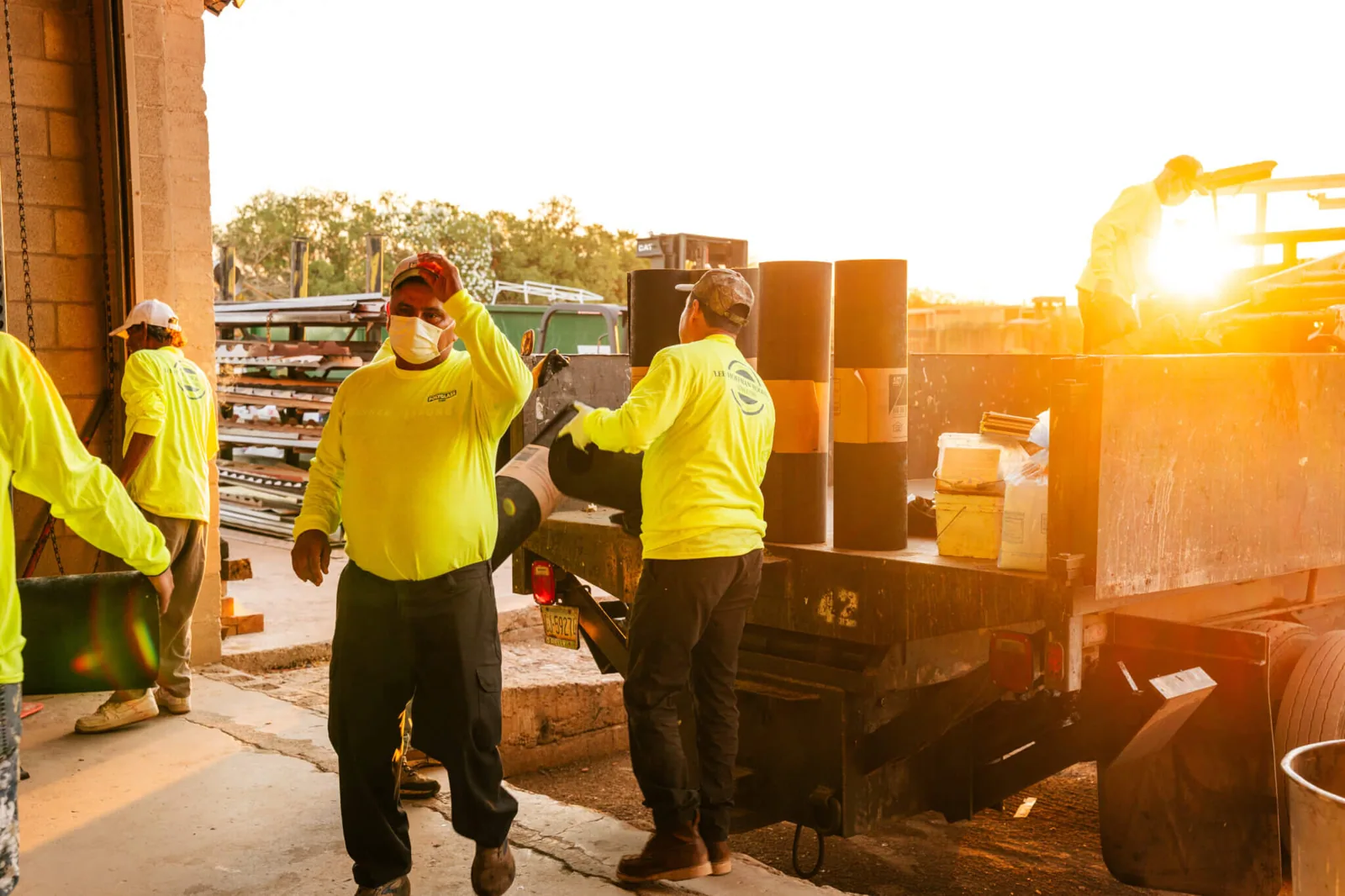
A project calendar needs to show more than crew start and finish. We identify when rooftop units may need a mechanical trade, where deliveries can stage, and which tenant or loading areas must stay open. A phased job can separate noisy preparation from membrane installation if the roof and product method permit it. Each phase is documented with a boundary, tie-in, access route, and inspection point.
Where the work crosses shared roof areas, we coordinate approval with the property contact before opening a section. A multi-site roof program can align procurement and visit windows while keeping each location's condition separate. Westside includes smaller operations in multi-tenant structures. That is operational context, not confirmation of a property's tenant layout. The owner confirms those details for scheduling.
Refresh the Plan After Each Scope
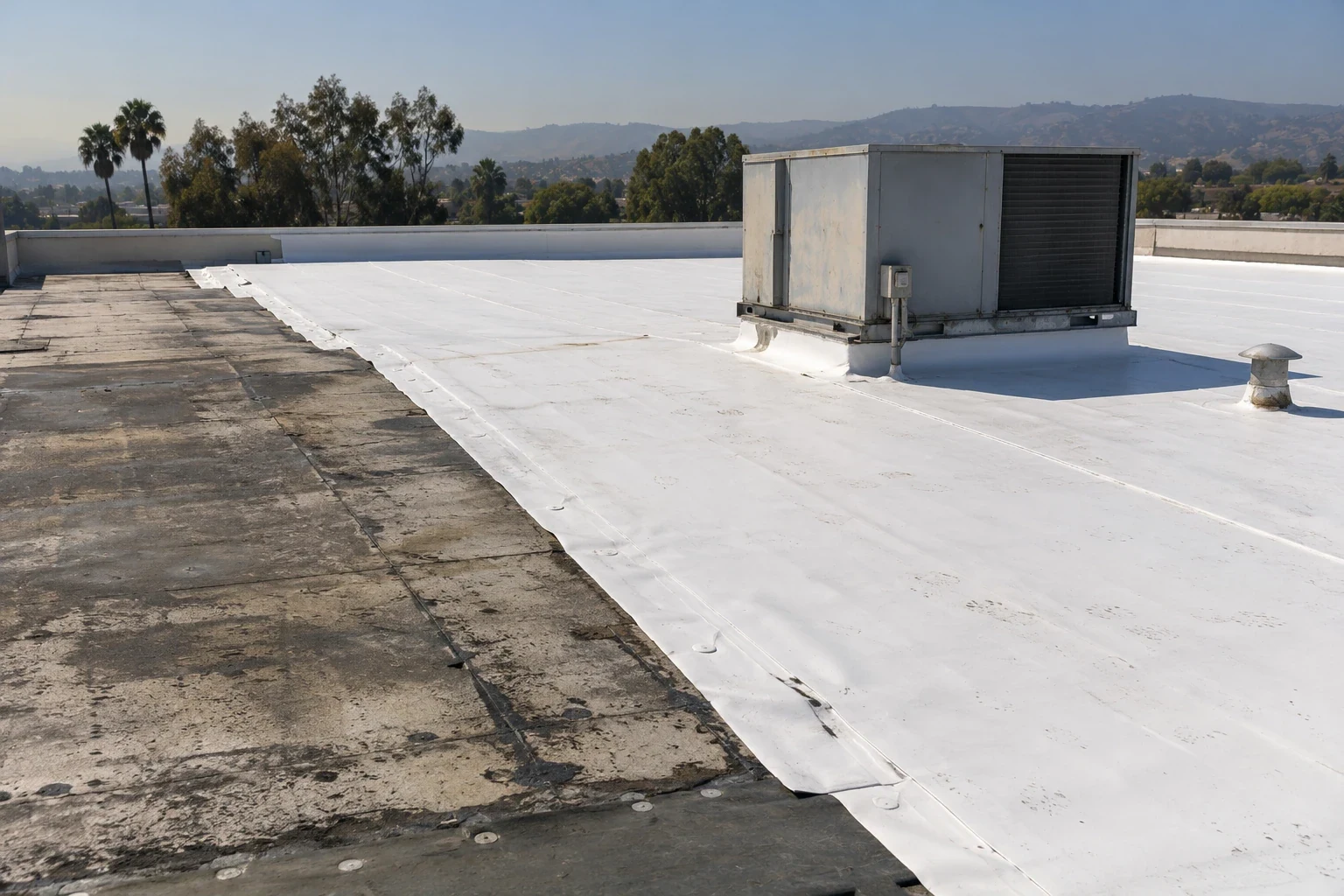
After a repair or replacement, we update the record with the completed work, photos, material when confirmed, and any follow-up item. A planned coating or recover is not marked complete until its test, preparation, and tie-in conditions are resolved. At the next roof walk, we compare the same zones and revise timing if the condition changed. This keeps the capital plan current without implying that every recommendation remains valid indefinitely.
A maintenance visit can verify open items and record drainage or flashing changes before the next budget cycle. If a storm creates a new opening, wind damage repair is scoped from the new observation rather than carried into an older allowance. For work in Harbor Gateway, we group scheduling only after the specific property and access plan are confirmed.
Common Questions
Compare the observed condition, open water paths, repair boundary, operating effect, and information still needed for each roof. We mark immediate work separately from testing and capital options. The owner can then set sequence against approvals, access, and budget timing.
No. It records present observations and planning assumptions, then identifies when another inspection or test is due. Material, maintenance, drainage, exposure, and concealed conditions can change the outlook. We set review timing from the findings and keep each estimate tied to current roof records.
Yes, if the localized repair can be defined and tied into suitable material. We document the repair boundary and keep the larger replacement decision separate. A test or design review may be required before the next scope is priced.
Access windows, tenant schedules, equipment shutdowns, material lead time, permit coordination, weather, and work approval can all affect timing. We state which dependencies are confirmed and which remain assumptions, then update the schedule after the owner resolves them.
Refresh it after completed work, a significant leak or storm event, a new test result, or a new roof inspection. The timing depends on the open decisions and building operations. Each update should preserve the prior condition record for comparison.
Related Roofing Work
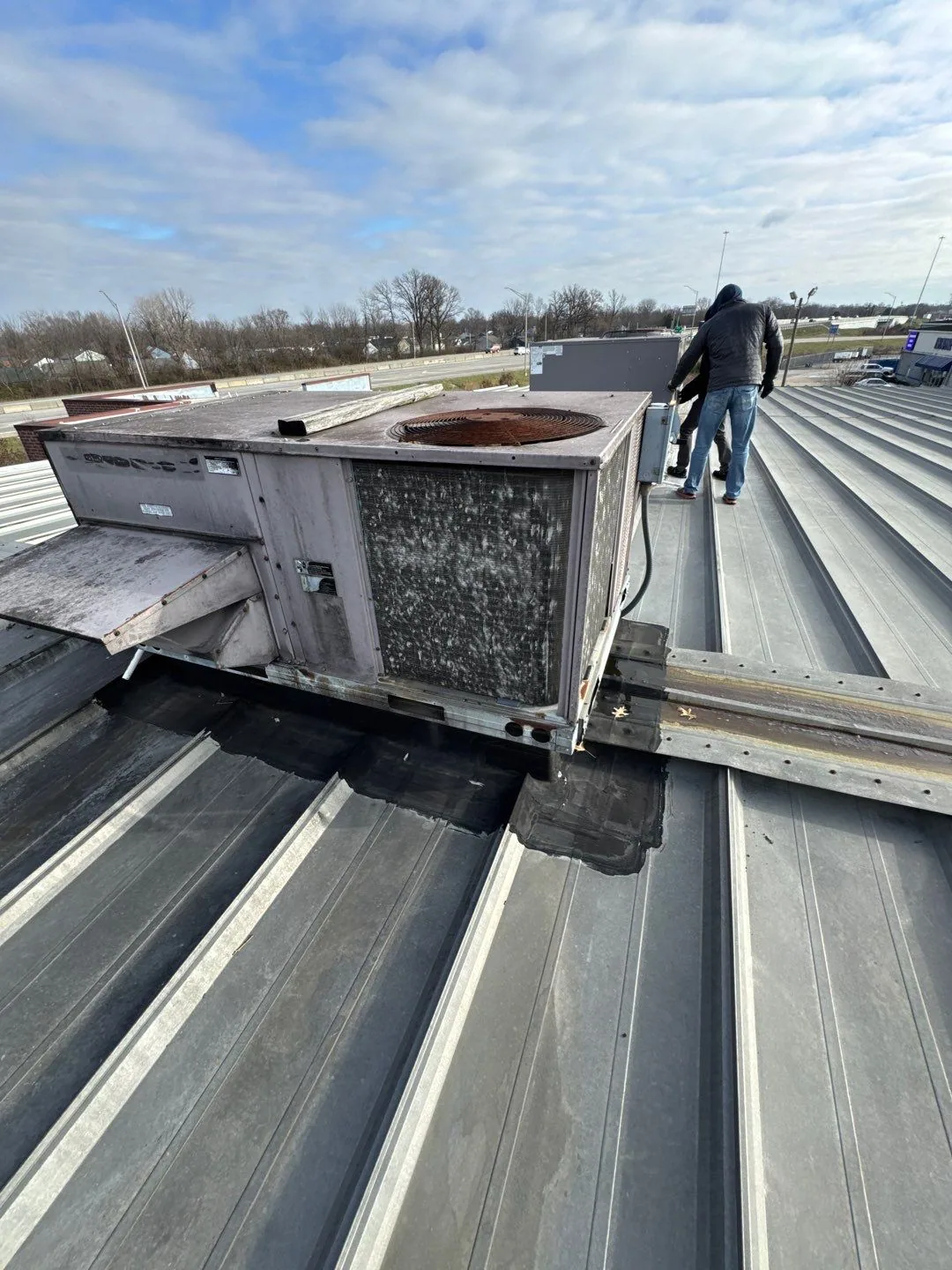
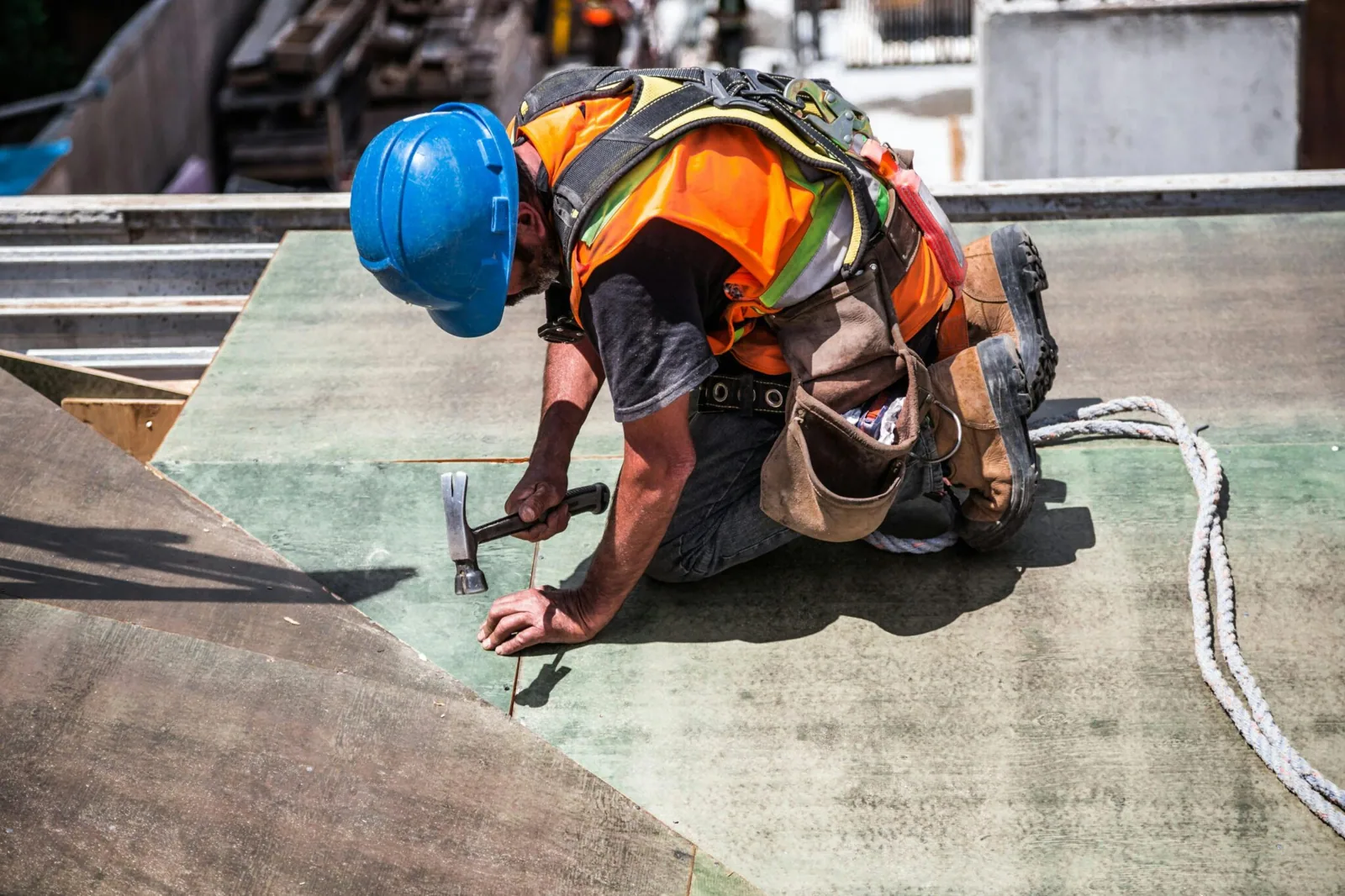
Set a Roof Project Sequence
Share roof records, current budget timing, access constraints, and known repair history. We can connect inspection findings to separate repair, testing, and capital decisions.