
Army Installation Roof Repair in Costa Mesa, CA
A roof report from an operations building needs a mapped access zone before inspection. We identify the building through the facilities contact, inspect accessible seams, curbs, drains, and prior repairs, and record where entry was not authorized. We do not infer a roof condition from the building's mission or security level. The Diligence Notes separates observed roofing conditions from access limits, testing needs, and any other trade's responsibility.
Joint Forces Training Base Los Alamitos supports California National Guard units and other Department of Defense entities. Its Directorate of Public Works handles installation-level sustainment, restoration, and modernization. That facilities context makes the released building identifier, roof-zone map, and current access instructions the first controls for a roofing walk. We confirm escort and badge steps, approved hours, and who can release each zone before mobilization. Each structure gets its own condition record and authorization.
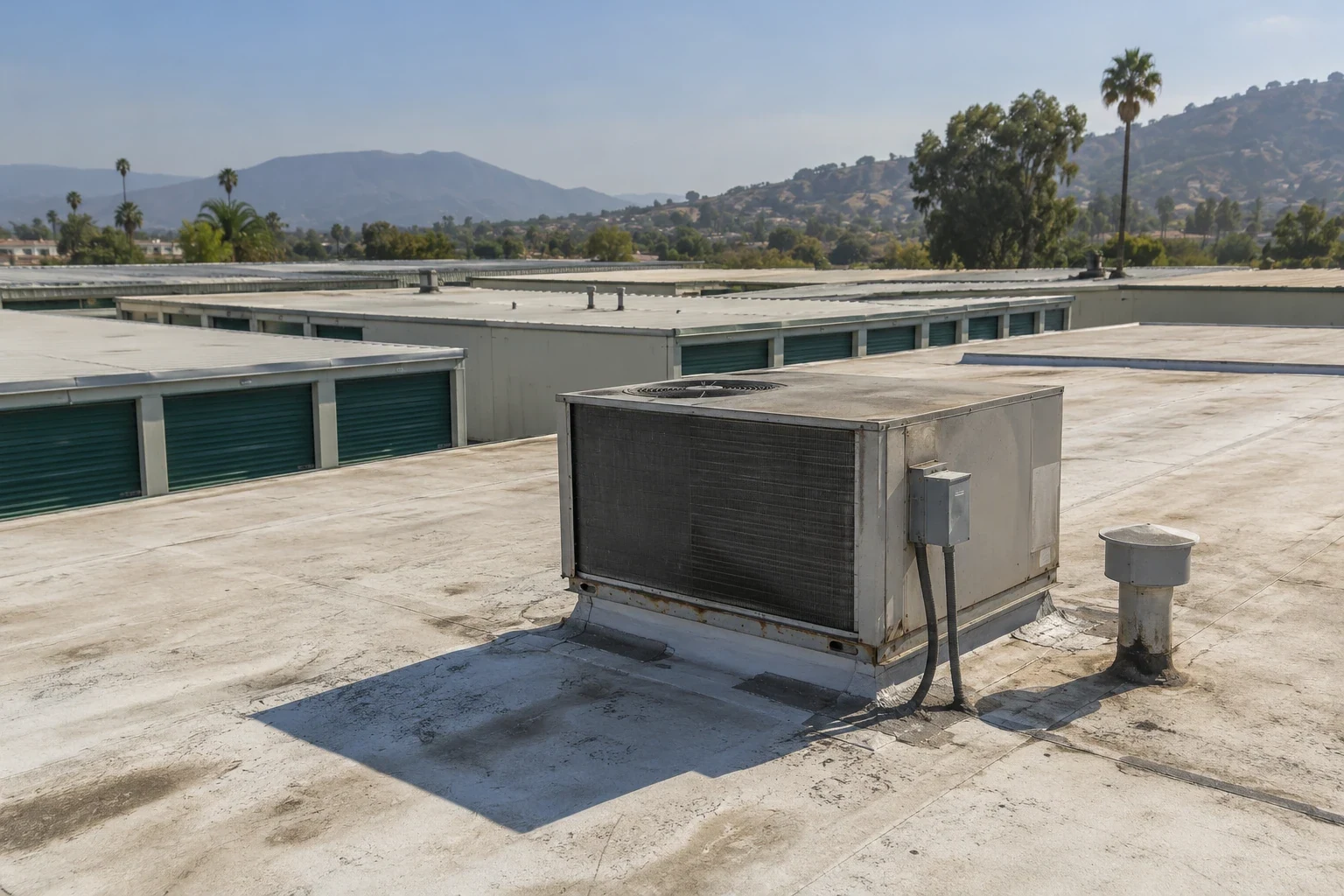
Start with the Approved Roof Map
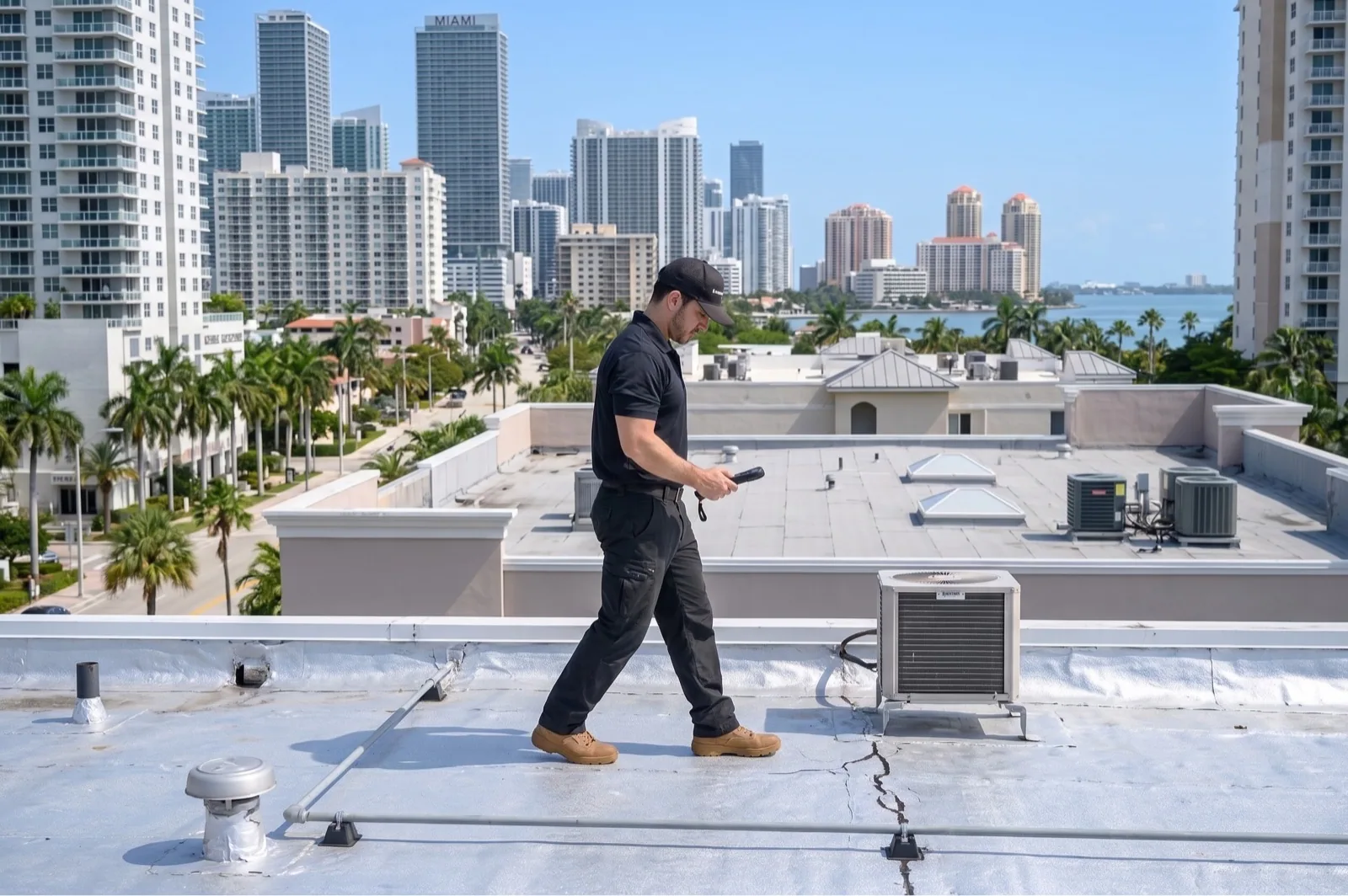
We review the available roof plan, building identifiers, previous work orders, and leak reports before the walk. On site, we locate the reported area and inspect nearby membrane seams, edge metal, drains, wall transitions, curbs, and penetrations. A roof may include additions or repair layers that are not clear from an interior mark. We label the area we actually reached and list any section that remained restricted. The report does not imply a full survey when only selected zones were approved.
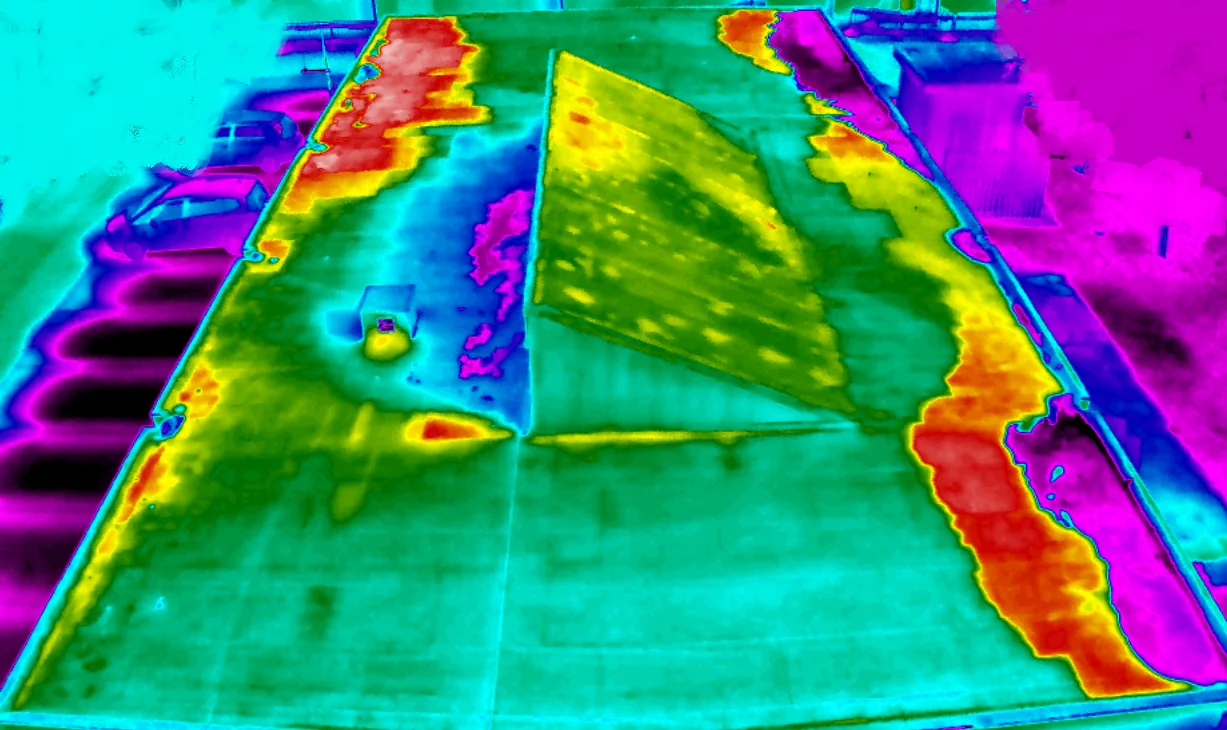
A commercial roof inspection can document visible findings, photographs, and limits. If suspected moisture extends beyond an obvious defect, an infrared moisture survey may help select confirmation locations. Thermal patterns alone do not establish wet insulation. We correlate the results with assembly information and field observations, then state whether a test opening would change the scope. The facilities lead can review known work separately from any request for added access.
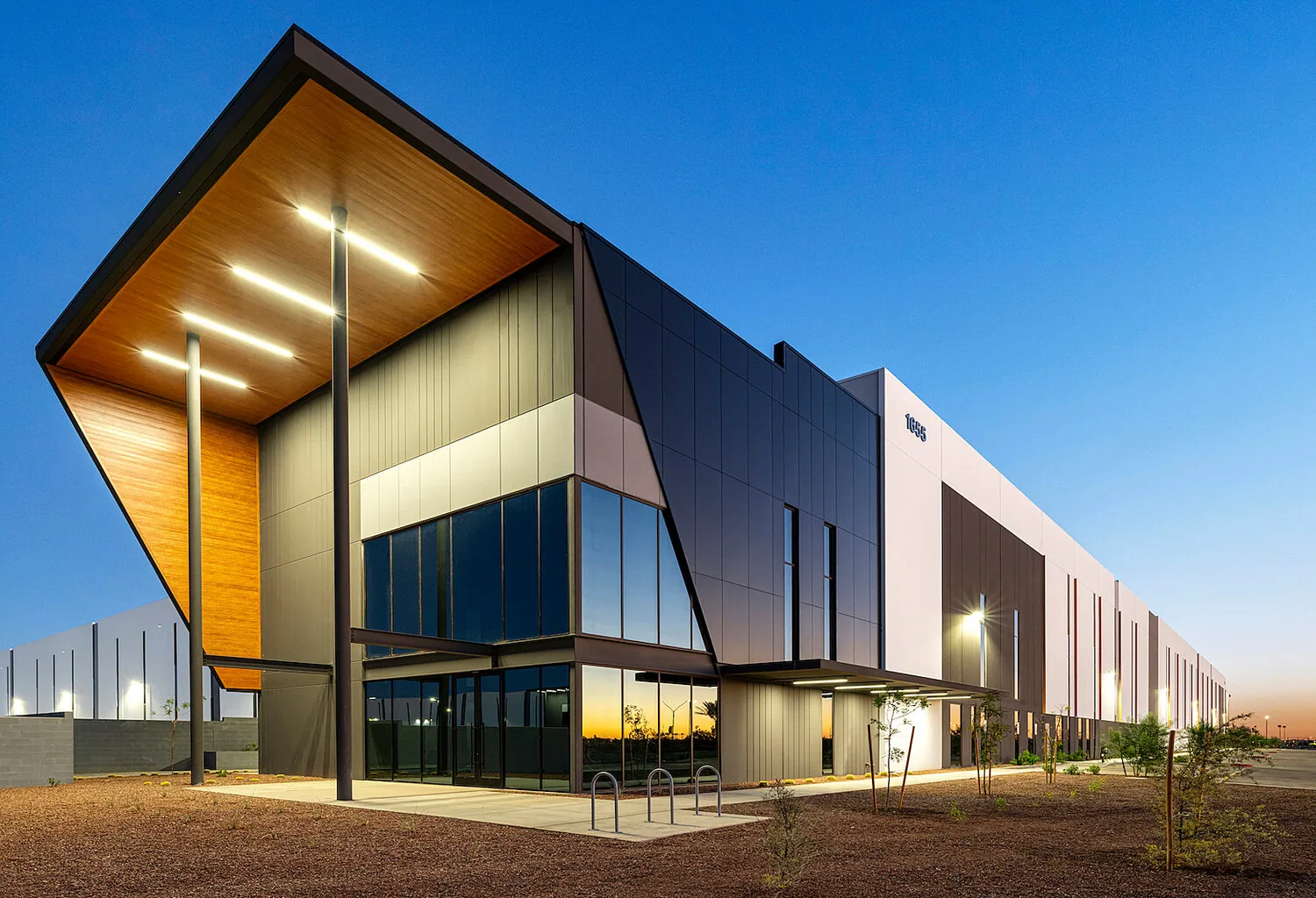
Roof Details Around Secure and Service Areas
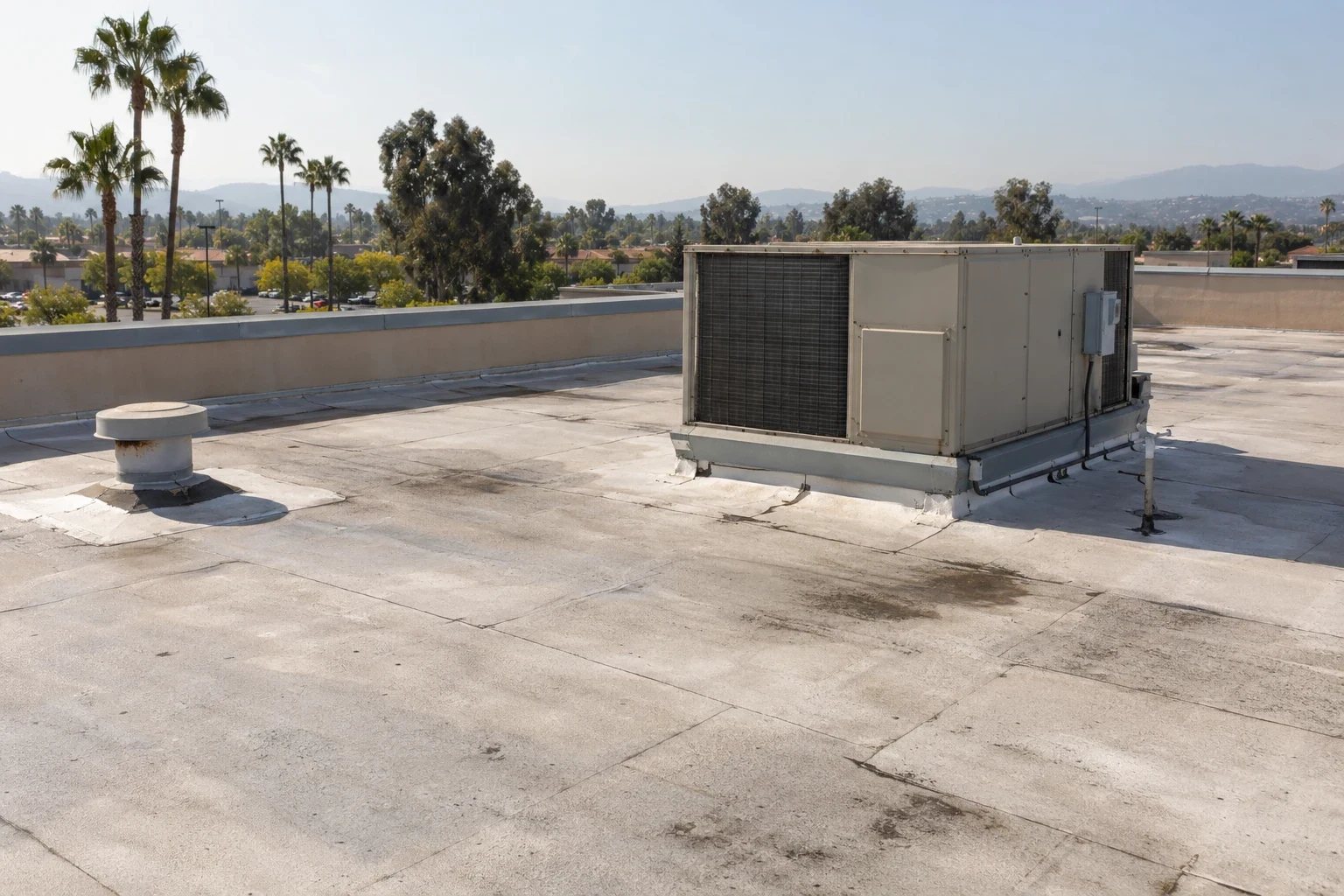
Administrative buildings, storage structures, vehicle areas, and support spaces may use different roof assemblies. We inspect each accessible detail rather than transfer an observation between buildings. Curbs, vents, conduit, skylights, parapets, and drains are checked for movement, open laps, loose metal, and prior patches. If equipment shutdown or a safety escort is needed, that requirement is confirmed before a roofing detail is opened. The scope remains limited to authorized work.
The General Plan's Airport Industrial Area description includes a business complex extending into Irvine and Tustin, but those cities do not indicate a particular facility's tenant or roof. A government building roof review may share access controls, while a military hangar roof plan raises different span and equipment questions. We map the actual building and system. The facility's contracting officer or property representative approves any additional area before the crew expands the walk.
Keep Findings and Added Scope Separate
A localized puncture, open seam, or failed flashing may be repaired when sound material remains around it. We prepare the surface, make a compatible tie-in, and document the repair edge. The work order identifies the building, roof zone, included material, and temporary protection. If removal exposes wet insulation or deck deterioration, the crew secures the opening, records the condition, and stops at the authorized limit. Added work follows the required approval process.
Repeated failures or widespread moisture may justify testing or a larger system review. A leak-repair scope addresses a confirmed entry point. A replacement assessment considers drainage, attachment, substrate, and repair history. Recover is not appropriate over an unknown or unstable layer. We state what the inspection supports, what needs another test, and which option would require a separate authorization. That gives the owner an auditable basis for a local repair, phased work, or a capital request.
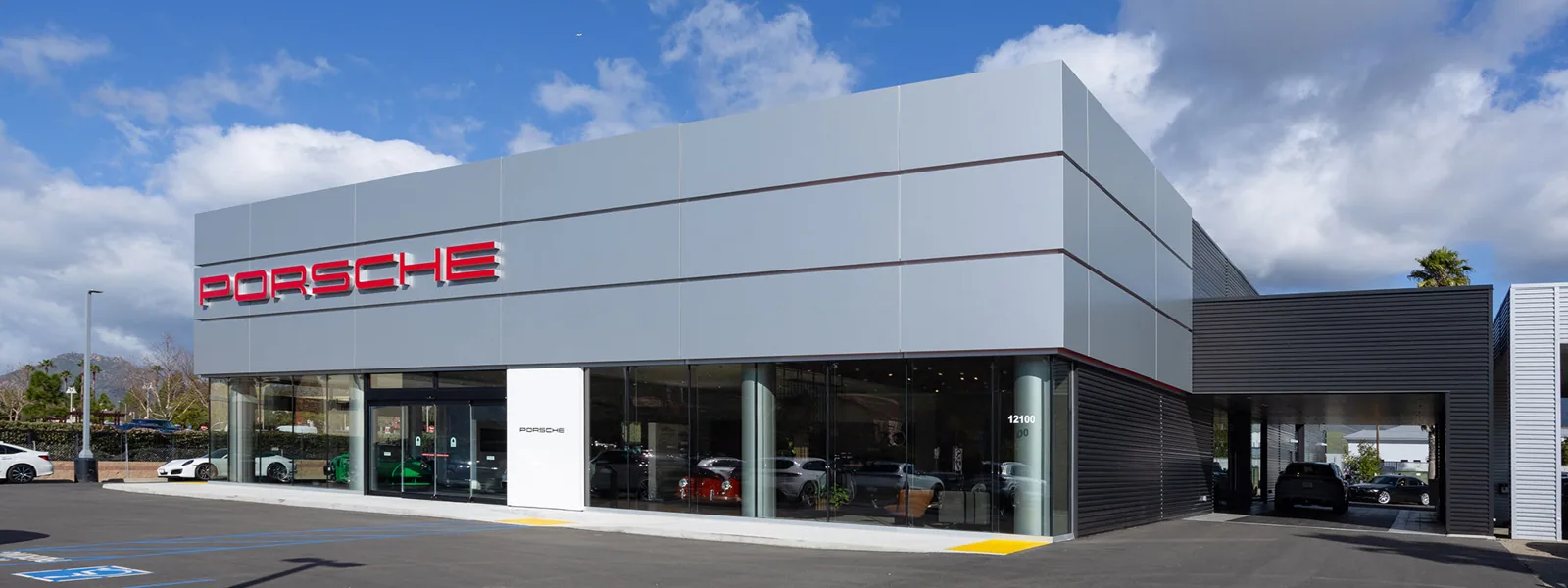
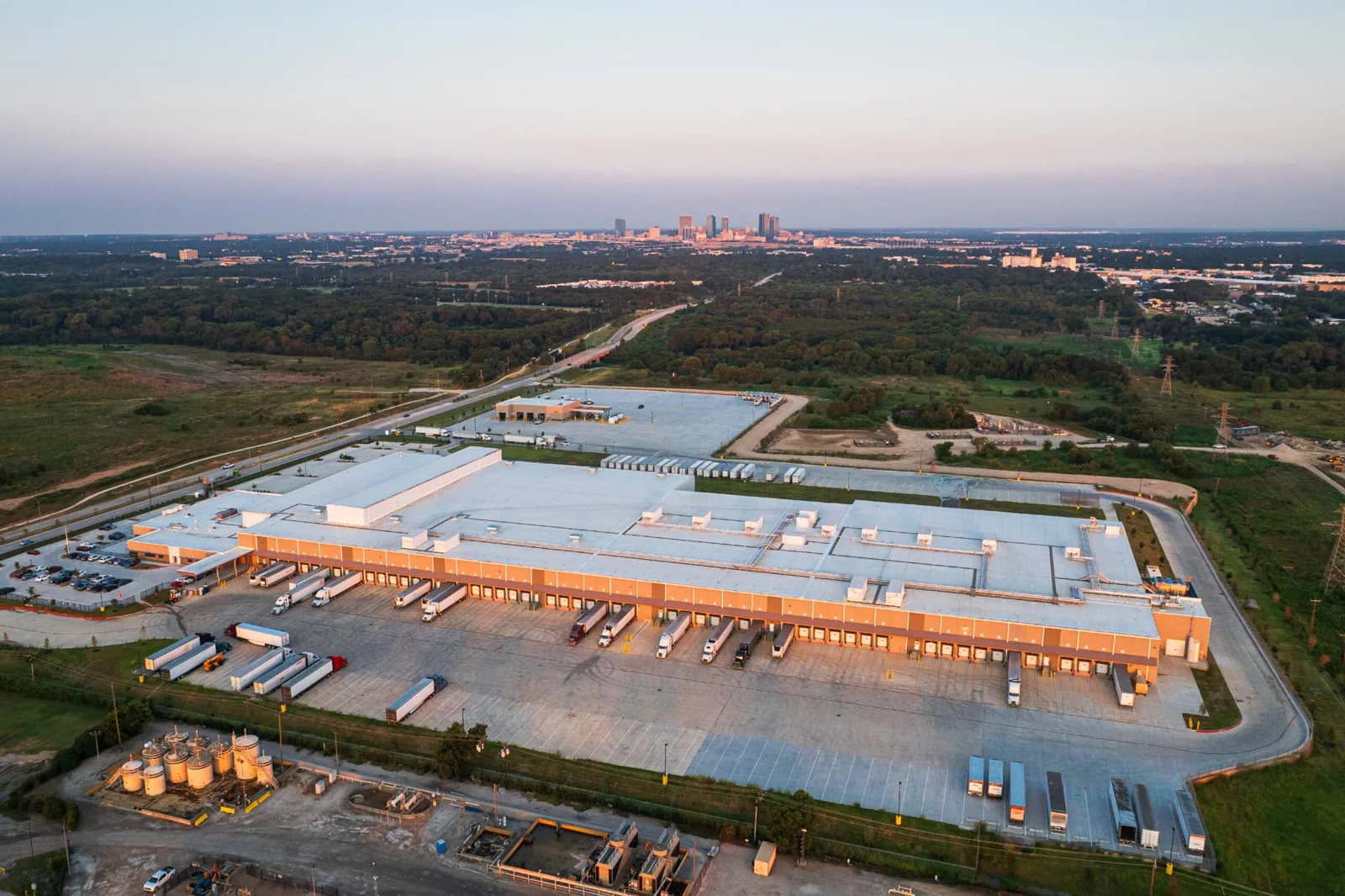
Coordinate Escorts and Daily Release
Before mobilization, we confirm escorts, roof access, staging, deliveries, lift placement, noise limits, equipment restrictions, and the facility's closeout process. The manager or contracting contact defines which routes must stay clear and who can release the next zone. A roof opening receives temporary weather protection before a shift ends. Daily notes state the work completed and any area that remains restricted or awaits approval.
A schedule from another property does not establish an Army installation's operating window. We use the approved contract and current access instructions. An occupied-building sequence can identify the work zone, safety handoff, and protection plan for each phase. If the work package includes a separate Tustin property, its authorizations and facility contacts require their own verification. The roof report stays focused on conditions and work performed under the approved scope.
Material and Permit Requirements
A roof over an installation building cannot be scoped from its use label. We match the leak report to the released roof zone, inspect transitions and drainage, and note each area not accessible under the owner’s rules. The proposal separates a confirmed flashing repair from a condition that needs testing, design, or a different authorization.
For local work, Costa Mesa's 2025 code package took effect January 1, 2026 under Ordinance 2025-08, with specified appendices and amendments. A state or federal project may use a different authority. The contract and permit set control. Before mobilization, a drainage review can record the outlet route and overflow condition.
Leave a Clear Facility Record
A useful roof record identifies the building, zone, detail, and action without putting sensitive operational information in a general maintenance note. We label photographs, state what was repaired, list inaccessible sections, and identify any test or approval still needed. The next facilities contact can compare a new report with the same roof area instead of relying on a verbal handoff. Records should follow the property's documentation and security procedures.
Follow-up walks can revisit repair edges, drains, and earlier test locations after the work window. If an organization manages assets in Irvine and Tustin, each property's plans and approvals remain distinct. Send the authorized roof map, prior work orders, current leak reports, and access instructions. We can plan a roof walk within the approved scope and document whether the next action is repair, monitoring, testing, or a separate project request.
Common Questions
The contracting and facilities contacts define authorization, escorts, safety controls, approved buildings, and hours. We inspect only the released areas and record anything not reached. A neighboring structure or roof is outside scope unless it is separately authorized.
The crew documents any concealed condition, protects the opening, and stops at the authorized boundary. The owner or contracting officer reviews the evidence and approves a change through the required process. The initial scope does not silently expand when hidden material is found.
No. We inspect the reported zone and nearby details, then compare findings with repair history and assembly condition. A localized defect may support a repair. Broad moisture, weak attachment, or substrate deterioration can justify testing and a larger review. Conclusions apply only to areas actually examined.
The roofing record focuses on approved roof areas, observed conditions, repair limits, and access constraints that the owner permits us to document. The facility determines how records are stored and distributed. We do not include operational details beyond what is needed to describe the work.
An approved roof plan, work package, leak locations, prior repair notes, access instructions, and the closeout procedure help define the visit. The contact identifies authorized sections and required escorts. We confirm scope and safety controls before scheduling a crew.
Related Roofing Work
Coordinate an Authorized Roof Assessment
Share the approved roof plan, work scope, leak locations, access requirements, and prior repair records. We can coordinate an inspection and document findings within the released areas.