
Coast Guard Station Roof Repair in Costa Mesa, CA
Controlled access defines the first roof walk at an operational station. Coast Guard Base Los Angeles / Long Beach supports Coast Guard activities with housing, warehousing, health care, transportation, and personnel services. It is home to Station Los Angeles / Long Beach and other Coast Guard commands. The station review begins at the work order’s released roof zone, recording accessible details and marking each section excluded from authorization. Facility functions do not establish roof condition; field observations and owner approval set the testing boundary.
Costa Mesa’s Airport Industrial Area forms part of a broader business and industrial complex extending into Irvine and Tustin. The approved roof plan and field walk establish the assembly and sections available for inspection. Before a walk, we confirm the work order, escort contact, safety requirements, access window, material route, and daily handoff. Each building and property receives an independent condition record, even when an organization coordinates assets across the region.
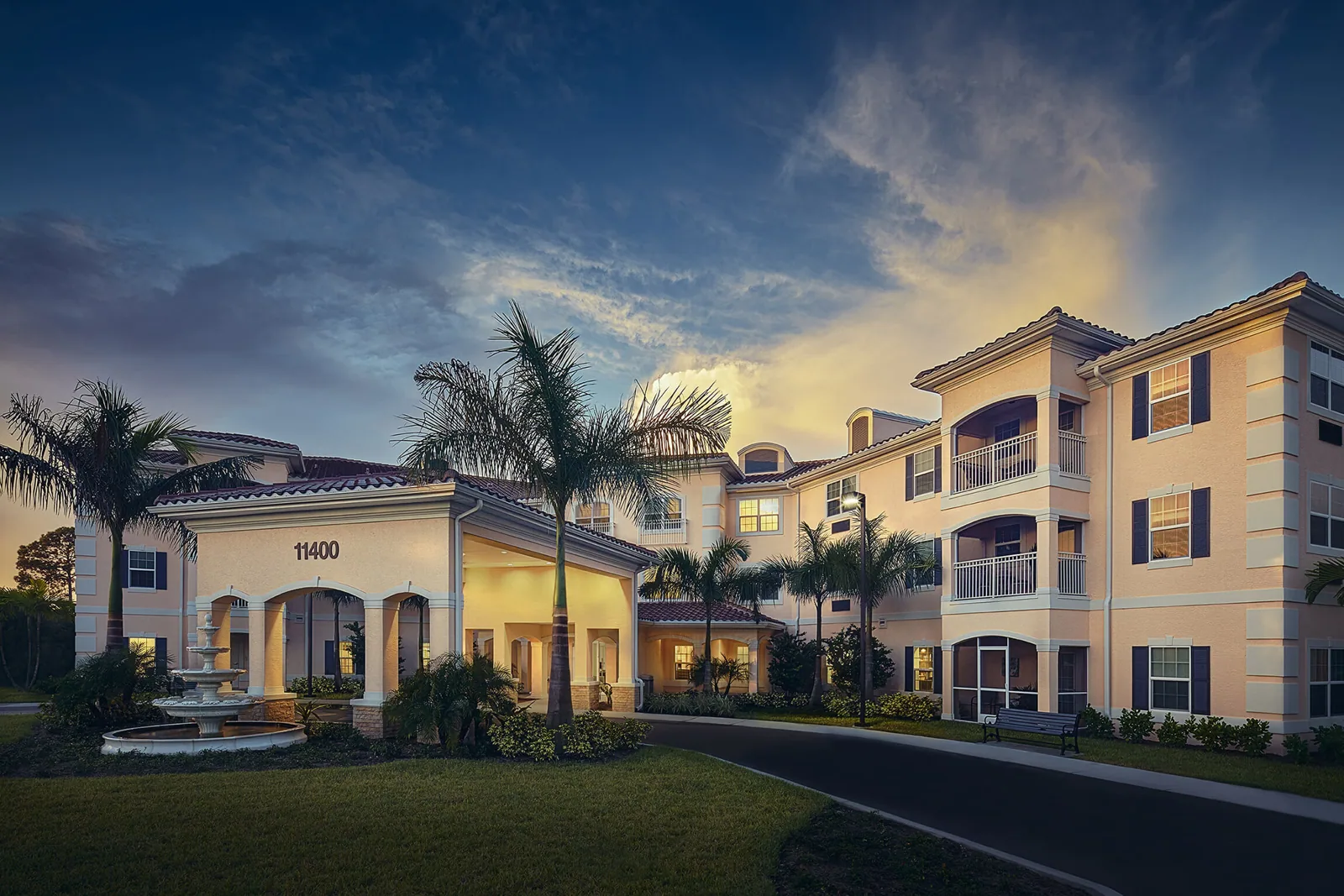
Confirm the Building and Inspection Boundary
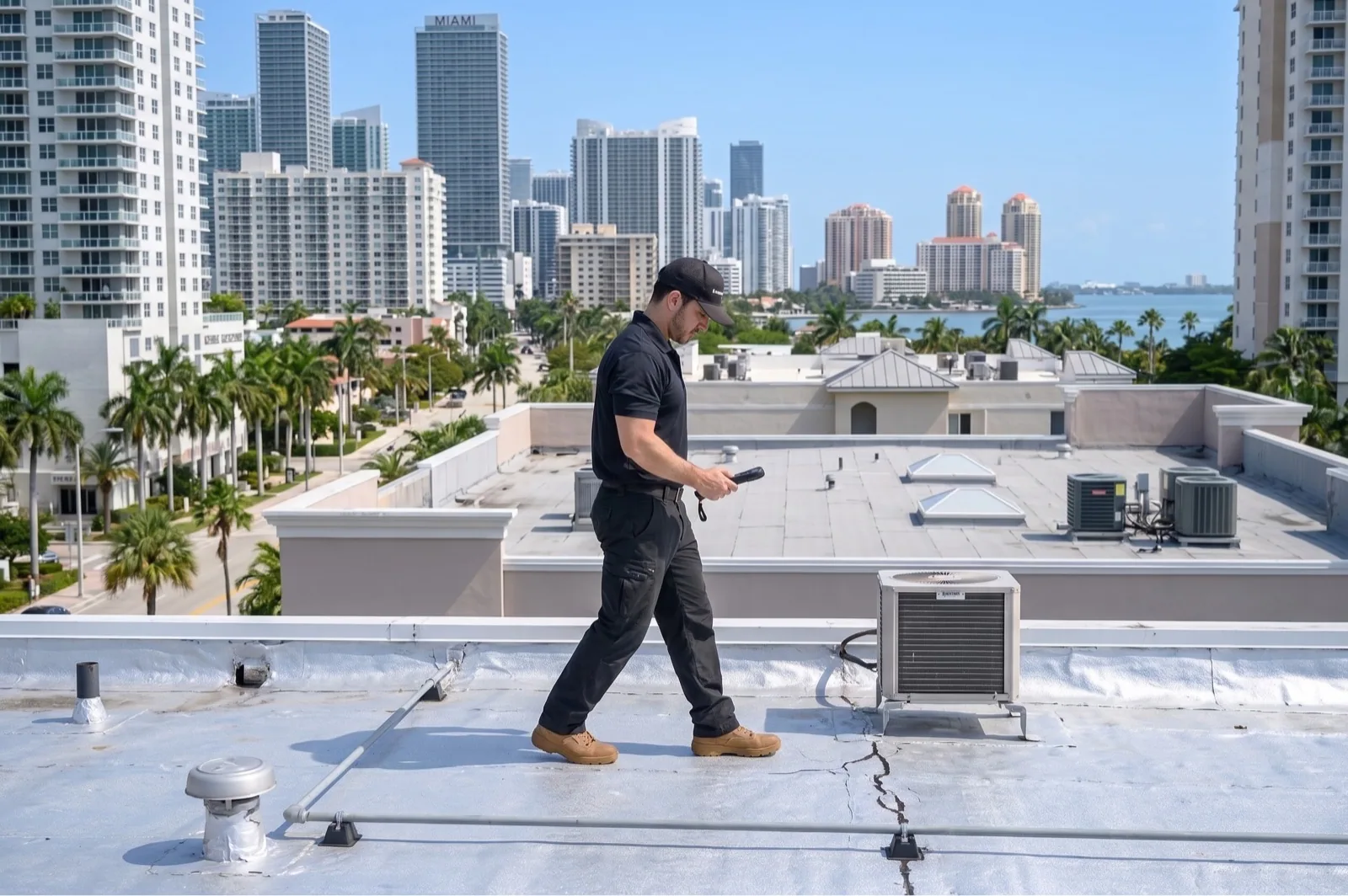
We compare the approved roof plan with the reported location and previous service notes. The walk checks membrane seams, parapets, wall transitions, penetrations, curbs, and drainage within the authorized zone. If the facility includes offices, equipment rooms, storage, or maintenance spaces, each roof section may require a separate note. We label photographs by approved building identifier and list any section that could not be reached.
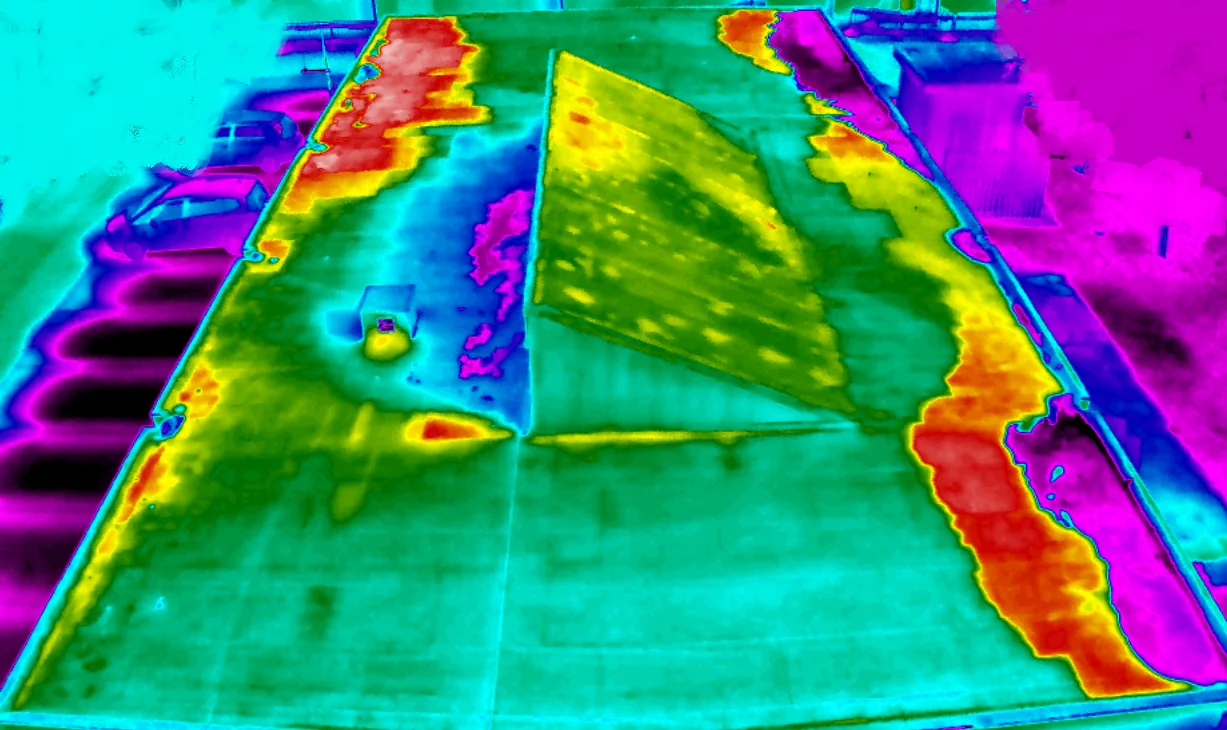
A commercial roof inspection provides a record of visible conditions and access limits. An infrared moisture survey may help identify locations for confirmation if moisture extent is unclear. A thermal pattern does not establish wet insulation by itself. We relate any scan to the assembly, weather, and physical observations, then name a test opening only if it answers a scope question. The facilities contact can review that step before it is added. At a broad roof, we mark whether edge metal, drains, or access boundaries changed the inspection path. If a wind-driven rain report follows a work order, we compare the dates and photographs without assuming the same entry point.
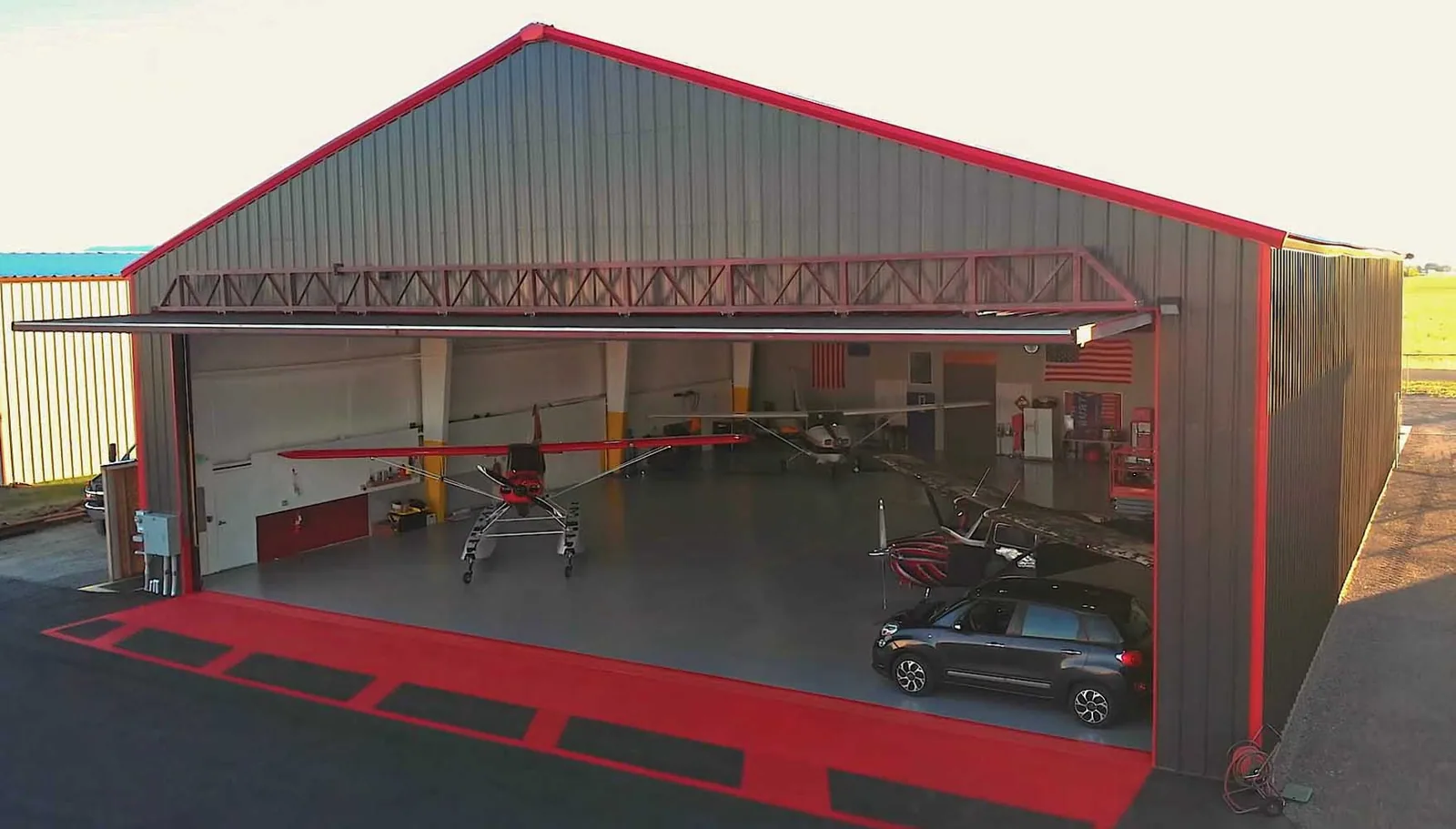
Support Buildings and Roof Penetrations
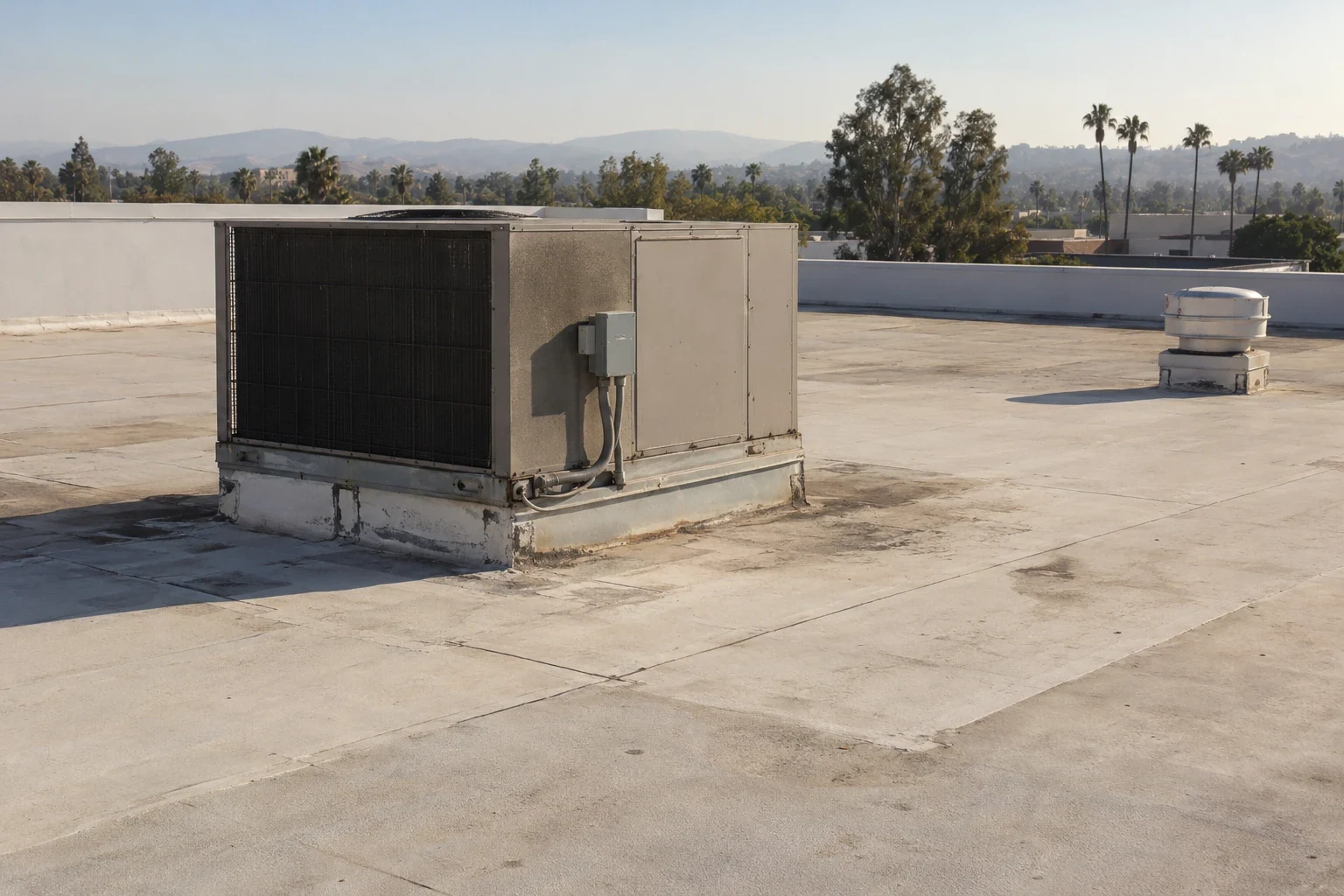
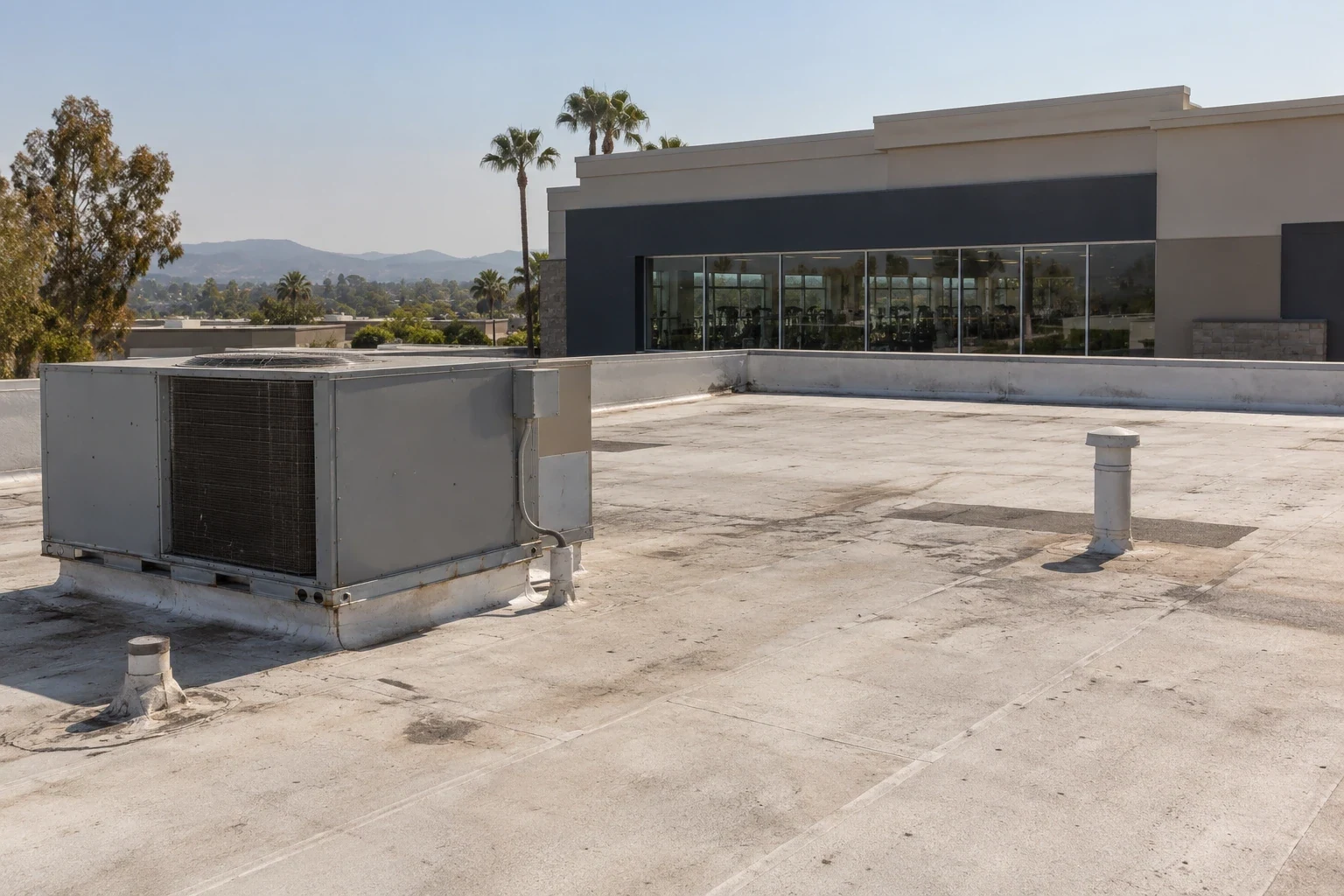
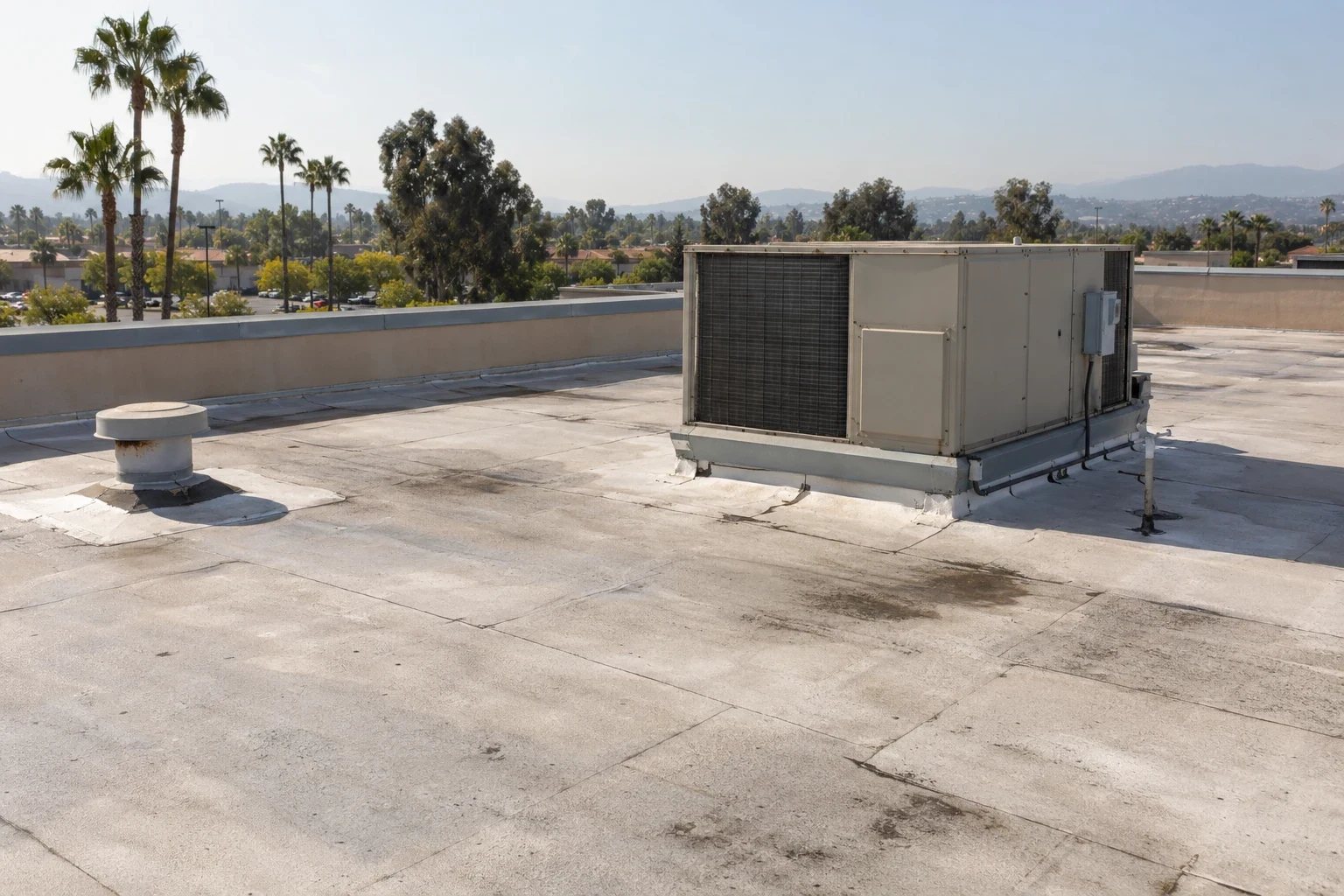
A conduit support near a curb can complicate the waterproofing tie-in. We inspect the boot, counterflashing, fasteners, sealant, and surrounding sheet without handling supported equipment. If a repair crosses a power, antenna, or owner-managed assembly, facilities staff coordinate any shutdown and specialty access before the detail is opened. The proposal separates roof work from equipment work and identifies who restores each interface.
At Coast Guard Base Los Angeles / Long Beach, the work package should name released roof zones, image restrictions, and the escort who releases each work area. A naval facility roof review or government building scope may share approval and documentation questions, while the facility contract and operating controls determine the path. We record the roof section, observation, and limit without placing sensitive information into a general contractor note.
Repair Only What the Evidence Supports
An open seam, puncture, or failed flashing may be repaired where surrounding membrane is sound. We prepare the surface, apply a compatible repair, check the tie-in, and record the edge. The scope identifies the approved area and any temporary protection. If removal reveals wet insulation or a damaged deck, the crew secures the opening and stops at the authorized limit. The owner reviews the new condition through the appropriate approval route.
A leak-repair scope addresses a confirmed entry. Repeated failures or broader deterioration may support a replacement assessment or further testing. Recover is considered only if the existing layers qualify. We separate the known repair from a concealed condition and describe what evidence would change the recommendation. That provides a defensible basis for a work order, phased project, or capital request within the approved contract.
Set the Access and Closeout Plan
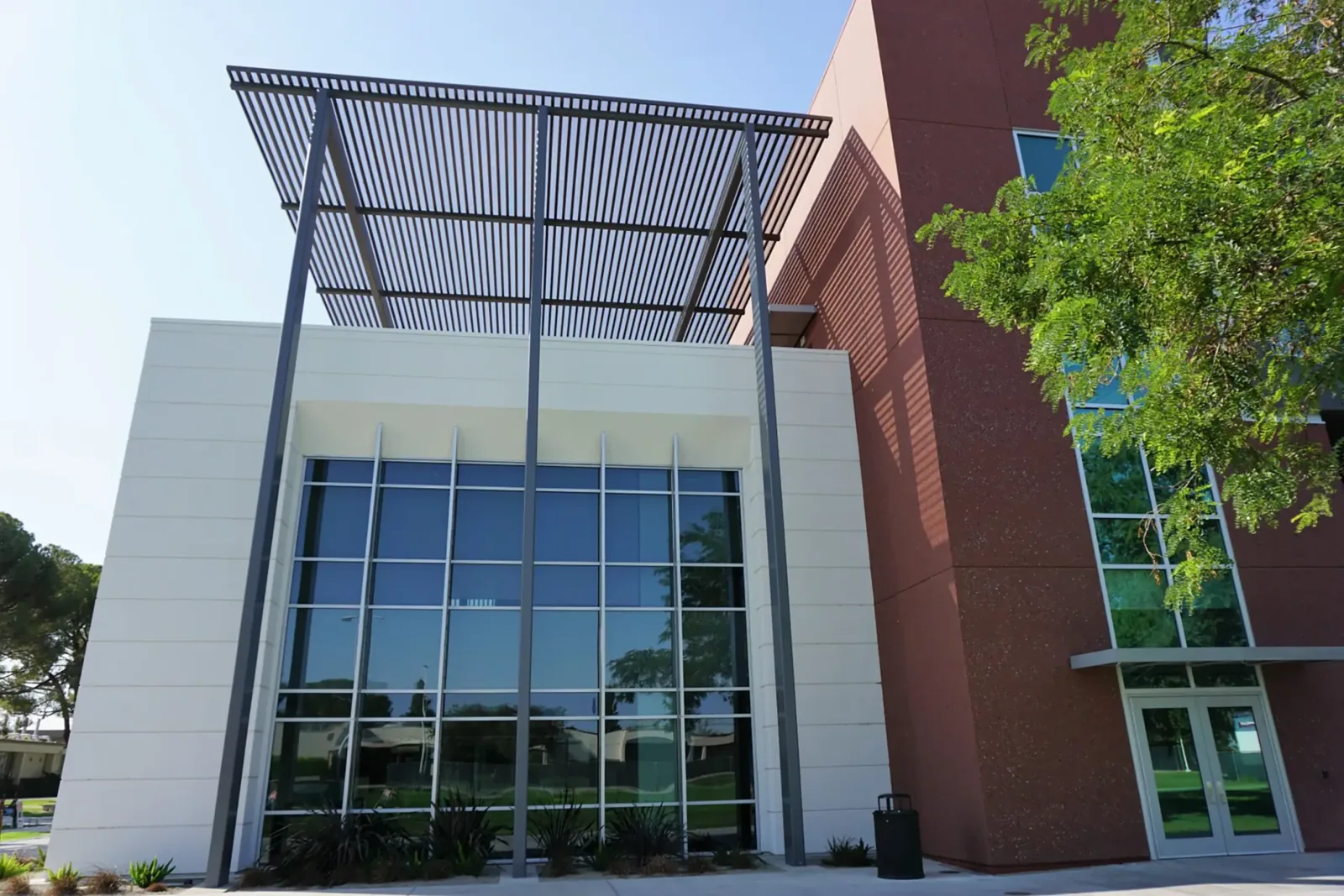
Before mobilization, we verify access authorization, escort, lift placement, delivery route, staging, noise limits, equipment restrictions, work hours, and the contact who accepts closeout. If roof material must cross a controlled area, the approved route is part of the sequence. An exposed section receives temporary weather protection before the crew leaves. Daily notes list the completed work and any remaining restriction or test request.
A previous property's schedule cannot serve as approval for this building. An occupied-building sequence can list work zones, handoffs, and protection measures, while the facility confirms the current release. A separate property needs its own Tustin access release, even when one owner coordinates both sites. The closeout record states what was performed under the work order and identifies the person who accepted the area back.
System, Code, and Contract Review
A controlled facility needs an owner-released roof map before inspection. We confirm the approved entry, escort route, staging point, and photography limits, then document accessible seams, drains, edge metal, and penetrations. The estimate distinguishes visible repair from an opening that could reveal a different condition and names who may approve added work.
Costa Mesa's Airport Industrial Area is part of the broader business complex extending into Irvine and Tustin. A controlled-property work order still names the approved building, entry route, and roof zones. Costa Mesa's municipal code adoption took effect on January 1, 2026. A federal contract may set different requirements. A maintenance visit can trace runoff inside a released work zone.
Keep the Next Inspection Traceable
For a later facilities review, each photo should name the released roof section and show a recognizable reference point such as a drain, curb, or parapet corner. We label photos by building and zone, note repair materials and limits, and identify areas not reached. The report stays focused on the roof work and the approvals needed to continue. A future crew can see which condition was fixed, which one was monitored, and which area requires another authorization.
Follow-up visits can revisit repair edges, drainage, and prior test locations when the owner releases the work. When an asset group spans several properties, each facility keeps its own map, approval, and repair history. Send the current work order, roof plan, leak report, access instructions, and earlier service notes. We can document observations within the approved scope and identify the next review needed by facilities or contracting staff.
Before the crew leaves, the contact confirms each opened area is watertight, loose material is removed, and the approved access path is clear. The closeout should list a return visit separately from completed repair work, especially when access depends on a fresh release. A later review can then compare the same roof zone, photo reference, and repair boundary without assuming that a different building shares the same authorization or maintenance history.
Common Questions
The facility's contracting and property contacts identify the released building, roof zones, escort, and work hours. We stay within those limits and list sections that were unavailable. Permission for one structure does not include adjacent roofs unless the owner adds them to the work scope.
The crew photographs the exposed condition, protects the area, and pauses at the approved boundary. The owner reviews the evidence and authorizes any added work through the contract process. No hidden condition automatically changes the approved scope.
We inspect roof flashing at accessible curbs and penetrations. Equipment function, shutdown, and restart are handled by the responsible service provider. We coordinate the roofing interface and note where another trade or approval is needed.
No. Imaging may help direct attention to suspect areas, but it needs context and confirmation. We inspect the released roof zones and recommend a test opening if the result would change the scope. The report states access and testing limits.
The approved work order, roof plan, leak report, prior repair history, access instructions, and escort details help define the visit. The property contact confirms what can be reached and who accepts closeout. We note any missing authorization before mobilizing.
Related Roofing Work
Coordinate a Station Roof Assessment
Share the approved work order, roof plan, leak location, prior service notes, and access rules. We can coordinate an inspection and document findings within the released scope.