
Solar-Ready Commercial Roofing in Costa Mesa, CA
A solar layout can look complete on paper while the roof beneath it still needs a repair decision. We inspect membrane, insulation, drainage, curbs, and access before solar equipment is installed in Costa Mesa, CA. A nearby station's normal daily maximum is 78.9°F for July and 80.4°F for August, and its annual precipitation normal is 11.18 inches. The regional record is useful context, not a roof-surface reading. The roof walk checks the assembly and repairs needed before equipment arrives.
Solar-ready roofing is a coordination scope. The owner needs to know whether the current roof can remain in service through the planned system life, where penetrations may be needed, and how crews will reach both systems later. We document deficiencies before concealment, then identify attachment or ballast questions for the solar designer. That record keeps roof repairs separate from electrical and structural design decisions.
Existing Roof Condition
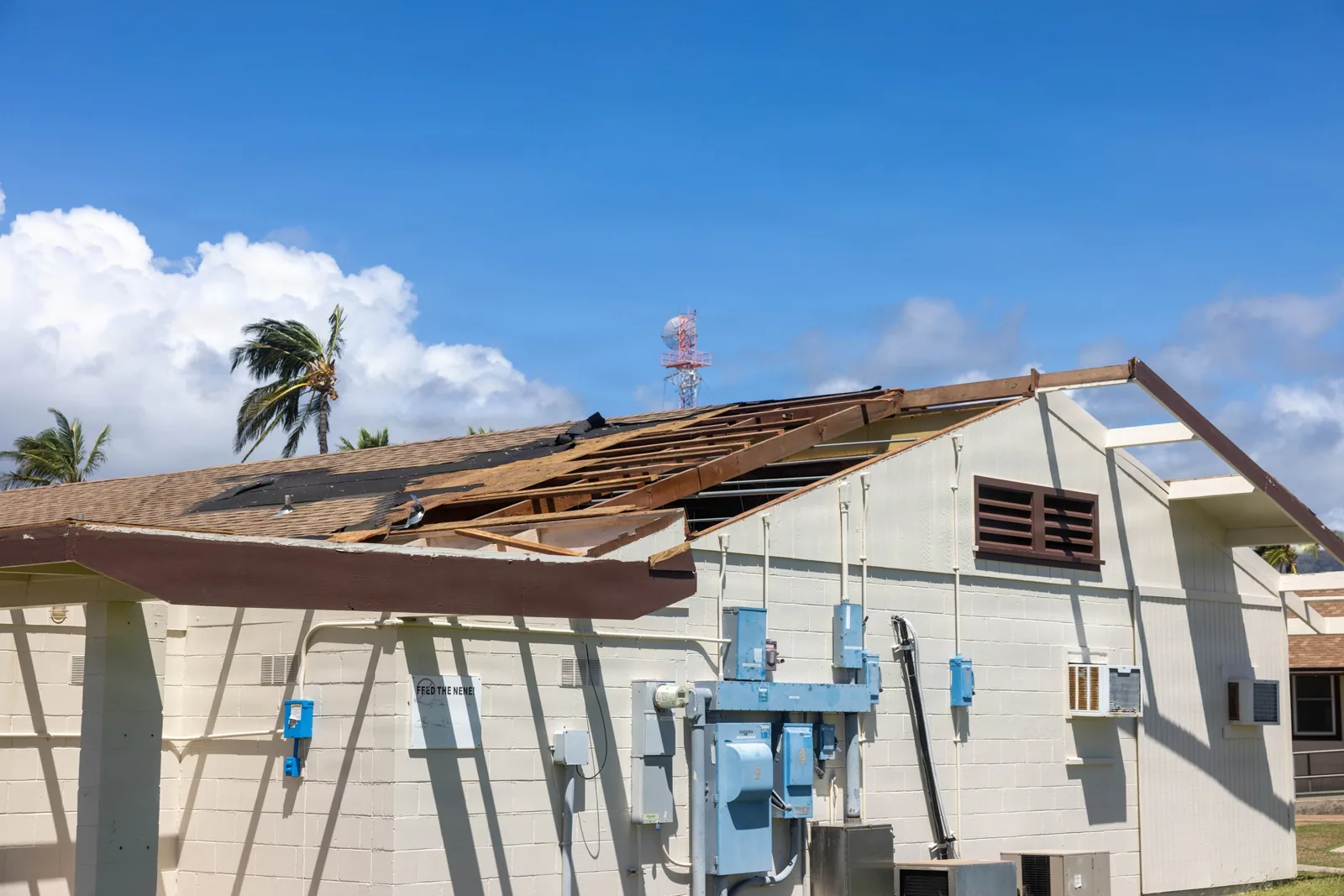
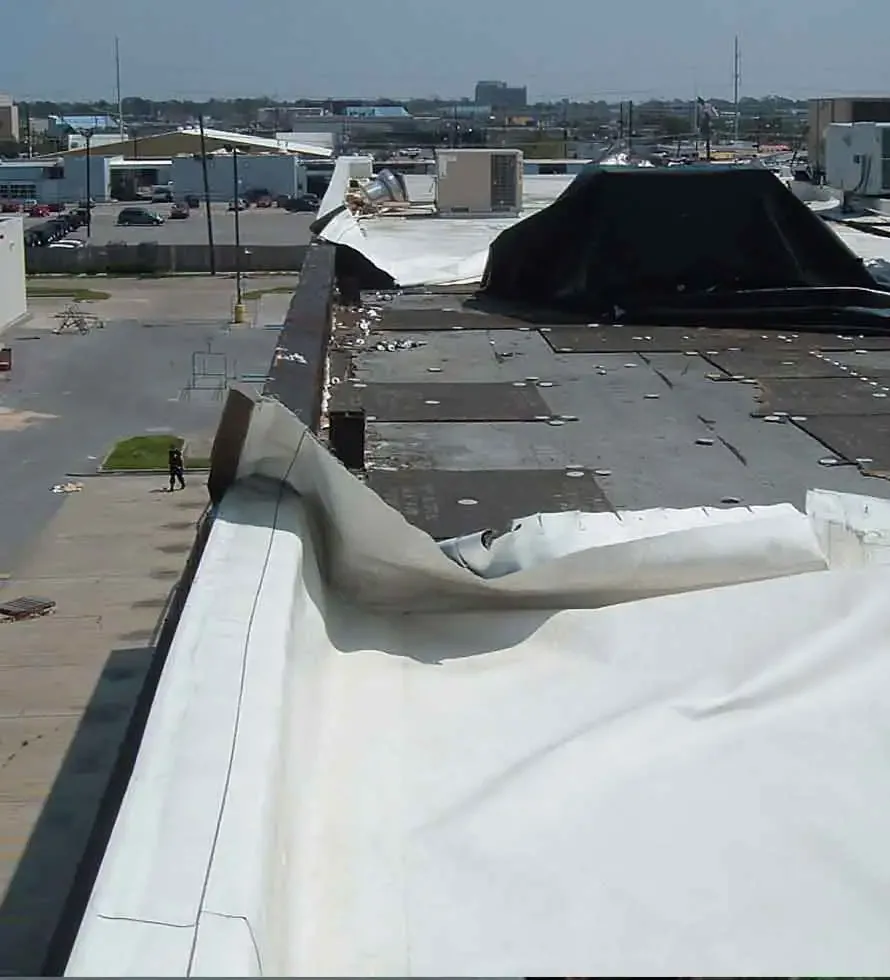
We map open seams, prior patches, drain locations, soft areas, and exposed insulation. The roof system may be sound in the field but weak at older penetrations or edges. We photograph these conditions and identify which require repair before solar racks or conduit are placed. If concealed moisture is possible, a survey or test opening is scoped before any array hides the surface.
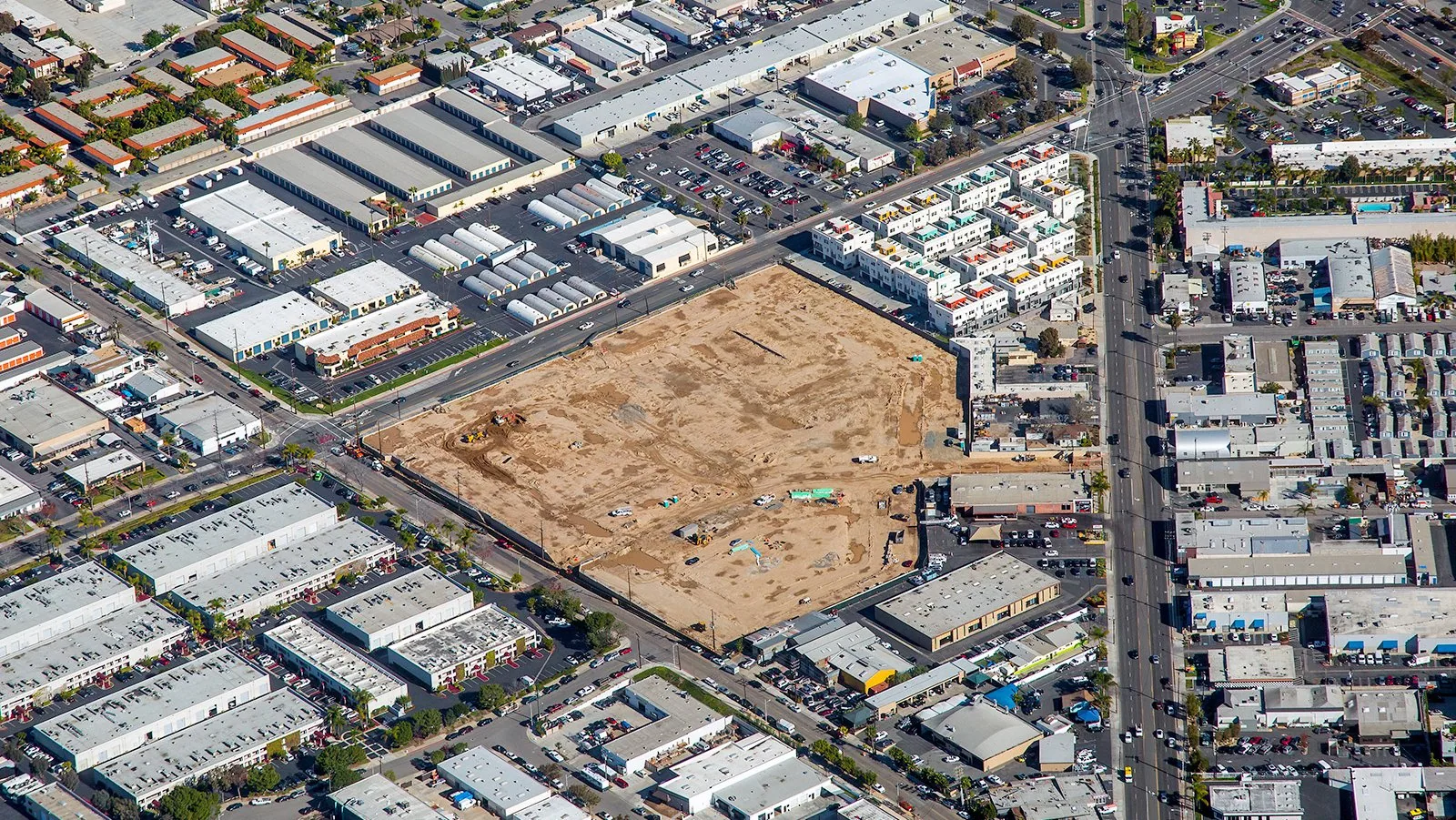
Westside Costa Mesa includes multi-tenant industrial buildings alongside larger operations, so roof access can cross several occupied spaces. We mark the roof areas, tenant-side contacts, and equipment routes that matter before staging. A commercial inspection establishes the base record; a restoration scope may address a serviceable roof before the solar layout proceeds. Neither choice is made from roof age alone.
Solar and Roofing Boundaries
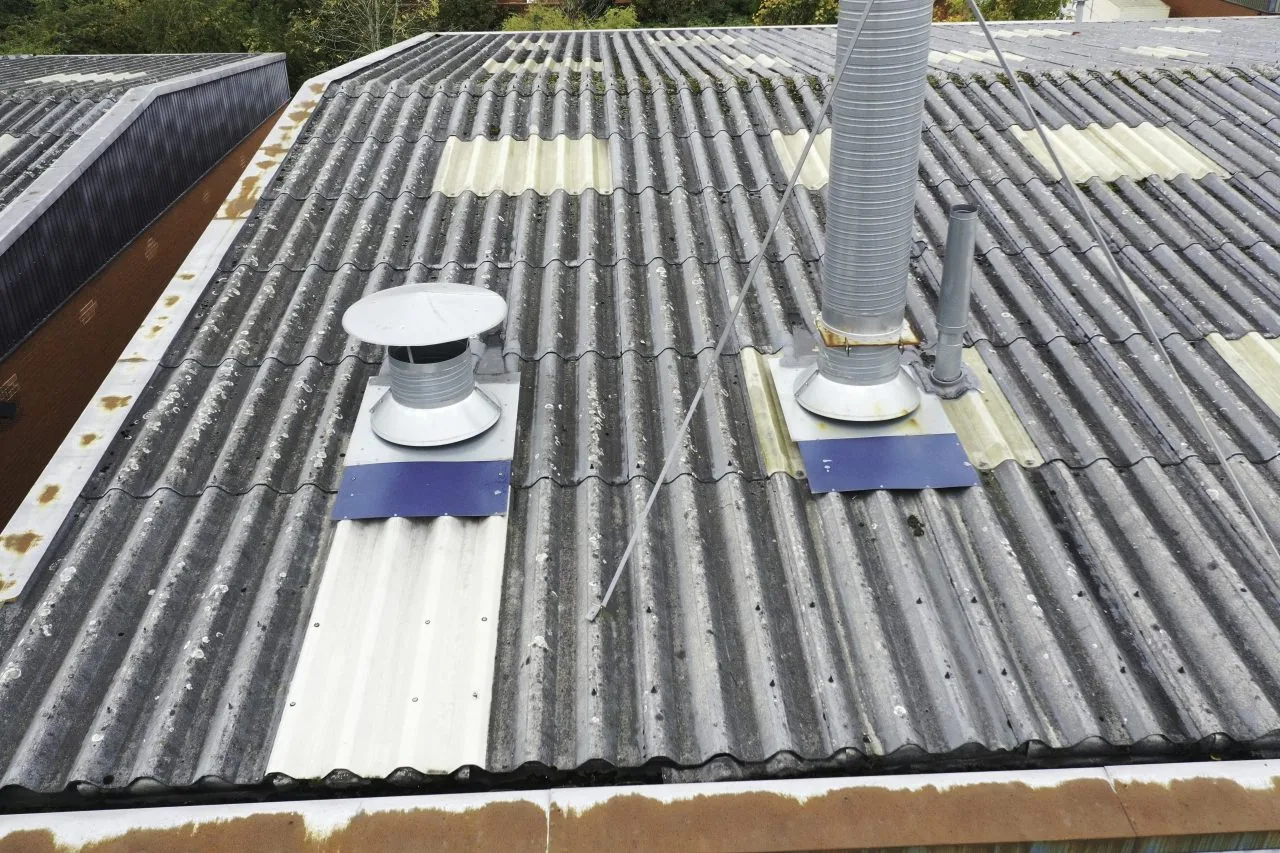
A roofing contractor works on the weathering layer; a solar designer determines array layout, support, electrical routing, and structural demands. We identify where those scopes meet. Roof penetrations, attachment points, conduit supports, and walk pads need a coordinated detail that preserves drainage and future access. The construction documents should show who supplies each flashing, who seals an attachment, and who closes the roof if installation stops mid-shift.
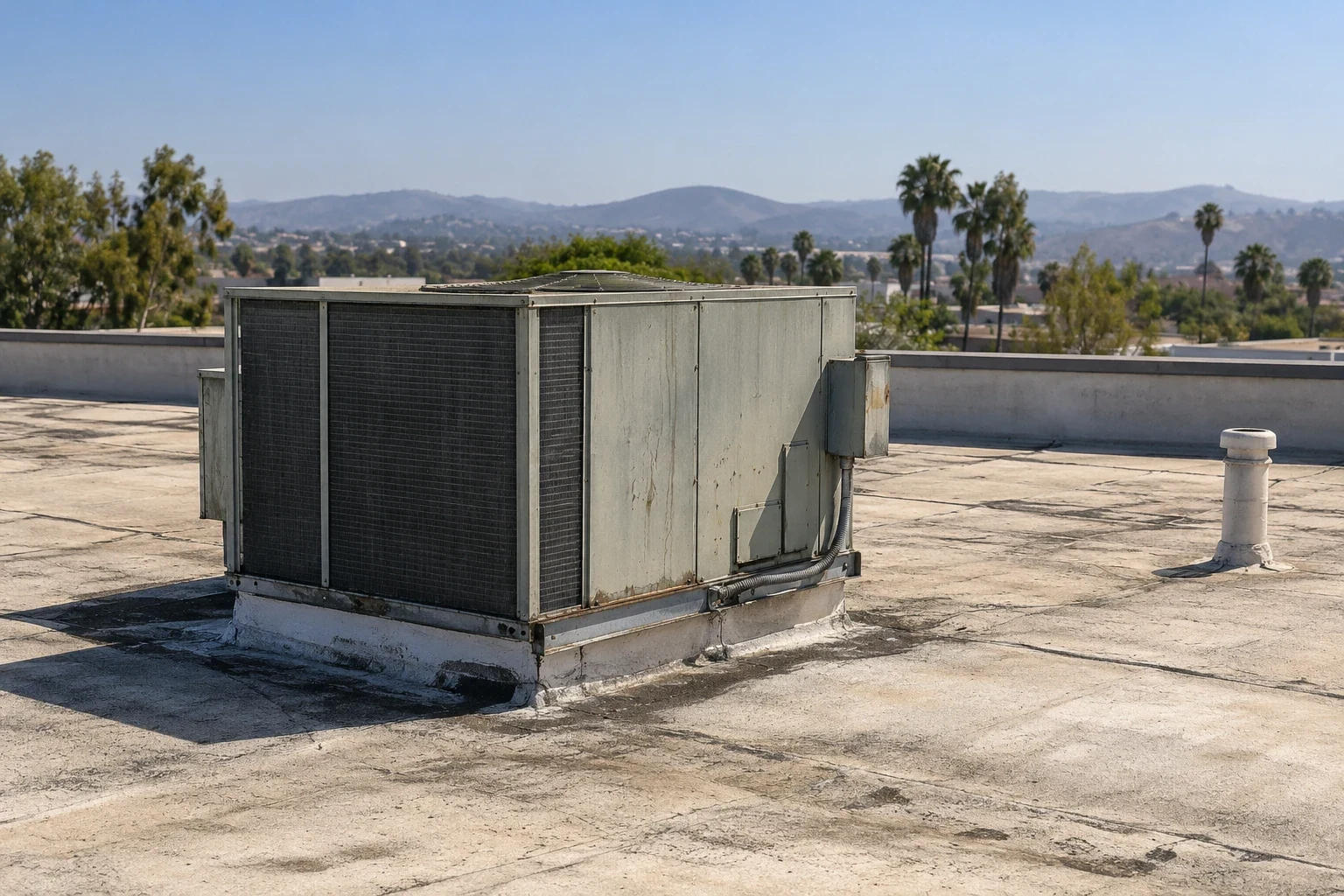
An attachment system can transfer loads into structure through the roof assembly. We do not infer capacity from a building's use or its visible framing. When the proposed layout depends on structural capacity, the responsible engineer evaluates it. We coordinate the roof-side detail with the designer and maintain a repair boundary. A curb and support review can include conduit supports and other rooftop equipment that competes for service clearance.
Costa Mesa Roof and Site Conditions
The Westside's multi-tenant industrial structures differ from the broader operations in the Airport Industrial Area. Neither land-use pattern identifies a particular membrane or roof structure. We verify the deck, service routes, and clearances on site before a solar layout is fixed. We use the district as a planning cue, then verify roof conditions, drains, clearances, and loading routes on site. A solar layout should leave the maintenance path to each drain and penetration visible.
The Airport Industrial Area forms part of a larger business and industrial complex extending into Irvine and Tustin. That regional connection does not identify a tenant's roof or its structure. We inspect the Costa Mesa property's deck, drains, and service routes before any solar layout is fixed. A roof walk in the Airport Industrial/Business Park district can mark those details before equipment conceals the surface. Delivery timing still comes from the building contact.
Repair Before Concealment
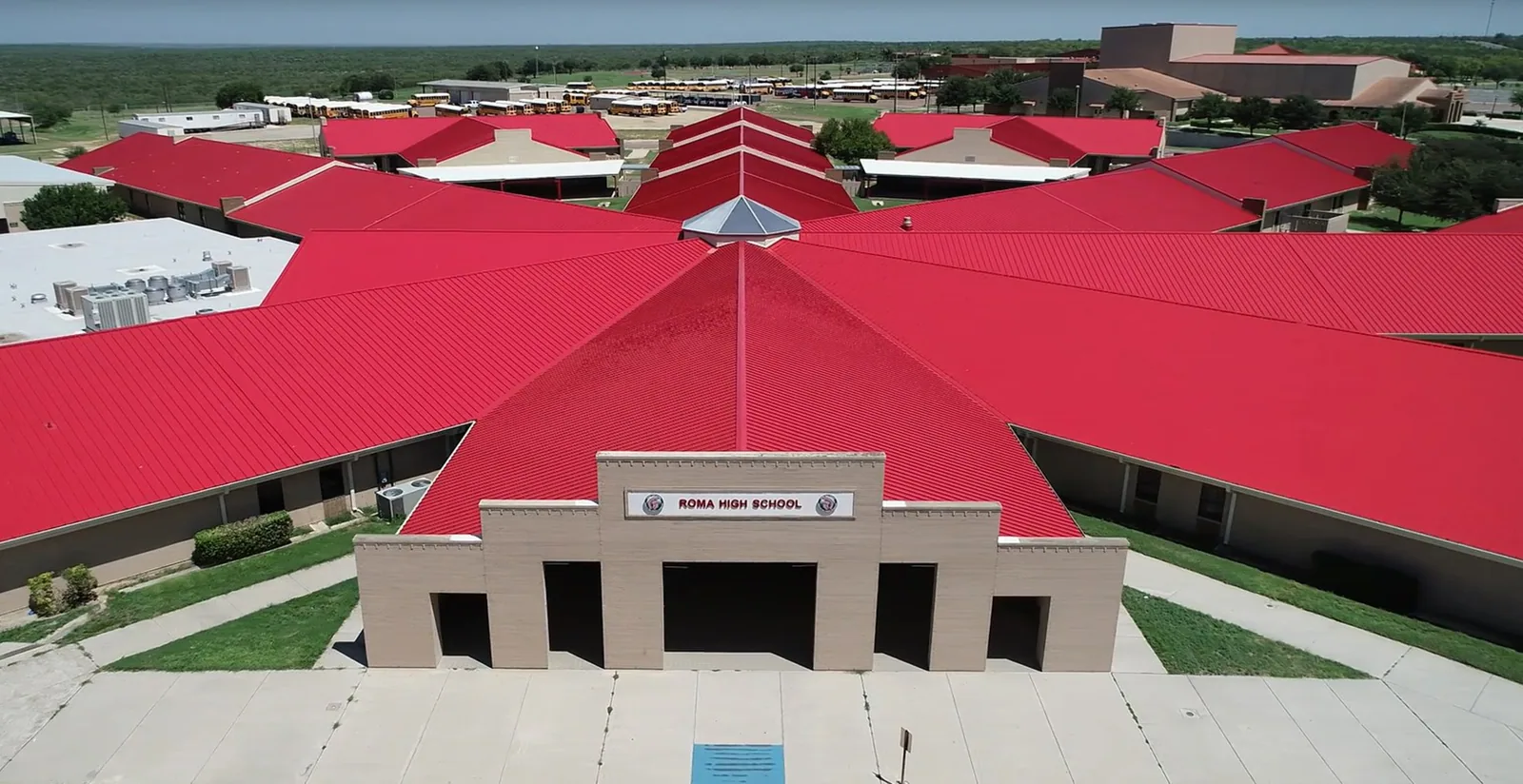
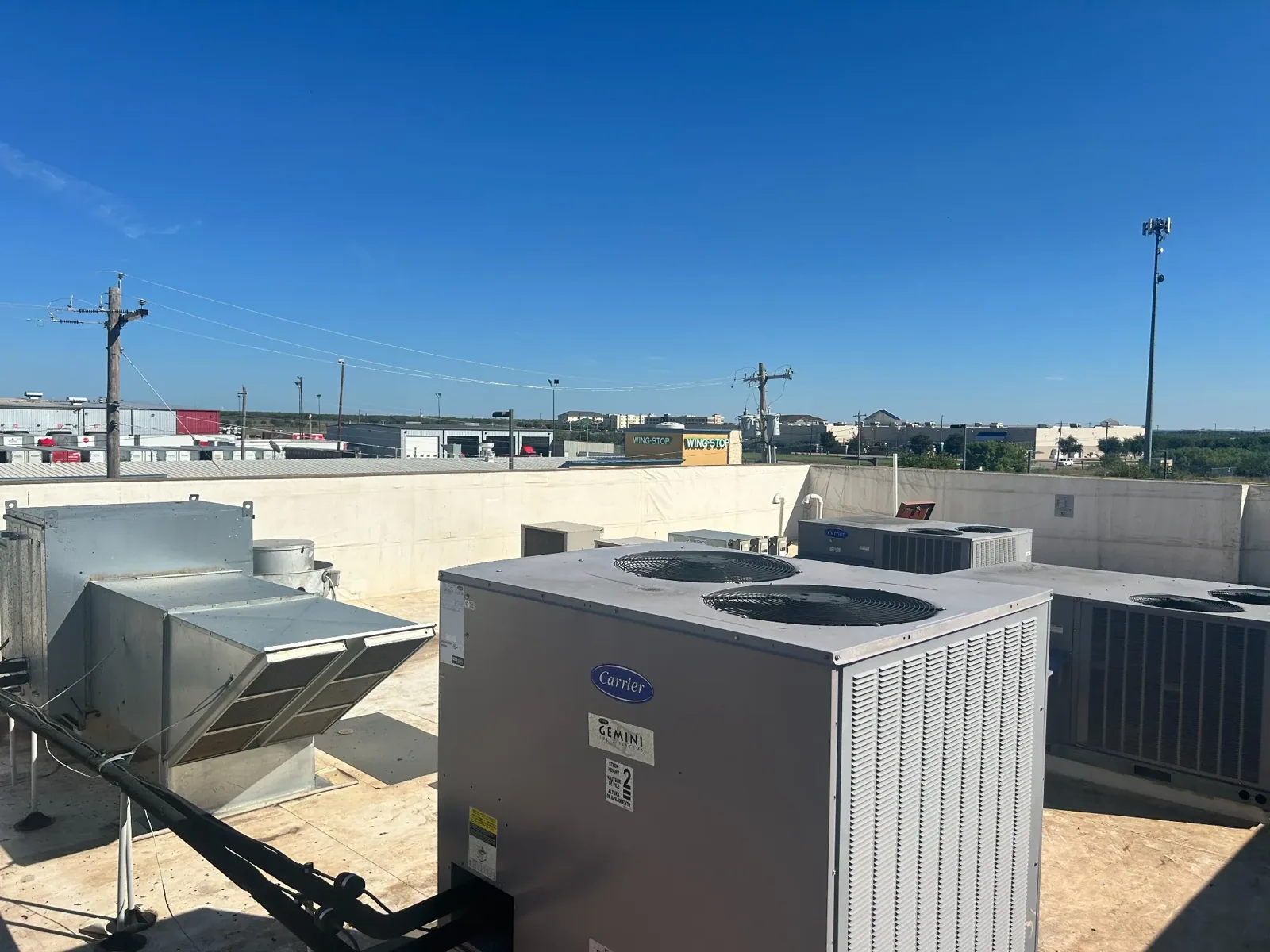
Defects are easier to inspect before modules and rails cover the roof. We identify repair areas, complete the approved work, and photograph the membrane and flashing before the solar installer proceeds. If a test opening finds wet insulation, the affected zone and replacement boundary are documented. The roof should also be checked around existing HVAC curbs, drain bowls, skylights, and parapet edges that the array may not cover but that remain part of the water path.
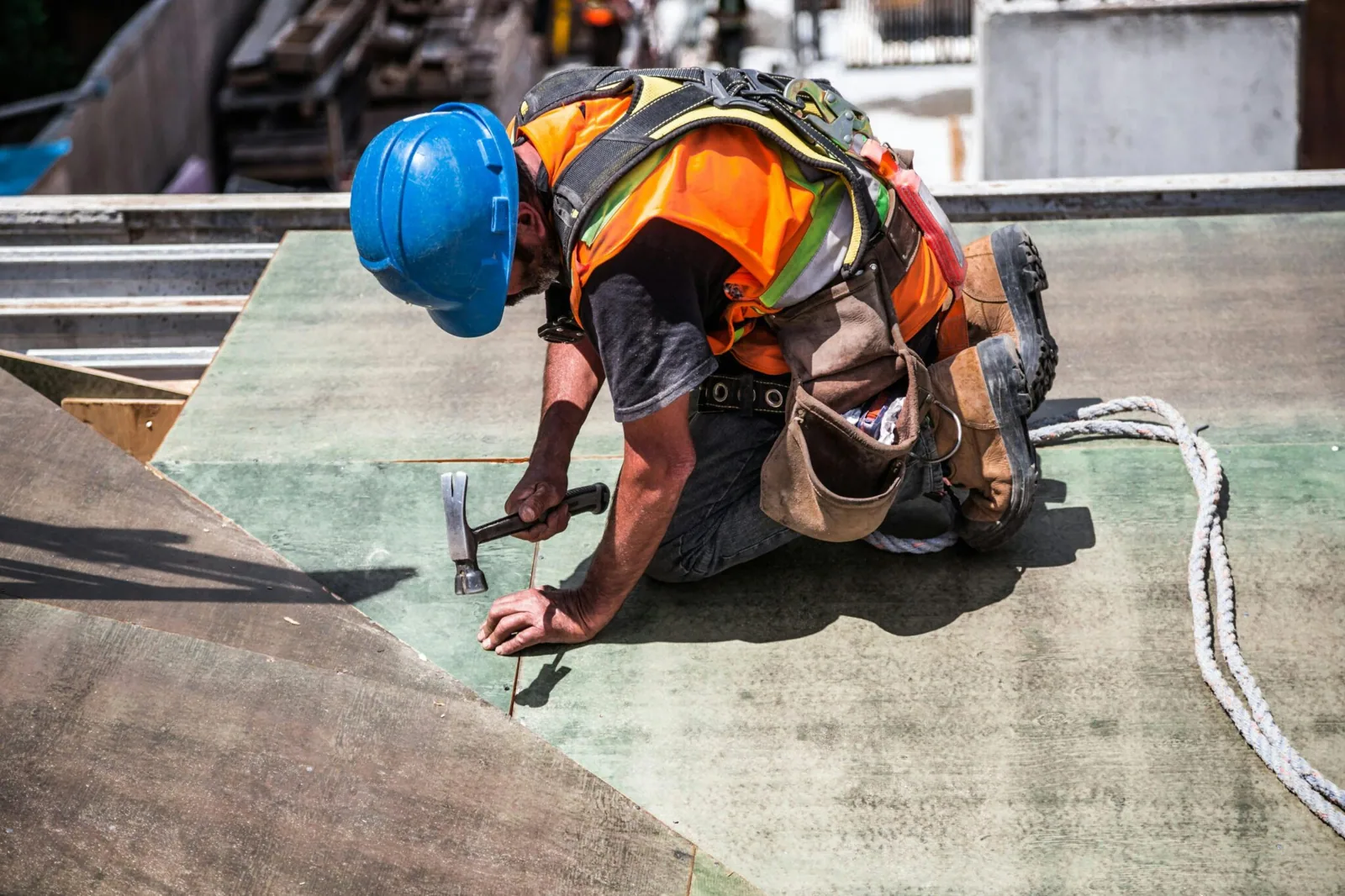
The repair sequence includes protection for openings, secure staging, and a daily closeout if separate trades work on the same roof. We mark penetrations that are planned, approved, and completed. A roof insulation assessment helps when insulation condition or cover board affects whether the existing assembly remains suitable. If replacement is needed, we coordinate the final roof details with the solar schedule rather than install equipment over a temporary repair.
Future Maintenance Access
Solar equipment changes how maintenance staff move across a roof. We preserve walk paths to drains, edge controls, HVAC units, and the access point. Racks should not trap debris against a scupper or make a repair detail unreachable. The owner should retain approved drawings and roof closeout photos so later service crews know where the membrane transitions and attachment interfaces were installed.
A future leak investigation needs access to both the roof and the underside of the array. We identify who removes a module or rail when the roof must be repaired and how the solar system is protected during that work. A maintenance program can add periodic review of drainage, seams, and visible attachments. The schedule remains tied to system requirements and observed conditions, not a universal interval or an assumption about every property.
Sequence and Documentation
The owner can compare roof repair, recover, or replacement before committing to solar installation. We explain the condition that supports each option, what the roof trade includes, and what remains with the structural or electrical designer. Application dates, permit timing, access limits, and equipment deliveries all affect sequencing. If one item changes, the parties should update the roof record before proceeding so the construction set and field installation stay aligned.
Costa Mesa's planning documents identify extreme heat, drought, wildfires, and air pollution as climate impacts. Those regional issues do not prove solar suitability or roof exposure, but they make clear why the owner should evaluate the whole operating plan. A phased reroof plan can reduce conflicts on an occupied property. A TPO membrane option can be reviewed against the roof and array interface. We provide around-the-clock response if a roof issue appears during construction, and document any temporary repair before the permanent sequence resumes.
Before the Array Covers the Roof
Share the solar layout, structural review status, existing roof records, and planned equipment delivery dates. We can mark roof repairs and access areas against the proposed array, then document the tie-in details that require coordination. The resulting scope identifies the roofing contractor's work, the solar trade's responsibilities, and any test opening or engineering review still needed.
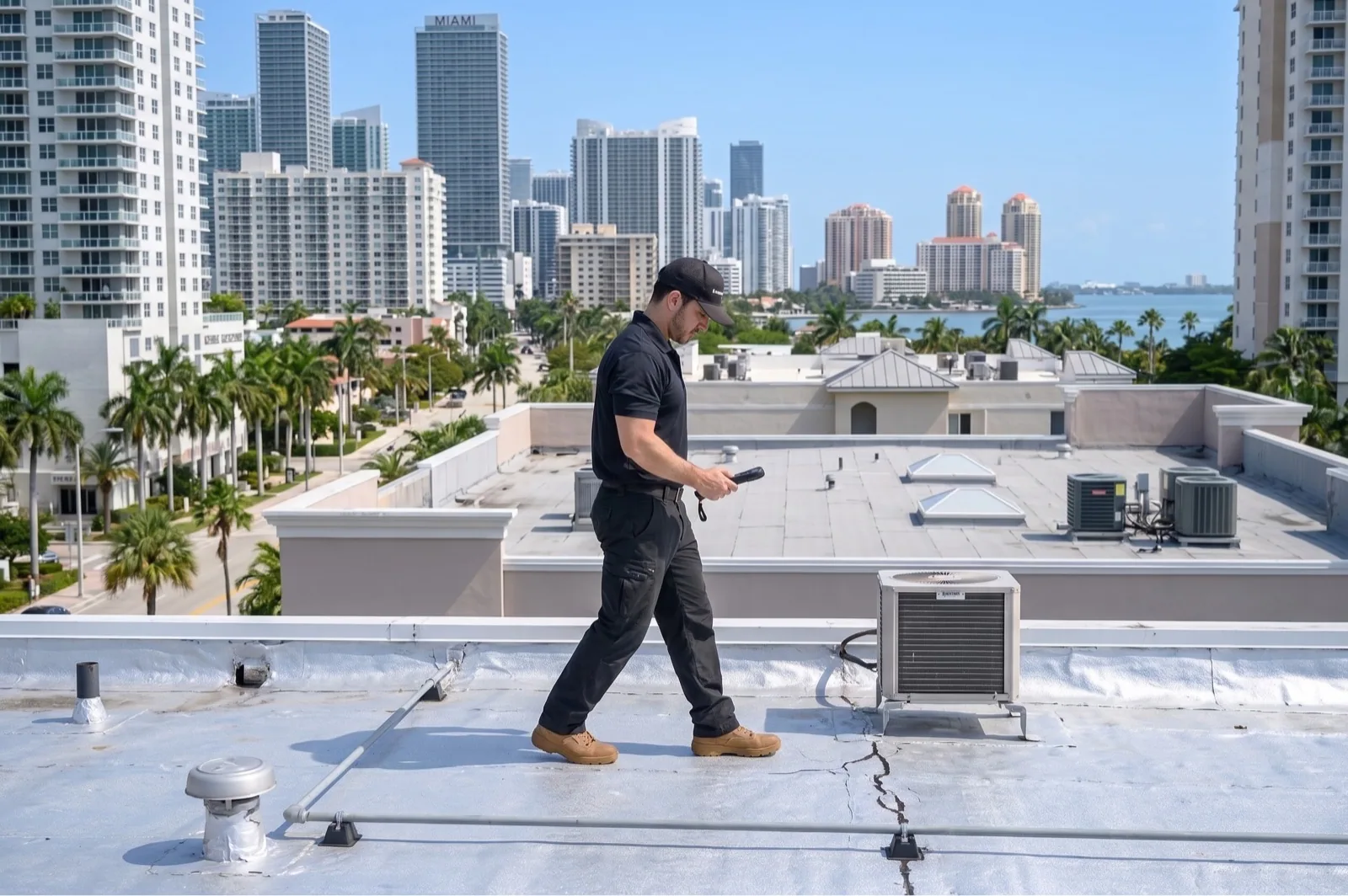
Schedule a roof walk before rails, modules, or conduit are installed. We will inspect the current assembly, photograph seams and penetrations, and identify the next decision for the owner. Costa Mesa's corridors and industrial districts contain different property types, so the actual roof remains the controlling record. If active water entry needs immediate attention, emergency response is available at any hour while the broader solar-ready sequence is reviewed.
Common Questions
Not automatically. We inspect the membrane, seams, insulation, flashing, drainage, and attachment plan, then compare repair, recover, or replacement options. The array design and expected service timing also matter. Any structural decision belongs with the responsible engineer.
The construction documents should assign the flashing, attachment installation, and roof closure responsibilities. We coordinate the roofing detail with the solar installer and designer, then photograph the completed interface. That avoids a gap between the structural attachment and the waterproofing work.
The wet area should be investigated first. We can map suspected moisture and use appropriate testing before equipment conceals the surface. Confirmed wet material is scoped for removal and replacement, with a boundary recorded before the array is installed.
Maintenance paths to drains, edges, curbs, HVAC equipment, and roof access points. The layout should not block scuppers or trap debris at membrane details. We review the roof-side route and document any access requirement that affects future service.
The roof condition map, repair photos, final attachment and flashing details, approved array layout, structural review, and trade handoffs. Those records help a future leak investigation identify which system is involved and who must participate in the repair.
Related Roofing Work
Schedule a Costa Mesa Roof Walk
Share current roof records, known leak locations, and access requirements. We will confirm a workable visit and document the conditions that affect your next decision.