
Commercial Roofing for General Contractors in Costa Mesa, CA
A trade schedule can slip when a roof tie-in is left as an open note. For general contractors in Costa Mesa, CA, we inspect the roof area, identify the assembly and edges involved, and set a defined scope before mobilization. The field record shows the observed condition, the planned tie-in, and any detail that needs design or owner direction. That gives the superintendent a roofing package tied to the work sequence instead of a broad allowance that is difficult to coordinate.
The Westside includes smaller manufacturing and service operations in multi-tenant structures. Harbor Boulevard's commercial mix includes auto dealerships and neighborhood centers, and the corridor accounts for a substantial share of city commercial land. Neither setting tells a GC whether the roof tie-in is ready. Before the sequence is fixed, we compare the bid detail with accessible edges, curbs, drains, and existing membrane. We list the field condition that needs direction, the trade responsible for the preceding work, and the point where roofing can close the assembly.

Field Conditions Before the Roofing Package
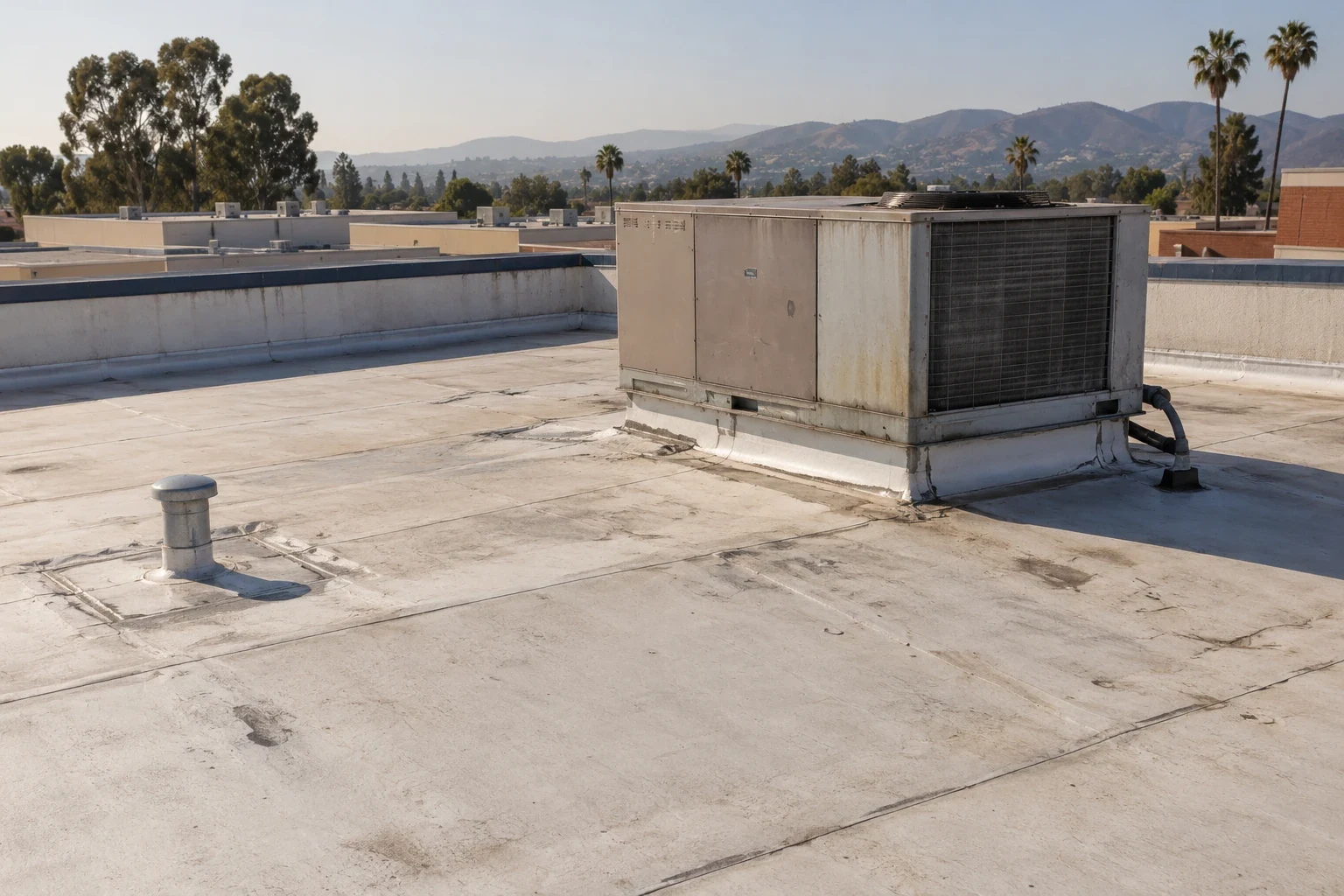
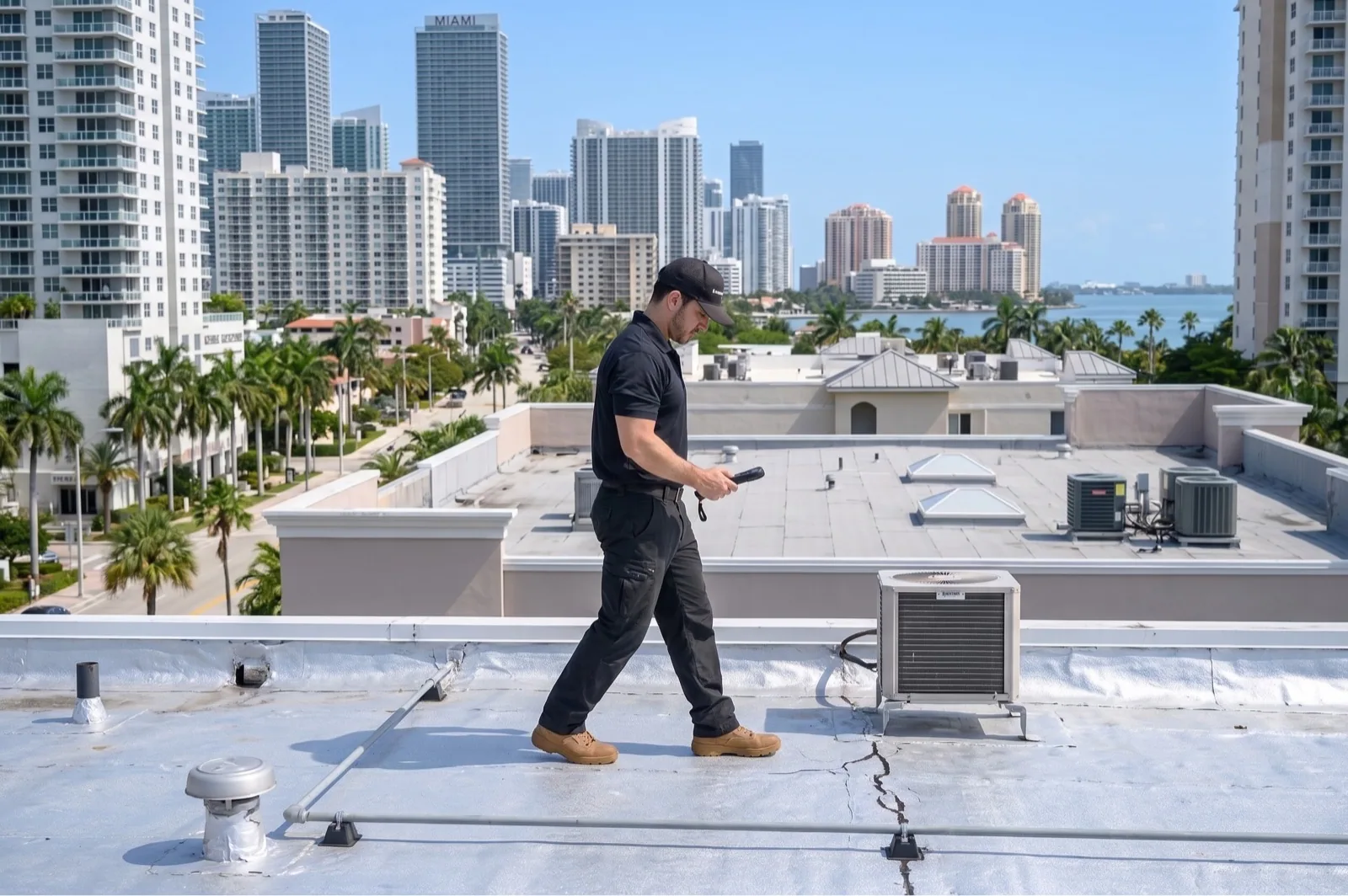
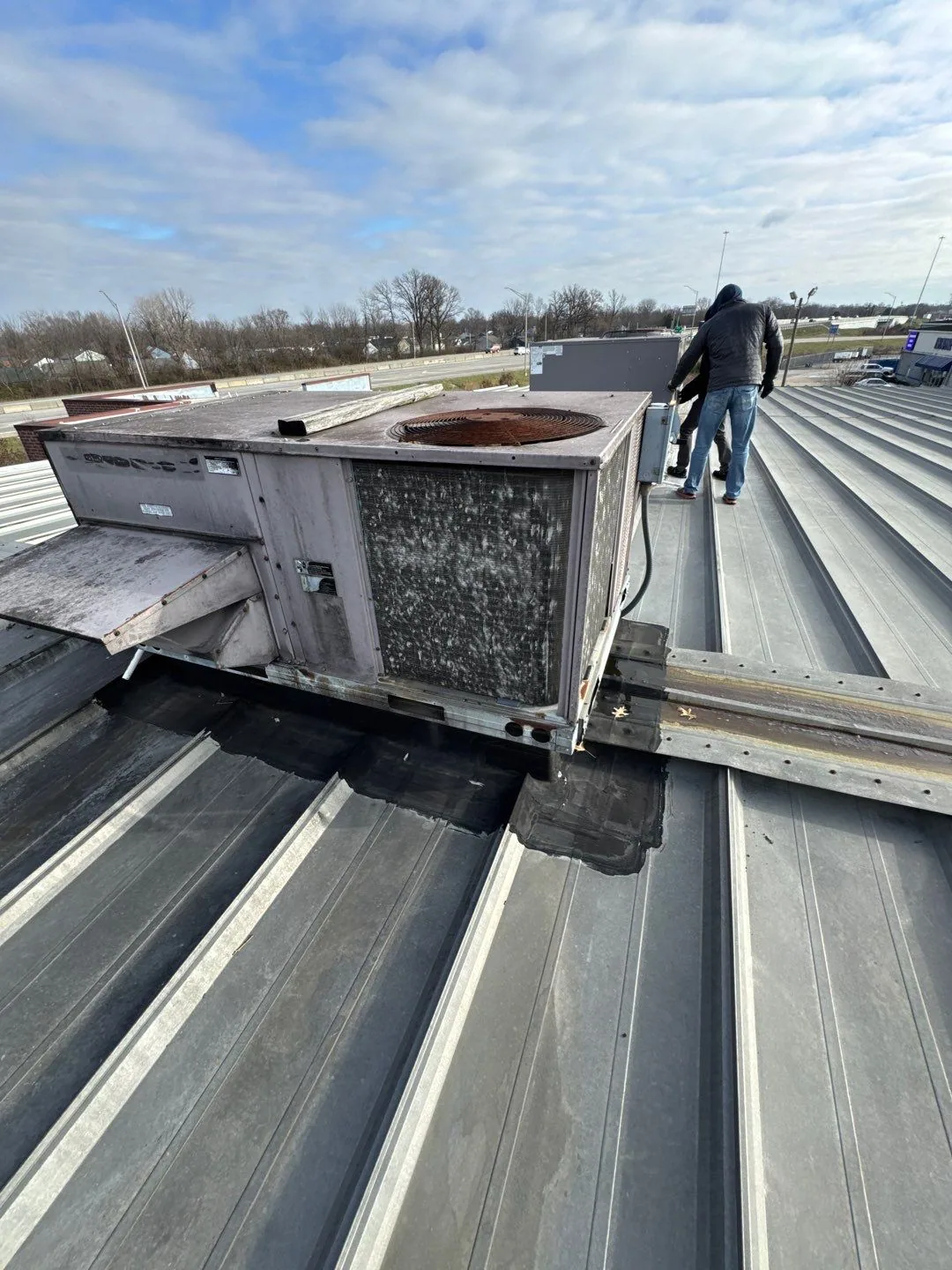
Before pricing, we walk the accessible roof and inspect seams, flashings, curbs, drains, edges, and prior repairs. We check how the existing membrane terminates at walls and equipment, then note where demolition or a new tie-in changes the scope. If an assembly is concealed, the record identifies the test opening or document needed to confirm it. The GC can route that item for owner direction before it affects a later trade or dry-in sequence.
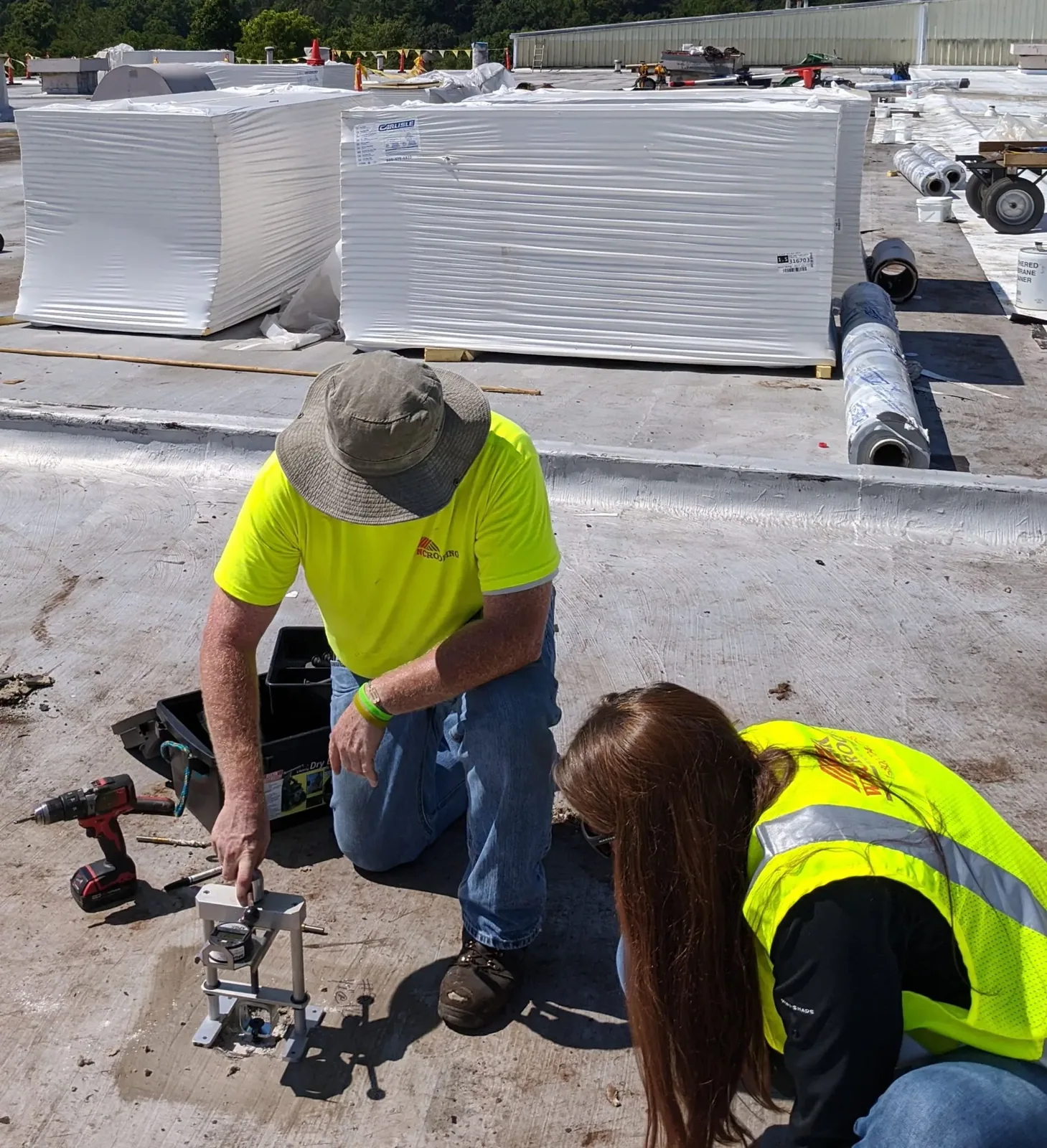
A commercial roof inspection can document existing conditions with photographs and roof-zone notes. We distinguish a visible defect from a potential concealed issue, and we list the next step for each. A condition report can also preserve findings for the project file. The superintendent can use those notes to compare the site with drawings, identify an RFI, and set a work boundary before the roofing crew opens an area that needs more review.
Tie-Ins and Trade Boundaries
A roof edge, curb, penetration, or wall transition can sit at the handoff between trades. We identify which roofing details are in our scope, what work depends on another contractor, and what condition must be ready before we make the tie-in. If mechanical equipment moves, the proposal can include flashing work around the curb and a post-installation check. It should not imply that roofing work includes mechanical connections or structural design unless those tasks are specifically part of the agreed scope. A coordination note can name the responsible trade and the point when roofing work can resume.
For a replacement, we itemize tear-off, substrate repair, insulation, membrane, edge metal, and flashing details. A commercial replacement scope can also note dry-in and closeout by roof zone. If the roof remains occupied, a phased reroof plan coordinates access and temporary protection. These details help the GC coordinate sequence and quality checks while keeping concealed conditions separate from the work that is ready to proceed.
Schedule, Access, and Dry-In
Roof work often depends on material delivery, crane or lift access, rooftop equipment, and weather exposure. We confirm the available access window, staging location, and areas that need temporary protection. A repair may fit one mobilization; a larger project needs zones and daily checkpoints for dry-in. The proposal should show when a section is opened, how it is made watertight, and what inspection or closeout photo records the completed tie-in. A daily note can record when each zone was closed and what remains for the next shift.
Costa Mesa's Southwest District was a major center for manufacturing-related employment in the period covered by local land-use analysis. That is dated land-use context, not a current tenant roster or a schedule for today's project. On a live job, the superintendent confirms actual delivery windows, loading rules, and which operations remain active. We use those instructions to set staging and daily close-in limits, then record any change that moves a roof opening or tie-in so adjacent trades can work from the same boundary. A property management roof record can preserve tenant access notes, while a manufacturing roof scope can account for production requirements confirmed at the site.
Submittals and Roof System Details
The system choice follows the substrate, existing layers, drainage, edge conditions, and project documents. We review the specified membrane, attachment method, insulation, cover board, flashings, and transitions, then identify any conflict observed in the field. If the plans call for a condition that cannot be verified from the roof surface, we flag the question before installation. That keeps the submittal and field detail connected.
Ordinance No. 2025-08 brought Costa Mesa's local amendments and specified appendices into the 2025 California Building Standards Code beginning January 1, 2026. We identify which roofing submittals or details need the project's design review, then provide product data and marked roof conditions for that process. The TPO system detail should match the accepted assembly and attachment design. A proposed TPO assembly must match the approved scope and attachment design. The field record shows the seams, perimeter, penetrations, and tie-ins installed, giving the GC a closeout reference without turning the roofer's notes into a code approval.
Closeout That Helps the Next Trade
Closeout should show what was installed, which zones were completed, and where the roof ties into adjoining work. We provide photographs of the finished details, note any condition that remained unresolved, and identify the next inspection item. If equipment or another trade returns later, the GC and owner have a record of the roof work already completed. That record also helps facilities staff distinguish a later service visit from a construction punch item.
Harbor Gateway is a broad Costa Mesa district identified in the General Plan, not a single project location. The Harbor Gateway service area is a geographic reference; the site walk and project documents determine the actual work. For a GC, keeping submittals, field photos, and closeout notes together can help resolve a scope question without reopening completed roof areas. We can also provide a maintenance recommendation for the owner after project turnover when the contract scope includes that follow-up.
Common Questions
Share the plans, roof assembly details, access rules, schedule, and any leak or repair history available. We walk the accessible area, photograph field conditions, and list questions that need owner or design direction. The proposal then separates confirmed roofing work from unresolved conditions.
We can coordinate the curb and membrane tie-in with the mechanical contractor's schedule. The scope identifies the roofing detail, the point when the equipment must be set, and any inspection needed afterward. Mechanical connections and structural work stay with their assigned trades unless included separately.
We photograph the location, identify the roof zone, and describe the observed detail. If the difference changes attachment, flashing, or the repair boundary, we state the decision needed before continuing. The GC can route that record as an RFI or owner review item.
The closeout can include zone-labeled photographs, completed tie-ins, repair areas, and any remaining item or access limit. We identify what was installed and where another trade's later work may affect the roof. That gives the owner and facilities team a practical record after turnover.
We coordinate access, staging, roof openings, and work boundaries with the superintendent. The schedule should identify any area that another trade must complete before the roof tie-in. Each phase is left dry and secure before the crew moves to the next zone.
Related Roofing Work
Coordinate the Roof Scope
Send the roof plans, field questions, schedule, and access requirements. We can walk the work area, document tie-ins, and define the roofing sequence and closeout record.