
Commercial Roofing for Hospitality Groups in Costa Mesa, CA
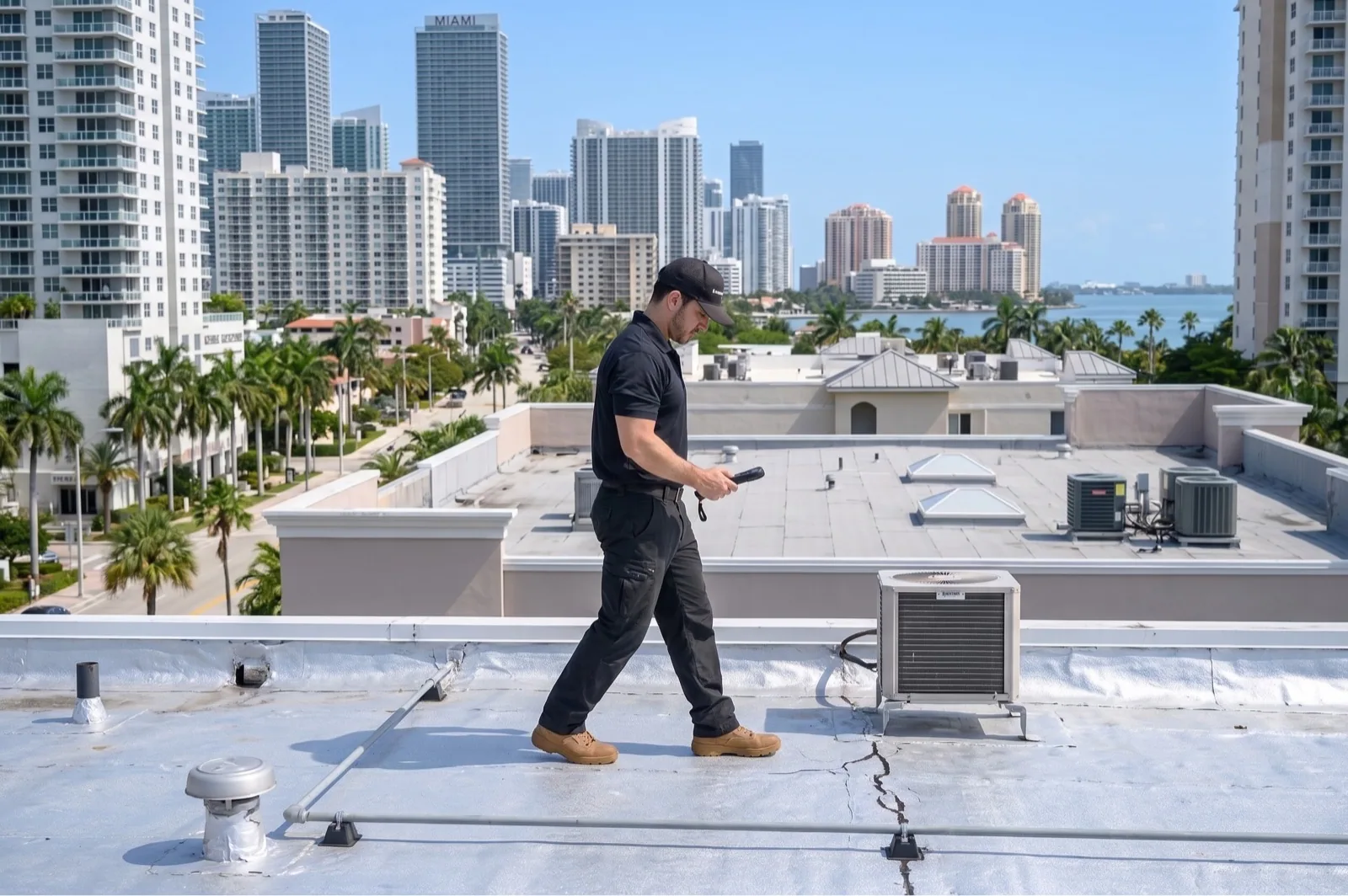
A guest-room call can put roof access on the same schedule as check-in and housekeeping. For hospitality groups in Costa Mesa, CA, we coordinate with the property contact, locate the reported area, and plan a roof walk around guest and service activity. We check drains, seams, rooftop equipment curbs, and flashing, then record the visible condition. The report shows a repair boundary, access limit, or test needed before the work is priced, helping the property team schedule a response without treating every building in the group as the same roof.
Costa Mesa's Airport Industrial/Business Park district is part of a broader business complex that extends toward Irvine and Tustin. Newport Beach's Airport Area is described as a business hub with offices and hotels. Those facts give context for a regional hospitality portfolio, but they do not establish the occupancy, roof assembly, or condition at a specific hotel. We confirm the property layout and operating constraints with its staff. A written report with photographs keeps the roof findings tied to the right building and gives the next shift a clear follow-up.
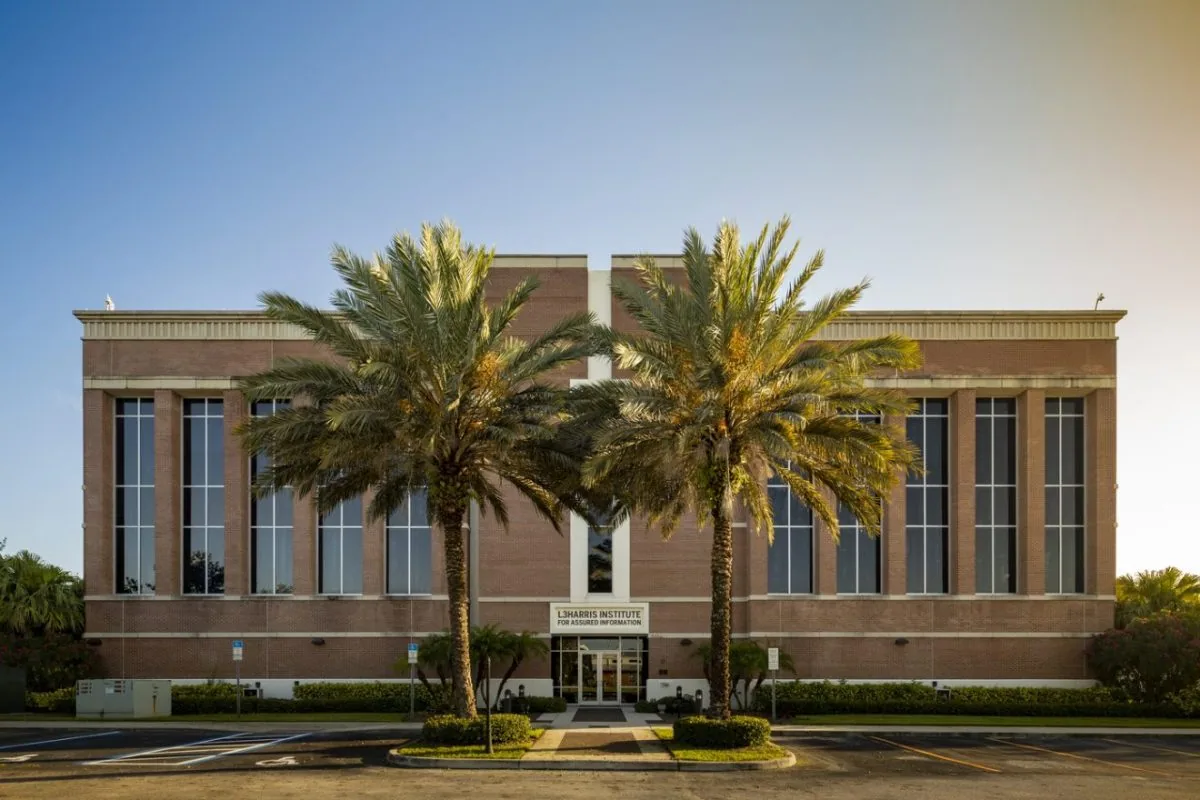
Find the Source Before Resetting a Room
The room number is a useful locator, not the roof boundary. We compare the guest report time with housekeeping or engineering notes, then inspect drains, nearby equipment curbs, and membrane transitions above the affected area. A seam can carry moisture sideways; a condensate line can produce a similar ceiling mark. We photograph what is visible and record the next test or trade check when evidence does not isolate the source. That gives engineering a defined step before a room is taken out of service.
A commercial roof inspection can document the finding and list the next action. Moisture below the membrane may call for an infrared survey and confirmation before a large area is opened. We explain what the survey indicates and where testing is still needed. The hotel team can then decide whether to authorize a patch, schedule a test, or plan a wider scope around expected occupancy. That record helps facilities and operations staff work from the same roof condition.
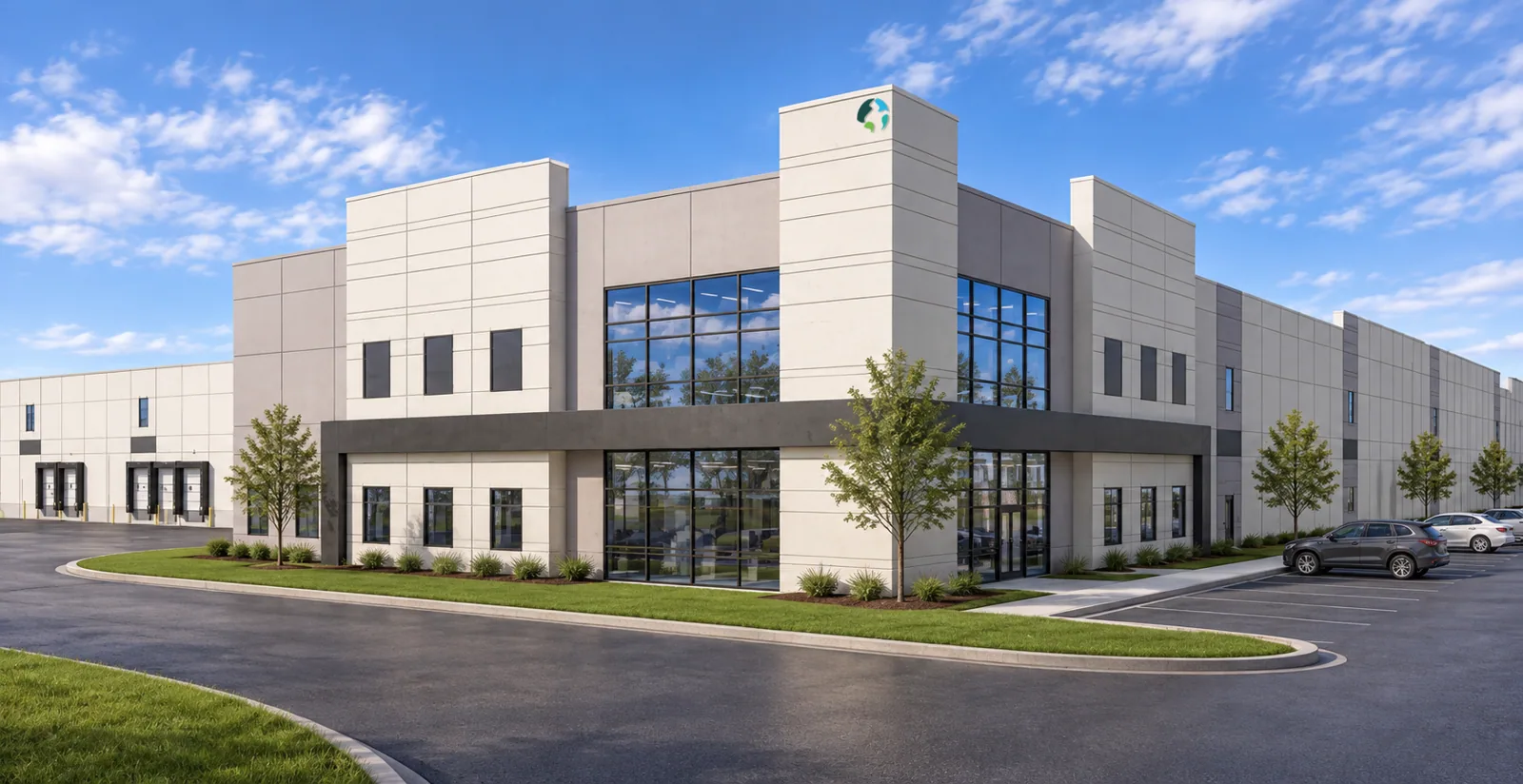
Guest Routes and Service Access
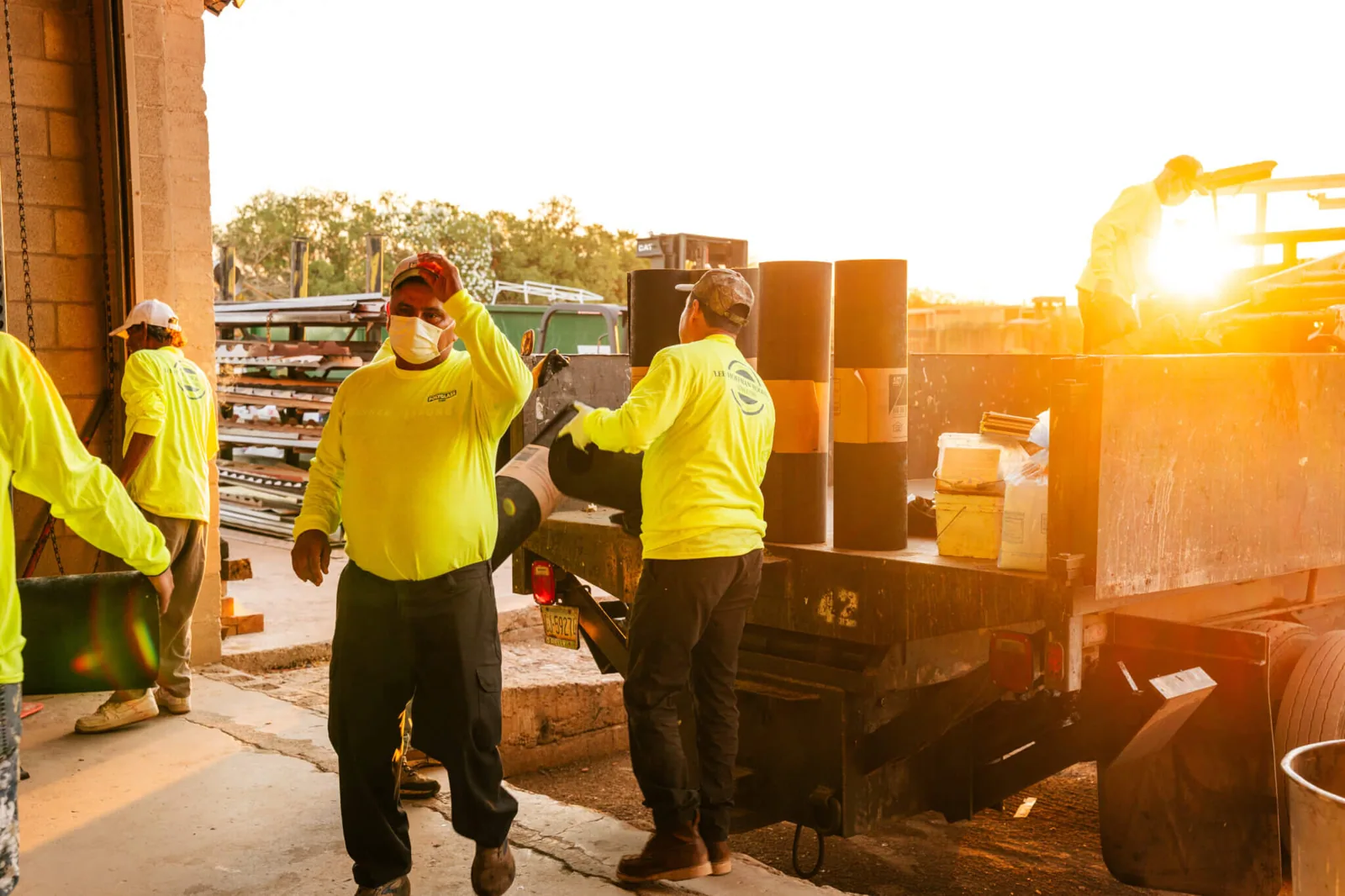
Material staging and crew movement need to avoid guest entrances, service lanes, and areas used for deliveries. We confirm roof hatch access, loading windows, restricted hallways, and any interior protection requested by the property. A brief flashing repair may fit an interval between service periods. Replacement needs zones, temporary dry-in, and daily closeout so staff know which work area is secure and which route stays open.
For a property with meetings, dining, or mechanical service in progress, the schedule should also identify noisy work and equipment shutdowns. The building contact controls those notices; we provide the roofing sequence and affected roof areas. An occupied-building reroof plan can phase the work so guest services are considered alongside roof protection. If the portfolio includes restaurants or customer-facing retail, the retail and restaurant roof program addresses similar access coordination, while the actual timing remains specific to each property.
Repair Boundary at Rooftop Equipment
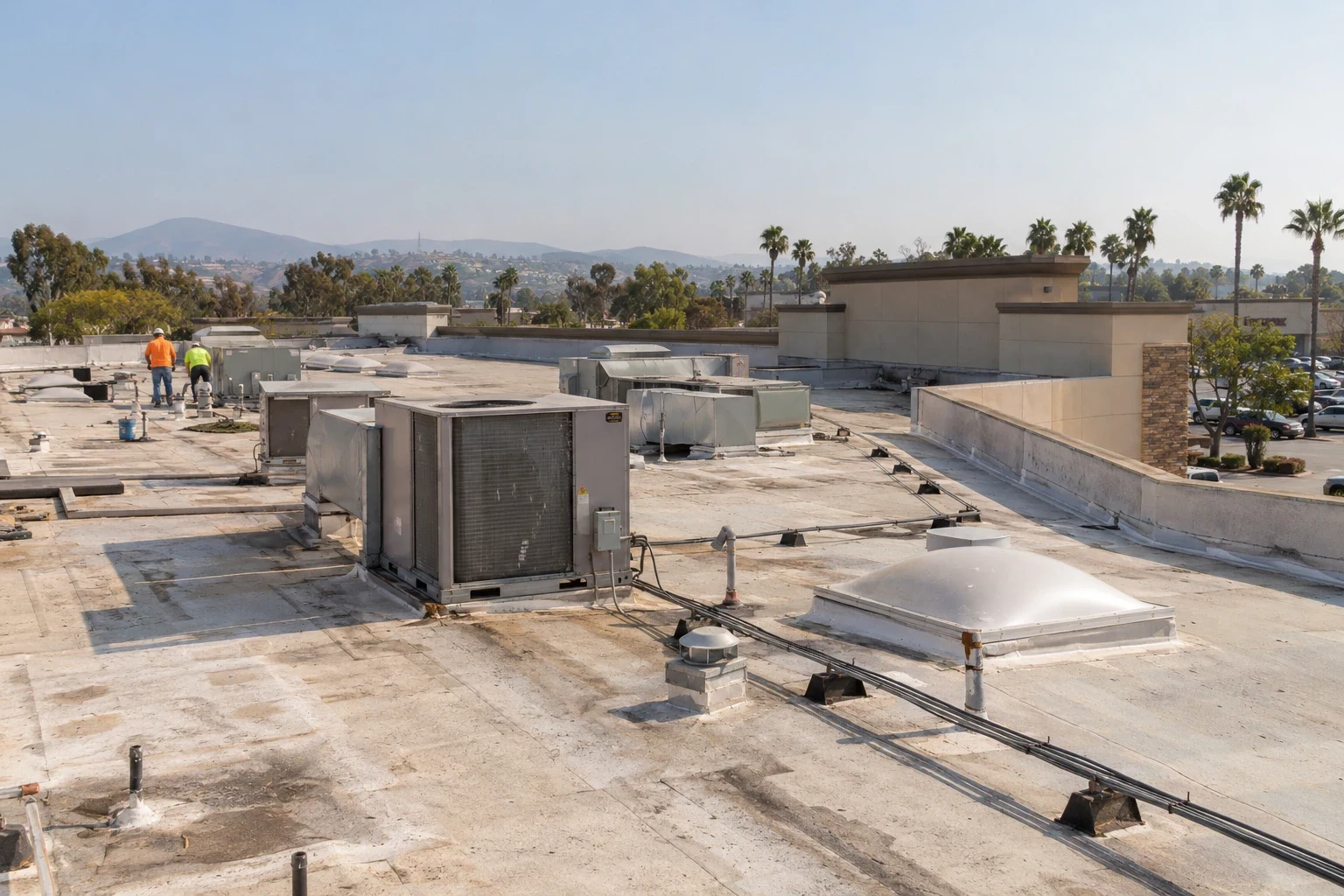
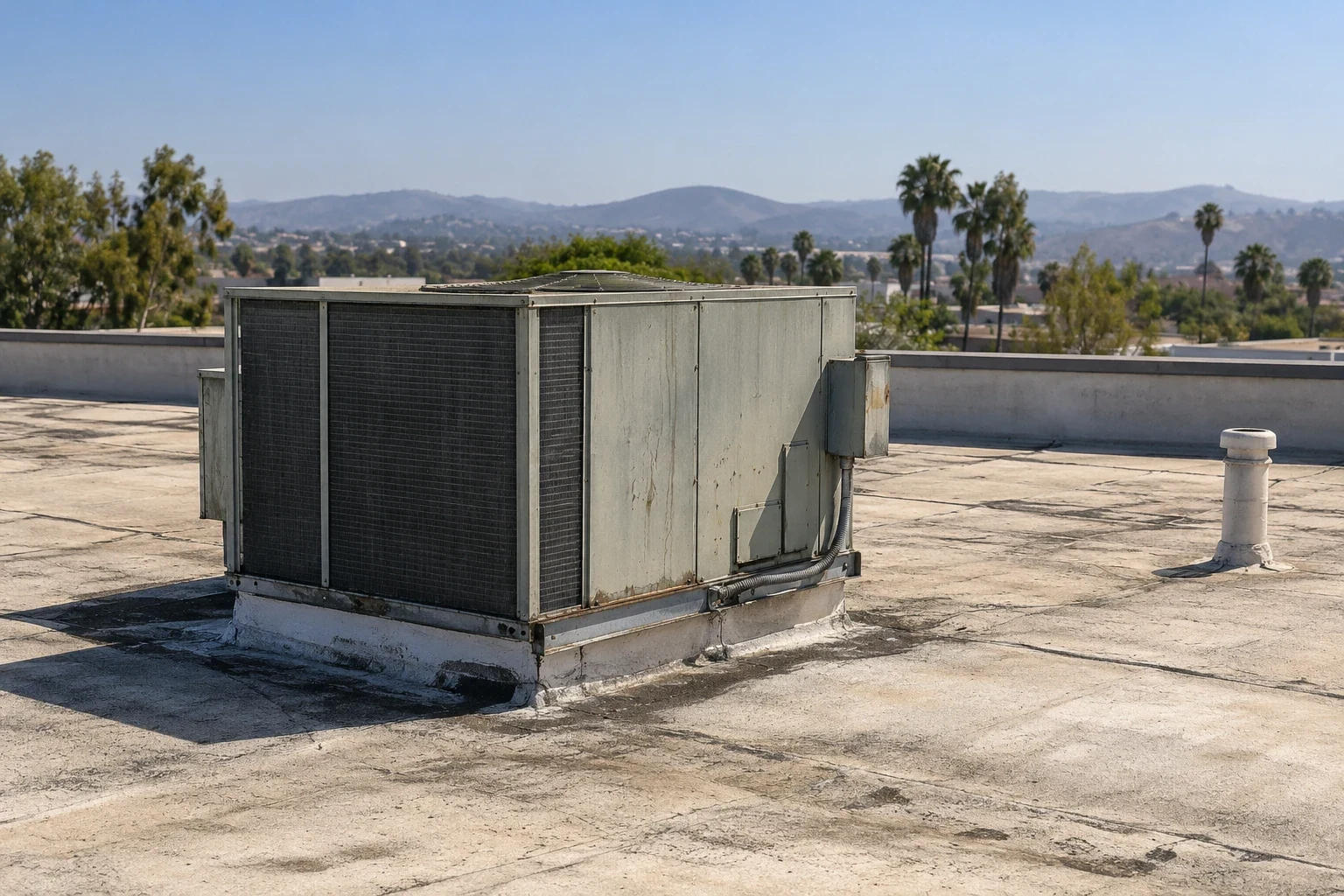
Hotels often have rooftop equipment, exhaust, piping, and service paths that require careful flashing review. We inspect the curb and membrane tie-in, look for movement or separated sealant, and note whether a previous repair overlaps the current detail. If a mechanical contractor expects to move a unit, we coordinate the roofing work and check the curb after the equipment is set. The scope identifies what the roofing crew will repair and which trade action is separate.
A hotel roof inspection also checks drains, edges, skylights, and transitions near guest areas. A local patch fits when surrounding material can accept a compatible tie-in. Repeated failures, wet insulation, or unstable attachment may call for recover or replacement review. We mark areas held for testing and price the confirmed work separately, so the property can approve an immediate repair without folding unverified layers into the estimate.
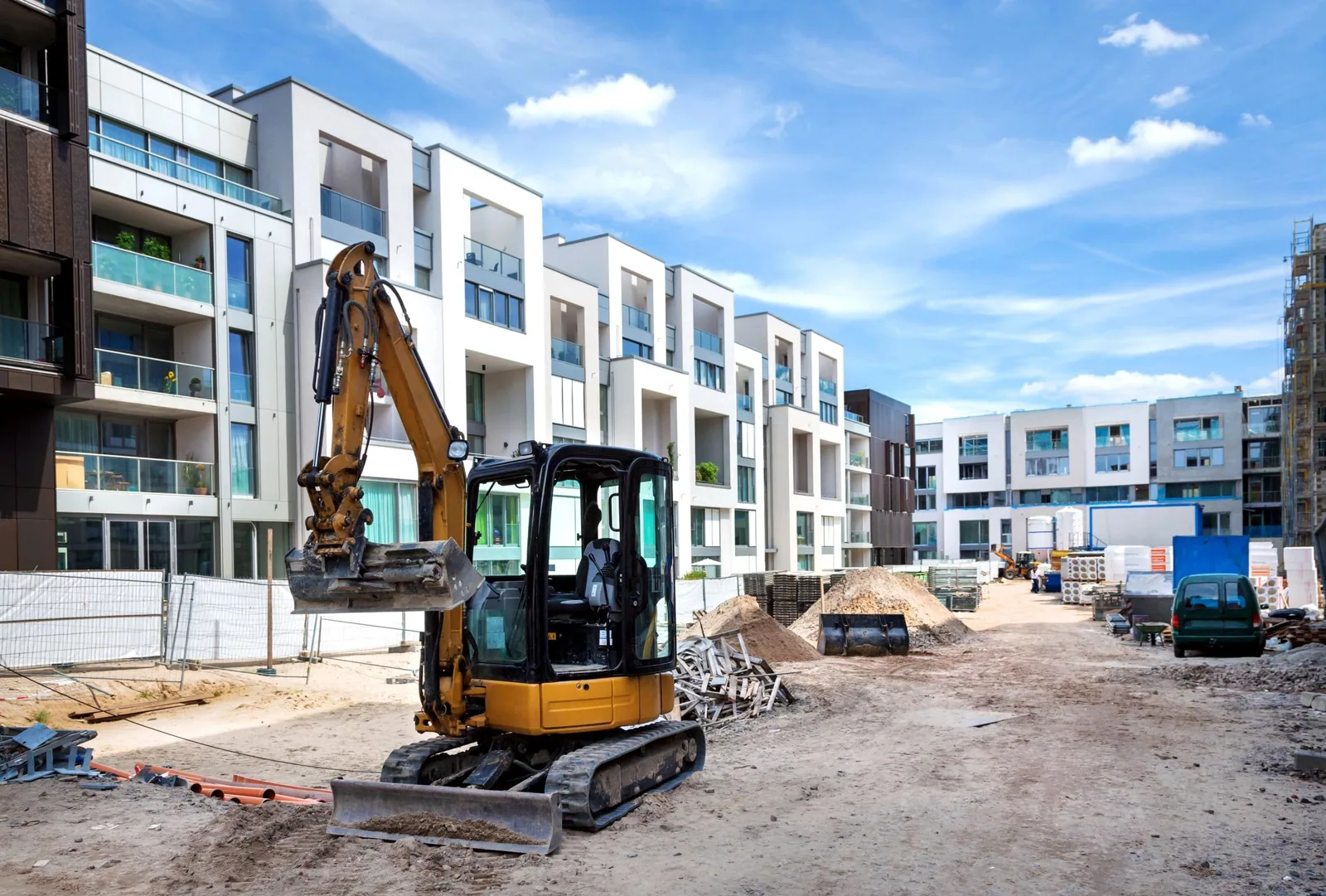
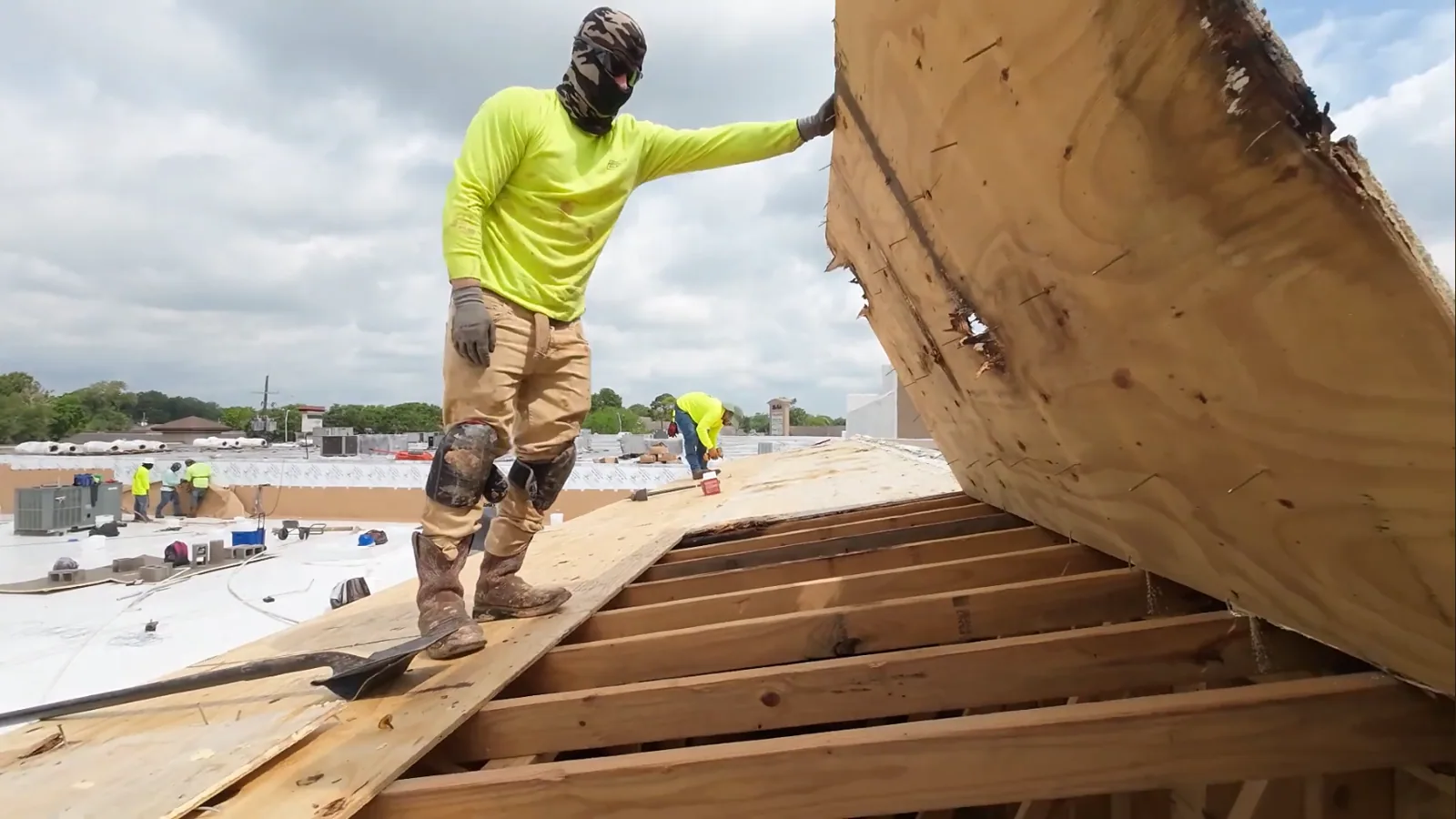
Compare Locations Without Merging Findings
A regional manager may use one maintenance calendar, but each roof needs a separate condition record. We capture the property name supplied by the owner, zone labels, photographs, repair history, and open questions. A past invoice shows work was completed; the current walk checks whether the tie-in remains intact. The report can group roofs for a budget discussion while preserving the actual condition, access, and recommended action at each building.
Newport Beach's Airport Area includes offices and hotels in a business setting. Harbor Gateway is one of Costa Mesa's major industrial districts. These are separate place facts, not descriptions of a particular hospitality asset or roof. A manager can use the property manager roof record to keep local contacts, approvals, and tenant notices with the building file. The next inspection should revisit the marked repair and any detail that was held for testing.
Maintenance That Fits Occupancy
Routine roof work can be scheduled before a leak affects a guest space. We revisit drains, scuppers, edge metal, curbs, and prior repair boundaries, then note conditions that changed. The report can identify a blocked outlet, open seam, or flashing detail that needs action. It can also record what was not accessible and why, so engineering can arrange access for the next visit. A dated photo beside the zone label helps the next shift locate the same detail and compare it with the prior record.
At the property, we record the drain basin, scupper openings, overflow route, and low areas that hold water after a weather cycle. Costa Mesa's coastal and Santa Ana River setting carries localized flooding and potential sea-level-rise hazards in city safety planning; that context does not classify a hotel's parcel. A preventive roof visit can document actual drainage and membrane changes. The Newport Beach service area sets a city-level travel area, while each property keeps its own inspection record and operating schedule.
Common Questions
We coordinate roof access, loading, guest routes, and service hours with the property contact. A small repair may fit a short window; replacement needs a zone sequence and daily dry-in. The schedule identifies the area affected and when it will be secure for normal operations.
The property contact identifies public entrances, service lanes, and delivery windows. We plan staging and crew movement around those constraints and confirm any area that needs temporary protection. The work plan notes which paths remain open and when a restricted area is released.
Send the room or ceiling location, time observed, recent weather, and any nearby plumbing or mechanical service. We use those details to choose the roof area to inspect, then trace drains, seams, and penetrations. The report records what is visible and any test still required.
Yes. We can coordinate the roofing detail with the mechanical contractor's access window and check the curb or penetration after the unit is reset. The proposal separates roofing work from mechanical work and documents the tie-in the crew completed.
Use a shared record format, but keep findings tied to each building and roof zone. We include photographs, observed defects, repair history, access limits, and the next action. A regional summary can then group approved work without assuming that roofs share the same assembly or condition.
Related Roofing Work

Plan a Hospitality Roof Walk
Share the affected area, engineering contact, guest schedule, and service access window. We can inspect the roof, photograph findings, and define a repair or phased work plan.