
Holcim Elevate Commercial Roofing in Costa Mesa, CA
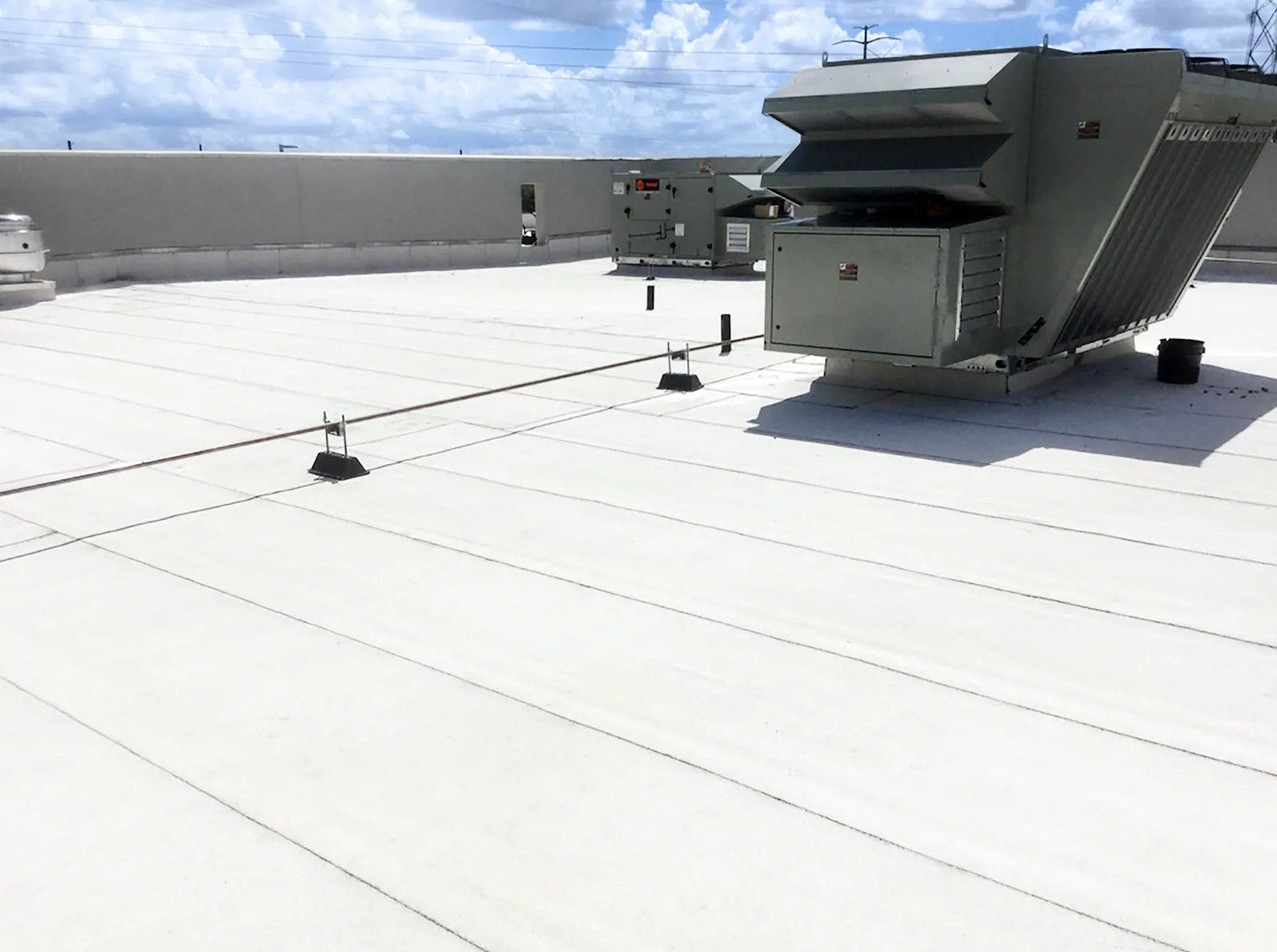
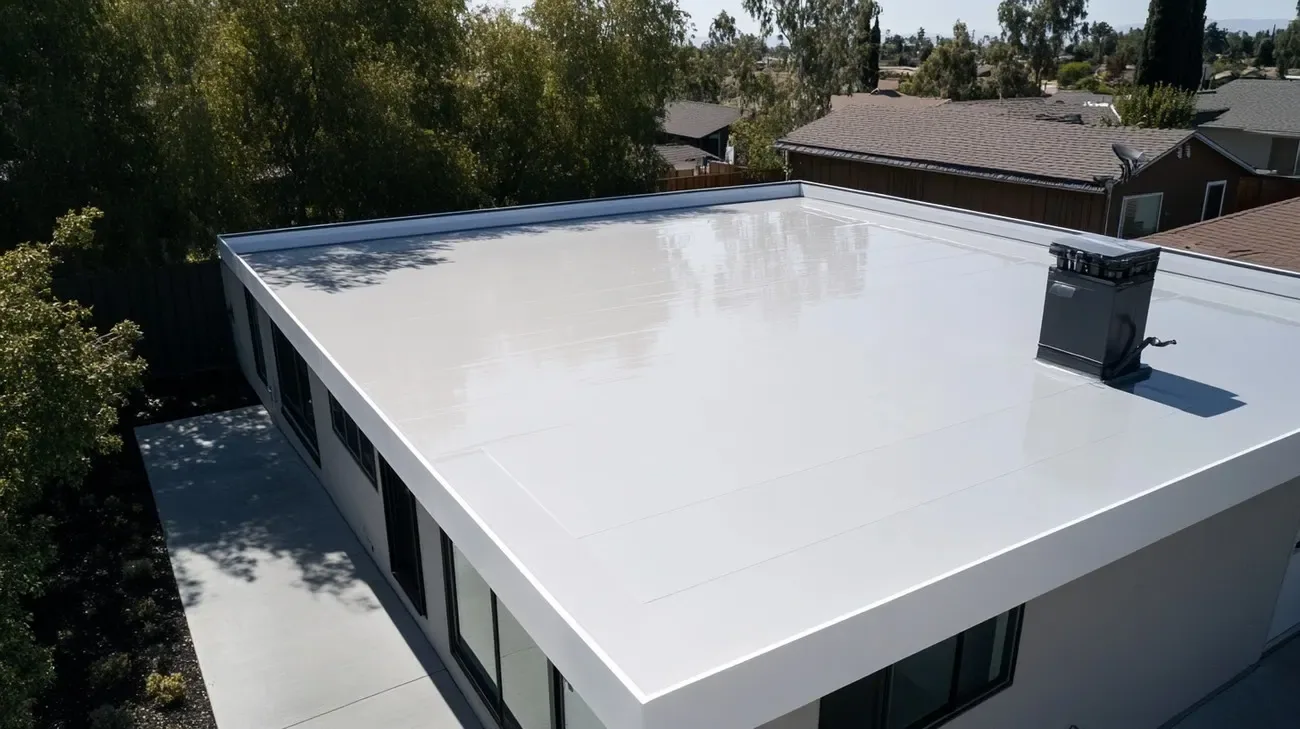
UltraPly TPO has several membrane constructions, so the product suffix matters. In Costa Mesa, CA, we confirm whether an existing roof uses reinforced, self-adhered, or fleece-backed material before selecting a repair. Holcim Elevate identifies UltraPly TPO SA as a factory-adhesive product and TPO XR as a fleece-backed option. The installed assembly, substrate, attachment, and drainage still determine whether a new membrane or detail fits the project.
We review product submittals, field seams, edge conditions, and previous repair notes. If the roof includes areas installed in different phases, each zone is recorded separately. An older patch or recover may not match the original system. We state which product is confirmed, which remains uncertain, and what information is needed before pricing a compatible repair or reroof.
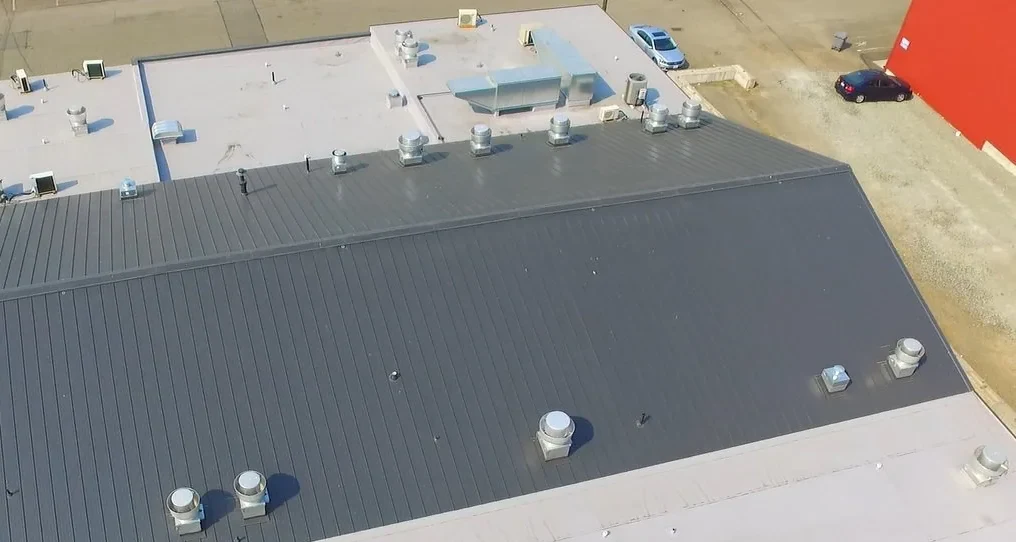
Identify the UltraPly Variant
We look for labels, closeout documents, membrane markings, backing, and seam details. Fleece-backed and smooth membranes need different preparation, so a product name should be supported by a record or direct identification. At a repair, we inspect the affected lap and adjacent material for contamination, shrinkage, prior patching, and moisture indicators. The roof-zone note shows where the inspection was made and which assembly detail remains to confirm.
Holcim Elevate's product comparison lists reinforced UltraPly TPO, self-adhered TPO SA, and fleece-backed TPO XR, with attachment and intended applications varying among them. A commercial roof inspection can document the installed surface and edge details. A TPO system review keeps the product selection tied to the complete assembly rather than a membrane label alone.
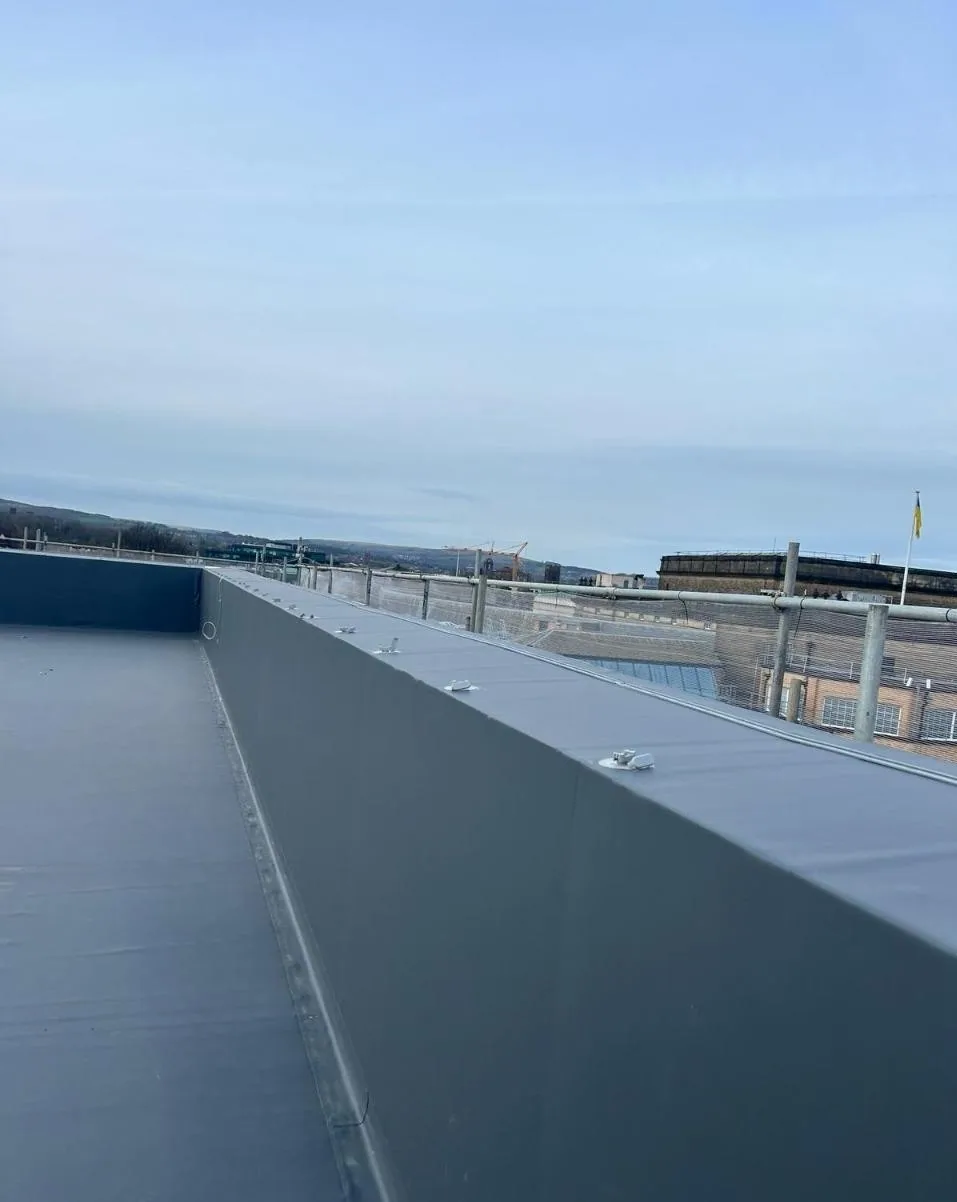
Prepare the Tie-In for the Confirmed Surface
A repair needs compatible membrane and a prepared tie-in. We identify the exact surface, clean or remove material as required, and follow the approved detail for that product. With fleece-backed material, the backing and adhesive method affect preparation. On a heat-welded lap, we inspect the weldable surface and verify the completed seam. A repair scope names the material confirmed, the boundary, and any nearby flashing or substrate work.
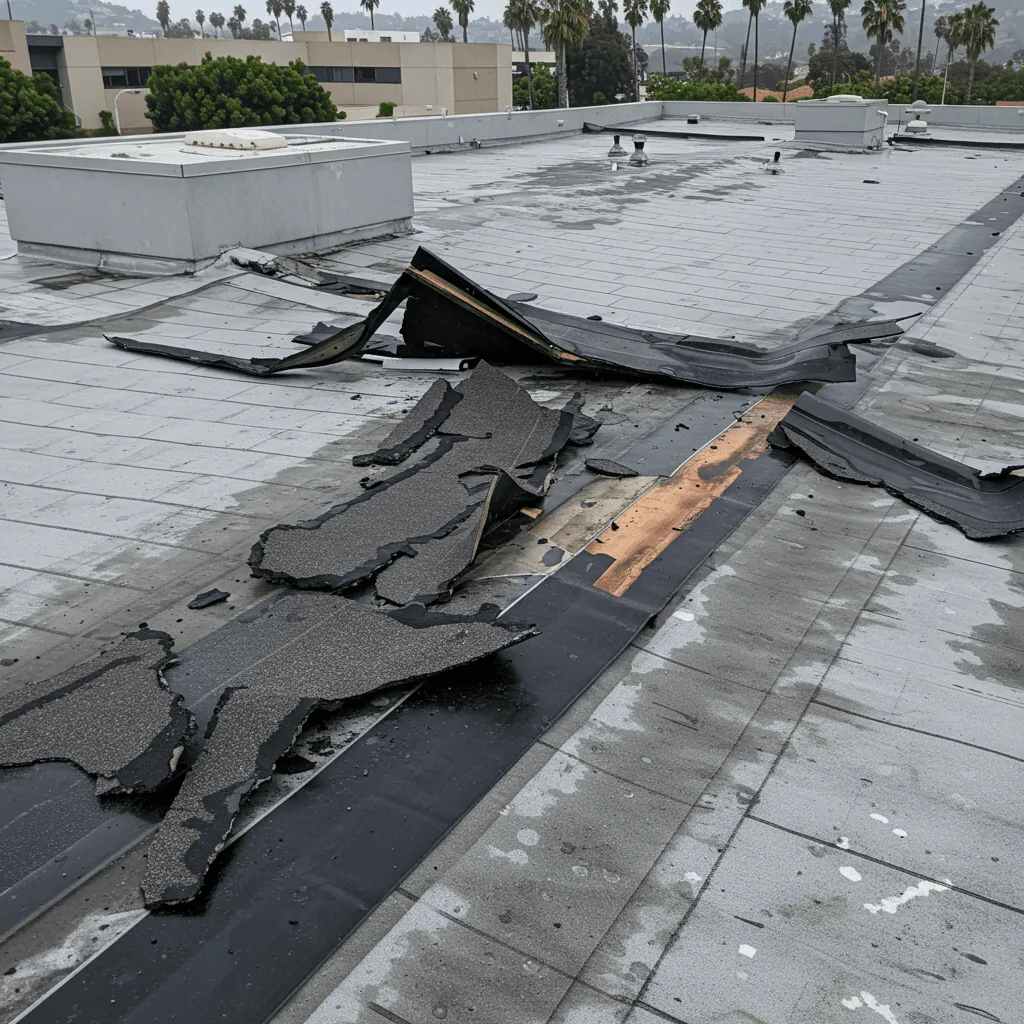
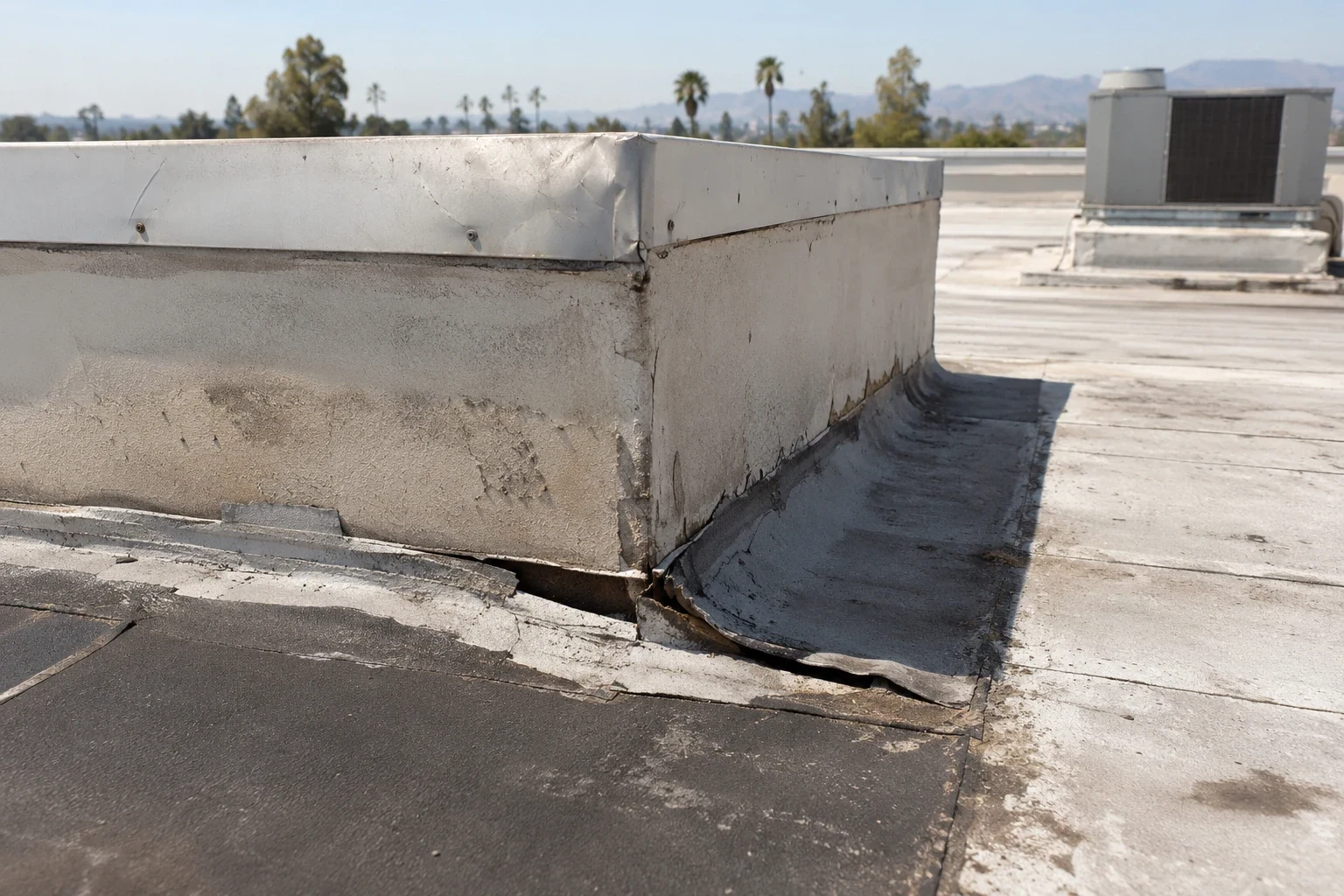
If the opening follows an existing lap, a seam failure review checks the full separation rather than only the visible point. When a curb or wall is involved, the flashing transition needs its own inspection and repair limit. We photograph completed work and note any area that could not be prepared or tested during the visit.
Select a Variant for the Scope
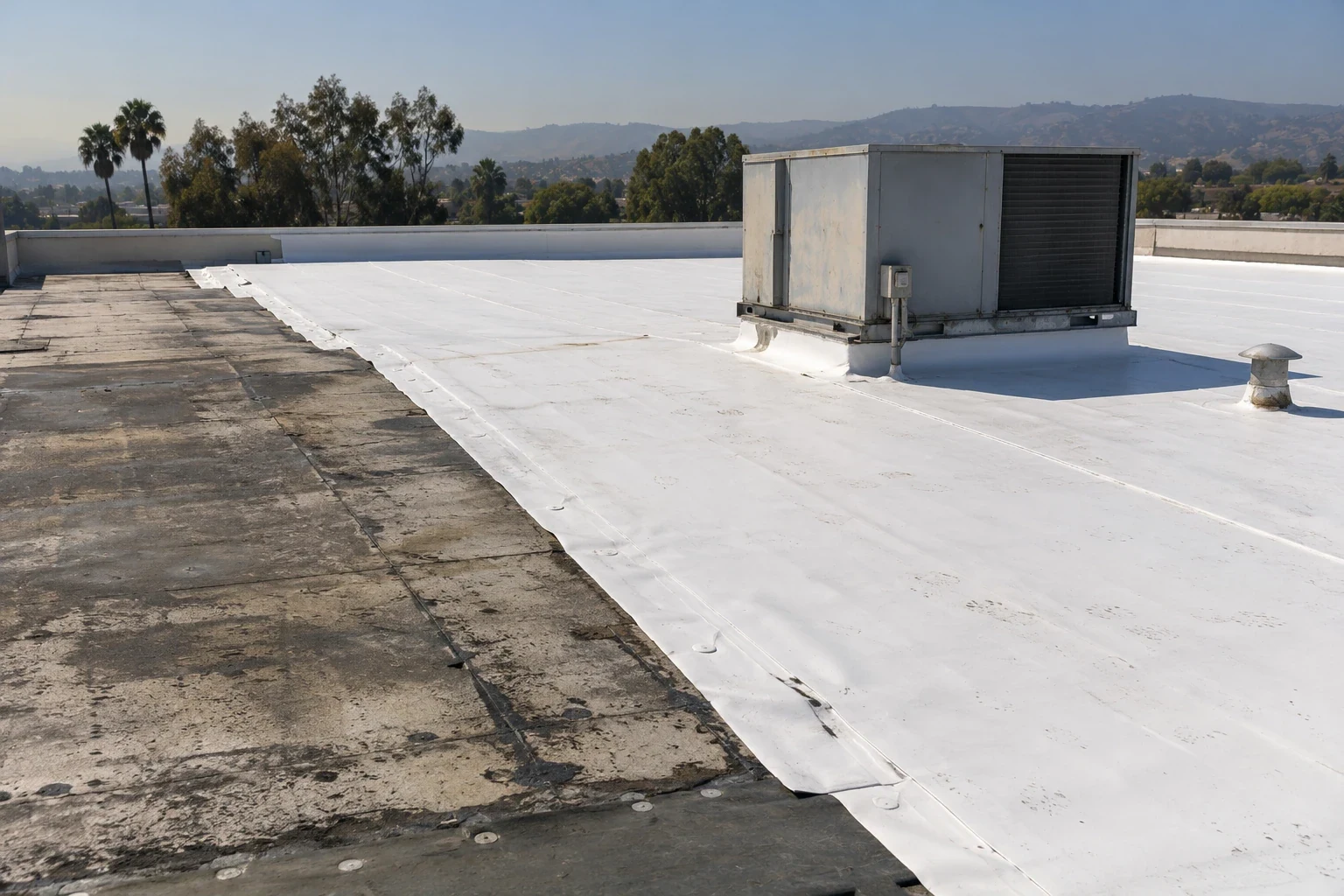
Different membrane constructions serve different installation needs. A fleece backing can affect recover use and puncture performance, while a self-adhered product changes the attachment sequence and preparation. Those distinctions must be considered with deck type, existing layers, insulation, wind design, roof traffic, and project approvals. We do not select a variant solely because a building is occupied or because one product was installed on a nearby roof.
A recover assessment checks layers, attachment, moisture, and drainage before a recover is considered. If the assembly requires broader work, we separate the replacement scope from a localized repair. Holcim Elevate's product documents should be reviewed for the exact component, application, and conditions in the project specification. The report lists any design questions for the architect or engineer to resolve.
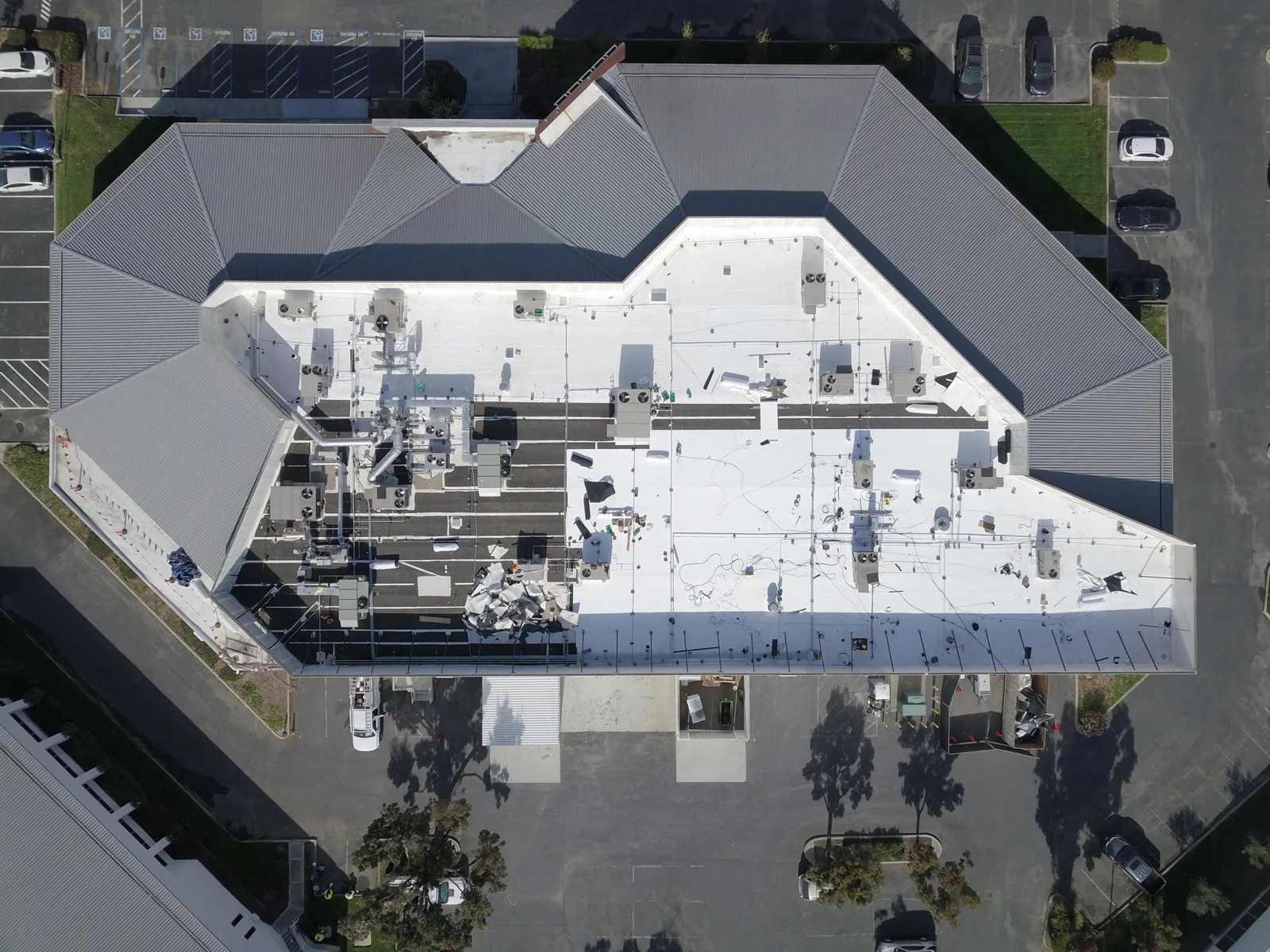
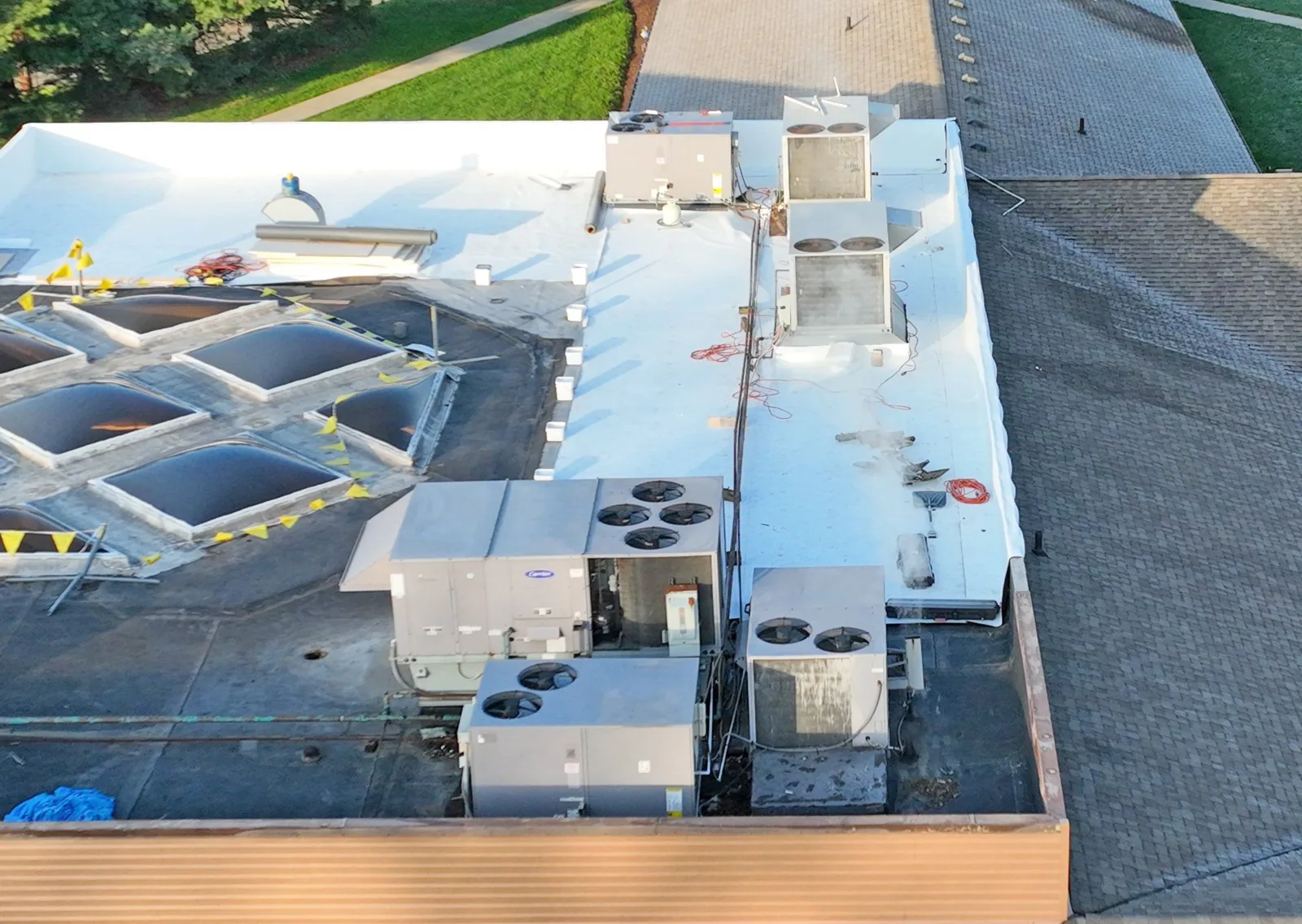
Set the Work Plan for Costa Mesa Properties
Holcim Elevate lists UltraPly TPO, UltraPly TPO SA, and UltraPly TPO XR as reinforced membrane products, with attachment methods and applications varying by product. Selection therefore starts with the assembly and substrate rather than a generic TPO label. The review records insulation, cover board, fasteners or adhesive where visible, and the perimeter and penetration details that control a tie-in. The project team can then compare the proposed system with the manufacturer's current details and the building's design constraints. Document the fastening pattern and substrate preparation separately, since those observations can affect bid assumptions and crew sequencing.
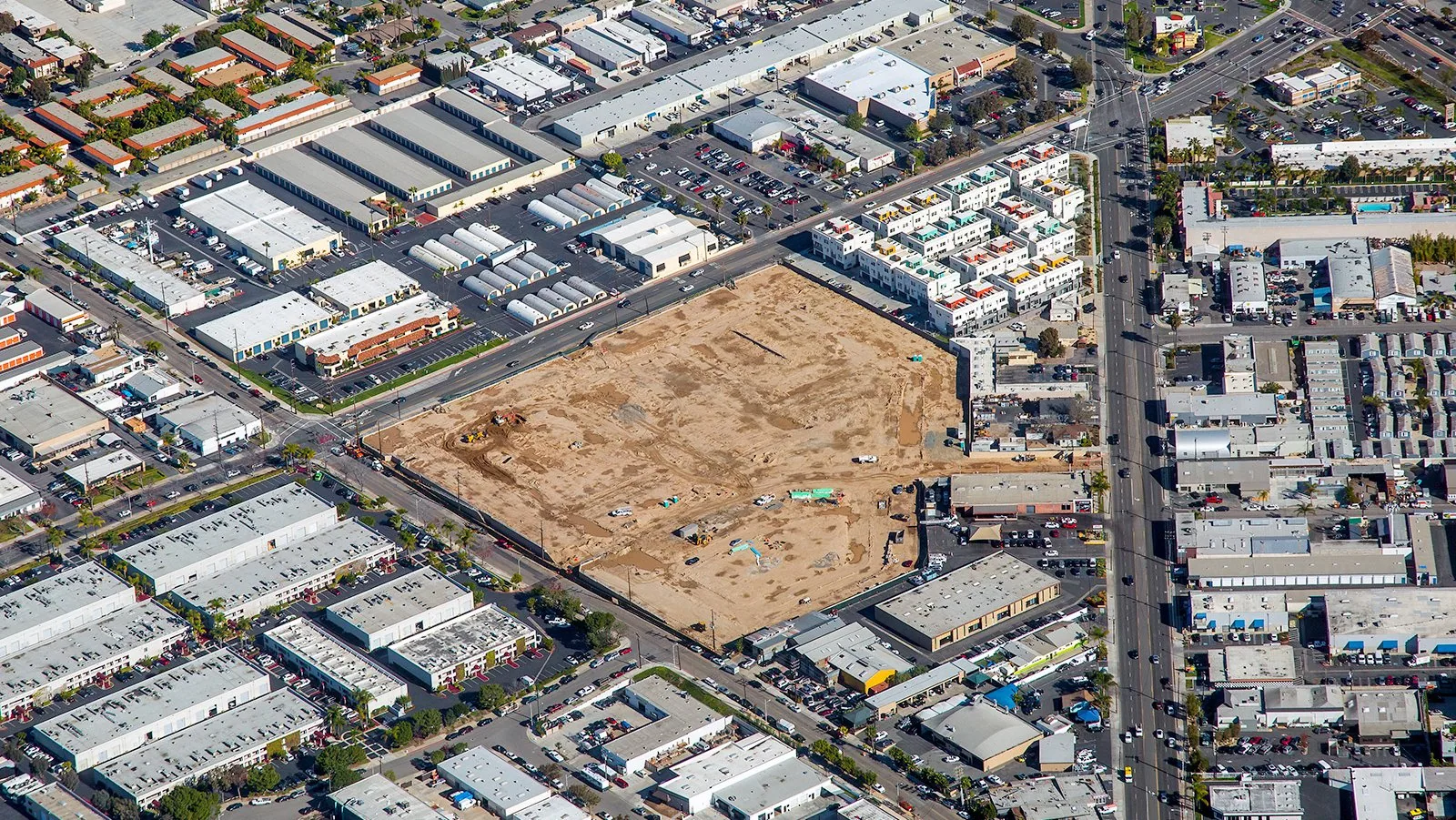
The city land-use plan lists Harbor Gateway, Westside, and Airport Industrial/Business Park as its three industrial districts; it maps separate commercial corridors at East 17th Street, South Coast, and Harbor Boulevard. Those categories do not reveal a roof assembly. At an Airport Industrial/Business Park district visit, we confirm the property, equipment route, staging limits, and actual membrane before defining a repair boundary or replacement scope.
Manage the Work Around Building Use
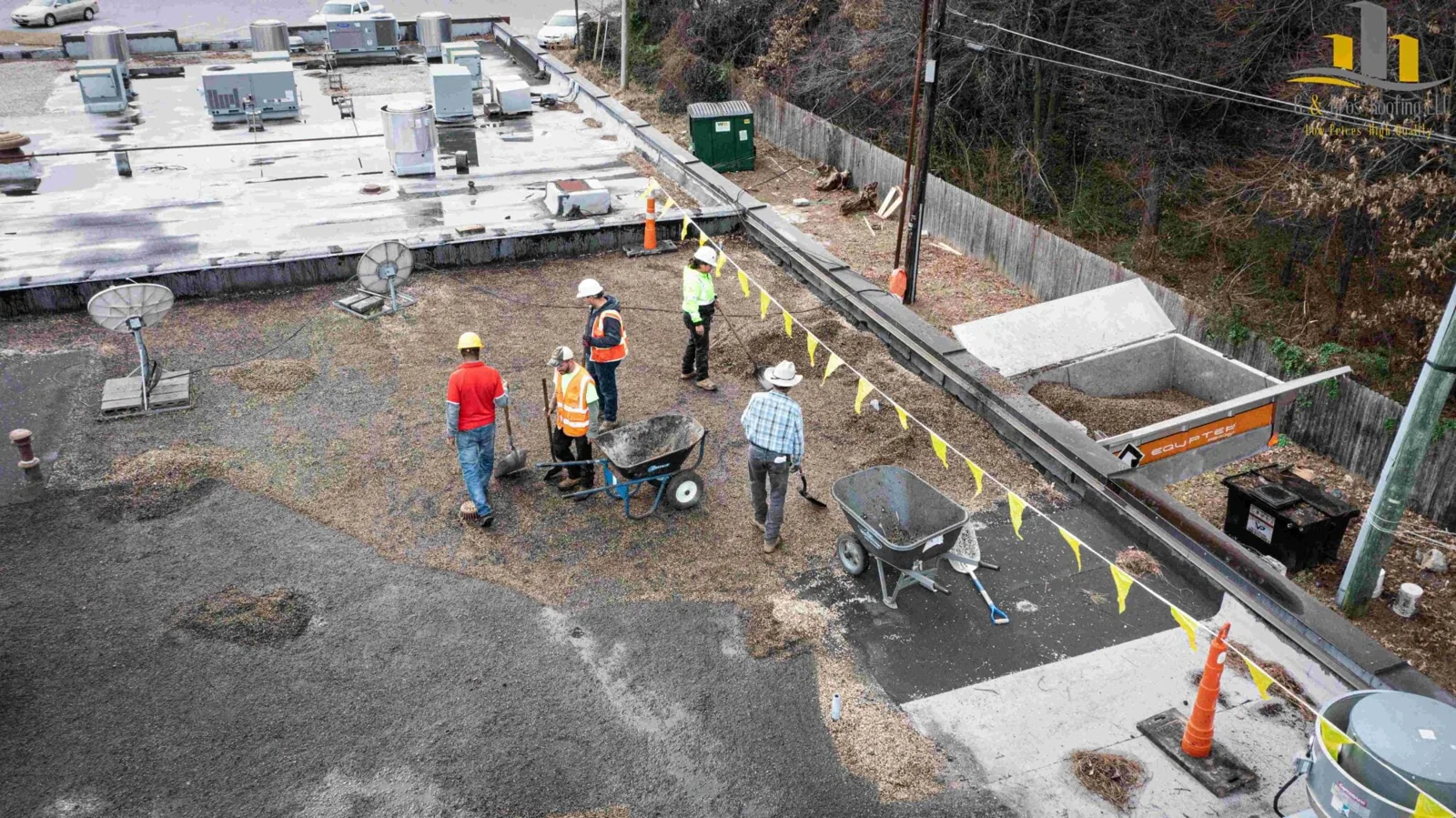
Before material arrives, we confirm where rolls and accessories can be staged, how they reach the roof, and which equipment or tenant areas remain active. The owner or property manager coordinates any shutdown or escort needed for safe access. If work is phased, each section needs a documented tie-in and a closeout point before the next area opens. Before ordering, we compare the approved submittal with the product and thickness selected for each zone. We note accessories, edge details, and flashing pieces that must be available for the same work window. If a substitution is proposed, the owner and design contact review it before installation. The schedule shows those steps to keep temporary conditions visible.
For a SA membrane, substrate readiness and application conditions need to follow the current product instructions. For fleece-backed work, material handling and adhesive requirements are recorded in the submittal. We coordinate with other trades when curbs or units must be altered. If a section cannot proceed because a prerequisite is missing, the work note identifies the hold and who can release it rather than carrying an incomplete tie-in forward.
Preserve the Product and Zone History
After the work, we keep the approved product data, installed locations, photos, and repair notes with the roof plan. Each return visit can compare the same seam or curb and identify any new damage. If a material was substituted or the membrane could not be identified, the record states the difference. A future service call can then start with the right product question instead of assuming the entire roof matches one area.
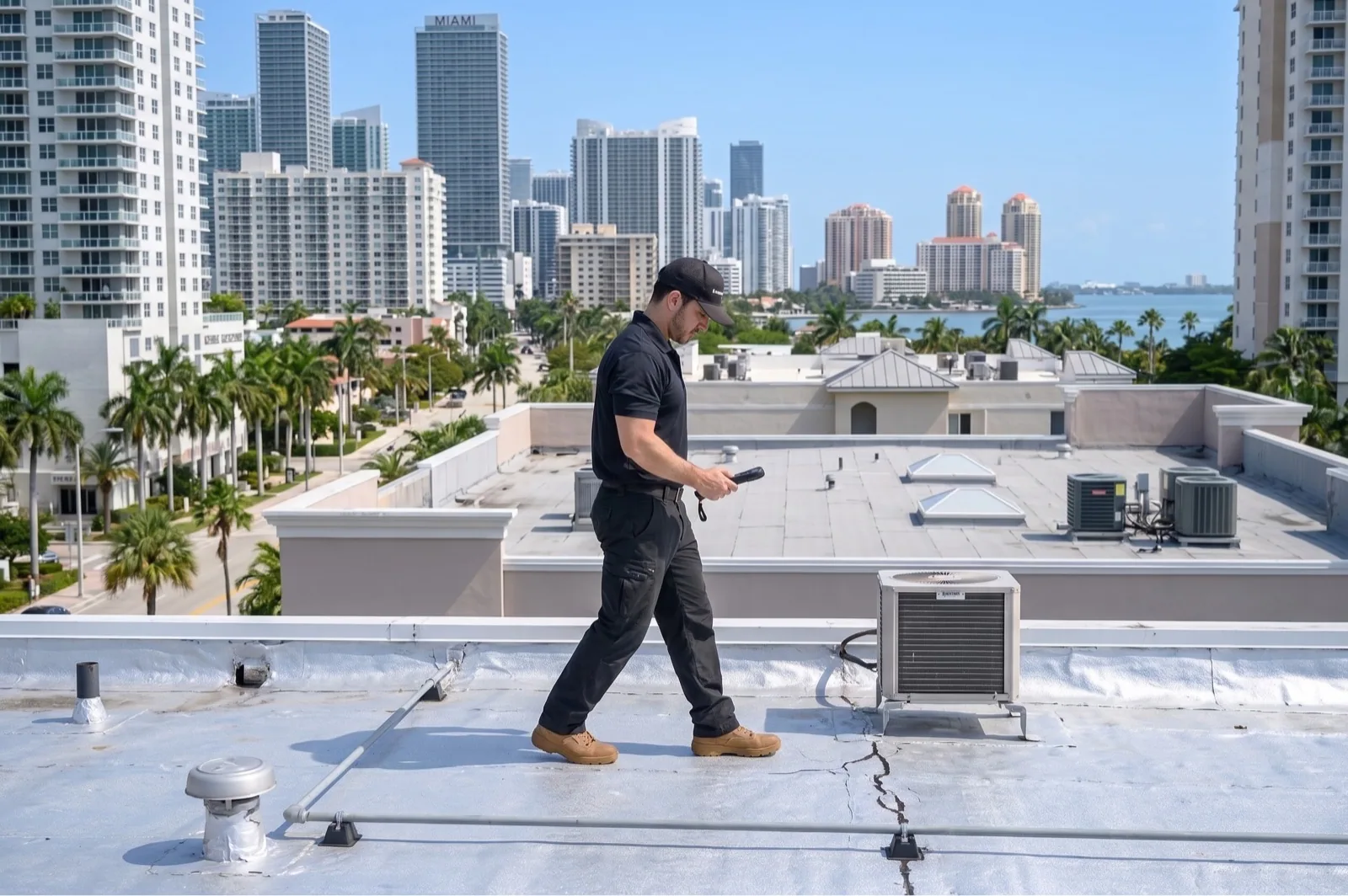
A maintenance walk can check open seams, drains, and roof access routes. Costa Mesa's General Plan describes small operations in multi-tenant Westside structures, where shared roof access may require advance coordination. For another manufacturer comparison, see GAF and Carlisle SynTec. Each product must be matched to the documented assembly and project requirements.
Common Questions
We look for product records, labels, backing, and field details. Fleece backing can support identification, but a mixed roof or later patch may differ from the original. The report notes what is confirmed and what still needs a product document or test.
Holcim Elevate lists TPO SA as self-adhered reinforced membrane and TPO XR as fleece-backed reinforced membrane. Attachment options and intended uses differ. We check the current product documents and building assembly before choosing between them.
A recover depends on the existing layers, attachment, moisture, drainage, substrate, fire requirements, and approved project design. We document those conditions before proposing a recover. Product versatility does not remove the need to confirm the assembly.
We identify the field surface and review available records before selecting a repair method. If the variant cannot be confirmed, we may request a sample, test, or manufacturer detail review. The estimate records that condition and does not assume product compatibility.
Keep product submittals, roof-zone map, attachment details, photos, repair notes, and any approved change. We can label each installed area and note which variant was used so later inspections can select compatible materials.
Related Roofing Work
Review the UltraPly Roof Assembly
Share UltraPly submittals, repair history, roof plans, and access details. We can verify the existing variant and document a compatible repair or reroof scope.