
Sika Sarnafil Commercial Roofing in Costa Mesa, CA
A Sarnafil G membrane and a Sarnafil S membrane are not installed the same way. In Costa Mesa, CA, we check the product record, reinforcement, attachment, seams, and flashing before writing a repair scope. Sika describes G membranes for adhered systems and S membranes for mechanically attached systems. That distinction helps frame the inspection, but the roof plans and field evidence still decide which product is present and how the assembly is built.
At a leak, we trace the reported area to the roof, inspect the nearest seams and transitions, and note where the membrane surface changes. At a reroof, we review existing layers and design requirements. The report labels the confirmed product, unknown areas, and tests required before the work boundary is set. This avoids applying a detail for one membrane family to a different assembly.
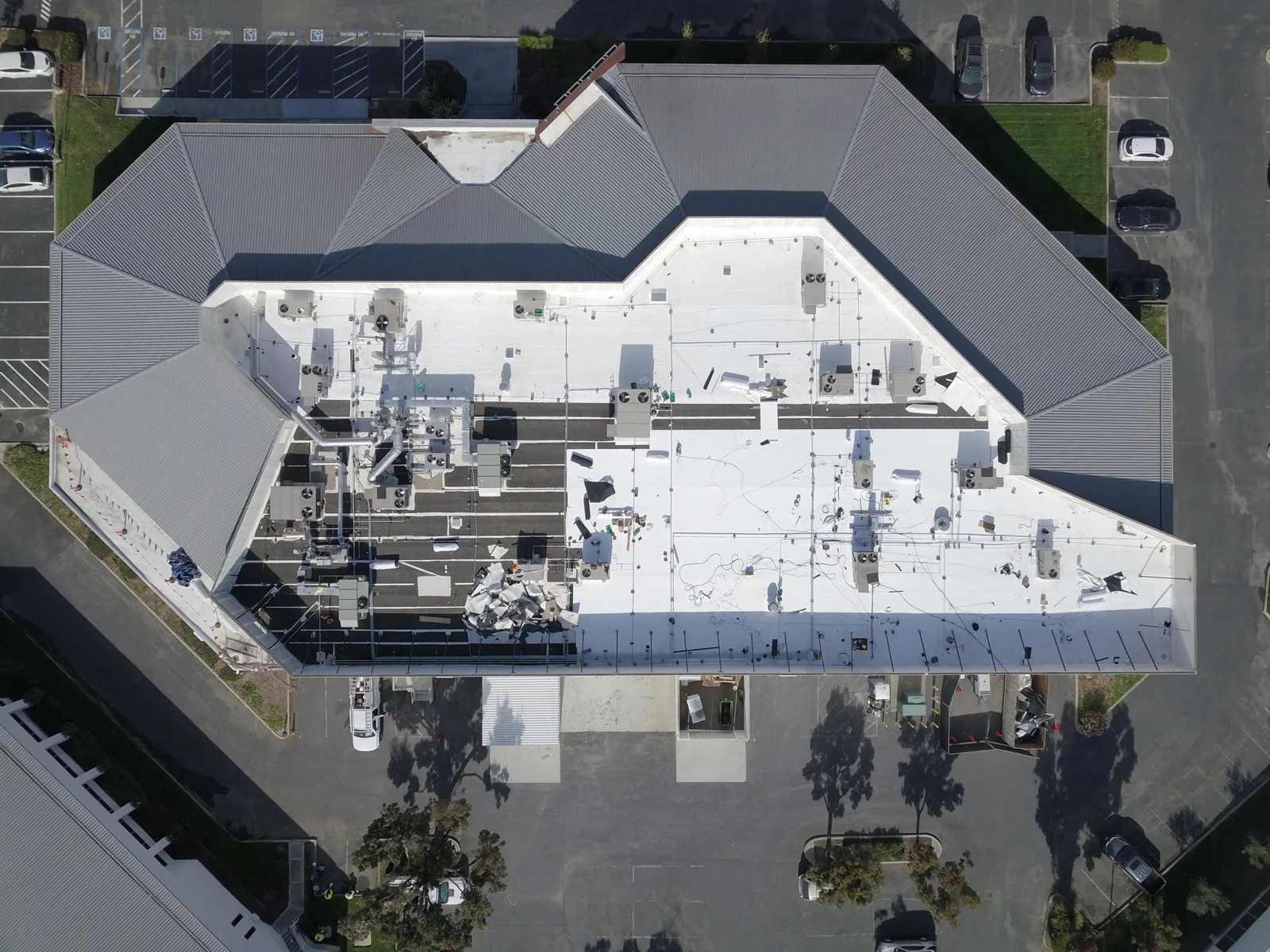
Identify Reinforcement and Attachment
We compare project submittals and product labels with visible sheet edges, backing, seams, and attachment evidence. Sarnafil G uses a different design path from mechanically attached Sarnafil S, so fastener lines, adhesive residue, and the roof record can help identify the assembly. A prior repair may use a different membrane. We mark any mixed area and avoid assuming that the original specification describes later work.
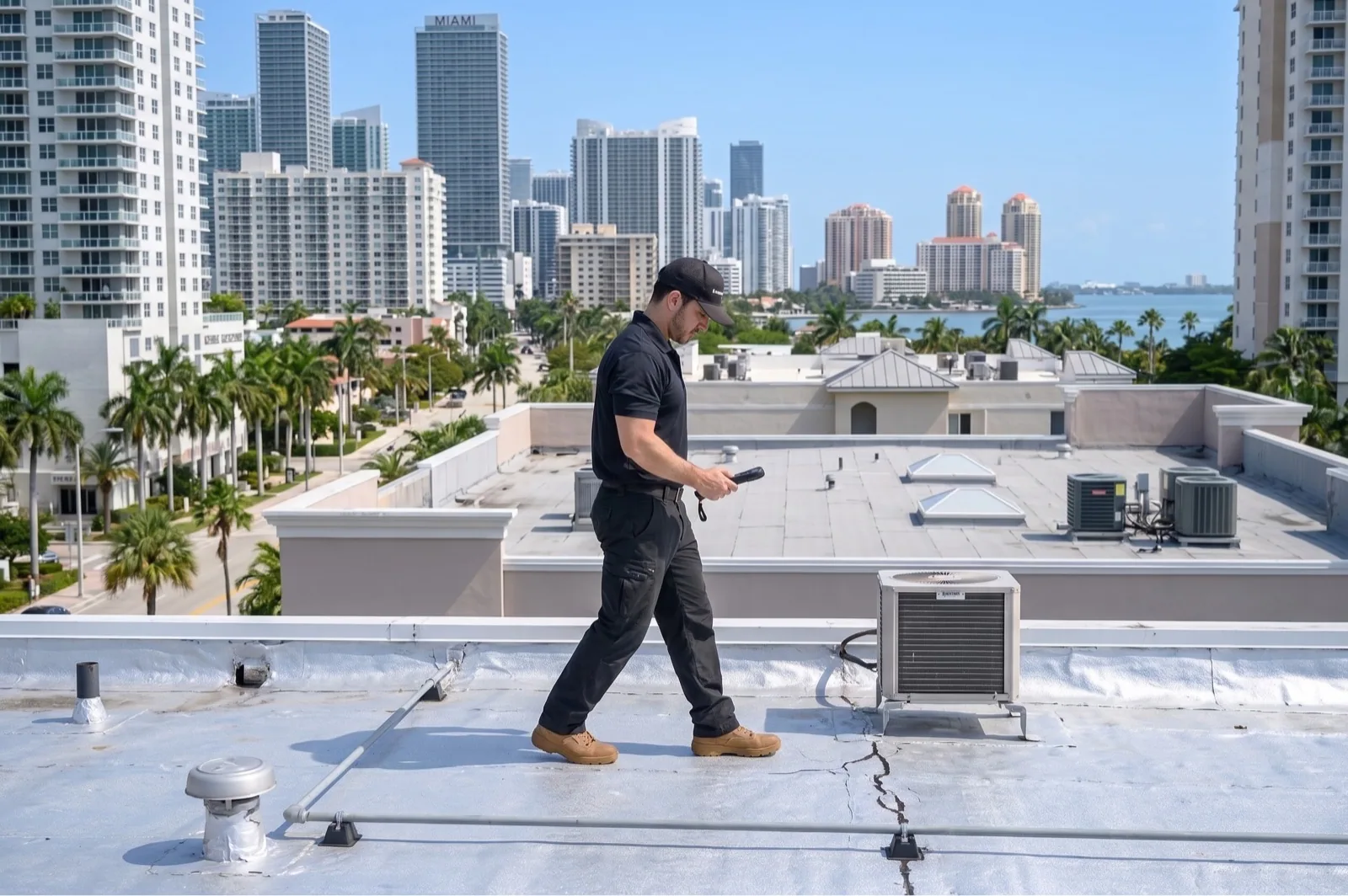
A commercial roof inspection maps the roof zone, open seams, penetrations, and edge details. If moisture could be concealed below the sheet, an infrared survey may help select test locations. We compare the survey with the roof walk and confirm layers before including a wet area in the repair or replacement boundary.
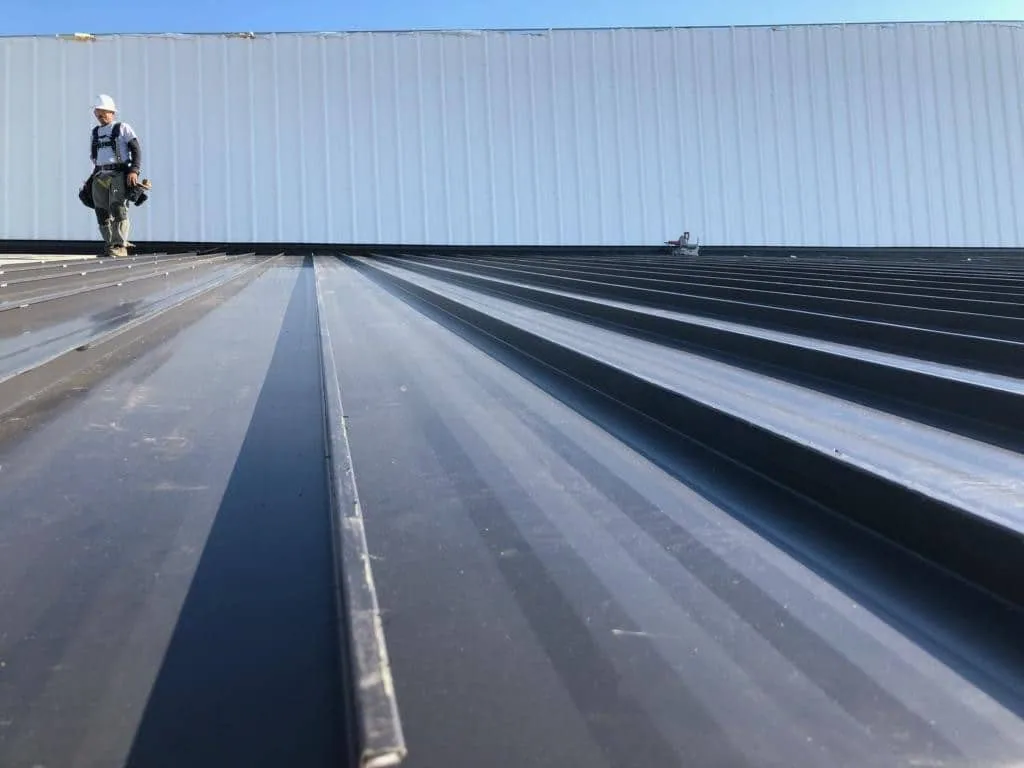
Repair the Membrane and the Transition
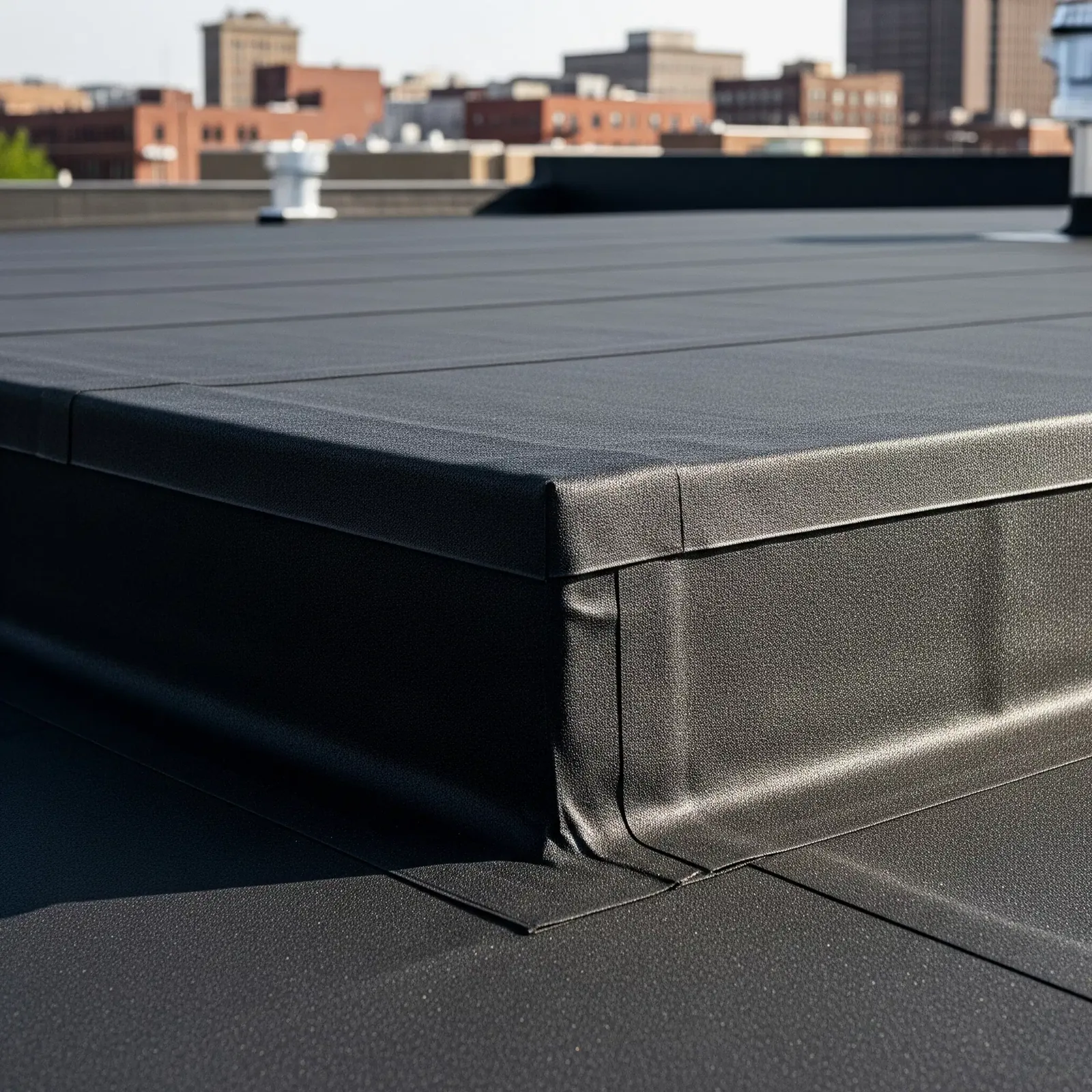
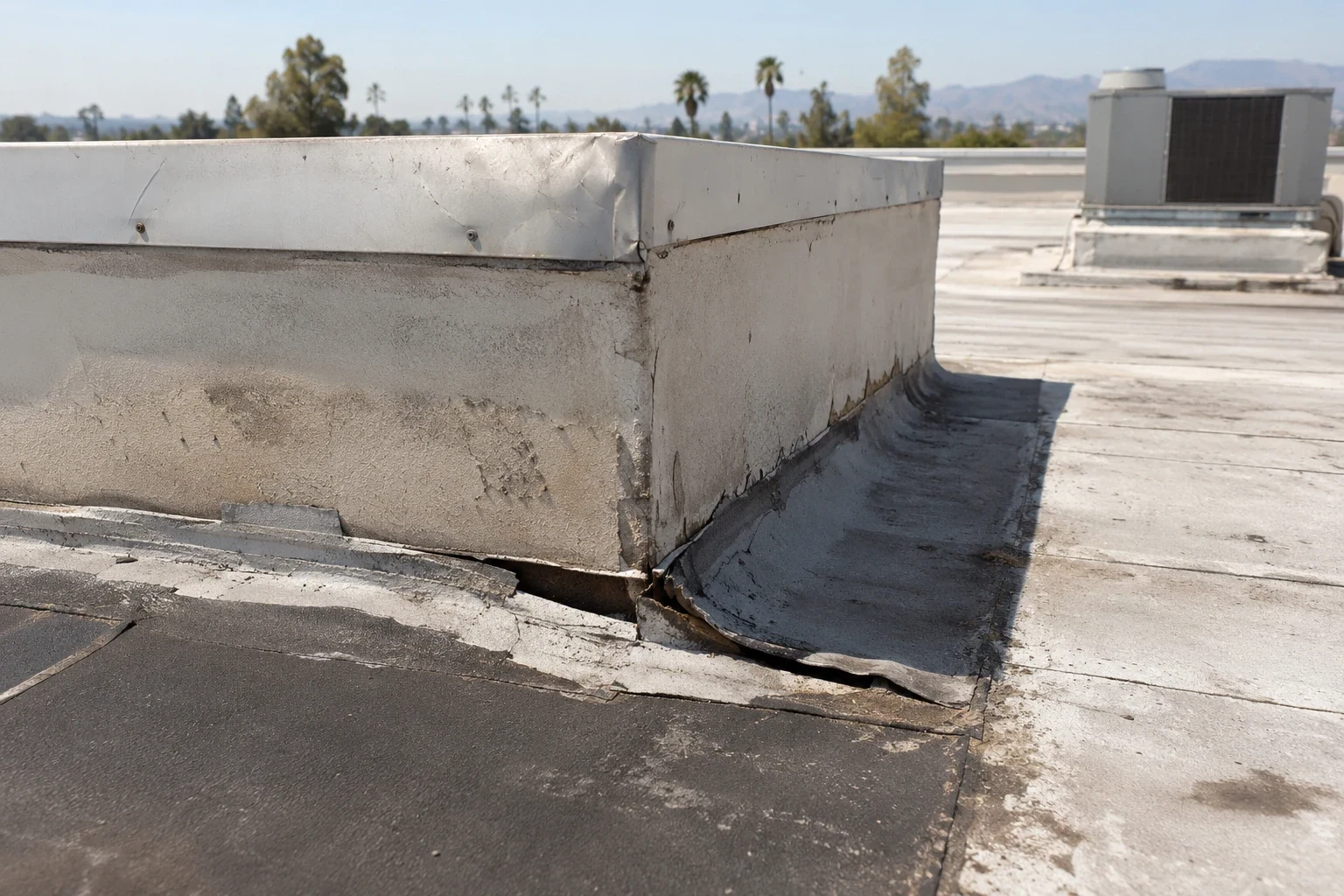
A localized repair starts with a compatible membrane, prepared surface, and documented tie-in. On a thermoplastic membrane, we inspect the seam and complete the applicable heat-weld detail. At a wall, curb, or pipe, the repair may include a separate flashing component. We photograph the field lap and vertical detail independently so the owner can see whether the proposed work includes both or leaves one for another approval.
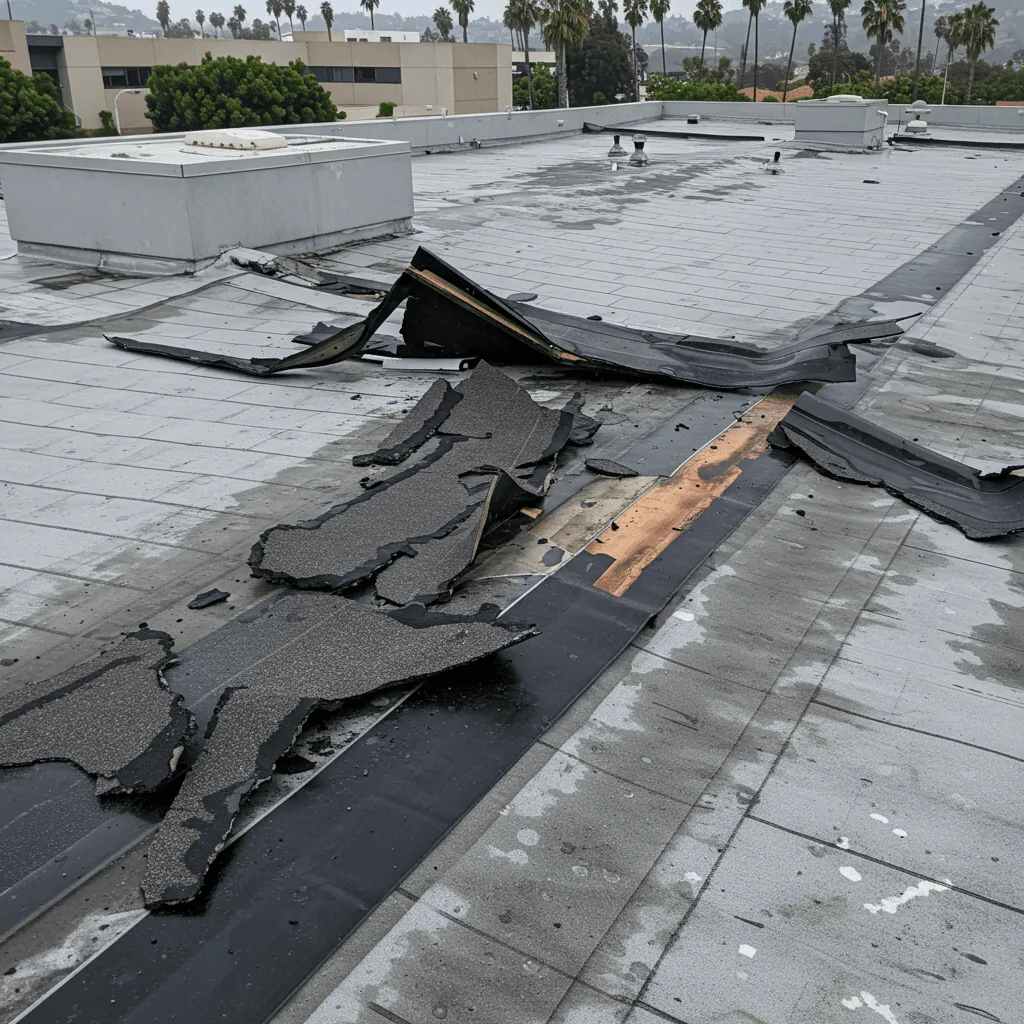
A seam repair review checks the open length and adjoining sheet. A flashing assessment follows the curb or wall. If membrane identity remains uncertain, we request product documentation or an approved test before using a product-specific repair. The estimate names the selected method only after the surface and material can be confirmed. It also lists whether the scope includes adjacent insulation, a curb corner, or the field membrane beyond the visible opening. The owner can approve those items separately when testing shows that concealed layers or neighboring details need a broader repair.
Set the Assembly Before Pricing a Reroof
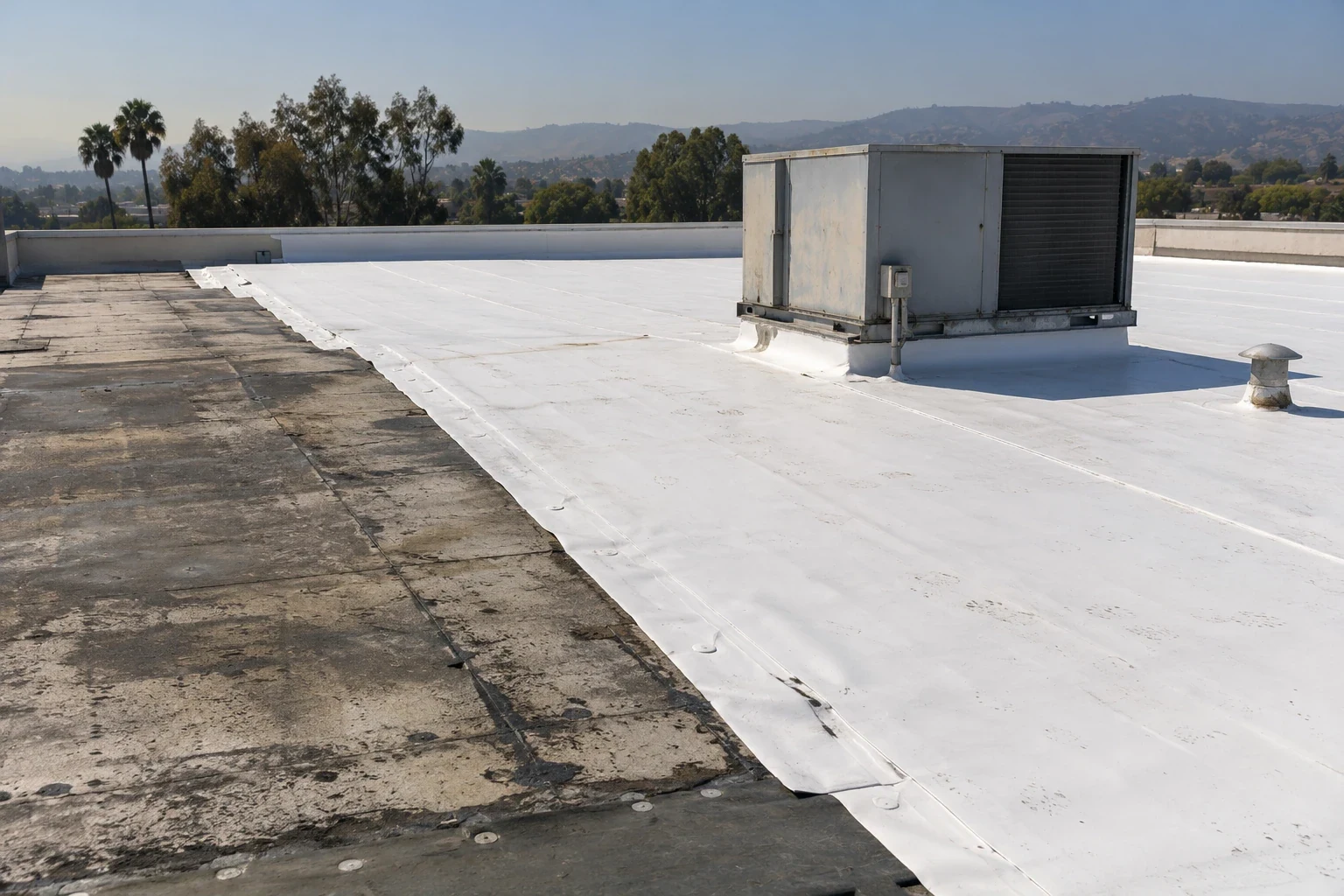
A new system depends on deck, cover board, insulation, drainage, edge conditions, and the project's fire and wind requirements. We identify which items are visible and which require design review. Where the existing roof may be recovered, the owner may authorize a test opening to verify layers and attachment. If those findings do not support an overlay, the report can compare replacement as a separate path with its own tear-off and substrate scope.
A recover feasibility review checks the existing assembly and drainage. A PVC system comparison can help describe material options, while the exact product selection follows the approved specification. The roof walk supplies condition observations; structural, code, and design decisions remain with the responsible project professionals.
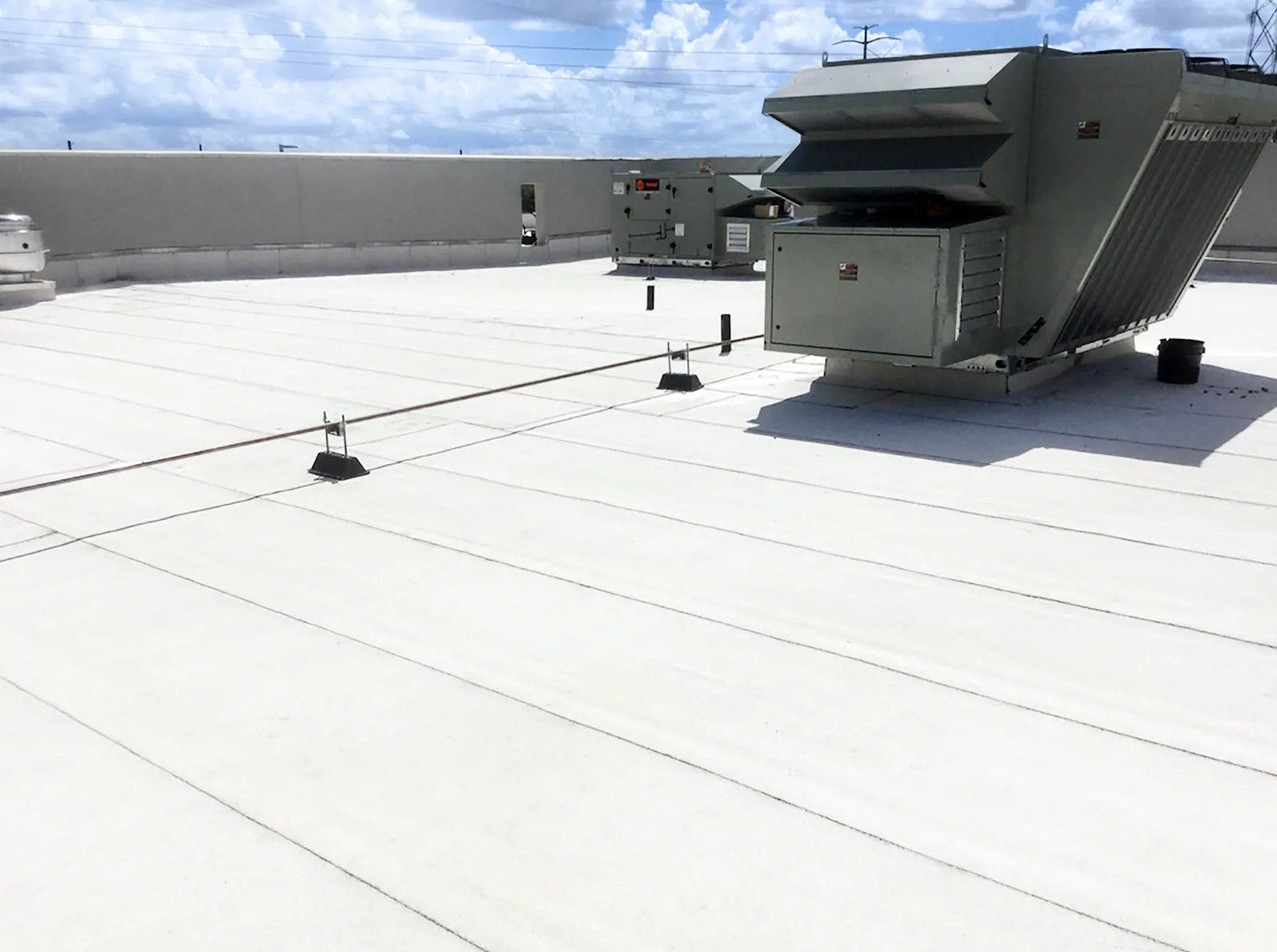
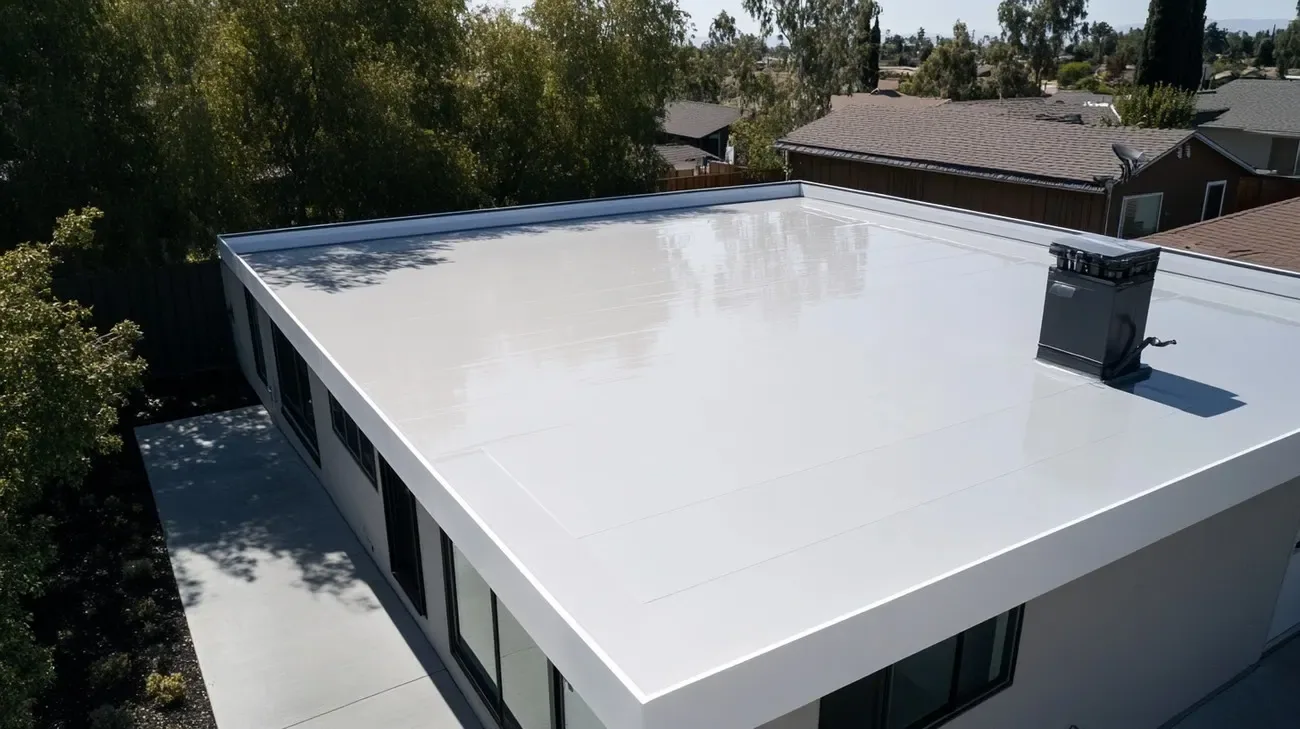
Use Costa Mesa Geography for Logistics
Sarnafil G follows an adhered-system detail, while the polyester reinforcement and mechanical attachment of Sarnafil S change how the field sheet is secured. Those distinctions matter when the existing roof has a known assembly, but they do not replace field verification. The inspection records attachment evidence, membrane condition, seam behavior, edge securement, and any incompatible repair layer before a design is discussed. Where the assembly is concealed, the report identifies the test opening needed to resolve that question instead of guessing from the surface.
Costa Mesa's adopted plan lists three industrial areas: Harbor Gateway, Westside, and Airport Industrial/Business Park. Its corridor inventory separately includes South Coast and Bristol Street. These city-scale locations can help group visits, not determine a product at an address. A Harbor Gateway service visit is planned for the broad district; the roof system and access window are confirmed at the property.
Coordinate Welding with Occupied Operations
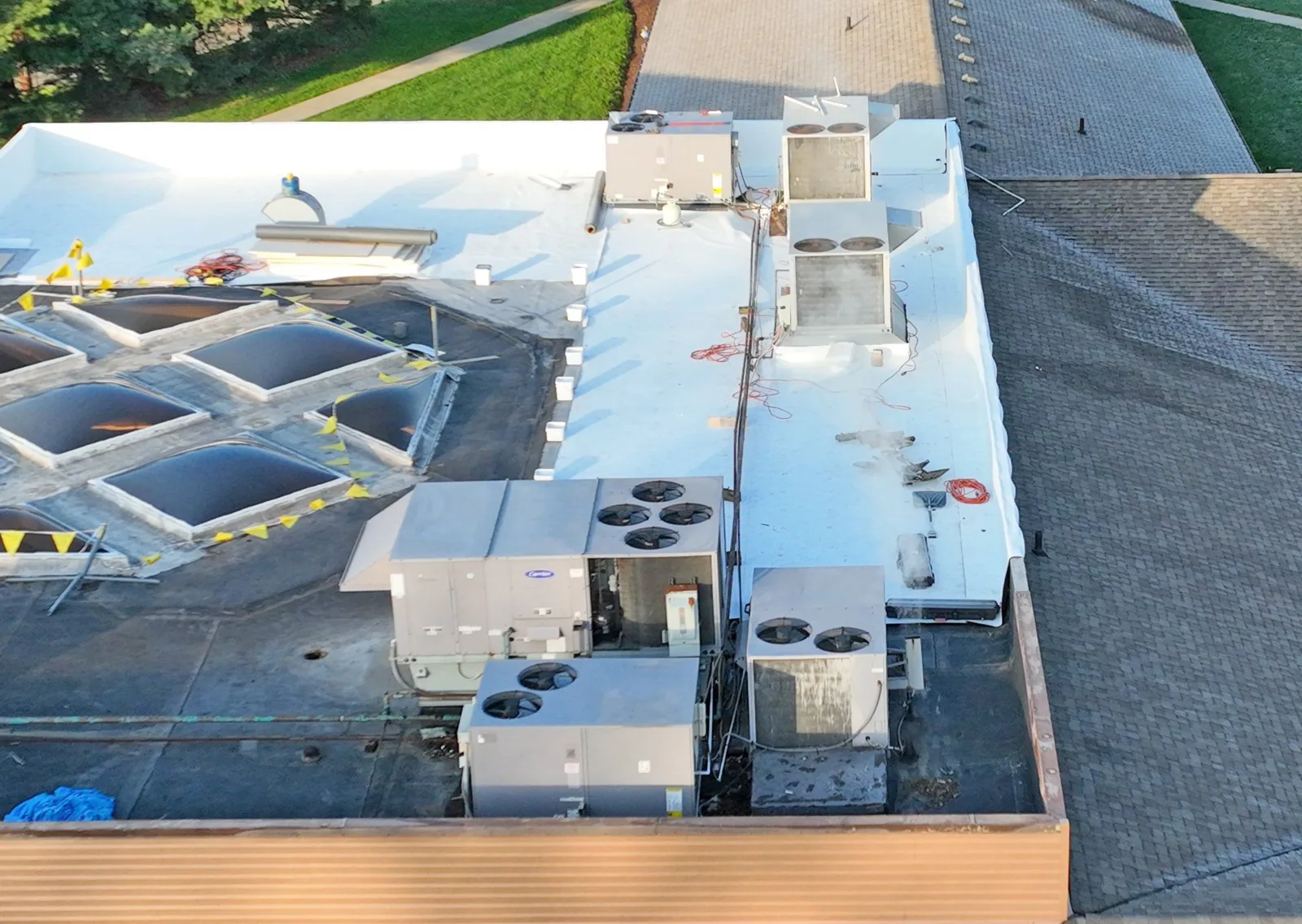
Thermoplastic seam work requires a prepared surface and time to inspect the finished weld. We identify noisy work windows, rooftop equipment constraints, air intakes, and staging areas before moving material. If other trades are changing a curb or maintaining a unit, we coordinate the sequence so flashing can be completed after the transition is ready. Each held zone is named in the schedule.
For an occupied building, we divide the work into sections that can be closed safely at the end of each shift. The owner identifies tenant activity below and any route that must remain clear. We record temporary protection and inspection points. The schedule identifies who can approve a tie-in before the next section begins and where the crew will end the day's work. If welding cannot be completed because a surface is damp or an area remains in use, the hold is listed with its return condition. That gives the building contact a clear handoff without assuming the membrane is ready to close. A phased reroofing plan can set the sequence and work windows, while approved product details control the membrane installation.
Keep the Membrane Family in the File
Closeout documents should state which product family and assembly were installed, where the work occurred, and which details were repaired. Photos show seams, penetrations, drains, and the transition to adjacent roof zones. If the records identify Sarnafil G in one section and another membrane elsewhere, the map should retain that distinction. It helps future maintenance select compatible materials and avoid extending one product assumption across the entire roof.
A maintenance visit can return to the same seams and flashings. A GAF TPO assembly or SOPREMA system may use different components and attachment details. We compare the approved specification with the roof's actual deck and existing attachment before recommending a change. The property contact can keep the current file with each inspection report.
Common Questions
Sika describes G membranes for adhered systems and S membranes for mechanically attached systems. We verify the installed product through labels, records, and field details. Attachment evidence and project documents help determine which assembly needs repair.
The repair material and detail must fit the existing membrane and approved system. We identify the roof product, inspect the tie-in surface, and check adjacent flashings before choosing a repair method. If the product remains uncertain, we list the information needed to confirm it.
The specified assembly controls where adhesive is used and how it is applied. We inspect the field and details, compare them with approved documents, and note any area that does not match. A repair should follow the confirmed system rather than assume full-surface attachment.
Testing may be needed when moisture or concealed layers could change the recover decision. We select the location from the roof walk or survey and obtain owner approval before opening the assembly. Findings are recorded separately from visible surface observations.
Record the product confirmed, roof zone, surface preparation, tie-in, completed seam or flashing, photographs, and any limitation. We also note nearby work excluded from the repair so the next inspector knows what remains.
Related Roofing Work

Inspect a Sarnafil Roof Assembly
Share product submittals, repair records, roof plans, and access notes. We can verify the membrane family and set a repair, test, or replacement boundary.