
Commercial Fire Damage Roof Repair in Costa Mesa, CA
Scorched flashing, blistered membrane, and water from suppression can leave different conditions on the same roof. In Costa Mesa, CA, we photograph the affected zone, note visible heat exposure, and check whether the fire department or another trade has changed access. The first roof walk is for a defined record, not a guess at what can be reused. We separate observed damage from areas that need a closer test, then give the owner a repair boundary to review.
Smoke residue alone does not tell us whether a membrane, insulation, or deck has lost serviceability. We compare heat marks, seams, penetrations, and underside evidence with the reported event and available records. If a structural or hazardous-material evaluation is needed, that work stays with the appropriate specialist. Roofing scope begins when the affected layers and safe access can be established.
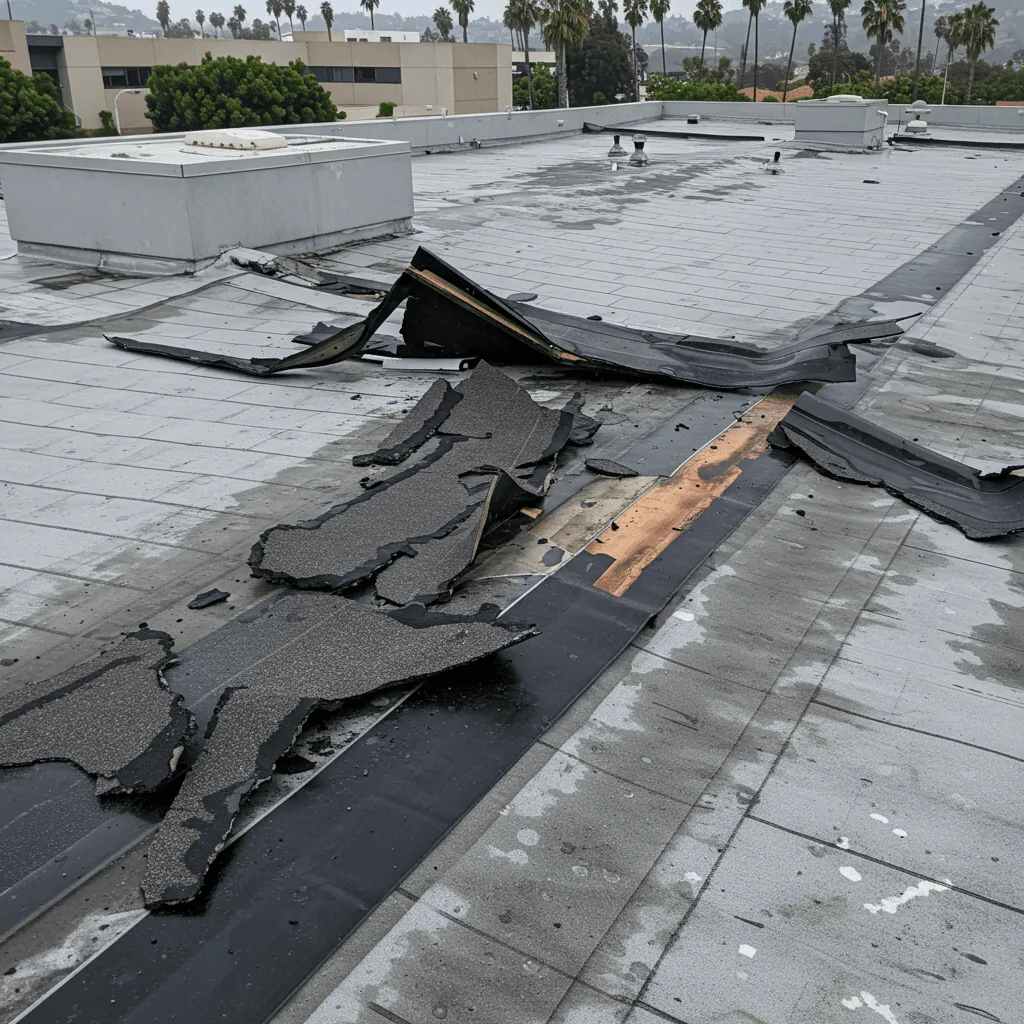
Map Heat, Water and Smoke Effects
A fire can affect roof materials outside the visibly burned area, especially where heat or suppression water follows a roof transition. We inspect exposed membrane for softening, blistering, shrinkage, cracking, and loss of bond, then check flashing at curbs and edges where heat can change a tie-in. Suppression water may collect at drains or enter an opening created during response. Photos show the limits of the affected field and the conditions that remain unknown until debris is removed or an opening is authorized.
A commercial roof inspection records the roof-side condition, while a moisture survey can help locate areas for confirmation when water has moved below the membrane. Neither method replaces an approved test opening where layers are concealed. We mark observation, test, and repair areas separately so the owner can see which recommendation rests on direct inspection and which requires further access.
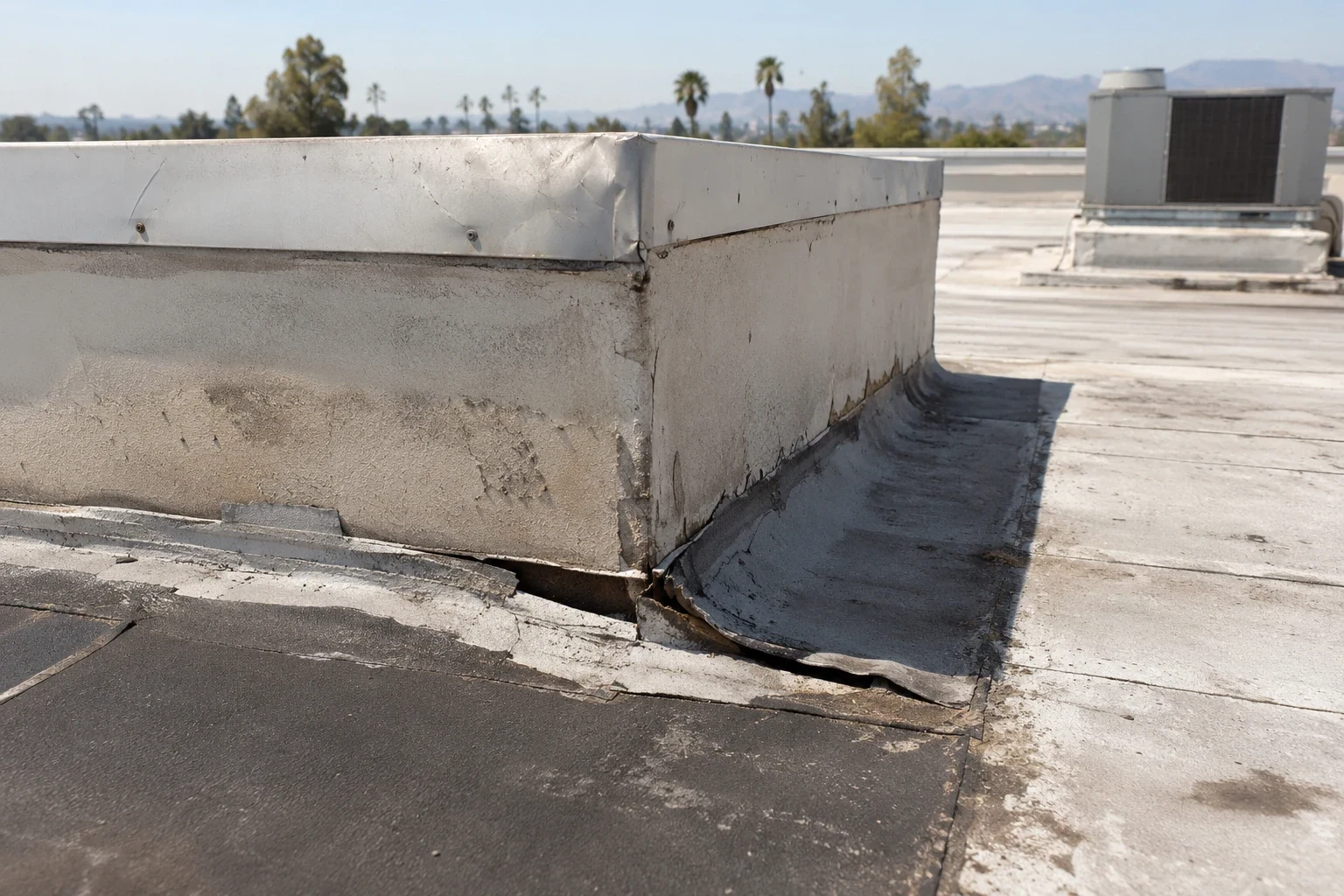
Separate Temporary Cover from Permanent Scope
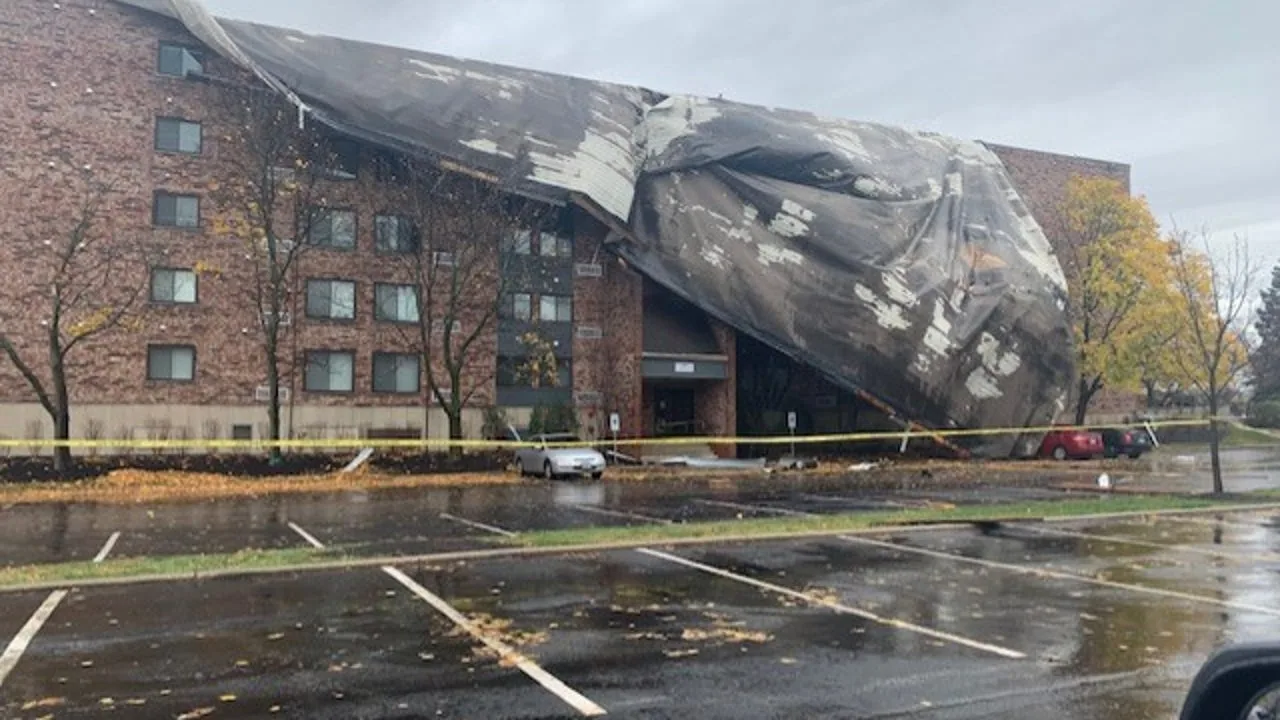
If an opening exposes the building, temporary protection may be needed before a full repair design is ready. We identify how water can enter, where runoff can be directed safely, and how the temporary measure will be checked. It is recorded as a short-term scope with access and removal conditions. A permanent proposal follows after the heat-affected material, substrate, drainage, and nearby flashing have been reviewed.
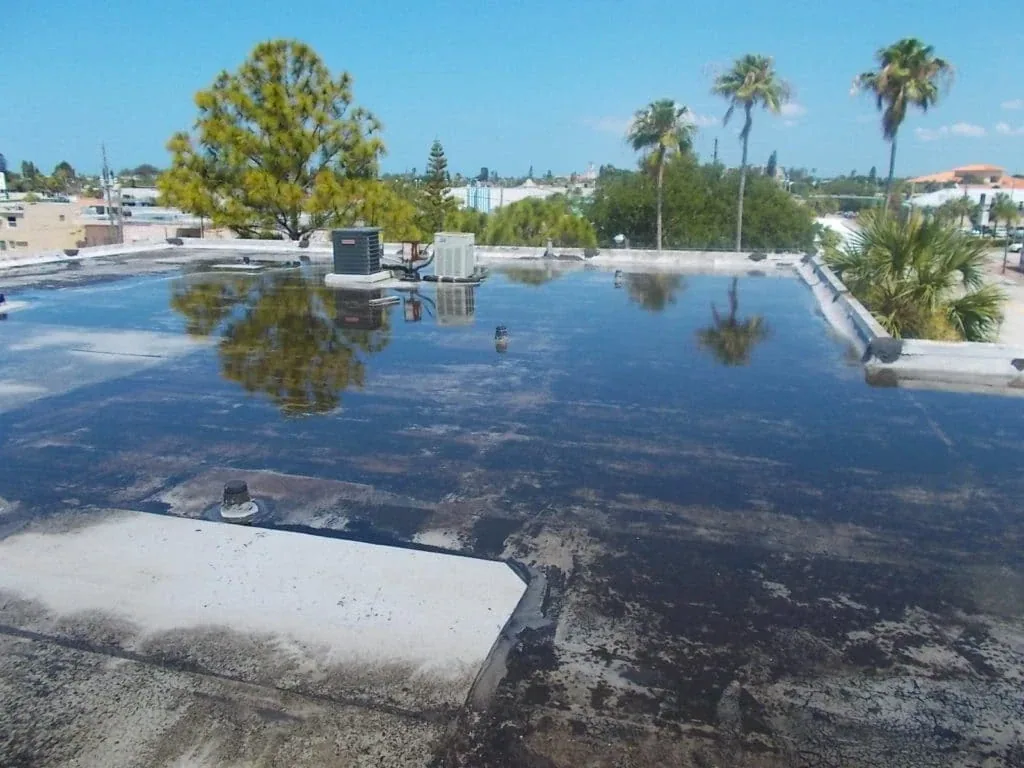
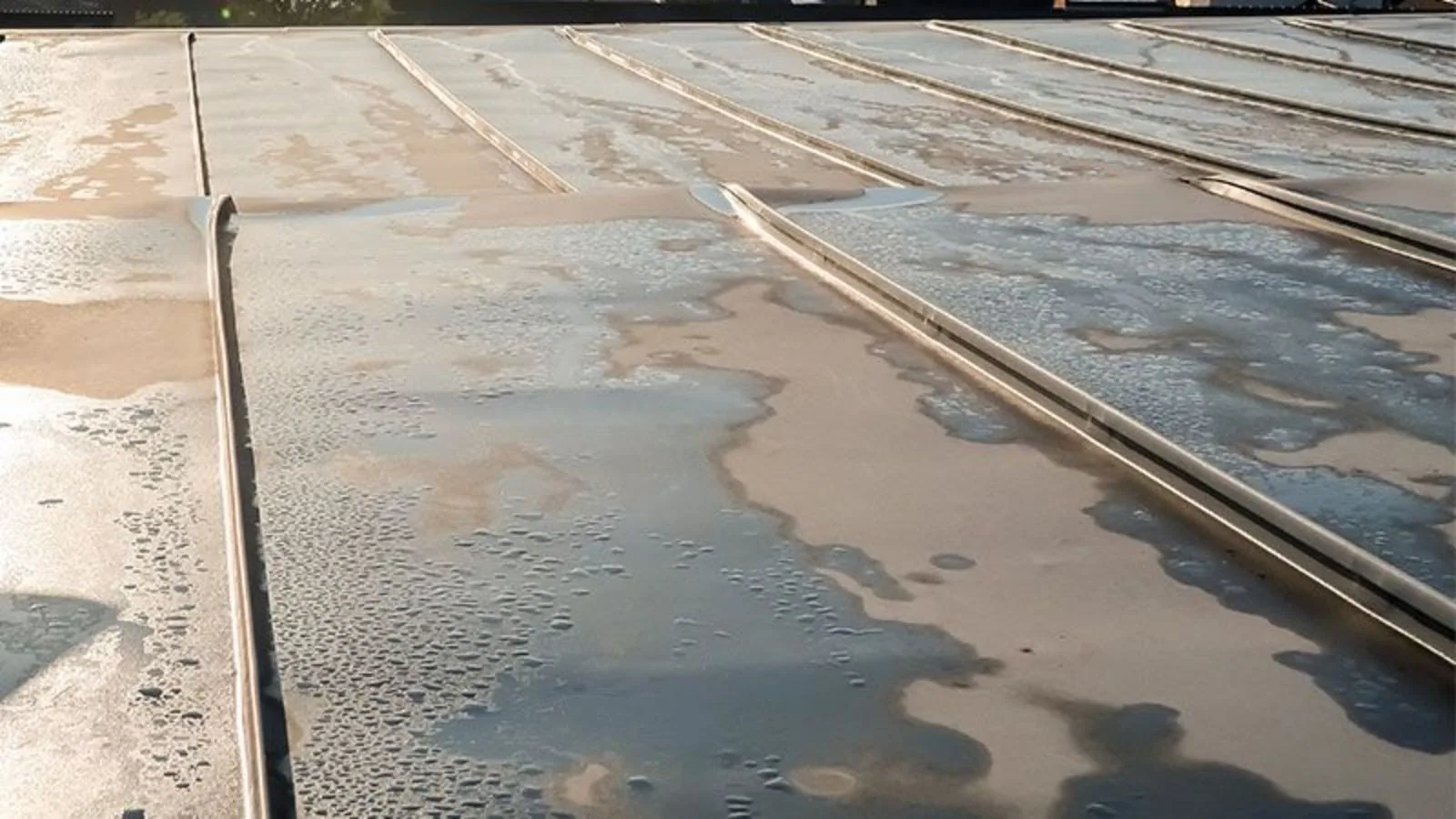
Where suppression water remains on the roof, a drain and scupper check helps identify blockages or damaged outlets before permanent work. We photograph standing water and debris without assuming the roof's drainage capacity from the visible pool alone. If a ceiling report conflicts with the roof-side pattern, ponding-water repair planning can clarify whether the condition is drainage-related or tied to a separate opening.
Choose Repair, Recover or Replacement
Localized damage may support a repair when the surrounding membrane, insulation, and attachment remain suitable. Broader heat exposure, widespread bond loss, wet insulation, or damaged deck can shift the work toward a section replacement or a larger project. We identify the assembly and distinguish what is visible from what depends on a test. The proposal states which layers are included, where new material ties in, and which conditions would require a change order or owner decision.
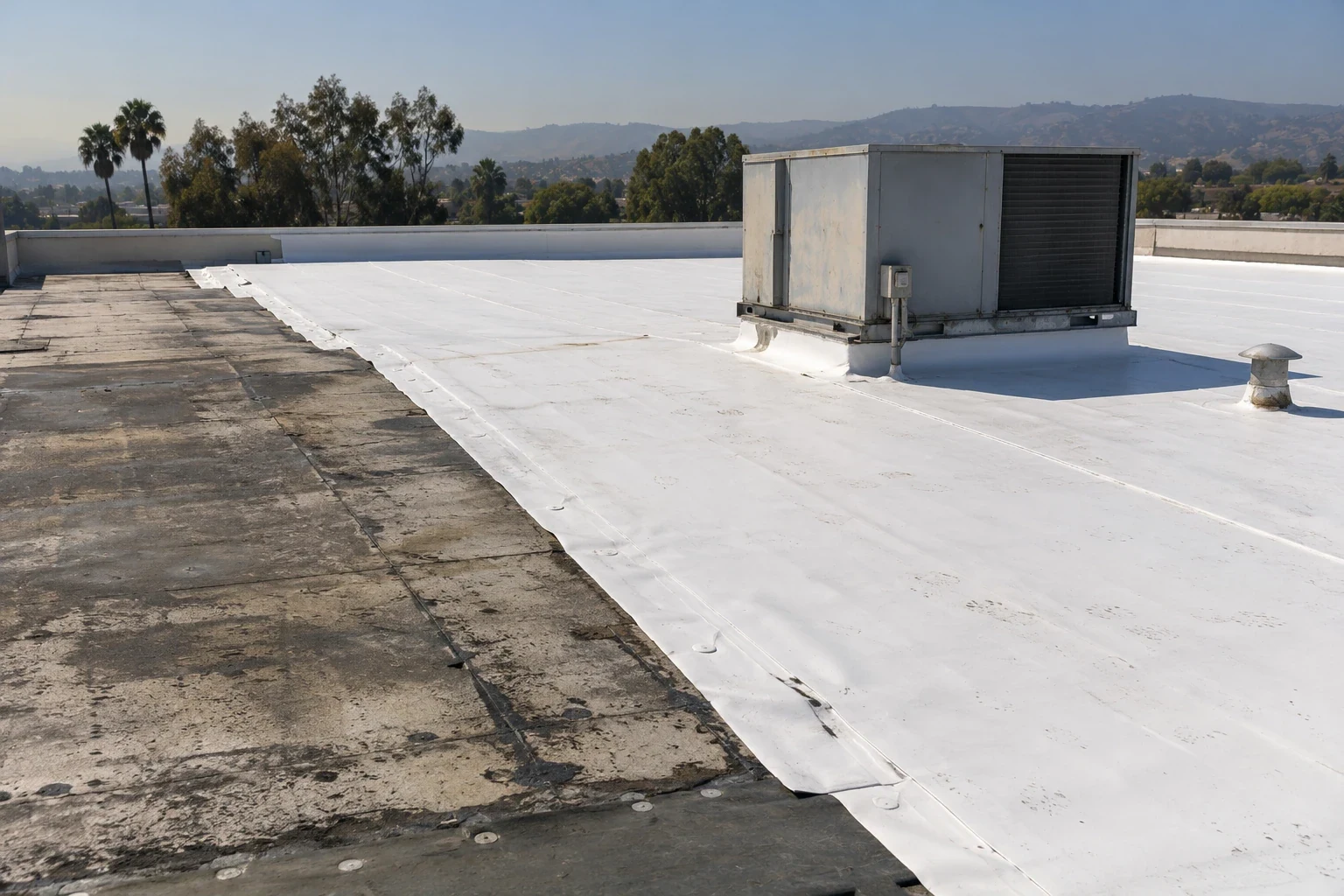
A commercial roof repair scope can address a defined opening or damaged detail. Recover feasibility is evaluated through a roof recover assessment, including existing layers, attachment, drainage, and project requirements. If the membrane itself is no longer serviceable across the field, a replacement review sets the broader boundary. These are separate paths, not automatic steps after a fire.
Coordinate the Roof with Reentry and Other Trades
The roof schedule follows access conditions below as well as the repair method above. Before work, the building contact identifies restricted rooms, active restoration, equipment shutoffs, and the route for moving materials. Rooftop units may need a licensed mechanical trade to isolate or reset them. We sequence roofing around those responsibilities and keep temporary covers, debris removal, and final inspection on the same work plan.
Costa Mesa's climate planning identifies wildfire and air quality as community concerns. That context does not identify a fire event or roof exposure at a particular address. On the project, we rely on the incident information and observed material condition. A roof claim documentation visit can organize dated photographs, measured areas, and scope notes for the owner's file without deciding coverage or replacing the carrier's inspection.
Keep the Record Specific to the Building
A citywide climate plan does not establish that a fire affected a particular roof. A repair scope starts with the reported event and the roof conditions we can inspect: heat-distorted metal, a blistered membrane, soot on a surface, or water around an opening. We mark those observations by zone and identify suppression water separately from heat effects. Harbor Boulevard and East 17th Street are commercial corridors in the City's plan; their land uses do not substitute for a building-specific inspection.
In the Westside and Harbor Gateway industrial districts, a roof can serve multiple occupants or operating areas. We note which contact approved access, where debris was found, and what remained inaccessible during the walk. Those details matter when a restoration team returns after roofing work. The property record should preserve the fire-related observations separately from routine maintenance notes, so later decisions are based on the correct event and scope.
Close the Repair with Useful Evidence
After permanent work, the closeout identifies materials installed, repair locations, tie-in points, and photographs of completed details. We note any temporary protection removed, test opening closed, and area left for another trade. If water entered the building, the owner can keep the interior restoration record with the roof report while preserving the difference between what was seen on the roof and what was found inside.
A maintenance visit can return to the repaired area and check the nearby seams and drainage path. For a membrane-specific repair, we first confirm the assembly before selecting the repair method. We can also add a Harbor Gateway service visit when the property sits within that broad district. The next Diligence Notes should compare the same roof zones, not restart the investigation from the interior stain.
Common Questions
Temporary protection may be possible when access is approved and the exposed area can be isolated safely. We document the temporary measure and its limits, then hold permanent scope until affected layers and any investigation requirements are clear. The building contact should coordinate access with the officials and restoration trades involved.
Residue alone does not establish membrane damage. We inspect for heat effects, bond changes, cracking, and damage to seams or flashings, and record the affected area. Testing may be needed to assess concealed layers before repair or replacement is priced.
We record where water remains, check nearby drains and openings, and assess visible wet areas. If insulation or deck may be affected, the owner can authorize a test opening or other confirmation. Roof repairs and interior drying are shown as separate responsibilities.
Provide available roof plans, prior repair records, the reported event date, access notes, and interior observations. We can add dated roof photographs, measurements, and a defined scope to the file. Coverage decisions remain with the policy parties.
We compare heat exposure, material condition, seam behavior, drainage, and test results across the observed boundary. A broader scope is considered when conditions continue beyond the visible point or concealed layers are affected. The report separates confirmed damage from areas that still need access or testing.
Related Roofing Work
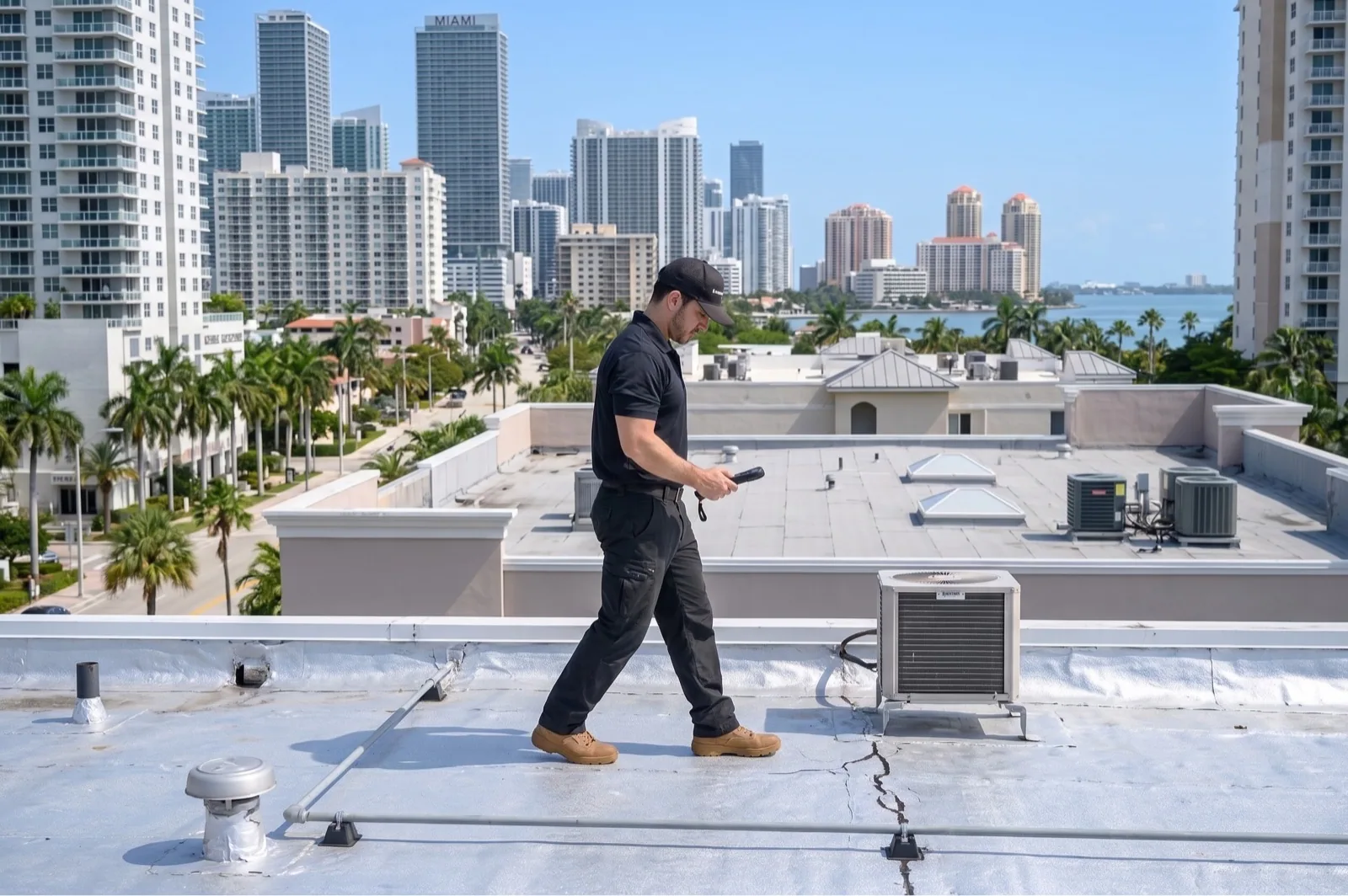
Document the Fire-Affected Roof
Share the event timing, access restrictions, roof records, and reported interior areas. We can photograph visible roof conditions and define what needs temporary protection, testing, or permanent repair.