
Commercial Roofing in Laguna Woods, CA
For a Laguna Woods commercial roof request, we confirm the address, property representative and the building's access requirements before scheduling. The city's 2024 General Plan Commercial designation includes offices, hotels, restaurants, retail, services and public agency facilities; Community Facilities covers uses such as hospitals, schools, worship and social-service facilities. These designations explain broad land use, not the occupants or roofing conditions at one property. We inspect the actual assembly and document the reported concern before recommending a commercial roof inspection.
We ask which room or operation is affected, when water appeared, and whether recent maintenance or equipment work may be relevant. Existing roof plans and invoices can identify products or repairs, but we compare records with seams, edges, drains and penetrations in the field. If moisture or hidden layers could change the scope, we define the proposed test and the result needed before expanding removal. The owner receives separate options for protection, confirmed repair and broader renewal so each can be reviewed against the property's schedule.
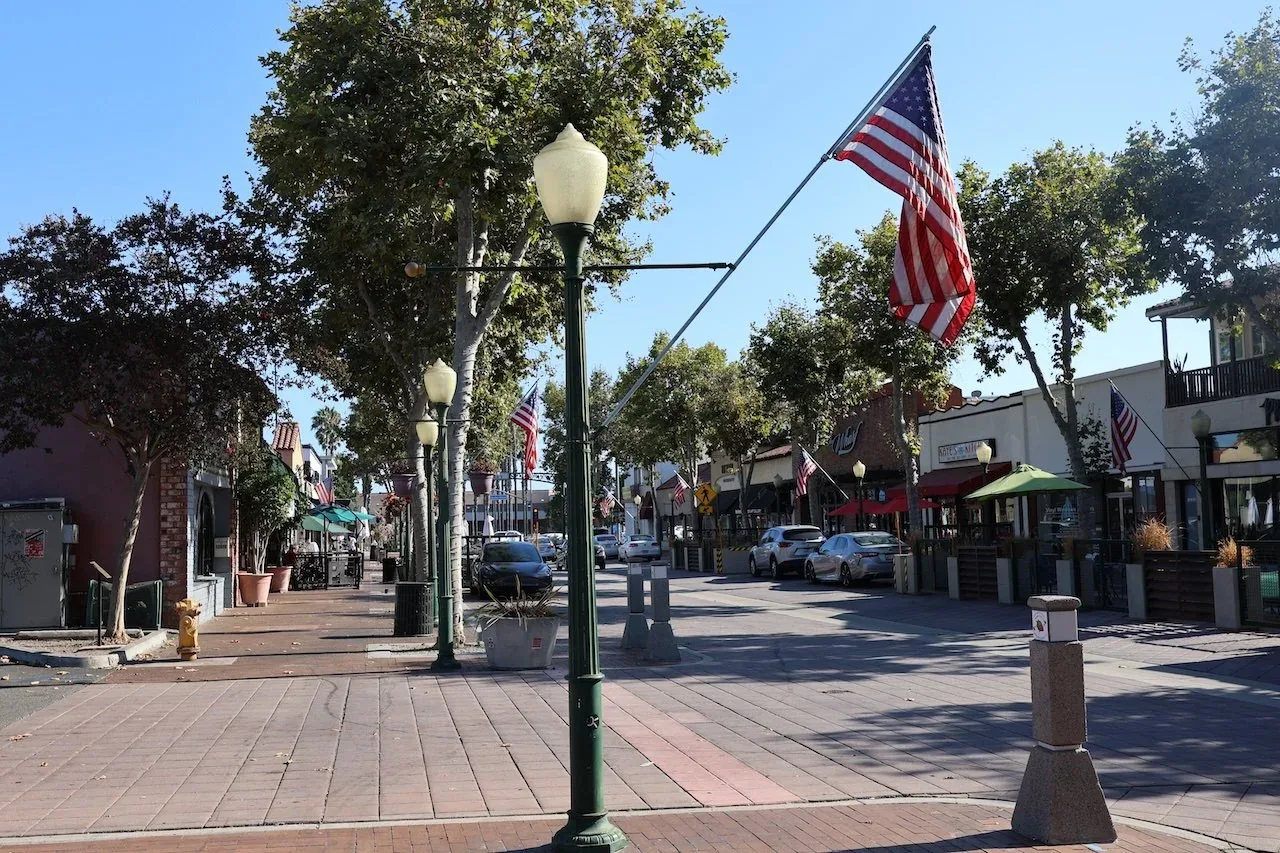
Coordinate access with the building manager
We confirm how the crew checks in, where it may stage material and which route reaches the roof. A property contact identifies any escort, key, loading reservation, quiet period or area that must remain available. If occupied rooms or public services sit below the work, the manager sets notice recipients and the person to contact if conditions change. We also ask about rooftop units that need to remain in service during the inspection.
The General Plan includes several nonresidential use types, but it does not identify access procedures for an individual building. We rely on the owner or authorized representative for that. A separate Irvine visit needs its own approval; a city page does not authorize entry elsewhere. The service log notes the confirmed route, roof zones available and anything that prevented a full review on the scheduled visit.
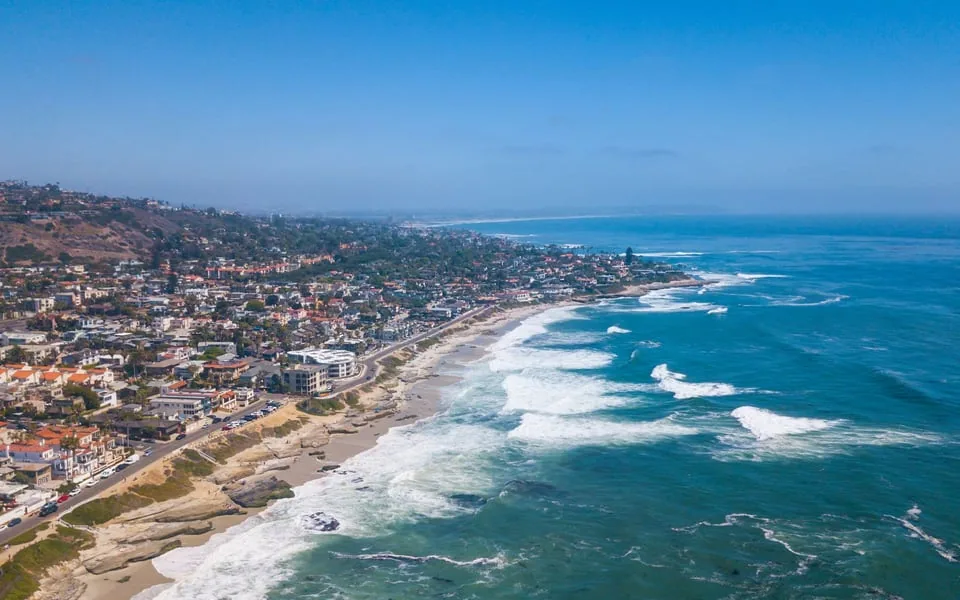
Link the interior report to accessible roof details
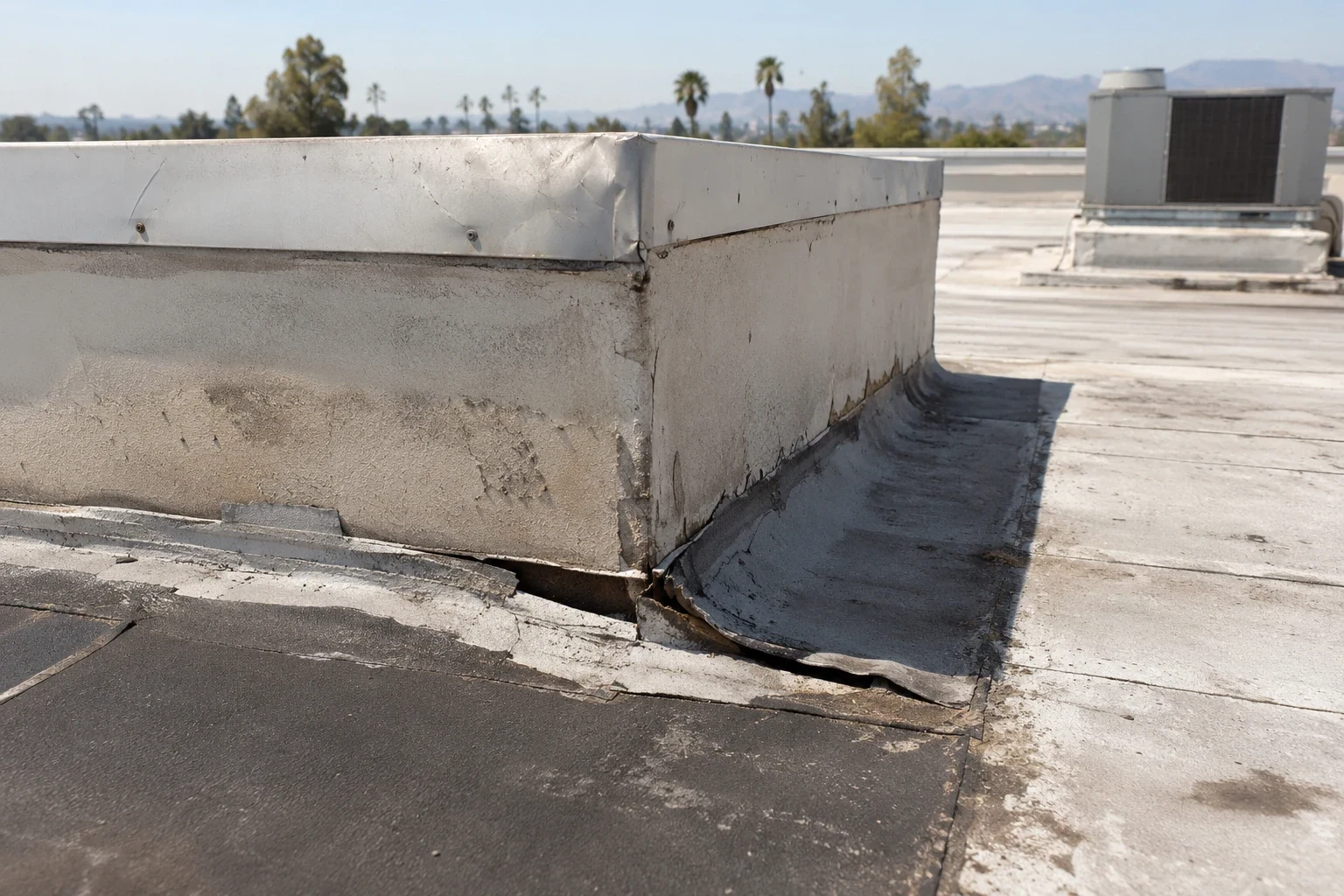
Water may move along a roof deck or insulation before reaching the ceiling. We note the room, timing and conditions around the report, then inspect seams, curb flashings, wall edges, penetrations and outlets in the surrounding roof area. The report distinguishes the visible stain from any roof detail that appears related. A prior patch is checked for bonding, material and the condition of its edge.
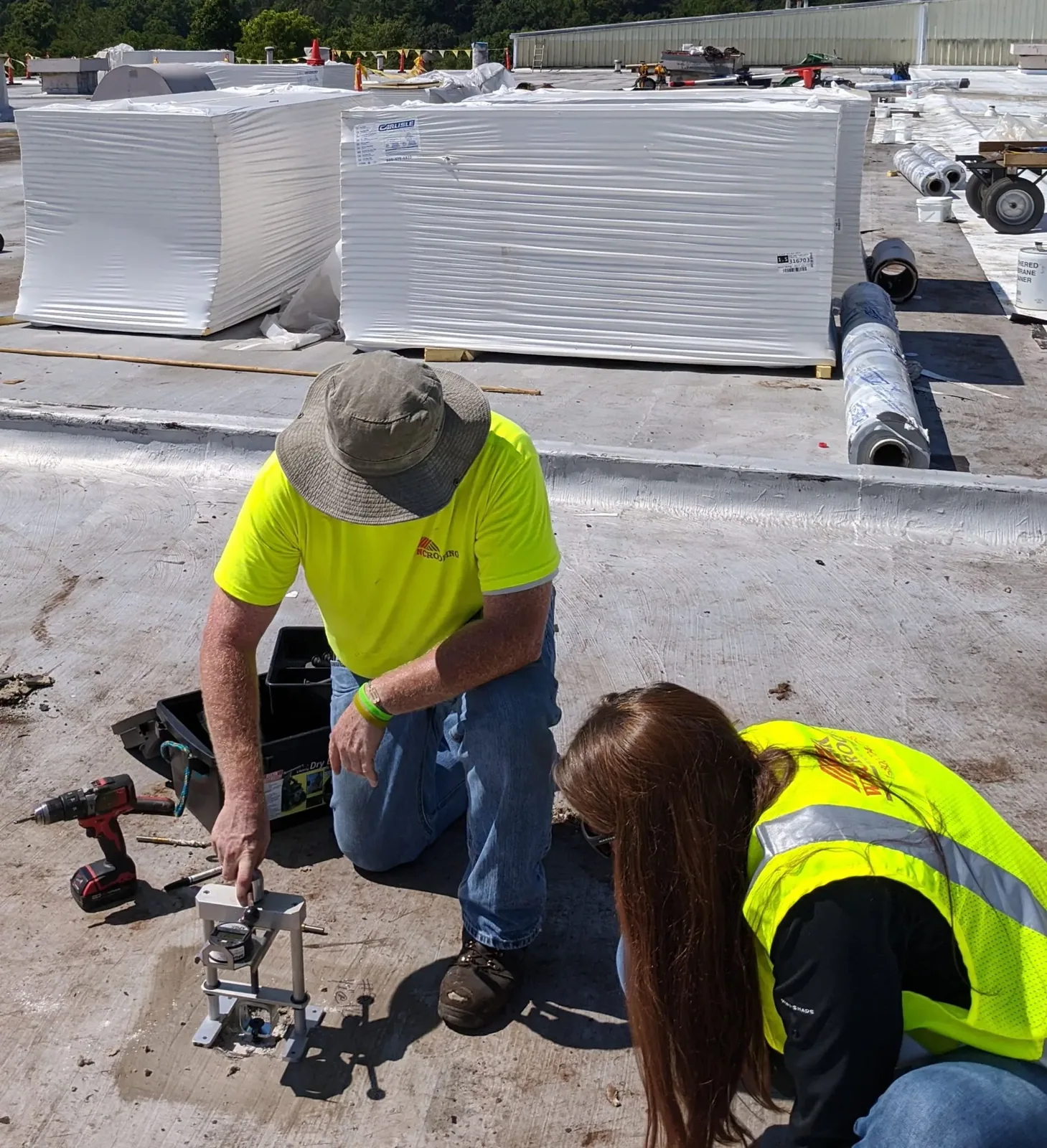
If a suspected seam has opened, a seam failure assessment can define the repair. A wall or curb transition may require a flashing review. If the water path remains uncertain, we identify a survey or small test opening that could locate wet layers and explain what authorization is required. Work stays within the approved limit until results show whether the roof area should expand.
Choose the correction after the system is confirmed
We use records, labels and exposed details to identify the existing roof surface. TPO, PVC, EPDM, metal, coating and multi-ply assemblies have different preparation and tie-in requirements. A coating may hide the original membrane, and an older patch may use a separate material. If the substrate is not clear, the scope names the missing evidence before a product-specific repair is selected.
A PVC assembly review or modified-bitumen assessment organizes system-specific questions after identification. We record cleaning, primer, compatible patch material, termination and inspection point for the authorized repair. If the defect reflects wider moisture or attachment issues, the owner may compare a replacement scope with localized work. The proposal describes the area each option includes and does not treat a limited repair as proof of the roof's remaining service life.
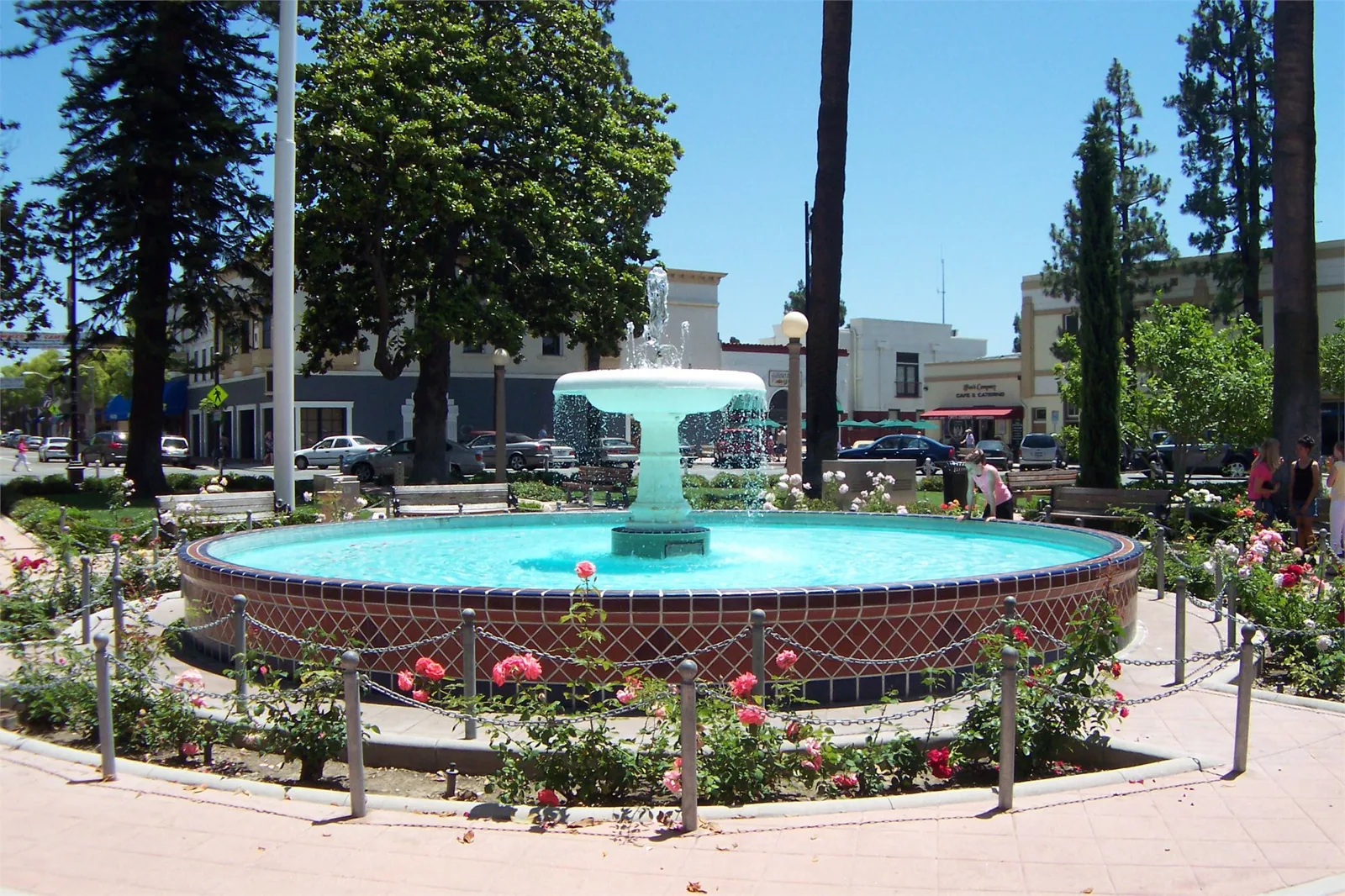
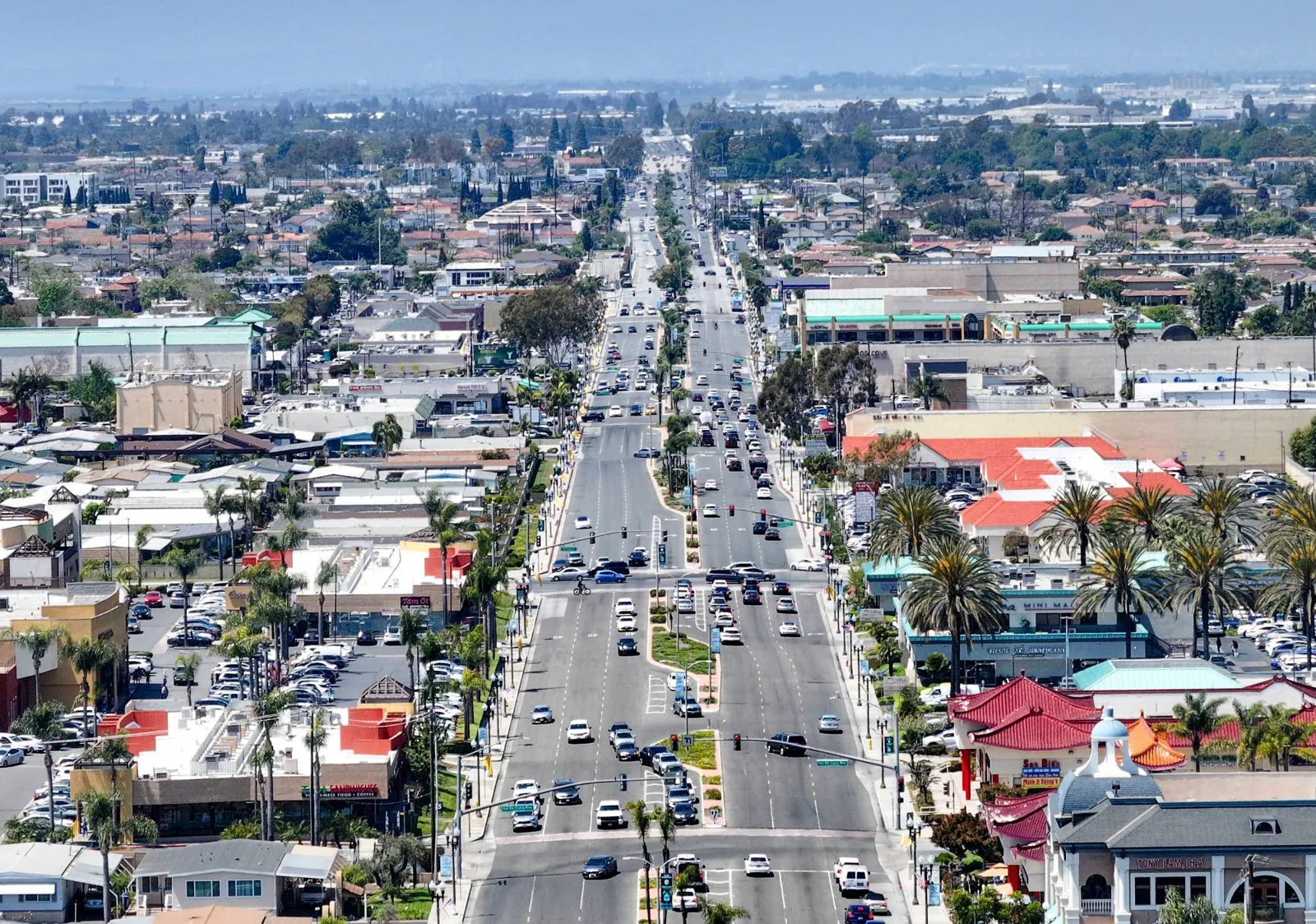
Check outlets and nearby low points
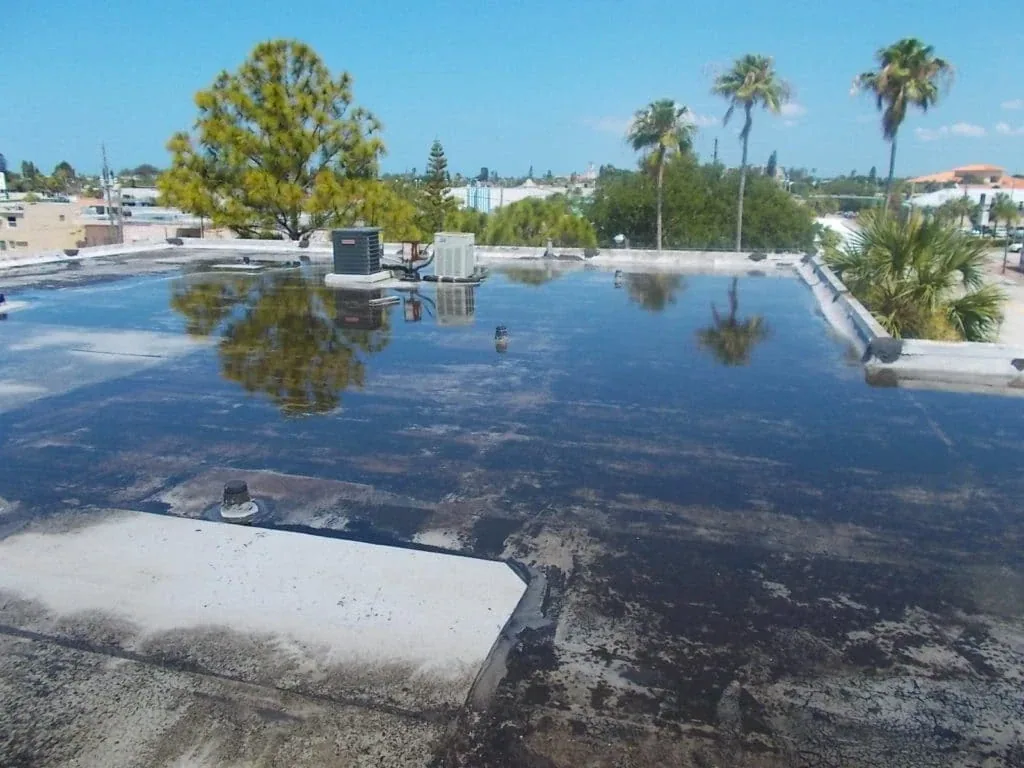
A roof drain assembly includes a strainer, bowl, clamping ring, flashing and membrane around the opening. We inspect these components individually and note debris, separation or deformation. Scuppers and overflow routes are reviewed where accessible. If water remains after a storm, we document its location and visible extent but do not attribute it to a slope or structural defect without the relevant measurements.
Before a drain is isolated, the property manager approves the method and any protection required below. If cleaning and membrane work are both needed, we list them separately. A drain and scupper repair can address a verified outlet detail with the adjacent membrane. The report identifies what the crew observed, which flow path was tested and any area left for a later visit.
Set a work sequence suited to active spaces
We define roof zones, opening limits, material staging and an end-of-shift closure condition before beginning. The contact identifies rooms or equipment that require protection and staff who need notice. If a hidden layer, unexpected deck condition or weather delay changes the sequence, the crew secures the area and requests approval before adding removal. The plan identifies who can decide whether testing or a change order is appropriate.
For a building that remains in service, occupied-building phasing can divide the project into manageable sections. We state likely noise or access impacts based on the approved plan and the property contact coordinates with occupants. No standard promise replaces a site-specific schedule. A progress note tracks finished details, temporary protection and the next decision before another area is opened.
Keep General Plan descriptions distinct from roof findings
Laguna Woods' 2024 plan sets maximum floor-area ratios for Commercial and Community Facilities designations, but the designation and ratio do not reveal a particular roof's configuration. They provide municipal planning context only. We verify the address, owner contact, existing roof records and working conditions before preparing an estimate. For public-facing building operations, the manager confirms approved hours and any access restriction.
A Santa Ana service-area review refers to another city and its own planning document. In Laguna Woods, permit or structural questions are confirmed by the owner for the specific repair or replacement scope. We describe what a roof inspection can establish and identify any work requiring separate design or code review, keeping those determinations with the appropriate professional or authority.
Provide records that support the next maintenance visit
Closeout includes the roof-zone location, observed defect, approved repair limit, products used, photos and test results. Areas not included and questions not resolved remain in the report. If the building contact authorized work only in one section, the record does not suggest that other roof areas were inspected. These notes help a future technician compare conditions and identify when access or a new test is required.
A condition report can organize observations for future budgets. A Newport Beach service inquiry is qualified separately by address and access. For Laguna Woods, the final file names who received the report and which change or inspection should prompt the next call.
Common Questions
We confirm the address, service requirements and person who can authorize roof access. General Plan categories do not identify a property that has requested service.
Provide the building address, affected area, approximate timing, access contact and any roof records available. Those details help focus the visit but do not replace field verification.
The property manager approves staging, access, work windows, room protection and notice. We define zones and closure points and report a changed condition before adding work.
Not always. Water can travel within an assembly before appearing indoors. We inspect nearby roof details and explain any test needed to verify the path.
No. Land-use designations describe city planning categories. Roof materials, drainage, condition and access are confirmed through property records and site inspection.
Related Roofing Work
Request a property-specific roof visit
Share the Laguna Woods address, issue and person authorized to provide access. We will confirm eligibility and outline what the first inspection can verify.